Why Does My Lawn Mower Cut Unevenly?
Why does my lawn mower cut unevenly? Almost every lawn owner runs into this at some point. You mow the yard the same way every time, but some patches come out short and others stay tall.
Stripes show up where they shouldn't, or the grass gets scalped in low spots.
The cause usually isn't mysterious. Uneven cuts trace back to blade condition, deck level, tire pressure, or terrain. Per Purdue University Extension guidance, a mower deck should sit level within 1/4 inch side to side.
Here's how to figure out what's actually wrong.
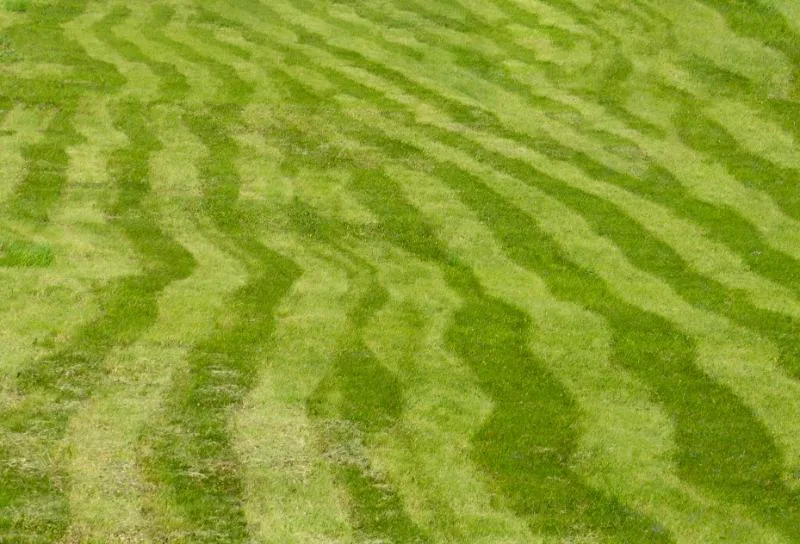
Image source: Bing (Web (fair-use with source credit))
Quick Answer
A lawn mower cuts unevenly because of a dull or bent blade. Uneven tire pressure and an unlevel deck are common causes. Mowing too fast or cutting wet grass also produces poor results.
Check the blade, deck level, and tire PSI in that order.
The Problem: What's Actually Happening in Your Lawn
When a mower cuts unevenly, you'll see several visual symptoms right away. Some strips of grass look freshly mowed while others stand noticeably taller. You might also see stripes running across the lawn in directions you didn't plan.
This isn't just a cosmetic annoyance. An uneven cut stresses the grass and invites weed pressure. Clippings that vary in length break down at different rates, which can leave patchy buildup across the lawn.
For homeowners with large yards, repeated passes waste real time. A mowing session that should take 30 minutes can stretch to an hour when the mower keeps leaving thick strips.
Quick Diagnosis: What the Cut Pattern Is Telling You
The cut pattern on your lawn tells you exactly what's going wrong with the mower. Each symptom points to a specific mechanical or setup issue.
| What You See | Likely Cause | Where to Check |
|---|---|---|
| Tall strips in straight lines | Bent blade | Blade tip straightness |
| Scalping in low dips | Deck set too low | Deck height, anti-scalp rollers |
| One side cut shorter | Uneven tire pressure or unlevel deck | Wheel PSI, deck level |
| Vibration during mowing | Unbalanced blade | Blade balance test |
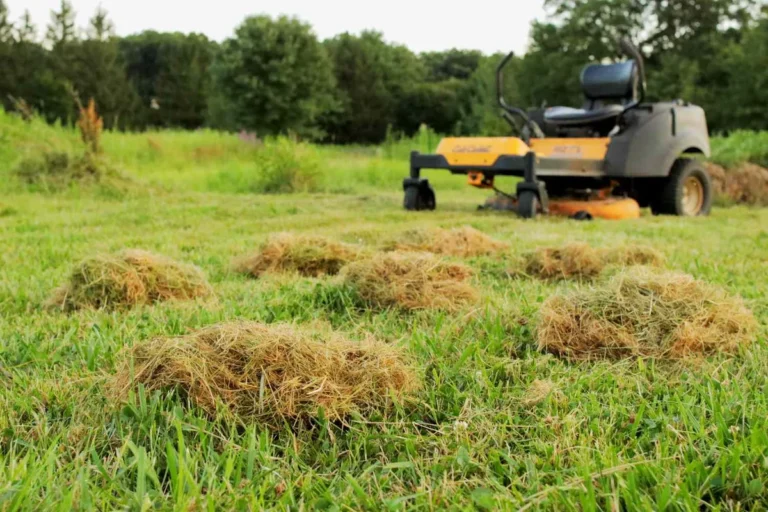
| Clumpy thatch left behind | Dull blade or clogged deck | Blade edge, deck underside |
| Random tall patches | Bent spindle or debris in deck | Spindle play, deck clearing |
If you see stripes, inspect the blade first. If one side is consistently shorter, check tire pressure before anything else. Mow a small test area on flat ground after each adjustment to confirm what changed.

Image source: Bing (Web (fair-use with source credit))
The Main Causes, Broken Down by Symptom
There are five main reasons a lawn mower cuts unevenly. Each one leaves a distinct signature on the grass.
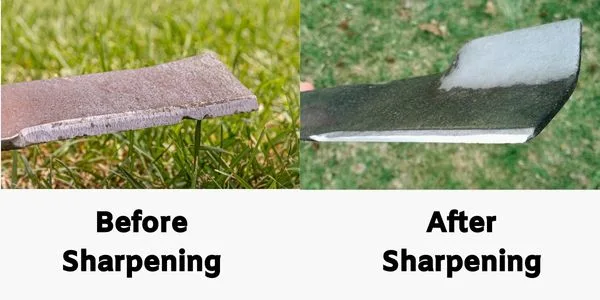
Dull or chipped blade. A blade that's lost its cutting edge tears grass instead of slicing it. Tips turn brown within days. Per Purdue University Extension, sharpen blades every 20 to 25 mowing hours.
Bent blade. Hitting a rock, root, or curb bends the blade out of true. Even a 1/8-inch bend causes the mower to cut unevenly across its full width.
Unlevel deck. If the deck sits higher on one side, that side cuts taller. Measure blade-tip-to-ground at four points and adjust until they're within 1/8 inch of each other.
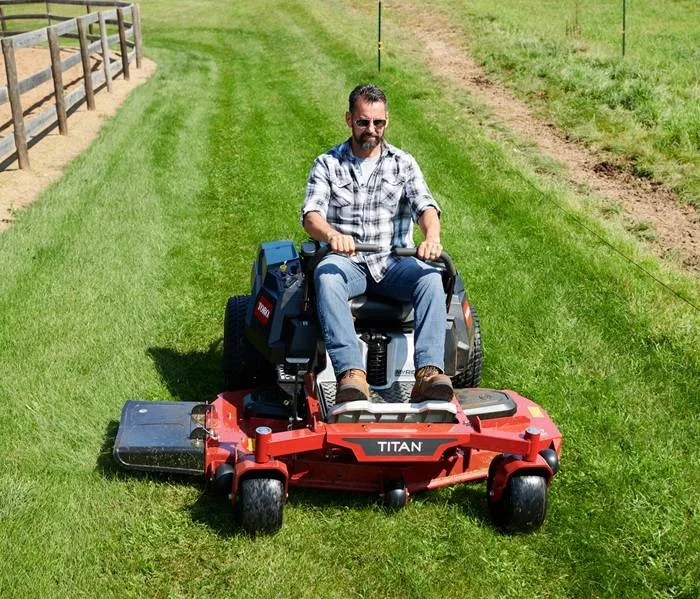
Uneven tire pressure. This is especially common on riding mowers. A 5 PSI difference between left and right front tires tilts the whole deck. The height difference shows up immediately on the lawn.
Clogged or worn deck. Built-up clippings change airflow under the deck. Worn wheels or rollers on push mowers cause the front or rear to ride lower than intended.
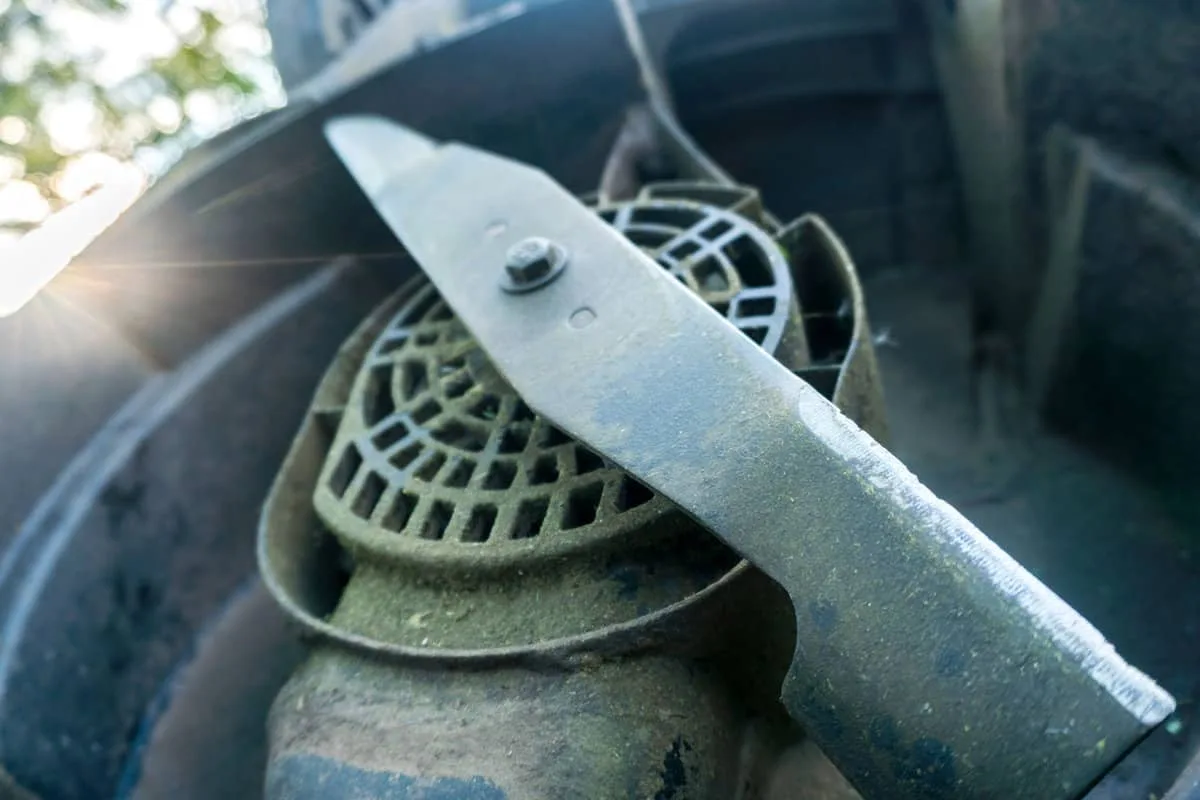
Image source: Bing (Web (fair-use with source credit))
Your Step-by-Step Diagnostic Workflow
Work through these checks in order. Each one rules out or confirms a specific cause.
Inspect the blade. Disconnect the spark plug wire first. Remove the blade and check for nicks, dull edges, and bends. Lay it flat and look at tip straightness from the side.
Check tire pressure. Measure all four tires with a gauge. Riding mowers typically run 20 to 25 PSI in front and 15 to 20 PSI in rear. Even a small difference causes tilting.
Level the deck. Raise the mower onto a flat surface. Measure from blade tip to ground at four points. Adjust until readings are within 1/8 inch of each other.
Test on flat ground. Mow a small level section and observe the cut. If stripes persist, go back to step one.
Inspect the spindle and belt. Wiggle the blade spindle for play. Check the deck belt for stretching or cracks. As of 2026, most manufacturer specs call for belt replacement at 250 to 300 hours of use.
If the blade is fine, tire pressure is even, and the deck is level, the problem may be terrain or mowing speed. Slow down on slopes and raise the deck one notch in uneven areas.
Common Mistakes That Make Uneven Cutting Worse
Most uneven-cut problems get worse because of the fixes people try first. Here are the mistakes worth skipping.
Sharpening without balancing. An unbalanced blade vibrates and cuts worse. Use a nail or blade balancer after sharpening to verify it's true.
Reinstalling the blade backwards. The cutting edge must face up. If it's upside down, the mower will shred grass rather than cut it cleanly.
Forgetting to disconnect the spark plug. Always pull the plug wire before touching the blade. The CDC lists accidental start-ups as a leading cause of lawn mower injuries.
Ignoring tire pressure on push mowers. Flat front wheels cause the deck to drop unevenly. Check them monthly during mowing season.
Mowing wet grass. Wet grass sticks to the deck and tears instead of cutting clean. Wait for dry conditions whenever possible.
Setting the deck too low chasing an even look. Cutting too short stresses the grass and scalps high spots. Keep cool-season grasses at 3 to 4 inches and warm-season types at 1 to 3 inches.
Fix the blade first, then tire pressure, then deck level. That order catches the cause in most cases before you spend money on parts.
Safety First: What to Know Before Touching the Mower
Before you slide under a deck or grab a blade, protect yourself. Lawn mower blades can cause serious injury in an instant. Per CDC lawn mower injury data, most emergencies happen during maintenance, not mowing.
- Disconnect the spark plug wire first. Pull the wire off the plug and tuck it away from the engine. This prevents accidental start-ups, the leading cause of mower injuries during service work.
- Wear gloves and eye protection. Blade edges stay razor sharp even when they look worn. Metal chips and sparks fly during grinding on a bench grinder.
- Secure the mower with jack stands. Never work under a mower held up by a jack alone. This matters especially on riding mowers that weigh over 500 pounds.
- Follow manufacturer torque specs. Tighten blade bolts to the specified value with a torque wrench. Overtightening strips threads. Undertightening risks the blade flying off at full RPM.
- Handle fuel carefully. Cap or drain the fuel tank before tipping a gas mower. Spilled fuel creates a fire hazard in enclosed garage spaces.
Decision Guide: What to Fix Based on What You're Seeing
Match your symptom to the right fix. Start with the most likely cause for what you observe, then work down the list.
| Symptom | First Fix | Second Fix | Call a Mechanic If |
|---|---|---|---|
| Stripes across the lawn | Sharpen or replace blade | Check deck level | Spindle housing is bent |
| One side cut taller | Equalize tire PSI | Level deck side to side | Deck frame is warped |
| Scalping in low dips | Raise deck height | Add anti-scalp rollers | Suspension springs are broken |
| Vibration while mowing | Balance blade | Replace spindle bearing | Crankshaft is bent |
| Clumpy torn clippings | Sharpen blade | Clear clogged deck | Baffles are damaged |
The blade is the first fix in almost every case. After that, tire pressure and deck level resolve most remaining issues. Push mower owners should check wheel condition too, since flat or worn wheels cause the deck to ride unevenly.
As of 2026, many manufacturer service centers offer seasonal blade sharpening and deck level checks for under $50. That's worth it if you'd rather not tackle the maintenance yourself.
If the blade is sharp, tires are even, and the deck is level but the cut is still uneven, the deck frame may be warped. That's a dealer-level repair. Don't try to bend a deck straight yourself.
Maintenance: How to Keep Your Mower Cutting Even
The best way to avoid uneven cuts is to prevent them. A simple maintenance routine catches most problems before they show up on the lawn. Here's what to keep on your schedule.
- Sharpen blades every 20 to 25 mowing hours. Keep a simple log or count your mowing sessions. A sharp blade is the single biggest factor in clean, even cuts.
- Check tire pressure monthly during mowing season. Equal PSI across all four tires keeps the deck level. Riding mowers need both front and rear checks every month.
- Clean the deck underside after every use. Built-up clippings change airflow under the deck and can lead to uneven discharge and clumping.
- Inspect the deck belt every 50 hours. Replace it at 250 to 300 hours of use, per most manufacturer specifications.
- Level the deck once per season. Measure from blade tip to ground at four corners. Adjust until they're within 1/8 inch of each other.
Per Purdue University Extension guidance, consistent blade maintenance and deck care extend mower life by years. The payoff shows up in every single cut.
Frequently Asked Questions
How often should I sharpen my lawn mower blade?
Sharpen your lawn mower blade every 20 to 25 mowing hours, or at least once per season. If the blade has nicks or the lawn shows brown, torn tips after mowing, sharpen it sooner.
Can a dull blade cause uneven cutting?
Yes, a dull blade is one of the top causes of uneven lawn cuts. It tears grass rather than slicing it, leaving ragged tips that look uneven even after the blade has already passed over them.
What tire pressure should my riding mower have?
Most riding mowers run 20 to 25 PSI in the front tires and 15 to 20 PSI in the rear. Check all four tires with a gauge at the start of each mowing season.
Should I replace my lawn mower blade or just sharpen it?
Replace the blade if it's bent, cracked, or has lost more than 1/4 inch of length from wear. Sharpening handles minor dullness and small nicks fine. A bent blade won't cut evenly no matter how sharp you make it.
Why does my mower cut unevenly only on slopes?
Slopes cause uneven cuts because the deck doesn't sit level relative to the ground. Gravity pulls the mower downhill and tilts the deck, changing the cutting height. Mow across slopes rather than up and down, and raise the deck one notch to compensate.
How do I check if my mower deck is level?
Raise the mower on a flat surface and measure from the blade tip to the ground at all four corners. Adjust the deck until the readings are within 1/8 inch of each other. If they vary more than that, your deck isn't level.