Can a Lawn Mower Cut Wet Grass?
Can a lawn mower cut wet grass? Physically, yes. Wet turf isn't made of cement.
But whether you should actually do it depends on how saturated the ground is, what type of mower you're running, and what you're willing to risk.
Briggs & Stratton's official service guidance recommends mowing only when grass stands back up after you press it with your foot. As of 2026, most major mower manufacturers still share this recommendation under most conditions. The real question isn't whether your mower can handle wet grass.
It's whether your lawn can.
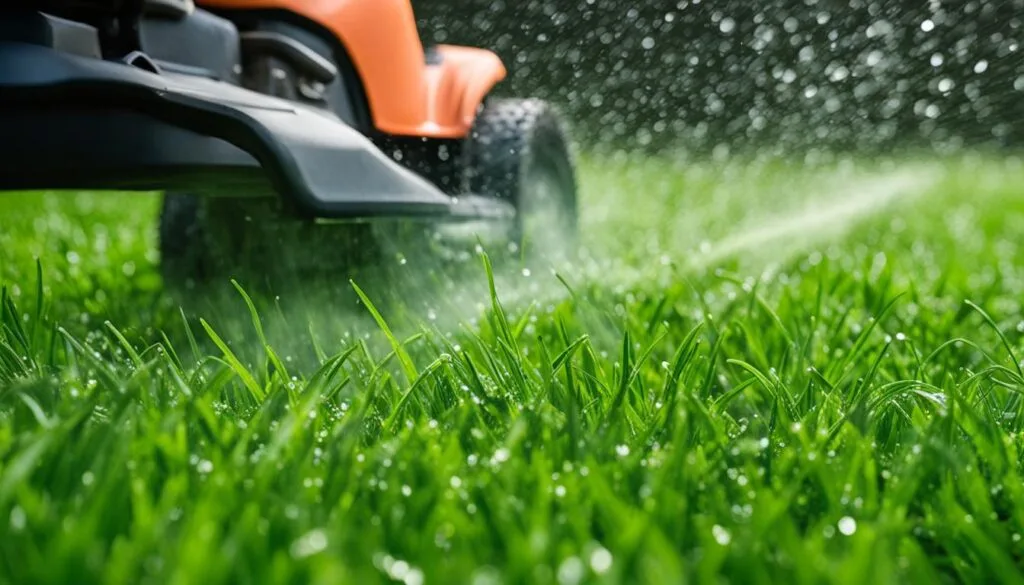
Image source: Bing (Web (fair-use with source credit))
Quick Answer
A lawn mower can cut wet grass, but it's rarely a good idea. Wet grass clumps on the blade and deck. Mowing saturated turf creates ruts, compaction, and fungal disease risk.
Wait until grass is mostly dry before mowing. If it's just light dew, proceed with caution.
The Real Problem With Mowing Wet Grass
Most people treat wet grass like a minor inconvenience. It's actually a set of compounding problems. They hit your lawn, your mower, and your safety all at once.
What Happens to the Grass
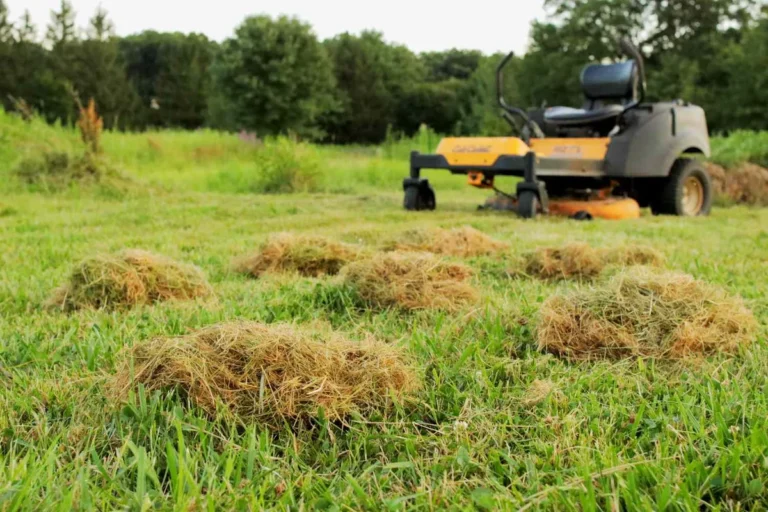
When grass is wet, the blades stick together in clumps. Your mower can't cut cleanly, so it tears and shreds instead of slicing. The result is clumpy, uneven clippings that sit on the lawn like dead patches.
Those clumps smother the grass underneath. They block sunlight and airflow, creating dead zones that take weeks to recover. On a hot day, clumped wet grass cooks the turf underneath almost like a blanket.
Compaction is the issue people underestimate most. A riding mower on saturated soil can press ruts 1 to 3 inches deep. Those ruts damage grass roots and create drainage problems that last for months.
Even a lightweight push mower can leave lasting impressions on waterlogged turf.
Grass clippings left on wet turf decompose faster than usual. That speed looks like a good thing. It isn't.
Faster decomposition in hot, wet conditions can burn turf patches and discolor the grass in irregular spots.
What Happens to Your Mower
Wet clippings build up inside the mower deck fast. That adds mechanical strain to the engine and drops cutting efficiency. Repeated wet mowing accelerates rust on the deck and blade surfaces.
And here's the kicker. Dull blades cut worse on wet grass. That makes clumping worse.
Clumping makes cutting even harder. It's a vicious cycle that shortens your mower's lifespan.
Disease and Safety Risks
Fungal disease risk climbs when turf stays wet and compressed. Penn State Extension and other university turf programs consistently link saturated, clumped grass to brown patch, dollar spot, and other fungal infections. The clumps hold moisture against the grass crown, creating ideal conditions for spores to spread.
Safety problems are real too. Wet terrain reduces traction, especially on slopes greater than 15 degrees. Wet mower surfaces increase slip risk.
If you're using a corded electric mower, water and electricity are a genuinely dangerous combination.
This isn't theoretical. It's the reason mower safety guidelines always prioritize dry conditions.
The Decision Variables: How Wet Is "Too Wet"?
The answer to whether you should mow changes depending on several factors. Let's break down what actually matters.
The Press Test
The simplest way to assess wetness is the press test. Walk onto the lawn and press your foot down firmly. If the grass bounces back and your boot doesn't leave a visible imprint, you're probably fine to mow.
If the ground feels soft underfoot and you leave a clear footprint, wait. That means the soil is saturated enough to cause damage.
Different wetness levels mean different decisions:
| Wetness Level | What It Feels Like | Should You Mow? |
|---|---|---|
| Dry | Grass springs back, no moisture on blades | Yes, ideal conditions |
| Light dew | Slightly damp, usually burned off by mid-morning | Yes, with caution |
| Damp | Grass feels wet, soil is firm underfoot | Maybe, depending on mower type |
| Wet | Soil is soft, grass visibly wet, footprints remain | No, wait |
| Soaked | Standing water in low spots, mud forms underfoot | Absolutely not |
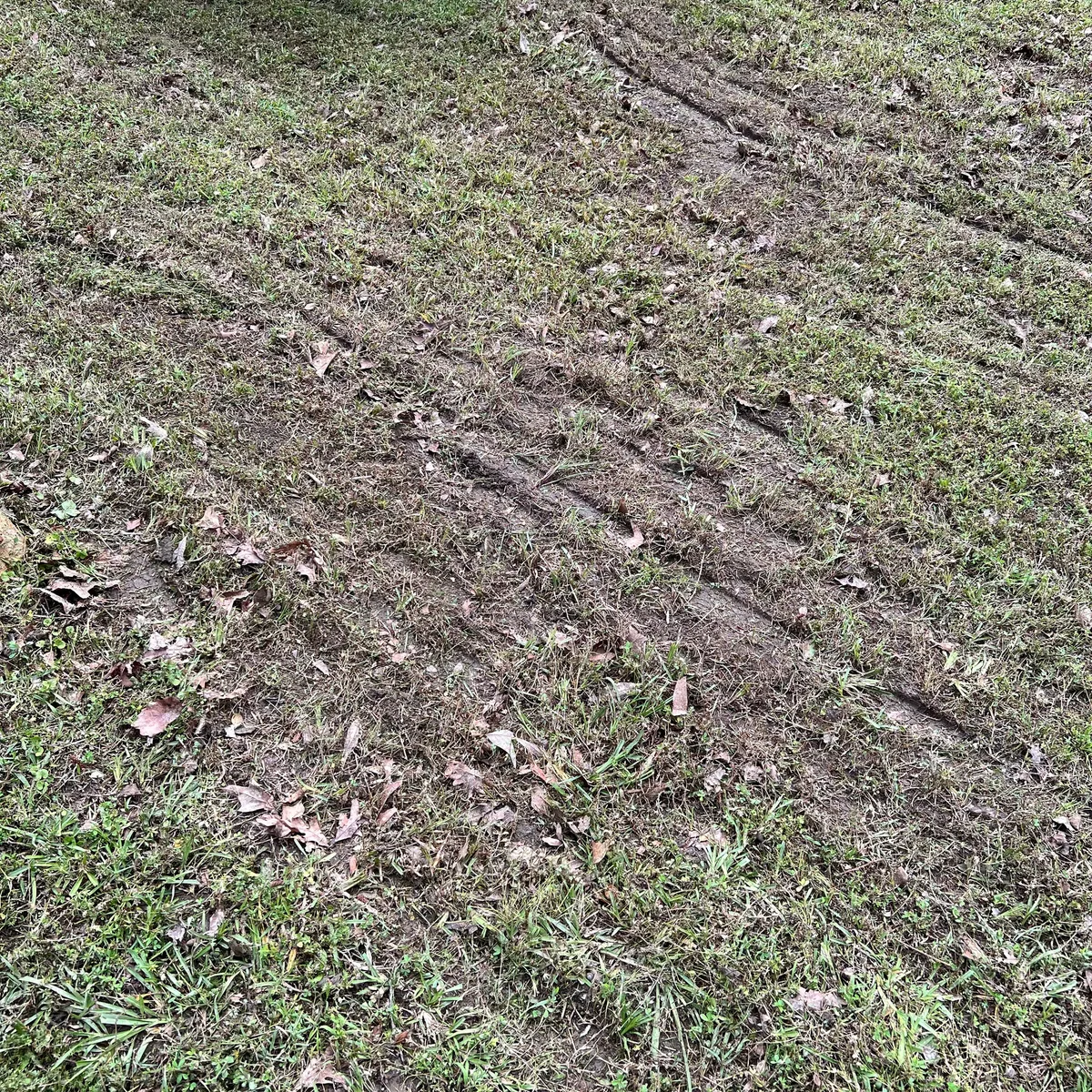
Image source: Bing (Web (fair-use with source credit))
Mower Type Matters
Not all mowers handle wet conditions the same way. Riding mowers and zero-turn mowers exert less ground pressure per square inch. That means less compaction on wet soil.
Push mowers, especially gas models with aggressive tread, can dig into saturated soil more easily. Battery-powered mowers handle wet grass with less mechanical strain than gas models. They don't have a carburetor that can choke on wet clippings.
Manufacturer specifications vary widely on moisture resistance. Briggs & Stratton and other brands publish operating guidelines that recommend dry conditions for most consumer mowers. Always check your specific model's documentation.
Grass Type and Cutting Height
Cool-season grasses like Kentucky Bluegrass and tall fescue grow faster in wet weather. They're also more prone to clumping when wet. Warm-season grasses like Bermuda and St.
Augustine handle moisture slightly better but still suffer from compaction issues.
Regardless of grass type, raising your cutting height by 1 to 2 inches when mowing wet grass reduces strain on the blade. It leaves more grass surface area for photosynthesis and makes it easier for air to circulate through the turf.
Your Mowing Decision Tree: What to Do Based on Conditions
Here's how to decide what to do, step by step.
Step 1: Assess the Moisture Level
Run the press test from the previous section. If the ground is soft and your footprints stay visible, stop here. Do not mow.
Wait for conditions to improve.
If the grass is damp but the soil is firm underfoot, move to step 2.
Step 2: Check Your Mower
Do you have sharp blades? A dull blade on wet grass tears more than it cuts. That makes clumping worse.
If your blades haven't been sharpened in 20 to 25 hours of mowing, sharpen them first.
Is your mower deck clean? Wet clippings accumulate fast. Clean the underside before mowing if possible, and plan to clean it again afterward.
Step 3: Choose Your Settings
| Condition | Blade | Cut Height | Speed | Clipping Method |
|---|---|---|---|---|
| Light dew, firm soil | Sharp | Standard +1 inch | Normal | Mulch or side-discharge |
| Damp, firm soil | Sharp | Standard +2 inches | Slightly slower | Bag wet clippings |
| Wet, soft soil | Do not mow | N/A | N/A | N/A |
| Soaked turf | Do not mow | N/A | N/A | N/A |
Step 4: Decide If Mowing Is Worth It
Ask three questions. Is the grass long enough to cause problems if you wait? Is rain forecast for the next 24 hours?
Can you handle the clumping and compaction risks?
If the first two answers are yes, and your blades are sharp, mowing carefully is reasonable. If any answer is no, wait it out.
How to Mow Wet Grass Without Wrecking Your Lawn or Mower
When you've decided to mow damp grass despite the risks, here's how to minimize the damage.
Before You Start
Sharpen your mower blades first. This is non-negotiable for wet mowing. A sharp blade cuts wet grass cleanly.
A dull blade tears it into clumps that rot on the lawn.
Raise the cutting height by 1 to 2 inches. Wet grass needs to stand taller after cutting to avoid being smothered by its own clippings. Taller grass also dries faster after mowing.
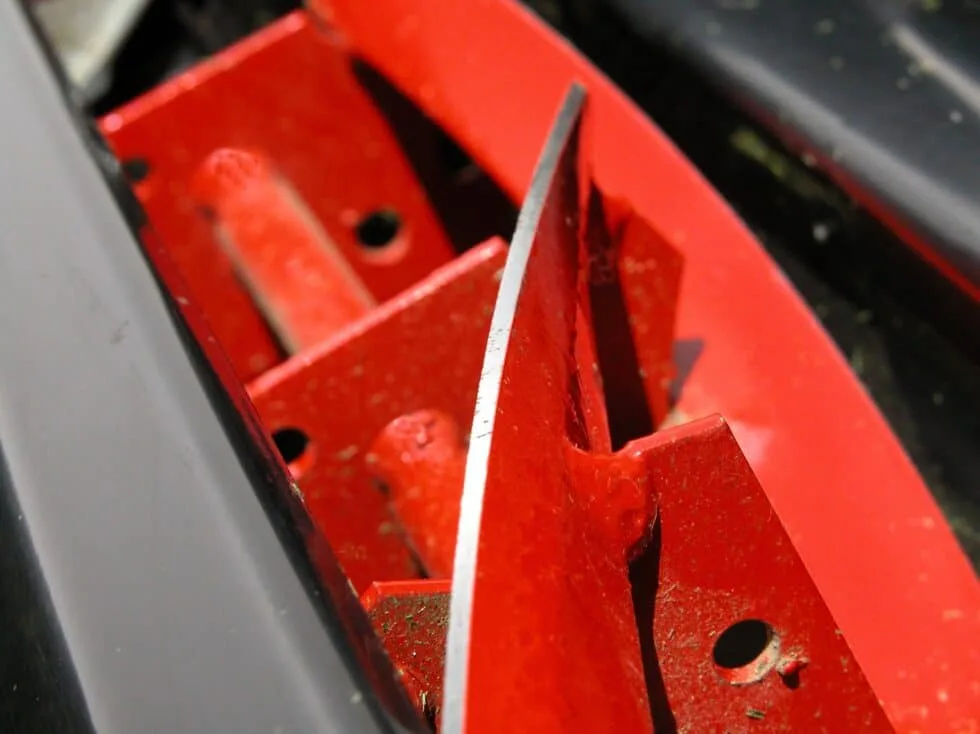
Image source: Bing (Web (fair-use with source credit))
Choose your clipping method wisely. Bagging wet clippings is the safest option for lawn health. Mulching wet grass works with most modern mowers but leaves more moisture on the turf.
Side-discharging wet clippings creates heavy piles that can kill the grass underneath.
During the Mow
Move slower than normal. Reduced speed gives the blade more time to make clean cuts and reduces clumping. If your mower has variable speed control, drop it to about 75% of your usual pace.
Mow in straight lines. For riding mowers, make slightly wider passes than usual to reduce total passes over wet ground. For push mowers, keep each pass close to the previous one and overlap only slightly.
Avoid turning on wet turf when possible. Tight turns compress soil and can create ruts. If you must turn, do it on a straight section and use a gentle arc rather than a sharp pivot.
After the Mow
Clean the mower deck immediately. Wet clippings left inside the deck accelerate rust and clog up faster on your next mow. Use a hose to wash the underside, then let it dry completely.
Scatter any clump clippings. If clumps formed despite your best efforts, rake them apart and spread them over the lawn. Thin, scattered clippings decompose quickly without smothering the grass.
Watch the lawn for fungal signs over the next 48 to 72 hours. If you notice brown patches, thinning areas, or powdery growth, apply a fungicide appropriate for your lawn type. Early treatment prevents widespread damage.