Can a Lawn Mower Cut Tall Grass?
Can a lawn mower cut tall grass? Yes. Almost every lawn mower sold today can handle grass that's grown well past its ideal height.
The real question is whether you're cutting it in a way that protects both your lawn and your machine.
The one-third rule, widely recommended by turfgrass extension programs at universities like University of Minnesota Extension, says you should never remove more than one-third of the grass height in a single cut. That means if your lawn is sitting at 9 inches, you're limited to about 6 inches per pass. These thresholds matter more than most people realize, and they shape every decision from here.
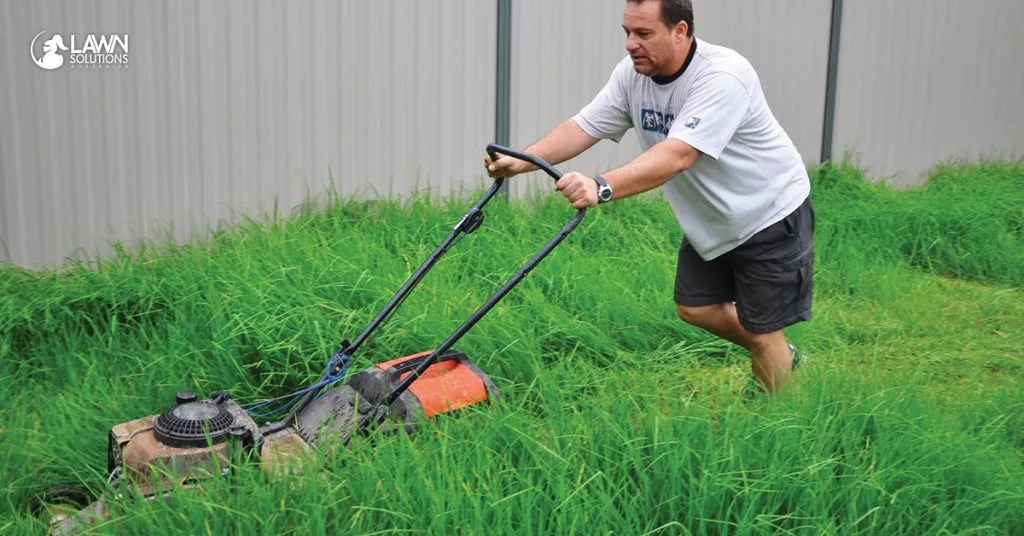
Image source: Web (Bing) / fity.club (Web image (fair-use with source credit))
Quick Answer: Yes, But Only If You Do It Right
Yes, a lawn mower can cut tall grass. Most mowers handle growth up to 8 to 10 inches comfortably. Self-propelled and riding mowers do the job with far less effort.
Cutting too much at once can clog the deck or stall the engine. The safest approach is cutting gradually from the highest deck setting.
That said, "can cut" is not the same as "should cut without limits." Tall grass presents real challenges for different mower types. Knowing where your machine's limits are saves you from expensive repairs.
When It Works Well
If your grass has grown to 6 to 10 inches and your mower has a strong engine and adjustable deck, you can usually handle it in one or two passes. Riding mowers and self-propelled push mowers do this best. They have the power to push through thick growth without bogging down.
In our research, manufacturer specifications for most residential riding mowers show they comfortably cut grass up to 10 inches tall. Some models handle 12 inches or more. Push mowers are more limited, usually effective up to 6 to 8 inches of growth.
When It Doesn't
If the grass is taller than 12 inches, mowing becomes risky. The clippings clog the deck. The engine overheats.
You risk stripping the belt or dulling the blade on hidden roots and rocks.
In these cases, pre-cut with a brush cutter or string trimmer first, then mow what's left.
The Short Version
| Zone | Height Range | Difficulty |
|---|---|---|
| Normal | 3 to 4 inches | Easy, any mower works |
| Elevated | 4 to 6 inches | Manageable, slight clumping |
| Tall | 6 to 10 inches | Moderate, needs care |
| Overgrown | 10 to 14 inches | Difficult, deck clogging likely |
| Wild | 14+ inches | Pre-cut required |
The next question is which mower you're actually working with, and that changes the answer entirely.
What Counts as "Tall Grass"? Height Thresholds That Change Everything
"Tall grass" isn't a single number. It depends on the grass species, the season, and how long it's been since your last cut. Most cool-season grasses like Kentucky bluegrass and fescue thrive at 2.5 to 4 inches.
Warm-season grasses like Bermuda and Zoysia are typically maintained at 1 to 2 inches. Once either type exceeds its ideal height by several inches, problems start stacking up.
The Critical Height Marks
| Zone | Height Range | What Happens |
|---|---|---|
| Ideal | 1 to 4 inches | Clean cutting, no issues |
| Above ideal | 4 to 6 inches | Slight clumping, easy management |
| Tall | 6 to 10 inches | Moderate difficulty, needs technique |
| Overgrown | 10 to 14 inches | Clogging, engine strain, damage risk |
| Wild | 14+ inches | Not a mowing job, pre-cut needed |
Why Species Matter
Kentucky bluegrass handles height growth gracefully at 3 to 4 inches. Bermuda grass is aggressive and fast-growing. It can jump from 1 inch to 6 inches in weeks during peak season.
As of 2026, turfgrass extension programs still recommend mowing height based on species rather than a universal number. If you don't know your grass type, that's your first priority.
How Long Has It Been Since Your Last Cut?
A lawn mowed three weeks ago looks very different from one neglected all winter. The latter develops thick, matted layers near the base of the grass. This makes cutting harder even at moderate heights.
Dense thatch also slows cutting speeds and causes more clumping. You may need multiple passes instead of one.
The Real Takeaway
Tall grass isn't just about height on a tape measure. It's about density, moisture, species, and how long you've waited. Those variables decide how easy or painful the job will be, and they dictate which mower you need.
Which Lawn Mower Can Handle Tall Grass?
Not all mowers handle tall grass the same way. The type of mower you own determines how much growth you can take down in a single pass.
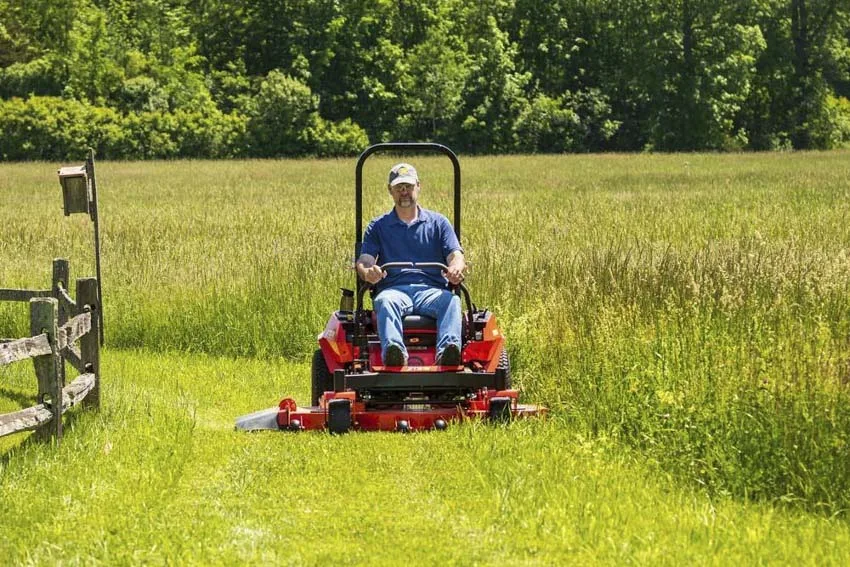
Image source: Bing (Web (fair-use with source credit))
Push Mower (Non-Self-Propelled)
Standard push mowers work fine for grass up to about 6 inches tall. Beyond that, you're pushing a heavy machine through thick growth. It gets tiring fast, and the deck clogs easily when the grass is long and dense.
For small lawns with moderate overgrowth, a push mower can handle the job. It'll take longer, but it won't damage the machine if you're careful.
Self-Propelled Push Mower
This is the sweet spot for most homeowners. A self-propelled mower has a drive system that pulls the machine forward. It takes the physical effort off your arms and shoulders.
Most models handle grass up to 8 to 10 inches without major issues.
As of 2026, top-rated self-propelled mowers from brands like Toro, Honda, and Craftsman feature adjustable decks that raise to 3.75 to 4.25 inches. That's enough clearance to chew through moderately tall growth.
Riding Mower
Riding mowers and zero-turn mowers are built for bigger jobs. They have wider decks ranging from 33 to 52 inches, more powerful engines, and the ground speed to cut through tall grass efficiently. Manufacturer specs show most residential riding mowers handle grass up to 10 to 12 inches tall.
For properties with large sections of overgrown grass, a riding mower is the clear choice.
Which Mower Works Best for You?
It depends on how tall the grass is and how big your property is.
| Mower Type | Max Effective Height | Best For |
|---|---|---|
| Push mower | Up to 6 inches | Small lots, light overgrowth |
| Self-propelled mower | Up to 8 to 10 inches | Residential lawns, moderate overgrowth |
| Riding mower | Up to 10 to 12 inches | Large properties, heavy overgrowth |
| Zero-turn mower | Up to 12 inches | Acreage, multiple tall sections |
The mower you choose is step one. What you do next, with that mower in hand, matters just as much.
Step-by-Step: How to Cut Tall Grass Without Wrecking Your Mower
Knowing your mower can handle the job is one thing. Doing it without burning out the engine or shredding the blade is another. Here's the process that turfgrass professionals recommend.
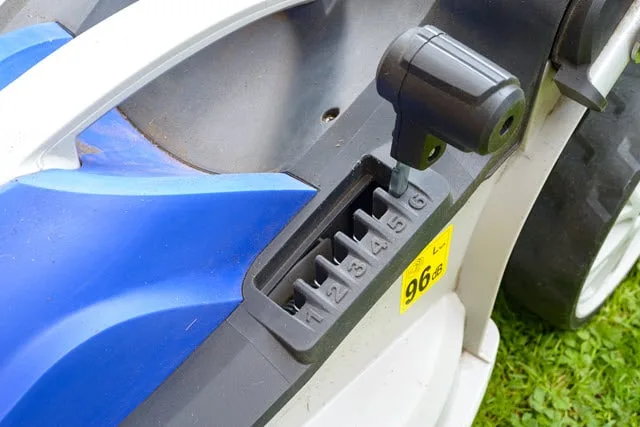
Image source: Bing (Web (fair-use with source credit))
Step 1: Walk the Lawn First
Before you start the mower, walk the entire area. Look for rocks, sticks, roots, branches, and debris hidden in the tall grass. These objects can damage your blade or cause kickback, which is a serious safety risk.
If you find large rocks or roots, remove them by hand or mark their locations so you avoid them.
Step 2: Set the Deck to Its Highest Setting
This is the single most important step. Raise your mower deck to the maximum height, which is typically 3.75 to 4.25 inches on residential models. Cutting tall grass at a low setting is how you scalp the lawn and stall the engine.
Step 3: Make the First Pass Slowly
Walk at a reduced pace, especially if the grass is wet or very thick. Let the mower do the work. If the engine starts bogging down, slow your pace or raise the deck slightly.
Force-pushing the mower through dense grass causes the most common problems.
Step 4: Bag or Side-Discharge the Clippings
When cutting tall grass, mulching doesn't work well. The clippings are too long to decompose quickly. They'll clump on the lawn in thick mats.
Side discharge or bagging is the better choice here.
Step 5: Wait, Then Cut Again
Don't try to go from 10 inches to 3 inches in one session. Let the grass recover for 24 to 48 hours, then lower the deck by an inch or two and make another pass. Repeat until you're at your target height.
Step 6: Clean the Mower After You're Done
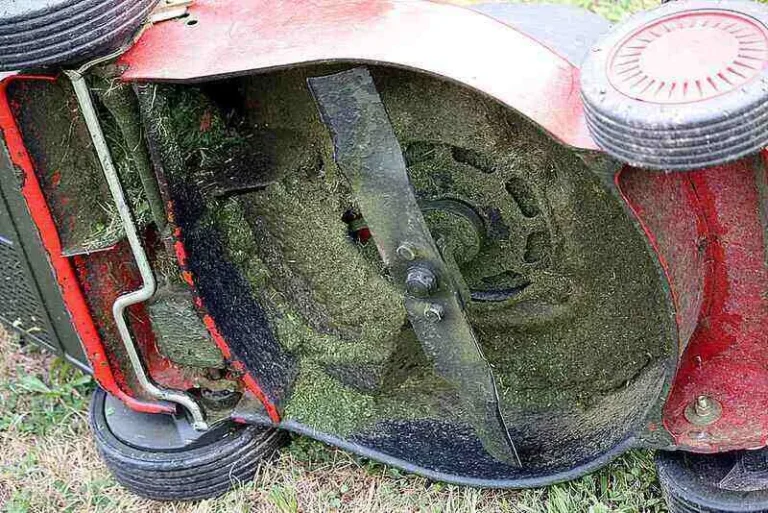
Clear clippings from the deck, blade area, and discharge chute. Grass buildup traps moisture, which corrodes metal and dulls blades over time. A quick cleanup extends your mower's lifespan significantly.
Mistakes to Avoid When Mowing Overgrown Grass
Even with the right mower and the right technique, mistakes catch people off guard. Here are the ones that cause the most damage.
Cutting Too Much in One Pass
This is the number one mistake. Removing 50% or more of the grass height in a single cut shocks the plant. It turns yellow, dies back, or develops bare patches that take weeks to recover.
Follow the one-third rule every time.
Starting with the Deck Too Low
Setting the deck low and "seeing what happens" is a recipe for scalping the lawn and stalling the engine. Always start at the highest setting and work down gradually. It takes an extra pass or two, but it saves your mower and your grass.
Mowing Wet Grass
Wet grass clings to the blade, clogs the deck, and weighs down the mower. It also doesn't cut cleanly, leaving ragged edges that invite disease. If it rained recently, wait until the lawn dries before you start.
Ignoring the Thatch Layer
If the grass has built up a thick thatch layer, mowing alone won't clean things up. Thatch blocks sunlight and traps moisture at the soil surface. A dethatching pass may be needed before the lawn can recover properly.
Skipping Post-Mow Cleanup
Clumping grass left on the lawn after a tall-grass cut blocks airflow and can smother the turf underneath. Rake or blow away heavy clump areas, especially if you're not bagging your clippings.
Mowing to the Wrong Height for Your Grass Type
Every grass species has a different ideal height and growth rate. Mowing Bermuda grass to 4 inches looks ridiculous and stresses the plant. Cutting Kentucky bluegrass down to 1 inch does the same thing.
Know what you're growing, and mow to the height that species actually wants.
Each of these mistakes is easy to avoid once you know they exist. Understanding your lawn's conditions before you start the engine is the real key.
Safety Warnings and Expert Tips for Cutting Overgrown Lawns
Tall grass hides things. That makes safety a bigger deal than with normal mowing. Here's what to watch for and what experienced lawn care workers recommend.
Hidden Hazards in Overgrown Areas
Tall grass conceals rocks, tree roots, stumps, sprinkler heads, garden tools, and animal dens. Even a small rock hit at mower speed can shatter a blade or send debris flying. Walk the entire lawn before mowing, every time.
If the grass is over waist-high, you might not see ground-level obstacles at all. In those cases, use a stick to push grass aside as you walk.
PPE You Should Always Wear
- Safety glasses to protect against flying debris and grass clippings
- Closed-toe shoes or work boots for foot protection near the blade
- Hearing protection when using gas-powered mowers, which can exceed 90 decibels
- Long pants to protect your legs from flying objects and grass cuts
Engine and Gas Safety
Gas-powered mowers emit carbon monoxide, which is dangerous near enclosed spaces or garages. Always operate outdoors with good ventilation. The EPA regulates emissions for outdoor power equipment, and newer models typically meet stricter standards.
Shut off the engine and disconnect the spark plug wire before touching the blade. This prevents accidental startups during cleaning or inspection.
Local Regulations and Ordinances
Many municipalities and HOAs enforce lawn height limits, typically between 6 and 8 inches. Some also restrict mowing hours to reduce noise disturbance. Check your local rules before letting a lawn go unchecked.
Expert Tips That Make a Real Difference
- Sharpen your blade every 20 to 25 hours of use. A dull blade tears grass instead of cutting it cleanly, which promotes disease.
- Mow in overlapping rows to ensure even coverage. Tall grass needs two passes in many areas.
- Alternate mowing patterns each session to prevent soil compaction and ruts.
- Fuel your mower at the start of mowing, not the end. Hot engines and freshly added gasoline are a fire risk.
Frequently Asked Questions
Can you mow overgrown grass with a push mower?
Yes, but only up to about 6 inches tall. Push mowers lack the power to cut through dense, tall growth efficiently. Beyond 6 inches, the deck clogs and the engine strains.
If your grass is 10 inches or more, switch to a self-propelled mower or riding mower instead.
How do I cut tall grass with a riding mower?
Start with the deck at its highest setting. Drive slowly through the tall areas and let the mower do the work. Make a second pass 24 to 48 hours later, lowering the deck by an inch or two.
Repeat until you reach your target height.
What deck setting should I use to cut tall grass?
Always start at the highest available setting, which is usually 3.75 to 4.25 inches on residential mowers. Cut at this height first, then lower the deck over multiple passes. This prevents scalping the lawn and reduces the chance of stalling the engine.
Will cutting tall grass damage my lawn?
It can, if you're not careful. Removing more than one-third of the grass height in a single cut shocks the plant and causes yellowing or dieback. Follow the one-third rule, make multiple passes, and wait 24 to 48 hours between passes to let the grass recover.
How long does it take for tall grass to recover after cutting?
Most lawns bounce back within two to four weeks after a gradual height reduction. If you cut too much at once, recovery takes longer and bare patches may appear. Water and fertilize after mowing to speed up recovery and encourage new growth.
Final Decision Guide: Mow It Yourself or Call a Pro?
The right choice depends on three things: how tall the grass is, what mower you have, and how much time you're willing to invest.
Mow it yourself if the grass is between 4 and 10 inches tall. A self-propelled mower or riding mower will handle it in one to three sessions. This is the most common scenario for homeowners.
Pre-cut with a trimmer first if the grass is between 10 and 14 inches. A string trimmer or brush cutter can knock the grass down to a manageable height. Then mow what's left with your lawn mower.
Call a professional if the grass is taller than 14 inches, you don't have the right equipment, or the property is large and neglected. Lawn care services have commercial-grade equipment built for this exact situation. It costs more up front, but it prevents mower damage and gets the job done correctly.
Whichever path you choose, the principle stays the same: cut gradually, cut at the right height, and respect your machine's limits.