How Do You Clean a Lawn Mower?
Cleaning a lawn mower isn't complicated, but how do you clean a lawn mower correctly depends on what type you own. A gas push mower and a battery-powered riding model need different tools, different precautions, and different steps. Get the process wrong and you risk flooding the carburetor, damaging the motor, or creating rust that ruins the deck.
Most manufacturers recommend cleaning the deck every few uses. Toro owner manuals, for example, suggest using the built-in deck washout port with a standard garden hose. Skip that maintenance and you'll face rust, dull blades, and uneven cuts.
Here's how to handle each mower type properly.
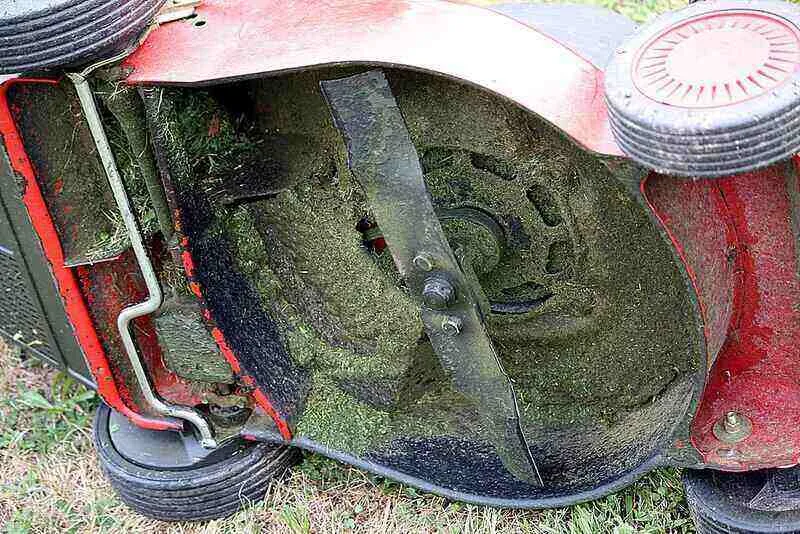
Image source: Web (Bing) / lawnstarter.com (Web image (fair-use with source credit))
Quick Answer
How do you clean a lawn mower? Disconnect the spark plug wire first. Tilt the mower carburetor side up.
Attach a garden hose to the deck washout port. Scrape off caked grass, then let the deck dry fully.
Why Cleaning Your Lawn Mower Matters More Than You Think
A dirty mower deck is more than just an eyesore. Wet grass clippings hold moisture against the steel, and that moisture triggers rust fast. In humid climates like the Southeast U.S., you can see corrosion start within weeks of skipping cleanup.
Rust isn't the only problem. Caked grass buildup blocks airflow under the deck. That reduces cutting efficiency and forces the engine to work harder than it should.
Over time, extra strain shortens engine life and increases fuel consumption.
Dull, grass-stained blades also cut poorly. You end up tearing grass instead of slicing it cleanly, which weakens the lawn and invites disease.
There's a real fire risk too. Dry grass clippings sitting on a hot engine can ignite. Routine cleaning isn't cosmetic.
It's a safety measure that prevents expensive damage.
Proper disposal of used engine oil and fluids matters as well. The U.S. Environmental Protection Agency sets guidelines for responsible disposal of engine fluids and hazardous materials.
Cleaning your mower regularly means less hazardous waste sitting around your garage.
How to Choose the Right Cleaning Path for Your Mower Type
Not all mowers need the same cleaning approach. The right method depends on three things: your power source, deck size, and whether the mower has a deck washout port.
If you own a gas mower, you'll need to disconnect the spark plug wire before doing anything. Electric and battery-powered mowers require unplugging or removing the battery instead.
As of 2026, most major manufacturers recommend cleaning the deck after every few uses during peak mowing season. Here's a quick breakdown by mower type:
| Mower Type | Primary Cleaning Approach | Key Precaution |
|---|---|---|
| Gas push mower | Hose + deck washout port + scraping | Tilt with carburetor side up |
| Electric corded | Unplug, wipe deck, rinse lightly | Keep motor housing dry |
| Battery-powered | Remove battery, wipe deck, rinse | Do not pressure wash |
| Riding mower | Deck washout port or manual scraping | Secure mower on level surface |
| Zero-turn | Manual scraping or washout kit | Avoid water near hydraulics |
Most gas mower decks have a standard garden hose thread fitting on the washout port. Battery-powered models from brands like EGO and Greenworks typically lack this feature. That means manual cleaning becomes your primary method for those units.
Step-by-Step: Cleaning a Gas Lawn Mower Deck and Blades
Gas mower cleaning has more moving parts than electric models. Follow this sequence to avoid starting problems later.
- Disconnect the spark plug wire and tuck it away. This prevents accidental engine start while you work.
- Tilt the mower with the carburetor side up. Tilting it the wrong way floods the carburetor and causes a no-start condition later.
- Attach a garden hose to the deck washout port if available. Run the engine for 10 to 15 seconds. The spinning blade washes out most buildup.
- Scrape off remaining caked grass with a plastic putty knife. Metal tools can gouge the deck.
- Spray degreaser on stubborn spots. Let it soak 5 minutes, then rinse.
- Remove the blade and inspect it. Sharpen or replace if nicked. Most manufacturers recommend sharpening every 20 to 25 hours of use.
- Clean or replace the air filter. Foam filters wash. Paper filters get replaced.
- Let everything dry fully before reconnecting the spark plug wire.
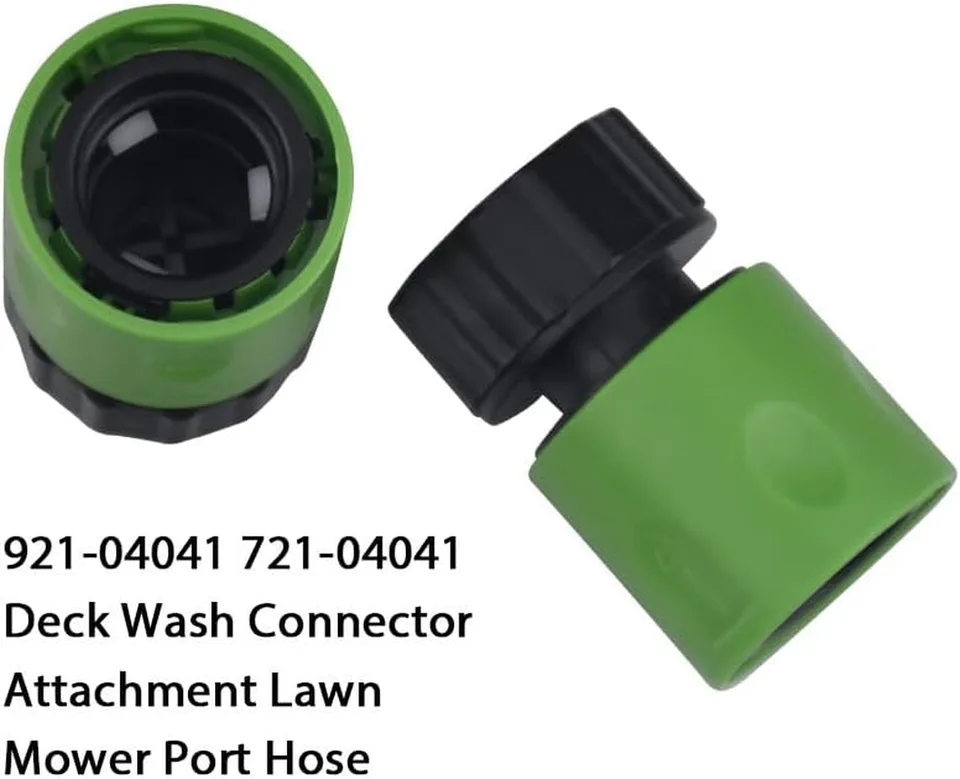
Image source: Web (Bing) / ebay.com (Web image (fair-use with source credit))
Step-by-Step: Cleaning a Battery or Electric Lawn Mower
Battery-powered and electric mowers are simpler to clean. They're also more fragile around water than gas models.
- Remove the battery or unplug the unit. Never clean a powered-on electric mower.
- Wipe down the deck with a damp cloth and mild dish soap. Avoid spraying water directly into the motor housing.
- If your model has a washout port, use garden hose pressure only. Do not use a pressure washer.
- Scrape grass buildup from the deck with a plastic tool. A nylon brush works well for lighter residue.
- Wipe the blade with a soapy cloth and rinse. Check the edge for nicks.
- Dry every surface with a microfiber towel. Lithium-ion battery components don't tolerate standing water well.
- Reinstall the battery or reconnect power once everything is dry.
Manufacturer specifications for EGO, Ryobi, and Greenworks battery mowers all recommend hand-washing the deck. None of them endorse pressure washing the motor housing.

Image source: Web (Bing) / lazada.com.ph (Web image (fair-use with source credit))
Mistakes to Avoid When Cleaning a Lawn Mower
The biggest mistake is tipping a gas mower with the carburetor side down. Fuel drains into the cylinder, and you'll deal with a flooded engine the next time you try to start it.
Another common error is using a pressure washer on an electric or battery-powered mower. High-pressure water can penetrate motor housings and damage sealed electronics. Stick to garden hose pressure.
The Occupational Safety and Health Administration (OSHA) emphasizes proper personal protective equipment when maintaining powered equipment. At minimum, wear gloves and eye protection when scraping under the deck or handling blades.
Here's what else to skip:
- Disconnecting the spark plug wire after you've already started cleaning
- Tipping a gas mower carburetor-side-down
- Pressure washing an electric or battery mower
- Using a metal scraper that gouges the steel deck
- Ignoring the air filter during cleanup
- Reconnecting the spark plug while the deck is still wet
- Skipping rust prevention treatment after cleaning
- Letting grass clippings bake onto the deck during long storage
Safety First: How to Clean Without Risking Injury or Damage
Cleaning a lawn mower involves sharp blades, chemical cleaners, and heavy equipment. Treat it with respect and you'll walk away with zero problems.
Always wear cut-resistant gloves when handling blades or scraping the deck. Steel blades stay razor sharp even when they look worn. Eye protection is non-negotiable when scraping caked grass or spraying degreaser.
Secure the mower on a flat, stable surface before you begin anything. A tilting mower can roll, fall, or pin your hand underneath. Never prop a riding mower on uneven ground.
Use plastic or nylon scrapers exclusively. Metal scrapers dent the deck coating, and once that coating is gone, rust sets in faster.
If you're using degreaser or a petroleum-based cleaner, keep it away from running engines and hot mufflers. Flammable residues plus heat equals fire risk. Dispose of used engine oil and old fuel at a local recycling center.
Most municipal waste facilities accept them free of charge.
One more thing: don't work under the mower while wearing loose clothing. A dangling sleeve can catch on a spinning blade if the engine accidentally starts.
Keeping Your Mower Clean Between Uses: Seasonal Maintenance Routine
Cleaning the mower once isn't enough. Regular maintenance between uses keeps performance steady and extends the deck's lifespan significantly.
During peak mowing season, hose down the deck after every 3 to 4 uses. This prevents clippings from drying and hardening into a crusty layer that's much harder to remove.
Check the air filter monthly. A clogged filter chokes airflow to the carburetor and kills fuel efficiency. Foam filters should be washed and oiled with fresh engine oil.
Paper filters just get replaced.
Sharpen blades every 20 to 25 hours of use. Dull blades tear grass instead of cutting it clean. Torn grass browns and invites fungal disease.
| Task | Frequency | Why It Matters |
|---|---|---|
| Deck rinse or washout | Every 3–4 uses | Prevents grass buildup and rust |
| Air filter inspection | Monthly | Maintains engine performance |
| Blade sharpening | Every 20–25 hours | Clean cuts, healthier lawn |
| Engine oil change | Every 50 hours or annually | Extends engine life |
| Spark plug check | Every 100 hours | Reliable starting |
For winter storage, add a fuel stabilizer like STA-BIL at 1 oz per 2.5 gallons of gasoline. Run the mower for 5 minutes to circulate the treated fuel through the carburetor. Then clean the deck fully before putting it away.
In cold northern climates, where mowing shuts down for months, fuel that sits untreated gels and gums up the carburetor. That's the number one reason mowers won't start in spring.
Common Lawn Mower Cleaning Questions
Can I use a pressure washer on my lawn mower deck?
You can use a pressure washer on a gas mower deck with caution, but never on an electric or battery-powered model. High-pressure water damages sealed motor housings and electrical connections. Keep pressure below 1,200 PSI if you use one on gas models, and avoid spraying near the muffler or spark plug area.
How do I clean a lawn mower deck washout port?
Attach a standard garden hose to the deck washout port, then start the engine. The spinning blade forces water through the port and flushes grass buildup automatically. Run it for 10 to 15 seconds, then shut off and scrape anything remaining.
Most residential mowers use a standard garden hose connection.
What should I use to remove caked-on grass from my mower deck?
A plastic putty knife or a nylon brush works best for caked grass. Spray a degreaser like Simple Green onto the buildup, let it soak for 5 to 10 minutes, then scrape and rinse. Avoid wire brushes.
They strip the deck coating and expose bare metal to rust.
How often should I clean my lawn mower?
During active mowing season, clean the deck every 3 to 4 uses. If you're cutting wet or overgrown grass, clean it every time. Skipping regular cleaning causes grass buildup that reduces airflow, dulls blades, and accelerates deck rust over time.
Should I tip a gas lawn mower when cleaning it?
Yes, but only with the carburetor and air filter side facing up. Tilting it carburetor-side-down causes fuel to drain into the cylinder, flooding the engine. Most small-engine manufacturers recommend this orientation to prevent starting problems after cleaning.
Can I clean a riding lawn mower the same way as a push mower?
Riding mowers have larger decks and often include a deck washout port for hose-based cleaning. The basic process is similar, but you'll need more time to scrape a 42 to 54-inch deck. Keep the mower on level ground and engage the parking brake before starting.
The Decision Guide: Matching the Right Cleaning Method to Your Mower
If you own a gas push mower with a deck washout port, start there. Connect the hose, run the engine 15 seconds, then scrape and rinse manually. This is the fastest method and the one most manufacturers recommend.
If you have a gas mower without a washout port, manual scraping plus degreaser is your route. It takes longer, but it works just as well.
If you own a battery-powered or electric mower, hand-wash only. Remove the battery first. Use a damp cloth, mild soap, and garden hose water if needed.
Never pressure wash.
If you own a riding or zero-turn mower, secure the parking brake, use the washout port if available, and budget 30 to 60 minutes for a thorough cleaning. Manual scraping handles the stubborn spots.
The bottom line is simple: match your cleaning method to your mower type, do it regularly, and store it properly for winter. Your mower will run better, last longer, and cut cleaner every season.