What Size Generator Will Run A Home: Easy Sizing Guide
A 5,000 to 7,500-watt generator can run most essential home appliances during an outage.
Choosing what size generator will run a home depends on your appliances, starting power, fuel type, and whether you want backup for essentials or the whole house. A small portable unit may keep your refrigerator, lights, internet, and sump pump running, while a larger standby generator can power central air, electric heat, and more.
I have seen many homeowners buy a generator based only on its largest watt number. That can lead to overloads, nuisance shutdowns, or unsafe connections. This guide explains how to calculate generator size, compare common home setups, avoid costly mistakes, and choose a safe level of backup power.
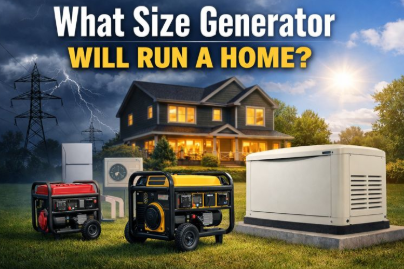
What size generator will run a home?
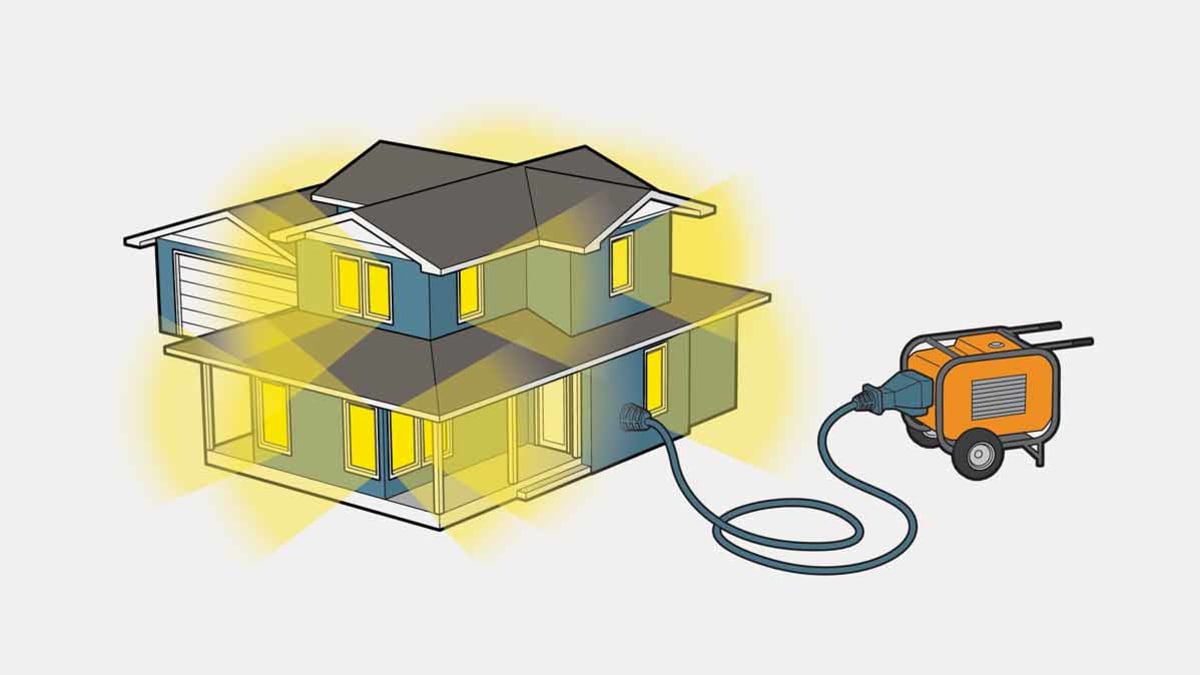
For many homes, a 5,000 to 7,500-watt portable generator will run essential circuits. It may support a refrigerator, freezer, lights, television, Wi-Fi equipment, gas furnace, sump pump, and a few small appliances.
A 10,000 to 12,500-watt generator can run more of the home. It may handle a well pump, larger kitchen appliances, a gas furnace, and some air-conditioning systems. The exact result depends on motor starting watts and the home’s electrical service.
A whole-house standby generator often ranges from 14,000 to 26,000 watts. Larger homes with electric heating, electric water heaters, pool equipment, or central air may need 30,000 watts or more.
The right answer to what size generator will run a home is not based on square footage alone. A small, well-insulated home with gas appliances may need less power than a larger home with electric heat.
Generator size by backup goal
Your first decision is how much of the home you want to power. Most homeowners fall into one of three groups.
Essential circuits only
This is the most affordable setup. You power only the devices needed for safety, comfort, food storage, and communication.
Typical loads include:
• Refrigerator and freezer
• Gas furnace blower
• Sump pump
• A few lights
• Wi-Fi router and modem
• Television or phone chargers
• Garage door opener
• Medical equipment
A 3,000 to 5,000-watt generator may work for this plan. You must still check the starting watts of pumps, refrigerators, and other motors.
Partial-home backup
Partial backup powers several rooms or selected circuits. It may include a kitchen circuit, heating system, well pump, sump pump, lights, and a few outlets.
A 5,000 to 10,000-watt generator often fits this need. An electrician can install a transfer switch or interlock kit so you can select circuits safely.
Whole-home backup
Whole-home backup allows the generator to supply the main electrical panel. The generator does not always power every appliance at the same time. Its load-management system may turn selected appliances on and off as needed.
A 14,000-watt standby generator may serve a modest home with gas appliances. A larger home with electric heating, central air, or multiple high-demand appliances may need 20,000 to 30,000 watts.
When asking what size generator will run a home, define the phrase “run a home” first. Running a refrigerator and a furnace is very different from running two air conditioners, an electric range, and a water heater.
Running watts and starting watts
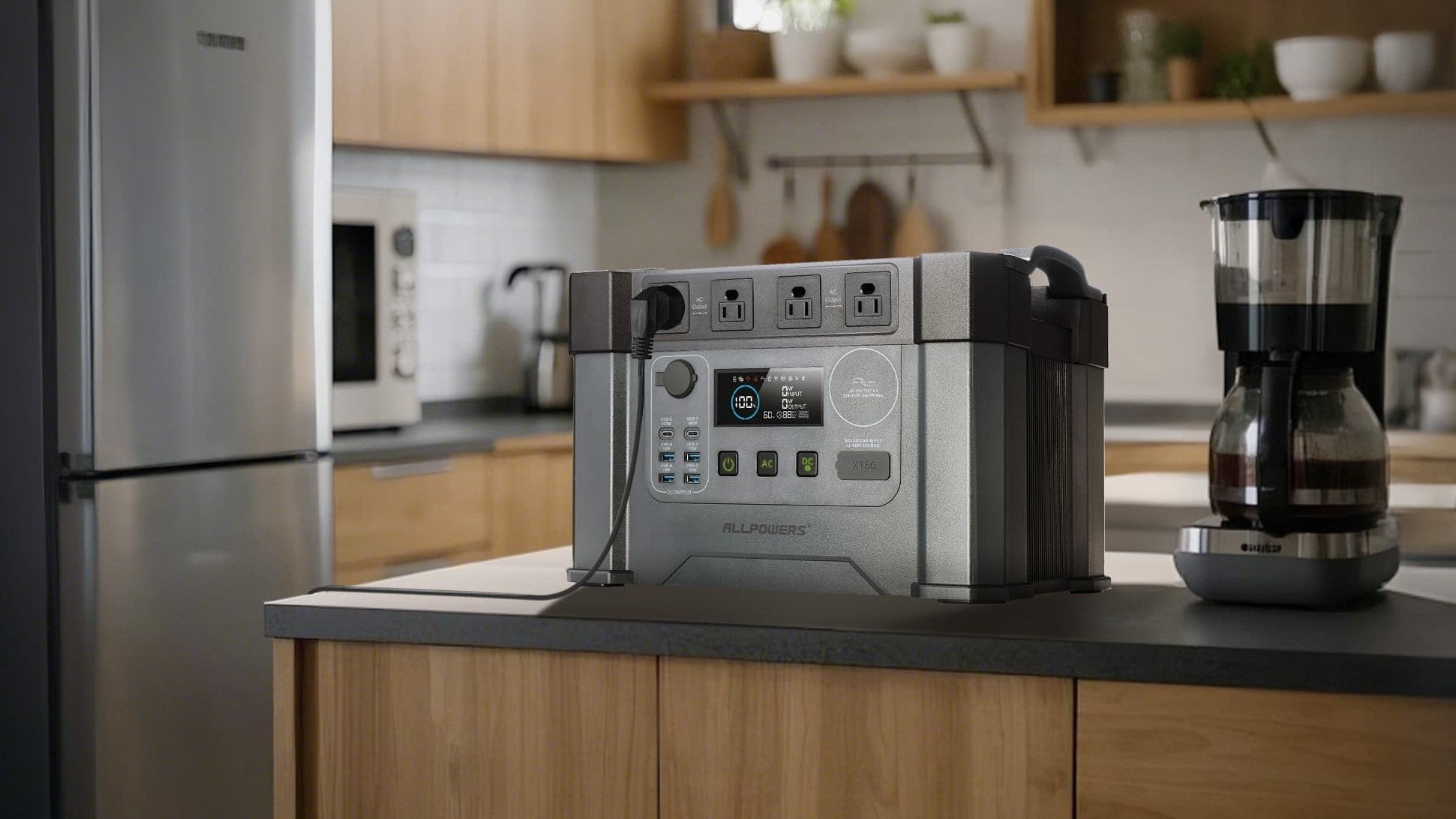
Generators have two important power ratings: running watts and starting watts.
Running watts are the power an appliance uses during normal operation. Starting watts are the extra power needed for a short time when a motor starts. This surge can last less than a second, but it can still overload an undersized generator.
Common appliances with starting surges include:
• Refrigerators
• Freezers
• Sump pumps
• Well pumps
• Air conditioners
• Furnaces
• Washing machines
• Air compressors
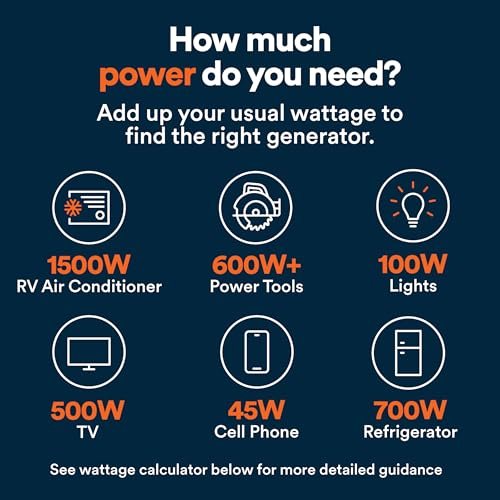
For example, a refrigerator may use about 700 running watts but need 1,200 to 2,000 starting watts. A sump pump may use 800 running watts and need 1,500 to 2,500 starting watts.
A generator must cover the total running watts of all devices operating together. It must also handle the largest starting surge when another appliance is already running.
A simple calculation looks like this:
- Add the running watts of every device you want to use together.
- Find the appliance with the highest starting watts.
- Add that appliance’s starting watt increase to the running total.
- Choose a generator with extra capacity.
For example:
• Refrigerator: 700 running watts
• Gas furnace: 600 running watts
• Sump pump: 800 running watts
• Lights and chargers: 300 running watts
• Starting surge for sump pump: 1,200 extra watts
The estimated requirement is 3,600 watts. A 5,000-watt generator would offer a safer margin than a 4,000-watt unit.
A common mistake is adding the full starting watt rating to the full running watt rating. Instead, add only the extra surge above the appliance’s running watts.
How to calculate generator size for your home
You can estimate your generator needs with a load list. Check the label on each appliance first. If the label shows amps instead of watts, use this formula:
Watts = volts × amps
Most household circuits in the United States use 120 volts. Large appliances may use 240 volts.
For example, a 120-volt appliance rated at 10 amps uses about 1,200 watts. A 240-volt appliance rated at 20 amps uses about 4,800 watts.
Follow these steps:
- Walk through your home and list the appliances you may use during an outage.
- Record running watts for each appliance.
- Record starting watts for every motor-driven appliance.
- Decide which appliances may operate at the same time.
- Add the running watts.
- Add the largest starting surge.
- Add a safety margin of about 20% to 25%.
Do not assume every appliance will run continuously. A refrigerator cycles on and off. A well pump runs only when water is needed. This cycling reduces average use, but the generator must still handle the moments when several devices start together.
If the appliance label is missing, check the owner’s manual or the manufacturer’s technical sheet. Online wattage charts can help with estimates, but they should not replace the actual data for large motors or heating equipment.
This method gives a better answer to what size generator will run a home than using the home’s square footage. It also helps you avoid buying more generator than you need.
Typical home appliance wattage
The following figures are general estimates. Actual power can vary by model, age, efficiency, and operating conditions.
| Appliance | Approximate running watts | Possible starting watts |
|---|---|---|
| Refrigerator | 100 to 800 | 600 to 2,000 |
| Freezer | 100 to 500 | 500 to 1,500 |
| Gas furnace blower | 400 to 800 | 1,000 to 2,000 |
| Sump pump | 500 to 1,500 | 1,000 to 3,000 |
| Well pump | 700 to 2,000 | 1,500 to 5,000 |
| Lights | 10 to 100 each | Usually none |
| Wi-Fi router | 10 to 30 | Usually none |
| Television | 60 to 300 | Usually none |
| Microwave | 1,000 to 1,800 | Usually none |
| Coffee maker | 600 to 1,500 | Usually none |
| Washing machine | 400 to 1,200 | 1,000 to 2,500 |
| Gas water heater controls | 100 to 500 | Usually low |
| Electric water heater | 3,000 to 5,500 | Usually low |
| Electric range burner | 1,200 to 2,500 | Usually low |
| Central air conditioner | 2,000 to 5,000 | 5,000 to 15,000 or more |
| Portable air conditioner | 1,000 to 1,500 | 2,000 to 4,000 |
| Electric space heater | 1,500 | Usually low |
| Clothes dryer | 4,000 to 6,000 | Usually low |
These numbers show why electric heat changes the answer dramatically. A single 1,500-watt space heater can use as much power as several refrigerators and lights combined.
For an accurate plan, look at the nameplate on the appliance. Large equipment may also have a locked-rotor amperage rating, which helps estimate motor starting demand.
What size portable generator will run a home?
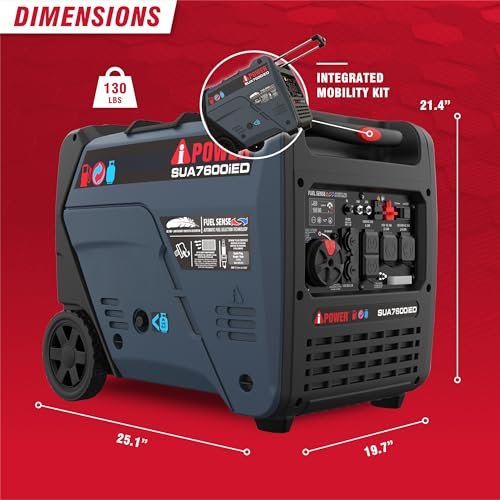
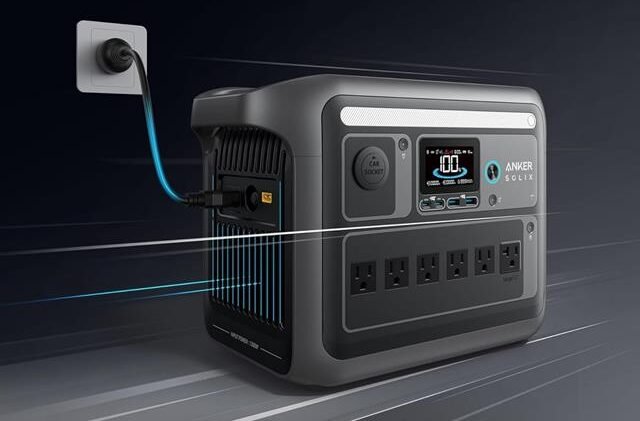
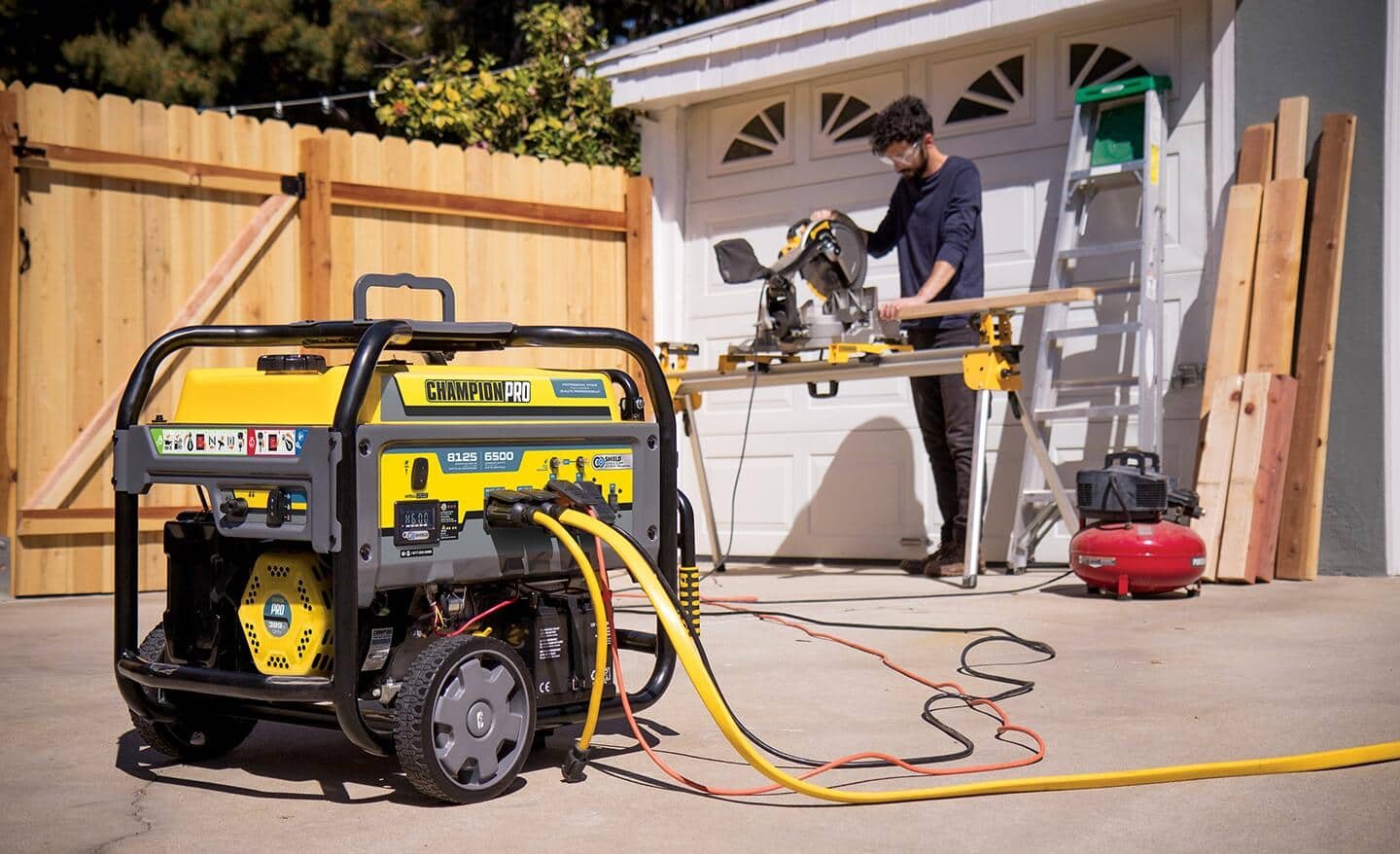
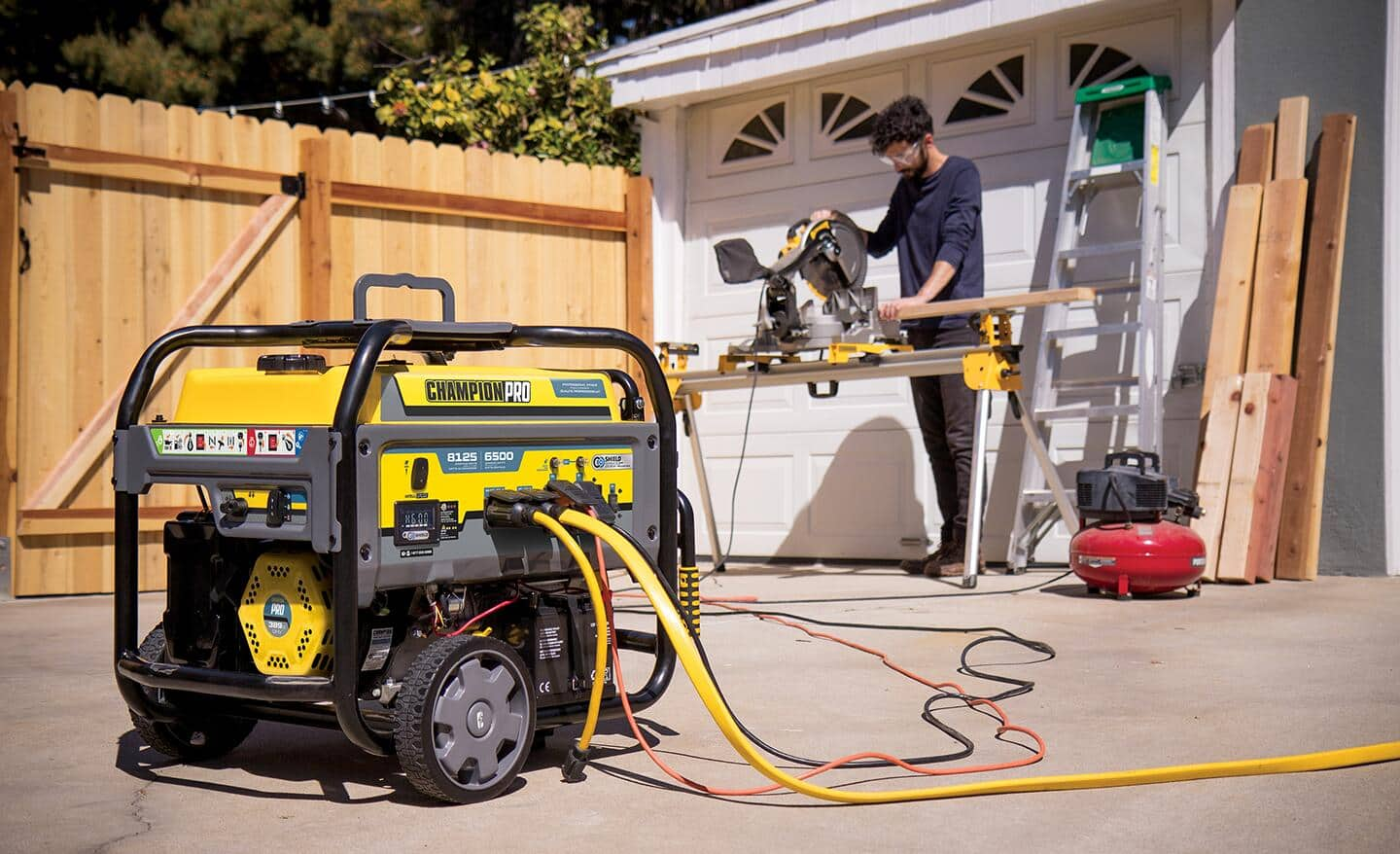
Portable generators commonly range from 2,000 to 12,000 running watts. Their best use is usually essential or partial-home backup.
A 2,000 to 3,000-watt inverter generator may run a refrigerator, lights, chargers, a router, and a small television. It may not handle a well pump, sump pump, or microwave at the same time.
A 4,000 to 6,000-watt generator can support a wider group of essential loads. It may run a refrigerator, freezer, gas furnace, lights, sump pump, and small kitchen appliance if you manage the load carefully.
A 7,000 to 10,000-watt portable generator provides more flexibility. It may power a well pump, larger kitchen loads, and selected 240-volt equipment. It still may not start central air or electric heating reliably.
A 10,000 to 12,500-watt portable generator can support many partial-home setups. Fuel use, noise, weight, and safe connection become more important at this size.
Portable generators usually require manual setup. You must place the unit outdoors, connect it correctly, refuel it, and monitor the load. They are often less expensive than standby generators, but they demand more work during a storm.
In real outage planning, the most useful portable generator is not always the largest one you can afford. It is the one you can store, move, fuel, maintain, and connect safely.

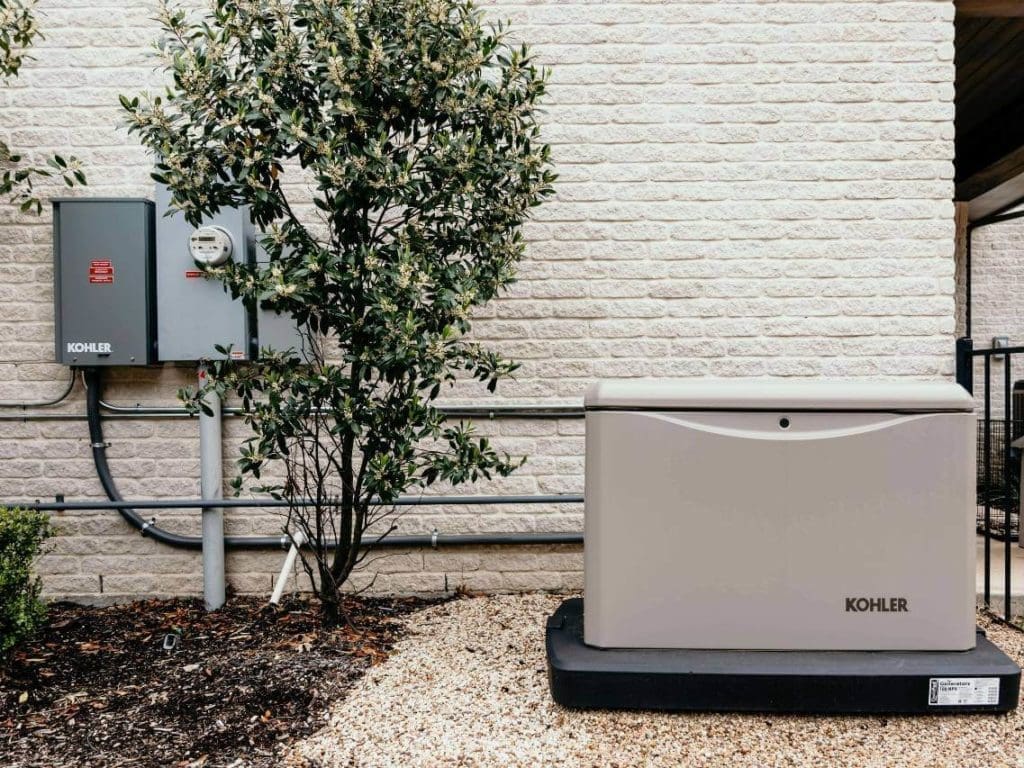
What size standby generator will run a home?
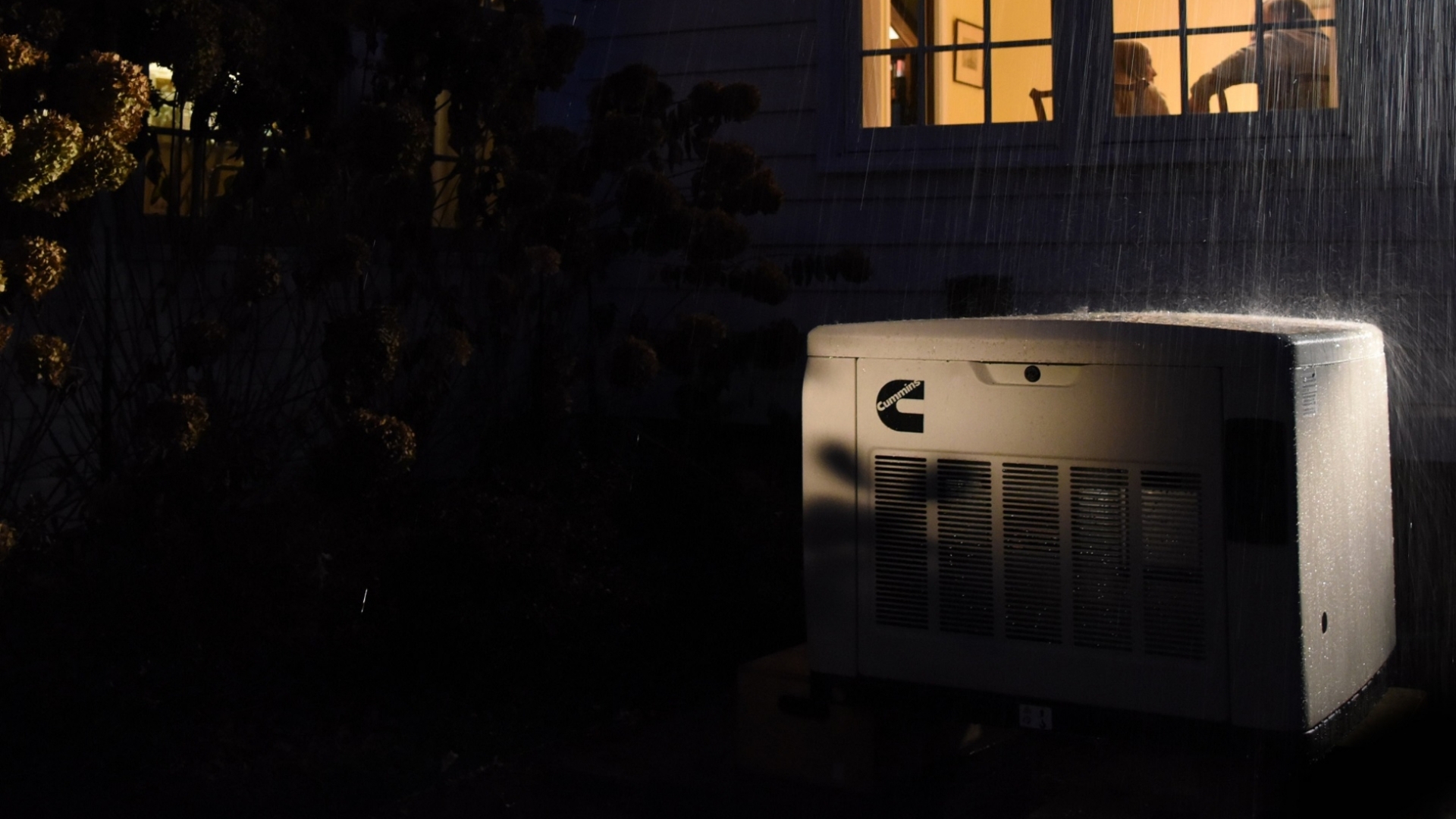
Standby generators connect to the home through an automatic transfer switch. When utility power fails, the system starts automatically and sends power to the selected circuits or main panel.
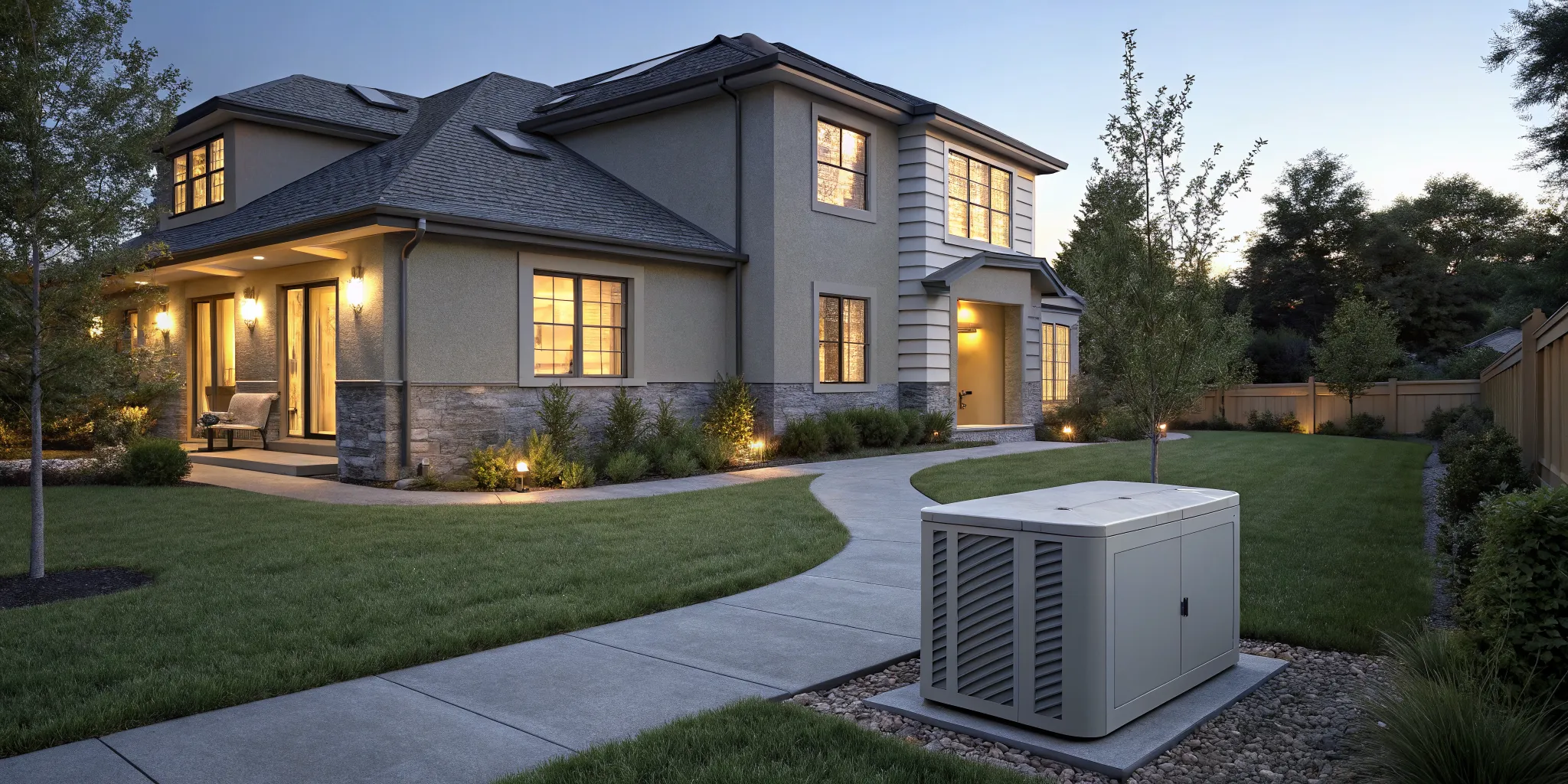
A 10,000 to 14,000-watt standby generator may work for a smaller home with gas heating and limited air-conditioning demand. A 16,000 to 22,000-watt unit can support more circuits and larger central air systems.
Homes with electric heat, electric water heating, a large well pump, a pool, or multiple air-conditioning units may need 24,000 watts or more. A professional load calculation is the safest way to select this size.
Standby generators may use natural gas, propane, or diesel. Natural gas offers convenient continuous supply, but pressure can fall during emergencies. Propane stores well and works without a utility gas line, but the tank must be large enough for the expected outage.
Fuel use rises with electrical demand. A generator running at a heavy load uses more fuel than one carrying only lights and a refrigerator. Ask the installer for estimated fuel use at 25%, 50%, and full load.
A standby generator can make outages easier, but it is not maintenance-free. It needs regular exercise cycles, oil changes, battery checks, air-filter service, and professional inspections.
How heating and cooling affect generator size
Heating and cooling are often the largest loads in a home. They can change what size generator will run a home more than any other factor.
A gas furnace usually needs electricity for its blower, controls, and ignition. That load may fit within a medium portable generator. An electric furnace can use 10,000 to 25,000 watts, which is beyond many portable units.
Heat pumps also need careful planning. Their compressors have a starting surge, and electric backup heat strips may draw several thousand additional watts. Ask an HVAC professional for the unit’s running and starting requirements.
Central air conditioners can be difficult to start with a portable generator. A soft-start device may reduce the compressor’s starting demand, but it must be correctly matched and installed.
Window air conditioners and portable air conditioners generally use less power than central air. Even so, you may need to choose between cooling and other large loads.
One practical lesson is to decide what comfort means during an outage. Some families can use fans and one small room air conditioner. Others need central cooling for medical reasons or extreme heat. Your generator plan should reflect that real need.
Can a generator run a whole house?
A whole-house generator can supply the entire electrical panel, but that does not mean every appliance can operate at once. The generator still has a fixed wattage limit.
Modern standby systems often use load-management modules. These modules can delay or disconnect selected loads, such as an electric water heater, pool pump, or second air conditioner.
A whole-home generator is most practical when the home uses gas appliances and has moderate electrical demand. Electric heating, electric cooking, electric clothes drying, and electric water heating can require much more capacity.
Ask an electrician to review:
• Main electrical panel size
• Heating and cooling equipment
• Water heater type
• Well and septic systems
• Sump pump
• Pool or hot tub equipment
• Electric vehicle charger
• Medical equipment
• Workshop tools
• Solar panels and battery systems
The term “whole house” can be misleading in advertisements. Read the rated running watts, not only the peak or starting watts. Also ask whether the generator rating applies to natural gas, propane, or another fuel, because output can vary by fuel.
Generator safety and electrical connection
Generator safety is just as important as generator size. Carbon monoxide from an engine can kill quickly and has no smell.
Place a portable generator outdoors, well away from doors, windows, vents, and garages. The Centers for Disease Control and Prevention recommends keeping generators at least 20 feet from the home, with exhaust directed away from the building.
Never operate a generator inside a garage, basement, shed, porch, or enclosed area. Opening a door or window does not provide enough protection.
Never connect a generator to a wall outlet. This practice, called backfeeding, can send electricity onto utility lines and seriously injure or kill workers. It can also start a fire.
Use one of these safe connection methods:
• Plug appliances directly into heavy-duty outdoor-rated cords
• Use a properly installed transfer switch
• Use an approved panel interlock installed by a qualified electrician
Keep the generator dry and protect it from rain without blocking airflow. Let the engine cool before refueling, and store fuel in approved containers away from ignition sources.
Install carbon monoxide alarms on every level of the home and outside sleeping areas. Test them often, especially before storm season.
Common generator sizing mistakes
Many generator problems come from simple planning errors. Avoid these common mistakes.
Choosing peak watts instead of running watts
Peak watts describe a short surge. Running watts describe the continuous capacity. Compare generators using the running-watt rating first.
Ignoring motor loads
A refrigerator may seem small, but its compressor needs extra power at startup. Pumps and air conditioners can have even larger surges.
Running too many heat-producing appliances
Space heaters, electric ranges, water heaters, and clothes dryers use large amounts of electricity. Using several together can overload a medium generator.
Forgetting fuel-related output changes
Some generators produce different output on propane and natural gas. Read the rating for the fuel you plan to use.
Buying a generator without a connection plan
A large generator is not useful if you have no safe way to connect it to the home. Plan the transfer switch, cord, inlet box, and circuit selection before an outage.
Skipping maintenance
Old fuel, weak batteries, dirty filters, and stale oil can cause failure when you need backup power most. Run portable generators periodically under load, following the manufacturer’s instructions.
Assuming all appliances can run at once
Create a priority list. During an outage, you may need to turn off a microwave before a well pump starts or delay the electric water heater.
A modest generator used with discipline often performs better than a large generator used without a load plan.
How much generator capacity should you reserve?
Avoid sizing a generator so closely that it runs at full capacity all the time. A reserve of about 20% to 25% gives the system room for appliance cycling, small load changes, and starting surges.
For example, if your calculated need is 6,000 watts, a generator rated around 7,500 watts may be a better choice. This does not mean you should double the size without reason. Larger units cost more, use more fuel, and may be louder.
Inverter generators can provide clean power for sensitive electronics and often run quietly at lower loads. Conventional generators may offer more power for the price, but they can be louder and less efficient at light loads.
Also check the generator’s voltage. A 120-volt generator may not operate equipment that needs 240 volts, such as some well pumps, central air systems, and electric ranges.
If your home has solar panels, a battery, or an electric vehicle, do not assume a standard generator can connect to the system. These setups require compatible equipment and professional design.
A practical generator sizing example
Imagine a home with these emergency loads:
• Refrigerator: 700 running watts
• Gas furnace: 600 running watts
• Sump pump: 800 running watts
• Lights: 200 running watts
• Wi-Fi and charging: 100 running watts
• Television: 150 running watts
• Microwave: 1,200 running watts
The total running load is 3,750 watts. If the sump pump needs an additional 1,200 starting watts, the estimated peak requirement is about 4,950 watts.
A 5,000-watt generator may work, but it leaves little room. A 6,000 to 7,500-watt generator would provide a more comfortable margin, especially if the refrigerator and sump pump start close together.
Now add a 4,500-watt electric water heater. The total changes sharply. You may need to turn off the water heater during the outage or choose a much larger generator.
This example shows why what size generator will run a home cannot be answered by one universal number. The appliance mix matters more than the home’s room count.
How to choose the right generator
Use this checklist before buying:
- Decide whether you need essential, partial-home, or whole-home backup.
- List the appliances that must operate during an outage.
- Find their running and starting watts.
- Check whether any equipment requires 240 volts.
- Add a 20% to 25% capacity margin.
- Compare output ratings for your chosen fuel.
- Check noise, fuel use, weight, and runtime.
- Plan a safe connection method.
- Confirm local permit and installation rules.
- Schedule professional installation for transfer equipment.
For a portable generator, consider whether you can move it safely. A 10,000-watt model may weigh more than 200 pounds. Wheels help, but muddy ground and snow can still make placement difficult.
For a standby generator, check the warranty, service network, fuel supply, noise rating, and maintenance schedule. The cheapest unit may cost more over time if parts and service are hard to find.
When in doubt, ask a licensed electrician for a whole-home load calculation. This is especially important for homes with medical equipment, electric heat, a well pump, solar power, or a large air conditioner.
Frequently Asked Questions About What Size Generator Will Run a Home?
What size generator will run a typical house?
A 5,000 to 7,500-watt generator can often run essential appliances in a typical home. A whole-house standby generator commonly ranges from 14,000 to 26,000 watts, depending on heating, cooling, and appliance loads.
Will a 5,000-watt generator run a house?
A 5,000-watt generator may run a refrigerator, freezer, lights, gas furnace, sump pump, Wi-Fi equipment, and selected small appliances. It may not run central air, electric heat, an electric water heater, or several high-wattage appliances at the same time.
What size generator do I need to run central air conditioning?
Many central air systems need a generator between 10,000 and 20,000 watts, but the exact size depends on the compressor’s starting demand. A soft-start device may reduce the surge, but an HVAC professional should confirm compatibility.
Can a 7,500-watt generator run a whole house?
A 7,500-watt generator may provide essential or partial-home power in a home with gas heating and limited electrical demand. It usually cannot run every major appliance at once, especially electric heat, central air, a water heater, and a range.
Is it better to oversize a home generator?
A moderate reserve is helpful, but excessive oversizing increases purchase cost, fuel use, weight, and noise. Choose a generator with about 20% to 25% more capacity than your calculated demand unless a professional load assessment recommends otherwise.
Can a portable generator power a house through an outlet?
No. Plugging a generator into a household outlet can cause dangerous backfeeding. Use approved outdoor cords for individual appliances or have an electrician install a transfer switch or panel interlock.
How long can a generator run a home?
Runtime depends on generator size, fuel type, tank capacity, and electrical load. Many portable units run about 8 to 12 hours at moderate load, while standby systems can run longer when connected to a reliable natural gas or propane supply.
Conclusion
The best answer to what size generator will run a home starts with your actual appliances. A 3,000 to 5,000-watt unit may cover basic needs, a 5,000 to 10,000-watt model may support partial-home backup, and a 14,000-watt or larger standby generator may power much of a home.
Calculate running watts, account for starting surges, check fuel ratings, and leave a reasonable capacity margin. Most importantly, use a safe outdoor setup and a properly installed transfer switch or interlock.
Make a written load list before you shop. Then ask a qualified electrician to confirm the plan, especially if your home has central air, electric heat, a well pump, solar equipment, or medical devices.