Which Is Better Solar Generator Or Inverter: Quick Guide
A solar generator is better for portable backup power, while an inverter suits fixed systems and larger electrical loads.
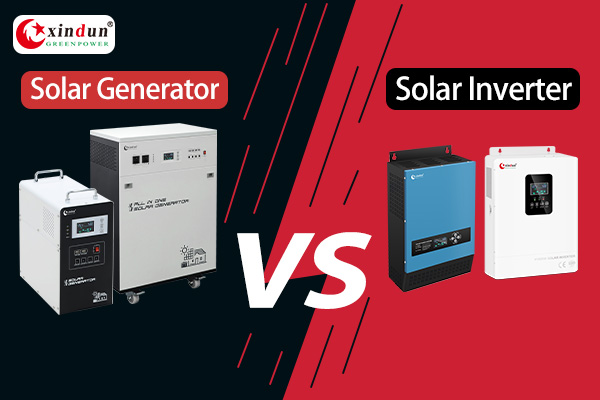
Choosing between a solar generator or inverter depends on how you use power, not just the name on the box. A solar generator combines a battery, inverter, and charging system in one unit, while an inverter mainly changes battery or solar power into usable household electricity. This guide compares cost, capacity, safety, reliability, and real-world use so you can make a smart choice.
Solar Generator vs. Inverter: What Is the Difference?
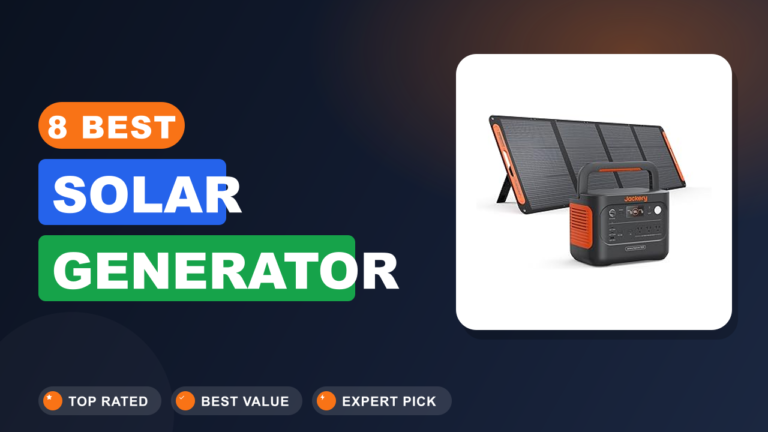
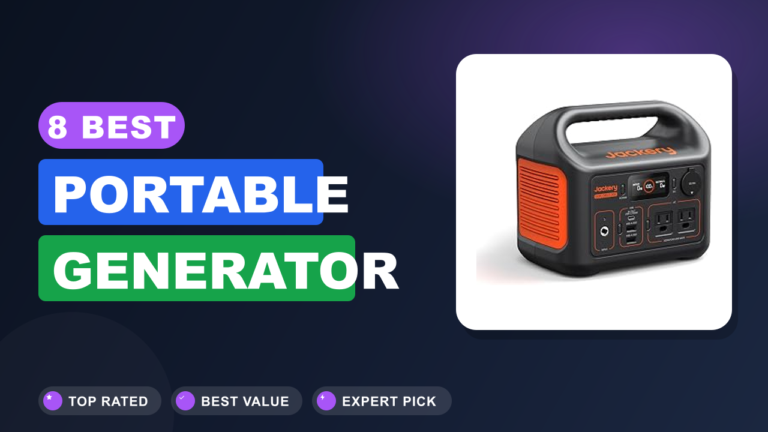
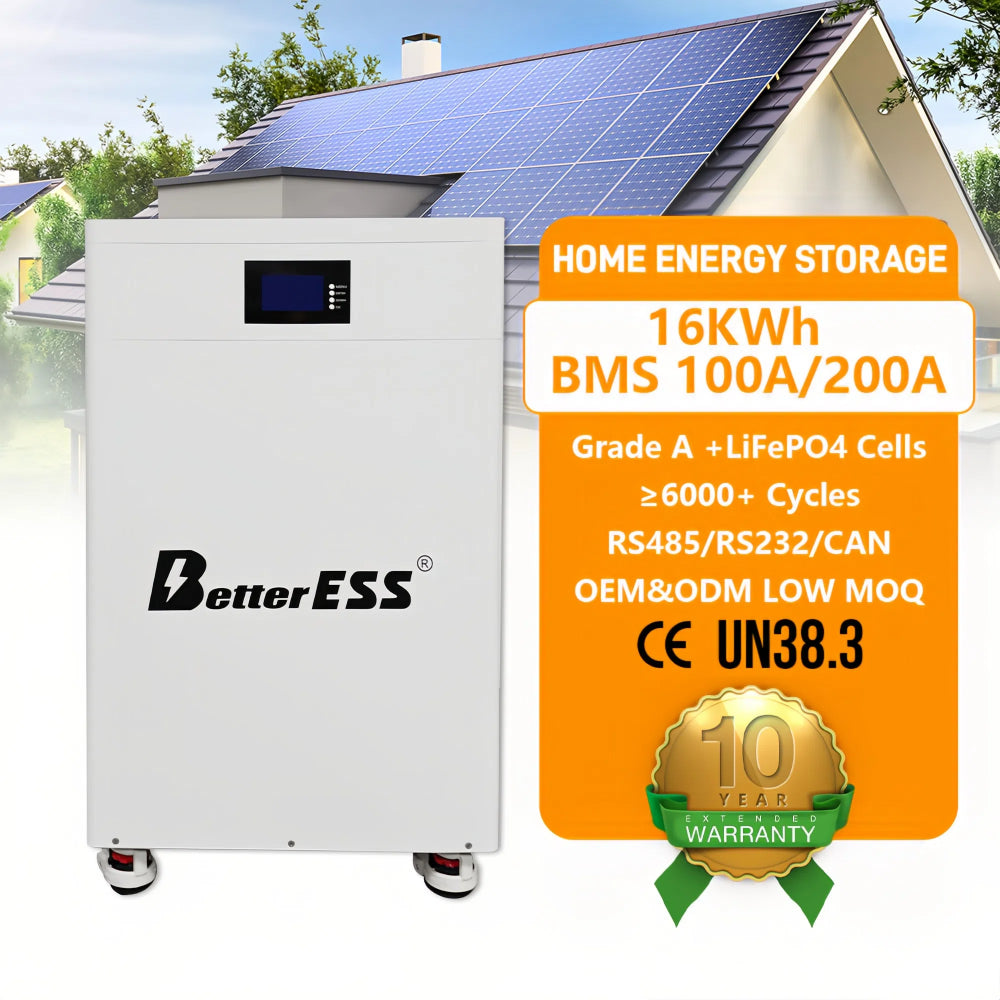
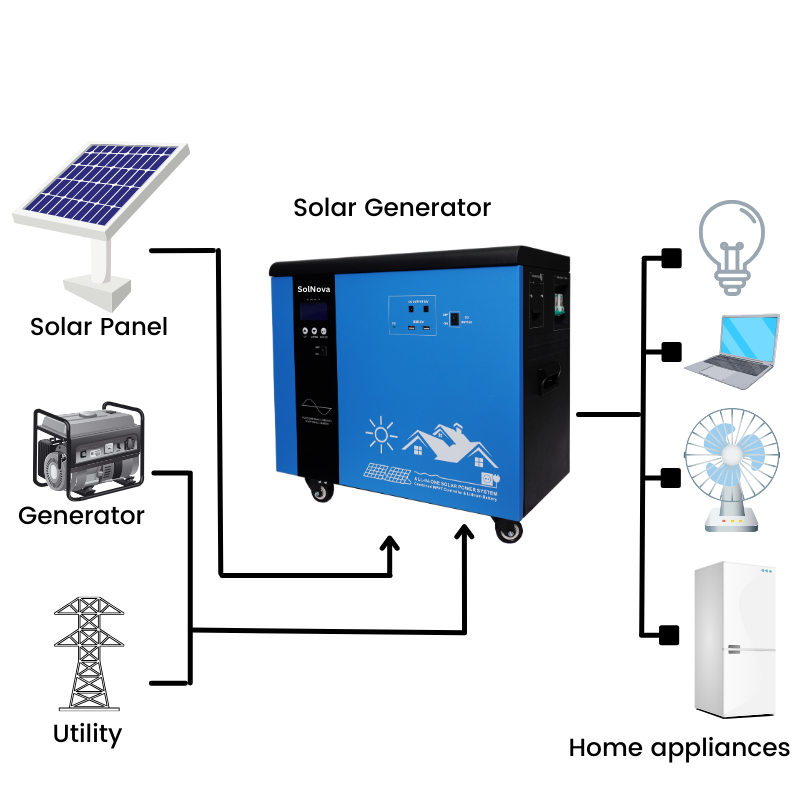
A solar generator is an all-in-one power station. It usually includes a rechargeable battery, a power inverter, a solar charge controller, AC outlets, USB ports, and a display. You can charge it from solar panels, a wall outlet, or a car, depending on the model.
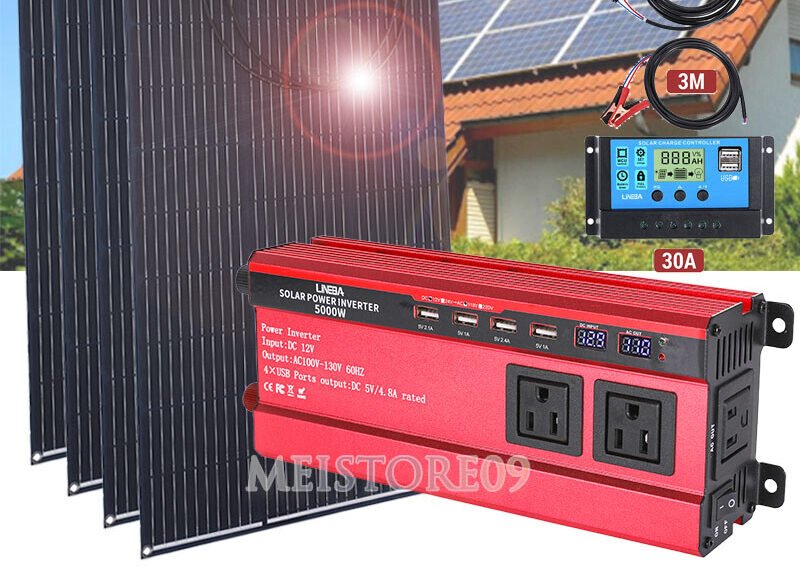
An inverter is a device that changes direct current (DC) into alternating current (AC). Batteries and solar panels produce DC power, while most household appliances use AC power. An inverter makes that stored or solar energy useful for devices such as refrigerators, fans, tools, and televisions.
The key difference is simple:
• A solar generator stores energy and delivers power in one package.
• An inverter converts power but may need a separate battery, charger, and other parts.
Think of a solar generator as a complete kitchen. An inverter is more like the oven. The oven is useful, but it cannot prepare a full meal without the other parts.
A basic solar generator often contains:
• Lithium-ion or lithium iron phosphate (LiFePO4) batteries
• A pure sine wave inverter
• A solar charge controller
• AC, DC, and USB outputs
• Battery management software
• Safety controls and a display screen
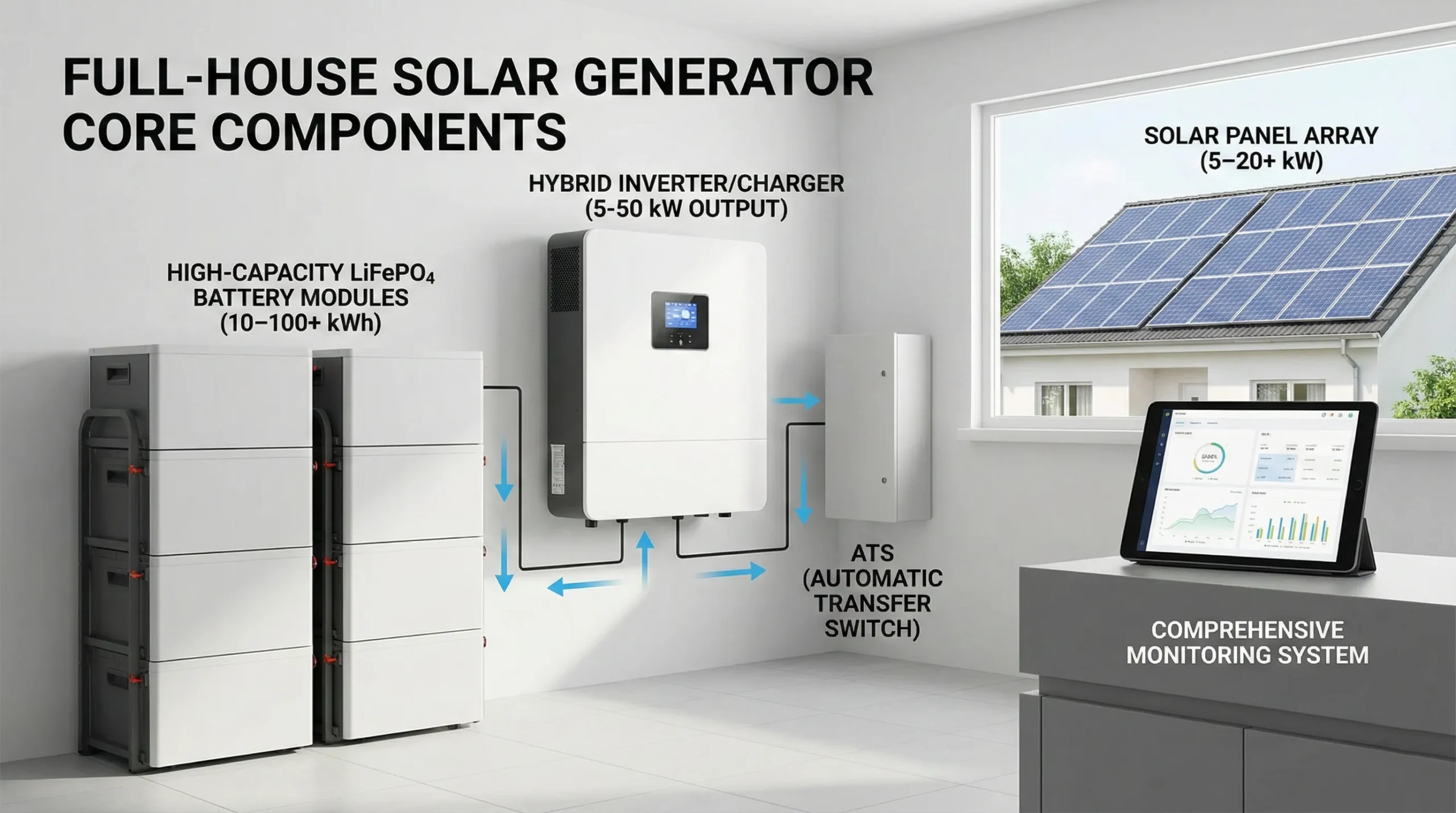
A standalone inverter may be part of a larger solar energy system. It can connect to solar panels, batteries, a transfer switch, or a home electrical panel. This makes it more flexible, but also more complex to install.
How a Solar Generator Works
A solar generator does not create electricity from nothing. It stores electricity in a battery and releases it when you need it. Solar panels send DC power to the charge controller, which manages the charging process.
The inverter then changes battery power from DC to AC. This allows you to run standard household devices. Many units also provide DC ports for coolers, lights, radios, and other low-voltage equipment.
The energy path looks like this:
-
Solar panels collect sunlight.
-
The charge controller sends power to the battery.
-
The battery stores the energy.
-
The inverter converts DC power into AC power.
-
Your appliance uses the electricity.
Some solar generators can charge from a wall outlet in less than two hours. Solar charging may take longer because it depends on panel size, sunlight, temperature, and battery capacity.
For example, a 1,000 watt-hour solar generator may not deliver a full 1,000 watt-hours to your appliances. Some energy is lost during charging and inversion. Real usable energy may be closer to 800 to 900 watt-hours, depending on the system.
In my practical comparisons of portable power systems, people often focus on the battery size but overlook output limits. A large battery cannot run a high-power appliance if the inverter is too small.

How an Inverter Works
An inverter converts DC power into AC power. Some models also charge batteries, manage solar input, and connect to the electrical grid. These are called hybrid or battery inverters.
There are several common inverter types.
Pure sine wave inverter
A pure sine wave inverter produces smooth AC power that closely matches utility electricity. It is the best choice for:
• Refrigerators
• Medical equipment
• Computers
• Audio systems
• Pumps
• Modern appliances with electronic controls
Pure sine wave models usually cost more, but they reduce the risk of buzzing, overheating, and poor performance.
Modified sine wave inverter
A modified sine wave inverter is cheaper and may work with basic devices such as:
• Simple lights
• Some fans
• Older televisions
• Basic heating tools
However, it may cause noise or heat in sensitive electronics. It can also reduce the performance of some motors and chargers.
Grid-tied inverter
A grid-tied inverter connects a solar array to the utility grid. It sends excess solar energy to the grid in areas where approved net metering or compensation programs exist.
A grid-tied inverter normally shuts down during a power outage. This safety feature prevents electricity from flowing into power lines while utility workers repair them.
Off-grid inverter
An off-grid inverter works with batteries and solar panels without relying on the utility grid. It is common in cabins, remote homes, mobile buildings, and backup systems.
Hybrid inverter
A hybrid inverter can manage solar panels, batteries, household loads, and sometimes the utility grid. It offers strong long-term control but usually requires professional design and installation.
Which Is Better: Solar Generator or Inverter?
The better choice depends on your goal. A solar generator is usually better for convenience, portability, and occasional backup power. An inverter is often better for a permanent system, high loads, and future expansion.
Choose a solar generator if you want:
• Plug-and-play setup
• Quiet emergency power
• Portable energy for camping or travel
• Backup power for phones, lights, routers, and small appliances
• No electrical wiring project
• Charging from solar panels, a wall outlet, or a vehicle
Choose an inverter system if you want:
• Power for a whole house or large building
• A permanent battery backup system
• High continuous power
• Connection to a home electrical panel
• Integration with a large solar array
• More battery capacity over time
• Automatic backup during an outage
A solar generator is like a ready-to-use emergency kit. An inverter system is like building a full workshop. The workshop can do more, but it needs planning, space, and skilled setup.
For many apartment residents, renters, campers, and occasional users, a solar generator makes more sense. For homeowners who want whole-home backup, a properly sized inverter and battery system is usually the stronger option.
Solar Generator or Inverter for Home Backup?
For home backup, the answer depends on which appliances you need to run. A small solar generator can keep essential devices working during a short outage. It may power a modem, phone charger, LED lamps, laptop, and small fan.
A larger model may run a refrigerator, but you must consider its startup surge. A refrigerator may use only 100 to 300 watts while running, yet its compressor can briefly demand much more power when it starts.
A whole-home inverter system can support larger loads such as:
• Refrigerators and freezers
• Sump pumps
• Well pumps
• Gas furnace blowers
• Security systems
• Medical devices
• Selected kitchen circuits
• Heating and cooling equipment, if properly sized
Do not assume that a high watt-hour rating means unlimited power. Battery capacity tells you how long the system may run. Inverter wattage tells you how much power it can provide at one time.
For example, a 2,000 watt-hour battery with a 1,000-watt inverter may store plenty of energy, but it cannot safely run a 1,500-watt appliance. Both battery capacity and inverter output must match your needs.
The U.S. Department of Energy recommends careful attention to energy use, system design, and installation quality in home energy projects. For permanent systems, follow local electrical codes and use a qualified electrician.

Solar Generator or Inverter for Camping and RV Use?
A solar generator is usually the easiest option for camping and RV trips. You can place it inside a vehicle, connect a folding solar panel, and use several outlets without installing permanent wiring.
It can run:
• Phones and tablets
• Cameras
• Portable refrigerators
• LED lights
• Small fans
• CPAP machines
• Laptops
• Small cooking devices
An inverter can also work well in an RV, but it often needs a battery bank, fuses, cables, and careful installation. A poorly installed inverter may damage equipment or create a fire risk.
Before buying a portable solar generator, check its weight and charging speed. A unit with a large battery may be difficult to move. Also check whether it supports pass-through charging, which allows you to run a device while the battery charges.
For CPAP use, calculate the overnight energy need. A CPAP machine may use more power when its heated humidifier is active. Turning off the heated humidifier can greatly extend battery life, but follow your medical provider’s advice.

Cost Comparison
A solar generator often has a higher upfront price than a basic inverter. However, the solar generator includes several parts, so the total cost may be lower for small systems.
A complete inverter system may require:
• Inverter
• Battery bank
• Solar charge controller
• Solar panels
• Cables and connectors
• Fuses and disconnects
• Mounting hardware
• Transfer switch
• Professional labor
A portable solar generator may only need compatible solar panels and a safe charging cable. This makes budgeting easier.
For larger systems, an inverter can offer better value. You may replace or expand the battery bank without replacing the entire system. Some solar generators use proprietary batteries, which can limit repair and expansion options.
Battery chemistry also affects cost. LiFePO4 batteries tend to cost more than older lead-acid batteries, but they usually offer longer service life, better usable capacity, and lower weight. The actual value depends on cycle life, warranty terms, temperature limits, and maintenance.
Do not compare prices by battery size alone. Compare usable watt-hours, inverter output, surge rating, solar input, warranty length, and replacement options.
Battery Capacity and Runtime
Battery capacity is measured in watt-hours (Wh). It shows how much energy a battery can store. A 500 Wh unit can theoretically provide 500 watts for one hour or 50 watts for 10 hours.
In real use, losses reduce runtime. You can estimate runtime with this formula:
Runtime = battery capacity × efficiency ÷ appliance watts
For example:
• Battery capacity: 1,000 Wh
• Estimated efficiency: 85 percent
• Appliance load: 100 watts
• Estimated runtime: about 8.5 hours
Actual runtime may vary due to battery age, temperature, inverter draw, and changing appliance demand.
Many devices also have standby consumption. An inverter may use power even when the connected appliance is off. Turning off unused outlets can help preserve energy.
To estimate your needs, list each device, its wattage, and the hours you expect to use it. Add the daily watt-hours together, then add a safety margin of about 20 to 30 percent.
Safety and Installation
Both solar generators and inverter systems can be safe when used correctly. Both can also be dangerous because batteries can release very high current.
Follow these basic safety rules:
• Use the correct cables and connectors.
• Keep the unit dry unless it has a suitable water-resistance rating.
• Provide airflow around the inverter.
• Do not cover cooling vents.
• Avoid damaged batteries and swollen power stations.
• Keep batteries away from extreme heat.
• Use approved fuses and disconnects.
• Never connect a portable power station to a home outlet to energize house wiring.
That last mistake is especially dangerous. Backfeeding can send electricity into utility lines and seriously injure or kill workers. A home backup inverter must use an approved transfer switch or interlock installed according to local code.
The National Fire Protection Association provides safety guidance for energy storage and electrical systems. Local rules may also require permits, inspections, and specific equipment certifications.
For permanent installations, professional help is worth the cost. A qualified electrician can check grounding, wire size, breaker protection, ventilation, and load balance.

Solar Generator Limitations
A solar generator is convenient, but it is not a perfect solution. Its main limits include battery size, inverter output, charging speed, and long-term repairability.
Common drawbacks include:
• Limited runtime for heating and cooling
• High weight for large models
• Slow solar charging during cloudy weather
• Reduced battery performance in extreme temperatures
• Limited expansion on some models
• Fan noise under heavy loads
• High replacement cost if the internal battery fails
A solar generator may run a small refrigerator for many hours, but it may not run central air conditioning, electric heating, or a well pump for long. High-power appliances consume energy like a large leak in a water tank.
Many portable units also have a maximum solar input. Connecting more panels than the manufacturer allows can damage the charging system. Always check voltage, current, connector type, and panel compatibility.
Inverter System Limitations
An inverter system can provide more power, but it brings more design challenges. You must select compatible components and protect them with suitable wiring and breakers.
Common drawbacks include:
• More complex installation
• Higher installation costs
• Need for battery maintenance or replacement
• Possible electrical code requirements
• Noise from cooling fans
• Dependence on proper system design
• Risk of damage from incorrect wiring
An inverter alone cannot provide backup power during an outage unless it has a suitable energy source. A grid-tied solar inverter usually shuts off when the grid fails. This means rooftop solar panels may not power your home during an outage unless the system includes approved backup equipment.
How to Choose the Right Option
Use this simple process before you buy.
-
List the appliances you need during an outage.
-
Record each device’s running watts and startup watts.
-
Estimate how many hours you need each device.
-
Add the total watt-hours.
-
Choose an inverter with enough continuous and surge output.
-
Choose a battery with enough usable capacity.
-
Check solar charging limits and recharge time.
-
Review warranty, safety certifications, and service options.
-
Confirm whether local permits or professional installation apply.
A good solar generator should have a pure sine wave inverter, clear display data, reliable temperature control, and a battery management system. A good inverter system should include compatible batteries, strong safety protection, and a clear expansion plan.
Avoid buying based only on the largest marketing number. Some products advertise peak watts rather than continuous watts. Peak power may last only a few seconds, while continuous power is what your appliance needs during normal operation.
Common Buying Mistakes to Avoid
The first mistake is buying too little capacity. People often test a system with a phone and assume it will run a refrigerator or microwave. High-power appliances need much more output.
The second mistake is ignoring surge power. Motors in refrigerators, pumps, and power tools may need extra power when they start.
The third mistake is expecting solar panels to recharge the battery quickly in all weather. Shade, clouds, winter sun, panel angle, and heat can reduce charging speed.
Other mistakes include:
• Using a modified sine wave inverter with sensitive electronics
• Storing a battery in a hot garage
• Leaving a power station at zero percent for months
• Buying cables with the wrong rating
• Ignoring the warranty fine print
• Connecting incompatible solar panels
• Skipping a backup plan for long outages
In my practical testing approach, the best system is not always the biggest one. It is the system that fits the user’s actual load, storage space, budget, and comfort with installation.
Best Choice by User Type
A solar generator is usually best for:
• Renters
• Campers
• RV owners
• Apartment residents
• Emergency phone and lighting backup
• Short power outages
• Users who want simple setup
An inverter system is usually best for:
• Homeowners
• Off-grid properties
• Workshops
• Farms
• Large battery banks
• Whole-home backup
• Users who want system expansion
Some people need both. For example, a homeowner may use a permanent inverter and battery system for essential circuits, while keeping a small solar generator for camping or emergency communication.
Frequently Asked Questions About Which Is Better Solar Generator or Inverter?
Is a solar generator the same as an inverter?
No. A solar generator normally includes an inverter, battery, and charge controller in one package. An inverter mainly converts DC power to AC power and may need separate batteries and charging equipment.
Can an inverter work without a battery?
Some inverters can operate directly with solar panels or the utility grid, but a basic inverter cannot store energy by itself. For backup power at night or during an outage, you need a battery or another reliable DC power source.
Is a solar generator worth it for home emergencies?
Yes, if you need portable power for small appliances, lights, communication devices, or medical equipment. For central air conditioning, electric heating, pumps, or whole-home backup, a larger inverter and battery system may be more suitable.
Can a solar generator run a refrigerator?
Many can run a refrigerator if the inverter supports the compressor’s startup surge. Check both the refrigerator’s running watts and starting watts before choosing the battery capacity and inverter size.
Which option lasts longer, a solar generator or an inverter?
The answer depends on component quality and use. A replaceable-battery inverter system may last longer because you can upgrade or replace individual parts, while a portable solar generator may need replacement when its internal battery reaches the end of its service life.
Is a pure sine wave inverter necessary?
A pure sine wave inverter is the safest choice for modern electronics, motors, medical devices, and appliances with sensitive controls. Modified sine wave models may work for simple loads but can cause noise, heat, or poor performance.
Conclusion
A solar generator is better when you want simple, portable, and quiet backup power. An inverter system is better when you need higher output, whole-home support, or long-term expansion.
Before you decide, calculate your appliance wattage, battery runtime, surge needs, and charging options. Choose a quality solar generator for small and mobile loads, or work with a qualified professional to design an inverter and battery system for larger needs. Explore your local energy resources, compare certified products, and share your power needs in the comments to find the best fit.