Can I Run A 1.5 Ton AC On Solar: Solar Power Guide
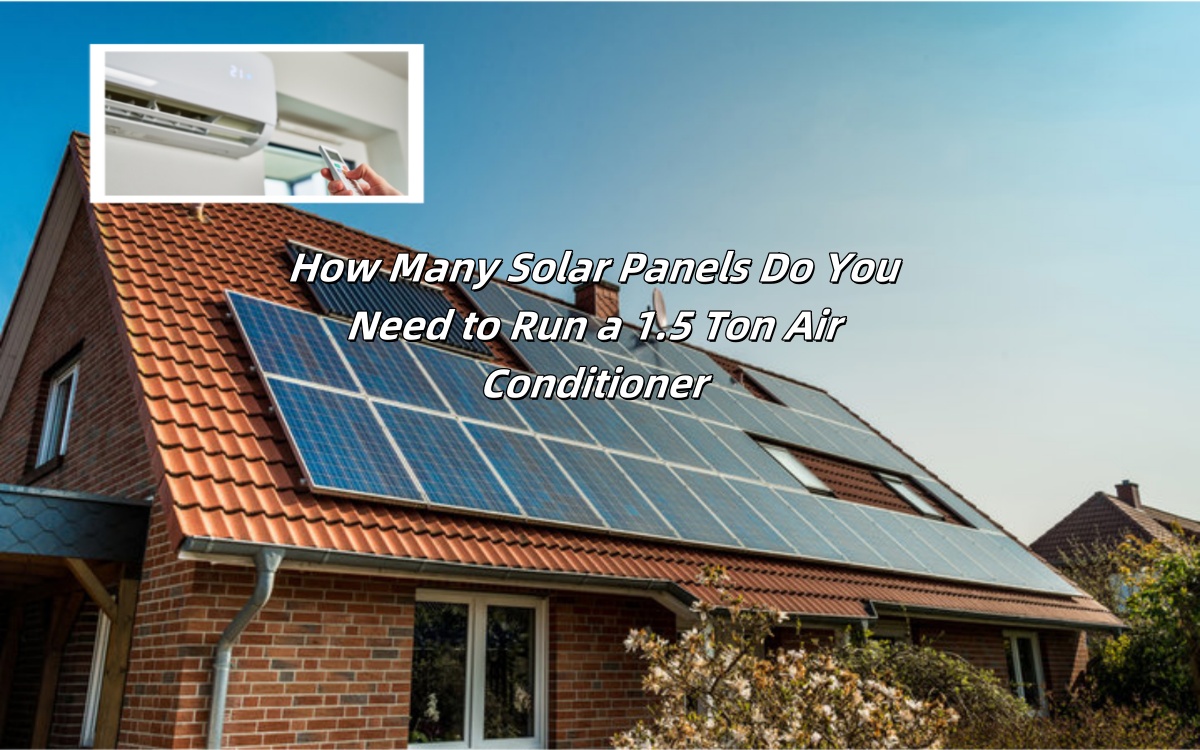
Yes, a 1.5 ton AC can run on solar with the right panels, inverter, battery, and system design.
If you want to know, “Can I run a 1.5 ton AC on solar?” the answer is yes, but the system must match the air conditioner’s real power draw. A careful design can lower electric bills and keep your home cooler, while a poor design may cause inverter trips, battery drain, or short backup times. This guide explains solar panel size, battery needs, inverter ratings, costs, limits, and practical setup tips.
Can I run a 1.5 ton AC on solar?
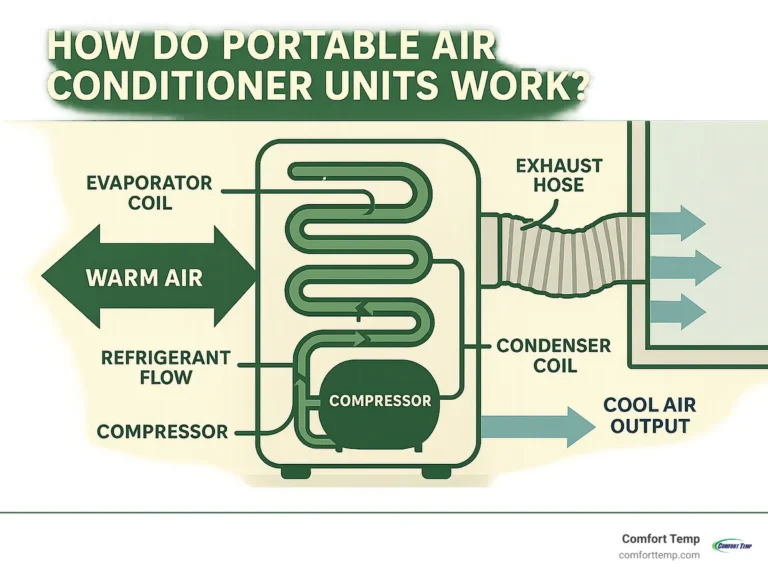
Yes, you can run a 1.5 ton AC on solar power. However, the AC does not use “1.5 tons” of electricity. The term ton refers to cooling capacity. One ton equals about 12,000 British thermal units, or BTUs, per hour, so a 1.5 ton unit provides about 18,000 BTUs of cooling.
A modern 1.5 ton inverter AC may use about 1,200 to 1,800 watts while running. Older or less efficient units may use 2,000 watts or more. The exact figure depends on the model, outdoor temperature, thermostat setting, insulation, and room size.
To answer “Can I run a 1.5 ton AC on solar?” properly, you must check four things:
• The AC’s running watts
• Its startup or surge demand
• The solar panel output during use
• The battery and inverter capacity
A solar system is like a water tank. The panels fill the tank, the battery stores water for later, and the inverter controls the flow. If any part is too small, the system may not run smoothly.
How much power does a 1.5 ton AC use?
A 1.5 ton air conditioner does not use one fixed amount of power. Its energy use changes as the compressor cycles, outdoor heat rises, and the unit works harder.
Typical power ranges are:
• Modern inverter AC: 1,000 to 1,600 watts during normal operation
• Standard non-inverter AC: 1,400 to 2,200 watts while running
• Older AC units: 2,000 to 2,800 watts or more
• Starting surge: Often two to three times the running power for a short period
An inverter AC is usually the better choice for solar. It slows down after the room reaches the target temperature. This reduces sudden power changes and can lower daily energy use.
For example, a 1.5 ton AC using 1,500 watts for six hours consumes about 9 kilowatt-hours of electricity:
1.5 kilowatts × 6 hours = 9 kilowatt-hours
Real use may be lower if the compressor cycles off. It may also be higher during a very hot day, especially in a poorly insulated room.
Look for the rated input power, maximum input power, and SEER2 rating on the AC label. The U.S. Department of Energy uses SEER2 to measure cooling efficiency across a season. A higher rating generally means less electricity for the same cooling work.
How many solar panels do I need for a 1.5 ton AC?
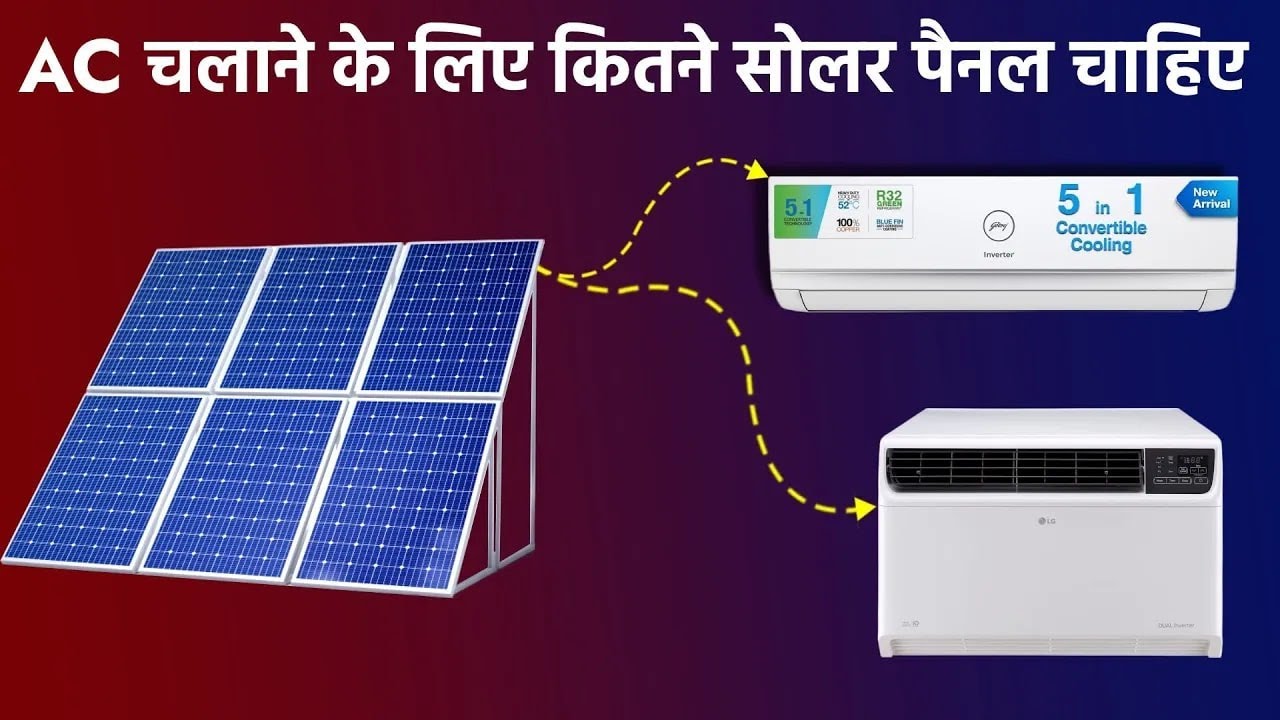
For many homes, a 3 to 5 kilowatt solar array is a practical starting point for running a 1.5 ton AC during sunny hours. The correct size depends on how long you want to run the unit and how much power the rest of your home uses.
A common 400 watt solar panel produces about 1.2 to 2.0 kilowatt-hours per day in many parts of the United States. Weather, shade, roof direction, season, and local sunlight can change this result.
A rough example:
• AC power draw: 1,500 watts
• Daily AC use: 6 hours
• AC energy use: 9 kilowatt-hours
• Solar system losses: About 15% to 25%
• Energy needed from solar: Around 10.5 to 11.5 kilowatt-hours
A 4 kilowatt solar array may produce enough energy on a clear day in a sunny location. Yet it may not produce enough during winter, storms, wildfire smoke, or long periods of cloud.
To improve reliability, many installers size the panels above the basic calculation. A 4.5 or 5 kilowatt system can give the AC more support and still power lights, fans, refrigerators, and other loads.
If you are asking, “Can I run a 1.5 ton AC on solar with only four panels?” the answer is usually no for all-day use. Four 400 watt panels equal 1.6 kilowatts under ideal conditions, but real output changes throughout the day and may not cover the AC’s full demand.

What size inverter is required?
The inverter changes DC power from the solar panels and battery into AC power for your air conditioner. It must handle both the normal running load and the startup surge.
For a 1.5 ton AC, consider these general inverter sizes:
• 3,000 watt pure sine wave inverter for some efficient inverter ACs
• 4,000 to 5,000 watt inverter for better surge capacity
• 5,000 watts or more when the AC runs with other household appliances
A pure sine wave inverter is important for compressors and sensitive electronics. It provides cleaner power than a basic modified sine wave inverter.
Do not choose an inverter based only on the AC label. Add other loads that may run at the same time, such as:
• Refrigerator
• Ceiling fans
• Internet equipment
• Lights
• Water pump
• Television
• Computers
An inverter with a weak surge rating may shut down when a traditional compressor starts. Inverter-driven air conditioners are easier to run because their compressors usually ramp up instead of starting at full power.
A licensed electrician should confirm voltage, breaker size, wire size, grounding, disconnects, and local code requirements. In the United States, solar work must follow applicable National Electrical Code requirements and utility rules.
Do you need batteries to run the AC?
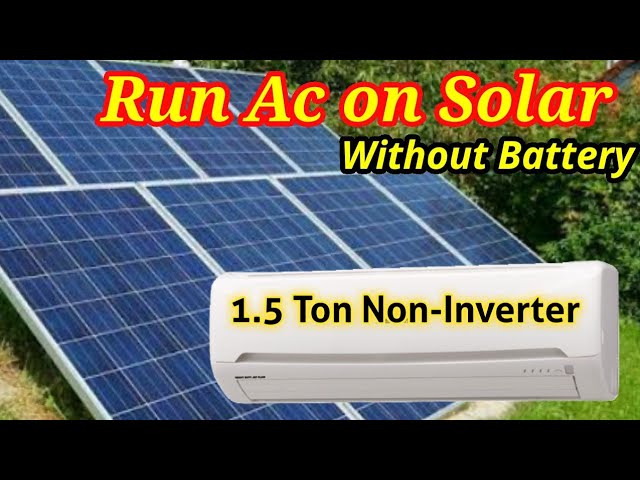
No, batteries are not always required. A grid-tied solar system can power a 1.5 ton AC during sunny hours without batteries. The home draws solar energy first, then takes extra power from the grid when the panels produce less than the AC needs.
A grid-tied system usually shuts down during a power outage. This safety feature protects utility workers from unexpected electricity flowing into the grid.
You need batteries if you want the AC to run:
• At night
• During a power outage
• During cloudy weather
• When solar output falls below the AC load
Battery capacity depends on the desired runtime. If the AC uses 1.5 kilowatts, running it for four hours requires about 6 kilowatt-hours of usable battery energy. Because batteries should not always be fully emptied, a system may need 8 to 10 kilowatt-hours of rated storage.
Battery performance also changes with temperature, age, and charge level. Lithium iron phosphate batteries are popular for home solar storage because they offer long cycle life and strong safety features when installed correctly.
If you ask, “Can I run a 1.5 ton AC on solar at night?” the answer is yes, but you need a large enough battery bank or backup from the utility grid.
Can solar run the AC during a power outage?
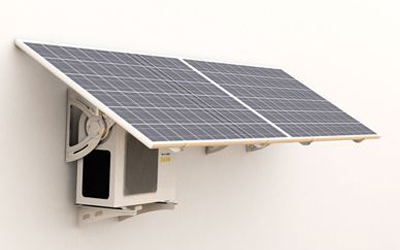
Solar can run a 1.5 ton AC during an outage only when the system has a battery-based backup inverter or a special solar generator. Standard grid-tied panels alone will not keep the AC running.
A backup system must provide:
• Enough continuous power for the AC
• Enough surge power for the compressor
• A stable 120 or 240 volt output, based on the AC model
• Automatic isolation from the utility grid
• Enough battery storage for the chosen runtime
Many central air conditioners use 240 volts. A small portable power station may not support this voltage or the compressor’s starting demand. Check the AC nameplate before buying any backup equipment.
A soft starter can reduce the starting surge of some central AC units. This may allow a smaller inverter to handle the compressor, but it does not reduce the AC’s total energy use.
Never connect a portable generator or battery inverter to a home outlet to “backfeed” the house. That can cause fires, equipment damage, and serious injury. Use a properly installed transfer switch or approved backup system.

What affects solar AC performance?
Even a well-sized solar system may produce different results each day. Several factors affect whether you can run a 1.5 ton AC on solar comfortably.
Sunlight and weather
Solar panels produce the most power near midday under clear skies. Clouds, rain, snow, smoke, and shade can reduce output. Winter sunlight may also be weaker or available for fewer hours.
Room insulation
Good insulation keeps cool air inside. Weatherstripping, window shades, attic insulation, and sealed ducts can reduce the AC’s workload. This may save more energy than adding extra solar panels.
Outdoor temperature
An AC works harder when outdoor temperatures rise. A unit that draws 1,400 watts in mild weather may draw much more during a heat wave.
AC efficiency
Two 1.5 ton units can have very different energy use. Compare the rated input, SEER2 rating, Energy Star status, and inverter technology before choosing a model.
Other appliances
The AC may not be your largest load at every moment. Electric water heaters, ovens, dryers, pool pumps, and electric vehicle chargers can quickly use the solar power you planned for cooling.
A practical solar system example
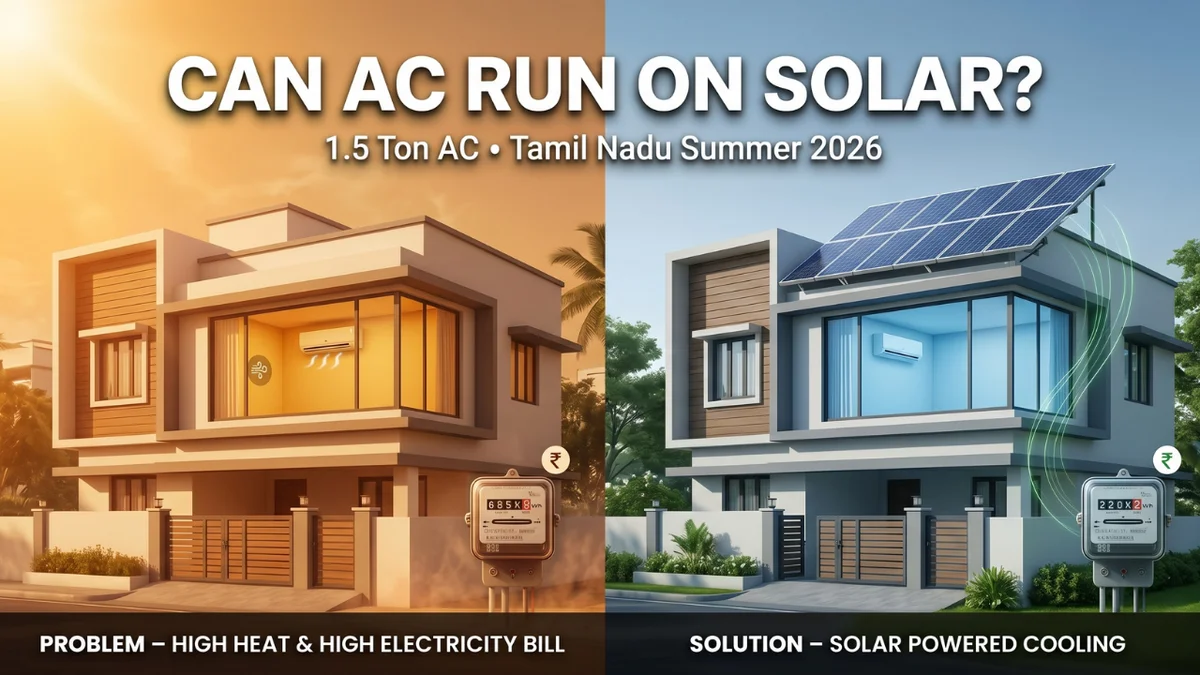
Suppose you have a 1.5 ton inverter AC that draws an average of 1,400 watts. You want to run it for six hours during the day.
The basic calculation is:
• 1.4 kilowatts × 6 hours = 8.4 kilowatt-hours
Allowing for inverter, wiring, battery, and panel losses brings the target closer to 10 kilowatt-hours. A 4 to 5 kilowatt solar array may meet this need on a sunny day, depending on your location.
A practical setup could include:
• 4.5 kilowatts of solar panels
• A 5 kilowatt pure sine wave inverter
• No battery for daytime, grid-connected use
• An 8 to 12 kilowatt-hour battery for evening or outage use
This is only an example. A home in Arizona may receive more useful sun than a home in Seattle. A shaded roof may need more panels, while a highly efficient AC may need less energy.
The best design begins with the AC’s actual measured wattage. A plug-in energy monitor works for some window or portable units. A qualified electrician can measure a larger central system safely.

Solar-only, grid-tied, or hybrid: Which is best?
There are three common ways to power an AC with solar.
Grid-tied solar
This setup uses solar panels and a grid-tied inverter. It is usually the least expensive option. Solar powers the AC during the day, while the grid supplies extra electricity when needed.
Its main limitation is that it normally does not work during a power outage.
Off-grid solar
An off-grid system uses panels, batteries, and an inverter. It can run without utility power, but it needs enough storage for nights and cloudy periods.
This option costs more and requires careful load management. Running a central AC off-grid can require a large battery bank.
Hybrid solar
A hybrid system combines solar, batteries, and the utility grid. It can lower bills, provide outage backup, and use solar energy efficiently.
For many homeowners, hybrid solar offers the best balance. You can run the AC from solar during the day, use the battery in the evening, and rely on the grid during long cloudy periods.
Common mistakes to avoid
People often ask, “Can I run a 1.5 ton AC on solar?” after buying panels based on the AC’s cooling capacity alone. That approach can lead to an undersized system.
Avoid these mistakes:
• Treating 1.5 tons as 1.5 kilowatts
• Ignoring compressor startup current
• Using a low-quality inverter
• Forgetting the energy used by other appliances
• Expecting full solar output all day
• Installing too little battery capacity
• Assuming grid-tied solar works during outages
• Placing panels in heavy shade
• Skipping permits and electrical inspections
• Relying on the panel’s maximum rating instead of real-world output
One lesson from many solar system reviews is simple: leave room for heat, clouds, and real household use. A system that works perfectly on a mild spring day may struggle during a hot July afternoon.
How to reduce the AC’s solar power use
You can make a 1.5 ton AC easier to run on solar by reducing the cooling load.
Try these practical steps:
• Set the thermostat near 78°F when home, as recommended by the U.S. Department of Energy for many summer conditions.
• Close blinds or shades on sunny windows.
• Use ceiling fans to improve comfort without lowering the thermostat.
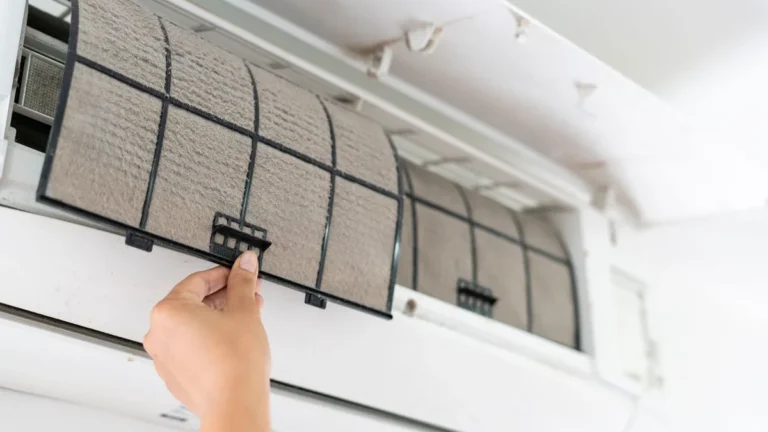
• Clean or replace filters as the manufacturer advises.
• Keep outdoor condenser coils clear of leaves and debris.
• Seal air leaks around doors, windows, and ducts.
• Avoid using an oven or dryer during peak heat.
• Schedule heavy appliances for times when solar output is strong.
• Choose an inverter AC with a high SEER2 rating.
• Use a smart thermostat to prevent unnecessary cooling.
These steps reduce the energy demand before you add more panels or batteries. In simple terms, the cheapest watt is the watt you do not need.
Is running a 1.5 ton AC on solar worth it?
Running a 1.5 ton AC on solar can be worthwhile if your home has strong sunlight, high summer electricity bills, and a suitable roof. Solar can reduce daytime grid use and provide clean energy for one of the largest cooling loads in many homes.
The financial result depends on:
• Local electricity rates
• Solar installation cost
• Federal, state, and utility incentives
• Net metering rules
• Battery price
• AC efficiency
• Roof condition
• System maintenance
The federal solar tax credit may reduce the cost of eligible solar installations, but rules can change. Check current guidance from the Internal Revenue Service and speak with a qualified tax professional.
Batteries can improve backup and self-consumption, but they add substantial cost. If your main goal is lower bills, grid-tied solar may be more economical. If your main goal is outage protection, a battery may be worth the extra expense.
Frequently Asked Questions About Can I run a 1.5 ton AC on solar?
Can I run a 1.5 ton AC on solar without batteries?
Yes, a grid-tied solar system can run the AC during sunny hours without batteries. It will still draw power from the grid when solar output is too low, and it usually will not operate during a power outage.
How many solar panels are needed for a 1.5 ton AC?
Many systems need about 8 to 13 panels rated near 400 watts, depending on the AC’s power use and local sunlight. A professional design should include panel losses, other home loads, weather, and the number of hours you want to run the AC.
Can I run a 1.5 ton AC on solar at night?
Yes, but you need a battery or utility power at night. For several hours of cooling, plan for a battery with enough usable capacity to cover the AC and other essential loads.
What size inverter runs a 1.5 ton AC?
A 3,000 watt pure sine wave inverter may work with some efficient inverter ACs. A 4,000 to 5,000 watt model often provides more comfortable surge capacity, especially when other appliances run at the same time.
Will a solar generator run a 1.5 ton AC?
Some large solar generators can run the AC, but many cannot handle its voltage or compressor startup surge. Check the generator’s continuous watt rating, surge rating, output voltage, battery capacity, and manufacturer guidance before purchasing.
Is an inverter AC better for solar power?
Yes, an inverter AC is usually easier and more efficient to pair with solar. Its compressor can vary speed, which reduces sudden surges and may lower energy use during long cooling periods.
Can I run a 1.5 ton AC on solar during cloudy weather?
Often, yes, if the solar array is large enough and the grid or battery supplies the shortfall. Solar production can drop sharply during thick clouds, so an off-grid system needs extra panels and storage for reliable operation.
Conclusion
Can I run a 1.5 ton AC on solar? Yes, but success depends on the complete system rather than the AC size alone. Check the unit’s real wattage, choose a suitable pure sine wave inverter, plan enough solar capacity, and add batteries if you need nighttime or outage operation.
For many homes, a 4 to 5 kilowatt solar array paired with an efficient inverter AC is a useful starting point. Get a site-specific quote, review your utility rules, and have the electrical work completed by a qualified professional. Explore your local solar options, compare equipment carefully, and share your questions or experience in the comments.