What AC Size Is Best for a Bedroom?
Picking the right AC size for your bedroom is crucial for staying cool and comfortable, but the question of "What AC size is best for a bedroom?" often gets complicated. Getting it wrong means either a room that never feels cool enough or one that's cold but clammy.
Our research, drawing on manufacturer specifications and HVAC best practices, indicates that size is determined by more than just square footage; factors like ceiling height and insulation play significant roles. We'll guide you through calculating the ideal BTU (British Thermal Units) capacity for your specific space.
Quick Answer
The best AC size for a bedroom is typically between 5,000 and 10,000 BTU. This range depends on room size, but factors like sun exposure and insulation can increase needs. An AC that's too small runs constantly.
An AC that's too large cools too quickly, leaving air humid.
Why AC Size Matters More Than You Think
When you're looking at air conditioners, the numbers can seem a bit intimidating. But understanding the BTU rating, a measure of how much heat an AC unit can remove from a room in one hour, is the most important step to a comfortable bedroom. Getting this number right ensures your unit works efficiently, saving you money and keeping your space perfectly conditioned.
The Problem with Too Small
If an air conditioner is too small for the room it's in, it has to work overtime. It'll run continuously, trying to reach the set temperature but never quite getting there. This constant operation leads to a few issues.
- Poor Cooling: The primary job isn't done effectively, leaving your room warmer than you'd like, especially during peak heat.
- Increased Energy Bills: Running non-stop means much higher electricity consumption than necessary.
- Premature Wear and Tear: The motor and other components are constantly under strain, potentially shortening the unit's lifespan.
The Problem with Too Big
While it might seem counterintuitive, an AC unit that's too large can be just as problematic as one that's too small. These units cool a space down very rapidly. However, a key function of an AC is dehumidification, which happens as the air passes over cold coils.
- Ineffective Dehumidification: When an oversized unit cools the room too quickly, it cycles off before it has adequate time to remove moisture from the air. This leaves the room feeling cool, but also damp and sticky, which isn't comfortable.
- Short Cycling: The unit turns on, cools the room rapidly, and then shuts off. This "short cycling" is inefficient, wastes energy, and can be hard on the compressor.
- Reduced Air Quality: For some, the lack of proper dehumidification can contribute to mold or mildew growth in the long run.
Your Bedroom's Square Footage: The Starting Point
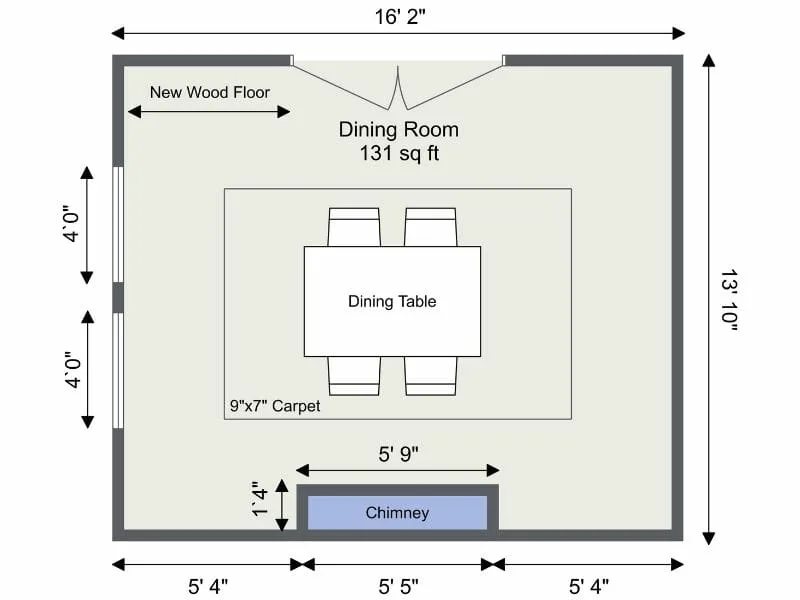
The most basic way to start figuring out what size AC you need is by measuring your bedroom's square footage. This gives you a baseline BTU requirement. You'll need a tape measure for this.
Simply measure the length of the room and the width, then multiply those two numbers together. For example, a room that's 10 feet wide by 12 feet long has a square footage of 120 sq. ft.
Manufacturer specifications and general guidelines provide charts to help you estimate based on this measurement. These charts are a good starting point, but they're not the whole story.
Adjusting Your AC Size: Key Factors for Your Room
Once you have your room's square footage, you need to consider other environmental factors. These will help you fine-tune your BTU estimate to ensure the best performance for your specific bedroom. Think of these as modifiers that either increase or decrease the cooling power you need.
Ceiling Height
Standard ceiling heights are usually around 8 feet. If your bedroom has higher ceilings, you'll need a bit more cooling power because there's more air volume to condition. For every foot of ceiling height above 8 feet, consider increasing your BTU requirement by about 10%.
Sun Exposure
A room that gets a lot of direct sunlight throughout the day will naturally be warmer. If your bedroom windows face south or west and receive intense sun, you'll need an AC with a bit more capacity. This can add another 10% to your BTU needs.
Insulation Quality
The way your home is insulated plays a big part. If your walls and windows are older and don't retain temperature well, heat can easily enter the room. Poor insulation might require you to increase the BTU by 10-20% over the base calculation.
Occupancy and Electronics
People and electronics generate heat. If your bedroom is frequently occupied by more than one person at a time, or if it houses heat-producing equipment like computers or televisions that are used often, you'll need to factor that in. For each additional person beyond the first, add about 600 BTU.
For significant electronics, you might add another 400-600 BTU.
How to Calculate Your Bedroom AC's BTU Needs
Now that we've covered the factors, let's put it all together. This process will help you move from a general idea to a specific BTU target for your bedroom AC.
Step 1: Measure Your Room
As mentioned, you first need the dimensions of your bedroom. Measure the length and width in feet. Multiply these two numbers to get your room's square footage.
For example, a room that measures 12 feet by 15 feet is 180 square feet.
Step 2: Find Your Base BTU
Use a standard sizing chart as your starting point. Here’s a general guideline:
| Room Size (sq. ft.) | Recommended BTU |
|---|---|
| 100-150 | 5,000 |
| 150-250 | 6,000 |
| 250-350 | 8,000 |
| 350-450 | 10,000 |
| 450-550 | 12,000 |
For our 180 sq. ft. example room, the base BTU needed is 6,000.
Step 3: Apply Your Adjustments
Now, we adjust that base BTU based on the other factors we discussed. Let's apply these to our 180 sq. ft. room which currently needs 6,000 BTU.
- Ceiling Height: If the ceiling is 10 feet high (2 feet above the standard 8 feet), add 10% per foot. So, 10% of 6,000 BTU is 600 BTU. New total: 6,000 + 600 = 6,600 BTU.
- Sun Exposure: If the room gets a lot of sun, add another 10%. 10% of 6,600 BTU is 660 BTU. New total: 6,600 + 660 = 7,260 BTU.
- Insulation: Assume insulation is average, so no adjustment.
- Occupancy/Electronics: If it's usually just one person and minimal electronics, no further adjustment is needed.
So, for this example bedroom, an AC unit with a capacity around 7,000 to 8,000 BTU would be ideal. It's always better to lean slightly higher within the recommended range if you have multiple adjustment factors.
Common AC Sizing Mistakes to Avoid
Even with a guide, it's easy to slip up when picking an air conditioner size. Awareness of these common errors can save you frustration and money down the line.
Ignoring Your Room's Specifics
The biggest mistake is relying solely on square footage. A sunny room with high ceilings might need a significantly larger unit than a shaded room with standard ceilings, even if both have the same square footage. Always consider the additional factors we’ve discussed.
Over-Sizing for Quick Cooling
Some people think that buying a much larger AC will cool the room down faster and better. This is rarely true. As we covered, an oversized unit will cool the air rapidly but won't have time to remove humidity, leaving you with a clammy, uncomfortable environment.
Under-Sizing for Constant Running
Conversely, choosing an AC that's too small forces it to run constantly. This not only fails to achieve the desired cool temperature but also wastes a lot of energy and puts excessive wear on the unit, reducing its lifespan.
Choosing the Right AC Type for Your Bedroom
Once you know the BTU you need, you can look at the different types of air conditioners available. For most bedrooms, the choice usually comes down to two main types: window units and portable ACs. Each has its own set of pros and cons.
Window Units vs. Portable ACs
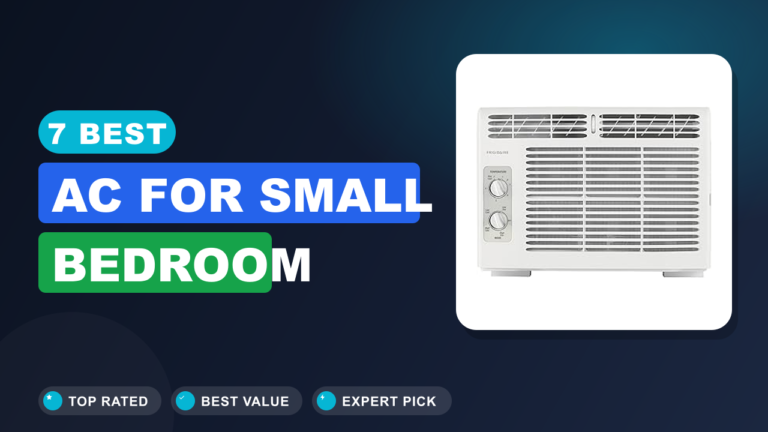
Window Units are designed to fit into a standard window frame. They are generally quite efficient for their BTU rating and often more budget-friendly upfront. They also don't take up floor space, which can be a big advantage in smaller bedrooms.
However, they do obstruct part of your window view and can sometimes be a bit louder. Installation involves securely fitting the unit into the window.
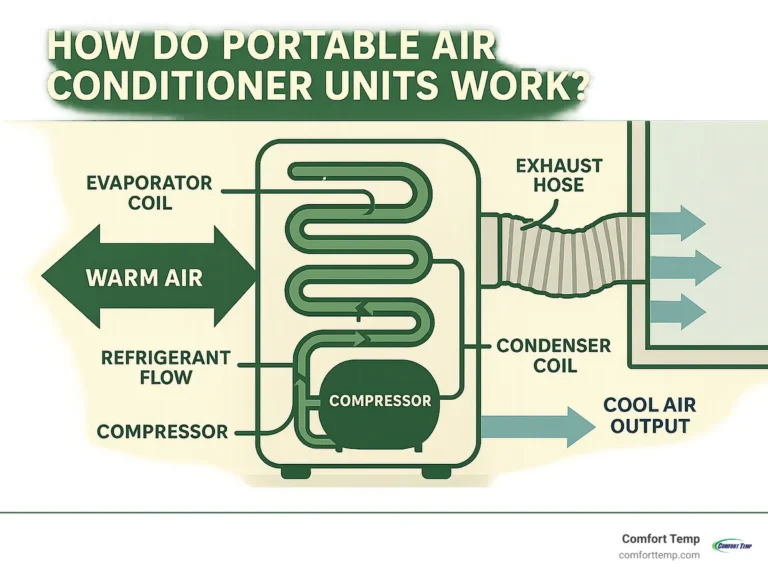
Portable AC Units sit on the floor and are on wheels, making them easy to move between rooms if needed. They require an exhaust hose to be vented out a window, usually through a provided kit. These are a good option if you can't install a window unit or need flexibility.
However, they can be less energy-efficient than window units of comparable BTU, take up floor space, and the exhaust hose setup can sometimes be awkward.
Mistakes to Avoid During AC Installation
Even after you've chosen the right-sized unit, installation itself can introduce problems. Improper installation can negate the benefits of correct sizing and lead to performance issues. Always follow the manufacturer's specific instructions for your chosen AC type.
Improper Sealing for Window Units
For window ACs, the most common installation pitfall is poor sealing around the unit and window frame. Gaps allow cool air to escape and warm, humid air to enter. This not only reduces efficiency but can also allow insects or rain to get inside.
Ensure all edges are sealed with foam insulation strips or caulk.
Kinking or Crushing Exhaust Hoses for Portables
Portable AC units require their exhaust hose to vent hot air outside. If this hose is kinked, bent too sharply, or crushed, the unit's performance will suffer dramatically. It can't expel heat effectively, leading to reduced cooling and increased internal pressure.
Make sure the hose has a straight, unobstructed path to the window.
Not Leveling the Unit
Both window and portable ACs need to be installed level, or with a slight tilt away from the room for window units, to allow for proper drainage. If a window unit is installed with the front lower than the back, water might pool and leak into your room. A portable AC that isn't level might not drain condensation efficiently.
When to Consider Professional Installation
While many window and portable ACs are designed for DIY installation, some situations warrant calling a professional. If you're unsure about any step, if your window type is unusual, or if you're considering a more complex system like a mini-split, professional help is a good idea.
- Complex Window Types: Some windows, like casement or crank-out designs, can make window AC installation more challenging.
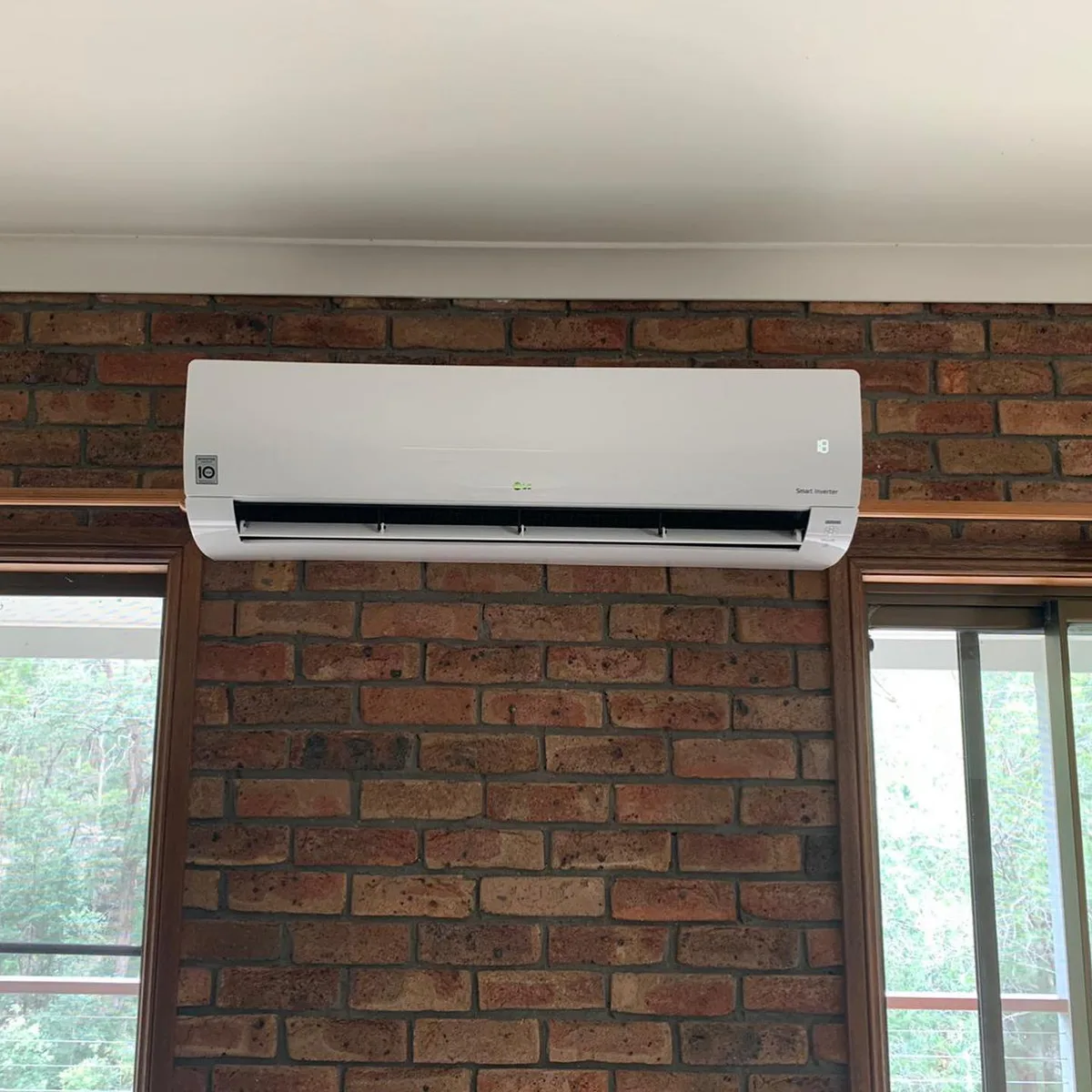
- Mini-Split Systems: These require refrigerant lines and electrical connections to be run between the indoor and outdoor units, which is best handled by a certified technician.
- Electrical Concerns: If you're unsure about the electrical outlet capacity or need to install a new dedicated circuit, an electrician or HVAC professional is necessary.
What AC Size is Best for a Bedroom? A Quick Comparison
When you're deciding, it helps to see how different room sizes and conditions stack up. This isn't about choosing between specific models, but understanding how various BTU capacities apply.
| Room Size (sq. ft.) | Base BTU Needed | Sunny Room (+10%) | High Ceilings (+10%/ft over 8ft) | Example Scenario (180 sq ft, 10ft ceilings, sunny) |
|---|---|---|---|---|
| 150 | 6,000 | 6,600 | ~7,200+ | ~7,200 BTU |
| 250 | 8,000 | 8,800 | ~10,400+ | ~10,400 BTU |
| 350 | 10,000 | 11,000 | ~13,000+ | ~13,000 BTU |
This table highlights how quickly your needs can increase. A 150 sq. ft. room might only need 5,000-6,000 BTU in ideal conditions, but if it's sunny and has high ceilings, you could be looking at 7,000 BTU or more.
Real-World AC Sizing Examples
Let's look at a couple of common bedroom setups to solidify these concepts.
Scenario 1: The Small, Shaded Guest Room
Imagine a guest room that's 10 feet by 12 feet (120 sq. ft.). It has one small window that doesn't get much direct sun, and the ceilings are standard 8 feet. This room is rarely occupied by more than one person.
- Base BTU: Based on 120 sq. ft., you'd start around 5,000 BTU.
- Adjustments: No significant sun, standard ceilings, low occupancy.
- Conclusion: A 5,000 BTU unit is likely sufficient and the most energy-efficient choice here.
Scenario 2: The Large Master Bedroom with Balcony Access
Consider a master bedroom that's 18 feet by 20 feet (360 sq. ft.). It has a large sliding glass door to a balcony that faces west, gets a lot of afternoon sun, and the ceilings are 9 feet high. Two people usually occupy this room.
- Base BTU: For 360 sq. ft., you start with 10,000 BTU.
- Adjustments:
- Ceiling Height (9ft): +10% = 1,000 BTU. Total: 11,000 BTU.
- Sunny West-facing door: +10% = 1,100 BTU. Total: 12,100 BTU.
- Occupancy (2 people): +600 BTU. Total: 12,700 BTU.
- Conclusion: For this room, you'd be looking for an AC in the 12,000 to 13,000 BTU range, possibly a 13,000 BTU unit to handle the heat load effectively.
Maintenance for Longevity and Efficiency
Once you've got the right AC size installed, proper maintenance is key to keeping it running smoothly and efficiently for years to come. Think of it as giving your AC a little TLC.
Regular Filter Cleaning/Replacement
This is the most important maintenance task. The air filter traps dust, pollen, and other particles. A clogged filter restricts airflow, making the unit work harder and reducing its cooling efficiency.
Check your filter monthly. Washable filters can be cleaned with water and mild soap, while disposable ones need replacing.
Cleaning Coils
Over time, dust and debris can accumulate on the evaporator (indoor) and condenser (outdoor) coils, hindering heat exchange. Gently clean the fins with a soft brush or a specialized coil cleaner. Be careful not to bend the delicate fins.
Checking for Leaks and Drainage
Ensure the drain hose or pan is clear and not blocked. Water buildup can lead to mold and damage. Periodically inspect the unit and its connections for any signs of refrigerant leaks, which would require professional attention.
Frequently Asked Questions
What's the difference between BTU and wattage for an AC?
BTU measures cooling capacity (heat removed), while wattage measures the electrical power consumed. While related, BTU is the primary metric for sizing an AC for a room, not wattage.
Can I use a larger AC than recommended to ensure it cools faster?
No, using an AC that is significantly larger than needed is a common mistake. It leads to short cycling, poor dehumidification, and wasted energy, rather than faster or better cooling.
How often should I have my AC professionally serviced?
For window or portable units, annual professional servicing might be overkill for most users. However, if you notice performance issues or are concerned about its condition, a professional check-up every few years can be beneficial.
Is it okay to leave a window AC unit installed year-round?
Yes, you can leave most window AC units installed year-round. Ensure it's properly sealed to prevent drafts and consider covering the exterior to protect it from weather elements.
What happens if my AC is too small for the room in extreme heat?
If your AC is too small and the heat is extreme, it will run constantly and likely won't be able to bring the temperature down to the thermostat setting. It will struggle significantly, and you may experience very little cooling.