What Is the Difference Between Split AC and Window AC?
When you're looking to cool down your home, the choices can seem a bit overwhelming, especially when it comes to air conditioners. Understanding what separates a split AC from a window AC is key to making the right choice for your comfort and your budget. The core difference lies in how their components are housed and how they integrate with your living space.
In our research, we found that while both systems perform the same cooling function, their installation, efficiency, and noise levels vary significantly. For instance, ENERGY STAR certified window units can offer substantial energy savings, often exceeding 10% compared to non-certified models, as indicated by ENERGY STAR program specifications. Let's dive into the specifics of each.
Window AC: The All-in-One Package
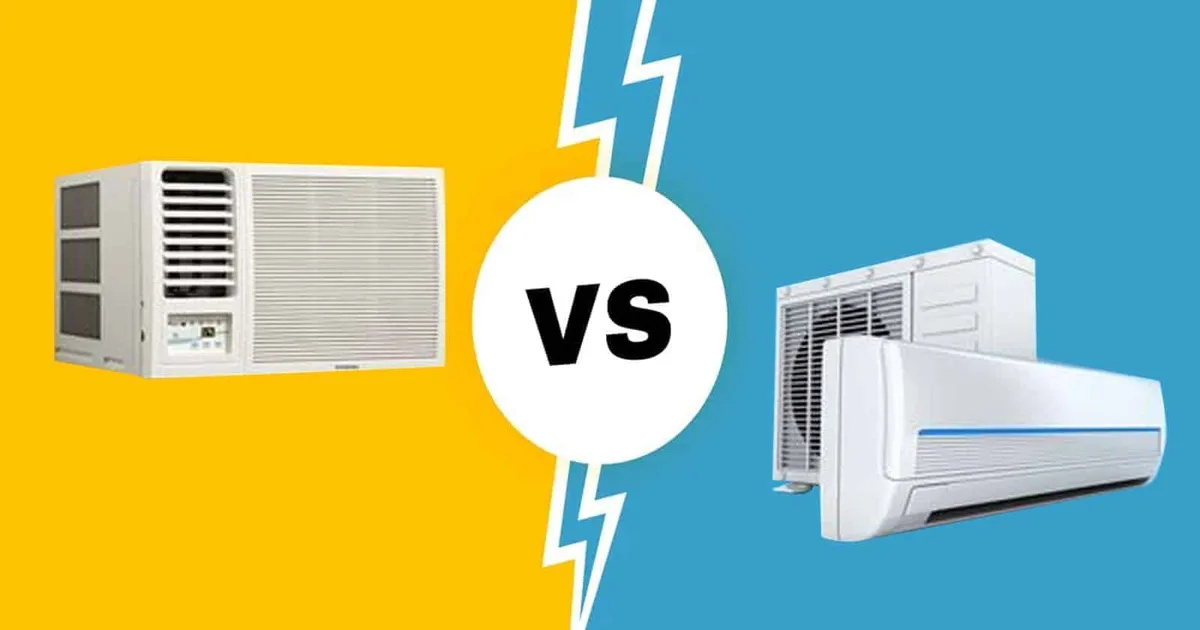
Window air conditioners are your classic, self-contained cooling solution. Everything needed to cool a room is packed into a single, compact unit designed to be installed in a standard window opening or a dedicated wall sleeve.
How It Works
A window AC operates by drawing warm air from inside your room, passing it over cold evaporator coils, and then blowing the cooled air back into the room. Simultaneously, the heat absorbed from the room, along with heat generated by the compressor and fan, is expelled outside through the back of the unit that protrudes from the window. This integrated system means all the mechanical components, including the compressor, are housed within the single box.
Features & Components
The primary components of a window AC unit are all housed together:
- Evaporator coils: These get cold and absorb heat from the room air.
- Compressor: The heart of the AC, it pressurizes the refrigerant to make it cold.
- Condenser coils: Located on the outside-facing part of the unit, these release the absorbed heat.
- Fan: Circulates air over the coils and into the room.
- Chassis/Cabinet: The housing that contains all these parts.
These units typically feature an interior panel with controls and an air filter, facing into the room, while the exterior section is visible from outside.

Benefits & Drawbacks
Window ACs are often chosen for their straightforward benefits, but they come with a few trade-offs.
Pros:
- Affordable upfront cost: They are generally less expensive to purchase than split systems.
- Simple installation: Most units can be installed by the homeowner without needing professional help, though assistance may be needed for lifting.
- Portability: They can be removed and relocated to different windows or even different homes.
Cons:
- Noise: Because the compressor and fan are inside the room, they can be quite noisy, often registering around 50-60 decibels.
- Aesthetics: They can obstruct window views and may not fit well with certain interior decors.
- Security risk: If not installed securely, they can potentially be pushed in from the outside.
- Single-room focus: Primarily designed for cooling individual, smaller spaces.
Use Cases & Best For
Window ACs are ideal for individuals or households looking for an economical and straightforward way to cool a single room. They are a popular choice for:
- Apartments or rental units: Where permanent installation of a split system isn't feasible.
- Guest rooms or home offices: Providing targeted cooling only when needed.
- Budget-conscious homeowners: Who need effective cooling without a significant initial investment.
- Dorm rooms: Offering a convenient cooling solution.
Mistakes to Avoid
When setting up a window AC, there are a few common pitfalls that can affect performance and lifespan. One mistake is not ensuring a proper seal around the unit, which allows cool air to escape and warm air to enter, reducing efficiency. Another is neglecting to clean the air filter regularly; a clogged filter restricts airflow, strains the motor, and degrades air quality.
You also want to avoid installing the unit in a window that receives direct, intense sunlight all day without any shading, as this forces the unit to work much harder. Lastly, ensure the unit is tilted slightly towards the outside, as manufacturer specifications often recommend this for proper drainage of condensation.
Split AC: The Two-Part System
A split AC, often called a ductless mini-split system, consists of two main units: an indoor air-handling unit and an outdoor condensing unit. These are connected by refrigerant lines, electrical wiring, and a condensate drain line.
How It Works
The indoor unit, typically mounted high on a wall, contains the evaporator coil and a fan. It draws warm air from the room, cools it over the evaporator coils, and circulates the chilled air back into the space. The outdoor unit houses the compressor and condenser coils.
It expels the heat absorbed from the indoor air into the outside environment. This separation is key to the system's quieter operation and aesthetic flexibility.
Features & Components
The split system's design offers distinct features:
- Indoor Unit (Evaporator): Contains the cooling coils, fan, and air filter. Often includes an air purification system and smart controls.
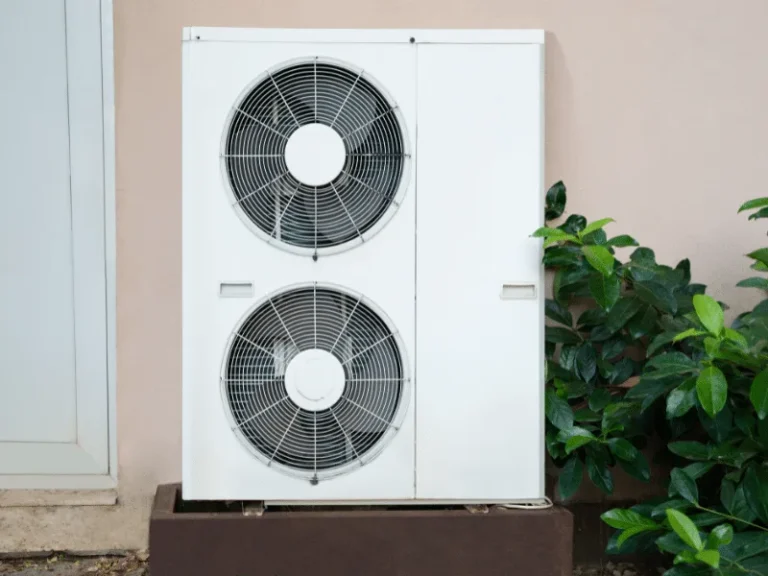
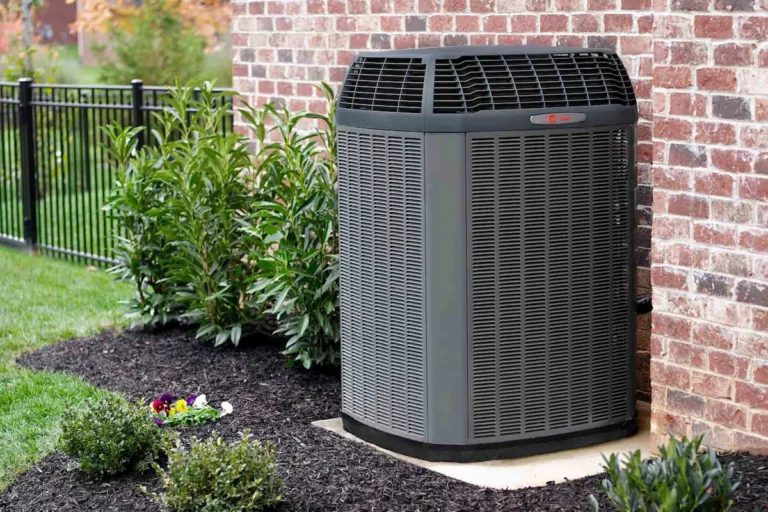
- Outdoor Unit (Condenser): Houses the compressor, condenser coils, and fan. Designed to withstand outdoor elements.
- Refrigerant Lines: Copper tubing that carries the refrigerant between the indoor and outdoor units.
- Electrical Wiring: Connects the two units for power and communication.
- Condensate Drain Line: Removes moisture collected from the indoor unit.

Benefits & Drawbacks
Split AC systems offer a range of advantages, particularly for those seeking advanced comfort and efficiency.
Pros:
- Quiet Operation: With the noisy compressor and condenser located outdoors, indoor units are remarkably quiet, often operating at around 20-30 decibels.
- Energy Efficiency: Many split systems, especially those with inverter technology, are highly energy-efficient, leading to lower electricity bills.
- Flexible Installation: The indoor unit can be placed almost anywhere on an exterior wall, allowing for optimal air distribution without needing window access.
- Heating Capability: Most modern split systems offer both cooling and heating functions.
- Aesthetics: The sleek indoor units blend better with room decor and don't block windows.
Cons:
- Higher Upfront Cost: The purchase and installation of split AC systems are generally more expensive than window units.
- Professional Installation Required: Installation involves drilling through walls and specialized refrigerant line connections, necessitating certified technicians.
- Less Portable: Once installed, they are fixed and not easily moved.
Use Cases & Best For
Split ACs are well-suited for situations demanding quiet, efficient, and flexible climate control. They are commonly chosen for:
- Whole-house cooling: Multi-split systems can connect multiple indoor units to a single outdoor unit to condition several rooms or zones.
- Living spaces and bedrooms: Where noise reduction is a high priority.
- Homes with no suitable window space: Or where homeowners want to preserve window views.
- Energy-conscious users: Seeking long-term savings on utility bills.
- Properties requiring both heating and cooling: Offering a year-round solution.
Mistakes to Avoid
When considering a split AC, it's crucial to avoid certain installation and usage errors. A common mistake is improper sizing; an undersized unit will struggle to cool the space effectively, while an oversized unit will cycle on and off too frequently, leading to poor dehumidification and wasted energy. According to manufacturer guidelines for systems as of 2026, units should be sized precisely for the room's square footage and insulation levels.
Another error is skimping on professional installation. DIY attempts or using unqualified technicians can lead to leaks, inefficiency, and damage to the system. Lastly, failing to regularly clean the indoor unit's filter, which should be done at least monthly, will impede airflow and reduce cooling performance, much like with window units.
Split AC vs. Window AC: Key Differences at a Glance
Here's a quick rundown of how these two popular AC types stack up against each other, making it easier to see their core differences side-by-side.
Comparison Table
| Feature | Window AC | Split AC |
|---|---|---|
| Configuration | Single, self-contained unit | Two units: indoor and outdoor |
| Installation | DIY-friendly, fits in window/sleeve | Professional installation required |
| Noise Level | Louder (compressor inside) | Quieter (compressor outdoors) |
| Efficiency | Varies; can be good with ENERGY STAR | Often higher, especially with inverter tech |
| Aesthetics | Blocks window, less discreet | Sleek indoor unit, blends with decor |
| Room Coverage | Primarily single rooms | Single rooms or multiple rooms (multi-split) |
| Heating | Rarely | Common feature |
| Upfront Cost | Lower | Higher |
| Portability | Moderate (can be moved between windows) | Low (fixed installation) |
Installation and Maintenance
The installation process is a major differentiator. Window ACs are designed for user-friendly setup; you typically place the unit in a window, secure it with mounting brackets, and seal any gaps with the provided accordion panels. Basic tools are usually all that's needed, and many manufacturers offer installation guides for a do-it-yourself approach.
Split AC installation, however, is a job for certified professionals. It involves drilling a hole through an exterior wall to connect the indoor and outdoor units via refrigerant lines and electrical wiring. This complexity ensures the system is sealed correctly and operates efficiently.
For maintenance, both types require regular filter cleaning. Window ACs might need occasional exterior coil cleaning, while split systems benefit from professional servicing for refrigerant checks and deeper cleaning of both indoor and outdoor components.
Which Cooling System is Right for Your Space?
Deciding between a split AC and a window AC hinges on a few key factors specific to your living situation. If your primary concern is cooling a single room on a tight budget, a window unit is likely your best bet. They're easier to install yourself and generally cost less upfront.
For example, a standard 5,000 BTU window AC might cost between $150-$300, according to retail price analyses.
However, if you're prioritizing quiet operation, better air quality, and the potential for heating alongside cooling, a split AC system makes more sense. While the initial cost is higher, often starting from $800-$1,500 for a basic single-zone unit plus installation, their energy efficiency can lead to significant savings on electricity bills over time. Consider the longevity and integration into your home's overall comfort system when making this choice.
Should I choose based on room size?
Yes, room size is a critical factor. Window ACs are typically best suited for smaller to medium-sized rooms, usually between 150 to 500 square feet, with BTUs (British Thermal Units) ranging from 5,000 to 15,000. Exceeding these limits can lead to inefficient cooling.
Split ACs offer more flexibility; a single-zone system can handle similar room sizes, but multi-split systems allow you to condition multiple rooms, each with its own indoor unit, providing tailored temperature control across your entire home.
What about noise levels and my living space?
Noise is a major consideration, especially for bedrooms or shared living areas. Window ACs house their noisy components, like the compressor, inside the unit, leading to noticeable operational sounds, often around 50-60 decibels. This can disrupt sleep or conversations.
Split ACs, by contrast, locate these noisy components in an outdoor unit. The indoor unit's fan is much quieter, typically operating between 20-30 decibels, making them ideal for creating a peaceful indoor environment.
How does installation complexity affect my choice?
The installation process is a significant differentiator. Window ACs are designed for simple DIY installation, requiring minimal tools and effort to place them in a window frame or a pre-existing wall sleeve. This makes them suitable for renters or those who prefer to avoid professional services.
Split ACs, however, require professional installation due to the need to drill through walls, connect refrigerant lines, and run electrical wiring between the indoor and outdoor units. This complexity means professional installation is non-negotiable and adds to the overall cost, often ranging from $1,000 to $3,000 or more depending on the system's size and complexity.
Can one system heat and cool my home?
Many split AC systems offer both heating and cooling functions, acting as a heat pump. This dual capability makes them a versatile year-round solution, capable of providing comfortable temperatures regardless of the season. Window ACs, on the other hand, are almost exclusively designed for cooling and rarely include a heating element, meaning you would need a separate heating system for colder months.
This makes split ACs a more integrated climate control solution for many households.
Frequently Asked Questions
What is the main functional difference between split and window ACs?
The main difference is their physical configuration: window ACs are all-in-one units for a single room, while split ACs have separate indoor and outdoor units connected by refrigerant lines.
Can a window AC cool an entire house?
No, window ACs are designed for spot cooling and are typically effective only for the single room in which they are installed.
Are split ACs more energy-efficient than window ACs?
Generally, yes. Split ACs, particularly those with inverter technology, tend to be more energy-efficient than most window ACs due to their design and component separation.
Is professional installation mandatory for both types of ACs?
Professional installation is generally mandatory for split ACs due to the complexity of connecting indoor and outdoor units. Window ACs are often designed for DIY installation.
Which type of AC is quieter?
Split ACs are significantly quieter because their noisy components, like the compressor, are located in the outdoor unit, away from living spaces.