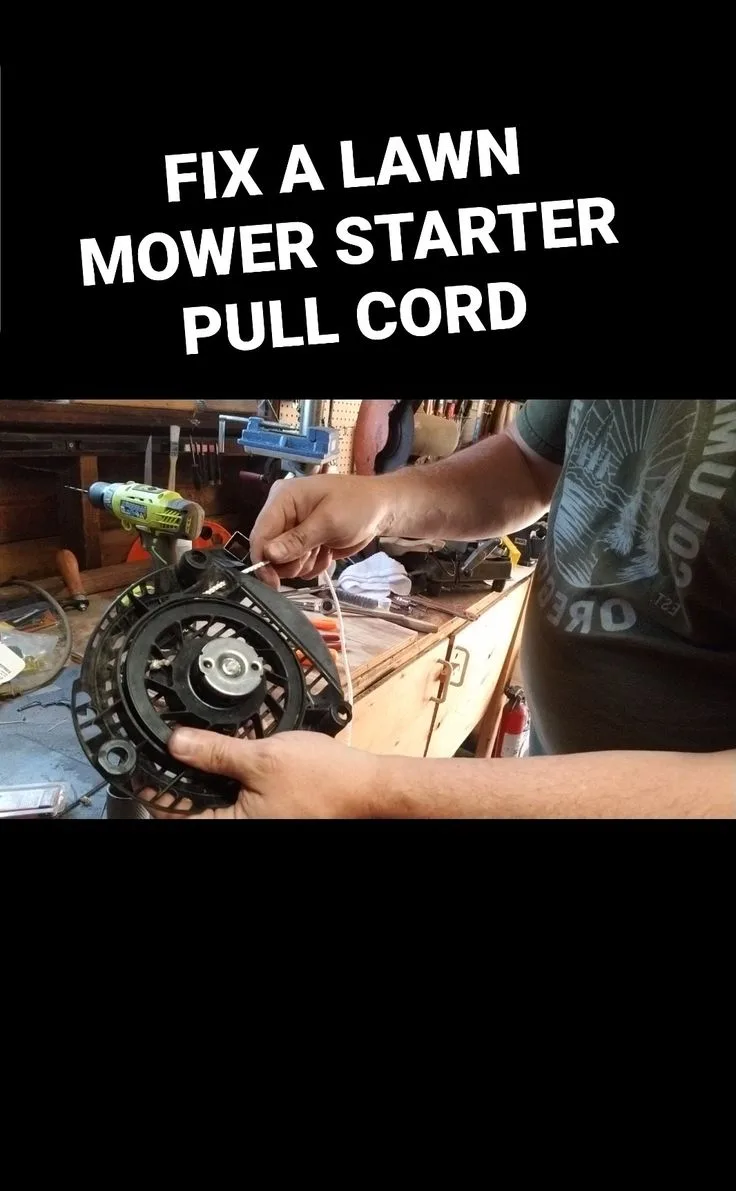
Why Does My Lawn Mower Keep Stopping?
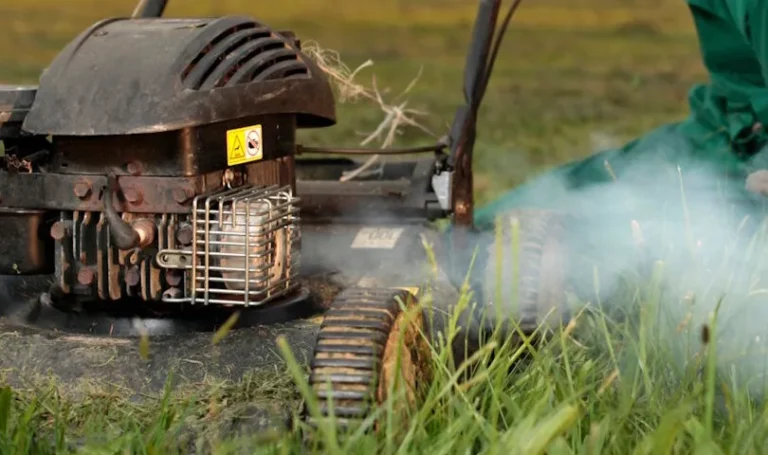
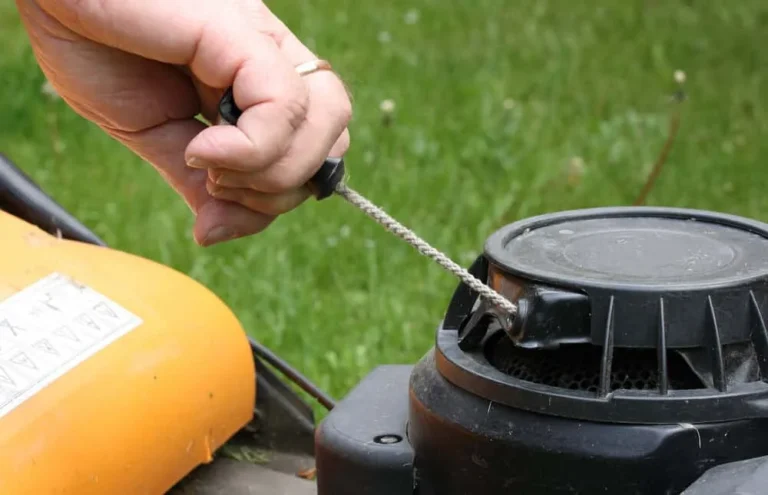
Why does my lawn mower keep stopping? You push it forward, it hums along for a minute, then it dies right there on the grass. You restart it and it does the same thing again.
Most of the time, the problem isn't the engine itself.
Manufacturer specifications indicate a typical spark plug gap on a 4-cycle mower engine is 0.030 inches (0.76 mm). Most engines also run best on fuel that's under 30 days old. If your mower keeps dying mid-mow, the answer almost always traces to one of four failure modes.
Here's how to figure out which one you're dealing with.
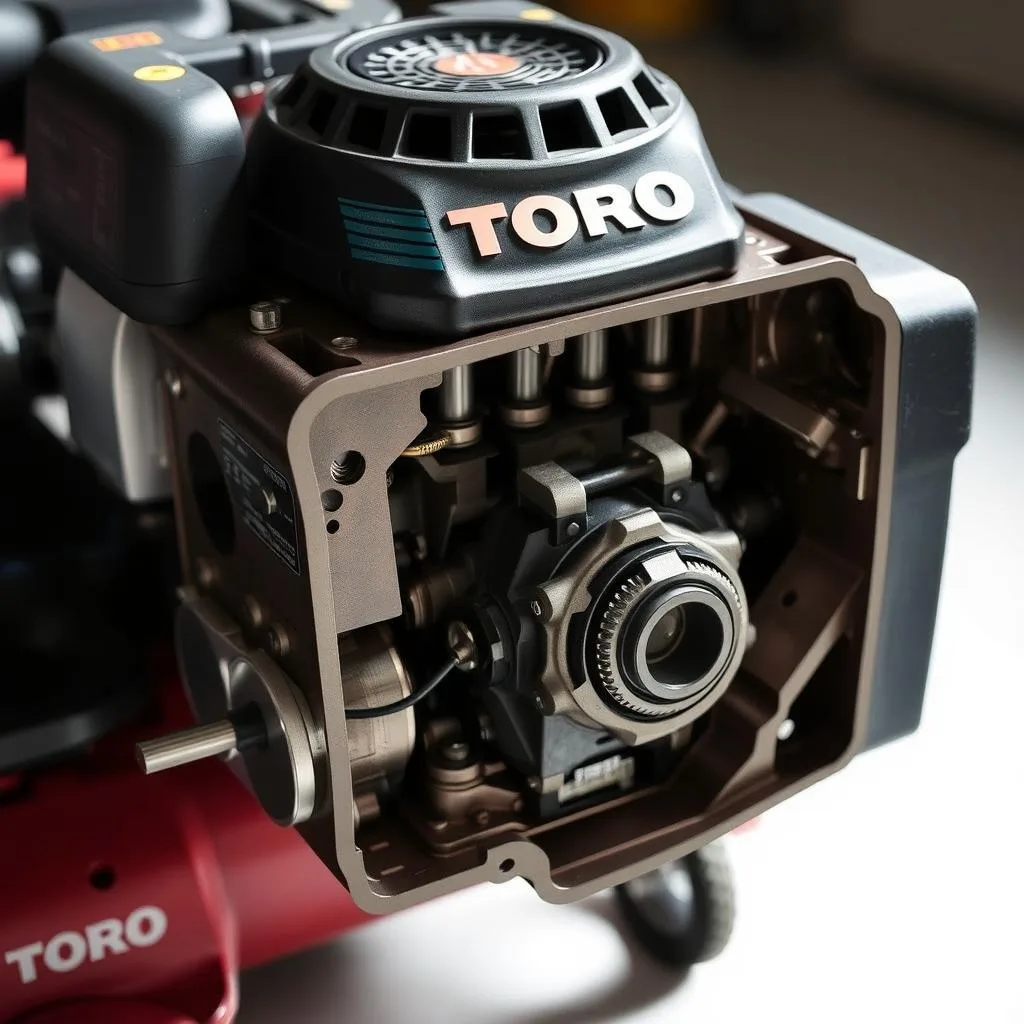
Image source: Bing (Web (fair-use with source credit))
Quick Answer
Why does my lawn mower keep stopping? It usually comes down to fuel, ignition, safety interlocks, or engine oil problems. Stale gasoline and clogged carburetor jets cause most stalls.
A fouled spark plug or failed ignition coil stops the fire. Start by checking your fuel quality and spark plug condition.
Why Does My Lawn Mower Keep Stopping? Start Here: Identify the Failure Mode First
What Your Mower Is Telling You
Every mower shutdown carries a clue. If your mower starts and dies within minutes, that's a different problem than one that won't crank at all. The key is knowing what happens right before it quits.
If the mower dies when you engage the blades, suspect a safety switch or deck problem. If it dies while running freely, suspect fuel or ignition. If it won't fire on the first pull, check the spark plug and fuel before anything else.
The Four Failure Modes and What Each One Means
| Failure Mode | What You'll See | Most Likely Cause |
|---|---|---|
| Starts then dies | Runs briefly, shuts off | Stale fuel, clogged carburetor |
| Won't start at all | Pulls but won't fire | Bad spark plug, no spark |
| Dies when blades engage | Engine stops when the blade spins | Safety interlock, deck belt |
| Dies under load | Engine bogs down and quits | Dirty air filter, governor issues |
Pick the row that matches your mower. Then follow the branch that fits. This is the fastest way to stop guessing and start fixing.
Branch One: Your Mower Starts Then Dies Because of Stale Fuel or Carburetor Issues
Fuel Age, Ethanol Damage, and Water Contamination
If your mower runs for a few minutes and then shuts off, your fuel is the first suspect. Gasoline degrades fast. After about 30 days, the volatile compounds that help it ignite start evaporating.
The fuel that's left burns poorly and can clog the carburetor.
Ethanol-blended fuel (E10) is worse for small engines over time. Ethanol attracts water and corrodes metal parts. Per EPA guidance, fuel containing more than 10% ethanol can damage many small engines.
If you notice a milky color in the tank or a sour smell, that fuel needs to go.
Fuel Line, Fuel Filter, and Carburetor Jet Blockage
When fuel goes bad, the varnish it leaves behind clogs fuel lines, filters, and carburetor jets. The carburetor mixes air and fuel in the right ratio. When a jet gets blocked, that mix is off.
The engine starves and dies.
Check the fuel filter first. A clogged filter lets fuel through at first, then restricts flow as the engine heats up. Replace fuel filters yearly.
They're cheap, and a blocked one causes exactly the symptom you're seeing.
Fuel Cap Vent: The Overlooked Culprit
The fuel tank needs air to push fuel into the carburetor. That happens through a tiny vent built into the fuel cap. If the vent gets clogged, a vacuum forms in the tank.
Fuel stops flowing. The engine shuts down.
This is one of the most common misdiagnoses. People replace the carburetor when the real problem was a $5 fuel cap. Unscrew the cap mid-run.
If the engine stays running, the vent is blocked. Clean or replace the cap.
Branch Two: Your Mower Won't Start or Fires Once and Quits Because of Ignition System Issues
Spark Plug Condition, Gap, and Spark Testing
If your mower won't fire at all, the spark plug is the first thing to check. Remove it and look at the tip. A healthy plug has a light tan or gray color.
Black, oily deposits mean the engine is running rich. White, blistered tips mean overheating.
Test the plug by grounding the metal body against the engine and pulling the cord. You should see a bright blue spark across the gap. No spark means the problem is upstream.
Check the ignition coil and wire next.
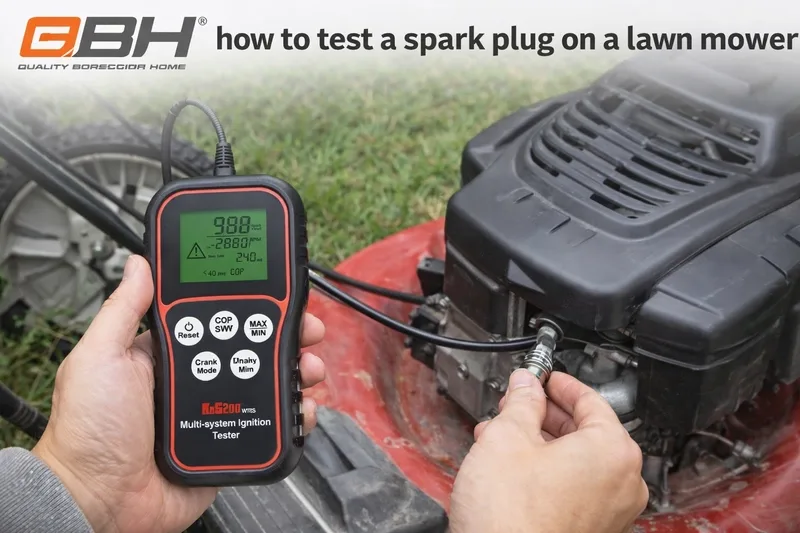
Image source: Bing (Web (fair-use with source credit))
Ignition Coil Failure and Flywheel Damage
The ignition coil generates the electrical pulse that fires the plug. As of 2026, most modern small engines use solid-state ignition coils with no moving parts, but they can still fail. If your spark plug tests fine but the engine won't fire, the coil is the next suspect.
The flywheel and its key also play a role. If the key shears from hitting something hard with the blade, timing throws off and the engine won't start. Check the flywheel key for damage if the engine won't fire and the spark plug tests good.
Compression Test: How to Know If the Engine Is Tired
Compression is what allows the engine to ignite fuel-air mixture. A 4-cycle mower engine typically needs 120 PSI or higher to run well. Below that, the engine loses power and may not start at all.
Use a compression tester by removing the spark plug and threading the gauge into the hole. Pull the cord a few times and read the peak number. If you're under 120 PSI, the engine has worn rings or leaking valves.
You're looking at a rebuild or a new engine.
Branch Three: Your Mower Dies When You Engage the Blades Because of Safety Interlocks or Deck Problems
How the Blade Brake Clutch and Safety Switches Work
Modern mowers use a blade brake clutch (BBC) system. When you release the blade control, this clutch disengages the blade and stops it while the engine keeps running. It's a safety feature that prevents accidents.
Safety interlock switches are wired into the engine's ignition circuit. If a switch reads "disengaged" when it should read "engaged," the engine shuts off. This is why your mower dies the moment you pull the blade lever.
Seat Switches, Parking Brake Interlocks, and Riding Mower Shutdowns
On riding mowers, seat switches are a common culprit. The seat switch cuts engine power if the operator leaves the seat. Over time, springs wear out and the switch doesn't make proper contact.
The mower dies mid-run for no visible reason.
Parking brake interlocks work the same way. If the parking brake isn't fully engaged, the engine may shut off when you try to start the blades. Clean or replace the switch before assuming the engine is at fault.
Deck Debris, Blade Engagement, and Drive Belt Wear
A packed mower deck can cause stalls too. If grass clippings clog the deck, the blades create resistance. The engine bogs down under the load and quits.
Clean the deck after every mow.
Worn drive belts also play a role. A stretched belt slips when the blades engage, putting stress on the engine. Check the belt for cracks, glazing, or slack.
Replace it if it looks worn.
Other Causes: Low Oil Sensors, Overheating, Exhaust Blockages, and Governor Issues
Oil Pressure Shutdown and Engine Overheat Killers
Most 4-cycle mowers have a low-oil sensor. If the oil level drops below the safe threshold, the sensor kills the engine. This is a protective feature, not a malfunction.
Check the oil before every mow.
Overheating also shuts engines down. A dirty air filter, restricted cooling fins, or a clogged muffler traps heat. As of 2026, most small engines lack a dedicated overheat sensor, but the governor pulls back the throttle when the engine strains.
If your mower dies after a few minutes in hot weather, check the oil, air filter, and cooling fins first.
Clogged Mufflers, Restricted Exhaust, and Governor Failures
A clogged muffler restricts exhaust flow. The engine can't breathe, loses power, and eventually shuts down. This happens slowly.
You might notice the engine getting louder or running hotter before it quits completely.
The governor controls engine RPM. If it's misadjusted, the engine surges and stalls under load. Most small engines have a mechanical governor with a spring.
Adjusting it requires service documentation from the manufacturer, like the guides published by Briggs & Stratton. If your mower sputters and dies under load, the governor or carburetor idle circuit is likely involved.
The Pre-Mow Checklist and Mistakes That Keep Mowers Dying
The Five-Minute Pre-Mow Inspection
A five-minute check before every mow prevents most of the shutdowns described above. Here's the routine that covers the biggest failure modes.
Fuel: Check the tank and smell the fuel. If it's more than 30 days old, replace it. Top off with fresh gasoline if the tank is more than half empty.
Fuel level drops faster than you think.
Oil: Pull the dipstick and read the level. If it's below the "add" mark, fill it before starting the engine. As of 2026, SAE 30 is still the most common recommendation for warm-weather mowing, and 10W-30 works for mixed temperatures.
Check your owner's manual for the exact specification.
Spark plug: Pop the cap off and look at the tip. Light tan or gray is good. Black, oily, or white and blistered means it needs attention.
A new spark plug costs under $8 and can be the difference between a mower that runs and one that quits.
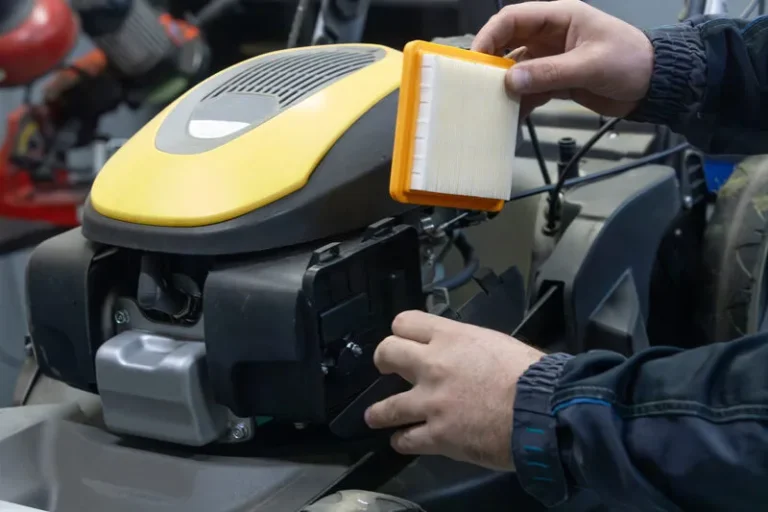
Air filter: Remove the filter and hold it up to light. If you can't see light coming through, it's clogged. Replace foam filters annually and paper filters at least once a season.
A dirty filter starves the engine of air and causes stalls under load.
Blade and deck: Flip the mower (unplug or disconnect the spark plug wire first) and look at the blade and deck. Check for bent or cracked blades and packed grass clippings. A sharp, balanced blade cuts cleanly and puts less strain on the engine.
Common DIY Mistakes That Keep Mowers Dying
Based on what small engine technicians see regularly, these mistakes cause repeat shutdowns more often than any actual engine failure.
- Letting fuel sit for months. This is the number one cause of stalling. Gasoline loses its volatility in 30 to 90 days and leaves varnish in the carburetor.
- Ignoring the air filter. A clogged filter causes the engine to run rich, foul the plug, and stall when it gets hot.
- Using E15 fuel. Most small engines are not rated for fuel above E10. Ethanol corrodes fuel lines and carburetor parts.
- Running with low oil. The low-oil sensor is designed to protect the engine. If it keeps shutting the mower off, the sensor is doing its job. Add oil, don't bypass the sensor.
- Skipping the fuel cap vent check. This is the cheapest fix in the diagnostic process, and people skip it constantly.
- Ignoring deck maintenance. A packed deck creates resistance. The engine fights it and shuts down. Clean the deck after every mow.
When to Stop DIY and Take Your Mower to a Small Engine Shop
Compression Loss, Fuel System Failure, and Electrical Diagnosis Beyond the Basics
If you've worked through the checks above and your mower still keeps stalling, the problem is probably beyond basic maintenance. Here's when to hand it to a professional.
Compression below 120 PSI. A low compression reading means the engine is worn internally. Worn piston rings and leaking valves require disassembly and machining. This is not a weekend job.
Carburetor rebuild with varnish and corrosion. If the fuel system has been neglected for years, the carburetor may be beyond cleaning. Jet drilling and gasket replacement require specialty tools and experience. A professional carburetor rebuild costs $75 to $150 in most markets.
Ignition coil or flywheel key replacement. Testing the ignition system involves a multimeter and service documentation. If the coil or flywheel key is damaged, the replacement parts need exact specification matching. Getting it wrong can damage the new parts.
Engine overheating with no obvious cause. If your mower overheats even after cleaning the air filter, oil, and cooling fins, the problem may be internal. Head gasket leaks and valve issues require teardown.
Cost Ranges for Common Repairs vs. Replacement
The small engine repair market as of 2026 shows these typical price ranges.
| Repair | Typical Cost Range | When It Makes Sense |
|---|---|---|
| Spark plug replacement | $5 to $15 (DIY) | Always start here first |
| Air filter replacement | $8 to $25 (DIY) | Every season regardless |
| Fuel system flush and carb clean | $40 to $80 | After storing fuel for 3+ months |
| Carburetor rebuild | $75 to $150 | When cleaning alone doesn't fix it |
| Ignition coil replacement | $80 to $200 | When spark plug test shows no spark |
| Compression repair (rings, valves) | $200 to $500+ | Mower is under 10 years old |
| New walk-behind mower | $250 to $650 | Mower is over 10 years old and needs major repair |
As a rule of thumb, if the repair cost exceeds half the price of a new mower, and the mower is older than 10 years, replacement is the better investment. This is especially true when you consider that a new mower comes with a warranty and updated safety features.
For more information on engine maintenance best practices, the OSHA small engine safety guidelines outline the general maintenance standards used across professional groundskeeping operations.
Frequently Asked Questions
Can Bad Fuel Kill a Lawn Mower Engine Permanently?
Bad fuel can cause serious damage but usually doesn't kill an engine permanently. The varnish that forms in old gasoline clogs carburetor jets and fuel lines. Drain the old fuel, clean the carburetor, and the engine will usually run well again.
Prolonged neglect over multiple seasons can corrode internal parts and require deeper repairs.
How Often Should I Replace the Spark Plug on a Lawn Mower?
Replace the spark plug every 25 to 100 operating hours, or at the start of each mowing season. Most homeowners find once a year is enough. The exact interval depends on the engine and how often you mow.
Manufacturer specifications in the owner's manual give the precise recommendation for your specific model.
Why Does My Lawn Mower Only Die When It's Warm Outside?
Warm weather worsens fuel degradation and strains the cooling system. Heat causes ethanol-blended fuel to separate faster, clogging carburetor jets. It also causes the engine to run hotter, which pulls back the governor and shuts down if the engine can't shed enough heat.
Clean the air filter, use fresh fuel, and check the cooling fins.
Is It Worth Repairing an Older Lawn Mower or Should I Replace It?
Repair if the mower is under 10 years old and the repair cost is less than half the price of a new one. Replace if the mower is over 10 years old and needs a carburetor rebuild, ignition coil, or compression work. Newer models also come with updated safety features that older mowers lack.
How Do I Prevent My Lawn Mower From Stopping Again?
Store fuel with stabilizer added. Drain or treat the fuel at the end of every season. Replace the spark plug and air filter annually.
Run the engine to empty the fuel system before storage. Clean the deck after every mow. These five habits prevent the overwhelming majority of mid-season shutdowns.