How Do You Start a Lawn Mower?
How do you start a lawn mower? It's one of those tasks that looks simple but trips people up, especially when the engine won't cooperate on the first or second pull. Whether you're dealing with a gas push mower, a riding tractor, or a battery-powered unit, the starting process varies by type.
Knowing the right sequence matters.
Per manufacturer specs from major small-engine brands, a cold-start pull count averages 3 to 5 attempts on carbureted gas engines with the choke fully engaged. As of 2026, the process still differs sharply by mower type, and that's exactly what this guide walks through.
Quick Answer
How do you start a lawn mower? Gas mowers need the fuel valve open and the choke set. Press the primer bulb 3 to 5 times, then pull the cord.
Riding mowers need the parking brake set and the clutch held. Battery mowers just need a charged battery and a button press.
Why Starting a Lawn Mower Is Trickier Than It Looks
Most people think starting a lawn mower comes down to pulling the cord or pressing a button. In reality, cold starts after storage are where things go sideways.
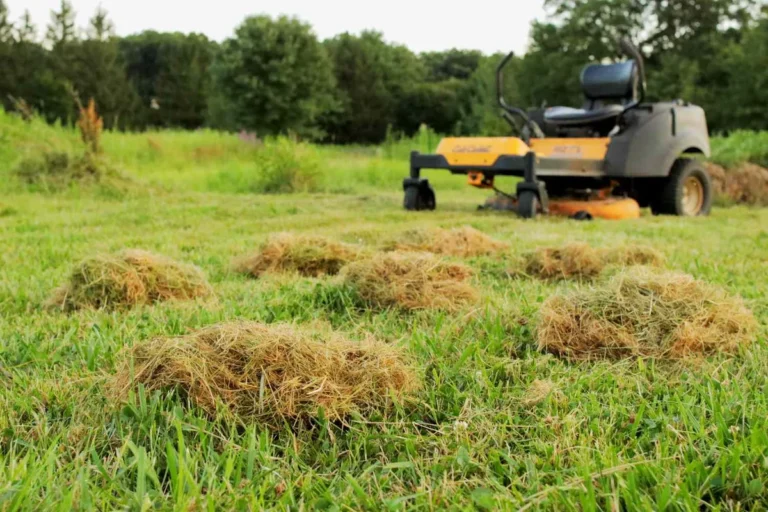
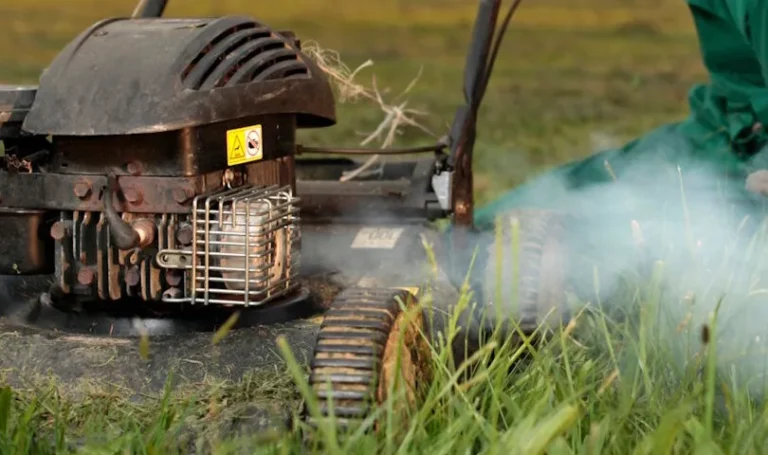
The core issue is fuel. Gasoline starts degrading within about 30 days, and the ethanol-blended fuel now standard at pumps (E10) absorbs moisture over time. By spring, that stale fuel can gum up the carburetor and clog the jets that feed fuel into the engine.
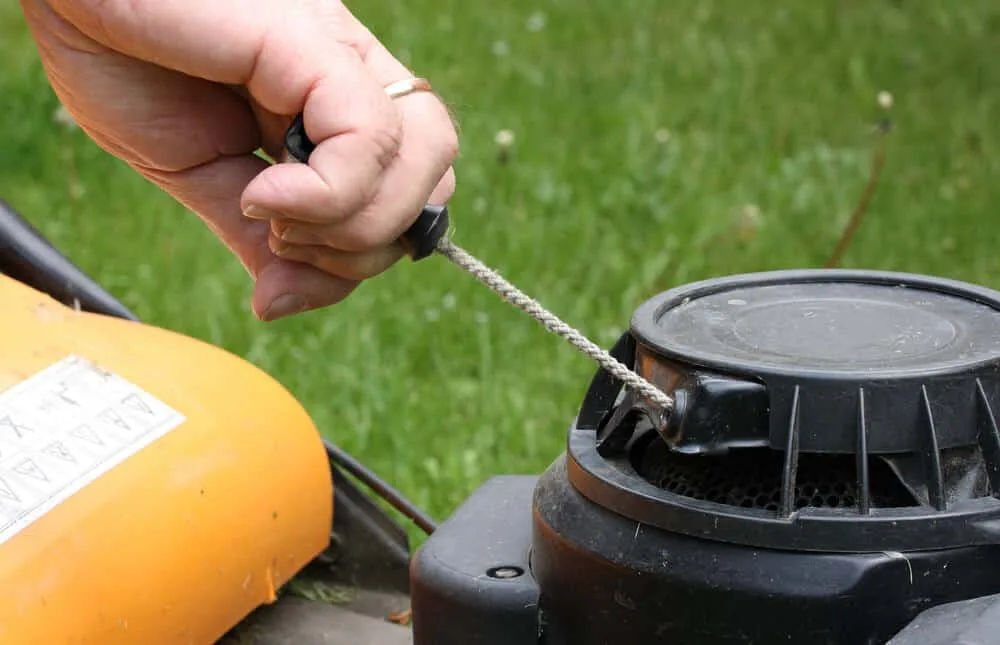
Image source: Bing (Web (fair-use with source credit))
The US Environmental Protection Agency publishes standards on ethanol content in gasoline. That E10 blend degrades faster than pure gasoline in small carbureted engines.
The same goes for spark plugs and air filters. A fouled spark plug after months of storage won't ignite the fuel-air mixture cleanly. You'll hear the engine cough but not catch.
A dirty air filter chokes off airflow, making the mixture too rich to fire.
Briggs & Stratton, one of the largest small-engine manufacturers, recommends draining or treating fuel at the end of each season. Don't wait until the engine acts up. That one habit eliminates most of the frustration people associate with starting their mowers.
The One Thing That Changes Everything: Your Mower Type
The starting method for your lawn mower comes down to one thing: what kind of mower you're working with. Gas mowers, battery mowers, riding tractors, and zero-turn mowers all have fundamentally different starting systems.
| Mower Type | Starting Method | Typical Difficulty |
|---|---|---|
| Gas push mower (pull cord) | Primer + choke + pull | Moderate |
| Self-propelled gas mower | Primer + choke + pull (with drive engaged) | Moderate |
| Riding mower | Key ignition or push button | Easy to moderate |
| Battery mower | Insert battery + button press | Easy |
| Corded electric mower | Plug in + button press | Very easy |
The big takeaway: if you've only ever used one type, the others will feel unfamiliar. A homeowner switching from a gas push mower to a battery mower will notice how much simpler the starting process becomes. And someone moving from a push mower to a riding tractor needs to learn about PTO safety interlocks and parking brake requirements.
Brands like Honda, Toro, and Husqvarna each have their own specific choke and throttle sequences too. So even within the gas category, the details shift between models. The good news is that once you understand the logic behind the process, applying it to any mower becomes intuitive.
How to Start Your Lawn Mower: Step-by-Step by Mower Type
Here's what to do for each common starting setup, in the order you'd actually do it.
Gas Push Mower with a Pull Cord
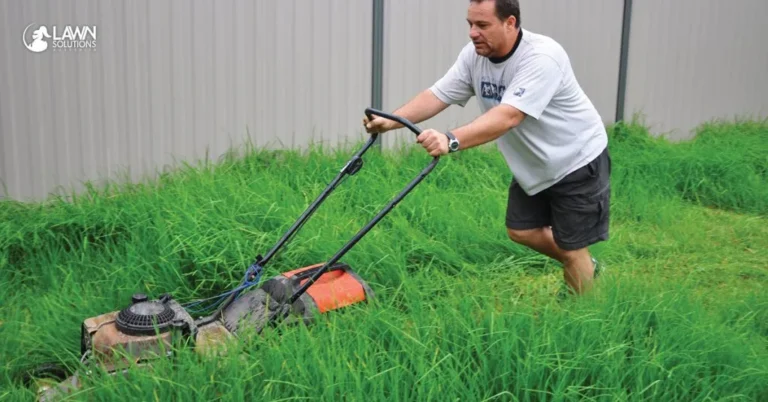
- Check the fuel valve. Open it fully. If the mower has been sitting, swap in fresh fuel.
- Set the choke to full. This enriches the fuel mixture for a cold start.
- Press the primer bulb 3 to 5 times. This pushes fuel from the tank into the carburetor.
- Set the throttle to the cold-start position marked on your mower.
- Pull the cord firmly and steady. One smooth pull beats three yanks. If it doesn't start after 3 to 5 pulls, wait 30 seconds and try again.
- Once running, move the choke to half, then off. This prevents flooding or running too lean.
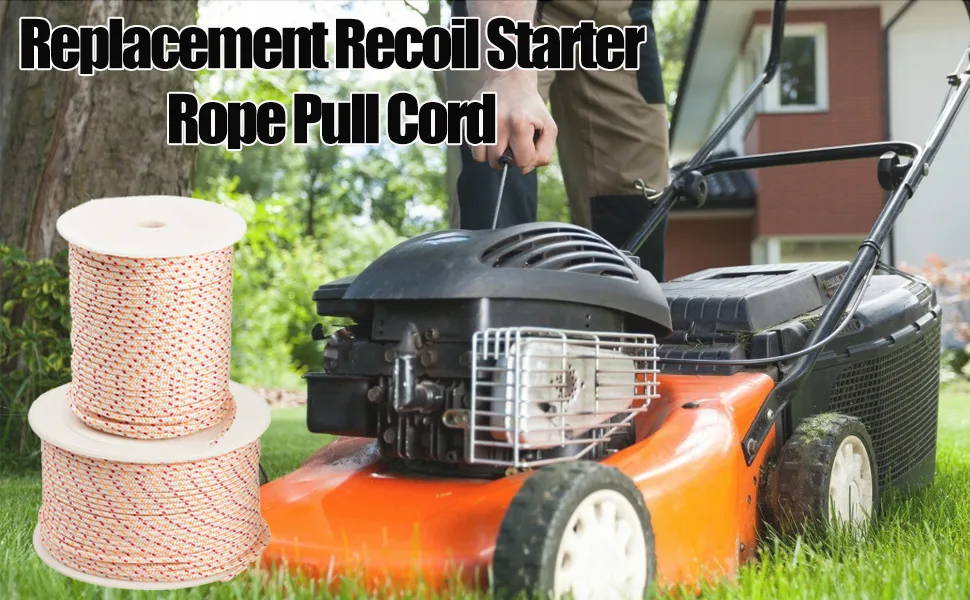
Image source: Bing (Web (fair-use with source credit))
Self-Propelled Mower with Choke
Same process as a gas push mower, with one addition: once the engine is running, engage the drive bail to test the self-propel system. If the drive doesn't engage, check that the drive cable isn't frayed or stretched.
Riding Lawn Mower
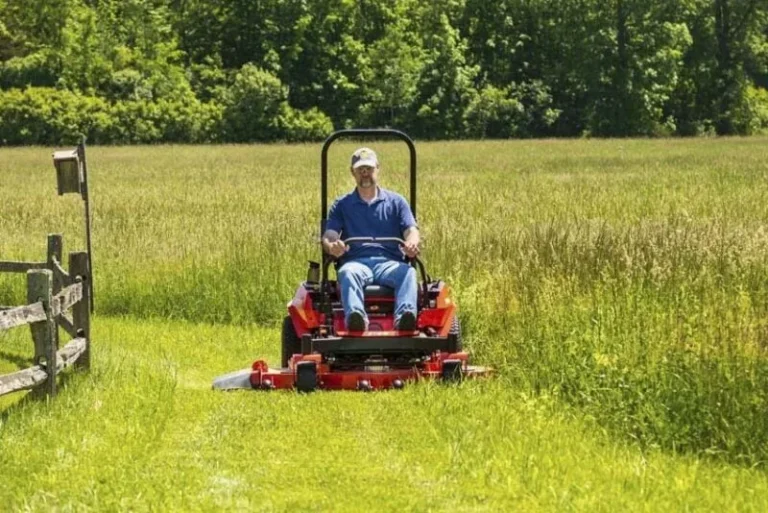
- Engage the parking brake. Most riding mowers won't crank without it.
- Disengage the PTO. The blades must not spin during startup.
- Set the gear shift to neutral and press the clutch pedal.
- Turn the key or press the start button. The electric starter motor engages the engine.
- Release the clutch gradually once the engine is running.
Battery-Powered and Electric Mowers
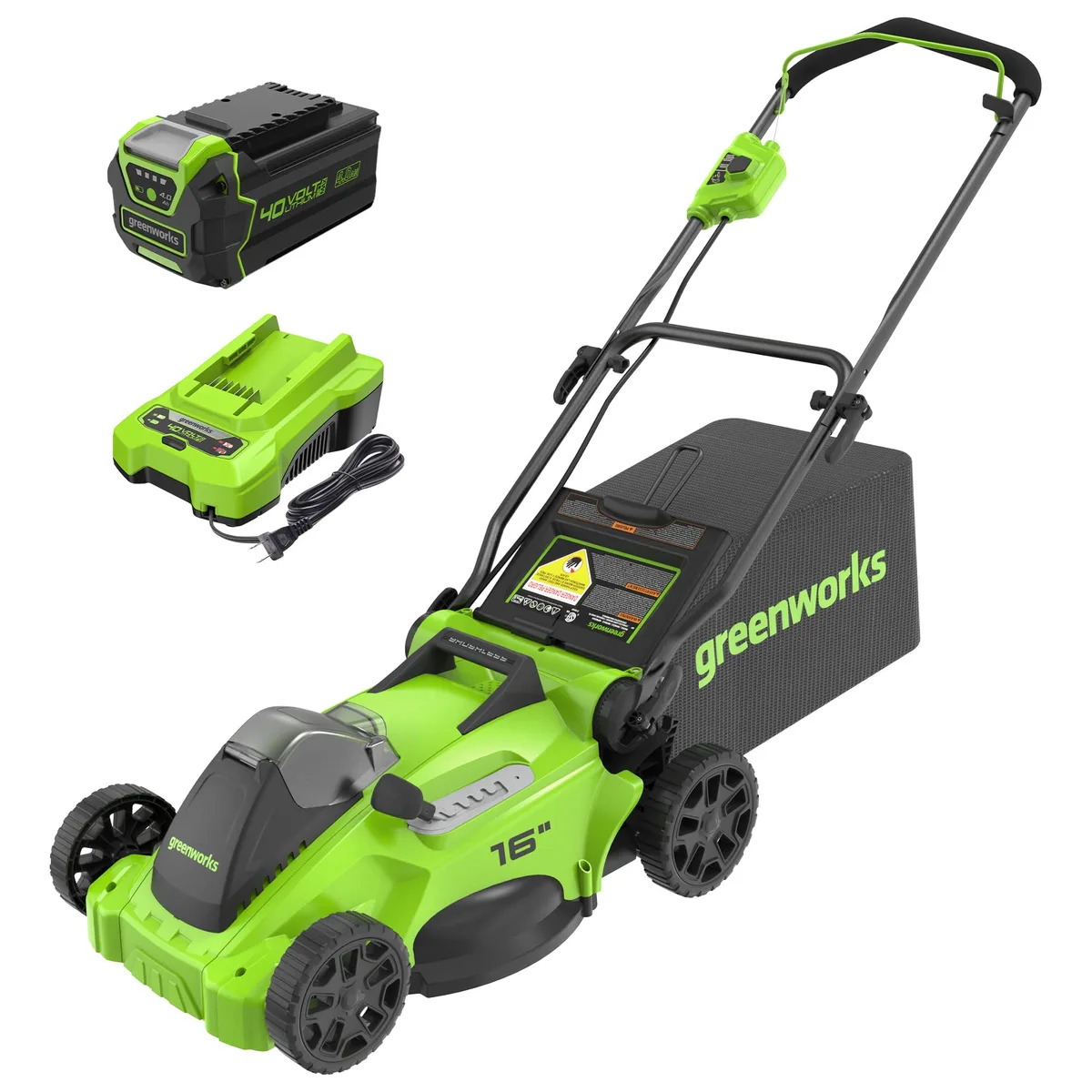
Image source: Bing (Web (fair-use with source credit))
- Insert a fully charged battery. Most brands use a slide-in pack that clicks into place.
- Press the safety key if your model includes one. Many battery mowers use a small tag that prevents accidental startup.
- Hold down the blade bail on the handle. The motor won't engage without it.
- Press the start button. The motor fires almost instantly, with no pull cord, choke, or primer needed.
For corded electric mowers, plug into a GFCI-protected outlet and press the start button with the bail held.
Common Mistakes That Keep Your Mower From Starting
These are the mistakes that come up most often, whether you're a first-time mower owner or someone who's been mowing for years.
- Using stale fuel. Gasoline that's sat for more than 30 days loses its volatility. Fresh fuel at the start of the season fixes most starting problems.
- Flooding the engine. Over-priming or pulling the cord too many times floods the carburetor. If the engine smells strongly of gas, wait 10 minutes and try again with less priming.
- Skipping the oil check. A low oil level can cause the engine to seize or refuse to start. Always check the dipstick before the first start of the season.
- Not holding the safety bail down. On push and riding mowers, the engine shuts off if you release the bail or operator presence control. This is a safety feature, not a malfunction.
- Wrong fuel-to-oil ratio on 2-stroke engines. If you've mixed your own fuel, running the wrong ratio causes starting issues and engine damage. Follow the manufacturer's spec exactly.
- Ignoring the choke setting. Pulling the cord with the choke off on a cold engine is the fastest way to get nothing but silence. Always start on full choke, then dial it back.
Each of these has a simple fix. The key is checking these things before you yank the cord for the twentieth time.
Safety Rules to Follow Before You Pull the Cord
Starting a lawn mower involves spinning a sharp blade at high speed. That means safety checks aren't optional.
- Remove children, pets, and anyone else from the mowing area before you start the engine.
- Wear closed-toe shoes and safety glasses. No exceptions, even for a quick start test.
- Refuel only when the engine is cool. Hot engines near gasoline are a fire risk.
- Never tip a gas mower with fuel in the tank. Fuel can leak onto the hot engine or into the carburetor.
- Do not operate a gas mower in enclosed spaces. Carbon monoxide builds up quickly, even in a garage with the door open.
- For electric mowers, use a GFCI-protected outlet to reduce the risk of electric shock outdoors, especially where water may be present.
- On riding mowers, always disengage the PTO and set the parking brake before attempting to start, especially on an incline.
The Occupational Safety and Health Administration sets guidelines for commercial lawn care operations. The same basics apply to residential use: inspect the machine, clear the area, and follow the manufacturer's instructions before every start.
Keep Your Mower Starting Easily All Season Long
A little maintenance between mows makes the difference between a mower that fires on the first pull and one that fights you every time.
Fuel care is the big one. Add a fuel stabilizer to the tank at the end of the season. Manufacturers like Briggs & Stratton and Honda recommend this specifically because ethanol-blended gasoline separates and gums up carburetor jets within weeks of sitting.
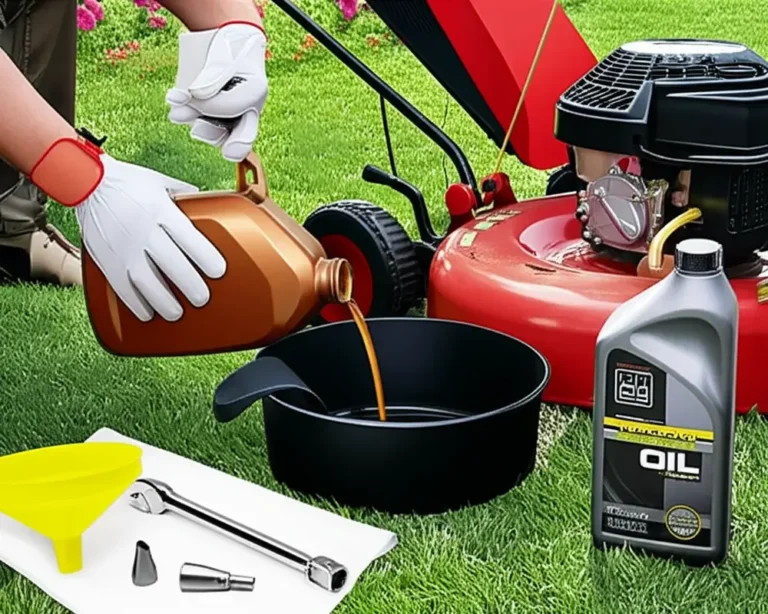
Change the oil every 50 operating hours or annually, whichever comes first. Fresh oil keeps internal components lubricated and prevents sludge buildup that can cause hard starting.
Replace the spark plug once a year. A gap of 0.030 inches works for most small engines. Check your owner's manual for the exact spec. A fouled plug accounts for a large share of failed start attempts.
Clean or replace the air filter regularly. Foam filters should be washed every 25 hours in dusty conditions. Paper filters need replacement around every 50 hours of use.
Store the mower properly at the end of season. Drain or treat the fuel, disconnect the spark plug wire, and keep it dry and covered. Cold-climate owners should know that frost and condensation inside the engine are real causes of spring starting failures.
Lawn Mower Starting FAQ
Why won't my lawn mower start after winter storage?
Stale fuel is the most common culprit. Gasoline degrades over 30 days, and ethanol blends absorb moisture during storage. Drain the old fuel, clean the carburetor if needed, and add fresh gasoline.
A dirty spark plug and clogged air filter are the next two causes to check.
Do I always need to use the choke when starting my lawn mower?
You need full choke for a cold start on most gas mowers. Once the engine runs for 15 to 30 seconds, move the choke to half, then off. Skipping the choke on a cold engine usually means the fuel mixture is too lean to ignite.
How many times should I pull the cord before worrying?
Three to five clean pulls are normal for a cold gas mower. If it won't start after that, wait 30 seconds, check the fuel valve, and confirm the choke is set correctly. Excessive pulling without success can flood the engine, making the problem worse.
Can I use a battery-powered lawn mower right out of the box?
Yes. Most battery mowers ship with a partially charged battery. Charge it fully before the first use, insert it securely, engage the blade bail, and press the start button.
There's no pull cord, choke, or fuel to worry about on these models.
What is the safest way to refuel my lawn mower?
Let the engine cool completely before refueling. Fuel vapors near a hot engine are a fire hazard. Use a funnel to prevent spills, avoid overfilling the tank, and tighten the cap fully before restarting.
Never refuel while the engine is running.