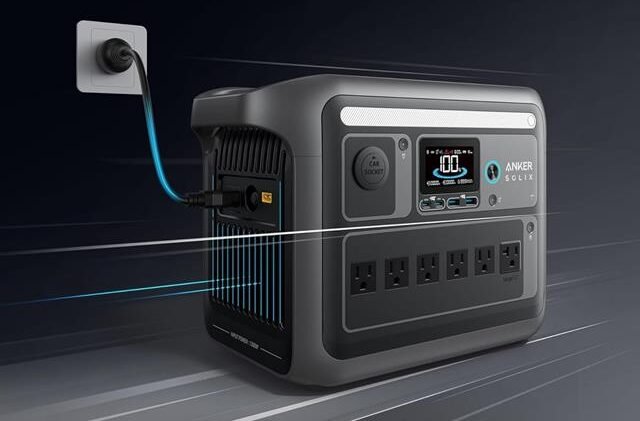
Is A Solar Generator Good?: Pros, Cons & Buying Tips
Yes, a solar generator is good for clean, quiet backup power, camping, and small household devices.
Whether a solar generator is good for you depends on your power needs, budget, sunlight, and expectations during an outage. After comparing battery capacity, inverter output, charging speed, safety, and real-world use, this guide will help you decide with confidence.
What Is a Solar Generator?
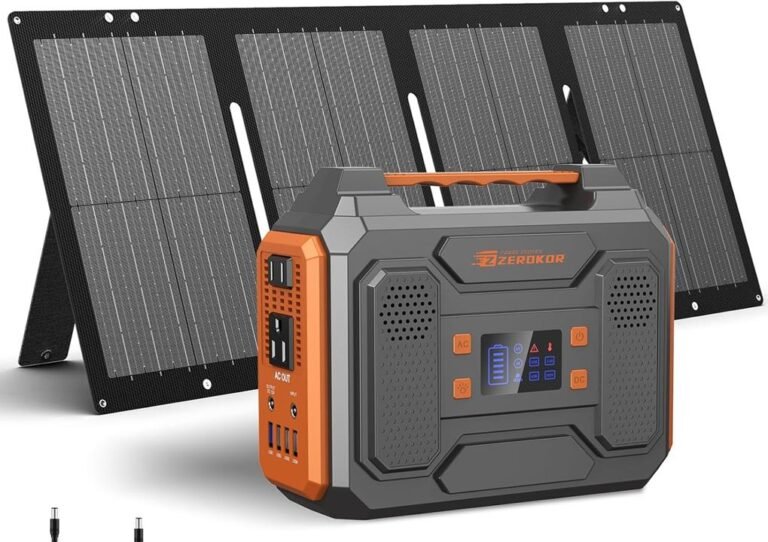
A solar generator is a rechargeable battery system that stores electricity for later use. It usually includes three main parts:
• A battery pack that stores energy
• An inverter that changes battery power into usable AC power
• Solar panels that recharge the battery
Most modern solar generators are portable power stations paired with one or more solar panels. They can also charge from a wall outlet or car outlet.
The term “solar generator” can sound like a fuel generator. However, it has no engine and does not burn gasoline. It works more like a large power bank with outlets, display controls, and solar charging support.
A solar generator is good when you need safe, quiet, portable electricity. It is not a perfect replacement for a whole-house backup system or a large gas generator.
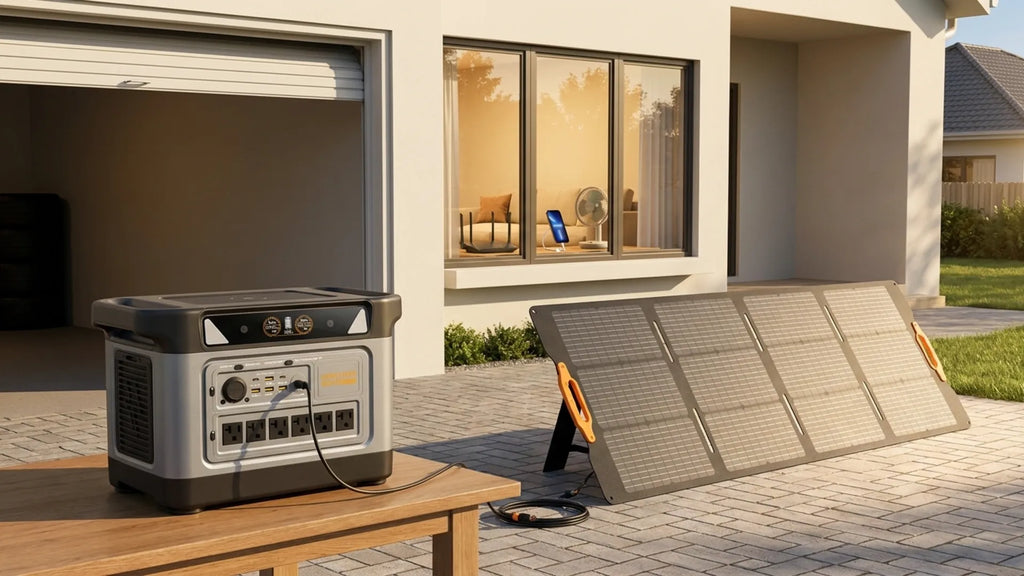
Is a Solar Generator Good for Home Backup?
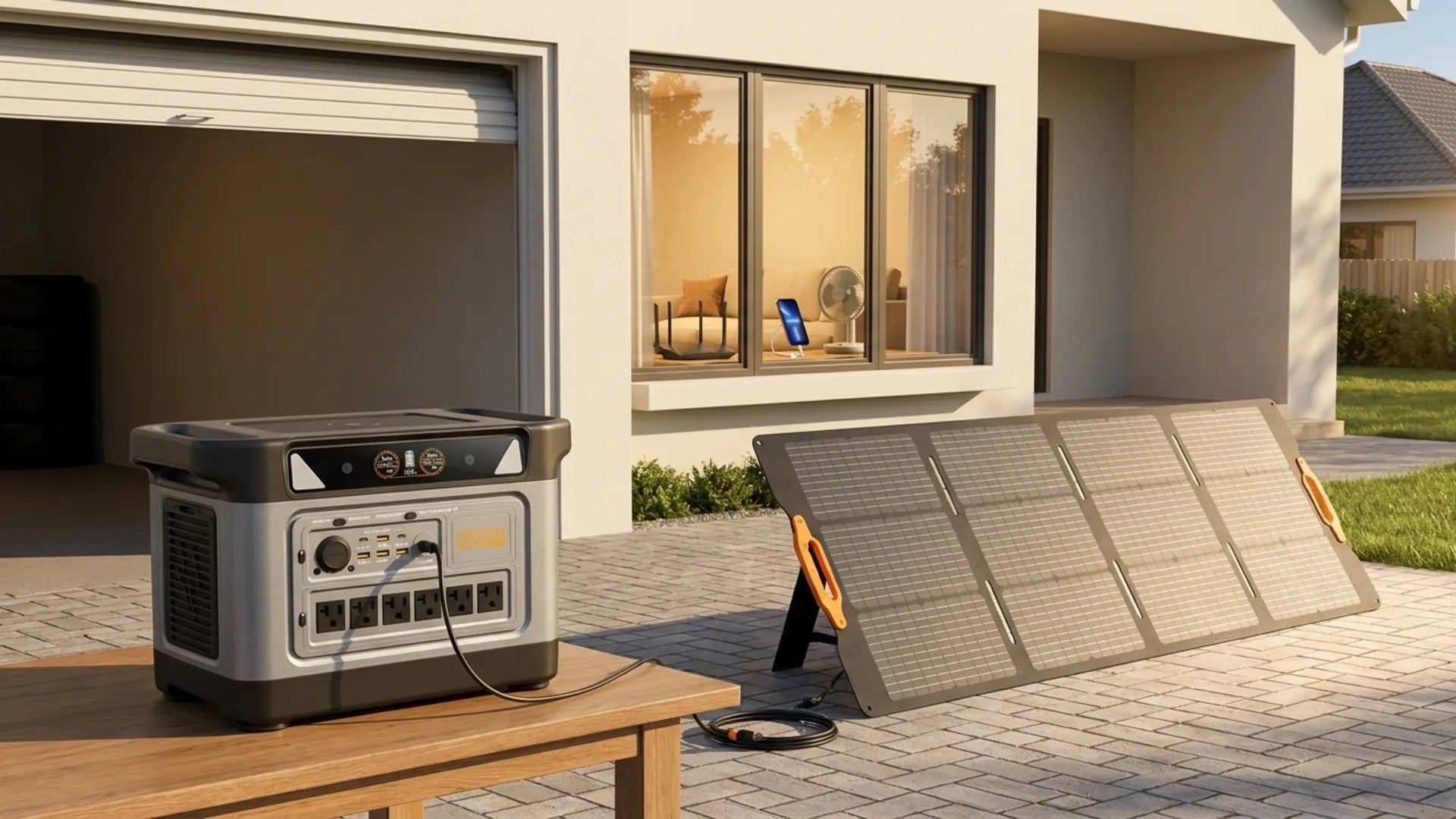
A solar generator is good for home backup when you need to run essential, low-power devices. It can keep phones, lights, routers, laptops, fans, medical devices, and small refrigerators running.
The key factor is battery size. A 500-watt-hour battery may power a 10-watt LED light for about 40 hours after normal system losses. The same battery may run a 100-watt refrigerator for only a few hours, depending on its compressor cycle.
A solar generator is good during short outages, but it may not support high-power appliances for long. Electric furnaces, central air conditioners, electric water heaters, ovens, clothes dryers, and well pumps often need more power than a portable unit can provide.
For home use, check two ratings:
• Running watts: The power a device uses while operating
• Surge watts: The short burst of power needed to start motors and compressors
A refrigerator may use modest power once running but require a higher surge when its compressor starts. If the inverter cannot handle that surge, the refrigerator may not start.
A Simple Backup Example
Imagine a power station with a 1,000 watt-hour battery and an 85% usable efficiency rate. You may have about 850 watt-hours available for your devices.
It could potentially run:
• A 10-watt light for about 85 hours
• A 50-watt router and modem for about 17 hours
• A 60-watt laptop for about 14 hours
• A 100-watt refrigerator average load for about 8 hours
These are estimates. Real use varies with battery age, temperature, inverter loss, and device cycling.
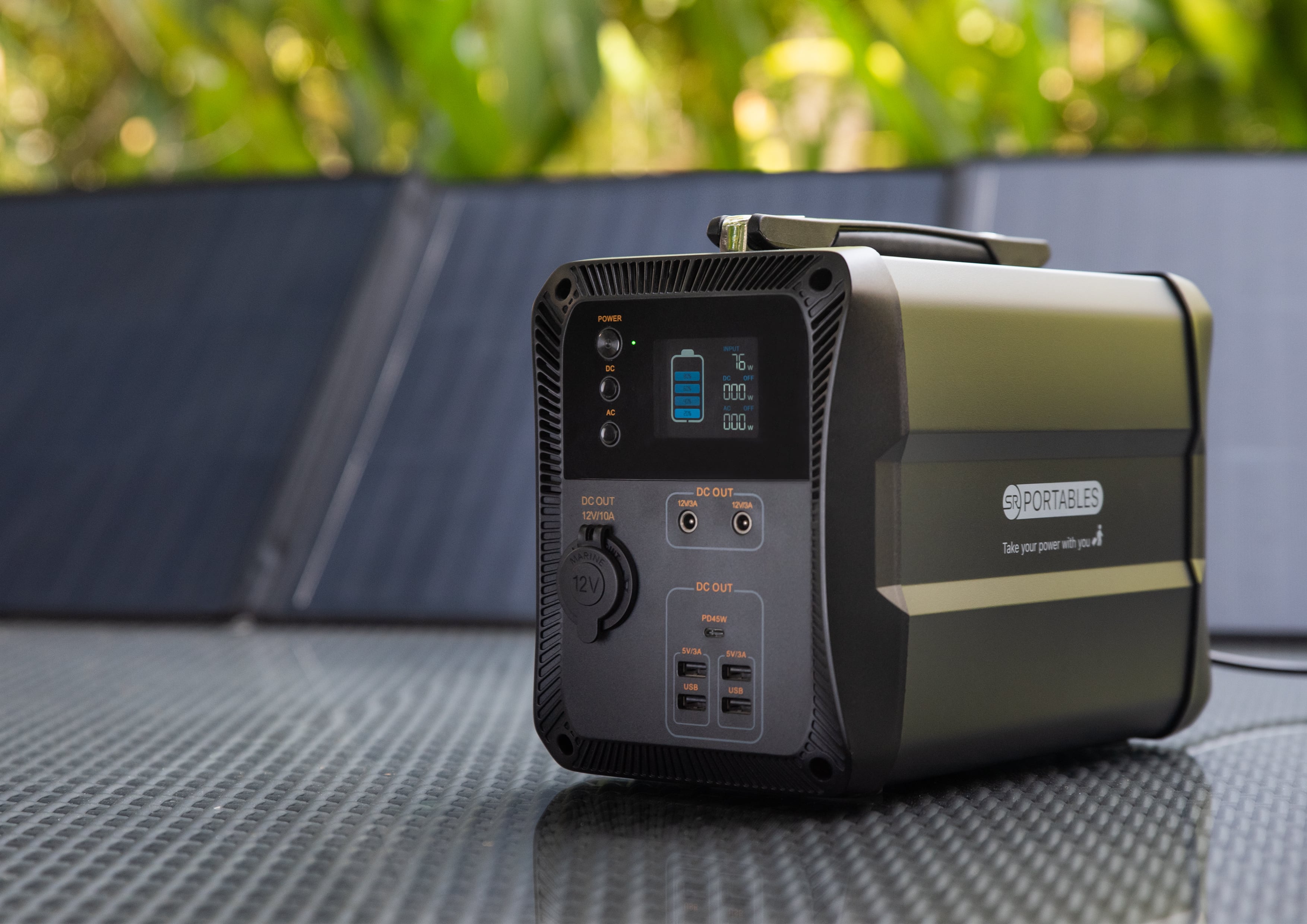
Main Benefits of a Solar Generator
A solar generator is good because it offers several advantages over fuel-based backup systems. These benefits matter most in homes, campsites, apartments, and areas with strict noise or emissions rules.
Clean and Quiet Operation
Solar generators produce no exhaust while operating. They also make little or no noise because they do not have an engine.
That makes them useful indoors when the manufacturer allows indoor use. You can keep one in a living room, bedroom, or apartment without dealing with gasoline fumes or loud engine noise.
Never operate a fuel generator inside a home, garage, basement, or enclosed porch. Carbon monoxide can build up quickly. A solar generator removes that specific exhaust risk, but it still needs proper electrical use and ventilation.
Low Daily Maintenance
A gas generator needs fuel, oil changes, spark plug checks, and engine care. A solar generator has fewer moving parts and does not require oil or fuel storage.
You should still charge it from time to time, inspect the cables, clean the ports, and store it in a dry place. Some lithium batteries also need a full charge every few months to remain ready.
Renewable Charging
Solar panels can recharge the battery without the electrical grid. This is helpful after storms, during remote trips, and in areas with unreliable power.
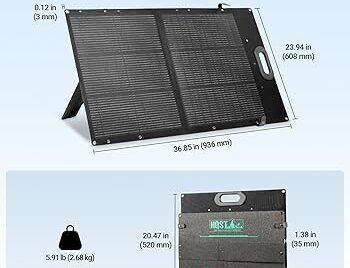
Solar charging is not instant. A 200-watt panel may not deliver 200 watts all day because of clouds, shade, heat, panel angle, and system limits. Treat the rated panel output as a best-case number.
Easy Portability
Many portable power stations include a handle and weigh between 10 and 70 pounds. Smaller models are easy to carry on a hike or keep in a car.
Larger models can power more devices but may require wheels or two people to move. Portability is one reason a solar generator is good for renters and campers who cannot install permanent backup equipment.
Useful Output Options
Most units offer several types of ports:
• AC outlets for household plugs
• USB-A and USB-C ports for electronics
• 12-volt outputs for car devices
• Wireless charging pads on some models
• Solar input ports for panels
USB-C Power Delivery is especially useful for newer laptops, phones, tablets, and cameras.

Limitations to Understand Before Buying
A solar generator is good, but it is not magic. Understanding its limits can prevent disappointment and wasted money.
Solar Charging Can Be Slow
Solar input depends on weather and available sunlight. A battery that charges in two hours from a wall outlet may take much longer from solar panels.
Clouds, shade, dirt, and low winter sun can reduce charging speed. If you rely on solar power during an emergency, place panels in full sun and adjust their angle during the day.
Battery Capacity Is Limited
Every battery has a fixed energy supply. Once it is empty, your devices stop unless you can recharge it.
A small unit may be excellent for phones and lights but poor for cooking or heating. High-power appliances drain batteries quickly because wattage measures the rate of energy use.
Large Units Can Be Expensive
A high-quality solar generator with a large battery and strong inverter may cost hundreds or thousands of dollars. Solar panels, extra batteries, transfer equipment, and protective cases can raise the total cost.
The best value comes from matching the system to your real needs. Buying a huge unit “just in case” may cost more than a smaller system plus a practical emergency plan.
Battery Aging Reduces Runtime
Lithium batteries lose some capacity over time. Heat, deep discharges, and long periods at full charge can speed up aging.
Many newer systems use lithium iron phosphate, or LiFePO4, batteries. They often provide a longer cycle life than older lithium-ion designs, though they may be heavier or more expensive.
It May Not Power Your Whole House
A portable solar generator normally connects directly to appliances. It does not automatically power household wiring.
Connecting a portable unit to a wall outlet can create dangerous backfeed. If you want backup power for a home circuit panel, use a properly installed transfer switch and a qualified electrician.
Solar Generator vs. Gas Generator
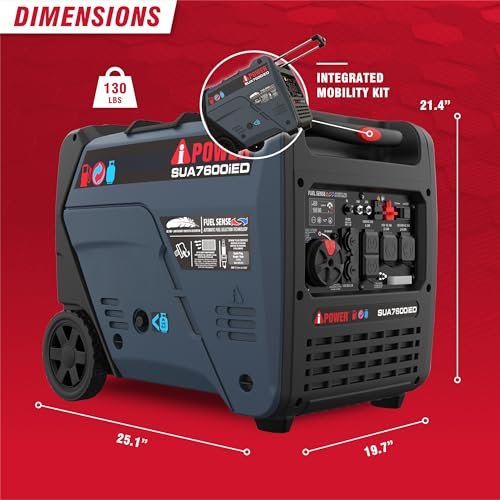
Both systems can provide backup power, but they serve different needs. A solar generator is good for quiet, low-maintenance power, while a gas generator is often better for long, heavy loads.
| Feature | Solar generator | Gas generator |
|---|---|---|
| Fuel | Sun, wall outlet, or car | Gasoline or other fuel |
| Noise | Very quiet | Loud |
| Exhaust | None during use | Carbon monoxide and fumes |
| Maintenance | Low | Regular engine care |
| Long heavy loads | Limited by battery and recharge | Strong if fuel is available |
| Indoor use | Often allowed, according to the manual | Never safe indoors |
| Portability | Usually easy to move | Can be heavy |
| Solar recharge | Yes | No |
| Fuel storage | Not needed | Required |
A solar generator is good for electronics, lights, communication gear, and short outages. A gas generator may be better for central heating, large pumps, construction tools, or several high-watt appliances.
Some households use both. A solar generator handles quiet daily needs, while a fuel generator covers rare, demanding loads.
How to Choose the Right Solar Generator
Before buying, write down the devices you want to run. Do not begin with the battery size alone.
1. List Your Devices
Include every device you may need during an outage:
• Refrigerator
• Medical equipment
• Phone chargers
• Internet modem and router
• Lights
• Fans
• Laptop
• CPAP machine
• Television
• Small cooking devices
2. Find Their Wattage
Look at the product label or manual. You can also use a plug-in watt meter to measure actual use.
Add the running watts of devices you plan to use at the same time. Then compare that total with the inverter’s continuous output.
3. Account for Surge Power
Motors and compressors may need extra power when starting. Check the surge rating of the solar generator and the starting wattage of the appliance.
If you plan to run a refrigerator, freezer, pump, or power tool, surge capacity matters as much as battery capacity.
4. Estimate Battery Runtime
Use this basic formula:
Battery runtime in hours = battery watt-hours × 0.85 ÷ device watts
For example, a 1,000 watt-hour unit running a 100-watt device may provide about 8.5 hours. The 0.85 estimate allows for inverter and system losses.
Real results may be lower. Cold weather, battery age, and high loads can change the outcome.
5. Check Solar Input
A solar generator is good only if its panels can recharge it at a useful speed. Review the maximum solar input in watts and the voltage range.
A large panel array will not help if the power station accepts only a small amount of solar input. Make sure the panel voltage and connectors match the unit.
6. Review Safety Features
Look for:
• Overload protection
• Short-circuit protection
• Over-temperature protection
• Battery management software
• Ground-fault protection where applicable
• A clear display for power use and battery level
Also check the warranty, return policy, replacement battery options, and manufacturer support.

Practical Uses for a Solar Generator
A solar generator is good for more than emergency outages. It can provide power in many everyday situations.
Camping and Outdoor Travel
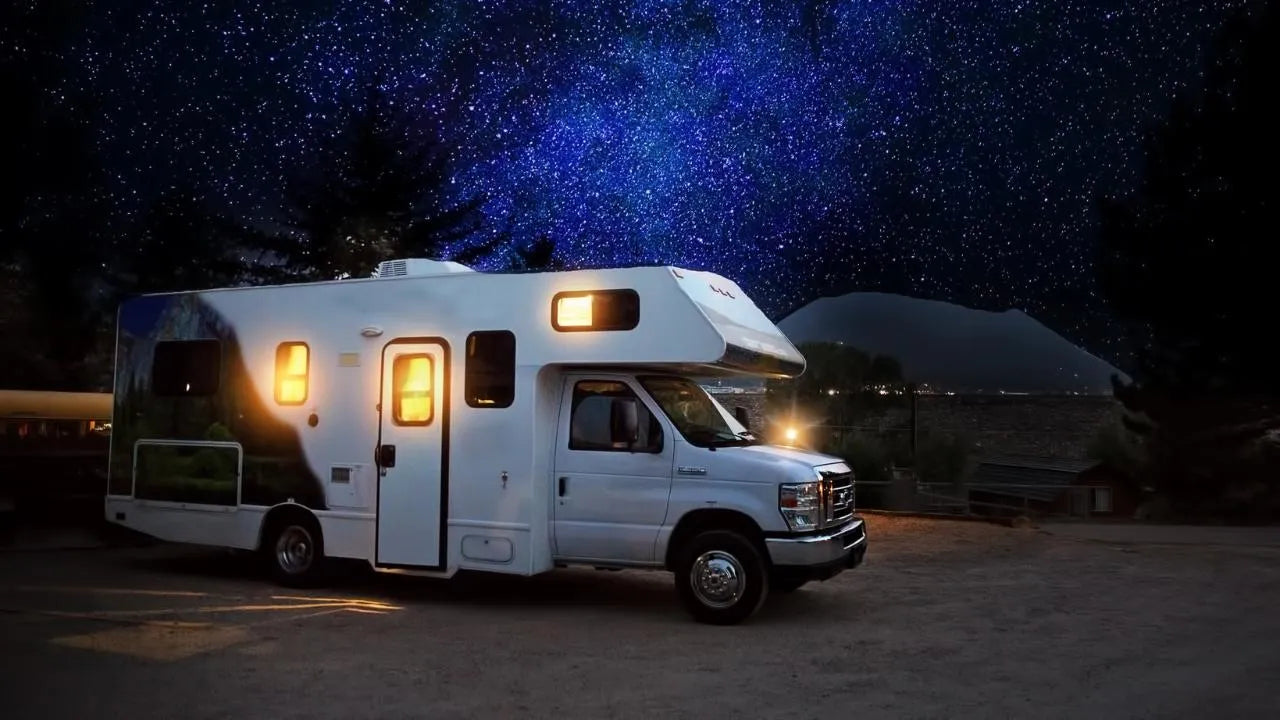
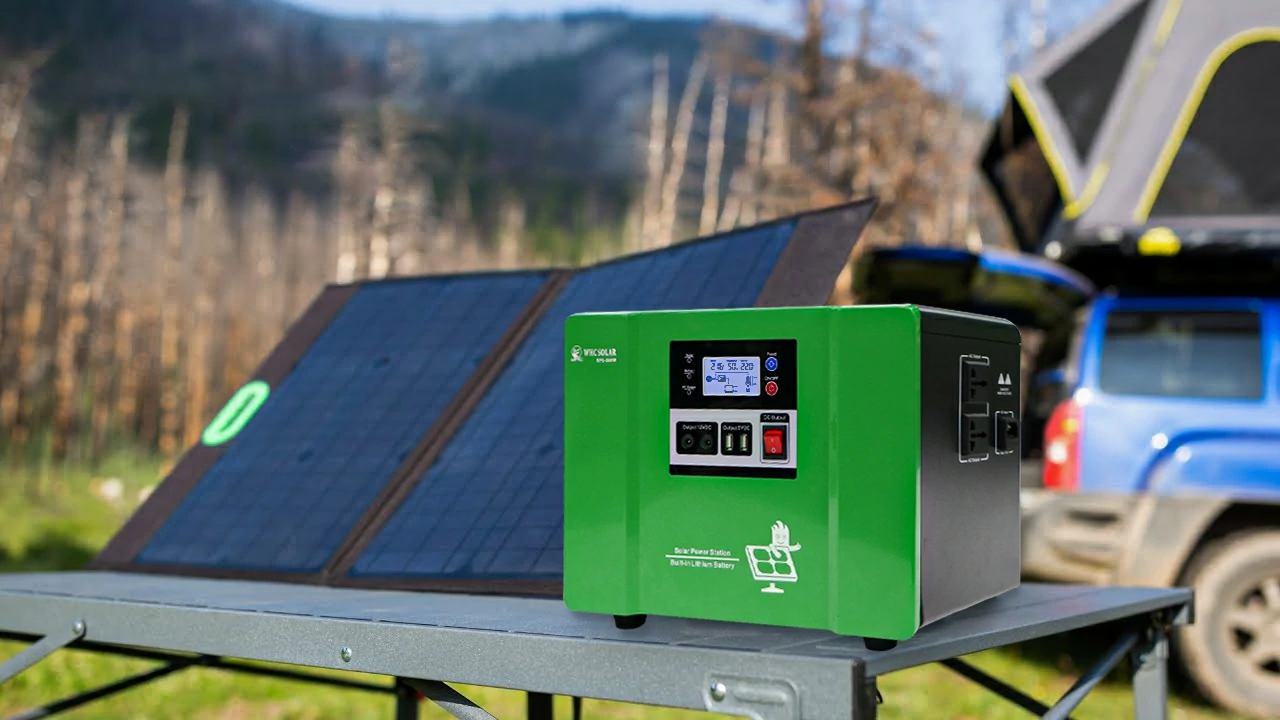
Use one to charge phones, cameras, lights, speakers, fans, and small refrigerators. It can make camping more comfortable without the noise of a gas engine.
For backpacking, choose a small power bank instead. Large power stations are better for car camping, RV use, and base camps.
Remote Work
A solar generator can keep a laptop, monitor, router, and phone operating during a short outage. This can protect work deadlines and keep you connected during storms.
Calculate the combined power before choosing a model. A laptop and monitor may use more energy than expected over a full workday.
Emergency Communication
During hurricanes, wildfires, winter storms, or grid failures, electricity may be unavailable while phone networks still work. A charged power station can run phones, radios, lights, and internet equipment.
Keep the unit charged before severe weather arrives. Solar panels are less useful if thick clouds or smoke block the sun.
RV and Van Life
A solar generator can support small appliances without running a fuel engine. It may power a refrigerator, lights, fans, laptops, and cooking devices.
For full-time RV living, compare the unit with your daily energy use. A fixed solar system with larger batteries may be more efficient than a portable model.
Outdoor Events and Worksites
A solar generator can run lights, cameras, small tools, and sound equipment. It is especially useful where noise, fumes, or fuel spills would cause problems.
Check the inverter type before using sensitive equipment. A pure sine wave inverter is the safer choice for many electronics and motor-driven devices.

Mistakes to Avoid
Many buyers ask, “Is a solar generator good?” after buying a unit that does not meet their needs. These common mistakes explain why.
• Choosing battery size without checking inverter output
• Ignoring startup surge from refrigerators and pumps
• Assuming solar panels charge at their full rating all day
• Running a heater, kettle, or hot plate from a small battery
• Forgetting that extra batteries add weight and cost
• Storing the unit in a hot car for long periods
• Leaving the battery empty for months
• Using damaged cables or mismatched solar panels
• Connecting a portable unit to home wiring without approved equipment
• Failing to test the system before an emergency
A practical lesson is simple: test your actual devices at home. Run the refrigerator, charge your laptop, and check the battery display. A short test can reveal more than a product advertisement.
Are Solar Generators Safe?
A solar generator is good from a safety perspective when used according to its manual. It produces no carbon monoxide during operation and does not store liquid fuel.
Still, the battery contains a large amount of energy. Keep it away from water, extreme heat, direct flame, and damaged cables. Do not open the battery case or attempt repairs unless you are trained and authorized.
Use the correct solar panels and charging cables. Stop using the unit if it becomes unusually hot, swells, smells strange, leaks, or shows physical damage.
Lithium battery fires are rare but serious. Store the power station in a cool, dry place with clear space around it. Follow local rules for recycling or disposing of lithium batteries.

How Much Does a Solar Generator Cost?
Prices vary based on battery size, inverter power, battery chemistry, solar input, and brand support.
Typical price ranges in the US include:
• Small units under 500 watt-hours: about $200 to $600
• Mid-size units from 500 to 1,500 watt-hours: about $500 to $1,500
• Large units above 1,500 watt-hours: about $1,000 to $4,000 or more
Solar panels may be sold separately. Extra batteries, expansion cables, protective covers, and home backup hardware also increase the total price.
Compare usable energy, not just advertised capacity. A lower-priced unit may have a shorter warranty, slower charging, or a smaller inverter. A more expensive unit may offer better cycle life and stronger support.
The right question is not only, “Is a solar generator good?” It is also, “Is this model worth the price for my specific loads?”
Frequently Asked Questions About Is a Solar Generator Good?
Is a solar generator good for a refrigerator?
Yes, a solar generator can run a refrigerator if its inverter handles the starting surge and its battery has enough capacity. Check both the refrigerator’s running watts and startup watts before buying.
Is a solar generator good during a long power outage?
It can help during a long outage, but solar charging speed and weather become important. For several days, reduce usage and recharge panels during peak sunlight.
Can a solar generator power a house?
A large system may power selected appliances or circuits, but most portable models cannot power an entire house. Whole-home backup usually requires a larger battery system, proper wiring, and professional installation.
Is a solar generator better than a gas generator?
A solar generator is better for quiet, clean, low-maintenance power. A gas generator is usually better for long, high-watt loads when fuel is available.
Can you use a solar generator indoors?
Many solar generators can be used indoors because they produce no exhaust, but always follow the manufacturer’s instructions. Keep the unit dry, cool, ventilated, and away from blocked air vents.
How long does a solar generator last?
Battery life depends on chemistry, temperature, charging habits, and use. Many LiFePO4 models are designed for thousands of charge cycles, but usable capacity gradually declines over time.
Do solar generators work on cloudy days?
Yes, solar panels still produce some power on cloudy days, but charging is slower. Heavy clouds, shade, and storms can reduce output sharply.
Conclusion
So, is a solar generator good? For many people, yes. It offers quiet, clean, portable power for essential devices, camping, remote work, and short outages.
Its limits are just as important. Battery capacity, inverter strength, solar charging speed, cost, and weather all affect performance. The best choice comes from measuring your devices first and selecting a system that matches your real power needs.
Start with a simple load list, test your most important devices, and choose a reliable model with strong safety features and a clear warranty. Explore more backup power guides, compare properly sized systems, and share your experience with solar generators in the comments.