What Will A 300 Watt Solar Generator Run: Complete Guide
A 300 watt solar generator can run small electronics, lights, fans, chargers, and some low-power appliances.
Knowing what will a 300 watt solar generator run helps you choose the right backup power for camping, travel, power outages, and small home projects. The key is to compare each device’s running watts, starting watts, and the generator’s battery capacity. This guide explains those numbers in simple terms so you can use your solar generator safely and get the most from every watt.
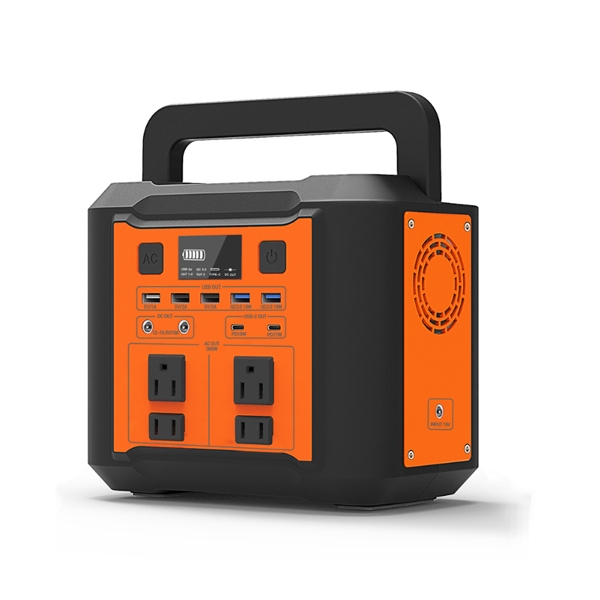
What Does a 300 Watt Solar Generator Mean?
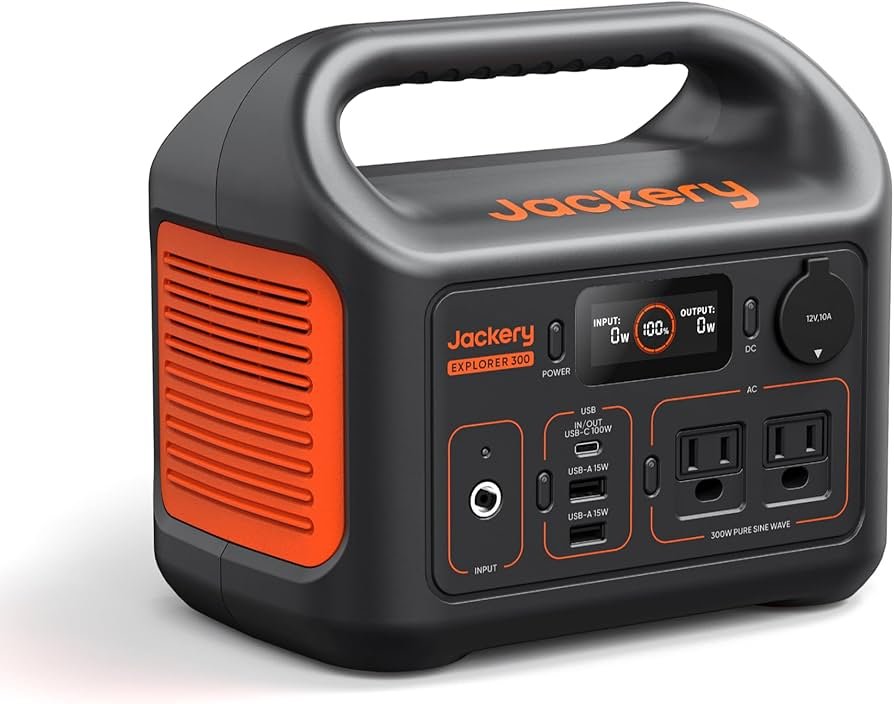
A 300 watt solar generator can supply up to 300 watts of power at one time through its AC outlet. Some models can handle a short surge above 300 watts, but this depends on the inverter and the product design.
The word “300 watt” usually describes the inverter’s maximum output. It does not always describe the battery size. A generator may have a 300 watt inverter but store 200 watt-hours, 300 watt-hours, or more.
These are two different measurements:
• Watts measure how much power a device needs right now.
• Watt-hours measure how much energy the battery stores.
For example, a 60 watt fan may run from a 300 watt generator because its power need is low. How long it runs depends on the battery’s watt-hour rating.
A useful estimate is:
Runtime = Battery watt-hours × 0.85 ÷ Device watts
The 0.85 factor allows for inverter loss and other small system losses. Some units are less efficient, so real-world runtime may be slightly lower.
Running watts and starting watts
Many appliances use more power when they start. A small refrigerator may run at 100 watts but briefly need 500 watts or more to start its compressor.
A 300 watt solar generator may run the refrigerator after startup, but it may not have enough surge power to start it. Always check both the running wattage and the starting wattage before connecting a motor-driven appliance.

What Will a 300 Watt Solar Generator Run?
What will a 300 watt solar generator run in daily life? It can handle many small devices, as long as their total power demand stays below the inverter limit.
Here are common examples:
• LED lights, usually 5 to 15 watts each
• Smartphones, often 5 to 20 watts while charging
• Tablets, commonly 10 to 30 watts
• Laptop computers, often 30 to 100 watts
• Wi-Fi routers, usually 5 to 20 watts
• Small fans, commonly 20 to 60 watts
• Portable speakers, often 10 to 50 watts
• Camera batteries and drone batteries
• Small televisions, often 50 to 120 watts
• CPAP machines, depending on the model and settings
• Electric blankets, often 50 to 100 watts
• Small sewing machines, depending on motor demand
• Low-power projectors, often 100 to 250 watts
• Portable game consoles and handheld devices
The safest approach is to check the label on each device. If a device uses 100 watts, one unit should fit comfortably within the 300 watt limit. Three devices using 100 watts each may reach the limit, but power losses and startup surges can still cause an overload.
Practical device combinations
A 300 watt solar generator can often run combinations such as:
• A 40 watt laptop, a 10 watt phone charger, and a 10 watt LED lamp
• A 50 watt fan, a 15 watt router, and two phone chargers
• A 100 watt television, a 10 watt streaming device, and a small lamp
• A 60 watt CPAP machine and a 10 watt phone charger
Keep some space below 300 watts. Running the inverter at its full rating for long periods may create more heat and reduce efficiency.

How Long Will a 300 Watt Solar Generator Run Your Devices?
The answer depends mainly on battery capacity. A 300 watt solar generator with a 300 watt-hour battery does not provide 300 watts for one hour in every situation. After inverter losses, you may have about 255 usable watt-hours.
For example, a 300 watt-hour battery may provide approximately:
• 25 hours for a 10 watt LED light
• 5 hours for a 50 watt fan
• 3 hours for an 85 watt laptop
• 2.5 hours for a 100 watt television
• About 1 hour for a 250 watt device
These figures are estimates. Battery age, temperature, inverter efficiency, and the device’s actual power draw all affect runtime.
A laptop rated at 65 watts may not pull 65 watts every minute. It may use more power while charging and less power after the battery is full. The same pattern applies to televisions, routers, and many other electronic devices.
Runtime examples
Suppose your solar generator has a 288 watt-hour battery. Using an estimated 85 percent usable capacity gives about 245 watt-hours.
A 60 watt fan would run for roughly:
245 ÷ 60 = 4.1 hours
A 40 watt laptop would run for roughly:
245 ÷ 40 = 6.1 hours
A 10 watt LED light would run for roughly:
245 ÷ 10 = 24.5 hours
In real use, expect somewhat less. I recommend testing your own devices with a plug-in watt meter when possible. This small step often reveals that a device uses far more or less power than its label suggests.
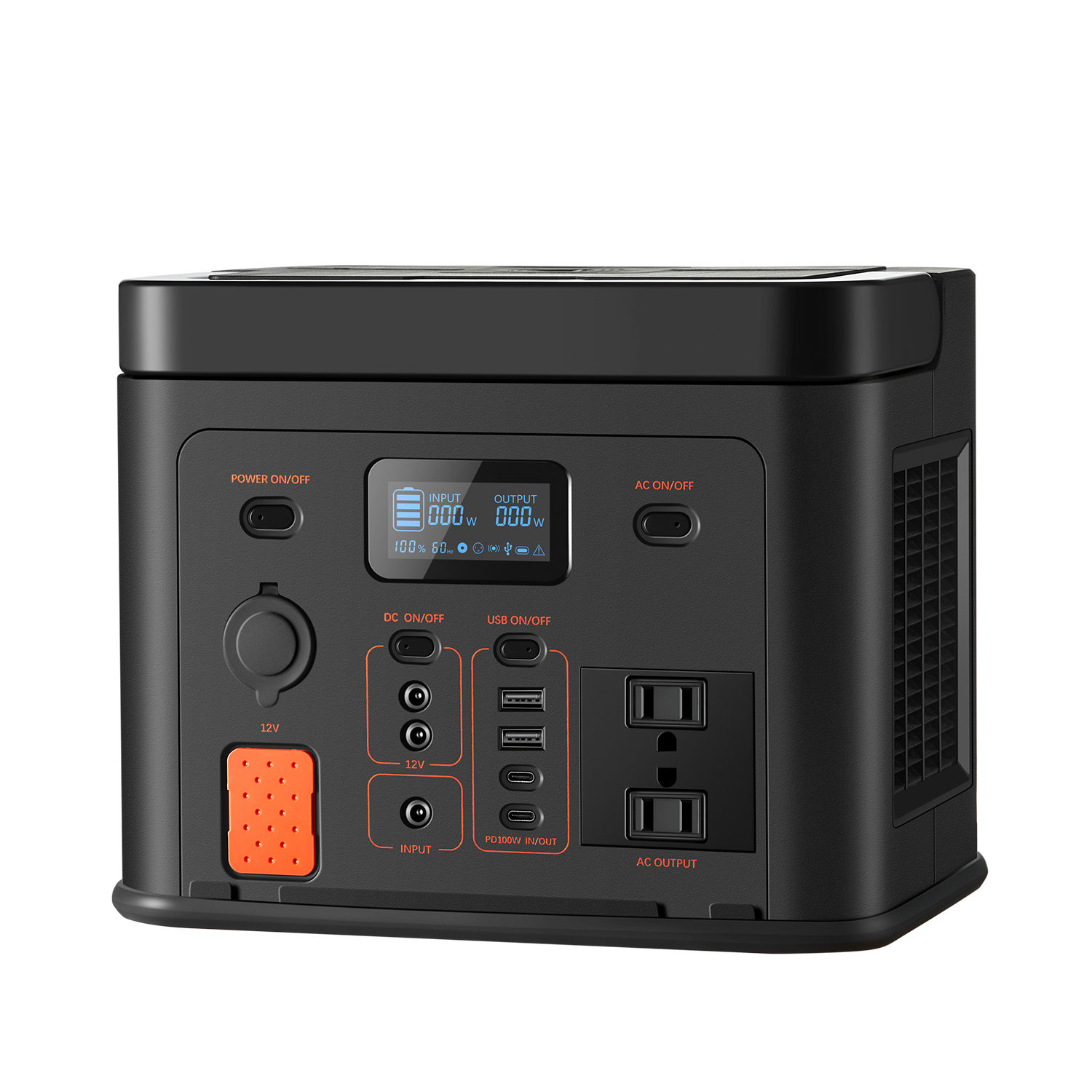
Appliances a 300 Watt Solar Generator May Not Run
What will a 300 watt solar generator run poorly or not at all? The main problem is high heat, high motor demand, or a large starting surge.
Many common household appliances need more than 300 watts. These often include:
• Coffee makers, commonly 800 to 1,500 watts
• Toasters, often 800 to 1,500 watts
• Electric kettles, often 1,000 to 1,500 watts
• Hair dryers, commonly 1,200 to 1,800 watts
• Space heaters, often 1,000 to 1,500 watts
• Full-size microwaves, commonly 1,000 watts or more
• Electric hot plates
• Irons
• Large blenders
• Full-size refrigerators with high starting surges
• Power tools with large motors
A 300 watt inverter cannot safely power a 1,000 watt heater. Connecting one may trigger an overload alarm, shut down the generator, or damage the inverter if the protection system fails.
Some low-power appliances may work, but only if their actual draw stays below the limit. A compact 200 watt travel kettle, for example, may run from a suitable unit. However, it will drain the battery quickly.
Motor devices need special care
Fans, pumps, refrigerators, and power tools can draw a surge when their motors start. A generator with a 300 watt continuous output may have a 600 watt surge rating, but not every model does.
Check these three specifications before buying:
• Continuous AC output
• Peak or surge output
• Battery capacity in watt-hours
The surge rating must be high enough to start the device. The continuous rating must be high enough to keep it running.

Can a 300 Watt Solar Generator Run a Refrigerator?
A small refrigerator may run from a 300 watt solar generator, but this setup is not guaranteed. The refrigerator’s compressor can require several times its normal running power during startup.
A modern compact refrigerator may use about 60 to 150 watts while running. Its startup surge may range from 300 watts to more than 800 watts, depending on the compressor and model.
What will a 300 watt solar generator run in this case? It may run the refrigerator if the unit has enough surge capacity and the refrigerator starts easily. A battery-powered cooler or highly efficient mini fridge is usually a better match.
Before using a generator with a refrigerator:
-
Find the refrigerator’s running and starting wattage.
-
Check the solar generator’s continuous and surge ratings.
-
Test the setup while the refrigerator is empty.
-
Watch for overload warnings or repeated shutdowns.
-
Keep the generator in a cool, dry, ventilated area.
Do not place the generator inside a closed cabinet. While solar generators do not produce exhaust like gas generators, their inverters and batteries still need airflow.
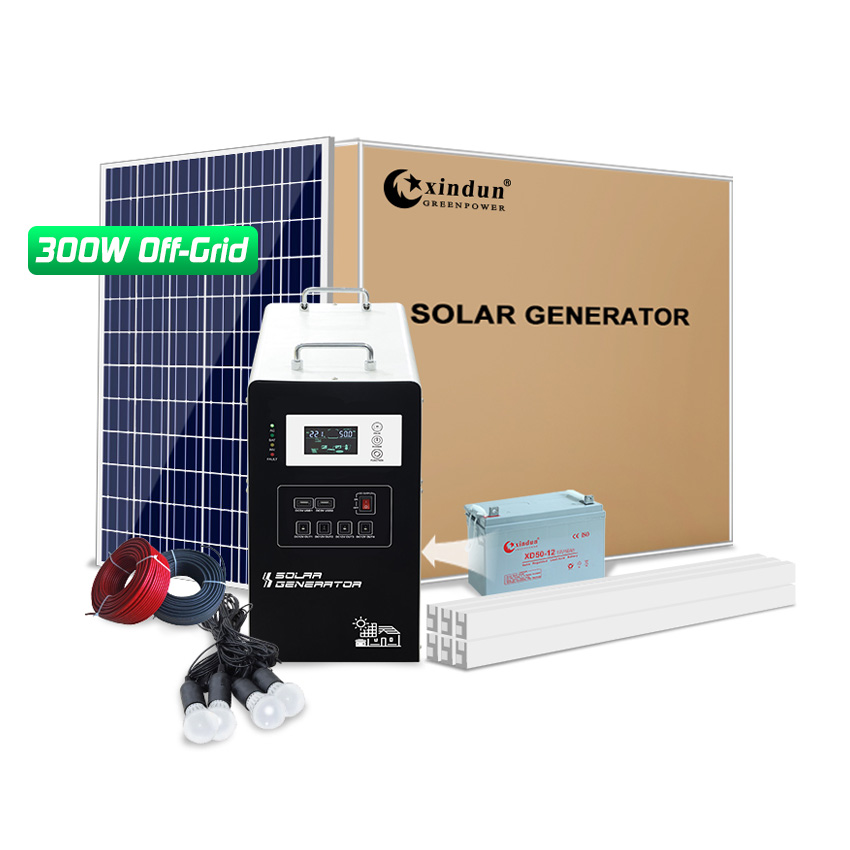
Can It Run a CPAP Machine?
A 300 watt solar generator can often run a CPAP machine. Many CPAP units use about 30 to 90 watts, but heated humidifiers and heated tubing can increase energy use.
For the longest runtime, turn off the humidifier and heated tube when conditions allow. A direct DC cable made for your CPAP model may also waste less energy than using the AC adapter.
If you depend on CPAP therapy, test the setup before an outage or camping trip. Make sure the battery lasts for the entire night, and keep another backup option available if your health depends on uninterrupted treatment.
Example overnight calculation
Assume a CPAP uses 60 watts and runs for eight hours:
60 watts × 8 hours = 480 watt-hours
A 300 watt-hour battery would not normally provide a full eight hours at that load. With a lower-power setting and no heated accessories, the CPAP may use much less, but you should measure the actual draw rather than guess.

Using a 300 Watt Solar Generator for Camping
What will a 300 watt solar generator run at a campsite? It can support small comfort and communication devices without the noise, fuel, or fumes of a gas generator.
Useful camping loads include:
• Phone and camera charging
• LED lanterns
• Small fans
• Portable speakers
• GPS devices
• Laptop computers
• A small television
• A low-power projector
• USB lights
• Electric blankets
A 300 watt solar generator is easy to carry and simple to use. Place the solar panel in direct sunlight, keep the battery out of extreme heat, and avoid covering the ventilation ports.
Clouds, shade, and short winter days reduce solar charging speed. A panel rated at 100 watts may not deliver 100 watts all day. Real output changes with sunlight angle, temperature, dust, and panel placement.
From practical use, one common mistake is expecting the panel to recharge the battery quickly in weak sun. Treat solar charging as a slow refill, not as an instant power source. Charge the unit before leaving home, then use the panel to extend runtime during the trip.
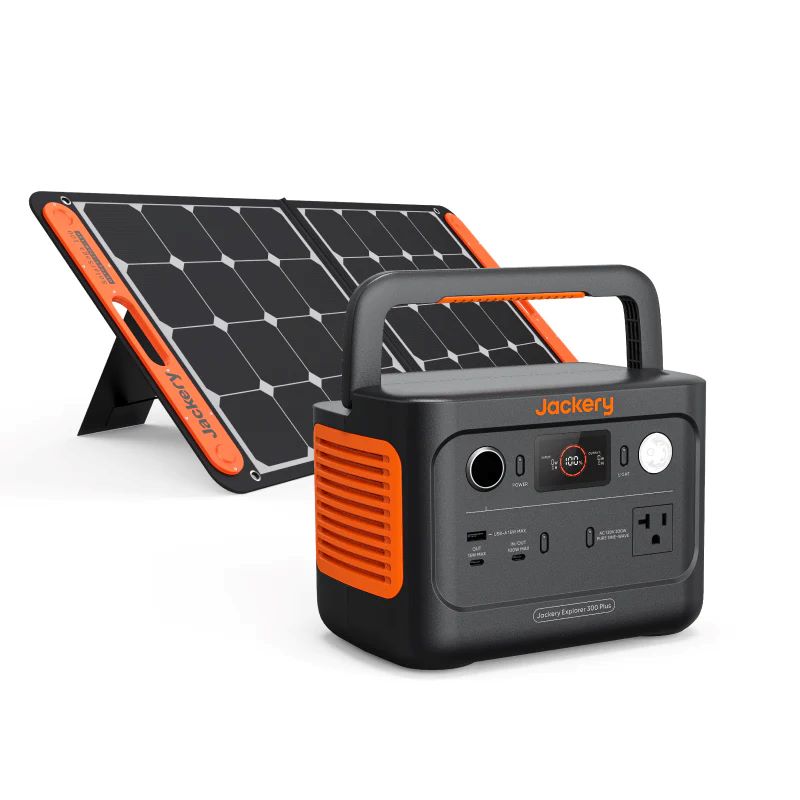
Using It During a Power Outage
A 300 watt solar generator can provide useful emergency power, but it is best for small loads. It can keep phones, lights, a router, and a laptop running while larger appliances remain off.
A simple outage plan may include:
-
Charge the generator to 100 percent before severe weather.
-
Turn on power-saving modes for phones and laptops.
-
Use LED lights instead of incandescent bulbs.
-
Run one major device at a time.
-
Recharge from solar during daylight.
-
Avoid draining the battery completely when possible.
For a home internet setup, a router and modem may use 15 to 30 watts together. A 300 watt-hour battery could support them for several hours, depending on efficiency.
Do not connect a solar generator to a home wall outlet to feed household circuits. This can create dangerous backfeed. Use the generator’s built-in outlets or have a qualified electrician install approved transfer equipment.

How to Choose the Right 300 Watt Solar Generator
What will a 300 watt solar generator run depends on more than the number printed on the box. Compare the complete specifications before you buy.
Look for these features:
• At least 300 watts of continuous AC output
• A clear surge rating
• Battery capacity of at least 200 watt-hours for basic use
• A pure sine wave inverter for sensitive electronics
• USB-A and USB-C ports
• A 12 volt DC output if you use vehicle accessories
• A built-in light for emergencies
• Solar input specifications that match your panel
• Battery management and overload protection
• A clear display showing watts and battery percentage
A pure sine wave inverter usually provides cleaner power than a modified sine wave inverter. It is a better choice for CPAP machines, laptops, monitors, audio equipment, and other sensitive electronics.
Battery chemistry also matters. Lithium iron phosphate batteries, often called LiFePO4, usually offer long cycle life and strong thermal stability. Standard lithium-ion batteries can be lighter, but their useful life and safety features vary by model.
Safety and Efficiency Tips
A 300 watt solar generator is generally simple to operate, but safe habits matter. Read the manual and use only cables and panels approved for the unit.
Follow these tips:
• Never exceed the continuous wattage rating.
• Leave room for motor startup surges.
• Keep the unit dry unless it has a stated water-resistance rating.
• Do not expose the battery to extreme heat.
• Keep air vents clear.
• Use certified charging cables.
• Stop using the unit if it swells, smells unusual, becomes very hot, or makes strange noises.
• Store the battery partly charged if the manual recommends it.
• Recharge the generator every few months during long storage.
You can extend runtime by lowering the load. Dim screens, use low-power modes, unplug idle chargers, and switch off lights when you leave the room.
Think of the battery as a small water tank. Every device opens a different-sized tap. A low-power light uses a thin stream, while a heater would empty the tank almost at once.
Frequently Asked Questions of What Will a 300 Watt Solar Generator Run?
Can a 300 watt solar generator run a TV?
Yes, it can usually run a small LED television that uses about 50 to 120 watts. Runtime depends on the battery’s watt-hour capacity and the TV’s actual power draw.
Can a 300 watt solar generator run a microwave?
Most household microwaves require more than 300 watts, so a standard model will not run safely. A very small low-power microwave may work only if its input wattage stays below the generator’s continuous rating.
Can a 300 watt solar generator run a fan?
Yes, most small fans use 20 to 60 watts and are a good match. A high-power fan may use more, so check its label before connecting it.
Can a 300 watt solar generator run a laptop?
Yes, laptops commonly use 30 to 100 watts. A 300 watt-hour battery may power a laptop for several hours, though gaming laptops can drain it much faster.
Can a 300 watt solar generator run a refrigerator?
It may run a compact refrigerator if the generator has enough surge power for compressor startup. Check both devices’ running and peak wattage before relying on this setup during an outage.
How many devices can it run at once?
It can run several devices if their combined demand stays below 300 watts and none creates a large startup surge. For reliable operation, keep the total load below the maximum rather than running continuously at the limit.
How long does a 300 watt solar generator take to charge?
Charging time depends on battery size, solar panel wattage, sunlight, and the charging input limit. A 300 watt-hour battery may take several hours with a suitable panel in strong sun, but cloudy weather can extend that time.
Conclusion
What will a 300 watt solar generator run? It can power phones, laptops, lights, routers, fans, small TVs, CPAP machines, and other low-power devices. It usually cannot handle heaters, kettles, hair dryers, coffee makers, or standard microwaves.
Focus on three numbers before connecting anything: running watts, starting watts, and battery watt-hours. Choose a pure sine wave model for sensitive electronics, leave extra capacity for surges, and test your important devices before an emergency.
Make a simple power list today and measure the devices you plan to use. Then compare their needs with a suitable solar generator, explore reliable backup-power resources, and share your own experience or questions in the comments.