What Is The Disadvantage Of A Solar Generator: Key Cons
The main disadvantage of a solar generator is limited power, slow charging, and dependence on sunlight and battery capacity.
A solar generator can provide quiet, clean backup power without gasoline. However, its limits matter just as much as its benefits. Understanding the disadvantage of a solar generator helps you choose the right model, set realistic expectations, and avoid costly mistakes during an outage, camping trip, or emergency.
What Is a Solar Generator?
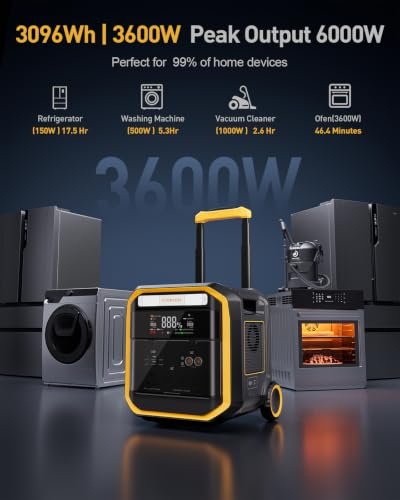
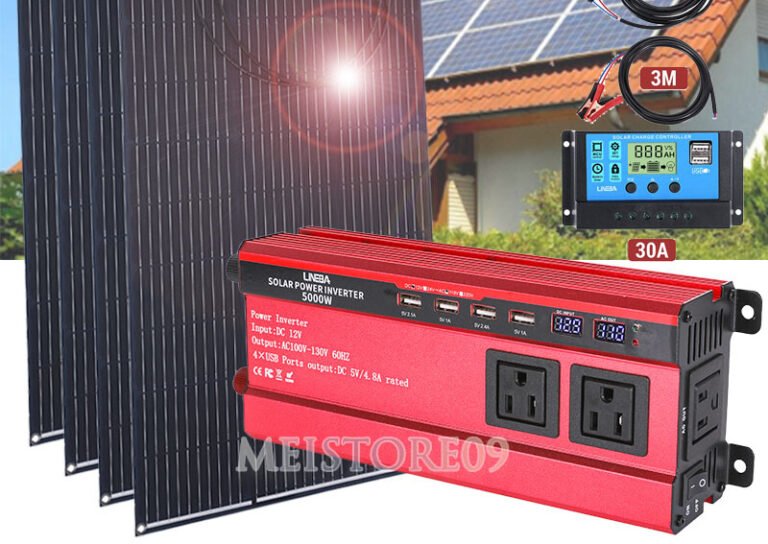
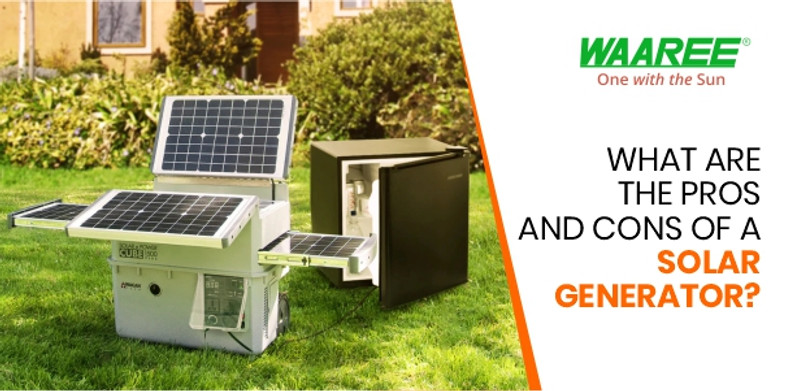
A solar generator is a rechargeable battery power station that stores electricity for later use. Solar panels usually charge the battery, while the generator’s inverter changes stored DC power into AC power for common devices.
Despite its name, a solar generator does not create electricity like a gas generator. It stores energy in a battery. Most systems include:
• A lithium-ion or lithium iron phosphate battery
• An inverter for AC power
• USB ports and DC outputs
• A solar charge controller
• An AC wall charger
• Sometimes, a car charging cable
The battery capacity is measured in watt-hours (Wh). A 1,000 Wh unit can theoretically provide 1,000 watts for one hour. In real use, inverter losses and battery protection systems reduce the usable amount.
This basic design explains nearly every disadvantage of a solar generator. The unit must first collect or receive energy, store it, and then deliver it through an inverter. Each step creates limits.

The Biggest Disadvantages of a Solar Generator
The disadvantage of a solar generator depends on your needs. A small unit may work well for phones and lights but fail when connected to a refrigerator or power tool. A large unit can run more equipment, but it costs more and weighs more.
Here are the main limitations to consider.
1. High Upfront Cost
A solar generator often costs more at the beginning than a basic gas generator with a similar advertised power output. The price includes the battery, inverter, charge controller, safety systems, and sometimes solar panels.
A small portable power station may cost a few hundred dollars. A larger home backup system can cost several thousand dollars after adding expansion batteries and solar panels.
The long-term cost can still be reasonable because solar generators do not need gasoline, oil, or regular engine service. However, the higher purchase price is a real disadvantage of a solar generator for shoppers with a tight budget.
2. Slow Solar Charging
Solar charging is not instant. A panel’s rated output is based on ideal conditions, such as strong midday sun, correct panel placement, and low shading.
For example, a 200-watt panel will not always provide 200 watts. Clouds, heat, dust, shade, and poor positioning can reduce output. The battery may take several hours or even a full day to charge.
This slow refill time is one of the most important disadvantages of a solar generator. A gas generator can often run again after a quick fuel refill. A solar generator must wait for enough sunlight or use another charging method.
3. Dependence on Weather and Sunlight
Solar generators work best when sunlight is available. They can still charge during cloudy weather, but charging becomes slower. Heavy rain, snow, storms, and shade may reduce solar production even more.
This creates a problem during some emergencies. Severe weather can cause a power outage while also blocking the sunlight needed to recharge the battery.
A solar generator is most useful when you charge it before bad weather arrives. Relying on empty batteries and future sunlight is risky.
4. Limited Battery Capacity
Every battery has a fixed storage limit. Once the stored energy is gone, the generator cannot power devices until it recharges.
A 500 Wh unit may run a small fan, router, or LED light for several hours. It may not run a refrigerator all day. A space heater, electric kettle, hair dryer, or hot plate can drain the battery very quickly.
You can estimate runtime with this simple formula:
Runtime = Battery capacity in watt-hours × 0.85 ÷ Device wattage
The 0.85 factor allows for common inverter losses. For example, a 1,000 Wh battery powering a 100-watt device may run for about 8.5 hours, not 10 hours.
Limited capacity is a major disadvantage of a solar generator when you need whole-home backup power.
5. Limited Continuous and Surge Output
Battery capacity and output power are different. A generator may store 2,000 Wh but deliver only 1,800 watts continuously.
Some devices also need extra starting power. Refrigerators, sump pumps, air conditioners, and power tools often draw a surge when their motors start.
If the surge exceeds the inverter’s limit, the solar generator may shut down or fail to start the device. Always check both:
• Continuous wattage
• Peak or surge wattage
This is a common mistake among new buyers. They focus on battery size and overlook inverter output.
6. Battery Degradation Over Time
Rechargeable batteries do not last forever. Each charge and discharge cycle slowly reduces their storage capacity.
Lithium iron phosphate batteries, often called LiFePO4 batteries, usually offer more cycles than older lithium-ion chemistries. Even so, capacity will eventually decline. Heat, deep discharges, long storage at full charge, and poor charging habits can speed up wear.
Battery life varies by chemistry, brand, temperature, and use. Many manufacturers publish cycle ratings, but real-world results may differ.
Battery replacement can be expensive. This future cost is another disadvantage of a solar generator that buyers should include in their budget.

Other Practical Limitations of Solar Generators
The main disadvantages of a solar generator are not limited to charging and capacity. Daily use also brings concerns about weight, heat, storage, and compatibility.
7. Large Units Can Be Heavy
A powerful battery needs many battery cells. More cells mean more weight. A large solar generator may weigh 40, 60, or even more than 100 pounds.
Some models have wheels and handles, but they may still be difficult to lift into a vehicle or move up stairs. Portability is easier with small units, but small units also provide less power.
Think of the generator as a water tank. A larger tank holds more water, but it is harder to carry. Battery storage follows the same basic tradeoff.
8. Solar Panels Need Space
Portable solar panels need a clear area with direct sunlight. A small campsite may not have enough open space, especially under trees.
Rooftops and yards can also create problems. Nearby buildings, fences, and trees may shade the panels during part of the day. You may need extension cables or several panel locations to improve charging.
Solar panels are durable, but they can be damaged by strong wind, falling branches, careless handling, or improper storage.
9. Energy Loss During Conversion
Solar panels produce direct-current electricity. Many household devices use alternating-current electricity. The inverter changes one form into the other, but no conversion is perfectly efficient.
Energy can also be lost in charging, cables, adapters, and device power supplies. This means the usable energy is lower than the number printed on the battery.
A 2,000 Wh power station does not usually provide 2,000 Wh to AC appliances. Reviewing the manufacturer’s usable capacity and efficiency information gives a more accurate estimate.
10. Not Ideal for High-Heat Appliances
Heating devices use a great deal of electricity. Space heaters, electric ovens, kettles, coffee makers, and hair dryers may use 1,000 to 1,500 watts or more.
A solar generator can run some of these devices if the inverter is large enough. However, the battery may drain quickly. Running a 1,500-watt heater from a 1,000 Wh battery could use most of the stored energy in less than an hour.
This is a serious disadvantage of a solar generator in cold climates. A propane heater designed for indoor use, used with proper ventilation and safety controls, may be more practical for heat. Never use combustion equipment indoors unless it is specifically approved for that setting.
11. Temperature Can Affect Performance
Batteries work best within a moderate temperature range. Very cold conditions can reduce output and charging performance. High heat can speed up battery aging and trigger protective shutdowns.
Never assume a solar generator will perform normally in a hot car, freezing garage, or direct summer sun. Read the operating and storage temperature limits in the manual.
A shaded, dry, and ventilated storage area is usually safer than a vehicle trunk or outdoor shed.
12. No Instant Fuel Refill
A gas generator can often run for as long as fuel is available. A solar generator cannot be refilled with energy in a few minutes.
You can charge it from a wall outlet, car outlet, or another generator. Those options improve flexibility, but they reduce the value of a solar-only setup.
For long outages, you may need more battery capacity, extra panels, or a backup charging plan. Without one, the battery may become an expensive box that is full at the start of an emergency and empty later.

Solar Generator vs. Gas Generator
The better choice depends on the situation. Neither technology is perfect.
| Feature | Solar generator | Gas generator |
|---|---|---|
| Fuel cost | No gasoline during solar charging | Requires gasoline or another fuel |
| Noise | Usually quiet | Often loud |
| Indoor use | Generally safer indoors when used as directed | Carbon monoxide makes indoor use dangerous |
| Refill speed | Slow, especially from solar panels | Fast with fuel |
| Maintenance | Low | Requires oil, fuel care, and engine service |
| Long outages | Needs sunlight or another charger | Can run while fuel is available |
| Emissions | No direct operating emissions | Produces exhaust gases |
| Portability | Small models are easy to move | Similar, but engines may be bulky |
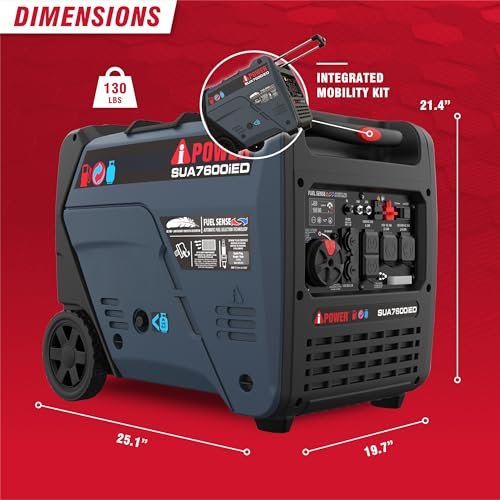
A solar generator is often better for quiet overnight power, electronics, medical devices within approved limits, and short outages. A gas generator may be better for long periods of heavy loads, such as pumps, large tools, or multiple appliances.
Some households use both. A solar generator can handle small loads quietly, while a fuel generator provides high power when sunlight is poor.
How to Choose the Right Solar Generator
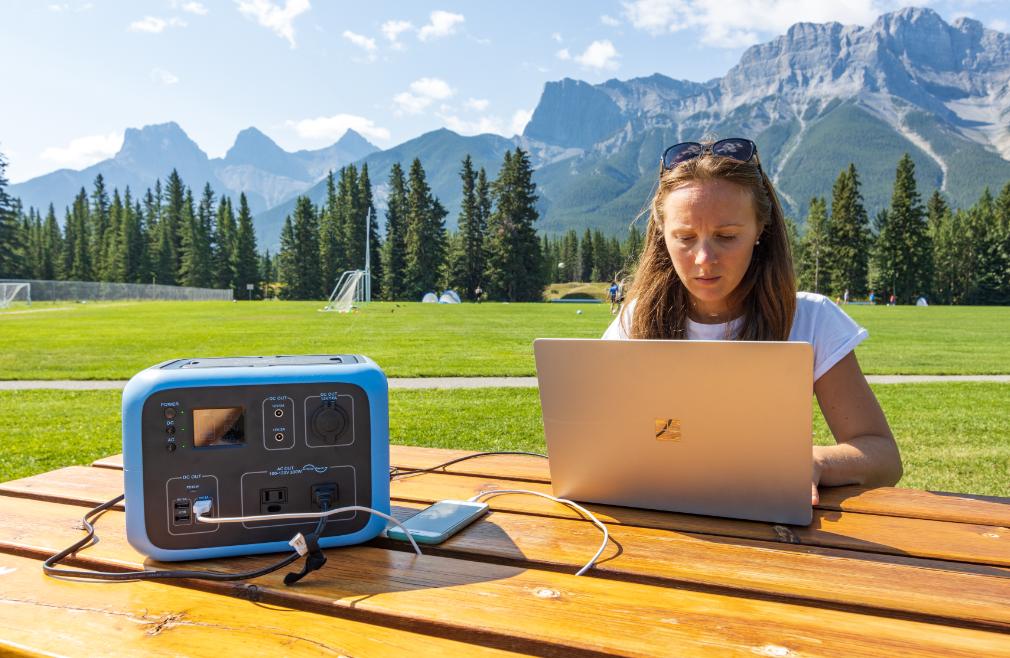
The best way to avoid the disadvantage of a solar generator is to match the system to your actual power needs.
Follow these steps:
- List the devices you want to run.
- Find each device’s running wattage.
- Check for motor starting surges.
- Estimate how many hours each device must operate.
- Add the watt-hours together.
- Include at least 15% to 25% extra capacity.
- Confirm that the inverter supports both continuous and surge loads.
- Check solar input limits and panel compatibility.
- Review battery chemistry and cycle information.
- Confirm the warranty and local service options.
For example, suppose you need to run a 60-watt refrigerator for 10 hours, a 10-watt router for 10 hours, and several 5-watt lights for 5 hours. The estimated daily use is about 750 Wh before losses and starting surges. A 1,000 Wh unit may work, but a larger model would provide more comfort and reserve power.
Do not buy based only on the largest watt-hour number. Check the usable capacity, inverter rating, solar charging speed, safety features, and weight.

Tips to Reduce the Disadvantage of a Solar Generator
You can make a solar generator more useful with a few simple habits.
• Charge it before severe weather or travel.
• Use energy-efficient LED lights and appliances.
• Turn off idle devices instead of leaving them plugged in.
• Keep panels clean and place them in direct sun.
• Reposition panels during the day when practical.
• Store the battery in a cool, dry place.
• Avoid fully draining the battery unless the manual allows it.
• Keep a wall or car charging option available.
• Test important devices before an emergency.
• Use a power meter to measure real appliance consumption.
• Follow the manufacturer’s rules for medical equipment.
• Keep the manual and charging cables together.
One practical lesson is to test your setup before you need it. Many people discover too late that a refrigerator has a high starting surge or that a panel cable is too short. A simple weekend test can reveal these problems while there is still time to fix them.
Is a Solar Generator Worth It?
A solar generator can be worth the cost if you value quiet operation, low maintenance, clean charging, and portable backup power. It is especially useful for camping, road trips, remote work, communication equipment, lights, and short power outages.
It may not be worth it if you need to run central air conditioning, electric heating, large pumps, welding equipment, or several high-power appliances for many days. In those cases, a larger battery system, standby generator, or mixed backup plan may work better.
The key is to compare the system with your real energy needs. The disadvantage of a solar generator becomes frustrating mainly when buyers expect a small battery to perform like a whole-house power system.

Frequently Asked Questions About the Disadvantage of a Solar Generator
What is the biggest disadvantage of a solar generator?
The biggest disadvantage of a solar generator is its limited stored energy. It may also recharge slowly, especially during cloudy weather or when the solar panels receive shade.
Can a solar generator power a refrigerator?
Many solar generators can power a refrigerator, but the model must support the refrigerator’s starting surge. Runtime depends on the refrigerator’s energy use, battery capacity, temperature, and how often the compressor runs.
Do solar generators work at night?
Yes, a solar generator can power devices at night because it stores energy in its battery. However, it cannot recharge from sunlight until morning, so battery capacity and energy use must be managed carefully.
Are solar generators expensive to maintain?
Solar generators usually need less maintenance than gas generators because they have no engine, oil, spark plug, or fuel system. The main long-term concern is battery aging and the possible cost of replacement.
How long does a solar generator battery last?
Battery life depends on chemistry, temperature, use, and charge cycles. LiFePO4 batteries often last longer than many older lithium-ion batteries, but every battery gradually loses capacity over time.
Can a solar generator run a space heater?
It can run a space heater only if the inverter supports the heater’s high wattage. Even then, the battery may drain very quickly, making this an inefficient use of stored power.
Is a solar generator safe indoors?
A battery solar generator does not produce exhaust, so it is generally safer indoors than a gasoline generator when used according to its manual. Keep it away from moisture, heat, blocked vents, and damaged cables.
Conclusion
The disadvantage of a solar generator usually comes down to limited capacity, slow solar charging, weather dependence, high upfront cost, and battery aging. Large models can solve some problems, but they also add weight and expense.
A solar generator remains a useful tool when you match its watt-hours and inverter output to your needs. Test your devices, plan for cloudy weather, and keep a second charging option ready. Compare reliable models and share your own experience or questions in the comments.