Can We Run AC With Solar Power: What To Know
Yes, solar panels can run an air conditioner when the system is sized for its power demand and daily cooling use.
Can we run AC with solar power? Yes, but the answer depends on your air conditioner’s size, sunlight, solar panel capacity, battery storage, and local climate. A small room AC may work with a modest solar setup, while a whole-house central AC needs a much larger system. This guide explains the numbers, equipment, costs, limits, and best ways to make solar-powered cooling work reliably.
Can we run AC with solar power?
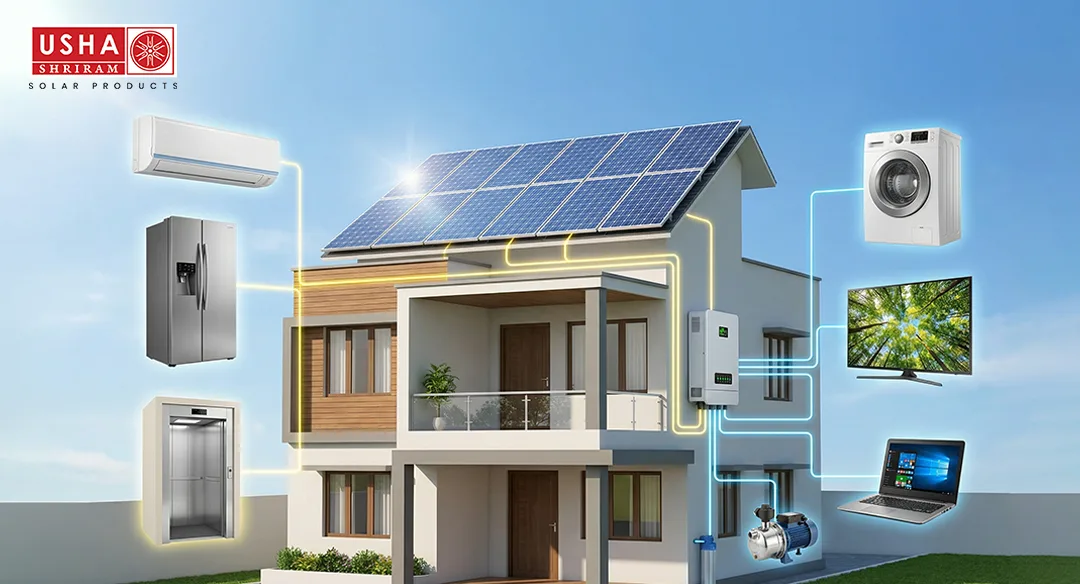
Solar panels can run an air conditioner during the day by converting sunlight into electricity. The panels send power through an inverter, which changes direct current into the alternating current used by most home appliances.
A solar system may power:
• A window air conditioner
• A portable AC unit
• A ductless mini-split
• A central air conditioner
• A heat pump with cooling mode
The key is matching the AC’s energy use with the solar system’s output. Can we run AC with solar power? We can, but the system must handle both the AC’s normal running load and its brief startup surge.
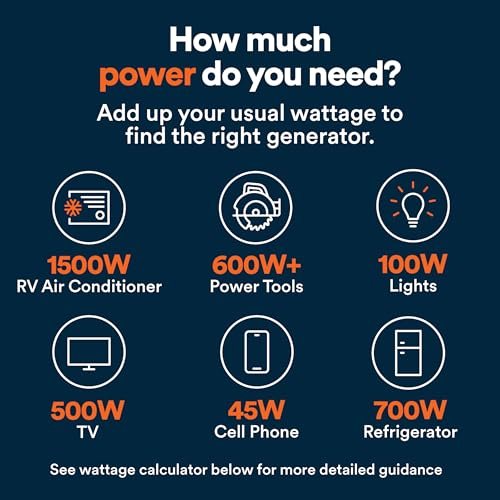
A typical 1-ton mini-split may use about 700 to 1,200 watts while running. A larger central AC may use 2,000 to 5,000 watts or more. Actual use varies by efficiency, outdoor temperature, thermostat setting, duct condition, and unit age.
How much solar power does an AC need?
The amount of solar power needed depends on two different measurements:
• Power demand, measured in watts or kilowatts
• Energy use, measured in watt-hours or kilowatt-hours
Power demand tells you whether the system can start and run the AC. Energy use tells you how much electricity the AC consumes over several hours.
For example, imagine a high-efficiency mini-split that uses 1,000 watts while cooling. If it runs for six hours, it may use:
1,000 watts × 6 hours = 6,000 watt-hours, or 6 kilowatt-hours
Solar panels do not produce their full rated output all day. A 400-watt solar panel may produce close to 400 watts only during strong midday sun. Over a full day, weather, heat, shade, and the sun’s angle reduce its output.
A rough planning formula is:
Solar array size = daily AC energy use ÷ local peak sun hours ÷ system efficiency
Suppose the AC uses 6 kilowatt-hours per day. Your location receives five peak sun hours, and the system operates at about 80% overall efficiency:
6 ÷ 5 ÷ 0.8 = 1.5 kilowatts of solar capacity
That equals about four 400-watt panels. In practice, you may choose five or six panels to cover cloudy periods, inverter losses, and other home loads.
Typical solar needs by AC type
These examples provide useful starting points, not final designs:
| AC type | Typical running power | Possible solar array |
|---|---|---|
| Small window AC | 500 to 1,200 watts | 1 to 2 kilowatts |
| Portable AC | 900 to 1,500 watts | 1.5 to 3 kilowatts |
| 1-ton mini-split | 700 to 1,200 watts | 1.5 to 3 kilowatts |
| 1.5-ton mini-split | 1,000 to 1,800 watts | 2 to 4 kilowatts |
| Central AC | 2,000 to 5,000 watts | 4 to 10 kilowatts or more |
Can we run AC with solar power using only a few panels? Sometimes, especially with a small, efficient mini-split. A central unit may require many panels and a larger inverter.

Solar panels, batteries, and inverters
A complete solar AC system has more than solar panels. Each part has a specific job.
Solar panels
Panels create electricity from sunlight. Their total output should cover the AC’s daytime energy use and other important household loads.
Panel output drops during cloudy weather, extreme heat, dust buildup, and partial shade. Roof direction and tilt also affect production.
Inverter
The inverter changes solar electricity into usable household power. It must support:
• The AC’s continuous running load
• The AC’s starting surge
• Other appliances running at the same time
• The correct voltage and phase for the home
A standard central AC compressor can draw several times its normal running power for a short period when it starts. This surge can trip an undersized inverter.
Modern inverter-driven AC units are easier to operate with solar power. They adjust compressor speed instead of switching on and off at full power. This reduces energy use and lowers startup stress.
Battery storage
A battery stores extra solar energy for use later. It can run the AC in the evening, during a power outage, or when clouds reduce solar production.
Battery size depends on how long you want cooling to continue. If an AC uses 1.2 kilowatts and you want four hours of backup, the basic energy need is:
1.2 kilowatts × 4 hours = 4.8 kilowatt-hours
Because batteries should not always be fully drained, and because inverters lose some energy, a battery rated around 6 to 7 kilowatt-hours may be more suitable.
Charge controller
Off-grid systems often use a charge controller between the panels and battery. It regulates charging and protects the battery from unsafe voltage.
A grid-tied system may not need a separate charge controller because the inverter manages the solar input. A professional installer should select equipment as one matched system.

Can solar run AC without batteries?
Yes, solar panels can run an AC without batteries during sunny hours. This setup usually uses a grid-tied inverter or a solar AC system designed for direct daytime operation.
The limitation is simple: solar production changes throughout the day. When a cloud passes, the panels may produce less power. When the sun sets, the panels stop producing power.
With a grid-connected system, the utility grid fills the gap. When solar output is higher than your home’s demand, excess electricity may flow to the grid, depending on local rules and your utility agreement.
A solar system without batteries usually cannot power your home during a grid outage. Most grid-tied inverters shut down during an outage to protect utility workers from electricity flowing back into power lines.
This safety feature surprises many homeowners. If backup cooling matters, choose a system with batteries and approved backup equipment.
Can we run AC with solar power without batteries? Yes, but the AC will usually run only when enough sunlight is available or when the grid supports the load.
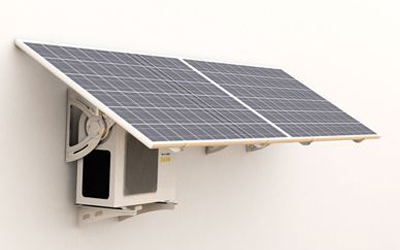
How many solar panels are needed to run an AC?
The panel count depends on panel wattage and the AC’s energy demand.
For example, suppose you have:
• A 1.5-ton mini-split
• An average draw of 1,500 watts
• Six hours of daily use
• 400-watt solar panels
The AC may use about 9 kilowatt-hours per day. In a location with five peak sun hours and 80% system efficiency:
9 ÷ 5 ÷ 0.8 = 2.25 kilowatts of solar capacity
A 2.25-kilowatt array would need about six 400-watt panels. A safer design might use seven or eight panels because the AC is not the only household load.
For a central AC, the number may be much higher. A 3-ton unit can consume several kilowatts while operating. If it runs for eight hours on a hot day, it may use more than 20 kilowatt-hours. The solar array may need to be 6 kilowatts or larger, depending on climate and efficiency.
Do not size a system from the AC label alone. Check the unit’s:
• Rated cooling capacity
• Running amps
• Maximum fuse or circuit size
• Seasonal energy rating
• Startup current
• Average daily operating time
An electrician or solar designer can use these details to create a safer estimate.

Can we run central AC with solar power?
Yes, central AC can run on solar power, but it often requires a larger and more carefully designed system than a mini-split.
Central air conditioning uses a compressor, indoor blower, outdoor fan, and control system. The compressor normally creates the largest electrical demand. Older units often consume more power than newer high-efficiency models.
A central AC solar system may need:
• A 5 to 10-kilowatt solar array
• A properly sized inverter
• Battery storage for evening use
• A soft-start device
• A dedicated load-management plan
• Enough roof space and suitable wiring
A soft starter can reduce the compressor’s starting surge. It does not make the AC free to run, but it can help a battery inverter start the unit without shutting down.
One practical lesson from reviewing system designs is that people often focus only on panel count. The inverter and startup surge matter just as much. Six kilowatts of panels do not help if a weak inverter cannot start a 3-ton compressor.
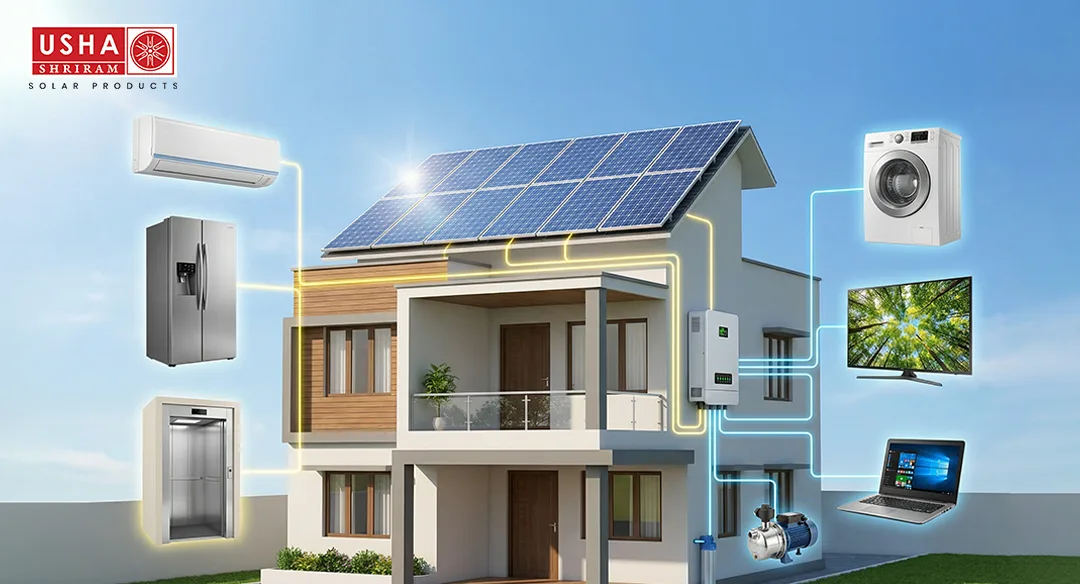
The best AC types for solar power
Some air conditioners work better with solar than others.
Inverter mini-split
A ductless mini-split is often one of the best choices for solar-powered cooling. It can reduce compressor speed after reaching the target temperature, which saves energy.
Mini-splits also avoid duct losses. In a poorly insulated attic, leaky ducts can waste a large amount of cooling energy.
High-efficiency central AC
A newer central AC with a strong seasonal efficiency rating can work well with solar. Choose a variable-speed compressor when possible.
Higher efficiency usually means a higher purchase price. However, lower energy use can reduce the required solar array and battery size.
Window AC
A small window unit has a low upfront cost and modest power needs. It can be a good choice for cooling one room with a small solar battery system.
The drawback is that it may be noisy and less efficient than a modern mini-split.
Portable AC
Portable units are easy to move, but many use more electricity than expected. Single-hose models can also pull warm air into the room, making the AC work harder.
If you choose a portable AC, compare its energy rating and use the correct exhaust setup.

How to improve AC performance on solar
Reducing cooling demand is often cheaper than adding more panels. Think of insulation as a coat for your home. It keeps cool air inside and heat outside.
Use these practical steps:
• Seal gaps around doors and windows
• Add attic insulation where needed
• Clean or replace the AC filter
• Keep outdoor condenser coils free of leaves and dust
• Use blackout curtains on sunny windows
• Set the thermostat near 78°F when home, as energy agencies commonly recommend
• Use ceiling fans to improve comfort
• Avoid opening doors often during the hottest hours
• Schedule heavy appliances outside peak cooling periods
• Choose a programmable or smart thermostat
A one-degree change may not seem important, but small savings add up across many hot days. Efficient cooling also lets the battery last longer at night.
Solar panels perform best when the AC runs during daylight. Pre-cooling the home in the afternoon can store comfort in the building’s walls and furniture. Do not overcool the space, but use solar energy when it is most available.
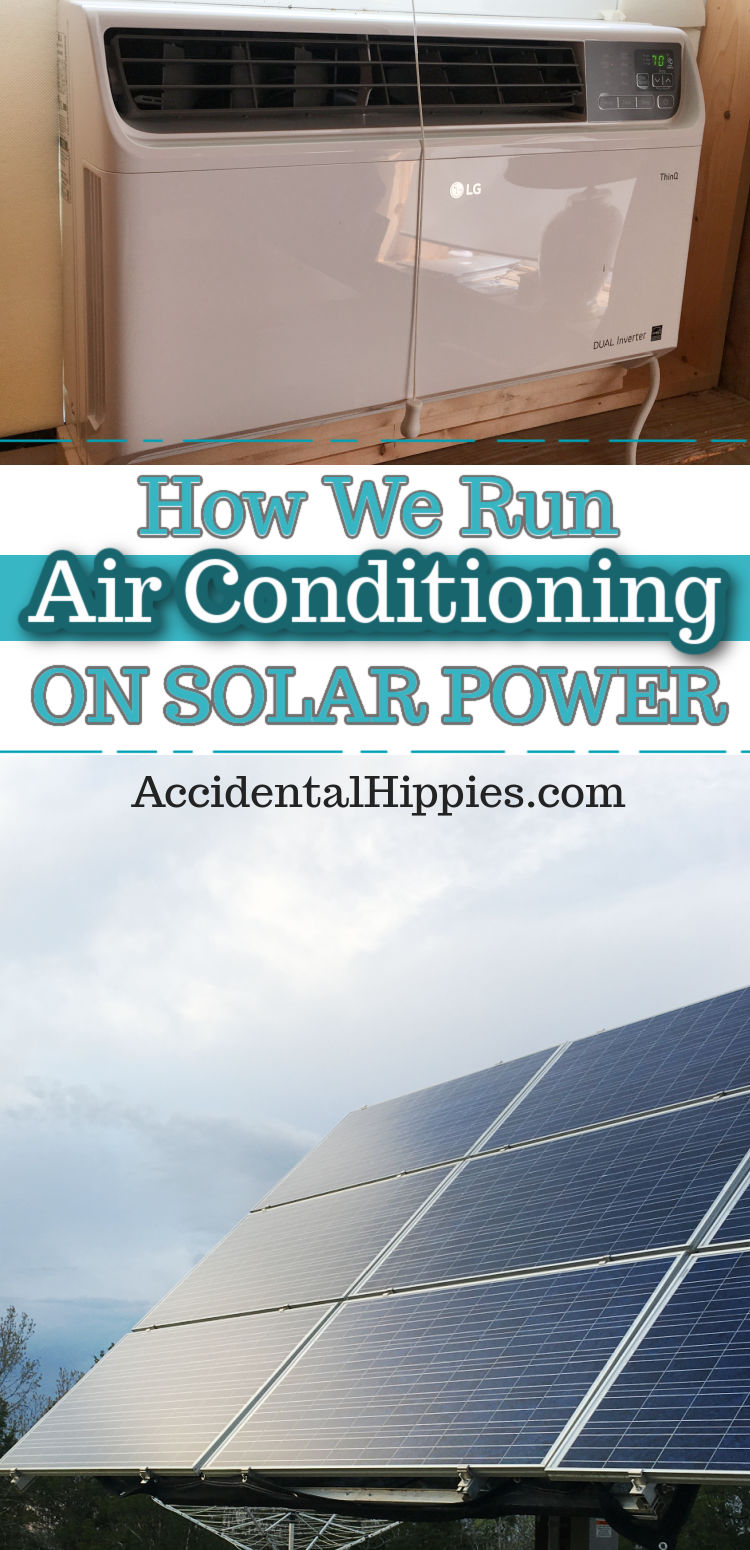
On-grid, off-grid, and hybrid solar AC systems
Your system type affects cost, reliability, and how the AC operates.
On-grid solar
An on-grid system connects to the utility. It is usually the simplest and least expensive option.
Benefits include:
• Lower battery costs
• Access to grid power at night
• Potential credits for excess solar energy
• Reliable operation during long cloudy periods
The main limitation is that standard grid-tied solar usually shuts down during an outage.
Off-grid solar
An off-grid system operates without utility power. It needs enough panels, batteries, and inverter capacity for the home’s worst expected conditions.
Running central AC off-grid can be difficult because cooling demand is highest during hot weather, while several cloudy days can reduce solar production. A backup generator may be needed for emergencies.
Hybrid solar
A hybrid system combines solar panels, batteries, and the utility grid. It can power the AC with solar during the day, use stored energy at night, and provide backup during outages.
Hybrid systems cost more, but they offer greater control. Many allow you to reserve battery power for essential loads such as refrigeration, medical equipment, and cooling.

Cost of running AC with solar power
The cost depends on the AC, solar array, battery, roof work, permits, wiring, and local labor rates.
A small solar system for a window AC may cost far less than a whole-home system. A central AC with battery backup can require a substantial investment.
Your total cost may include:
• Solar panels and mounting
• Inverter or hybrid inverter
• Battery storage
• Electrical upgrades
• AC replacement
• Soft-start equipment
• Permits and inspections
• Installation labor
• Monitoring equipment
Solar can lower operating costs, but it does not always eliminate the electric bill. You may still pay fixed utility charges, battery replacement costs, maintenance expenses, or time-based rates.
Federal, state, and utility incentives can change the financial result. Incentive rules also change, so confirm current details with your utility, tax professional, and local solar installer.
The most useful comparison is not just the panel price. Compare the expected lifetime energy savings, battery warranty, inverter warranty, maintenance needs, and replacement schedule.
Common mistakes to avoid
Poor planning can make a solar AC system frustrating and expensive.
Avoid these mistakes:
• Sizing panels only by AC horsepower
• Ignoring startup surge
• Assuming a grid-tied system works during outages
• Buying a battery without checking usable capacity
• Forgetting other home loads
• Installing panels in heavy shade
• Using an old, inefficient AC with a small solar array
• Skipping a professional electrical inspection
• Assuming average sunlight equals guaranteed sunlight
• Choosing equipment without checking warranty support
A battery’s advertised capacity is not always the amount you can use. Usable capacity, depth of discharge, inverter efficiency, and temperature all affect real-world performance.
Local electrical rules also matter. In the United States, solar and battery installations must follow applicable electrical codes, utility interconnection rules, and permit requirements. Work involving high voltage should be completed by a qualified professional.
A practical way to plan your solar AC system
Use this process before buying equipment:
-
Find the AC’s running watts and startup requirements on its label or technical sheet.
-
Estimate daily operating hours during the hottest month.
-
Multiply watts by hours to calculate daily kilowatt-hours.
-
Add other important loads, such as refrigerators, lights, fans, and internet equipment.
-
Check your area’s average peak sun hours.
-
Account for system losses, shade, heat, and cloudy days.
-
Choose an inverter that supports both continuous load and startup surge.
-
Decide whether you need cooling after sunset or during outages.
-
Add a battery based on the hours of backup you want.
-
Have a licensed professional review the design before installation.
Track your current electricity use for at least one summer if possible. A utility bill shows total energy, while a home energy monitor can show when the AC starts and how much power it draws.
This measured approach is better than guessing. Can we run AC with solar power? A load measurement and proper design will give a much more useful answer than a generic panel count.
Frequently Asked Questions About Can we run AC with solar power?
Can solar panels run an AC all day?
Yes, solar panels can run an AC during the day when they produce enough electricity. The array must cover the AC’s running demand, startup surge, and other appliances using power at the same time.
How many solar panels do I need to run a 1.5-ton AC?
A 1.5-ton AC may need roughly 2 to 4 kilowatts of solar capacity, depending on its efficiency and daily runtime. With 400-watt panels, that may equal five to ten panels, but a load calculation gives a more accurate result.
Can an AC run on solar power at night?
Yes, but the system needs batteries or utility power at night. Battery size depends on the AC’s energy use and how many hours of cooling you need.
Can solar run central air conditioning?
Yes, solar can run central air conditioning with a sufficiently large solar array, inverter, and possibly batteries. A soft-start device and an efficient variable-speed AC can make the system easier to operate.
Will solar AC work during a power outage?
A standard grid-tied solar system usually will not work during an outage because its inverter shuts down for safety. A hybrid inverter with battery backup can keep selected circuits, including an AC, operating if the system is designed for that load.
Is it cheaper to run an AC with solar power?
Solar can reduce the electricity cost of running an AC, especially in areas with strong sunlight and high utility rates. The total financial benefit depends on system price, incentives, battery costs, maintenance, and how long you stay in the home.
Can a small solar generator run an air conditioner?
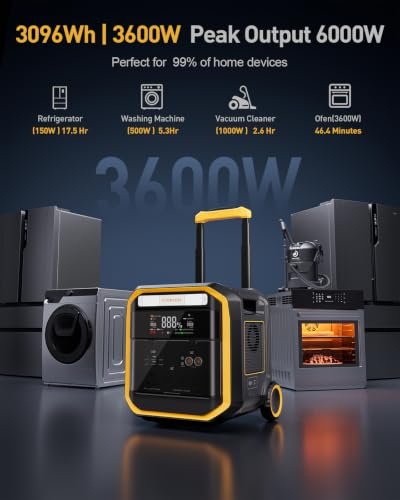
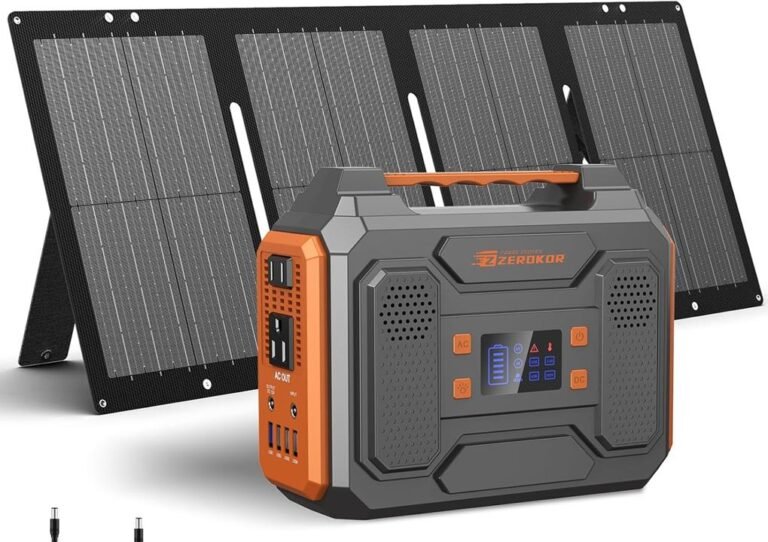
Some solar generators can run a small window AC or efficient portable AC, but you must check the generator’s continuous watt rating, surge rating, battery capacity, and output voltage. Many small units cannot run a central AC or large compressor safely.
Conclusion
Can we run AC with solar power? Yes. The best results come from combining an efficient AC, enough solar capacity, a correctly sized inverter, and battery storage when nighttime or backup cooling matters.
A small mini-split may need only a modest solar array, while central air can require several kilowatts of panels and careful surge planning. Improve insulation, measure your real AC load, and get a professional design before purchasing equipment.
Use the information in this guide to compare your current AC, solar potential, and backup needs. Then explore local installers, incentives, and energy audits to build a cooling system that saves power without sacrificing comfort.