Can a Lawn Mower Cut Thick Grass?
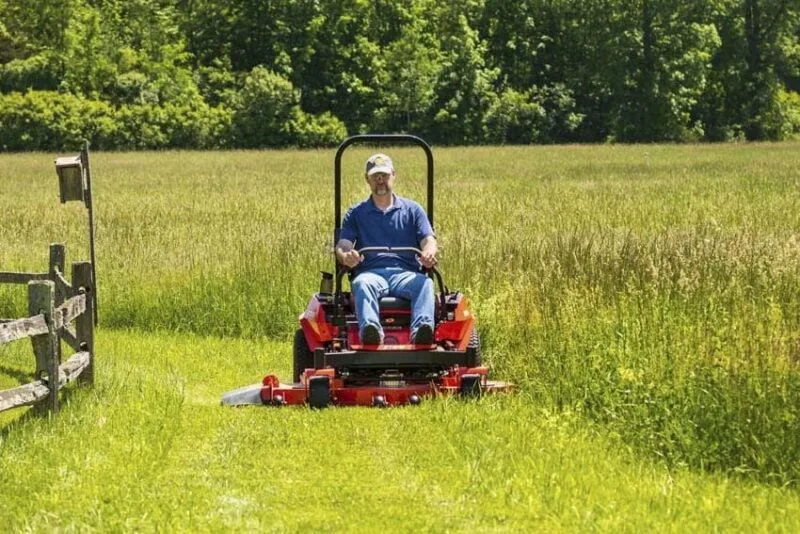
Can a lawn mower cut thick grass? Yes, most mowers can handle it to some degree. But the result depends on what kind of mower you're using, how thick the grass actually is, and how tall it's grown since your last cut.
Push mowers, self-propelled models, and riding mowers all approach thick grass very differently.
The one-third rule matters more than most people realize. Turfgrass specialists recommend never cutting more than one-third of the grass height in a single pass. If your grass is 12 inches tall, one pass will stress both your mower and your lawn.
The University of Minnesota Extension and other land-grant programs emphasize this guideline for every grass type, cool-season or warm-season.
Quick Answer
Can a lawn mower cut thick grass? Yes, it can. Standard push mowers handle grass up to about 3 to 4 inches comfortably.
Taller, denser grass needs a self-propelled or riding mower with more power. Always cut no more than one-third of the grass height at once. For overgrown lawns, make multiple passes starting from the highest deck setting.
What "Thick Grass" Actually Means and How Mowers Handle It
Thick grass has two dimensions people often confuse. Height is how tall the grass stands. Density is how many blades are packed into one area.
Your mower struggles most when both are high at the same time.
Several common factors cause thick, dense growth:
- Extreme heat and humidity: Warm-season grasses like Bermuda and Zoysia grow aggressively in peak summer
- A missed week during peak growth: Rain followed by warmth can double grass height in days
- Infrequent cutting: Mowing too rarely forces grass to grow taller and thicker each time
- Excess fertilizer: Too much nitrogen encourages rapid, thick leaf growth
- Overseeding mistakes: Dense turf chokes airflow and creates clumpy patches
Here's how a mower cuts through thick grass. The spinning blade slices each stem at high speed. When grass is tall and dense, the blade must cut through more material per pass.
This demands more engine power and generates more mechanical resistance under the deck.
Push mowers typically run engines rated between 1.5 and 4.5 horsepower. Riding mowers range from 15 to 27 horsepower. That gap explains why a push mower stalls on thick grass while a riding mower powers through easily.
More horsepower means the engine can maintain blade speed even when cutting dense material.
Blade type plays a big role too. Standard blades work fine on regular lawn conditions. High-lift blades create more suction under the deck, pulling clippings up and clearing thick growth faster.
Mulching blades chop clippings small but can choke when grass is very thick. Match your blade to your grass condition, not just habit.
The one-third rule is your safety net. Turfgrass specialists say never cut more than one-third of the grass height in a single pass. If your grass stands 9 inches tall, your first cut should go no lower than 6 inches.
Then wait a few days and make a second pass at the desired height.
The Decision Tree: Choosing Your Approach Based on Mower Type and Grass Thickness
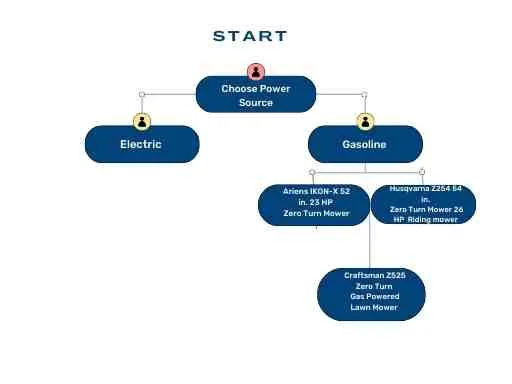
The right approach depends on two things: what kind of mower you have and how thick the grass actually is. Once you answer both questions, the path forward is clear.
Measure the grass first
Walk your lawn and measure the height at several points. Use a ruler or tape measure. Note the tallest patches, not just the average.
- Under 4 inches: Standard mowing applies. Cut at your normal height setting.
- 4 to 8 inches: Raise the deck to the highest setting. Move slower than usual.
- Over 8 inches: Most push mowers will struggle. Trim first with a string trimmer, then mow.
Match your mower to the task
Your mower type determines what you can realistically handle in one session.
| Mower Type | Comfortable Grass Height | What Happens If You Push It |
|---|---|---|
| Push mower | Up to 3 to 4 inches | Engine stalls, blade clogs |
| Self-propelled mower | Up to 5 to 6 inches | Slows down, risks scalping |
| Riding mower | Up to 10 inches | Deck clogging, uneven cut |
| Zero-turn mower | Up to 8 to 10 inches | Blade or deck damage risk |
Apply the decision
If you have a push mower and grass is under 4 inches: Mow normally at your usual height.
If you have a push mower and grass is 4 to 8 inches: Raise the deck to maximum. Make one slow pass. If the mower stalls, stop and use a string trimmer to cut the tall grass down first.
If you have a push mower and grass is over 8 inches: Don't attempt to mow it in one go. Trim the grass with a weed whacker or hire help. Only mow after the grass drops below 4 inches.
If you have a self-propelled mower and grass is 4 to 6 inches: Set the deck at maximum height. Move at a slower pace. Make a second pass at the desired height if needed.
If you have a riding mower and grass is under 10 inches: Set the deck at the highest position. Make one pass. Follow up with a second pass at the target height.
If you have a zero-turn mower and grass is over 8 inches: Be cautious. Zero-turn mowers are fast, which means the blade doesn't spend enough time on each cut. Slow down significantly or switch to a riding mower for this job.
Which Mower Type Cuts Thick Grass Best?
The best mower for thick grass depends on how big your lawn is and how thick the grass gets. Each type has clear strengths and clear limits.
Push mowers
Push mowers work on thick grass only when the grass is short and not too dense. Their engines produce 1.5 to 4.5 horsepower, which isn't enough for tall, thick growth. They're best for small yards under 1/4 acre with moderate grass thickness.
They lose power quickly when the going gets tough.
Self-propelled mowers
Self-propelled mowers add a drive system that pushes the mower forward for you. This helps on thick grass because you don't have to force it through. The engines are similar to push mowers, but the drive system lets you maintain a steady pace even in dense growth.
They're the best option for homeowners with medium lawns up to about half an acre.
Riding mowers
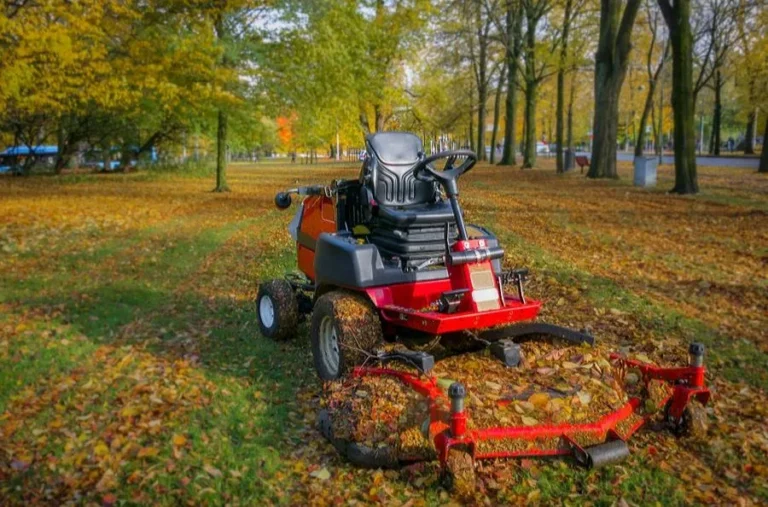
Riding mowers produce 15 to 27 horsepower and have wide decks between 36 and 60 inches. They handle thick grass well on large properties. The key advantage is raw power.
The engine doesn't struggle the way a push mower does. They're ideal for lawns over half an acre.
Zero-turn mowers
Zero-turn mowers offer the most speed and maneuverability. They can cut large properties quickly. But their speed works against them in very thick grass.
The blade doesn't spend enough time on each pass. They're best for large, flat lawns that get regular maintenance.
Gas vs. electric for thick grass
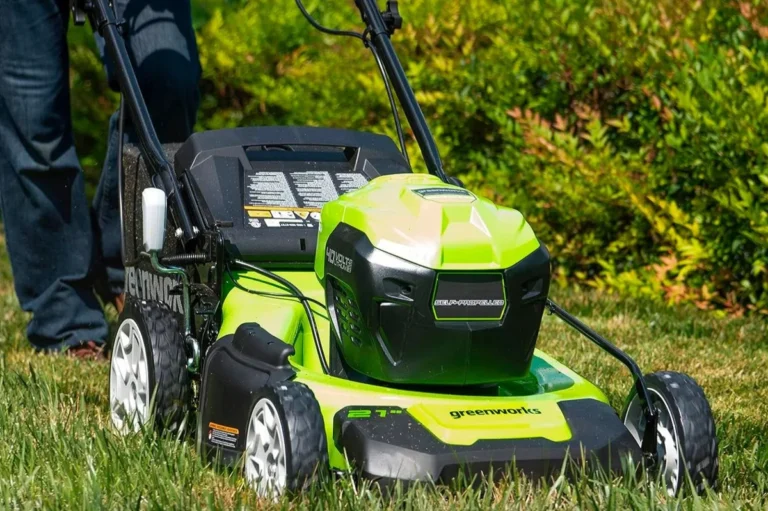
Gas mowers still dominate on thick, tall grass. The 1.5 to 4.5 horsepower range in push mowers outperforms most battery alternatives under heavy load. Battery mowers produce similar power on paper, but runtime drops sharply when the blade hits dense material.
As of 2026, the best battery mowers for thick grass are rated around 80V with brushless motors. They handle moderate overgrowth well. But for serious thick grass jobs, gas remains the more reliable option.
The torque advantage is real.
Side-by-side comparison
| Mower Type | Best For | Ideal Lawn Size | Main Limitation |
|---|---|---|---|
| Push | Short, moderate grass | Under 1/4 acre | Low horsepower, manual effort |
| Self-propelled | Medium thickness | Under 1/2 acre | Slower on large areas |
| Riding | Thick, tall grass | Over 1/2 acre | Higher cost and maintenance |
| Zero-turn | Large, maintained lawns | Over 1 acre | Speed reduces cut quality on thick grass |
Mistakes That Will Damage Your Mower or Your Lawn
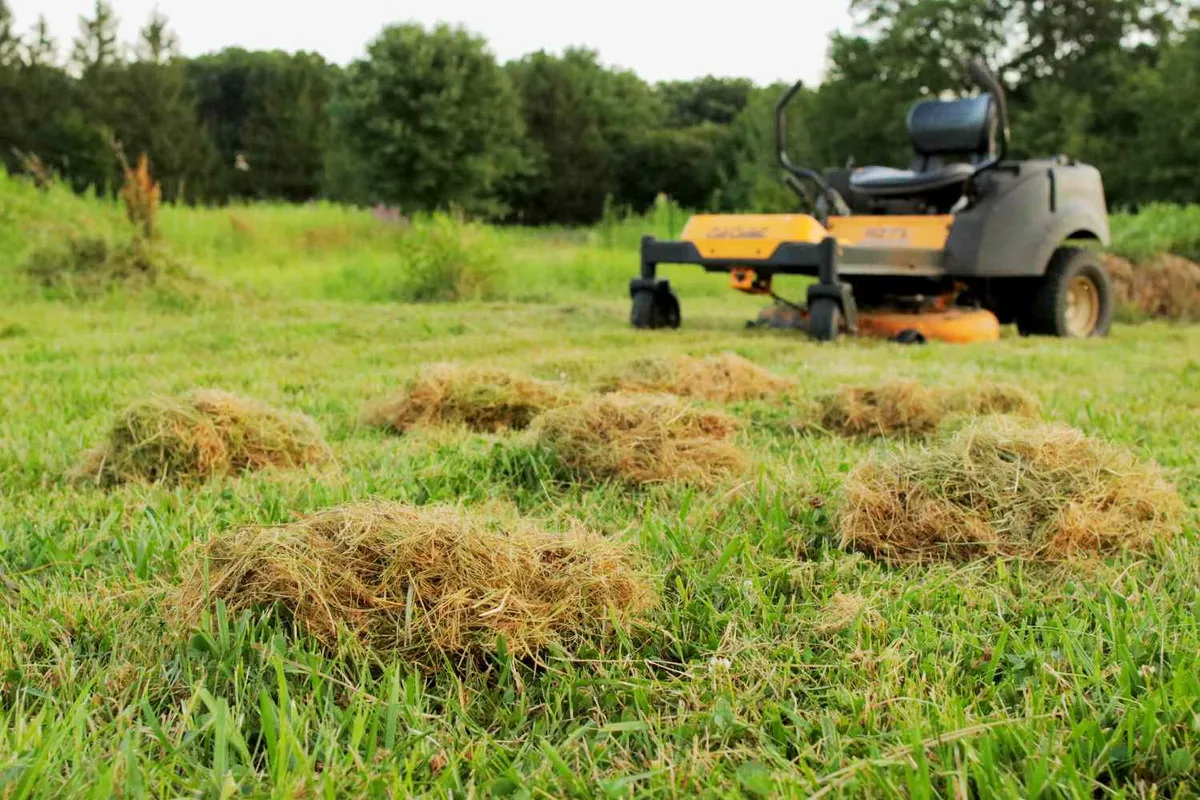
Cutting thick grass can feel satisfying, but several common mistakes create bigger problems than the overgrown lawn itself. Most of these errors happen because people rush through the job or ignore what their mower is telling them.
Forcing the mower through grass that's too tall
This is the number one mistake. When the engine stalls or the mower slows dramatically, the grass is too thick for that single pass. Pushing harder doesn't help.
It just stresses the motor, overheats the blade, and risks permanent damage.
Stop. Raise the deck. Make a second pass.
Or grab a string trimmer first.
Cutting wet thick grass
Wet grass is heavier and clumps together on the blade and under the deck. This clogs the discharge chute and forces the engine to work harder than it should. Wait 24 to 48 hours after rain before mowing thick grass.
Thatch buildup is another risk. Mulching mowers chop wet clippings into a paste that packs under the deck. This material blocks airflow and cuts cooling efficiency.
Ignoring the one-third rule
Cutting more than one-third of grass height at once shocks the plant. The grass turns brown in patches, slows recovery, and becomes vulnerable to disease. This rule exists for a reason.
Running a dull blade
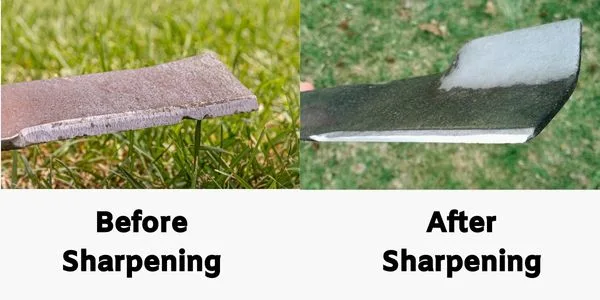
A sharp blade cuts cleanly. A dull blade tears and shreds grass. This looks ugly and stresses the plant.
Sharpen or replace your blade at the start of thick-grass season.
Skipping pre-mow inspection
Tall grass hides rocks, garden stakes, toys, and fallen branches. Hitting any of these at speed can crack a deck, bend a blade, or launch debris. Walk the lawn before you mow.
Pro Techniques for Cutting Thick Grass Safely
These approaches come from landscape professionals who deal with overgrown lawns regularly.
Trim before you mow. Use a string trimmer to cut the tallest patches down to a manageable height first. This takes 20 to 30 minutes on a typical yard and prevents your mower from struggling.
Start at the highest deck setting. Every mower has a maximum cutting height. Set it there for the first pass. This gives the blade the best chance to cut through tall grass without stalling.
Mow in two passes. First pass at maximum height. Wait two to four days. Second pass at your target height.
This respects the one-third rule and gives a clean result.
Move slowly on the first pass. Thicker grass needs more blade time. Rushing means the blade doesn't finish each cut. Your mower will thank you for patience.
Clear the deck between passes. If you're mowing a large overgrown area, shut the mower off and scrape clumps of grass from under the deck every 15 to 20 minutes.
Keep your blade sharp. Sharpen at least once per season, or every 20 to 25 hours of mowing time. A sharp blade slices cleanly through dense growth.
Wear proper protection. Eye protection, closed-toe shoes, and hearing protection for gas mowers. Thick grass hides debris and increases the chance of kickback or kick-up.
Frequently Asked Questions
Can a push mower handle thick, tall grass?
A push mower can handle grass up to about 3 to 4 inches comfortably. Beyond that, the engine lacks the horsepower to cut efficiently. Tall, dense grass will cause stalling, blade clogging, and overheating.
For grass over 4 inches, use a string trimmer first or switch to a self-propelled or riding mower.
Will cutting thick grass damage my mower?
It can. Forcing a mower through grass that's too tall for its deck and engine increases the risk of overheating, clogged blades, and premature engine wear. The safest approach is to make multiple passes at the highest deck setting rather than trying to cut everything in one go.
What is the best mower type for thick grass?
Riding mowers offer the best performance on thick grass due to their 15 to 27 horsepower engines and wide decks. Self-propelled mowers work well for medium-sized lawns. For truly overgrown areas, a string trimmer followed by a second mowing pass produces the best results.
Should I cut thick grass shorter in winter?
Cool-season grasses like Kentucky Bluegrass and Fescue grow actively in fall and early spring. Cutting them shorter (around 2.5 to 3 inches) before winter helps prevent snow mold and promotes healthier spring growth. Warm-season grasses should not be cut very short before dormancy.
How often should I mow to prevent thick grass?
Mow every 5 to 7 days during peak growing season (spring and fall for cool-season grasses, summer for warm-season grasses). Cutting only one-third of the height each time keeps grass at an optimal length and prevents the need for drastic cutting sessions.
Can I use a lawn mower on very thick, overgrown grass in one session?
No. The one-third rule means you should never cut more than 1/3 of the grass height at once. For grass over 8 inches tall, a string trimmer is the better first step.
Mow only after the grass drops to a manageable height.
Which Lawn Mower Should You Use for Thick Grass?
The right choice depends on your lawn size and how thick the grass actually is.
- Small yard under 1/4 acre, grass under 4 inches: A push mower works fine.
- Medium yard, grass 4 to 6 inches thick: A self-propelled mower with a high-lift blade handles the job.
- Large property over half an acre with thick grass: A riding mower is the most efficient option.
- Very thick, overgrown grass over 8 inches: Start with a string trimmer. Follow up with a mower at the highest deck setting.
Regardless of mower type, the approach matters more than the equipment. Trim first if needed. Set the deck at maximum height.
Make a slow first pass. Follow with a second cut at your target height.
Thick grass is a solvable problem. With the right mower and the right technique, even a badly overgrown lawn can look clean again. Just respect the grass, respect your mower, and give it time.