How Do You Change Lawn Mower Oil?
How do you change lawn mower oil? Start by running the engine for a couple of minutes to warm the oil, then disconnect the spark plug wire before you begin. Drain the old oil through the drain plug, refill with fresh oil to the proper level, and you're done.
Most homeowners handle this entire job in under 30 minutes with a few basic tools.
Most push mowers take about 15 to 30 oz of oil, while riding mowers typically hold 48 to 96 oz. Briggs & Stratton, Honda, and Kohler all publish specific oil requirements in their owner's manuals. Per manufacturer specifications, most small engines need an oil change every 40 to 50 hours of use, or once per season for typical homeowners.
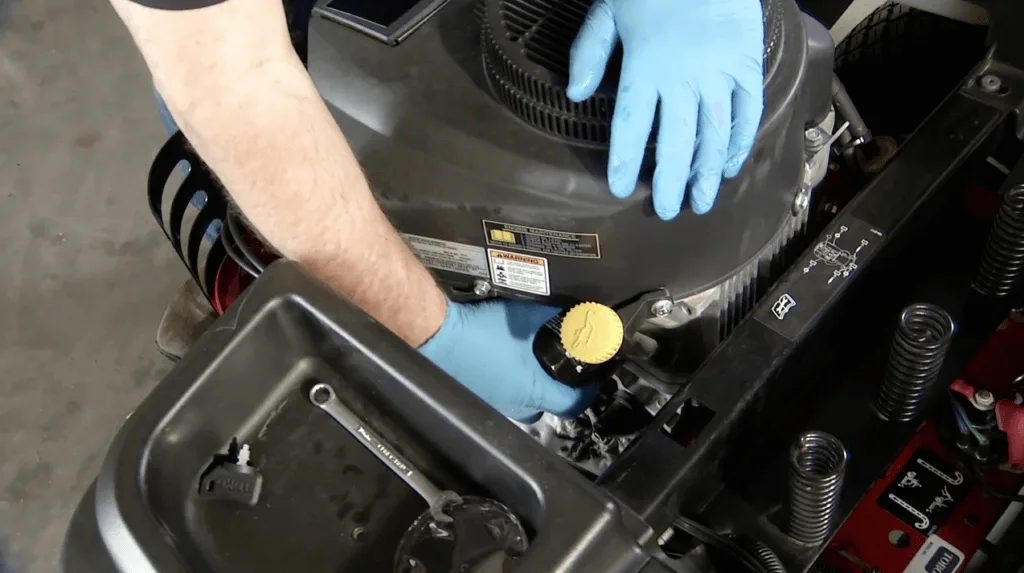
Image source: Web (Bing) / hitchesguide.com (Web image (fair-use with source credit))
Quick Answer: How to Change Lawn Mower Oil in a Nutshell
To change lawn mower oil, warm the engine for 2 to 3 minutes. Then shut it off and disconnect the spark plug wire. Remove the drain plug and let the old oil flow into a drip pan.
Refill with fresh oil to the level shown on the dipstick. Reconnect the spark plug wire and you're set.
Why Skipping Your Oil Change Will Cost You (Literally)
Old oil loses its ability to lubricate. It breaks down over time, thickens, and picks up metal shavings and dirt. When that happens, your engine runs hotter and wears out faster.
Most small engine rebuilds cost $200 to $500 depending on the engine type. Compare that to the $8 to $20 you'll spend on oil at home. Professional shop oil changes run $30 to $75 each, so skipping the work doesn't save you money in the end.
There's a hidden cost most people miss. Many mower manufacturers require documented oil changes to keep the warranty valid. If your engine fails without proof of maintenance, the claim gets denied.
As of 2026, brands like Briggs & Stratton and Honda still track this through dealer records.
The good news is that the fix is simple. A 20-minute oil change prevents years of engine wear. Regular maintenance keeps your mower running smooth and lasts longer.
Which Type of Lawn Mower Do You Have? (The Decision Tree Starts Here)
The oil change process splits into three main paths depending on your mower. If you own a push mower, the procedure involves tilting the machine to drain. If you have a riding mower or zero-turn, you'll work with a drain plug or valve on flat ground.
Here's how to identify yours:
- Push mower: A walk-behind machine with a 20 to 220 cc engine. Oil capacity is 15 to 30 oz. Common brands include Briggs & Stratton and Honda.
- Riding mower: A seat-on machine with a larger V-twin engine. Oil capacity ranges from 48 to 96 oz. Often Kohler or Kawasaki engines under the hood.
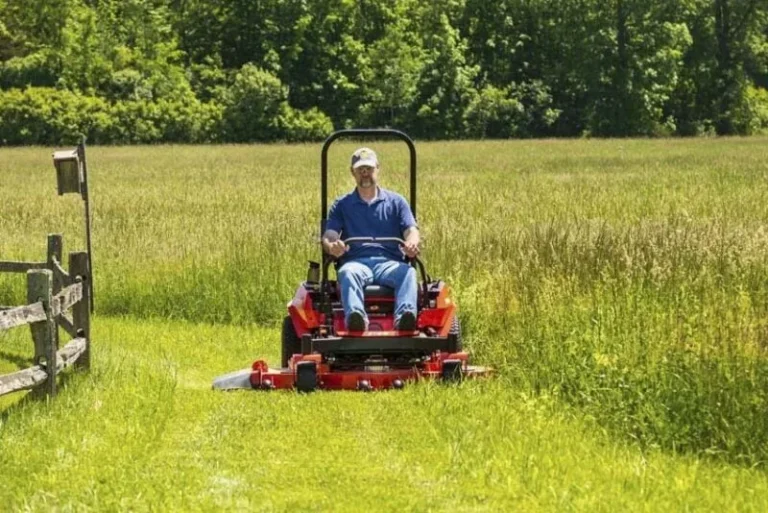
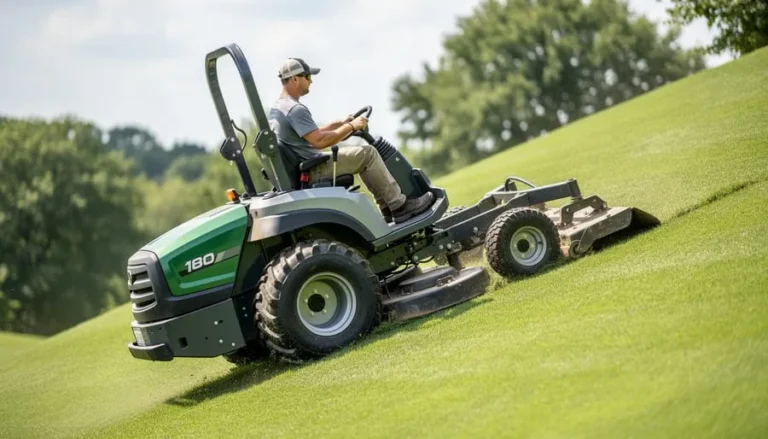
- Zero-turn mower: Similar engine and oil specs to a riding mower. Uses zero-radius steering and often a larger deck.
If you're not sure, check the engine label on the side of the mower. The owner's manual lists the exact oil type and capacity for your specific model. If you've lost the manual, most manufacturers post digital versions on their websites.

Image source: Web (Bing) / animalia-life.club (Web image (fair-use with source credit))
Step-by-Step Oil Change for Push Mowers, Riding Mowers, and Zero-Turns
The process starts the same way for every mower type. Run the engine for 2 to 3 minutes to warm the oil. Shut it off and let it cool for a minute or two before you start working.
Here are the core steps:
- Run the engine briefly to warm the oil.
- Disconnect the spark plug wire to prevent accidental ignition.
- Remove the oil dipstick or filler cap.
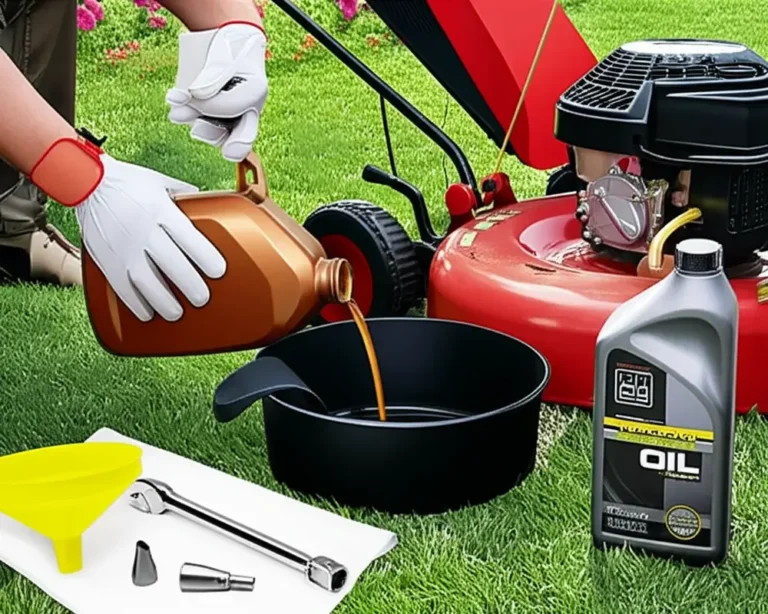
- Place a drip pan under the drain area.
- For push mowers: tilt the machine so the air filter stays on top.
- For riding mowers: locate the drain plug under the engine on flat ground.
- Remove the drain plug or attach a drain hose.
- Let the oil drain completely. Give it 5 to 10 minutes.
- Reinstall the drain plug securely.
- Refill with fresh oil. Check the dipstick as you go.
- Reconnect the spark plug wire.
- Run the engine briefly and recheck the oil level.
One key detail with push mowers: tilt the machine the right way. Keep the air filter side up so oil doesn't flood into it. If oil does get into the filter, replace it before starting the engine again.
The U.S. Environmental Protection Agency recommends recycling used oil at a certified collection site. Many auto parts stores accept used oil free of charge.
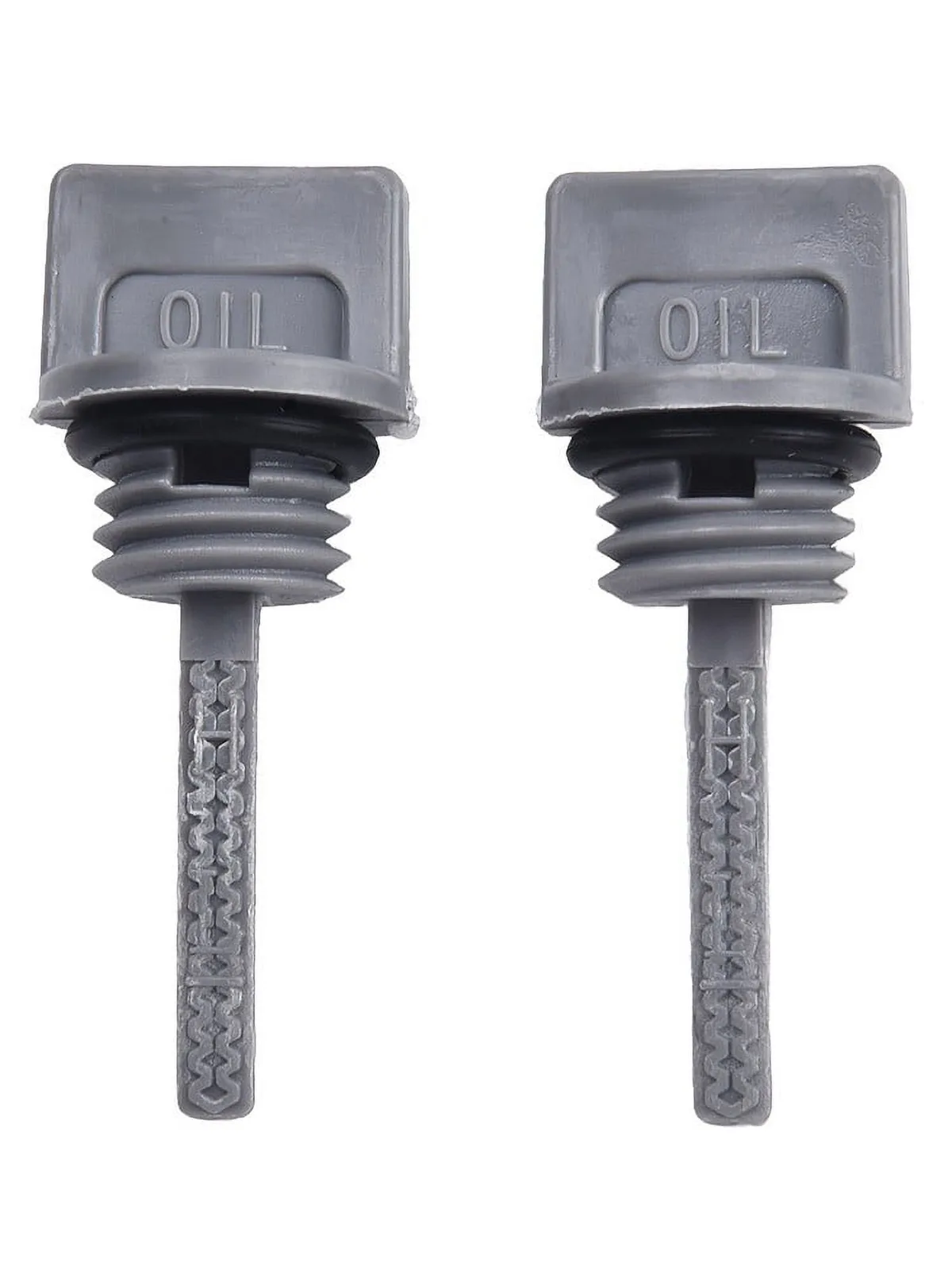
Image source: Web (Bing) / walmart.com (Web image (fair-use with source credit))
What Oil Does Your Mower Actually Need? Viscosity, Capacity, and Specs
The oil you use matters as much as the change itself. Small engine oil is formulated differently from car engine oil. It has less detergent and different additives designed for air-cooled engines.
If you have a push mower, SAE 10W-30 is the standard choice in most climates. In hot weather, straight SAE 30 works well too. For cold starts, 5W-30 offers better flow at low temperatures.
Here's a quick reference for common mower types:
| Mower Type | Typical Engine | Oil Viscosity | Oil Capacity |
|---|---|---|---|
| Push mower | 20-220 cc OHV | SAE 10W-30 or SAE 30 | 15-30 oz |
| Riding mower | 20-24 HP V-twin | SAE 10W-30 or 5W-30 | 48-96 oz |
| Zero-turn | 22-35 HP V-twin | SAE 10W-30 or 5W-30 | 48-96 oz |
One mistake to avoid: using car motor oil. Oils designed for cars contain additives that can damage small engine components. Stick with oils labeled for small engines or check Briggs & Stratton's official site for their engine-specific oil specs.
Most modern push mowers use overhead valve (OHV) engines. These run cooler and burn less oil than older flathead designs.
Oil Change Mistakes That Damage Engines (And How to Avoid Them)
Using car motor oil is the biggest mistake people make. It contains detergent additives that are too aggressive for small air-cooled engines. Stick with oils formulated for small engines, or use what the owner's manual specifies.
Forgetting to disconnect the spark plug wire before working is another common error. It takes five seconds to unclip and prevents the engine from starting unexpectedly while your hands are near the drain plug.
Here are the most frequent mistakes and how to avoid them:
- Tipping a push mower the wrong way. Oil can flood the air filter and carburetor. Always keep the air filter side facing up.
- Not warming the engine first. Cold oil drains slower and leaves sludge behind. Run it for 2 to 3 minutes.
- Overfilling the oil. This causes foaming and reduces lubrication effectiveness. Fill to the dipstick mark, not past it.
- Cross-threading the drain plug. Hand-start the plug first. If it doesn't turn easily by hand, back it out and restart.
- Mixing oil types. Combining conventional and synthetic oils is usually fine. But mixing car oil with small engine oil can damage internal seals.
- Ignoring oil specifications. Per Briggs & Stratton's technical documentation, using the wrong oil grade voids engine warranty coverage.
How Often Should You Change Lawn Mower Oil? Schedule, Costs, and Pro Tips
Most manufacturers recommend an oil change every 40 to 50 hours of engine use. For the average homeowner running a push mower for a few hours a week, that means once per mowing season.
There's a special case with brand new mowers. Most engine makers call for an initial break-in oil change at 5 to 8 hours. This removes the assembly lubricants and metal particles from the first few hours of operation.
Skipping this step shortens engine life.
Here's a practical schedule that works for most situations:
| Scenario | Oil Change Frequency |
|---|---|
| Typical homeowner, 2-3 hours/week | Once per season |
| Heavy residential use, 5+ hours/week | Twice per season |
| Commercial lawn care use | Every 20-30 hours |
| New mower, first year | Break-in at 5-8 hours, then seasonally |
| Mower stored for winter | Change oil before storage |
Cost-wise, a DIY oil change runs $8 to $20 in supplies. That's a bottle of small engine oil and a new drain plug washer if needed. Professional shop service runs $30 to $75 depending on the mower type.
One practical tip our research keeps highlighting: change your oil at the start of each season, not the end. Fresh oil sitting in an engine over winter can pick up moisture. By the time you start mowing in spring, that oil has degraded.
Changing it first thing in the season ensures your engine runs clean from the first pull.
Also, don't wait until the end of the mowing season if you've noticed the oil looking dark or gritty. Check the dipstick monthly during peak use. If the oil looks milky, that's moisture contamination.
If it smells burnt, the engine is running hot. Both signs mean an oil change won't be enough and you should look into what's causing the problem.
Safety Tips When Changing Lawn Mower Oil
Working around engines and hot oil carries real risks. A few precautions keep you safe and prevent messy, expensive problems.
- Disconnect the spark plug wire. This is the single most important safety step. It prevents the engine from firing if the pull cord gets bumped.
- Let the engine cool slightly. Oil isn't hot enough to burn skin on contact, but draining it right after shutdown can splash. A one-minute wait is enough.
- Wear gloves. Nitrile gloves work well. Used oil contains contaminants that absorb through skin over time.
- Secure the mower. Make sure it can't roll while you're draining. Parking on level ground and chocking the wheels helps.
- Keep flames away. Oil is flammable, especially when warm. Store used oil away from pilot lights, grills, and open flames.
- Dispose of used oil responsibly. The EPA used oil recycling program lists certified collection points across the country. Never dump oil on the ground or down storm drains.
- Check for accidental ignition risk. If the mower has a fuel shutoff valve, use it. If not, the disconnected spark plug wire handles it.
A well-lit workspace matters too. Most oil drain plugs sit in hard-to-see areas. Use a work light or headlamp to spot cracks, leaks, or stripped threads before you start the job.
Frequently Asked Questions About Lawn Mower Oil Changes
What happens if you don't change lawn mower oil?
Old oil loses its lubricating ability over time. It thickens, picks up contaminants, and can't protect internal engine parts. This leads to overheating, increased wear, and eventually engine failure.
A rebuild costs $200 to $500, while an oil change costs under $20.
Can you use car oil in a lawn mower?
You shouldn't. Car motor oil contains high levels of detergent and friction modifiers designed for liquid-cooled engines. Small engines are air-cooled and need oil formulated differently.
Per manufacturer specifications, using the wrong oil type can damage seals and internal components.
What oil do I need for my lawn mower?
Most push mowers use SAE 10W-30 in temperate climates and SAE 30 in hot weather. Cold-climate owners do well with 5W-30. Riding and zero-turn mowers typically accept the same grades.
Always check your owner's manual or the engine label for the exact specification.
How long does it take to change lawn mower oil?
For a push mower, most people finish in 15 to 25 minutes. Riding mower oil changes take 30 to 45 minutes, especially if the drain plug is hard to reach. Factor in additional time if you need to remove a deck panel or work under the machine.
How much oil does a lawn mower need?
Push mowers typically hold 15 to 30 oz of oil depending on engine size. Riding mowers with V-twin engines usually need 48 to 96 oz. Check the oil dipstick to confirm the level.
Overfilling is just as damaging as underfilling.
Should I change the oil filter on my lawn mower?
Push mowers usually don't have oil filters. Riding mowers and zero-turns often do. If your mower has one, replace it at every oil change.
Running new oil through a dirty filter defeats the purpose of the change.