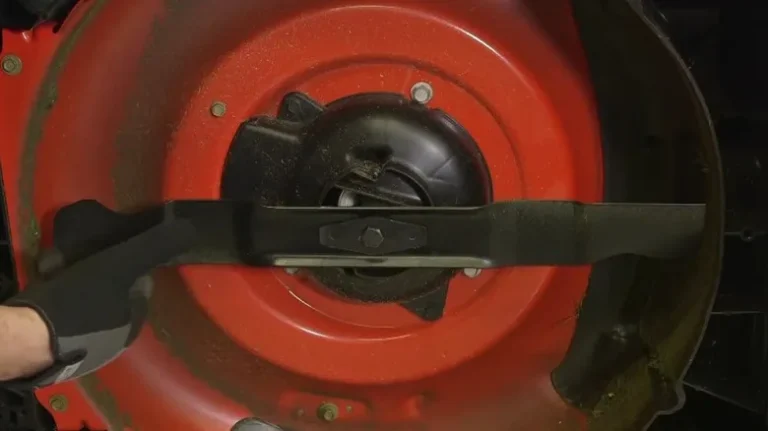
Can You Use a Lawn Mower on Uneven Ground?
Can you use a lawn mower on uneven ground? Yes, but the answer shifts depending on your mower type and how steep your slope is. Riding mowers rated for flat ground can become dangerous on inclines that exceed their engineering limits.
The key is knowing exactly where those limits fall before you start mowing.
Manufacturer specifications show most riding mowers rated for slopes between 10 and 15 degrees. Zero-turn models often cap out at 10 degrees or less. Lawn mower tip-overs remain a leading cause of serious injuries, and uneven terrain is a major contributing factor.
This guide covers when mowing uneven ground is safe, which mower handles your terrain, and the steps that keep you in control.
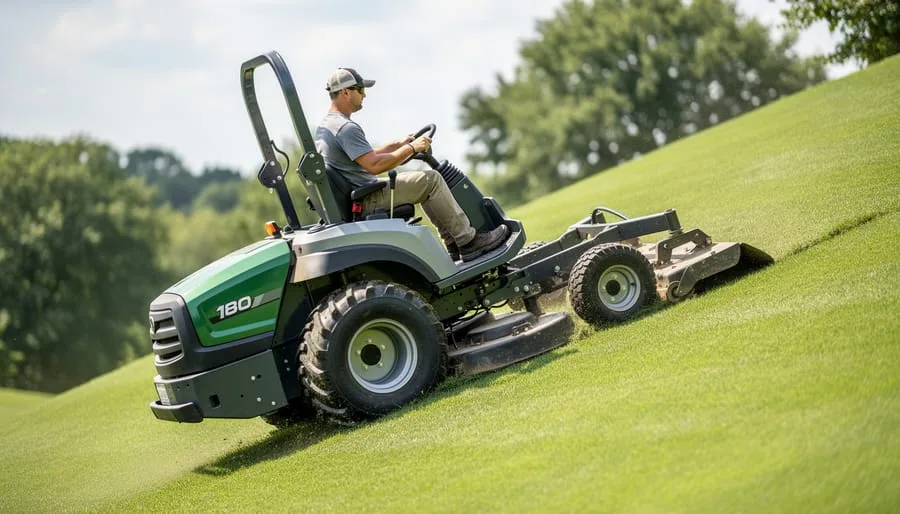
Image source: Bing (Web (fair-use with source credit))
Quick Answer: Yes, But Your Mower Type and Slope Angle Change Everything
Yes, you can use a lawn mower on uneven ground. The slope must stay within your mower's rated maximum. Most riding mowers handle slopes of 10 to 15 degrees.
Zero-turn mowers are rated less, usually 10 degrees or below. Always check your owner's manual for the exact limit.
Why Mowing Uneven Ground Is Riskier Than You Think
Rollover is the biggest danger when mowing uneven terrain. The Consumer Product Safety Commission (CPSC) reports that lawn mowers cause hundreds of serious injuries every year in the United States. Most of those incidents happen on slopes or bumpy ground.
Here's what makes uneven ground so dangerous. Traction disappears when tires lose contact with the surface. A mower that feels stable on flat ground can slide sideways on a 12-degree slope without much warning.
Hydrostatic transmissions help with control, but they can't overcome physics when the slope exceeds the mower's design limits.
Bumpy or rutted terrain adds another layer of risk. A rut can catch a tire, shift the mower's balance, and push the center of gravity past the point of no return. When slopes combine with rough texture, you're dealing with compounding risk factors.
The CPSC recommends that riders stay within the manufacturer's rated slope limit for each specific model. That rating isn't a suggestion. It's the limit where the mower's engineering still keeps the center of gravity over the wheelbase.
As of 2026, manufacturer slope ratings have stayed consistent across major brands. John Deere, Husqvarna, and Cub Cadet all cap riding mower recommendations at 10 to 15 degrees depending on the model. The numbers haven't changed because the physics hasn't changed.
How to Decide: Matching Your Mower Type to Your Terrain Conditions
What Slope Angle Is Safe for Each Mower Type?
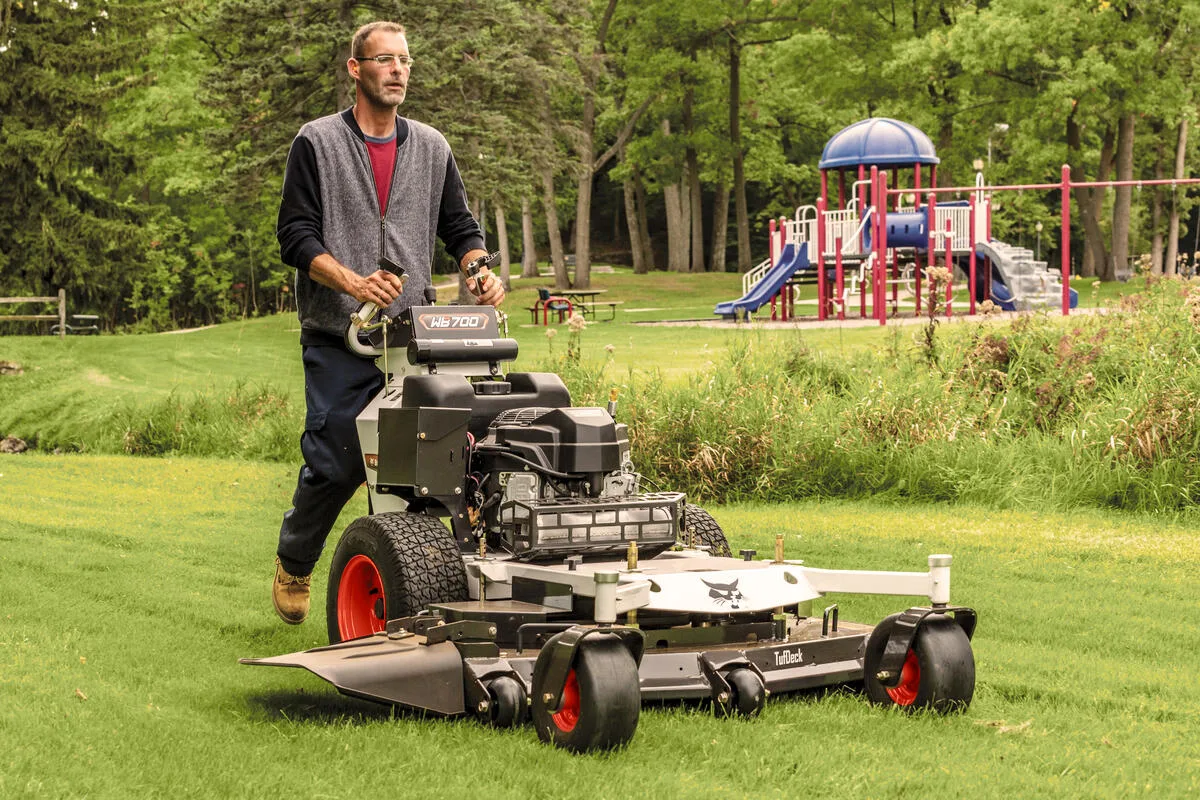
Image source: Bing (Web (fair-use with source credit))
This is the core question, and the answer depends entirely on what you own or plan to use. Here's how the major mower types stack up against slope angles:
| Mower Type | Recommended Max Slope | Best For |
|---|---|---|
| Tractor-style riding mower | 10 to 15 degrees | Rolling hills, mild slopes |
| Zero-turn mower | 10 degrees or less | Mostly flat with gentle bumps |
| Self-propelled walk-behind | 6 to 8 degrees | Moderate slopes up to small hills |
| Push mower (manual) | 5 to 6 degrees | Gentle, short inclines only |
| Robotic mower | Up to 20+ degrees | Gradual slopes with good traction |
If your slope exceeds these numbers, you need a different mower or a different approach. The manufacturer's rated maximum is the hard line.
Self-Propelled, Riding, Zero-Turn, or Robotic: Which Handles Your Terrain?
If your yard is mostly flat with a gentle roll, a riding mower works fine. If you've got 10-degree slopes with bumpy patches, a tractor-style riding mower with good tire traction is your safest bet.
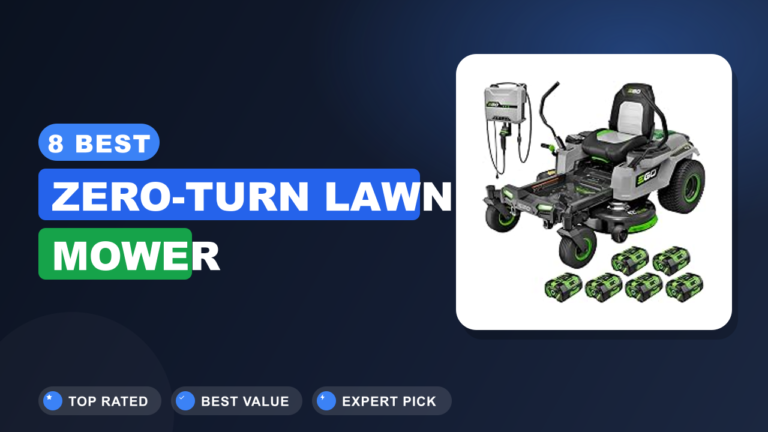
Zero-turn mowers excel on flat ground but struggle on inclines. Their independent wheel drive means one wheel can lose grip while the other keeps spinning. That's a recipe for sideways slides on slopes.
For slopes up to about 8 degrees, self-propelled walk-behind mowers offer the best safety margin. You stay on your feet. The drive wheels help you going up.
And there's no rollover risk at all.
Robotic mowers have advanced significantly. Some models handle slopes up to 20 degrees. They're a solid option if you want hands-off mowing on moderate terrain.
Ground Condition Factors
Slope angle isn't the only variable. Wet soil dramatically reduces traction, even on mild slopes. A 6-degree slope on wet grass can feel like 12 degrees on dry ground.
Bumpy, rutted, or root-covered terrain affects wheel contact too. Manufacturer slope ratings assume smooth, dry ground. If your lawn is rough, reduce the safe angle by 3 to 5 degrees.
How to Mow Uneven Ground Safely: Step-by-Step
If your terrain is within safe limits and you're using the right mower, follow this sequence every time.
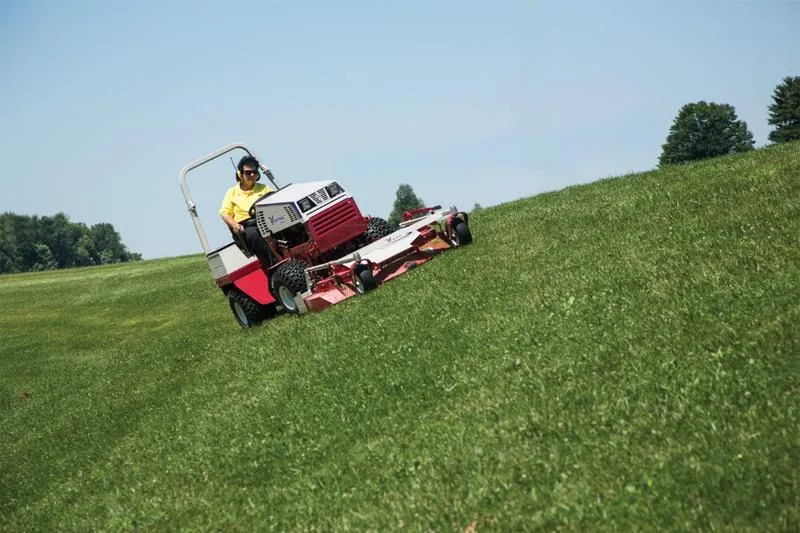
Image source: Bing (Web (fair-use with source credit))
Step 1: Assess the Slope Angle Before You Start
Don't guess. Use a smartphone inclinometer app or a simple angle-measuring tool. Place the phone flat on the ground on the slope face and read the angle in degrees.
If the reading exceeds your mower's rated maximum, you need a different mower or a different approach. No technique compensates for exceeding the engineering limit.
Step 2: Do a Pre-Mow Terrain Inspection
Walk the lawn before you mow. Look for these hazards:
- Wet spots or soft soil
- Holes, ruts, or exposed roots
- Hidden irrigation lines or septic tank covers
- Debris that could catch the mower blade
- Uneven patches where the ground drops off suddenly
Mark anything concerning with a stake or flag so you see it while mowing.
Step 3: Select the Right Mowing Direction
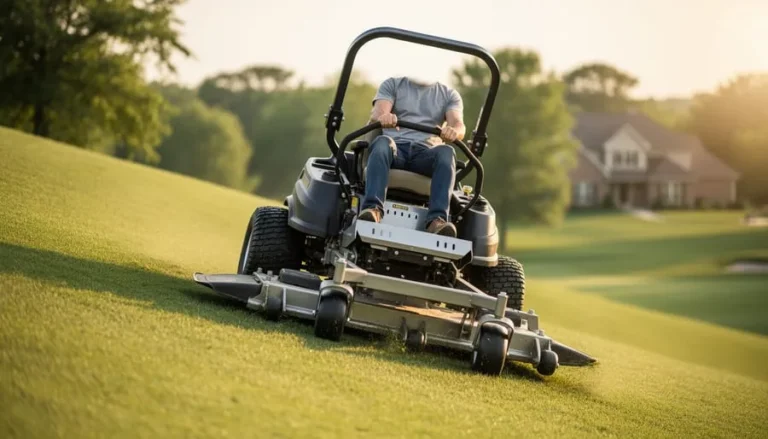
Never mow straight up or straight down a slope. This is the single most important rule for slope mowing. No exceptions.
Mow across the slope, going side to side. This keeps the mower's center of gravity over the wheelbase. Going up and down shifts that center of gravity, and that's when rollovers happen.
For self-propelled mowers, start at the bottom of the slope and work your way up. If the mower loses traction, it rolls downhill instead of backward onto you.
Step 4: Adjust Deck Height and Speed
Raise the mower deck to its highest setting for rough ground. A higher deck means more clearance over bumps, roots, and uneven patches. This also reduces the chance of scalping high spots.
Cut your speed in half on slopes. Slower speed means better control and more time to react if the mower starts to slide.
Step 5: Post-Mow Mower Check
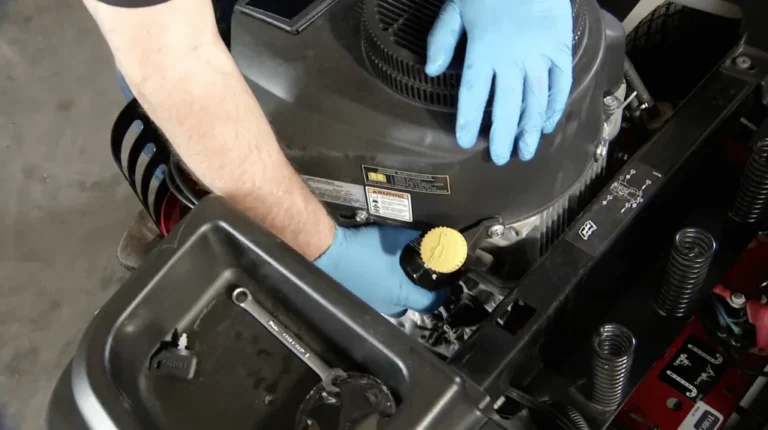
After mowing uneven terrain, check the mower for stress signs. Look at the tire pressure. Inspect the deck for damage.
Check for any fluid leaks. Terrain mowing puts more wear on bearings, belts, and drive components.
Common Mistakes That Put You at Risk on Sloped or Uneven Lawns
Most mower injuries on uneven ground trace back to a small handful of preventable mistakes. Here's what to watch for.
Mowing up and down the slope instead of across it. This is the number one mistake and the leading cause of mower tip-overs on hills.
Using a zero-turn mower on a slope it's not rated for. Zero-turn mowers handle well on flat ground but lose stability quickly on inclines. Stick to the manufacturer's slope rating.
Ignoring wet ground conditions. A slope that's safe on a dry day can become dangerous after rain. Wet grass reduces traction. You won't always feel the slide until it's too late.
Riding too close to the edge of ditches or embankments. If your yard has drainage swales or terraced sections, give those edges a wide berth. Ground near an edge can be softer and more unstable than it looks.
Skipping the pre-mow inspection. Hidden hazards like roots, holes, or irrigation heads can catch a tire or throw the mower off balance. Walk the lawn first.
Not adjusting speed. Riding at normal flat-ground speed on a slope is a serious risk. Slow down. It doesn't cost you much time, and it could save you a hospital visit.
The Occupational Safety and Health Administration (OSHA) sets similar guidelines for commercial lawn care operations. Their slope operation standards recommend staying within rated limits and using appropriate equipment for the terrain. These practices apply just as much to homeowners as they do to professionals.
Frequently Asked Questions
Can I mow my lawn if it has a 15-degree slope?
Most riding mowers are rated for slopes up to 10 to 15 degrees, so it depends on your mower's manufacturer rating. If your slope is 15 degrees, a tractor-style riding mower with good traction may handle it safely. Zero-turn mowers should not be used at this angle.
Check your owner's manual for the specific rating.
Is it safe to mow a hill with a zero-turn mower?
Zero-turn mowers are generally rated for slopes of 10 degrees or less. They perform poorly on steeper inclines because their independent wheel drive can lose traction on one side. If your slope exceeds 10 degrees, choose a tractor-style riding mower or a self-propelled walk-behind instead.
What is the safest way to mow a slope?
Mow across the slope, going side to side. Never go straight up or straight down. For self-propelled mowers, start at the bottom and work up.
Cut your speed in half, and keep the mower deck at its highest setting for uneven terrain.
Can robotic mowers handle uneven ground?
Some robotic mowers are designed for slopes up to 20 degrees or more, depending on the model. They work best on gradual slopes with good traction. For very rough or steep terrain, a manual approach is still safer.
Always check the manufacturer's slope rating before purchasing.
Do I need special equipment for mowing steep hills?
If your slope exceeds 10 to 15 degrees, a standard riding mower isn't safe. You may need a self-propelled walk-behind mower, a robotic mower rated for steep terrain, or a specialized hillside mower. Tractors with four-wheel drive and differential locks also offer more control on challenging ground.
What should I do if my mower gets stuck on uneven ground?
Turn the mower off completely before trying to free it. Don't attempt to reverse downhill or climb out of a rut at full throttle. For riding mowers, disengage the blade, shift to neutral, and try to level the mower before restarting.
If you can't get it free safely, call a professional.