Why Is My Lawn Mower Overheating?
Why is my lawn mower overheating? That question comes up every summer when your mower starts acting up mid-mow. You notice it losing power, smelling like burnt oil, or even stalling out.
The good news is that in almost every case, it traces back to a small set of fixable causes.
Manufacturer specifications confirm that air-cooled small engines run at cylinder head temperatures between 250 and 450°F during normal operation. When that range gets exceeded, something is blocking the cooling process. Let's dig into what happens before your mower overheats.
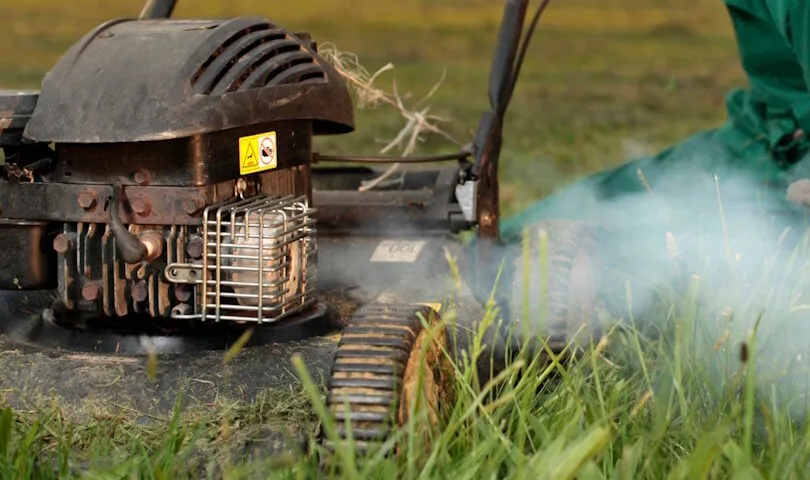
Image source: Bing (Web (fair-use with source credit))
Quick Answer: The 7 Real Reasons Your Lawn Mower Is Overheating
Why is my mower overheating? It's usually one of seven causes. The most common are clogged cooling fins, dirty filters, low oil, and deck overload.
Most homeowners fix this in under an hour. Start with the air filter first.
Start Here: What Happens Before Your Lawn Mower Overheats?
Overheating doesn't come out of nowhere. Your mower gives you warning signs first, and those signs follow a predictable pattern. Most homeowners miss them, which is why small issues turn into big repairs.
Here's what typically happens before an engine overheats completely:
- The mower runs fine in cool weather but struggles as the day heats up
- You notice a power drop after 15 to 20 minutes of mowing
- A strong burning oil smell lingers after you shut the engine off
- Visible smoke or haze comes from under the mower deck
- The engine stalls repeatedly when trying to restart after overheating
- The muffler or engine casing feels unusually hot to the touch
As of 2026, mower engines are built tighter than ever, and modern air-cooled designs leave less margin for error. Manufacturers like Briggs & Stratton depend on airflow across cooling fins to regulate temperature. When debris blocks that airflow, the engine has no backup system.
Riding mowers have it worst because their engines sit closer to the deck, and hot clippings build up right around the engine bay. Push mowers have more airflow, but they're often older and less maintained.
That's why catching these warning signs early matters. A blocked cooling fin costs nothing to fix today. A cooked engine block runs $800 to $2,500 to replace.
Let's walk through a diagnostic workflow that tells you exactly where to start.
Step-by-Step Diagnostic Workflow: How to Find the Real Cause
Here's the diagnostic path most small engine mechanics follow when a mower starts overheating. The order matters because the most common causes come first.
Step 1: Check the Air Filter
Pull it out and hold it up to light. If light doesn't pass through, it's clogged. Replace it immediately.
This single step fixes overheating in a large percentage of cases.
Step 2: Inspect the Cooling Fins
Clean air-cooled engines need airflow across their metal fins to regulate temperature. Look for grass clippings, dirt, or oil gunk packed between them. A stiff brush or compressed air clears it right out.
Step 3: Check the Oil
Pull the dipstick. Is the oil dark, gritty, or below the fill line? Old oil thickens and can't lubricate properly.
Fresh oil at the correct viscosity makes a big difference.
Step 4: Look at the Exhaust
Check the muffler and exhaust port for carbon buildup. A blocked muffler increases back pressure and traps heat inside the engine.
Per University of Minnesota Extension guidance, regular filter and oil maintenance prevents the majority of small engine overheating issues. Think of this workflow as your annual tune-up checklist.
| Symptom | Likely Cause |
|---|---|
| Power drops after 15 to 20 min | Clogged air filter |
| Burning oil smell | Low or old oil |
| Smoke from the deck | Overloaded deck |
| Engine stall on restart | Overheated or scored piston |
| Hot muffler casing | Blocked cooling fins |
If none of these checks reveal the issue, the problem may sit deeper in the engine. That's when fuel system issues or PTO clutch problems on riding mowers become the next suspects.
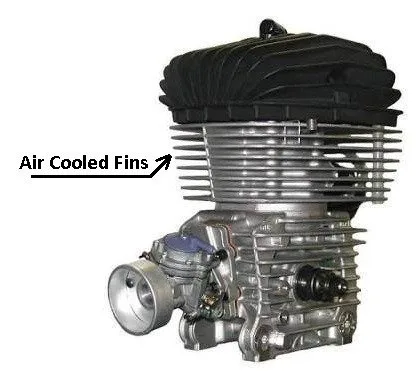
Image source: Bing (Web (fair-use with source credit))
The Most Common Causes of Lawn Mower Overheating, Explained
Let's go through each cause in detail so you know exactly what to look for. Most of these are simple mechanical issues, not deep engine problems.
Clogged Cooling Fins
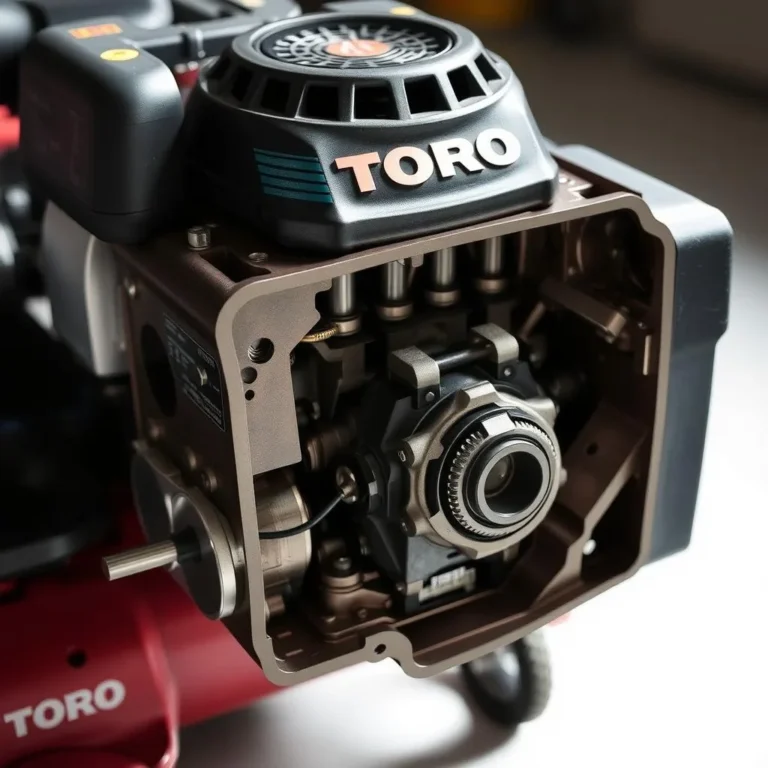
Air-cooled engines like the Briggs & Stratton Intek series rely on metal fins to dissipate heat. When grass, dirt, and debris pack into those fins, heat has nowhere to go. This is the number one cause of mower overheating in warm climates.
Dirty or Clogged Air Filter
A blocked air filter restricts airflow into the combustion chamber. The engine compensates by running rich, which raises internal temperatures. Most manufacturers recommend cleaning foam filters every 25 hours and replacing paper filters every 100 to 200 hours.
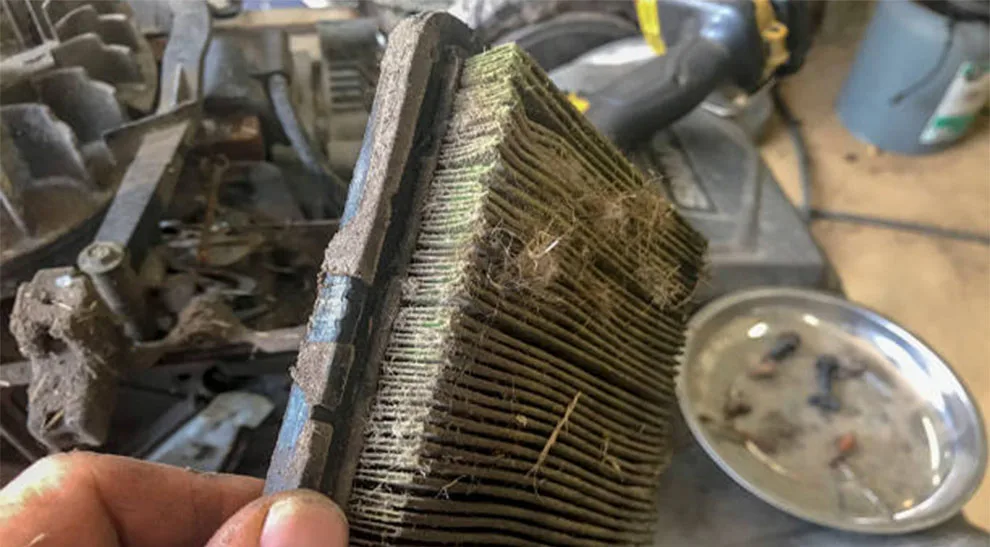
Image source: Bing (Web (fair-use with source credit))
Low or Old Oil
Oil lubricates the engine and carries away heat. If it's low, old, or the wrong viscosity, friction and heat build up fast. SAE 30 works best above 80°F.
SAE 10W-30 handles a wider temperature range. Always check your oil before mowing in hot weather.
Blocked Muffler or Exhaust Port
Carbon deposits build up in mufflers over time, especially on older mowers with 500+ hours. These deposits restrict exhaust flow and increase back pressure. Cylinder head temperatures climb well beyond normal range.
Overloaded Deck
Mowing tall grass at full throttle forces the engine to work overtime. The deck also traps hot air around the blade area. Cut in shorter passes or mow more frequently.
This hits zero-turn mowers hardest since their engines run closer to the deck surface.
Faulty Spark Plug
A worn spark plug causes incomplete combustion, which generates extra heat and reduces power. Replace spark plugs every 100 to 200 hours or at the start of each mowing season. Gap them to your engine's spec, typically around 0.030 inches.
Fuel System Issues
A clogged fuel filter or blocked fuel cap vent starves the engine of fuel. The engine runs lean, meaning less fuel per cycle, and that lean condition raises combustion temperatures dramatically. Check the fuel filter every season and make sure the cap vent isn't sealed shut.
How to Fix Each Cause Before It Gets Worse
Now let's turn diagnosis into action. Each fix here is something you can do in your own garage with basic tools.
Fix the Air Filter
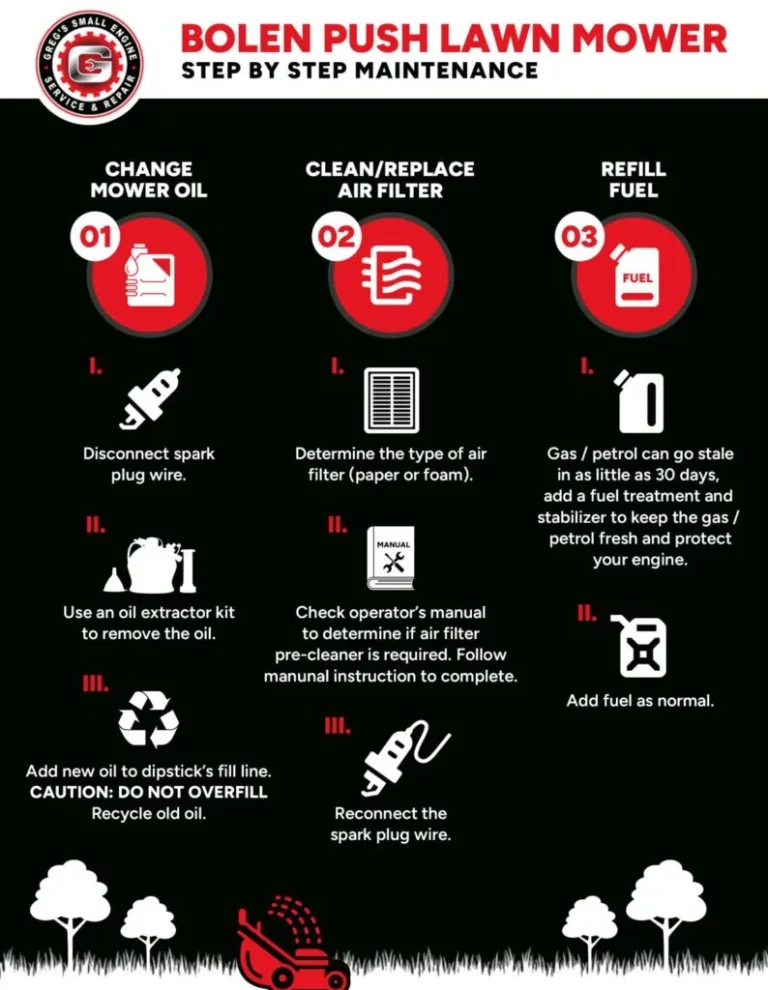
Remove the filter housing. Wash foam filters in warm soapy water and let them dry completely. Oil them lightly with a drop of motor oil before reinstalling.
Replace paper filters if they're torn or permanently dirty. Never run the engine without a filter.
Clear the Cooling Fins
Use a stiff nylon brush or compressed air to blow debris out from between the fins. Pay extra attention to the base of the engine where grass buildup is worst. Wipe down the fins with a rag to remove any oily gunk.
Change the Oil
Warm up the engine for 2 minutes, then shut it off. Drain the old oil into a container. Fill with the viscosity that matches your climate.
Replace the oil filter if your model has one. Run the engine for 5 minutes and check the level again.
Clear the Exhaust Port
For mild carbon buildup, run the engine with the muffler removed and let it idle. For heavy deposits, remove the muffler and scrape the inside with a wire brush. Replace the muffler if it's rusted through or dented shut.
Address the Deck Overload
Raise your cutting height to the maximum that still looks good. Remove clippings from under the deck after each use. Mow when the grass is dry, never when it's soaked.
Wet grass clumps and packs, which doubles the load on the engine.
| Fix | Tools Needed | Time Estimate |
|---|---|---|
| Air filter replacement | None | 5 minutes |
| Cooling fin cleaning | Brush, compressed air | 15 minutes |
| Oil change | Drain pan, funnel, new oil | 20 minutes |
| Spark plug replacement | Spark plug socket, gap gauge | 10 minutes |
| Fuel filter replacement | Pliers, rags | 10 minutes |
| Muffler inspection | Screwdriver, wire brush | 20 minutes |
Most of these fixes cost less than $30 combined. Compare that to an engine replacement starting at $800. The math isn't close.
Mistakes That Make Lawn Mower Overheating Worse
Even well-intentioned owners make these mistakes, and they make the problem worse each time. Here's what to avoid.
- Skipping the air filter check. Most people assume the filter is fine because the mower still runs. It doesn't, and the engine quietly overheats every single mow.
- Using the wrong oil viscosity. Pouring 10W-30 into a mower that needs SAE 30 in hot weather thins out the oil and reduces lubrication. Always match the oil to the temperature.
- Mowing with a clogged deck. Grass clippings build up under the deck and restrict airflow to the engine. Clean it after every use, not just once a season.
- Ignoring smoke until it stops. Some owners see smoke and assume it's harmless. Smoke means oil is burning, and oil burning means heat. Shut the engine off and diagnose before the damage is permanent.
- Running the mower at full throttle constantly. Many mowers cut just fine at half throttle. Running lower reduces engine stress and heat without sacrificing cut quality on most setups.
- Letting the mower sit in direct sun before mowing. If the mower was baking in the sun for hours, the engine starts hot. Roll it into shade and let it cool for 10 minutes before firing up.
One warning that comes straight from OSHA's guidance on lawn care safety: never run a mower with the engine cover removed thinking it'll help cooling. That's a fire risk and exposes hot components to accidental contact.
When to Stop DIY and Call a Small Engine Mechanic
Some overheating problems go beyond simple maintenance. Here's when to hand it over to a pro.
- The engine scored or seized after repeated overheating. This requires a full teardown and rebuild.
- You've replaced the air filter, cleaned the fins, changed the oil, and it still overheats.
- White smoke persists after an oil change, indicating internal damage like worn piston rings.
- The PTO clutch on a riding mower keeps slipping and generating excess heat.
- Hydrostatic transmission fluid runs hot enough to cause the mower to lose drive power.
- The engine has over 800 hours and shows multiple symptoms at once.
A qualified small engine mechanic typically charges $60 to $90 per hour. If the diagnosis takes less than an hour, you're looking at $75 to $150 total. That's far cheaper than a $2,500 engine replacement.
Check with your dealer first if your mower is under warranty. Manufacturers like Honda and Kohler void warranties when non-approved parts or oil are used. Keep your service records.
They matter more than you think.
FAQs: Lawn Mower Overheating Questions Answered
How often should I check my lawn mower's air filter?
Check it every 25 hours of use or monthly during mowing season. Clean foam filters with soap and water, then let them dry completely. Replace paper filters when they're dirty or torn.
A clean filter directly impacts engine airflow and cooling.
Can synthetic oil help prevent overheating?
Yes, and many manufacturers recommend it. Synthetic oil holds its viscosity at higher temperatures better than conventional oil. It also resists breakdown during extended mowing sessions.
Check your owner's manual first. Honda, for example, allows SAE 10W-30 synthetic across a wide temperature range.
Is it safe to mow in extreme heat?
It's better to mow early morning or late evening when temperatures stay below 85°F. Extreme heat pushes air-cooled engines past their normal operating range. If you must mow in 95°F+ weather, take 10-minute cool-down breaks between sections of the lawn.
Why does my mower smoke after overheating?
White smoke means oil is burning inside the combustion chamber. That usually points to a scored piston ring, worn valve seals, or too much oil in the crankcase. Let the engine cool completely before inspecting anything under the hood.
How much does it cost to fix a lawn mower that overheats?
Most overheating issues cost under $50 to resolve. A new air filter runs $10 to $20. Oil and filter changes cost $20 to $60.
If the engine needs a full rebuild or replacement, expect $800 to $2,500 depending on the mower type.
Should I run the mower at full throttle or half throttle?
Half throttle is fine for most mowing jobs and reduces engine stress. Full throttle is only needed for bagging or very tall grass. Manufacturer specs show that many engines run cooler at lower RPM without sacrificing cut quality.