Why Is My AC Leaking Water?
So, you've noticed a puddle where it definitely shouldn't be. Why is my AC leaking water? It's a question that pops up for many homeowners, especially when the weather gets warm and the AC works overtime.
This isn't usually a sign of imminent doom, but it does mean something needs attention to prevent bigger problems like water damage or system failure.
Our research indicates that most AC water leaks stem from a few common, often preventable, issues. Manufacturer specifications from major HVAC brands frequently highlight condensate line clogs as a primary concern, accounting for an estimated 60% of service calls related to AC leaks. Understanding these culprits is the first step toward a fix.
Quick Answer: The Common Culprits Behind AC Leaks
ACs leak water because the system's normal condensation process is disrupted. A clogged condensate drain line is the most frequent cause, preventing moisture from exiting. Other common reasons include frozen evaporator coils due to poor airflow or low refrigerant, and damaged drain pans.
Where is the Water Showing Up? Inside or Outside?
The first thing to figure out is where you're seeing the water. This location is your biggest clue and helps narrow down the possibilities considerably. Is it a mysterious puddle forming on your floor near the indoor air handler?
Or are you noticing drips or puddles around the outdoor condenser unit?
This distinction is critical because the internal workings and potential problems for each location are quite different. Generally, water inside your home is more immediately concerning for property damage, while outdoor drips are often normal operation, unless accompanied by other symptoms.
Inside Leaks: Decoding the Moisture Near Your Indoor Unit
When water appears inside your house, especially around the indoor air handler or furnace, it’s usually a sign that something in the condensation management system isn't working as intended. Your AC cools air by passing it over cold evaporator coils. As the air cools, moisture from the air condenses onto these coils.
This collected water should then flow freely through a dedicated drain line.
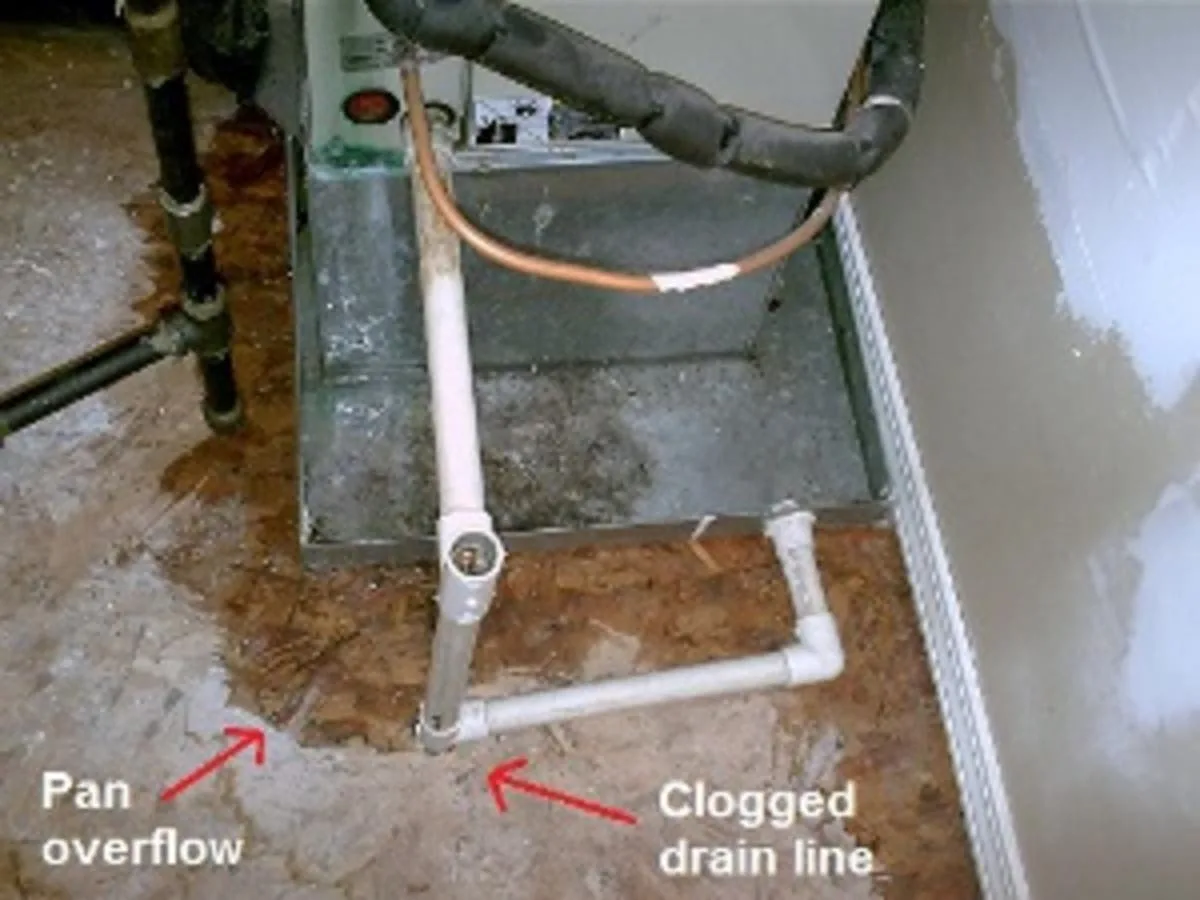
If this process is interrupted, the water can back up or spill over. The most common place for this to happen is the condensate drain pan, a shallow basin designed to catch any drips. If the drain pan overflows, the water has to go somewhere, and often, that's onto your floor or into your HVAC equipment.
What to Look For Inside:
- Puddles on the floor near the indoor unit.
- Water dripping from the AC cabinet.
- A full or overflowing drain pan.
- Sometimes, a safety float switch might have activated, shutting off your system to prevent further water damage.
Clogged Condensate Drain Line: The Most Frequent Suspect
By far, the number one reason your AC leaks water inside is a clogged condensate drain line. Think of this as the AC’s drainage pipe, similar to a sink drain in your bathroom. As your air conditioner runs, it pulls humidity from the air, and this moisture condenses on the cold evaporator coils.
This water then drips into the condensate drain pan and flows out of your home through a PVC pipe, usually routed outside or into your plumbing system. Over time, dust, dirt, mold, algae, and other debris can accumulate inside this narrow pipe. Eventually, this buildup can create a blockage.
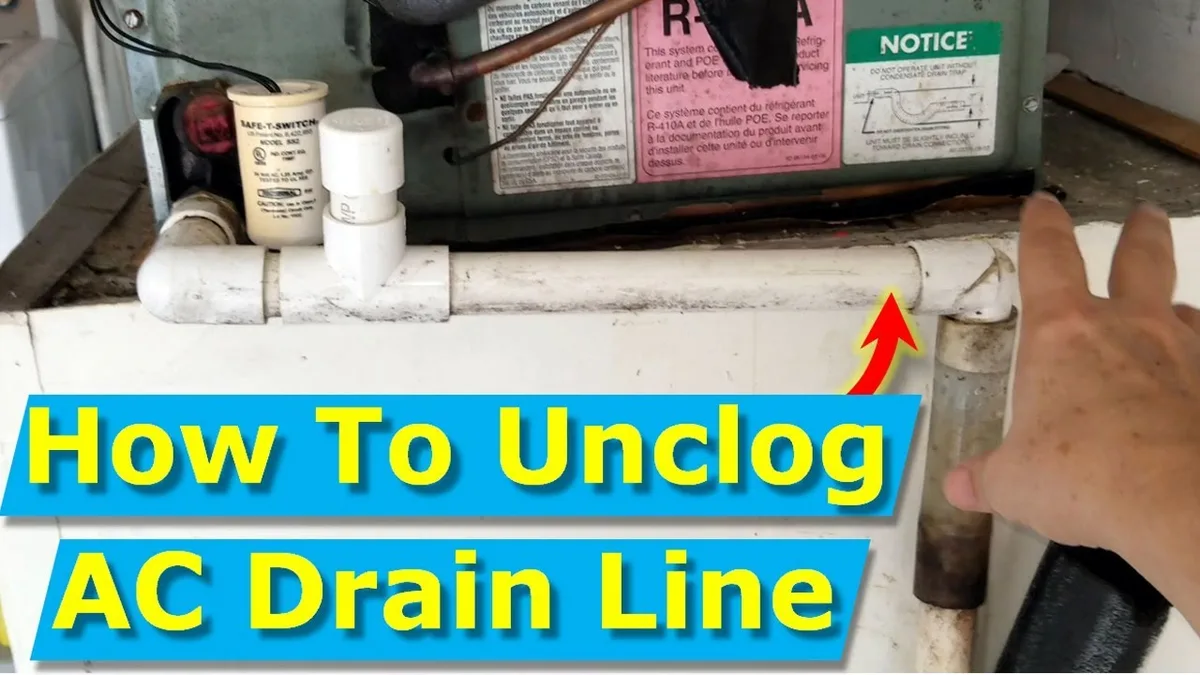
When the drain line is blocked, the water has nowhere to go. It backs up into the drain pan. If the pan fills up completely, the excess water will spill over.
This overflow is what you see as an AC leak inside your home. Many modern systems have a safety float switch installed in the drain pan or line; if water reaches a certain level, this switch cuts power to the AC to prevent major water damage.
Signs of a Clogged Drain Line:
- Water pooling directly beneath or around the indoor unit.
- The AC system shutting off unexpectedly (if a safety switch is present).
- You might hear gurgling sounds from the drain line area.
- Visible signs of algae or slime inside the drain pan.
Frozen Evaporator Coils: When Airflow or Refrigerant is Low
Another significant cause for AC leaks, especially if you notice ice, is frozen evaporator coils. The evaporator coil is a part of your indoor unit where the refrigerant absorbs heat from the air. When everything is working correctly, this coil is cold, and condensation forms on it, then drains away.
However, if airflow is restricted or the system's refrigerant level is too low, the coil can get too cold, causing the condensation to freeze instead of drain. This ice buildup can then block airflow completely, making your AC blow warm air, and when the system eventually shuts off, the ice melts, leading to a substantial water leak.
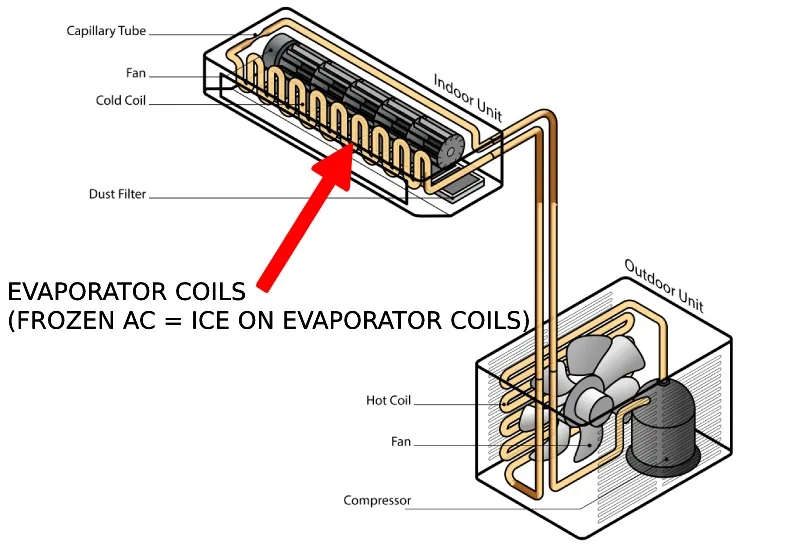
Common Triggers for Frozen Coils:
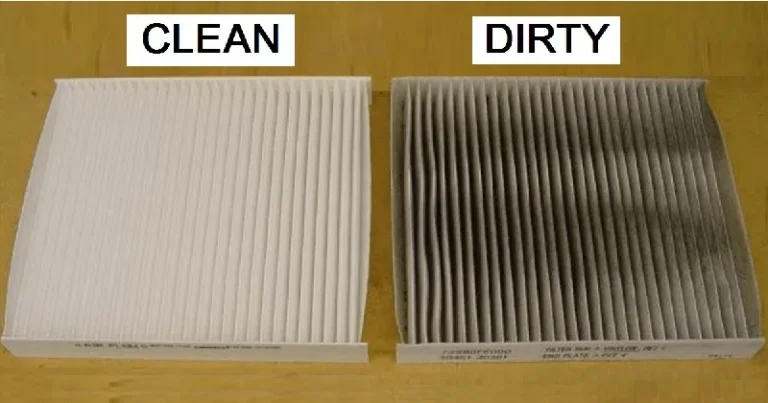
- Dirty Air Filter: This is the most common culprit. A clogged filter drastically reduces the amount of air that can pass over the coils, causing them to get excessively cold. According to standards from organizations like the Air Conditioning Contractors of America (ACCA), regularly replacing air filters is a critical part of preventative maintenance.
- Blocked Vents or Closed Dampers: If air can't circulate properly to and from the unit, it can lead to uneven cooling and freezing.
- Low Refrigerant: This usually indicates a leak in the system. If the refrigerant is low, the coils can't absorb heat efficiently and can drop below freezing. This is a repair that requires a certified technician.
Cracked or Rusted Drain Pan: A Direct Path for Leaks
The condensate drain pan is specifically designed to catch water from the evaporator coils and channel it towards the drain line. However, these pans are not indestructible. Over time, especially in humid environments or with less robust materials, the drain pan can corrode and develop cracks or holes.
If the drain pan itself is damaged, even a small amount of condensation will leak out. This leak happens directly from the pan, bypassing the drain line entirely. You might see water pooling beneath the indoor unit, even if you've confirmed the drain line is clear.
Identifying a Damaged Drain Pan:
- Water appearing directly under the unit, without evidence of overflow from the drain pan itself.
- Visible signs of rust, corrosion, or actual holes in the metal pan.
- The pan might be made of plastic, which can become brittle and crack over time due to temperature changes and age.
If you notice this, the pan will likely need to be replaced by an HVAC professional. Ignoring a cracked drain pan can lead to water damage to your home's structure, including subflooring, insulation, and ceilings.