Why Is My AC Making Noise?
When your air conditioner starts making unusual noises, it's easy to feel a sense of dread. A sudden hum, rattle, or screech can signal anything from a minor fixable issue to a major breakdown that could leave you without cool air. Understanding why your AC is making noise is the first step toward a quieter, more comfortable home.
Many AC noises point to specific component problems. For instance, a hissing sound can indicate a refrigerant leak, a serious issue that requires professional attention and can affect system efficiency significantly. According to Energy Star guidelines, regular maintenance can prevent many common AC problems, including noise-related ones.
Quick Answer
Your AC is making noise because a part is loose, damaged, or malfunctioning. Common culprits include a dirty fan, loose compressor, refrigerant leaks, or debris in the system. Identifying the specific sound and its location helps diagnose the problem.
The Sound of Trouble: What's That AC Noise Telling You?
Air conditioners are complex machines with many moving parts, and any one of them can start acting up. The type of noise your AC is making is a crucial clue. It's like a doctor listening to your symptoms; the sound gives us a direct hint about what's going on under the hood.
- Hissing: Often points to a refrigerant leak, which needs immediate professional attention.
- Rattling: Usually means something is loose, like a panel, a fan blade, or even debris stuck inside.
- Buzzing: Can be an electrical issue or a problem with the compressor or fan motor.
- Grinding/Screeching: Frequently indicates worn-out bearings in the fan motor or compressor.
- Banging/Thumping: This is often a serious sign of a mechanical issue, potentially with the compressor.
- Clicking: Might be a normal start-up sound, but persistent clicking could signal an electrical problem.
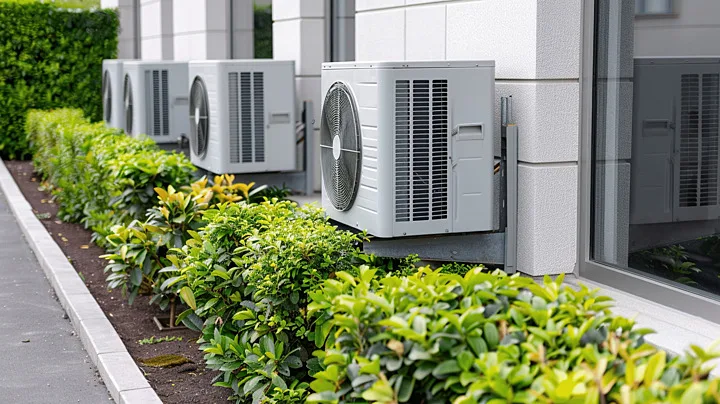
Image source: Web (Bing) / pngtree.com (Web image (fair-use with source credit))
Is It Inside or Outside? Pinpointing the Noise Source
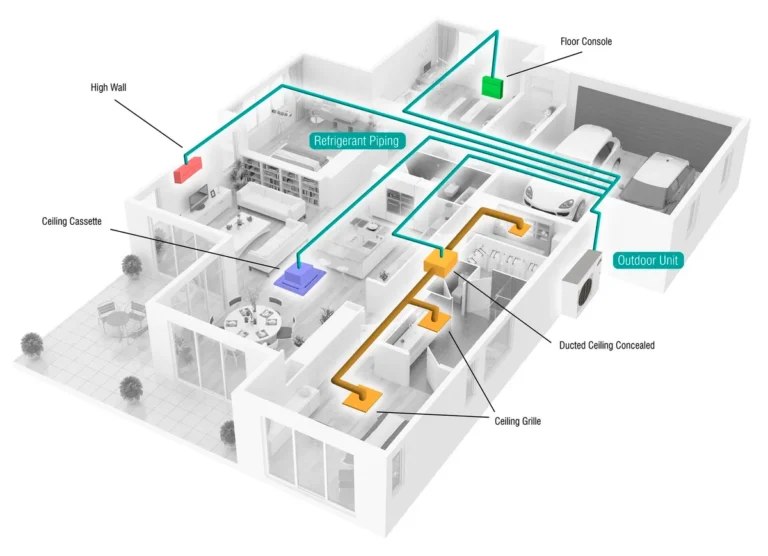
Now that we know where to listen, you need to figure out where the noise is coming from. Most AC systems have two main parts: the indoor unit (also called the air handler) and the outdoor unit (the condenser). The location of the noise narrows down the possibilities considerably.
Indoor Unit Noises
The indoor unit typically houses the evaporator coil, blower motor, and air filter. Noises from inside your home usually mean an issue with the fan, a loose panel, or something obstructing airflow. These are often more noticeable because they're inside your living space.
- Blower Motor: If you hear a rattling, whirring, or screeching sound from your vents or the indoor unit itself, the blower motor could be the culprit. Worn bearings or a loose fan blade are common issues.
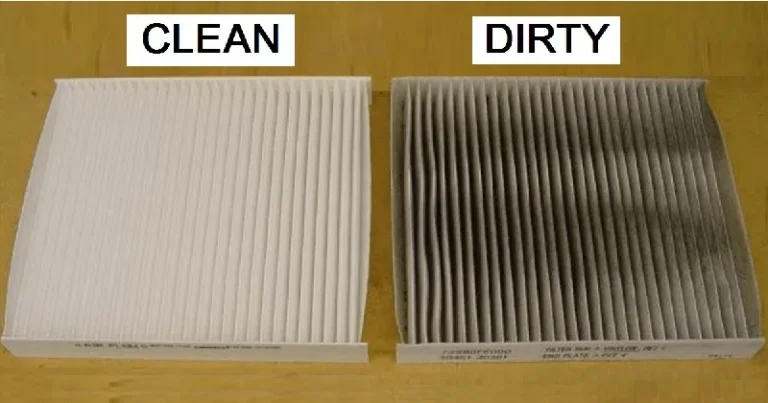
- Air Filter: A severely clogged air filter can restrict airflow, sometimes causing the fan to work harder and make unusual noises.
- Ductwork: Sometimes, noises you think are from the AC unit are actually coming from your ductwork, especially during expansion and contraction due to temperature changes.
- Loose Components: Panels or access doors on the indoor unit can vibrate and rattle if they aren't secured properly.
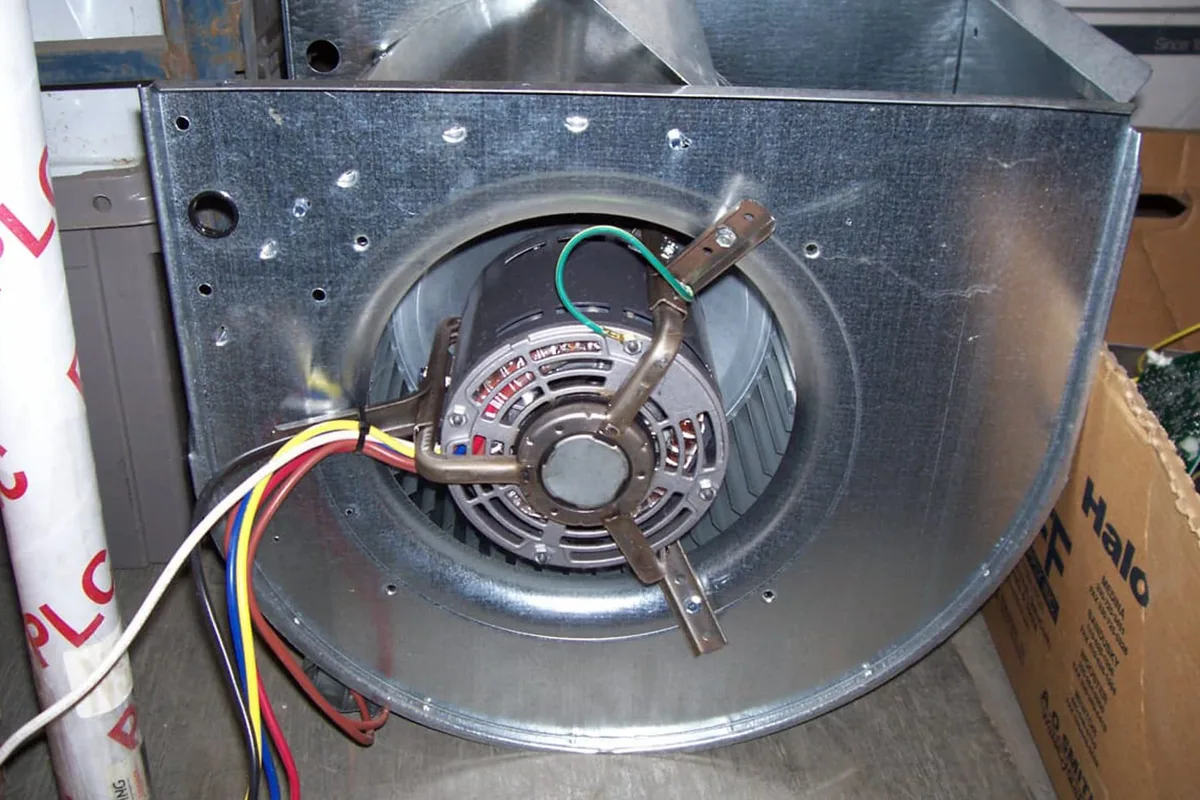
Image source: Web (Bing) / homeguide.com (Web image (fair-use with source credit))
Outdoor Unit Noises
The outdoor unit contains the compressor and condenser coil. This is where many of the AC's most critical and loudest components are housed. Noises here can range from a simple debris issue to a serious compressor problem.
- Compressor: This is the heart of your AC system. A bad compressor can make banging, grinding, or humming noises.
- Fan Motor: Like the indoor fan, the outdoor fan can develop bearing issues or have a loose blade, causing rattling or screeching.
- Refrigerant Lines: Hissing or bubbling sounds often come from the refrigerant lines running to and from the outdoor unit.
- Debris: Leaves, twigs, or other outdoor debris can get caught in the fan blades or coil, causing rattling or scraping sounds.
- Loose Panels: The outer casing of the outdoor unit can also become loose over time.
Common AC Noises and Their Likely Causes
Now that we know where to listen, let's talk about the specific sounds and what they usually mean. Think of this as your AC's diagnostic soundboard.
Hissing and Bubbling: Refrigerant Issues
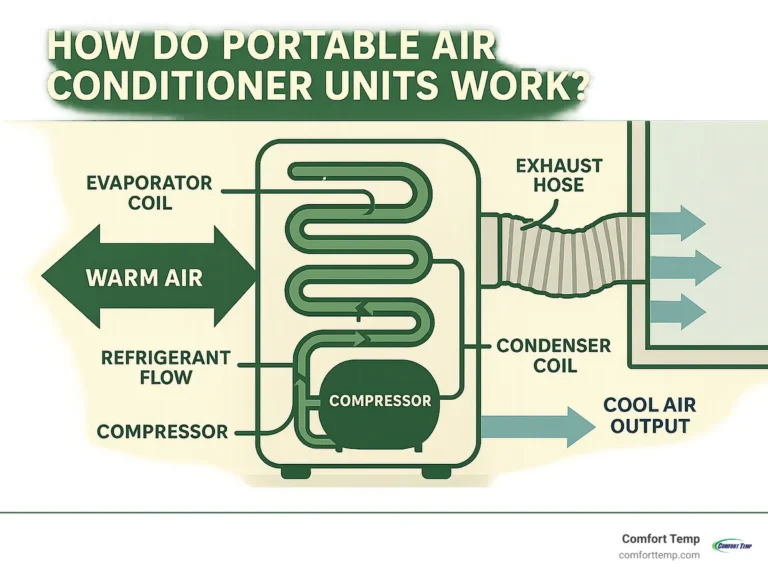
A hissing or bubbling sound, especially one that seems to come from near the refrigerant lines or the outdoor unit, is often a sign of a refrigerant leak. Refrigerant is the chemical that your AC uses to absorb heat from your home and release it outside. When it leaks, it can cause a variety of problems.
- Low Refrigerant: If the refrigerant level is low, you might hear a hissing sound as the remaining refrigerant struggles to circulate properly. This can also lead to reduced cooling performance.
- Leak Detection: The sound might be faint at first, but it can get louder as the leak grows. In some cases, you might even see frost on the refrigerant lines if there's a leak.
- Professional Repair Needed: Refrigerant is a chemical that requires specialized handling and equipment to repair. Attempting to fix a refrigerant leak yourself is not recommended and can be hazardous. An HVAC professional will need to locate the leak, repair it, and then recharge the system with the correct amount of refrigerant.
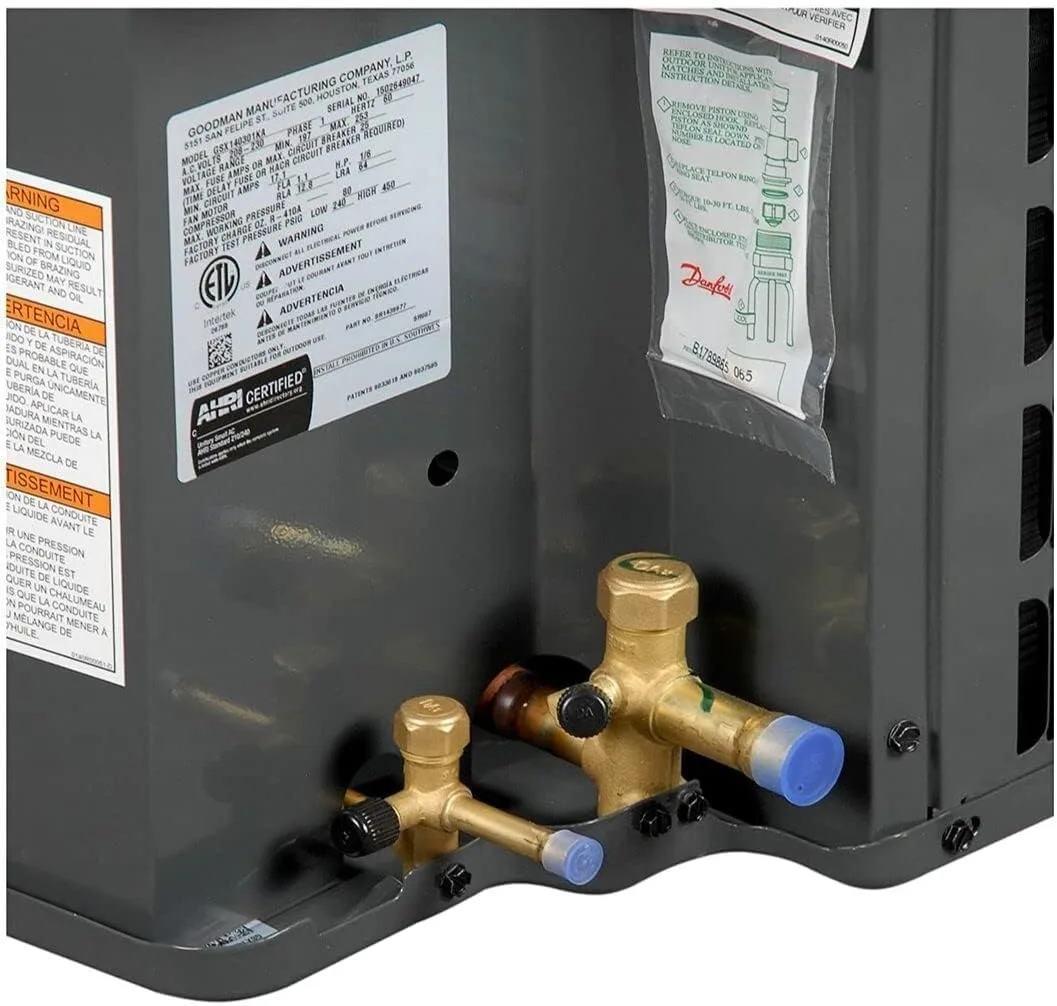
Image source: Web (Bing) / manuals.plus (Web image (fair-use with source credit))
Rattling and Buzzing: Loose Parts or Vibrations
Rattling or buzzing sounds are among the most common AC complaints. These noises usually indicate that something is loose or vibrating abnormally within the system.
- Loose Panels or Screws: The panels on your indoor or outdoor unit might have come loose. Over time, vibrations can cause screws to loosen, leading to rattling. This is often an easy fix.
- Fan Issues: The fan blades themselves could be loose, or the fan motor might be vibrating excessively. This can create a rattling or buzzing sound that changes with fan speed.
- Debris: Small objects like leaves, twigs, or even small rocks can get blown into the outdoor unit and get caught near the fan or coil, causing a rattling sound as the fan spins.
- Electrical Components: Buzzing can sometimes be related to electrical components, such as the capacitor or contactor, which help start and run the motor. If these are failing, they can emit a distinct buzzing noise.
Grinding and Screeching: Motor or Bearing Problems
A grinding or screeching sound is more serious than a simple rattle. These noises typically point to friction, most often in the moving parts of motors, especially the fan motor or the compressor.
- Worn Bearings: The bearings inside the fan motor allow the fan to spin smoothly. When these bearings wear out, they can cause a high-pitched screeching or grinding noise. This usually gets worse over time.
- Compressor Issues: If the grinding or screeching comes from the outdoor unit and is particularly loud or persistent, it could be a sign of a failing compressor. The compressor contains moving parts that can seize up or wear down, creating these harsh sounds.
- Lack of Lubrication: Motors require proper lubrication to operate quietly. If the lubrication has dried up or failed, increased friction can lead to grinding sounds.
Banging or Thumping: Serious Mechanical Trouble
A loud banging or thumping noise coming from your AC unit is a clear warning sign. This isn't a minor issue; it typically indicates a significant mechanical problem, often within the compressor.
- Compressor Malfunction: The compressor is responsible for circulating refrigerant. If internal components are broken, or if there's an issue with the compressor's mounting, it can cause violent shaking and banging noises. This is a critical failure that usually requires professional diagnosis and repair or replacement.
- Loose Mounting: Sometimes, the entire AC unit or its internal components might not be securely mounted, leading to heavy vibrations and banging as it operates.
- Sudden Onset: Banging noises often start suddenly, unlike the gradual increase in noise from a worn bearing. If you hear this, it's best to turn off the AC unit to prevent further damage and call a technician immediately.
Quick Fixes You Can Try (Safely!)
While many AC noises require a professional, there are a few simple things you can check yourself to potentially fix minor issues or at least gather more information for a technician. Always prioritize safety and turn off the power to the unit before attempting any inspection.
Checking for Obstructions
This is most relevant for the outdoor unit.
- Turn off power: Locate the breaker for your AC unit and switch it off.
- Visually inspect: Look around and in the base of the outdoor unit for any obvious debris like leaves, branches, or plastic bags.
- Remove debris: If you find anything, carefully remove it. Be mindful of sharp edges or electrical components.
Tightening Accessible Screws
For rattling noises, a quick check of accessible screws can sometimes help.
- Turn off power: Again, ensure the unit is powered down at the breaker.
- Inspect panels: Look for any exterior panels on both the indoor and outdoor units that seem loose.
- Tighten: Gently try to tighten any visible screws on these panels. Don't overtighten, as this can strip the threads.
Cleaning the Unit Exterior
A general exterior cleaning can sometimes help if dirt and grime are contributing to vibrations or airflow issues.
- Turn off power: Crucial safety step.
- Wipe down: Use a damp cloth to wipe down the exterior casing of both units.
- Coil cleaning (outdoor unit): You can gently hose down the outdoor coil from the outside, ensuring water doesn't get into electrical components. This helps improve airflow and can reduce strain on the fan motor.
When to Call in the Pros: Signs You Need an HVAC Expert
If you've tried the simple checks and the noise persists, or if the noise itself sounds severe (like banging or grinding), it's time to bring in a qualified HVAC technician. They have the tools, knowledge, and experience to diagnose and repair complex AC problems safely and effectively.
- Persistent Noises: If rattling, buzzing, or screeching continues after your basic checks, a component is likely failing and needs professional attention.
- No Cooling: If the noise is accompanied by a lack of cool air, it indicates a more significant system problem that needs urgent repair.
- Banging, Grinding, or Loud Hissing: These are not DIY fixes. These sounds point to internal mechanical failures or refrigerant leaks that require specialized tools and expertise.
- Electrical Smells: Any burning or electrical smell accompanying AC noise is a serious safety concern and warrants an immediate service call.
- Age of Unit: For older AC units (typically over 10-15 years), a major repair like a compressor replacement might be more costly than replacing the unit altogether. A technician can advise on the best course of action.
According to manufacturer specifications, routine maintenance checks, often recommended annually, can help catch these issues early. Many issues that cause noise, like dirty coils or worn fan bearings, can be addressed during a tune-up before they become major problems.
Frequently Asked Questions About Noisy ACs
What does a loud humming noise from my AC mean?
A loud humming noise, especially from the outdoor unit, can indicate an issue with the compressor or the fan motor. It might mean the compressor is struggling to start or run, or the fan motor is vibrating due to wear or imbalance.
Can a dirty air filter cause AC noise?
Yes, a severely clogged air filter can restrict airflow, causing the blower motor to work harder. This increased strain can sometimes lead to rattling or whining noises from the indoor unit. It's a simple fix to replace the filter.
How much does it cost to fix a noisy AC?
The cost can vary widely, from about $100-$200 for tightening a loose part or cleaning to $500-$2,000 or more for replacing a fan motor or compressor. Refrigerant leak repairs can also add to the cost. Getting a professional diagnosis is the first step to understanding the expense.
Is it safe to run my AC if it's making noise?
It's generally not recommended to run your AC if it's making loud, unusual noises, especially banging, grinding, or screeching. Continued operation could lead to more severe damage, making repairs more expensive or even requiring a full system replacement. If the noise is minor and you've identified a simple cause (like debris), it might be okay after addressing it, but always err on the side of caution.