How Do I Make My AC Colder?
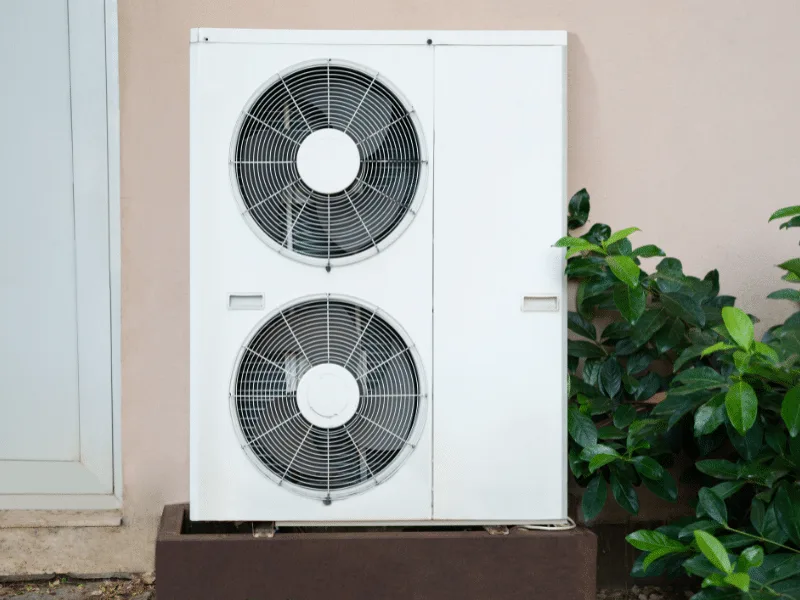
Image source: Web (Bing) / storage.googleapis.com (Web image (fair-use with source credit))
When you're sweating it out and your air conditioner isn't making your home as cold as you'd like, it's frustrating, to say the least. We've all been there, wondering, "How do I make my AC colder?" You expect that blast of cool air, and instead, you get lukewarm.
This guide is designed to help you pinpoint why your AC might be slacking off and what you can do about it. We’ll cover everything from the simple checks you can do yourself to when it’s definitely time to call in a professional. Manufacturer specifications often detail ideal operating temperatures, but reaching those temperatures relies on a well-maintained system.
Quick Answer
To make your AC colder, first check your thermostat settings are on 'Cool.' Ensure your air filter is clean, as a dirty one restricts airflow. Inspect vents for blockages. If issues persist, investigate dirty indoor or outdoor coils, or call an HVAC technician for refrigerant or system problems.
Simple Checks You Can Do Right Now
These are the most common reasons your AC might not be cooling effectively, and thankfully, they're usually the easiest to fix yourself. Don't overlook these basic steps before you assume a major problem.
Check Thermostat Settings & Vents
Your thermostat is the command center for your AC, and it’s surprisingly easy for it to get nudged into the wrong setting. A simple oversight here can make all the difference.
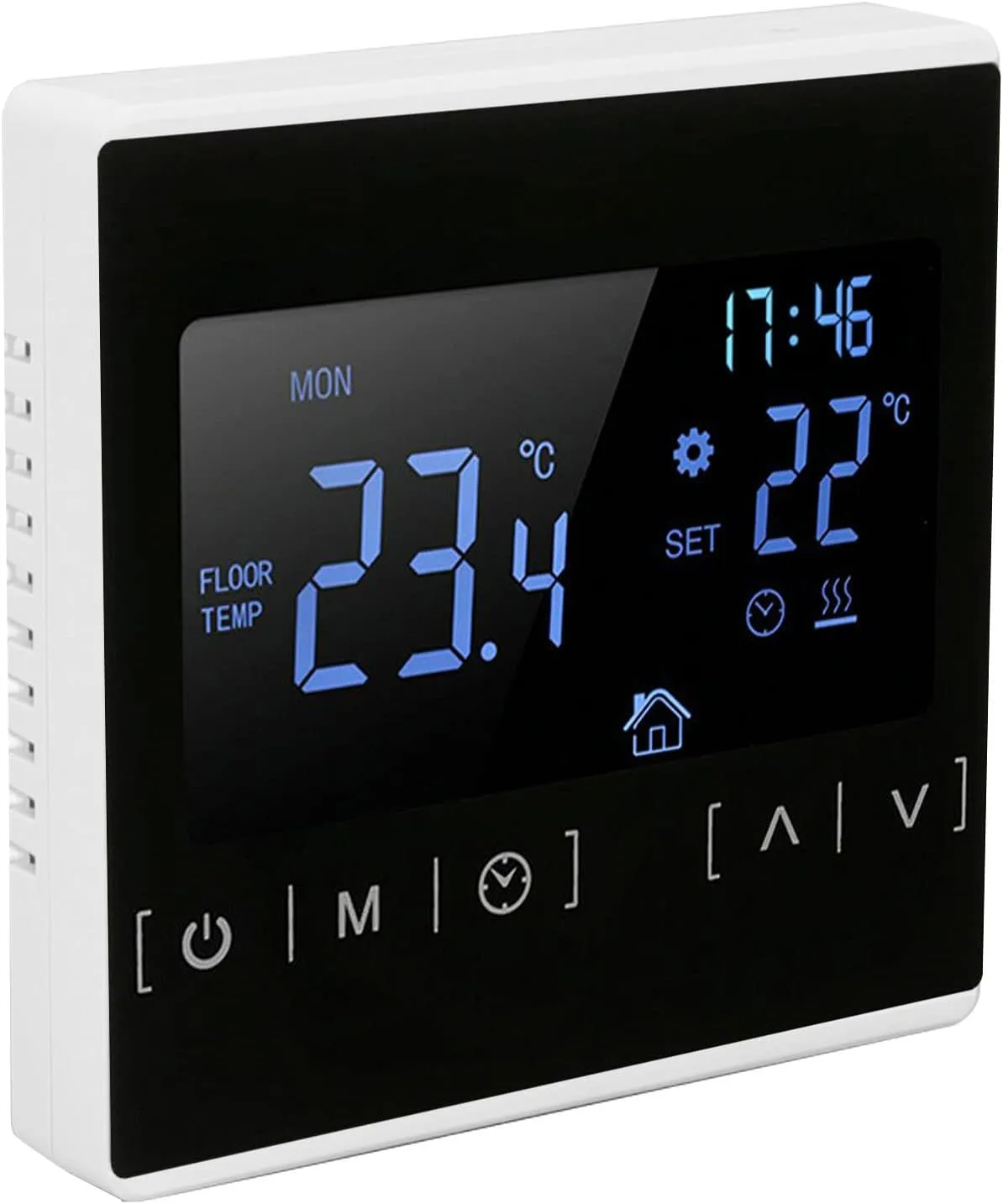
- Is it set to "Cool"? This sounds obvious, but in the rush of daily life, it's common for a thermostat to be accidentally switched to "Fan Only" or even "Heat" if you have a combined system. Ensure the mode is definitely set to "Cool."
- Is the temperature set low enough? If the target temperature on your thermostat is set higher than the current room temperature, the AC won't engage. Try setting it at least 5°F (about 3°C) lower than the current temperature to trigger the cooling cycle.
- Are the vents open and clear? Go around your house and make sure all the air vents (registers) in each room are open. Furniture, curtains, or even rugs can block them, preventing cool air from circulating properly. Restricted airflow makes your AC work harder and cool less effectively.
The Crucial Role of a Clean Air Filter
This is hands-down the most frequent reason an air conditioner’s performance dips. A clogged air filter acts like a choked airway for your system, severely limiting the amount of air it can draw in and condition.
Manufacturer specifications, like those found on filters conforming to the MERV 8 standard, indicate a significant drop in airflow when the filter becomes overloaded with dust and debris. As of 2026, maintaining clean filters remains a top recommendation for HVAC efficiency.
- How to Check: Simply slide out your air filter (usually located near your indoor AC unit or furnace). Hold it up to a light source. If you can't see light through it, it's too dirty and needs replacing.
- When to Replace: For most homes, filters should be replaced every 1 to 3 months. If you have pets, allergies, or live in a dusty environment, you might need to check and change it more often, potentially monthly.
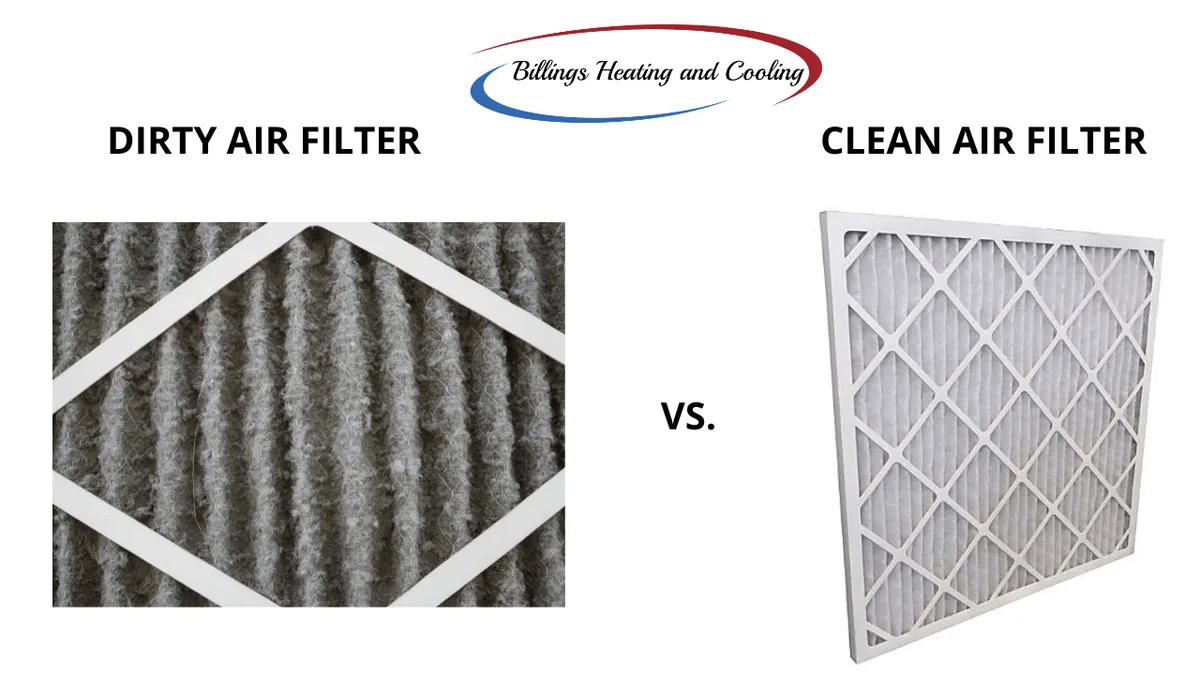
A clean filter allows your AC to breathe freely, ensuring optimal airflow and efficient cooling.
When Airflow is Weak or Non-Existent: Deeper Dives
If you've checked your thermostat and air filter and the airflow from your vents is still weak or barely there, it’s time to look a little deeper into your system. This often points to a blockage or buildup that’s hindering the air’s movement.
Dirty Evaporator Coils: The Hidden Blocker
The evaporator coil is the component inside your home that actually cools the air. It's typically a series of metal fins with tubes running through them, and when your AC runs, this coil gets very cold. If it becomes caked with dust and dirt over time, it can’t efficiently absorb heat from the air passing over it.
This buildup acts like a blanket, insulating the coil and reducing its cooling capacity. In some cases, a severely dirty evaporator coil can even lead to the coil freezing over, further blocking airflow.
- What to Look For: The evaporator coil is usually found inside your indoor air handler unit, often above or beside your furnace. You might see a thick layer of dust or grime covering the fins.
- What to Do: Gently brushing away surface dust with a soft brush can help, but be extremely careful not to bend the delicate fins. For a thorough cleaning, which involves specialized solutions and tools, it’s generally best to schedule a professional HVAC service.
Clogged Condensate Drain Line: Is Your AC Draining Properly?
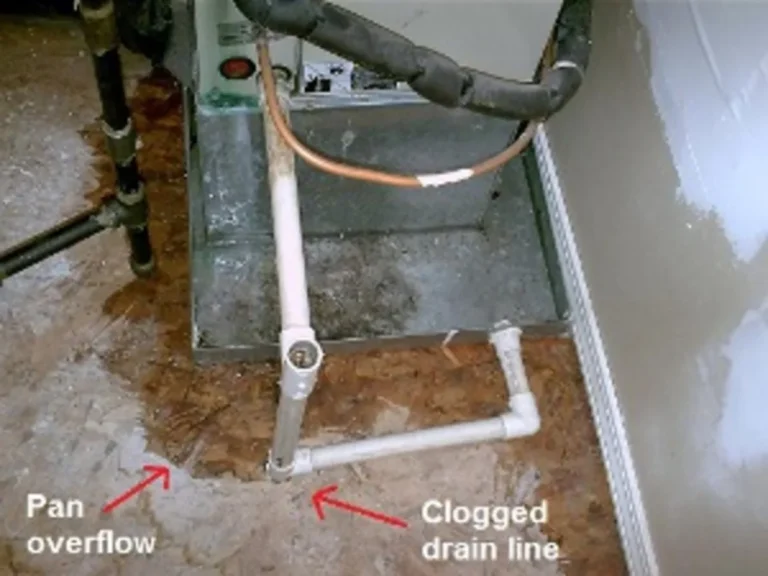
As your air conditioner cools the air, it also dehumidifies it. This moisture is collected and then drained away through a condensate drain line, usually a PVC pipe. If this line becomes blocked with algae, mold, or other debris, water can back up.
A backed-up drain line can trigger a safety switch that shuts down your AC to prevent water damage. This means your system might turn off completely or struggle to cool. Checking this line is an important step if you have no airflow or intermittent cooling.
- Where to Find It: Look for a PVC pipe exiting your indoor AC unit, often near the floor or wall.
- DIY Fix: You can try pouring a cup of white vinegar down the drain line. This can help kill algae and break up minor clogs. Allow it to sit for about an hour, then flush with warm water. If this doesn't resolve the issue, a more significant blockage might require a wet/dry vacuum or professional attention to clear.
AC Runs, But the Air Isn't Cold: What's Next?
When your AC unit turns on, the fan blows, but the air coming out of the vents isn’t cool, it’s a sign that the core cooling process isn’t happening. This points to issues with the refrigerant or the outdoor unit’s ability to do its job.
Low Refrigerant Levels: A Job for the Pros
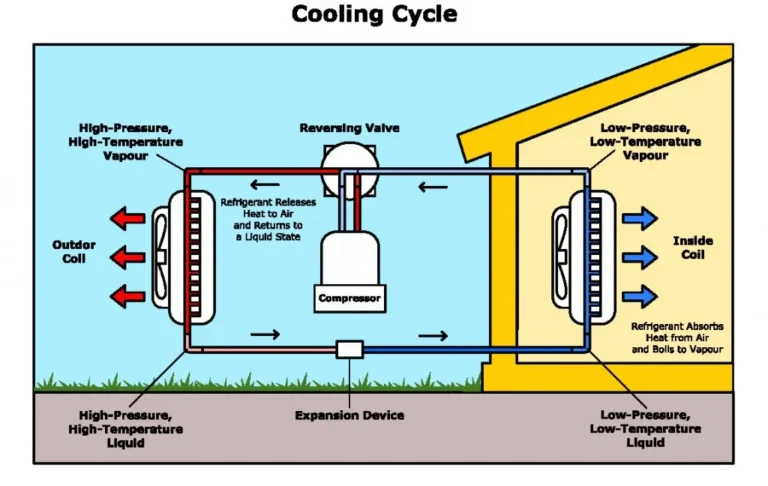
Refrigerant, often referred to by the brand name Freon, is the vital substance that circulates through your AC system, absorbing heat from your home and releasing it outdoors. If your AC is low on refrigerant, it means there's likely a leak somewhere in the system.
Low refrigerant levels prevent the system from effectively transferring heat. This is not a problem you can fix yourself, as adding refrigerant requires specialized equipment and knowledge to do it safely and effectively. According to EPA guidelines, only certified technicians can legally handle and recharge refrigerant.
- Signs of Low Refrigerant: Beyond the air not being cold, you might hear hissing sounds from the unit, notice frost on the refrigerant lines or the evaporator coil, or see a significant drop in cooling performance over time.
- What to Do: If you suspect low refrigerant, turn off your AC and call a qualified HVAC technician immediately. They can locate the leak, repair it, and safely recharge the system with the correct amount of refrigerant.
Dirty Condenser Coil & Outdoor Unit Issues
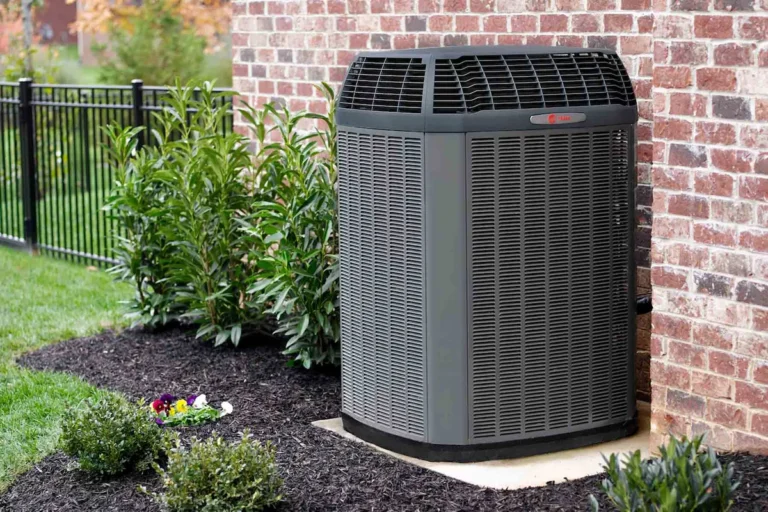
The condenser unit, located outside your home, is responsible for releasing the heat that your AC has absorbed from your indoor air. It has a coil similar to the indoor evaporator coil, but its job is to dissipate heat into the outside air. If this outdoor coil is clogged with dirt, leaves, grass clippings, or other debris, it can't release heat efficiently.
This inefficiency makes your entire AC system work harder and struggle to cool your home. Think of it like trying to cool down by standing next to a blocked radiator, it just won't work well.
- What to Do:
- Turn off power: Locate your outdoor AC unit’s disconnect switch (usually a metal box on the wall near the unit) and flip it to the OFF position. You should also turn off the corresponding breaker in your electrical panel.
- Clean the exterior: Gently hose down the fins of the condenser coil from the outside. Use a steady stream of water, not a high-pressure spray, to avoid damaging the delicate fins.
- Remove debris: Carefully remove any visible leaves, twigs, or other debris from around the unit and between the fins. A soft brush can help.
- Fan Motor Problems: While you're checking the outdoor unit, listen for the fan. If the fan isn't spinning when the AC is supposed to be running, heat can't be dissipated, and cooling will fail. Fan motor issues usually require professional diagnosis and repair.
AC Freezing Up? Signs and Immediate Steps
When you notice ice forming on the refrigerant lines or the indoor evaporator coil, it’s a clear signal that something is seriously wrong with your air conditioning system. This isn't a minor inconvenience; it's a critical issue that can lead to costly damage if not addressed promptly.
What Ice Buildup Means for Your AC
Ice formation on AC components typically occurs due to a combination of two main problems: restricted airflow and low refrigerant levels. When either of these issues is present, the refrigerant in the evaporator coil gets too cold, causing moisture in the air to freeze onto it.
- Restricted Airflow: This can be caused by a severely clogged air filter, blocked vents, or a dirty evaporator coil. When not enough warm air passes over the coil, it can’t absorb heat effectively, leading to excessively low temperatures and freezing.
- Low Refrigerant: As mentioned before, low refrigerant levels mean the system can't transfer heat properly, causing the remaining refrigerant to become extremely cold and freeze the surrounding moisture.
If you see ice, the most important immediate step is to turn the AC unit off to prevent further damage, particularly to the compressor. You can leave the fan running on "Fan Only" mode to help the ice melt faster. Once thawed, it is crucial to contact a qualified HVAC professional.
Running an AC unit with a frozen coil can lead to compressor failure, which is one of the most expensive repairs for an AC system.
Essential AC Maintenance for Colder Air
Keeping your air conditioner running efficiently and blowing cold air requires more than just hoping for the best. Regular maintenance is key to preventing breakdowns and ensuring your system performs optimally, especially during those peak summer months. Neglecting this can lead to those frustrating "AC not cold" moments and potentially expensive repairs down the line.
Regular Filter Changes and Coil Cleaning
The simplest and most impactful maintenance tasks are those you can do yourself: changing your air filter and keeping coils clean. As we discussed, a dirty air filter is a primary culprit for poor cooling. Our research indicates that replacing a standard 1-inch air filter every 1 to 3 months can improve AC efficiency by up to 15%.
- Filter Schedule: Stick to a consistent schedule. If you have pets or a dusty home, check your filter monthly. For others, a quarterly check might suffice.
- Coil Care: Regularly inspect your outdoor condenser coil for debris. A quick rinse with a hose (after turning off power at the breaker, of course) can make a big difference. The indoor evaporator coil is harder to access and clean thoroughly without professional tools, but keeping the area around your indoor unit clear of obstructions also helps airflow.
Professional AC Servicing: When and Why
While DIY checks are great, a professional tune-up offers a more comprehensive look at your system. HVAC technicians have specialized tools and knowledge to identify potential issues before they become major problems. They can check refrigerant levels, inspect electrical connections, lubricate moving parts, and ensure your system is operating within manufacturer specifications.
According to industry standards, having your AC system professionally serviced at least once a year, typically in the spring before the cooling season kicks into high gear, can prevent up to 70% of AC malfunctions. This proactive approach ensures your system is ready to keep you cool when you need it most and helps maintain its energy efficiency, potentially lowering your utility bills. This type of service is critical for keeping your AC colder and running longer.
Frequently Asked Questions About AC Cooling Problems
Why is my AC running but not blowing cold air?
This usually means there’s an issue preventing the cooling cycle from working correctly. Common causes include a dirty air filter restricting airflow, low refrigerant levels due to a leak, dirty evaporator or condenser coils, or a problem with the compressor or fan motor in the outdoor unit.
How often should I change my AC filter?
You should change your air filter every 1 to 3 months, depending on your household conditions. If you have pets, allergies, or live in a dusty area, you may need to change it more frequently, possibly even monthly. A dirty filter significantly reduces airflow and cooling efficiency.
Can I add refrigerant to my AC myself?
No, you cannot and should not add refrigerant to your AC yourself. Refrigerant levels must be precisely managed by a certified HVAC technician who can also identify and repair any leaks in the system. Improper handling can be dangerous and illegal.
What does it mean if my AC is freezing up?
When your AC unit freezes over, it's a critical sign of a problem, typically caused by restricted airflow (like a dirty filter or coil) or low refrigerant levels. Running an AC with a frozen coil can damage the compressor. Turn the unit off immediately and call a professional.
How much does it cost to fix an AC that isn't blowing cold air?
The cost can vary widely. Simple fixes like changing an air filter cost very little. However, professional repairs for issues like refrigerant leaks or compressor problems can range from a few hundred to several thousand dollars, depending on the complexity and parts needed.
An annual tune-up typically costs between $100 and $200.