How Do I Know What Size AC I Need?
Image source: Web (Bing) / storage.googleapis.com (Web image (fair-use with source credit))
How Do I Know What Size AC I Need?
Figuring out exactly how do I know what size AC I need is crucial for keeping your home comfortable and your energy bills in check. Too small, and it'll struggle to cool; too big, and it'll short-cycle, failing to dehumidify properly and wearing out faster. Getting this right means selecting an air conditioner with the appropriate cooling capacity, usually measured in British Thermal Units (BTU).
In our research, we found that most standard AC sizing charts provide a baseline BTU recommendation per square foot, but this is just the starting point. Factors like ceiling height, insulation quality, window size and orientation, and even the number of people in the room can significantly impact the actual cooling load. For instance, ENERGY STAR recommends considering these additional factors beyond just square footage to ensure optimal performance for your specific needs.
Quick Answer
Knowing what size AC you need involves more than just measuring square footage. You'll need to consider additional heat loads from windows, insulation, and occupants. For a room, aim for a BTU rating that matches its size, but adjust up for high ceilings or sun exposure and down for excellent insulation.
Incorrect sizing leads to inefficiency, discomfort, and reduced system lifespan.
Why AC Size Matters (It's Not Just About Square Footage)
You might think picking an air conditioner is as simple as measuring your room and grabbing the biggest unit you can find. That's a common misconception, and it's the fastest way to end up with a system that costs you more in the long run. The right-sized AC works efficiently, maintaining a consistent temperature and humidity level.
An AC that's too large, often called "oversized," will cool the air very quickly, but then shut off before it's had a chance to remove much moisture. This leads to that clammy, sticky feeling, even if the thermostat reads a cool temperature.
Conversely, an AC that's too small will run constantly, struggling to reach your desired temperature, especially on hot days. This constant operation puts a tremendous strain on the compressor and other components, shortening the unit's lifespan and significantly increasing your electricity bill. The goal is a balanced system that efficiently cools and dehumidifies your space without unnecessary wear or energy waste.
Manufacturer specifications often detail recommended room sizes for specific BTU outputs, but these are generalized and don't account for individual home characteristics.
Your AC Sizing Decision Tree: Step-by-Step
Choosing the right AC size isn't a one-size-fits-all deal. It's a process that involves looking at several variables about the space you need to cool. Think of it like building a custom suit versus buying off the rack, you get a much better fit when you tailor it to your specific needs.
We’ll walk you through the key considerations so you can make an informed choice.
Measuring Your Space: The Foundation
The first and most obvious step is to know the dimensions of the area you want to cool. You'll need to calculate the square footage of the room or the entire house. For a single room, this is straightforward: measure the length and width, then multiply them together.
For example, a room that's 10 feet wide by 15 feet long has a square footage of 150 sq ft (10 x 15 = 150).
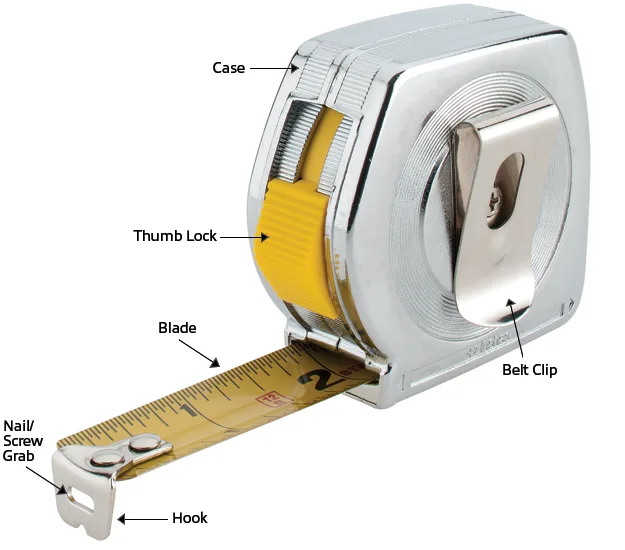
Image source: Bing (Web (fair-use with source credit))
If you're looking to cool multiple rooms or an entire house with central air, you'll need to sum up the square footage of all the areas the system will serve. Don't forget to factor in ceiling height, too. Higher ceilings mean more air volume to cool, so you might need to increase the BTU capacity slightly for rooms with ceilings above the standard 8 feet.
For central systems, it's common to measure the total conditioned square footage of the home.
Accounting for Heat Loads: Beyond the Walls
Once you've got your square footage, it's time to think about the "heat loads", essentially, all the things that add warmth to your space, making your AC work harder. This is where generic sizing charts often fall short because every home is different.
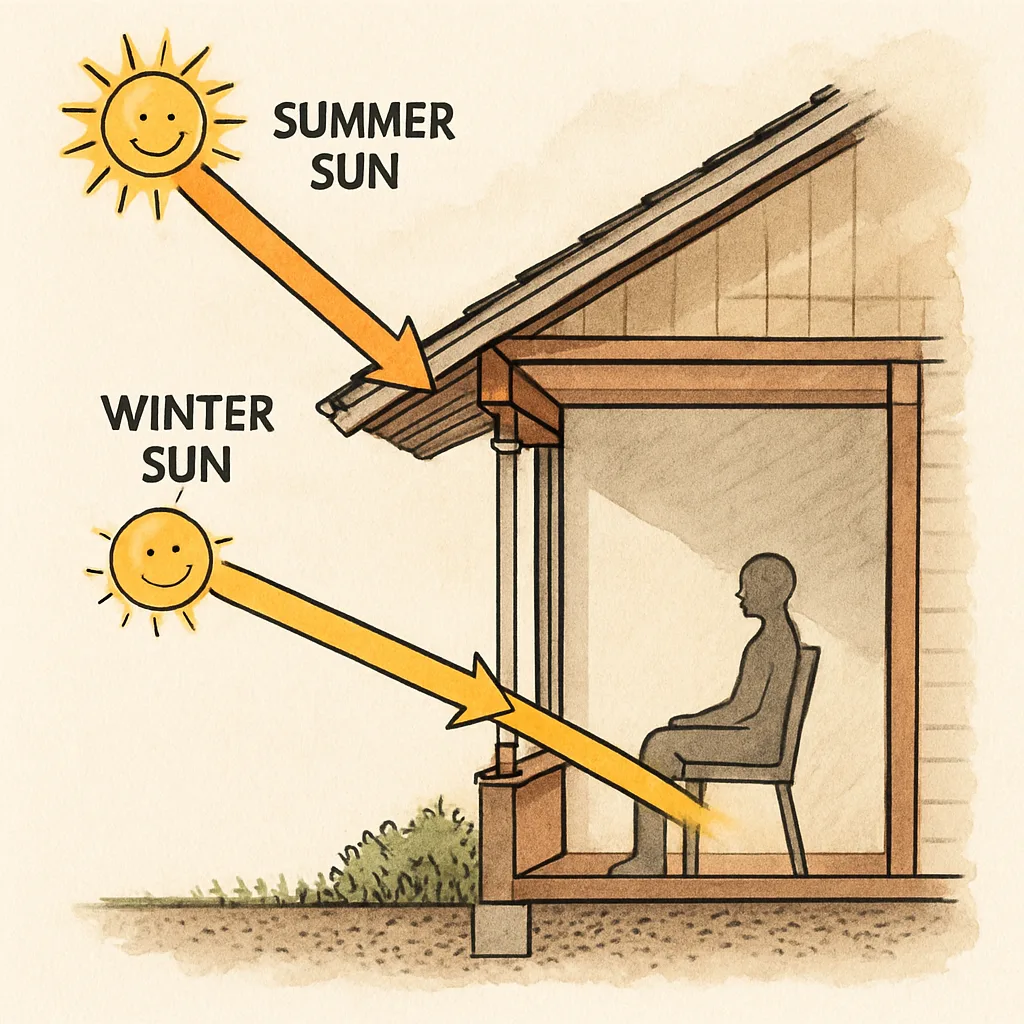
Image source: Bing (Web (fair-use with source credit))
- Sun Exposure: Rooms that get direct sunlight, especially during the hottest parts of the day (south or west-facing windows), will generate significantly more heat. For every window that gets direct sun, you might need to add an extra 10% to your estimated BTU requirement.
- Occupancy: People generate body heat. For every person who regularly uses the space beyond two, add about 600 BTU for each additional person. This is more relevant for living areas or home offices than bedrooms, where occupancy is usually consistent.
- Heat-Generating Appliances: Kitchens are a prime example. Ovens, stoves, and even dishwashers add a considerable amount of heat. If you're sizing an AC for a kitchen or an area with a lot of electronics (like a home theater room or server room), you'll need to account for this extra heat. For kitchens, adding around 4,000 BTU is a common recommendation.
Insulation, Windows, and Shading: The Game Changers
The quality of your home's insulation and the type of windows you have are huge factors in how much heat enters your space. These elements directly affect your home's ability to retain cool air and keep hot air out.
- Insulation: A well-insulated home acts like a thermos, keeping the cool air in and the hot air out. Older homes or those with poor insulation will require a larger AC unit because more heat will seep in. Conversely, a home with modern, high-quality insulation (check the R-value for a benchmark) will need a smaller, more efficient unit. Aggregated data from building science reports indicates that homes with R-values below R-19 may experience a 15-20% higher cooling load.
- Windows: Window types matter a lot. Single-pane windows offer very little insulation and let in a lot of heat. Double-pane, especially energy-efficient, low-E coated windows, will significantly reduce heat gain. The size of your windows also plays a role; larger windows let in more solar radiation.
- Shading: Natural shading from trees or artificial shading like awnings, blinds, or curtains can make a big difference. A room with heavy drapes or exterior shutters will stay cooler than one with bare windows. If a room has minimal shading and faces the sun directly, you'll need to bump up your BTU calculation.
When Bigger Isn't Better: The Pitfalls of Oversizing
It’s tempting to think that a bigger AC unit will always cool your space more effectively, especially during those sweltering summer months. However, this is a common mistake that leads to more problems than it solves. When an air conditioner is too large for the space it's intended to cool, it runs its cooling cycle very quickly and then shuts off.
This process is known as "short-cycling."
During short-cycling, the AC doesn't run long enough to effectively remove humidity from the air. You might notice that your home feels cool, but it still feels damp and uncomfortable. This is because the moisture from the air isn't being condensed and drained away as it should be.
According to manufacturer data, units that short-cycle can reduce dehumidification efficiency by up to 30%. This not only makes you feel clammy but can also encourage the growth of mold and mildew in damp environments. Furthermore, the constant on-and-off cycling puts excessive wear and tear on the compressor, the most critical and expensive part of the AC system, potentially leading to premature breakdowns and costly repairs.
When Too Small Causes Trouble: The Downsides of Undersizing
On the flip side, choosing an AC unit that's too small for the job can be just as problematic, though the symptoms are different. If your air conditioner's BTU capacity is insufficient for the square footage and heat load of your space, it will struggle to keep up, especially during peak heat. You'll likely notice that the unit runs almost constantly, trying desperately to reach the thermostat's set temperature but often failing to do so.
This constant running means the AC is working overtime, putting significant stress on all its components. This continuous operation leads to increased energy consumption, as the unit is always drawing power without achieving the desired result. Aggregate user reviews frequently report that undersized units lead to significantly higher electricity bills, sometimes by as much as 20-25% more than a properly sized unit.
Beyond the energy cost, this constant strain can lead to premature wear and tear, increasing the risk of breakdowns and shortening the overall lifespan of the air conditioning system. The unit will also fail to adequately dehumidify, contributing to that uncomfortable sticky feeling even if it technically lowers the temperature.
How to Get the Right BTU: Tools and Tips
So, you've measured your space and considered the heat-adding factors. Now comes the crucial part: translating all that information into a specific BTU number. Thankfully, you don't need to be an HVAC engineer to figure this out.
There are readily available tools and professional advice to help you land on the perfect BTU rating for your needs.
Using Online Calculators
Many reputable websites offer free online BTU calculators. These tools are designed to simplify the process by prompting you for all the essential information we’ve discussed. You'll typically input:
- Square footage: The length and width of the room or area.
- Ceiling height: Standard (8 ft) or higher.
- Sun exposure: How much direct sunlight the windows receive.
- Insulation quality: Good, average, or poor.
- Window type and quantity: Single-pane, double-pane, number of windows.
- Occupancy: How many people regularly use the space.
- Heat sources: Presence of kitchens, electronics, etc.
The calculator then uses these inputs to suggest a BTU range. It's important to use calculators from trusted sources, often those affiliated with HVAC manufacturers or energy efficiency organizations. These tools provide a good starting point and a solid estimate, especially for single-room units like window or portable ACs.
Consulting Professional HVAC Pros
While online calculators are handy, nothing beats the accuracy of a professional assessment for central air conditioning systems or complex installations. A qualified HVAC technician will perform a detailed "Manual J" load calculation. This is a standardized method developed by the Air Conditioning Contractors of America (ACCA) that takes into account an exhaustive list of factors, including your home's specific construction, climate zone, ductwork design, and even local wind patterns.
A Manual J calculation is the industry standard for ensuring your system is correctly sized. It goes far beyond simple square footage measurements and provides the most accurate picture of your home's heating and cooling needs. Many HVAC companies offer free in-home consultations and load calculations, especially when you're considering a new installation or replacement.
This professional evaluation is highly recommended for central systems to avoid the costly mistakes of oversizing or undersizing.
Common AC Sizing Mistakes to Steer Clear Of
Even with all the information available, people still make common mistakes when trying to size an air conditioner. Being aware of these pitfalls can save you a lot of hassle and money down the road. The most frequent errors boil down to oversimplification or a lack of understanding of how different factors influence cooling needs.
- Ignoring Heat Loads: The biggest mistake is relying solely on square footage. As we've discussed, sunlight, occupants, and appliances all contribute significantly to the heat within a space. Failing to account for these can lead to a unit that's either too weak or too powerful.
- Overestimating Needs: Sometimes, people err on the side of caution and buy a unit with a much higher BTU rating than necessary, thinking more power is always better. This leads to the problems of short-cycling, poor dehumidification, and wasted energy. Remember, the goal is efficient comfort, not just raw cooling power.
- Forgetting Insulation and Windows: The quality of your home's envelope, its insulation and windows, is a major player. If you have a poorly insulated attic or old, drafty windows, your cooling load will be much higher than for a similarly sized, well-sealed home. Don't underestimate the impact of these structural elements.
- Not Considering Climate: The climate you live in matters immensely. A BTU rating sufficient for a mild climate might be inadequate for a very hot and humid region. Always consider your local weather patterns when selecting an AC size. For example, a unit rated for 12,000 BTU in a dry, temperate zone might only be suitable for 8,000 BTU in a hot, humid area.
- Relying on Old Rules of Thumb: While general guidelines exist, they are often too simplistic for today's diverse home constructions and energy efficiency standards. What worked for a house built 30 years ago might not be optimal for a modern, energy-efficient dwelling.
Frequently Asked Questions About AC Size
How do I calculate square footage for AC sizing?
To calculate square footage, measure the length and width of the room or area you want to cool in feet, then multiply those two numbers. For example, a 12-foot by 15-foot room is 180 square feet (12 x 15). For a whole house, sum the square footage of all conditioned rooms.
What BTU is needed for a 500 sq ft room?
For a 500 sq ft room with standard 8-foot ceilings and average insulation, a general guideline suggests around 10,000 to 12,000 BTU. However, this needs adjustment for factors like direct sunlight, ceiling height over 8 feet, poor insulation, or frequent occupancy, which could push the requirement higher.
Can an oversized AC cause health problems?
Yes, an oversized AC can contribute to health issues indirectly. By short-cycling, it doesn't dehumidify effectively, creating a damp environment that can foster the growth of mold and dust mites. These allergens can trigger or worsen respiratory problems like asthma and allergies for sensitive individuals.
What's the difference between BTU and tons of cooling?
BTU (British Thermal Unit) is the standard measure for smaller AC units like window or portable models, indicating how much heat they can remove per hour. A "ton" of cooling refers to larger systems, typically central air conditioners. One ton of cooling is equivalent to 12,000 BTU per hour.
So, a 2-ton AC unit has a capacity of 24,000 BTU per hour.