How Many Hours Should an AC Run per Day?
Ever feel like you're constantly fiddling with the thermostat, wondering if your air conditioner is doing its job efficiently or just costing you a fortune? You're not alone. It's a really common question: "How many hours should an AC run per day?" The truth is, there's no single magic number that fits everyone.
It's more about understanding what's going on with your system and your home.
Think of it like asking how long you should exercise each day, it depends on your goals, your fitness level, and what you're doing. For AC efficiency, factors like your home's insulation, the outside temperature, and your thermostat settings play a much bigger role than a fixed number of hours.
Quick Answer
Your AC should ideally run in cycles, not constantly. On average, a well-functioning unit in a properly insulated home might run 8-12 hours daily, cycling on and off. During extreme heat, running 16-20 hours is common, but continuous operation without cooling indicates a problem.
What's a "Normal" AC Run Time, Anyway?
The idea of a "normal" run time for your AC can be a bit misleading because what's normal for one household might be completely different for another. It's less about hitting a specific hour count and more about the system effectively doing its job to keep you comfortable without overworking itself. When we look at manufacturer specifications, like those for ENERGY STAR certified air conditioners, the focus is on efficiency ratings (SEER, Seasonal Energy Efficiency Ratio) rather than a prescribed daily runtime.
These ratings tell you how much energy the unit uses relative to its cooling output, implying that efficient units will cycle off rather than run incessantly.
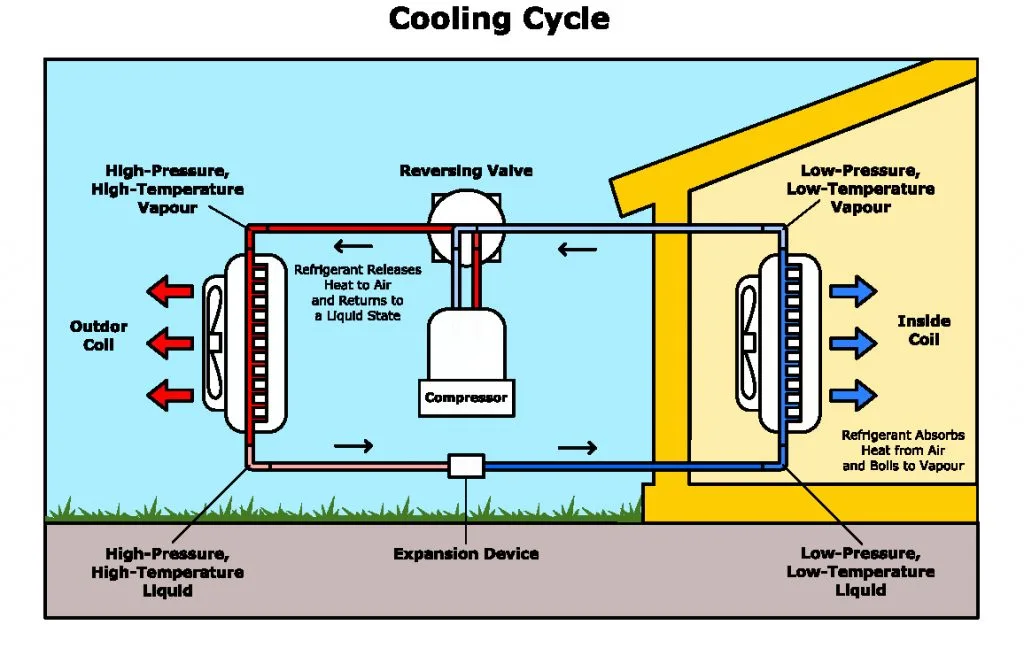
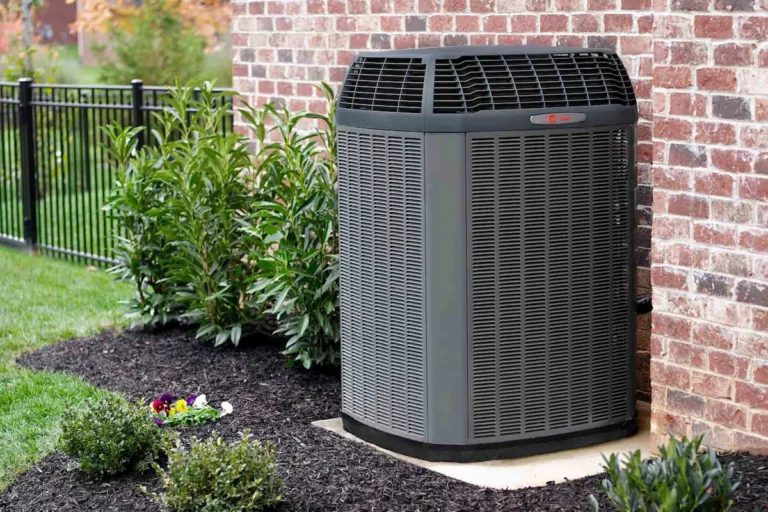
Image source: Bing (Web (fair-use with source credit))
Essentially, your AC unit should cycle on when the temperature inside your home rises above your thermostat setting and cycle off once it reaches that set point. A healthy system will do this multiple times a day, rather than running for an entire 24-hour period without a break.
Why Your AC's Run Time Isn't a Fixed Number
So, why can't we just say "your AC should run exactly X hours"? It boils down to a dynamic interplay of external conditions and the internal characteristics of your home. Imagine trying to keep a car at a steady speed on a hilly road, you'll be accelerating and decelerating constantly.
Your AC works similarly, reacting to the environment.
The Role of Outside Temperature
This is probably the most obvious factor. When the mercury climbs outside, your air conditioner has to work much harder to combat that heat. Think of it like trying to cool down a car parked in direct sunlight versus one in the shade on the same hot day.
A National Oceanic and Atmospheric Administration (NOAA) report on climate trends confirms that average temperatures are indeed rising in many regions, meaning ACs are tasked with handling more heat load year after year.

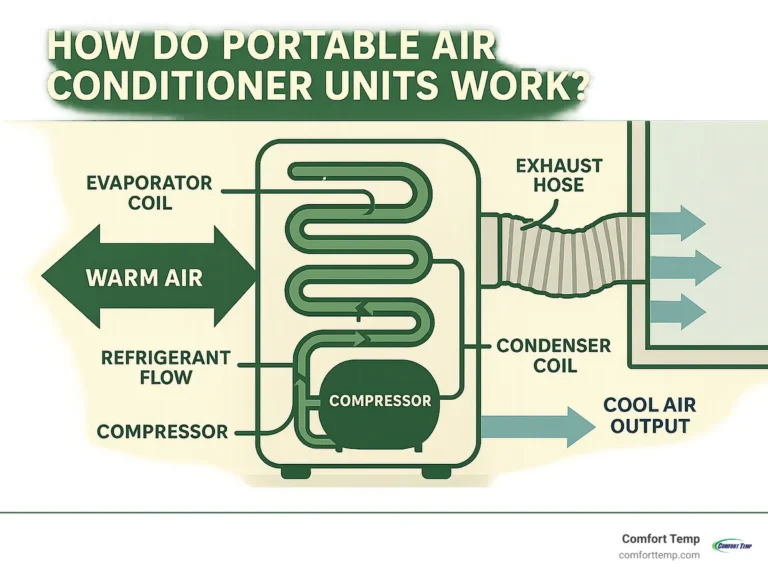
Image source: Bing (Web (fair-use with source credit))
On a sweltering 95°F (35°C) day, your AC might run for 16-20 hours. On a mild 75°F (24°C) day, it might only run for 3-6 hours, cycling on and off to maintain comfort.
How Home Insulation and Sealing Matter
Your home is like a big thermos. How well it holds that cool air depends on its insulation and how well it's sealed. If you've got leaky windows, gaps around doors, or inadequate attic insulation, that cool air you're paying for is escaping right out into the heat.
This forces your AC to run longer and more frequently just to keep up, as it's constantly fighting a losing battle against heat infiltration. Studies from the U.S. Department of Energy highlight that proper insulation and sealing can reduce heating and cooling energy costs by up to 20%.
Thermostat Settings and Sun Exposure
The temperature you set on your thermostat is a direct command to your AC. A lower setting means the unit needs to work harder and longer to achieve and maintain that cooler temperature. If you prefer a crisp 70°F (21°C) on a hot day, your AC will obviously run more than if you set it to a more energy-conscious 78°F (26°C).
Similarly, consider how much direct sunlight your home receives. A house that bakes in the afternoon sun will gain heat much faster than a home shaded by mature trees or awnings. This heat gain directly impacts how long your AC needs to run to bring the indoor temperature back down.
Signs Your AC is Running Too Much (or Not Enough)
Instead of counting hours, paying attention to how your AC behaves is a much better indicator of its health and efficiency. Are there clear signals that tell you it's either working too hard or not working effectively? Absolutely.
When It Runs Non-Stop But Doesn't Cool
If your AC unit is running continuously for hours on end but the air coming out of the vents isn't cool, or the room temperature isn't dropping, that's a major red flag. This situation often points to a more serious issue. It could mean your system is low on refrigerant, which is crucial for the cooling process.
Another possibility is a dirty evaporator coil, which can't absorb heat effectively, or a failing compressor. The U.S. Environmental Protection Agency (EPA) recommends professional checks if your AC shows persistent signs of not cooling despite running.
The Problem with Short Cycling
Short cycling is the opposite extreme: your AC runs for very short periods, often only a few minutes, before shutting off. Then, it quickly turns back on again. This is incredibly inefficient.
It means the system never gets a chance to properly cool the air or dehumidify your home, leaving you feeling clammy and uncomfortable. It also puts excessive wear and tear on the compressor and other components, potentially shortening the lifespan of your unit. This is frequently caused by an AC unit that is too large for the space it's trying to cool.
Watching Your Energy Bills and Comfort Levels
A sudden, unexplained spike in your electricity bill is often the first hint that your AC is working overtime inefficiently. If your usage habits haven't changed and there hasn't been a significant heatwave, an AC that's running excessively could be the culprit. Equally important is your personal comfort.
If you notice that certain rooms are always too warm or too cool, or that the air feels stagnant even when the AC is on, it suggests performance issues that are affecting your living environment.
Practical Steps to Understand Your AC's Rhythm
Figuring out if your AC is running optimally doesn't require a degree in HVAC. You can do some simple checks yourself to get a good understanding of its behavior.
Checking Your Air Filter First
This is the absolute simplest and most impactful maintenance task you can do. A clogged air filter restricts airflow, forcing your AC to work much harder to pull air through it. This makes the unit less efficient and can lead to it running longer.
Manufacturers typically recommend checking and replacing your air filter every 1 to 3 months, depending on the filter type and your home environment. A dirty filter can significantly reduce your AC's efficiency, often by 5-15%.
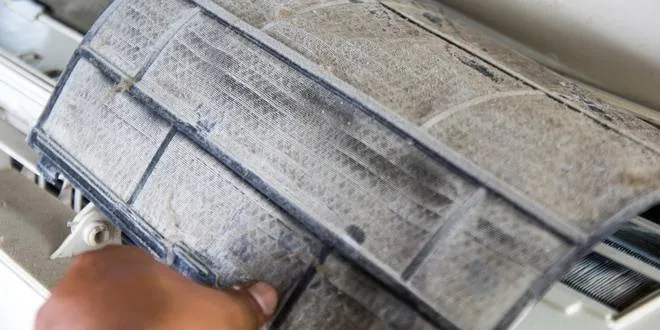
Image source: Web (Bing) / ryanheatingair.com (Web image (fair-use with source credit))
Observing Your Thermostat and Airflow
Set your thermostat to your preferred temperature and then simply observe. How long does it take for the AC to turn on after the temperature rises? How long does it run before shutting off?
Does it shut off completely, or just switch to fan mode? Pay attention to the air coming from the vents. Is it consistently cool and dry?
If it feels weak, warm, or very humid, that's a sign something isn't right.
Listening to Your Unit
Your AC unit will make certain sounds when it's operating normally. Listen for any unusual noises like grinding, rattling, buzzing, or hissing. These sounds can indicate mechanical problems, refrigerant leaks, or other issues that are causing the unit to run inefficiently or even unsafely.
Common AC Mistakes That Affect Run Time
Many homeowners inadvertently make choices that cause their AC to run more than necessary. One common mistake is setting the thermostat too low. While it might feel great initially, it forces the AC to work harder and longer to reach those frigid temperatures, leading to higher energy bills.
Another mistake is neglecting regular maintenance, particularly changing the air filter. A dirty filter, as mentioned, is a huge energy drain.
Over-reliance on the "auto" fan setting without considering ventilation needs can also contribute to longer run times. While "auto" is generally efficient, sometimes a "circulate" or "on" setting might be better for consistent air movement if that's your priority. Additionally, blocking air vents in unused rooms doesn't save energy; it often disrupts airflow and can make the overall system less efficient, potentially leading to longer run times in occupied areas.
When to Call a Professional
If you've checked your air filter, observed your AC's behavior, and are still seeing signs of trouble, like continuous running without cooling, very frequent short cycling, or unusually high energy bills, it's time to bring in an expert. A qualified HVAC technician has the tools and knowledge to diagnose the root cause of these issues. They can check refrigerant levels, inspect for leaks (often requiring specialized equipment), clean internal components like coils, and assess the overall health of your system.
Many HVAC manufacturers recommend professional servicing at least once a year, typically in the spring before the peak cooling season begins, to ensure optimal performance and prevent breakdowns. As of 2026, industry standards still emphasize preventative maintenance as key to longevity and efficiency for all air conditioning systems.
Frequently Asked Questions About AC Run Time
How long should my AC run on a very hot day?
On extremely hot days, it's normal for your AC to run for 16-20 hours daily. If it's running 24/7 without cooling, or if it can't keep up, there might be an issue.
Can a dirty air filter make my AC run longer?
Yes, a clogged air filter significantly restricts airflow, forcing your AC to work much harder and run for longer periods to achieve the desired temperature.
Is it bad if my AC cycles on and off frequently?
Frequent short cycling (running for only a few minutes) is generally bad. It's inefficient, can cause uneven cooling, and puts extra strain on your AC's components.
How much does running my AC all day cost?
The cost varies widely based on your electricity rates, AC's efficiency (SEER rating), and local climate. Running a central AC unit 24/7 can add hundreds of dollars to your monthly electricity bill.
Should I turn my AC off when I leave the house?
It's usually more energy-efficient to set your thermostat a few degrees higher (e.g., 78°F or 26°C) when you're away rather than turning it off completely. This avoids the AC having to work excessively hard to cool the house down from a much higher temperature upon your return.