Is an Inverter AC Better Than a Regular AC?
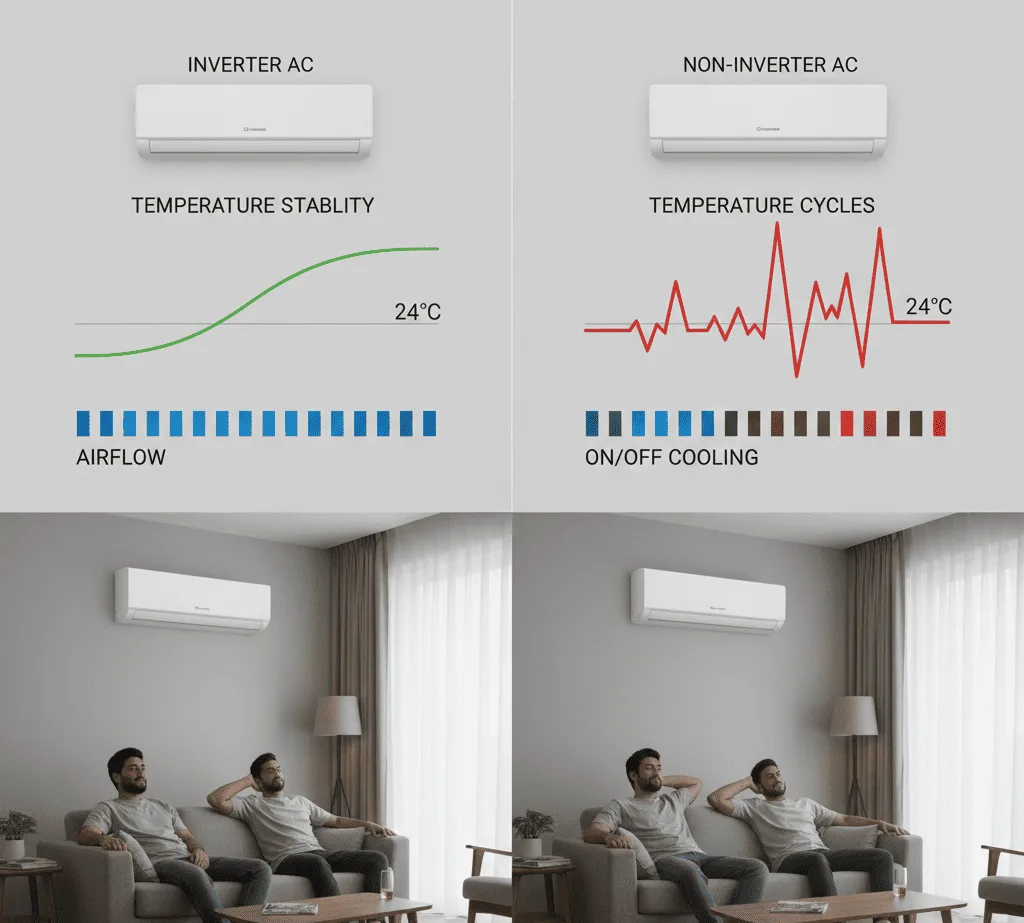
Image source: Bing (Web (fair-use with source credit))
Inverter AC vs. Regular AC: What's the Real Difference?
Deciding between an inverter AC and a regular AC can feel like a chore, but understanding the core difference is key to making the right choice for your home’s comfort and your energy bills. The main distinction lies in how the compressor, the AC's workhorse, operates. This technology impacts everything from how quietly it runs to how much electricity it consumes.
Our research shows that by late 2026, the gap in energy efficiency is a significant factor for homeowners looking to optimize their utility costs. This guide will break down the technicalities into simple terms, helping you see which type of air conditioner truly fits your needs and budget for consistent, comfortable cooling.
Quick Answer
Inverter ACs are generally better because they offer superior energy efficiency and quieter operation than regular ACs. They use a variable-speed compressor to maintain a set temperature, leading to lower electricity bills and more consistent comfort. Regular ACs use an on-off compressor, which is less efficient and can cause noticeable temperature swings and noise.
How the Compressor Works: The Heart of the AC
The compressor is the engine of your air conditioner; it’s responsible for circulating the refrigerant that cools your home. How it achieves this cooling, and how it manages its workload, is where the fundamental difference between inverter and regular ACs lies.
Regular AC: The On-and-Off Cycle
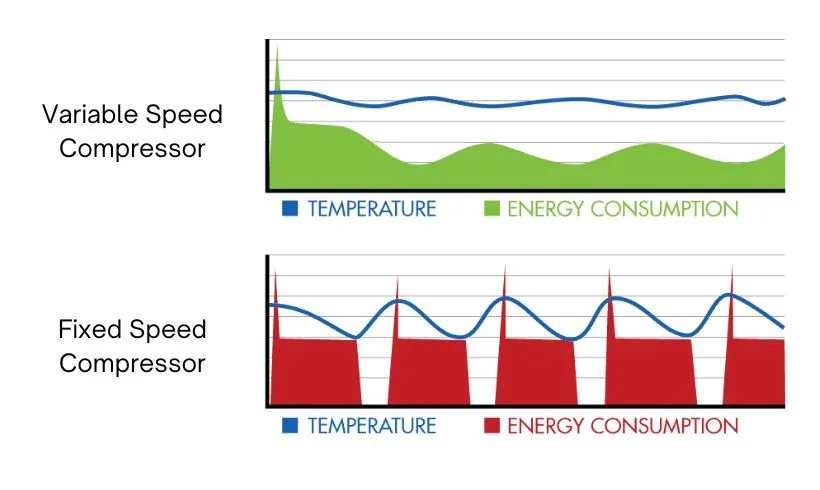
Think of a regular, or non-inverter, air conditioner's compressor like a light switch. When the room temperature rises above your set point, the compressor kicks on at full power, 100% capacity, to cool things down rapidly. Once your desired temperature is reached, the compressor shuts off completely.
As the room inevitably warms up again, the thermostat senses this change, and the compressor has to start up again at full blast. This constant cycle of turning on at maximum power and then shutting off entirely uses a significant amount of energy and can lead to noticeable temperature fluctuations and audible noise as the unit powers up and down.
Inverter AC: The Smart, Steady Hum
An inverter AC, on the other hand, employs a compressor that can adjust its speed. Instead of just being on or off, it operates more like a dimmer switch. When you first turn on an inverter AC, the compressor might run at a higher speed to quickly lower the room temperature.
However, once it gets close to your target temperature, the inverter technology allows the compressor to slow down and run at a much lower, more consistent speed. It doesn’t shut off completely; it just modulates its output to maintain the set temperature efficiently. This variable-speed operation is the key to their enhanced performance.
For example, specifications from manufacturers like LG often highlight that their inverter compressors can operate across a range of speeds, adapting to real-time cooling demands.
Key Differences: Comfort, Cost, and Quiet
The way the compressor works directly translates into tangible differences you'll experience in your daily life, primarily concerning energy bills, room comfort, and noise. Understanding these distinctions is crucial when you're evaluating which type of air conditioner best suits your household's needs.
Energy Efficiency: Saving Money Over Time
This is arguably the most significant advantage of inverter ACs. The constant starting and stopping of a regular AC's compressor requires a large surge of electricity each time it powers up. Inverter ACs, by contrast, avoid these energy-guzzling startups.
Once the desired temperature is reached, the inverter AC simply ramps down its compressor speed to maintain it, using only the energy necessary for that steady operation. This continuous, lower-power running is far more efficient. Aggregate consumer reports indicate that inverter models can be up to 30-50% more energy-efficient than comparable non-inverter units.
This means lower monthly electricity bills, making the potentially higher upfront cost of an inverter unit a worthwhile long-term investment.
Temperature Consistency: Your Comfort Zone
Have you ever felt your room get too cold right after the AC turns back on, or started to feel warm just before it kicks in again? Those are temperature swings, and they're common with regular ACs due to their on-and-off cycling. Inverter ACs excel at minimizing these fluctuations.
Their ability to run at variable speeds allows them to maintain a much steadier temperature. Instead of large jumps up and down, the temperature stays within a narrow, comfortable range. This provides a more pleasant and consistent indoor climate, reducing the feeling of being too hot or too cold.
This level of control is particularly beneficial in spaces where comfort is paramount, like bedrooms or home offices.
Noise Levels: Peace and Quiet
The dramatic startup and shutdown of a regular AC's compressor can be quite noticeable, especially in quieter environments. The full-power operation generates more sound. Inverter ACs, with their ability to operate at lower, sustained speeds, are significantly quieter.
When an inverter AC is maintaining a temperature, its compressor is running gently, producing a low hum that is often barely audible. This makes them ideal for bedrooms, nurseries, or any living space where minimizing noise is a priority. While specific decibel ratings can vary by model, independent tests consistently show inverter units operating at substantially lower sound levels during their steady-state operation compared to the peak noise generated by non-inverter models.
Pros and Cons: Weighing Your Options
When you're trying to decide between an inverter AC and a regular AC, it helps to see the advantages and disadvantages laid out clearly. Each has its place, but understanding their strengths and weaknesses is key to making an informed choice that aligns with your priorities, whether that's budget, comfort, or energy savings.
Here’s a quick breakdown to help you compare:
Inverter AC Pros:
- Energy Savings: Significantly lower electricity consumption over time.
- Consistent Temperature: Maintains a more stable and comfortable indoor climate.
- Quieter Operation: Much less noise, especially at lower speeds.
- Potentially Longer Lifespan: Less wear and tear due to smoother operation.
Inverter AC Cons:
- Higher Upfront Cost: Generally more expensive to purchase initially.
- More Complex Repair: If repairs are needed, they might be more intricate.
Regular AC Pros:
- Lower Upfront Cost: More budget-friendly for initial purchase.
- Simpler Technology: Potentially easier to repair.
Regular AC Cons:
- Higher Energy Use: Leads to higher electricity bills.
- Temperature Fluctuations: Less precise temperature control, noticeable swings.
- Noisier Operation: Louder, especially during startup cycles.
Who Should Choose an Inverter AC?
An inverter AC is a fantastic choice for many households, especially if you're looking for long-term value and enhanced comfort. If you plan to use your air conditioner frequently, for extended periods throughout the day or night, the energy savings can really add up. Think about those hot summer months where the AC might be running for 8-12 hours a day.
The consistent temperature maintenance is also a huge win for those who are sensitive to temperature changes or simply want a more predictable and comfortable living environment. If you prioritize a peaceful atmosphere, especially in bedrooms or quiet living spaces, the significantly lower noise levels of inverter units are a major advantage. For instance, many homeowners report a marked difference in sleep quality when upgrading to a quieter inverter model.
Who Might Be Fine with a Regular AC?
While inverter ACs offer compelling benefits, a regular, non-inverter AC can still be a perfectly suitable option depending on your specific circumstances and priorities. If your primary concern is minimizing the initial purchase price, a regular AC will almost always be the more budget-friendly choice. The upfront cost for a non-inverter unit is typically lower than for a comparable inverter model.
Furthermore, if you only plan to use your air conditioner sparingly, perhaps only for a few hours on the absolute hottest days of the year, the energy efficiency benefits of an inverter might not offset the higher initial investment. For individuals who aren't overly sensitive to minor temperature fluctuations or the sound of their AC unit cycling on and off, a regular AC can still provide adequate cooling without breaking the bank.
Using Your Air Conditioner: What to Expect Day-to-Day
Once you've chosen between an inverter and a regular AC, how you use it matters for efficiency and comfort. With a regular AC, you'll likely notice it working hard to reach your set temperature, and then you'll hear it shut off. This on-and-off pattern means you might experience those temperature dips and spikes we talked about.
It's important to understand that this is normal operation for this type of unit.
An inverter AC, however, will feel different. It aims to reach your target temperature smoothly and then maintain it with minimal fuss. You might notice it running for longer stretches but at a much quieter, lower speed.
The key is setting your desired temperature and letting the unit's technology do its job, rather than constantly adjusting the thermostat, which can confuse the unit and reduce efficiency for both types.
What About Installation?
Regardless of the type, proper installation is crucial for optimal performance and longevity. This usually involves a qualified HVAC technician who will ensure the unit is correctly sized for your space, properly sealed, and connected to power. Incorrect installation can lead to reduced efficiency, premature wear, and potential safety hazards.
Manufacturer specifications and installer guidelines are critical here.
How to Maximize Efficiency
For both inverter and regular ACs, using a programmable or smart thermostat can help you save energy. You can set schedules to cool your home only when needed, such as during peak hours of occupancy or when the outdoor temperature is most extreme. Additionally, ensuring your home is well-insulated and sealing any air leaks around windows and doors will reduce the workload on your AC, regardless of its type.
Following guidelines from organizations like the U.S. Department of Energy regarding home insulation can significantly boost efficiency.
When is a Regular AC the Smarter Buy?
While inverter ACs offer appealing efficiency and comfort benefits, a regular, non-inverter AC still holds its ground as a smart purchase in specific scenarios. The primary driver for choosing a regular AC often comes down to budget. These units typically have a lower upfront cost, making them more accessible for those on a tighter initial investment plan.
If you only need air conditioning for very short periods, or in situations where precise temperature control and whisper-quiet operation aren't top priorities, a regular AC can certainly do the job. For example, a small window unit for a rarely used guest room might not warrant the higher price of an inverter model if it's only switched on a handful of times a year.
Understanding the Trade-offs
The main trade-off with a regular AC is its energy consumption and temperature consistency. Because its compressor operates at a fixed speed and cycles on and off, it uses more electricity overall and can lead to noticeable temperature fluctuations in the room. While this might be acceptable for occasional use, it can become a significant downside if the unit is run extensively, leading to higher utility bills over time.
It's a classic cost-benefit analysis where the immediate savings come at the expense of long-term running costs and comfort.
What About Installation and Maintenance?
Both inverter and regular AC units require professional installation by a certified HVAC technician to ensure they operate safely and efficiently. The installation process involves properly sizing the unit for the room, ensuring good airflow, and connecting electrical components. Poor installation can lead to reduced cooling capacity, increased energy consumption, and potential system failures for either type of AC.
Regular maintenance is also vital for both. This typically includes cleaning or replacing air filters monthly, having the unit professionally serviced annually to check refrigerant levels and clean coils, and ensuring the outdoor unit is free of debris. Following manufacturer maintenance schedules, which are often detailed on official vendor sites, helps prolong the life of the unit and maintain its efficiency, regardless of whether it's an inverter or a regular model.
Is Maintenance Different?
While the core maintenance principles remain the same, cleaning filters, professional check-ups, the internal complexity might slightly influence repair costs down the line. Inverter ACs have more sophisticated electronic components, like variable-speed drives, which could potentially lead to more complex (and thus, sometimes more expensive) repairs if a specific component fails compared to the simpler mechanics of a regular AC's fixed-speed compressor. However, the reduced wear and tear from smoother operation in inverter units may mean fewer repairs overall.
How to Choose: Your Decision Guide
Deciding between an inverter AC and a regular AC boils down to your personal circumstances and what you value most. If your priority is minimizing upfront costs and your AC usage is infrequent, a regular AC might be the more practical choice. You'll save money initially, but be prepared for potentially higher energy bills and less precise temperature control.
However, if long-term energy savings, consistent comfort, and quiet operation are high on your list, an inverter AC is likely the better investment. The higher initial price is often recouped through lower electricity bills over the unit's lifespan, and the enhanced comfort and reduced noise contribute to a more pleasant living environment. Consider how much you’ll use the AC, your budget for both purchase and running costs, and your tolerance for noise and temperature swings.
Matching the AC to Your Needs
Think of it like choosing a car. A regular AC is like a reliable sedan that gets you from A to B effectively and affordably upfront. An inverter AC is more like a hybrid or electric vehicle; it costs more initially but offers better fuel efficiency (energy savings) and a smoother, quieter ride.
For most homes where AC is used regularly, the long-term benefits of the inverter often make it the preferred option. Always check manufacturer specifications for exact efficiency ratings and operational details.
Frequently Asked Questions (FAQs)
How much more do inverter ACs typically cost upfront?
Inverter ACs generally cost between 10% to 30% more upfront than comparable regular AC units. This higher price reflects the more advanced technology involved in the variable-speed compressor and related electronics.
Can regular ACs be upgraded to inverter technology?
No, you cannot directly upgrade a regular AC unit to inverter technology. The fundamental design and components, particularly the compressor type, are different. If you want inverter capabilities, you need to purchase a new inverter AC unit.
How long do inverter ACs typically last compared to regular ACs?
While both types have similar lifespans when properly maintained, inverter ACs may last longer due to less stress on components from constant on-and-off cycling. Manufacturer warranties often range from 5 to 10 years for compressor parts on both types, but good maintenance is key.
Do inverter ACs use less electricity even when cooling quickly?
Yes, even when initially cooling a room rapidly, an inverter AC's compressor can adjust its speed to be more efficient than a regular AC's fixed, full-power operation during that startup phase. It then slows down to maintain the temperature, further conserving energy.

2 Comments