Is It Safe to Leave an AC Running Overnight?
When the summer heat hits hard, the hum of your air conditioner can be a sweet sound. But as you settle in for the night, you might wonder: Is it safe to leave an AC running overnight? It's a common concern, and the answer isn't a simple yes or no for everyone.
In most cases, leaving a modern, well-maintained air conditioner (AC) running overnight is perfectly safe. These systems are designed for continuous operation to maintain a comfortable temperature. However, factors like the age of your unit, its maintenance history, and your home's specific conditions play a big role in determining safety and efficiency.
Quick Answer: Yes, But Check These Things First
Generally, it's safe to leave your AC running overnight if your unit is modern and well-maintained. Manufacturer specifications confirm that these systems are built for extended operation. Key factors for safety include proper electrical connections, adequate airflow, and regular servicing to prevent issues like overheating or poor air quality.
When Running Your AC Overnight is A-Okay
Let's talk about the scenarios where you can rest easy with your AC humming away. For most households, this is the norm, and for good reason.
Comfort and Sleep Quality
A primary benefit of leaving your AC on overnight is consistent comfort. Many people find that a cooler room temperature leads to better sleep. The U.S.
Department of Energy suggests that setting your thermostat a few degrees cooler than you might normally during the day can improve sleep quality and reduce restlessness. This isn't just about feeling good; it can impact your overall well-being by allowing your body to enter deeper sleep cycles more effectively. A stable, cool environment means fewer awakenings due to overheating.
Modern AC Units and Continuous Operation
Today's air conditioning units are engineered for reliability and extended use. Unlike older models that might have been more prone to overheating or component failure, contemporary AC systems feature advanced safety mechanisms and durable parts. They're designed to cycle on and off automatically to maintain your desired temperature, meaning they aren't constantly running at full blast unless the ambient temperature demands it.
This cyclical operation, managed by your thermostat, is a standard feature for energy efficiency and system longevity.
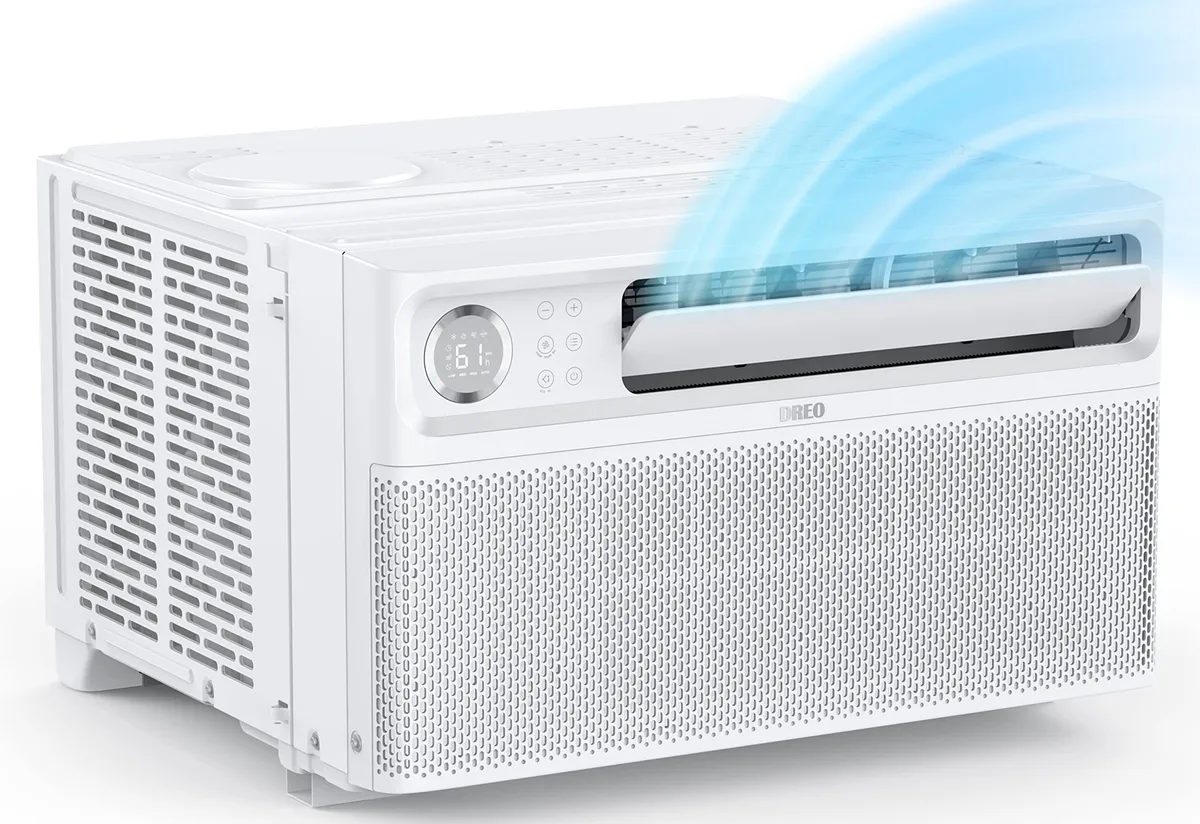
Image source: Web (Bing) / naturalgasfurnace.us (Web image (fair-use with source credit))
Red Flags: When to Reconsider Overnight AC Use
While it's usually fine, there are specific situations where running your AC all night might not be the best idea, or at least warrants a closer inspection of your unit and its environment. Ignoring these signs could lead to minor issues or, in rare cases, more serious problems.
Older AC Units and Potential Issues
If your air conditioner is showing its age, you might want to be more cautious about leaving it running for extended periods overnight. Older units, particularly those installed more than 15-20 years ago, may have components that have degraded over time. This can include worn-out electrical parts, seals that are no longer effective, or less efficient cooling mechanisms.
These older systems might be more susceptible to overheating, increased energy consumption, or developing refrigerant leaks, which can impact both safety and performance.
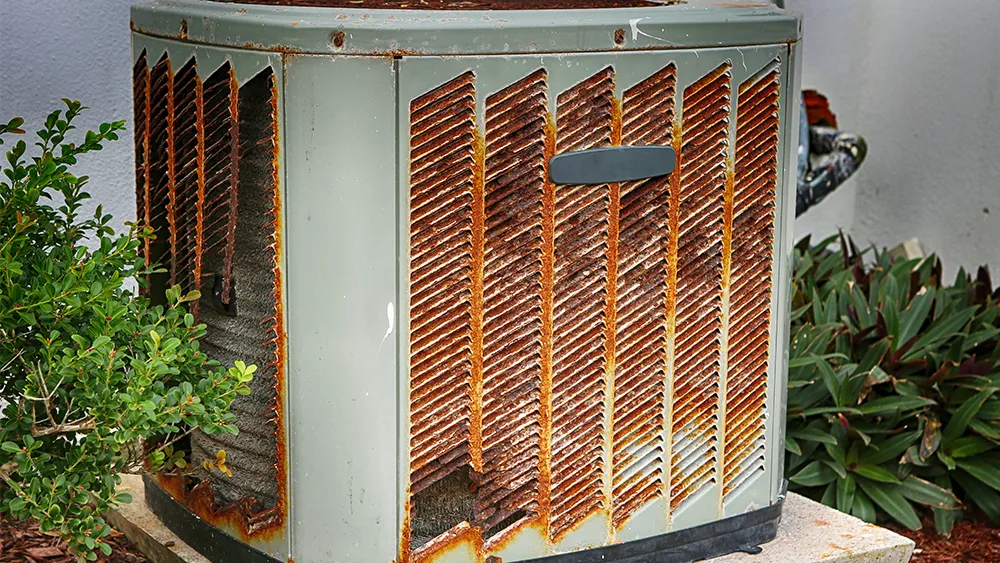
Image source: Web (Bing) / cielowigle.com (Web image (fair-use with source credit))
The Critical Role of Regular Maintenance
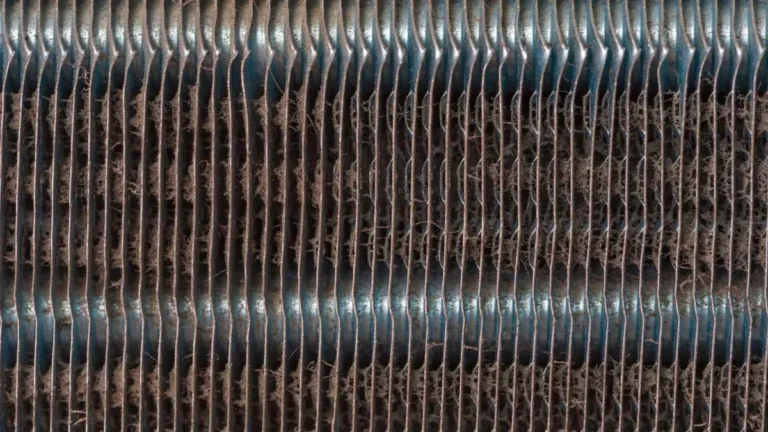
Skipping your AC's annual tune-up is one of the quickest ways to turn a safe appliance into a potential hazard. Dust, dirt, and debris can accumulate on filters, coils, and fan blades. This buildup forces the unit to work harder to cool your home, leading to increased strain on the motor and electrical components.
Over time, this can cause overheating. Furthermore, clogged filters can restrict airflow, creating a less healthy environment by circulating stale air and potentially exacerbating allergies. Regular professional servicing, often recommended by manufacturers as part of their warranty requirements, addresses these issues proactively.
Warning Signs: Noises, Smells, and Visuals
Your AC will often tell you when something's not quite right. If you notice any unusual sounds like grinding, squealing, or loud banging when the unit is running overnight, it's a clear signal to turn it off and investigate. Similarly, any strange odors, such as a burning smell, a musty scent, or the faint smell of sulfur, are serious warnings.
These could indicate electrical problems, refrigerant leaks, or mold growth within the system. Visually, check for any signs of damage to wiring, excessive condensation where it shouldn't be, or ice buildup on the refrigerant lines. These are all indicators that the AC needs immediate attention from a professional.
Your Overnight AC Safety Checklist
To ensure you can leave your AC running overnight without worry, a proactive approach is key. Think of this as a quick pre-sleep check-up for your cooling system. It doesn't take long and can save you a lot of potential hassle.
Inspecting Your AC Unit
Start with a visual once-over. Look at the exterior of your indoor and outdoor units. Are there any obvious signs of damage to the casing, wiring, or pipes?
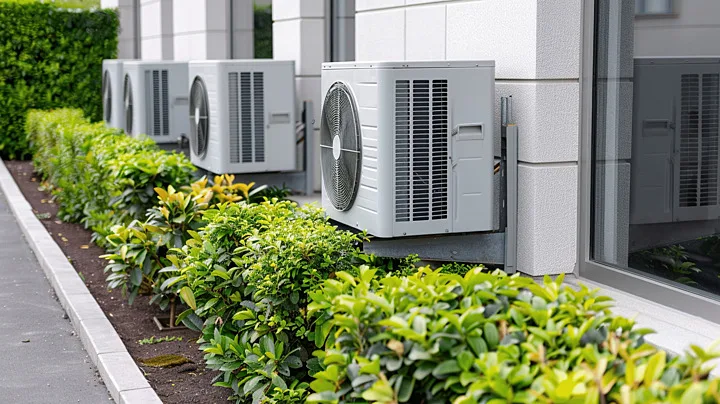
For the outdoor unit, ensure the area around it is clear. Debris, overgrown plants, or even clutter can block airflow, making the unit work harder and potentially overheat. For indoor units, make sure nothing is obstructing the vents or grilles.
A clear path for air ensures efficient operation and reduces strain on the system.
Ensuring Proper Airflow and Ventilation
Good airflow is fundamental to how your AC works safely and efficiently. Check your air filters, a clogged filter is one of the most common culprits behind AC issues. Most manufacturers recommend checking and cleaning or replacing filters every 1-3 months, depending on usage and the type of filter.
A dirty filter restricts the amount of air pulled into the system, forcing the fan motor to work harder. This can lead to overheating and reduced cooling performance. For the outdoor unit, ensure there's at least 2-3 feet of clearance around it, allowing for unimpeded air circulation that helps dissipate heat.
Smart AC Usage for Comfort and Efficiency
Leaving your AC running overnight doesn't have to mean a sky-high energy bill or excessive wear and tear. With a few smart adjustments, you can maintain comfort while also being mindful of your budget and the lifespan of your equipment.
Optimizing Thermostat Settings
The thermostat is your command center for overnight cooling. Instead of setting it to an extremely low temperature, aim for a comfortable setting that promotes sleep without overworking the unit. The U.S.
Department of Energy suggests that for sleeping, temperatures between 60-67°F (16-19°C) are often ideal, depending on personal preference. Setting the thermostat too low can cause the AC to run more than necessary, increasing energy use and potentially leading to a room that's too cold. A programmable or smart thermostat is your best friend here, allowing you to schedule temperature changes automatically.
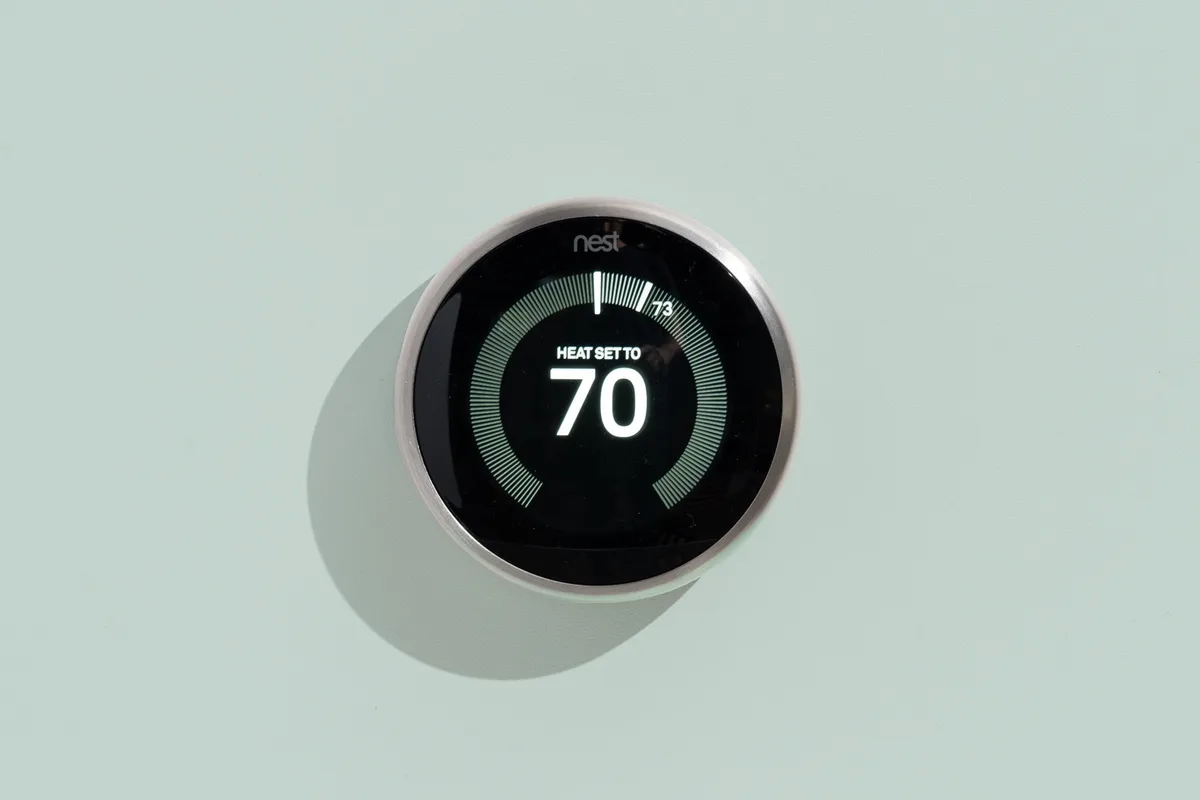
Image source: Web (Bing) / storables.com (Web image (fair-use with source credit))
Leveraging Fans and Smart Technology
Don't underestimate the power of a simple ceiling fan or portable fan. Fans don't actually lower the room temperature, but they create a wind-chill effect by moving air across your skin, making you feel cooler. This can allow you to set your thermostat a degree or two higher than you normally would, while still feeling just as comfortable.
This small adjustment can lead to noticeable energy savings. Smart thermostats take this a step further by learning your habits and optimizing cooling schedules automatically. Many can even be controlled remotely via smartphone apps, giving you flexibility and control even when you're not home.
Some smart models also provide energy usage reports, helping you identify areas for further savings.
When to Call in the Experts
Not all AC issues are DIY fixes, and knowing when to call a professional HVAC technician is crucial for safety and system longevity. If you notice persistent problems that you can't resolve with basic maintenance, it's time to bring in the pros. They have the specialized tools, knowledge, and experience to diagnose and repair complex issues that could otherwise lead to bigger problems.
Recognizing System Problems
Persistent unusual noises, such as persistent rattling, hissing, or grinding, are definite signs something is wrong internally. Likewise, a burning smell or a significant drop in cooling efficiency that doesn't improve after changing the air filter warrants expert attention. If your AC is frequently cycling on and off rapidly (short-cycling), it can indicate an issue with the thermostat, refrigerant levels, or compressor.
These symptoms often point to problems that require a trained eye to diagnose correctly and safely.
Professional AC Servicing Benefits
Regular professional servicing, typically recommended annually, goes beyond just fixing what's broken. Technicians perform comprehensive checks, including inspecting electrical connections for wear or corrosion, cleaning coils, checking refrigerant levels, and lubricating moving parts. This proactive maintenance can prevent minor issues from escalating into costly repairs and helps ensure your AC operates at peak efficiency.
According to some manufacturer guidelines, neglecting yearly servicing can void warranties on new units, leaving you responsible for repair costs.
Frequently Asked Questions About Overnight AC Use
Is leaving the AC on all night bad for my electricity bill?
Leaving your AC on overnight can increase your electricity bill compared to turning it off, but the extent depends on your thermostat settings, the outdoor temperature, and your unit's efficiency. Using a programmable or smart thermostat to set a slightly warmer temperature overnight, or to cycle the unit off for periods, can significantly reduce energy consumption without sacrificing sleep comfort.
Can running the AC overnight cause mold?
Running an AC overnight itself doesn't typically cause mold; however, a poorly maintained unit or one that's improperly sized for your space can contribute to mold growth. If the AC isn't effectively dehumidifying, or if there's a hidden leak, moisture can build up inside your home or within the unit's ductwork. Regular filter changes and professional cleaning help prevent excess condensation and potential mold issues.
What's the difference between an AC and a heat pump for overnight use?
Both air conditioners and heat pumps are safe to run overnight. Heat pumps are a bit more versatile as they can also provide heating. The operational principles for overnight use regarding safety and comfort are largely the same for both systems.
They both rely on thermostats to regulate temperature and are designed for continuous operation when needed, with efficiency dependent on the unit's age and maintenance.
Is it safe to leave my window AC unit running overnight?
Yes, it's generally safe to leave a window AC unit running overnight, provided it's properly installed and in good working condition. Ensure the unit is securely mounted in the window to prevent it from falling. Check the electrical cord for any damage and make sure it's not overloaded by plugging too many other appliances into the same circuit.
Like central AC, regular cleaning of the filter and coils is important for safe operation.
How long can an AC unit safely run continuously?
Modern AC units are designed to run continuously for extended periods, sometimes days, especially during extremely hot weather. They are built with components that can handle prolonged operation. The key factors that determine how safely and efficiently they run continuously are regular maintenance, proper sizing for the space, and ensuring there are no underlying mechanical or electrical faults.
Your Decision Guide: Safe Overnight AC Operation
Deciding whether to run your AC overnight boils down to a few key considerations about your specific unit and your home environment. If you have a newer system that's been regularly serviced, you can likely enjoy cool, comfortable nights without worry. Always prioritize preventative maintenance, as it's the most effective way to ensure your AC operates safely and efficiently.
If your unit is older or you suspect any issues, it's wise to err on the side of caution. Listen for unusual sounds and watch for any strange smells or visual indicators of problems. In these cases, turning off the AC and contacting a qualified HVAC technician for an inspection is the safest course of action.
They can assess the unit's condition and provide recommendations to ensure it's safe for overnight use, or suggest necessary repairs or upgrades.