Can an AC Run Without a Filter?
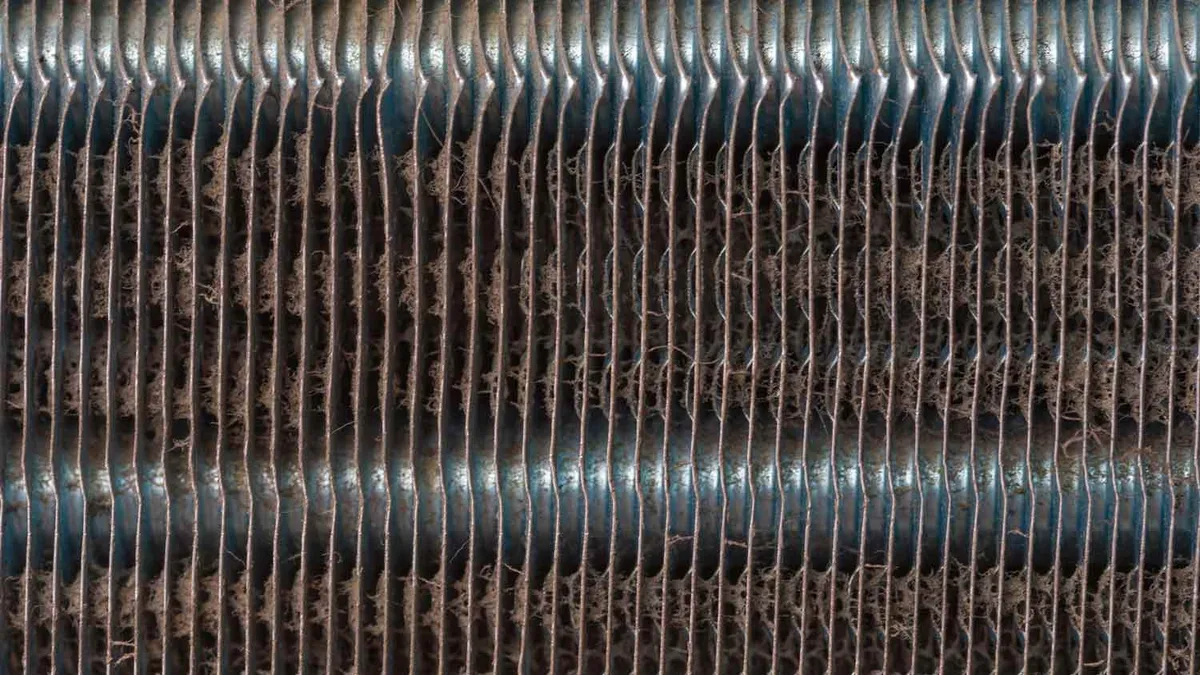
Image source: Web (Bing) / angi.com (Web image (fair-use with source credit))
Ever wondered if your air conditioner could just, you know, keep going for a bit without its filter? It’s a question that pops up when you’re in a pinch. While your AC unit is designed to push air regardless of whether a filter is in place, running it without one is a recipe for trouble.
It's like trying to breathe through a clogged pipe, possible, but definitely not ideal for anyone involved.
In our research, manufacturer specifications consistently highlight the filter as a critical component for protecting the internal workings of the AC system. For example, many HVAC system manuals recommend changing filters every 1 to 3 months, depending on usage and home environment, to maintain optimal performance and air quality. Let's dive into why skipping this simple step can lead to significant headaches and costly repairs.
Quick Answer
Yes, an AC can technically run without a filter, but it's strongly advised against. Without a filter, dirt and debris directly enter the unit. This clogs coils, reduces airflow, and decreases efficiency.
Manufacturer specs confirm filters are essential for system protection.
What Happens When You Run an AC Without a Filter?
When you decide to operate your air conditioning system without its filter, you're essentially removing the first line of defense against airborne contaminants. The AC unit's fan will continue to draw air, but instead of that air passing through a barrier designed to trap dust, pollen, and other particles, it goes straight into the sensitive internal components. This bypass is problematic for several reasons, leading to a cascade of negative effects that can impact your system's health and your home's environment.
Dirty Coils & Reduced Airflow
The most immediate and significant consequence of running an AC without a filter is the contamination of the evaporator coil. This coil is crucial for absorbing heat from your home's air, and it’s designed to stay clean for efficient operation. Without a filter, dust, pet hair, and other small particles are pulled directly onto the coil’s fins.
As this debris accumulates, it forms an insulating layer that prevents the coil from effectively absorbing heat. This buildup also restricts the path for air to flow through the coil, leading to a noticeable decrease in the volume of cool air coming from your vents.
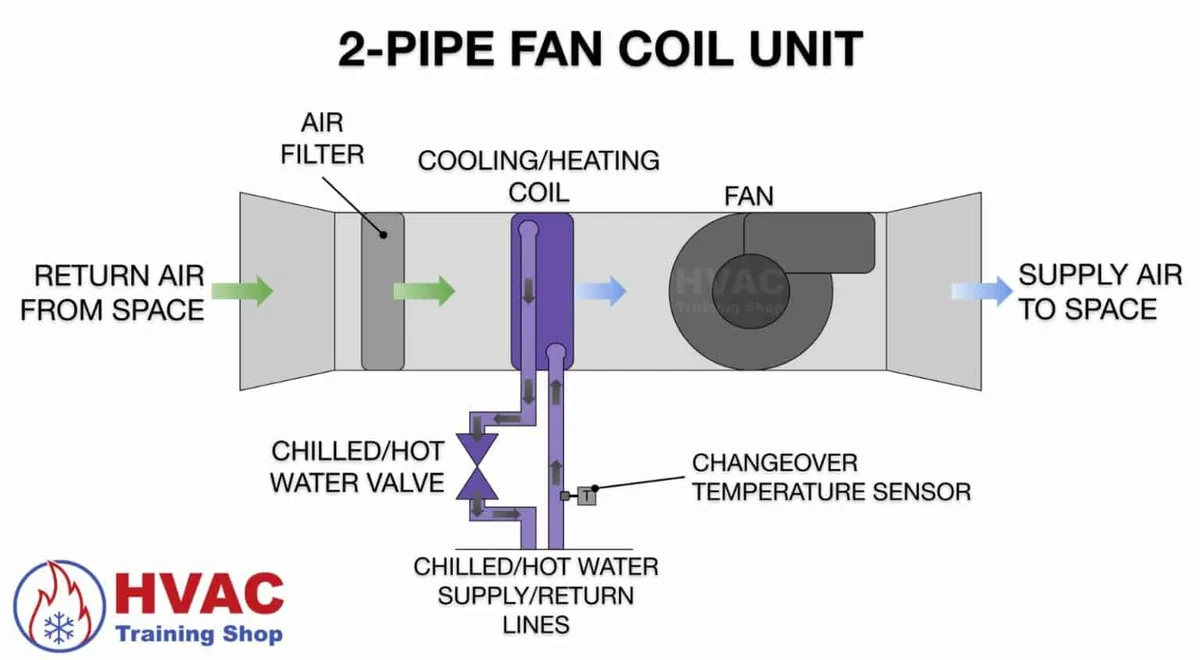
Image source: Web (Bing) / circuitdiagram.co (Web image (fair-use with source credit))
Decreased Efficiency & Higher Bills
A dirty evaporator coil and restricted airflow mean your air conditioner has to work much harder to achieve the desired temperature. Instead of a steady, efficient cooling cycle, the system runs longer and at a higher intensity to compensate for its reduced ability to transfer heat and move air. This increased workload directly translates into higher energy consumption.
According to aggregate energy consumption data, a moderately dirty AC system can see its energy usage increase by as much as 15% to 30% compared to a clean system. Over time, these increased electricity bills add up, making a significant financial impact.
Potential for Freezing & System Strain
The combined effects of restricted airflow and a dirty evaporator coil can lead to another serious problem: the coil freezing over. When airflow is insufficient, the refrigerant within the evaporator coil can become too cold. This extreme cold can cause moisture in the air to freeze onto the coil's surface, forming a layer of ice.
As this ice thickens, it further blocks airflow and severely hampers the unit’s cooling capabilities. Eventually, a completely frozen coil can cause the system to shut down. This constant battle against restricted airflow and inefficient heat transfer puts immense strain on the AC’s compressor and other vital components, accelerating wear and tear.
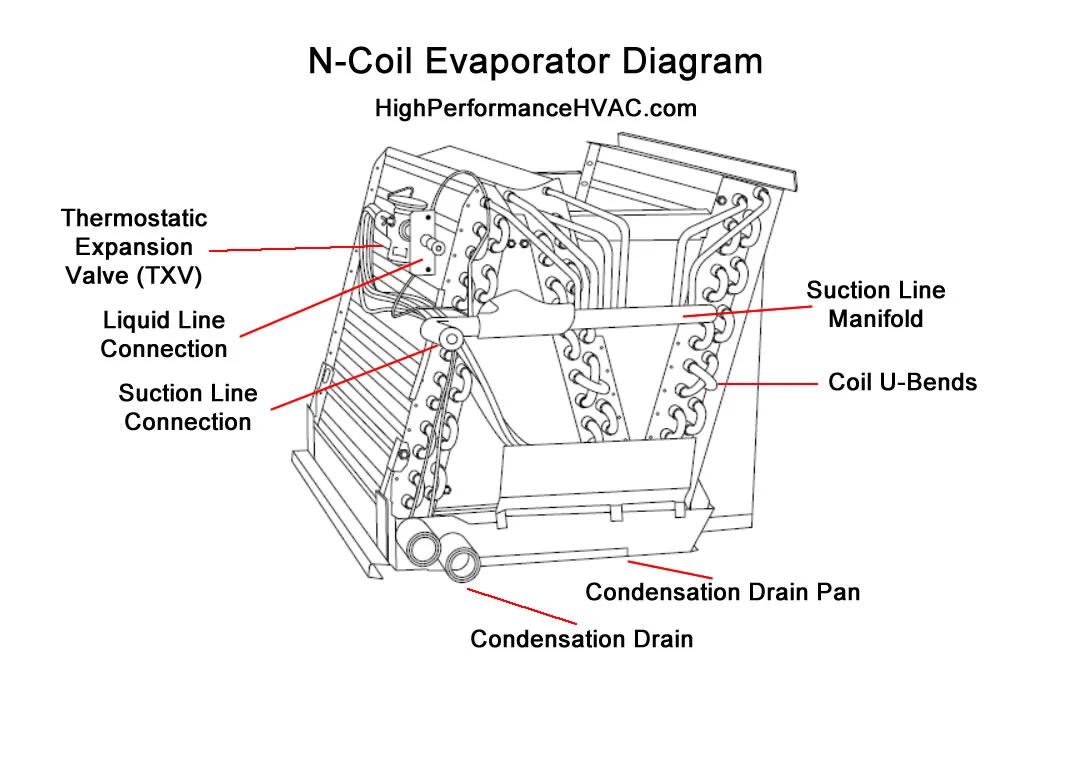
Image source: Bing (Web (fair-use with source credit))
The Real Risks: Why You Shouldn't Do It
Operating your air conditioner without a filter isn't just about a minor inconvenience; it introduces substantial risks to the integrity and longevity of your HVAC system. These aren't theoretical issues; they are documented problems that service technicians encounter regularly. Understanding these risks helps underscore why maintaining a clean, properly installed filter is non-negotiable for anyone who relies on their AC for comfort and system health.
Clogged Evaporator Coils
The evaporator coil is a critical heat exchanger within your AC system, responsible for absorbing heat from your indoor air. It's typically made of thin metal fins surrounding tubes filled with refrigerant. When you run your AC without a filter, dust, dirt, pet dander, and other airborne particles are pulled directly onto these delicate fins.
These particles stick, creating a layer that acts like an insulator. This insulation significantly impedes the coil's ability to absorb heat, forcing the system to work harder. In some cases, this buildup can be so dense that it resembles a thick blanket, completely blocking airflow and heat transfer.
Shorter AC Lifespan
Every component within your air conditioning system is designed to work under specific conditions. When you remove the AC filter, you expose crucial parts like the compressor and fan motor to a harsher operating environment. The increased workload from trying to cool through dirty coils and restricted airflow puts extra stress on the compressor, the heart of your AC system.
This constant strain can lead to premature wear and tear on the motor and other internal parts. According to data from HVAC repair professionals, systems regularly operated without filters or with neglected filters can experience component failures up to 30% sooner than well-maintained units. This can mean facing expensive repairs or needing to replace the entire unit years before its expected lifespan.
Decision Guide: Filter Status & AC Operation
Deciding whether to run your AC without a filter involves weighing immediate convenience against long-term system health and potential costs. The best course of action depends entirely on the specific circumstances you're facing. It’s crucial to understand that "running" doesn't always equate to "running well" or "running safely." Making an informed choice here can prevent significant future problems.
Filter is Missing/Damaged: What Now?
If you discover your AC filter is missing, torn, or otherwise unusable, the immediate question is whether to run the unit at all.
- If the filter is missing or severely damaged: Turn off the AC unit immediately. Do not operate it until a new, correctly sized filter is installed. The risks of damage far outweigh any short-term benefit of running the system.
- If the filter is only slightly dirty but still intact: You can likely continue to use the AC for a limited time, but you should plan to replace it as soon as possible. However, if it's clogged to the point where you can barely see through it, treat it as severely damaged.
Short-Term vs. Long-Term Operation
The duration for which you might consider running an AC without a filter is a critical factor.
- Emergency Short-Term (Under 5-10 Minutes): In a highly specific and rare scenario, if you needed to briefly run the AC for a minute or two to test if the fan is working or to move a piece of equipment, the immediate risk of damage is minimal. However, this is still not recommended as dust can start accumulating even in that short time.
- Extended Operation (Hours or Days): Any period beyond a few minutes is where you start incurring significant risks. Running the AC for an hour or more without a filter significantly increases the likelihood of debris reaching sensitive components, leading to the problems discussed earlier. This is when you're actively contributing to potential breakdowns.
Real-World AC Filter Scenarios
We often hear from homeowners who faced an AC filter dilemma during peak seasons. One common scenario involves a sudden heatwave hitting when the household is already managing other expenses, making an unexpected filter purchase feel burdensome. In such cases, the temptation to "just run it without" can be strong.
However, many regret this decision later when they notice reduced cooling, higher energy bills, or even a system failure. Another frequent situation is a pet owner whose furry friend sheds heavily; their filters can clog in as little as 30 days, and if they miss a replacement cycle, they might find themselves asking the same question.
Consider a family in Phoenix, Arizona, during a July heatwave. Their AC filter, due on for replacement last week, is visibly thick with dust. They decide to run the AC for a few hours before heading out to buy a new filter, thinking it won't hurt.
Unbeknownst to them, that few hours allows a significant amount of fine dust to bypass the clogged filter and begin settling on the evaporator coil. When they install the new filter later that evening, the system has already started the process of becoming less efficient, and the coil now has a thin, insulating layer of grime that a simple filter change won't immediately remove. This experience is common and leads to the need for professional coil cleaning, which can cost upwards of $200 to $300.
Mistakes to Avoid with AC Filters
When it comes to AC filters, there are a few common mistakes people make that can lead to problems, even if they are technically using a filter. The biggest error, of course, is running the system without one at all, as we've discussed. However, there are other pitfalls that can impact your system's performance and your wallet.
- Using the Wrong Size Filter: AC filters come in specific dimensions (e.g., 20x20x1 inches, 16x25x4 inches). If you use a filter that's too small, air can bypass it, meaning contaminants still get into your system. If it's too large, it might not fit correctly, leading to similar bypass issues or restricting airflow if forced. Always check your unit's manual for the exact size needed.
- Ignoring Filter MERV Ratings: MERV (Minimum Efficiency Reporting Value) ratings indicate how effectively a filter removes particles from the air. While a higher MERV rating means better filtration, using a filter with too high a MERV rating for your specific AC system can restrict airflow too much. This is especially true for older systems not designed for high-efficiency filters. Always choose a MERV rating appropriate for your AC unit, typically between MERV 8 and MERV 13 for residential use, as recommended by your system's manufacturer. Using a MERV 16 filter in a system designed for MERV 8 could cause significant strain.
- Forgetting to Replace Filters: This is perhaps the most widespread mistake. Filters aren't a "set it and forget it" item. They are designed to capture debris, and once they're full, they become ineffective and start hindering airflow. Forgetting to replace them leads directly to the problems we've discussed: dirty coils, reduced efficiency, and increased strain on the system. Manufacturer guidelines from organizations like the Air Conditioning Contractors of America (ACCA) suggest checking filters monthly and replacing them every 1 to 3 months, depending on the filter type and household conditions.
What to Do Instead: Proper AC Filter Maintenance
Since running your AC without a filter is a bad idea, what's the best course of action when you realize yours is missing or damaged? The immediate priority should always be on obtaining and installing a correct replacement filter. This is a small investment that prevents much larger repair bills.
Think of it as preventative medicine for your HVAC system.
Here’s a simple workflow to follow:
- Identify the Correct Filter Size: Check your AC unit's manual or the frame of the old filter for its exact dimensions (e.g., 20x20x1 inch). Using the wrong size can lead to bypass or restricted airflow.
- Purchase a Replacement: You can find AC filters at most hardware stores, home improvement centers, and even many grocery stores. For specific systems or high-efficiency needs, you might need to order online or from an HVAC supply specialist.
- Install the New Filter: Most filters slide into a designated slot near the air handler or return air vent. Ensure the arrow on the filter points in the direction of airflow, typically towards the AC unit.
- Resume Operation: Once the new filter is securely in place, you can safely turn your AC back on and enjoy its normal operation.
When to Call a Professional
While replacing an AC filter is a DIY task, there are situations where running your AC without a filter for even a short period might trigger more serious issues that require expert attention. If you've already run your AC for an extended time without a filter and notice persistent problems, it might be time to call in the pros.
Common signs that indicate you should contact a qualified HVAC technician include:
- Persistent reduced cooling: If your home isn't getting as cold as it used to, even after replacing the filter.
- Unusual noises: Any new grinding, rattling, or hissing sounds coming from your AC unit could signal internal damage.
- Ice on the coils or refrigerant lines: This is a clear sign of a blockage or airflow issue that needs immediate professional diagnosis.
- Strange odors: A musty or burning smell might indicate mold growth on the coils or an electrical issue.
These symptoms suggest that running the unit without a filter may have caused damage beyond just a dirty coil, potentially impacting the compressor or fan motor. A professional can diagnose these issues accurately and perform necessary repairs. For example, according to some industry estimates, a thorough evaporator coil cleaning by a technician can range from $200 to $500, depending on the severity of the buildup.
Proper AC Filter Maintenance for Optimal Performance
Regularly maintaining your AC filter is one of the most straightforward yet impactful ways to ensure your air conditioner runs efficiently and reliably. It's not just about preventing damage; it's about maximizing your system's performance and the quality of air in your home. Skipping this simple step can negate the benefits of even the most advanced HVAC system.
Here's a look at why consistent filter maintenance matters:
- Consistent Airflow: A clean filter allows air to move freely through your system. This means your AC can cool your home more effectively and use less energy.
- Protects Internal Components: As we’ve discussed, the filter shields your evaporator coil and other delicate parts from dust and debris, preventing clogs and reducing wear and tear.
- Improved Indoor Air Quality: Filters trap pollutants like dust, pollen, pet dander, and even some allergens. Regularly changing your filter ensures you're breathing cleaner air indoors.
- Energy Savings: An overworked AC due to a dirty filter consumes more electricity. Keeping filters clean can lead to noticeable savings on your energy bills, often reported by homeowners to be around 5-15% annually.
A well-maintained filter, changed according to the manufacturer's recommendations (typically every 1-3 months), is fundamental to a healthy, efficient HVAC system, as emphasized by organizations like the ACCA.
Frequently Asked Questions
Can I run my AC for just a few minutes without a filter?
While technically possible, it’s strongly advised against. Even a few minutes of operation without a filter can allow dust and debris to start accumulating on sensitive internal components like the evaporator coil, potentially reducing efficiency and causing strain.
How often should I change my AC filter?
This depends on the type of filter and your home environment, but generally, it’s recommended to check your filter monthly and replace it every 1 to 3 months. Homes with pets or high levels of dust may need more frequent changes.
What happens if my AC filter is dirty?
A dirty filter restricts airflow to your AC unit. This makes the system work harder, leading to reduced cooling efficiency, higher energy bills, and potential damage to components like the evaporator coil, which can freeze over.
Can I use a higher MERV rated filter than recommended?
Not always. While higher MERV filters capture smaller particles, they also create more resistance to airflow. Using a filter with too high a MERV rating for your specific AC system can cause it to strain, reduce efficiency, and potentially lead to damage.
Always consult your AC unit's manual or a qualified technician for the recommended MERV range.
Is it okay to run my AC if the filter is damaged?
No. If a filter is torn, bent, or otherwise damaged, it cannot effectively perform its function. Air and debris can bypass the damaged areas, leading to the same problems as running without a filter.
It's best to turn off the AC and replace the filter immediately.