Can an AC Cause Dry Air?
Image source: Web (Bing) / homeguide.com (Web image (fair-use with source credit))
Can your AC cause dry air? It’s a question many of us ponder when we feel that tell-tale scratch in our throat or notice our skin feeling tighter than usual, especially after the air conditioning has been running. The truth is, your home's cooling system can play a significant role in reducing indoor humidity, sometimes to an uncomfortable degree.
The process of cooling the air naturally involves removing moisture. According to manufacturer specifications for most standard residential air conditioning units, they are designed to dehumidify as part of their cooling cycle, typically aiming to lower relative humidity to between 40-60%. If your AC is running for extended periods or is not correctly sized for your space, it can over-dry the air, leading to a range of issues from static shocks to irritated sinuses.
Quick Answer
Yes, an air conditioner (AC) can cause dry air. The cooling process inherently removes moisture from the air, and in certain conditions, this dehumidification can lead to overly dry indoor environments. This often happens when an AC runs for long periods, is oversized for the space, or operates in climates with moderate humidity.
How ACs Steal Humidity: The Cooling Process Explained
Your air conditioner isn't just a fan blowing cold air around; it's a sophisticated piece of equipment designed to manage both temperature and humidity. The magic, and sometimes the mischief, happens inside the main unit, specifically with its cooling coils. When your AC's thermostat signals that the indoor temperature is too high, the system kicks into action to cool the air that circulates through your home.
The Moisture-Pulling Magic of Cooling Coils
At the heart of your AC's dehumidifying capability are the evaporator coils. These are metal tubes through which a cold refrigerant flows. As the warm, humid air from your house is drawn across these freezing coils, a couple of things happen.
The air cools down, which is the primary goal. But as the moisture in that warm air comes into contact with the super-cold surface of the coils, it condenses, turning from invisible water vapor into liquid water. This water then drips off the coils and is channeled away, usually through a condensate drain line.
Manufacturer specifications for many HVAC systems, like those from Carrier or Trane, confirm this process is integral to their operation.
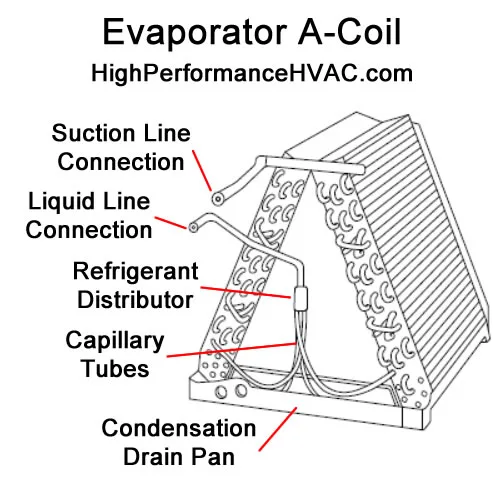
Image source: Bing (Web (fair-use with source credit))
This condensation is the very reason your AC can lead to dry air. If your system is running frequently or for long durations to maintain a cool temperature, it's continuously pulling moisture out of the air. The longer it runs, the more water it removes, potentially dropping the indoor relative humidity below comfortable levels.
For example, a standard 2-ton AC unit can remove several gallons of water from the air each day it operates.
Why ACs Dehumidify More in Certain Conditions
Several factors can make your AC more prone to over-drying your air. One big one is the size of your air conditioning unit relative to your home's square footage. If an AC is too large (oversized), it cools the space very quickly and then shuts off.
This short cycling means it doesn't run long enough to effectively remove a significant amount of humidity. Ironically, this can leave the air feeling cool but still damp. Conversely, if an AC is just right or slightly undersized for extreme heat but running constantly during milder, humid days, it can indeed strip too much moisture from the air.
Also, the climate you live in plays a huge role. In humid regions, your AC will work harder to cool your home, and as a byproduct, it will remove more moisture. This can be a good thing when humidity is extreme, but it can also lead to over-drying if not managed.
For instance, during a hot, muggy summer, an AC might be removing several gallons of water per day.
Signs Your Home's Air is Too Dry (Thanks, AC!)
It’s easy to overlook the air in your home until it starts causing problems. Dry air, often exacerbated by air conditioning, can manifest in several ways, impacting both your physical comfort and the condition of your home itself. Paying attention to these signs is the first step in addressing the issue and restoring a healthier indoor environment.
Physical Symptoms You Might Feel
When indoor relative humidity drops too low, typically below 40%, you'll likely notice the effects on your body. Your skin can become dry, itchy, and feel tight. Lips may chap easily, and hair might look and feel more frizzy and static-prone.
Inside your nose and throat, the dry air can irritate mucous membranes, leading to a scratchy throat, dry sinuses, and even nosebleeds for some people. Your eyes might feel dry or stingy, and that annoying static electricity zap when you touch a doorknob or a loved one becomes a frequent occurrence. These aren't just minor annoyances; dry air can make you more vulnerable to colds and sinus infections by compromising your body's natural defenses.
Home Damage and Other Clues
The impact of dry air isn't limited to just how you feel. The materials in your home can also suffer. Wooden furniture, hardwood floors, and even musical instruments are particularly sensitive to low humidity.
Over time, prolonged exposure to dry air can cause wood to shrink and crack, leading to gaps in flooring or warping of furniture joints. Wallpaper might start to peel at the edges, and paint can become brittle. You might also notice an increase in dust, as dry air doesn't hold onto airborne particles as effectively as moist air.
Is Your AC the Culprit? Factors to Consider
Figuring out if your air conditioner is the main reason for dry indoor air involves looking at a few key elements of your home's setup and climate. It’s rarely just one thing, but rather a combination of how your AC operates and the environmental conditions it’s working within. By examining these factors, you can get a clearer picture of what’s going on.
AC Size and Run Time Matters
The size of your air conditioning unit, often measured in tons, is a critical factor. An oversized AC system cools your home too rapidly, completing its cycle in short bursts. This means it shuts off before it has adequately removed moisture from the air.
While it feels cool, the humidity remains high, and then the cycle repeats. In contrast, a system that runs for long, continuous periods, especially during milder but humid weather, will dehumidify more effectively. If your AC seems to be constantly cycling on and off, or if it’s a very hot day and the air still feels damp and heavy despite the cool temperature, an oversized unit could be the issue.
Standard AC units typically have a SEER (Seasonal Energy Efficiency Ratio) rating that influences their overall efficiency and performance.
Climate and Outdoor Humidity's Role
Your geographic location and the prevailing climate significantly influence how your AC impacts indoor humidity. In regions with naturally high humidity, like the southern United States, your AC will work harder to cool your home, and as a byproduct, it will remove more moisture. This can be a good thing when humidity is extreme, but it can also lead to over-drying if not managed.
For instance, during a hot, muggy summer, an AC might be removing several gallons of water per day.
On the other hand, if you live in a drier climate, your AC might not be the primary cause of low humidity. In such cases, the dryness you experience is more likely due to the ambient outdoor air or other factors like heating systems in winter. However, even in drier climates, an AC running excessively can still lower the humidity to uncomfortable levels, especially if there are specific periods of higher outdoor humidity.
Solving the Dry Air Dilemma: What You Can Do
If you've identified that your AC might be contributing to dry air, don't worry. There are practical, effective solutions to bring moisture back into your home and restore comfort. These strategies range from simple adjustments to your existing systems to adding new equipment.
The goal is to find a balance that keeps your home cool without leaving you feeling parched.
Bringing Moisture Back: Humidifier Options
The most direct way to combat dry air caused by your AC is by adding a humidifier. You have a few main choices here, each suited for different needs and spaces. Portable humidifiers are great for targeting specific rooms where you spend the most time, like bedrooms or living areas.
These come in cool-mist and warm-mist varieties, with cool-mist being generally safer for homes with children and pets.
For a more integrated solution, consider a whole-house humidifier. These units attach directly to your HVAC system and distribute humidified air throughout your entire home whenever the heating or cooling system is running. They offer a consistent level of humidity without the need to fill individual tanks.
According to industry standards, whole-house humidifiers can add moisture efficiently to homes up to 2,500 square feet.
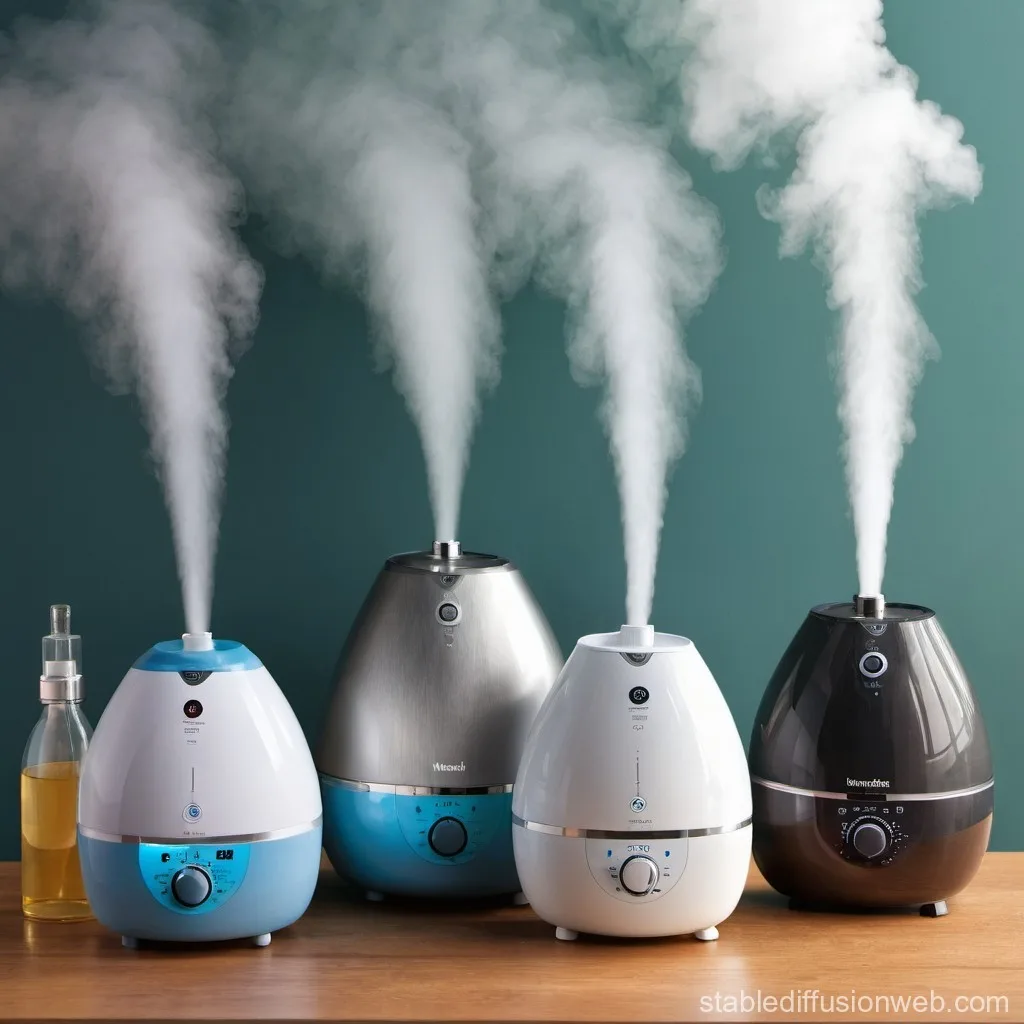
Image source: Web (Bing) / stablediffusionweb.com (Web image (fair-use with source credit))
Adjusting Your AC and Thermostat Settings
Sometimes, the solution is as simple as tweaking your existing controls. If you have a programmable or smart thermostat, check its settings for humidity control options. Some thermostats allow you to set a target humidity level, and they will work with your AC (or a dedicated dehumidifier) to maintain it.
You might find a "dehumidify" mode or a specific humidity setting. Experimenting with these can help you find a comfortable balance.
For example, instead of just setting your thermostat to a specific temperature, look for a setting that also allows you to influence the humidity, often displayed as a percentage. Keeping this between 40% and 50% is generally ideal for comfort and health. If your thermostat doesn't offer humidity control, consulting your HVAC manual or a technician can reveal if your system has hidden capabilities or if an upgrade might be beneficial.
Common AC Dry Air Mistakes to Avoid
When trying to fix dry air issues, it's easy to make missteps that don't solve the problem or even create new ones. Being aware of these common mistakes can save you time, money, and frustration. Understanding what not to do is just as important as knowing what to do.
One frequent error is relying solely on turning up the heat to combat dry air, especially in winter. While heating systems are notorious for drying out air, simply increasing the heat doesn't add moisture back. In fact, warmer air holds more moisture, so turning up the heat in dry conditions can make the air feel even drier and more uncomfortable, potentially leading to increased static electricity and irritated airways.
Another mistake is buying the wrong size humidifier. A small portable unit won't effectively humidify a large open-plan living area, while an overly powerful one might make the air too damp, leading to other issues like mold growth. Always consider the square footage you need to cover.
Using tap water in most portable humidifiers can also be problematic. Tap water often contains minerals that can be released into the air as fine white dust, which can settle on surfaces and potentially be inhaled. It's generally recommended to use distilled or demineralized water in portable humidifiers to prevent this.
Finally, neglecting to clean your humidifier regularly is a major oversight. Dirty humidifiers can become breeding grounds for mold and bacteria, which are then dispersed into the air you breathe, creating health hazards. Consistent cleaning, following the manufacturer's instructions, is crucial for safe and effective operation.
When to Call in the Pros: Expert Help for Your AC
Sometimes, the dry air you're experiencing is a symptom of a deeper issue with your HVAC system that you can't fix on your own. If you've tried the basic steps like adjusting thermostat settings or using a humidifier, but your air remains uncomfortably dry, it's time to bring in an expert. HVAC technicians have the tools and knowledge to diagnose and repair complex problems that affect both cooling and humidity control.
For instance, if your AC unit is significantly oversized for your home, the most effective solution might be professional consultation about a properly sized replacement. They can also identify if components like the fan motor or refrigerant levels are not functioning optimally, impacting the system's ability to dehumidify correctly. Issues with your condensate drain line, such as clogs, can also affect how your AC manages moisture.
An annual HVAC inspection, typically recommended by manufacturers like Lennox or Goodman, can help catch these problems early, ensuring your system runs efficiently and maintains a comfortable indoor environment. A technician can also advise on and install advanced whole-house humidification systems if that's the best route for your needs.
Frequently Asked Questions About ACs and Dry Air
Can running my AC in the winter cause dry air?
Most residential air conditioning systems are designed for cooling, not heating. If you have a heat pump or a dual-fuel system, the AC component would not typically run in winter. However, if you use a separate AC unit or have a system that can provide supplemental cooling in colder months, yes, it would still dehumidify air as it cools, potentially causing dryness.
Will a new AC unit automatically fix dry air problems?
Not necessarily. While newer, more advanced AC systems (like variable-speed or multi-stage units) often have better humidity control features than older models, their effectiveness still depends on proper sizing and installation. An oversized new unit can still short-cycle and lead to dry air.
How much humidity is too much or too little for my home?
The ideal indoor relative humidity range for comfort and health is generally between 40% and 60%. Below 40%, you're likely to experience issues associated with dry air. Above 60%, you risk mold, mildew, and dust mite proliferation.