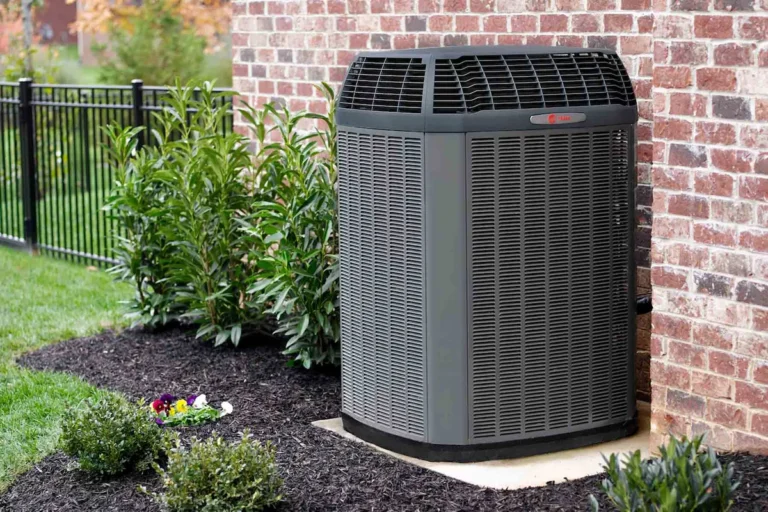
Why Is My AC Running but Not Cooling?
So, your air conditioner is humming along, doing its thing, but the air coming out just isn't getting cool. That's frustrating, right? It's like your AC is working overtime but not actually getting the job done.
Don't worry, though, this is a pretty common issue, and usually, it's something you can figure out without calling in the cavalry right away.
Think of it like this: your AC is a team, and if one player isn't doing their part, the whole game plan falls apart. Our research indicates that problems like this often stem from simple airflow or setting issues. We're going to walk through some of the most likely culprits, from the super simple stuff to things that might require a professional's touch, based on manufacturer guidelines and HVAC best practices.
Quick Answer
Your AC might be running but not cooling because of a blocked air filter, a tripped circuit breaker, a dirty outdoor unit, or issues with refrigerant levels. These common problems prevent the system from effectively removing heat from your home. Addressing airflow issues, like a clogged filter, is often the first and easiest fix.
AC Running But Not Cooling: What's Going On?
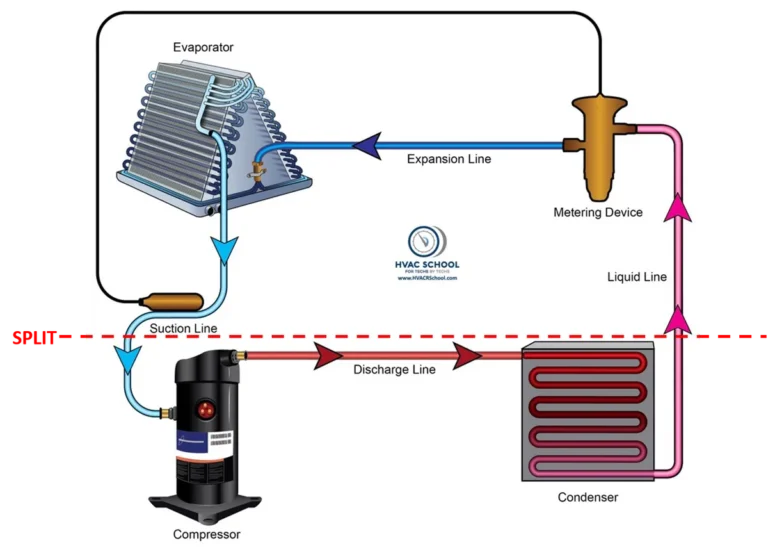
When your air conditioner runs but doesn't actually cool your home, it's a sign that something in the cooling cycle isn't working as it should. This can happen for a variety of reasons, ranging from simple maintenance oversights to more complex mechanical failures. Understanding these potential issues is key to getting your AC back to efficiently cooling your space.
The goal is to restore optimal comfort and prevent further damage to the system, which often involves a diagnostic workflow that starts with the most common and easiest-to-fix problems first.
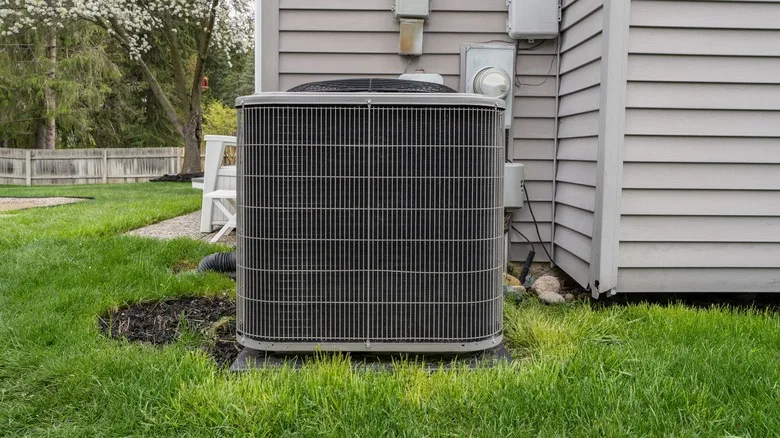
Image source: Bing (Web (fair-use with source credit))
Quick Check: Is Your AC Thermostat Set Right?
This might sound almost too simple, but you'd be surprised how often a simple setting error is the culprit when your AC isn't cooling. The thermostat is the brain of your cooling system, telling it when to turn on and off and what temperature to aim for. If it's not communicating the right instructions, the AC just won't cool properly, even if it’s running.
- Check the Mode: First, make sure your thermostat is set to "Cool." If it's accidentally switched to "Heat," "Fan Only," or "Off," it won't engage the cooling components.
- Verify the Temperature Setting: Ensure the desired temperature is set lower than the current room temperature. For example, if it's 75°F (24°C) in your home and you set the thermostat to 75°F, the AC won't turn on to cool unless the temperature rises above that setting.
- Look at the Batteries: Many modern thermostats run on batteries. If the batteries are low or dead, the thermostat might not be sending accurate signals or any signals at all. Most thermostats will have a low battery indicator. Replacing them is a quick fix that can resolve many unexpected cooling issues.
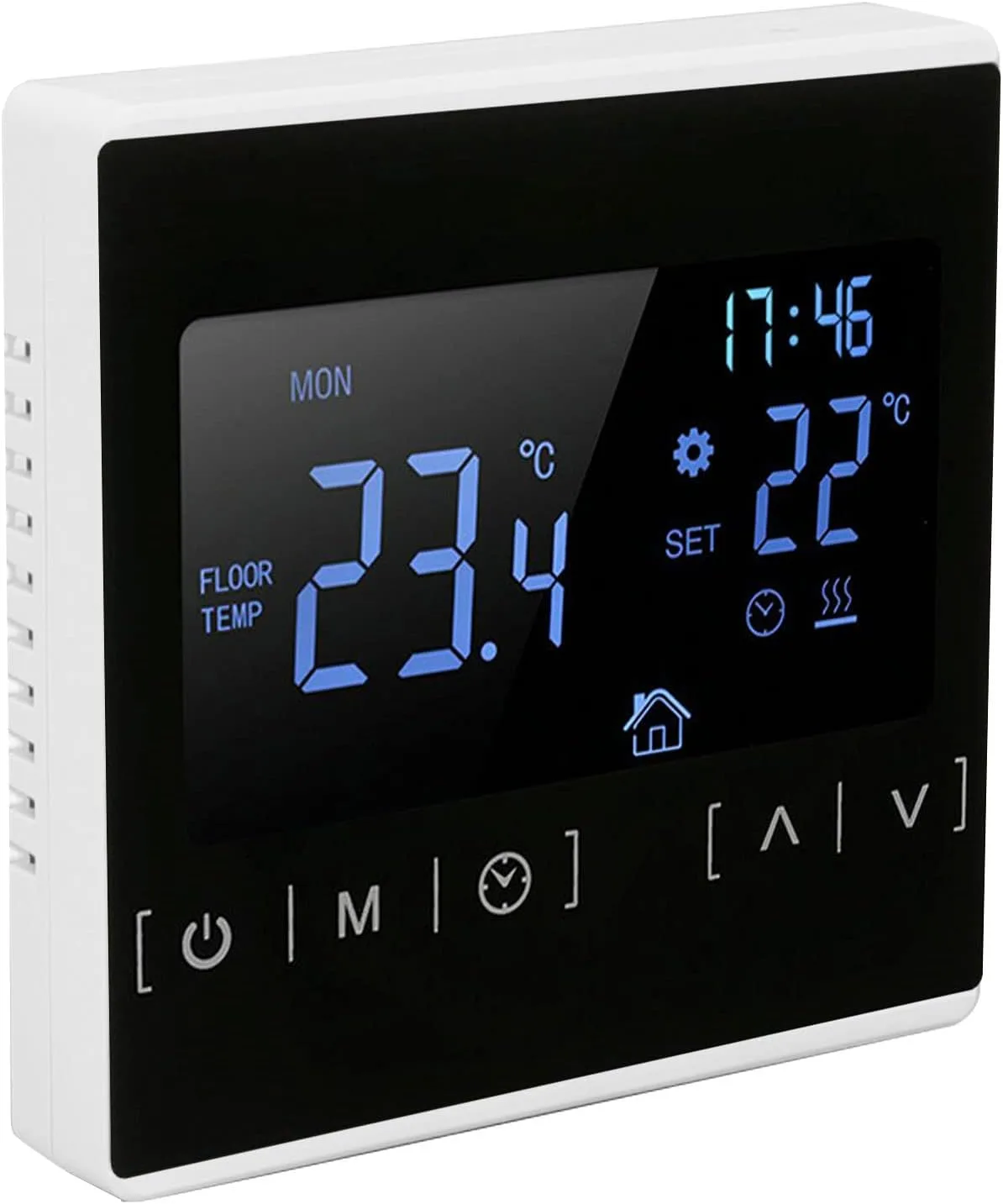
Image source: Web (Bing) / amazon.com (Web image (fair-use with source credit))
AC Airflow Blocked? Check Your Filter & Vents
Airflow is absolutely critical for your air conditioner to work efficiently. If air can't move freely through the system, it can't be cooled effectively, and the cool air can't get into your rooms. Two of the biggest culprits for restricted airflow are a dirty air filter and blocked vents.
The Dirty Air Filter: This is arguably the most common reason for an AC running but not cooling. The air filter is designed to catch dust, dirt, and other airborne particles before they enter your system. Over time, this filter gets clogged. A heavily clogged filter can restrict airflow so much that the evaporator coils, which are responsible for absorbing heat from your home's air, can freeze over. Manufacturer specifications, like those found on many Goodman or Carrier units, typically recommend checking and replacing your air filter every 1 to 3 months, depending on usage and environmental factors.
- Where to find it: Usually, you'll find the filter slot near the indoor unit, often in the return air duct grille.
- What to do: Once you locate it, pull out the old filter and check for debris. If it looks dirty, replace it with a new one of the same size and MERV rating.
Blocked Vents: Make sure none of your supply vents (where the cool air comes out) or return vents (where the air gets sucked back into the system) are blocked. Furniture, curtains, rugs, or even closed doors can impede airflow. Walk around your house and ensure each vent is clear and unobstructed.
Ice on the Coils: A Common AC Problem
When you notice your AC is running but not producing cool air, ice forming on the evaporator coils is a strong indicator of an underlying issue. The evaporator coils are part of the indoor unit, and their job is to absorb heat from the air that passes over them. If airflow is restricted (often due to a dirty filter) or if there's a refrigerant problem, these coils can get too cold and freeze up.
This ice acts as an insulator, preventing the coils from absorbing heat, which means no cool air will be delivered to your home.
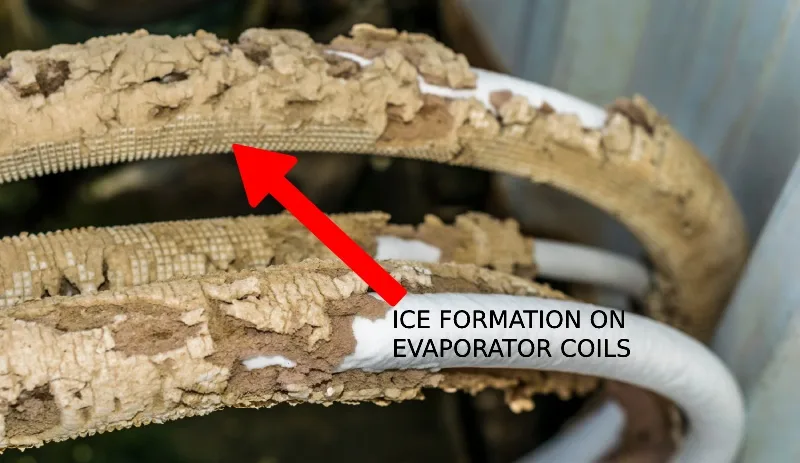
Image source: Web (Bing) / learnmetrics.com (Web image (fair-use with source credit))
What to do if you see ice:
- Turn off the Cooling: Immediately switch your thermostat from "Cool" to "Fan Only." This stops the compressor from running, which is what makes the coils get very cold, and allows the fan to circulate air.
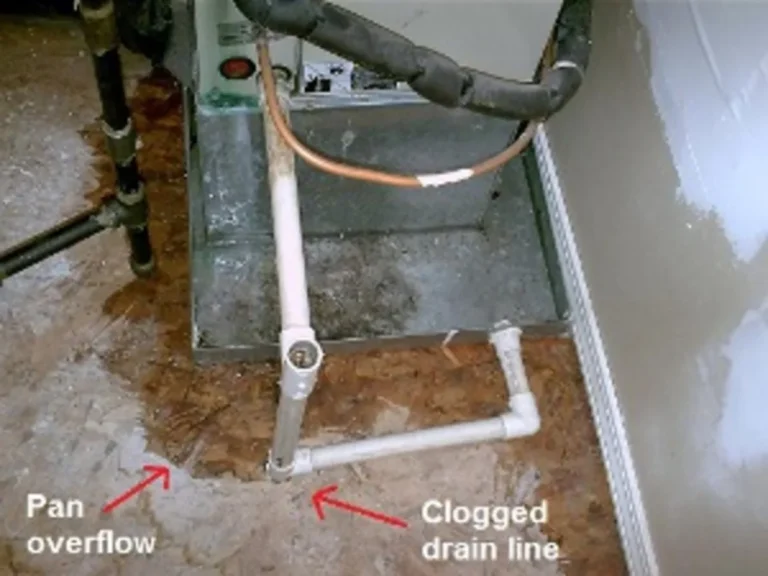
- Let it Thaw: You need to let the ice melt completely. This can take several hours, depending on how much ice has formed. Make sure you have a way to catch dripping water; you might want to place towels or a shallow pan underneath the indoor unit.
- Address the Root Cause: Once the ice has melted, you must figure out why it froze in the first place.
- If the air filter was dirty, replace it. This is the most common cause, and often the only fix needed.
- If the filter was clean, or if the coils freeze up again shortly after thawing and replacing the filter, you likely have a more serious problem like low refrigerant or a malfunctioning fan motor. These issues require a professional technician to diagnose and repair. Manufacturers like Trane or Lennox often highlight refrigerant charge as a critical component for proper cooling performance.
Outdoor Unit Dirty? How to Safely Clean It
The outdoor unit of your air conditioner, known as the condenser, plays a crucial role in releasing the heat absorbed from your home. If this unit is caked in dirt, grass clippings, leaves, or other debris, it can't efficiently dissipate heat. This makes your entire AC system work harder and less effectively, leading to reduced cooling and potentially system damage.
Think of it like a car's radiator getting blocked, the engine overheats.
Safety First: Before you do anything, always shut off the power to your outdoor unit at the main electrical breaker. This is a critical safety step to prevent electrical shock.
Steps for cleaning:
- Clear Debris: Remove any large debris, like leaves, twigs, or overgrown grass, from around the unit. Ensure there’s at least a couple of feet of clearance on all sides.
- Gentle Hose Down: Using a garden hose with a spray nozzle (not a pressure washer), gently spray water through the fins from the inside out if possible, or from the outside in. You want to rinse away the dirt and grime. Be careful not to bend the delicate metal fins.
- Straighten Fins (if needed): If you notice bent fins, you can gently straighten them with a fin comb, available at most hardware stores.
- Power Back On: Once the unit is dry, you can restore power at the breaker.
If the condenser is still very dirty and you’re uncomfortable with the cleaning process, or if rinsing doesn't seem to make a difference, it's time to call a professional HVAC technician. They have specialized tools and cleaning solutions to ensure the condenser is thoroughly cleaned and operating optimally. According to the U.S.
Department of Energy, regular maintenance, including cleaning the outdoor unit, can improve AC efficiency by up to 15%.
When to Call a Pro: AC Issues You Can't Fix
If you've gone through the basic checks and cleaning steps and your AC is still running but not cooling, it's likely time to bring in a professional. Some AC problems involve complex systems and potentially hazardous materials like refrigerant, which require specialized tools and training. Attempting to fix these yourself could lead to more damage or even personal injury.
Issues that typically require an HVAC technician include:
- Low Refrigerant Levels: Refrigerant, often a blend like R-410A, is the substance that absorbs heat from your home. If your system is low on refrigerant, it means there's likely a leak somewhere in the sealed system. Finding and repairing these leaks, then recharging the system with the correct amount of refrigerant, is a job for certified professionals. Overcharging or undercharging can severely impact performance and damage components.
- Compressor Problems: The compressor is the heart of your AC system. If it's not engaging or is making unusual noises, it could be a sign of a major failure. Compressor repairs are complex and expensive.
- Fan Motor Issues: If the fan motor in either the indoor or outdoor unit isn't working correctly, or if the fan is spinning too slowly, airflow will be compromised. This could be due to a faulty motor or a bad capacitor, both of which require professional diagnosis.
According to the U.S. Department of Energy, annual professional maintenance can help prevent these types of major failures and improve overall system efficiency.
Your AC Troubleshooting Workflow: Step-by-Step
When your AC runs but doesn't cool, following a logical troubleshooting workflow can help you pinpoint the issue and determine whether it's a DIY fix or needs a professional. This process prioritizes the simplest and most common problems first.
Step 1: Check Thermostat Settings
- Is it set to "Cool"?
- Is the temperature setting below the room temperature?
- Are the batteries fresh?
Step 2: Inspect Air Filters and Vents
- Pull out the air filter. If it's visibly dirty or clogged, replace it. Filters are typically located in the return air duct near the indoor unit.
- Ensure all supply and return air vents are open and unobstructed by furniture or drapes.
Step 3: Examine the Outdoor Unit (Condenser)
- Safety First: Turn off power to the unit at the main breaker.
- Clear away any debris like leaves or grass from the exterior.
- Gently hose down the fins to remove dirt and grime.
Step 4: Look for Ice on Indoor Coils
- If you suspect ice buildup (especially if airflow is weak), turn the system to "Fan Only" to thaw the coils.
- If ice forms again after thawing and replacing the filter, this indicates a more serious issue.
Step 5: Listen and Observe
- Are both the indoor and outdoor units running?
- Are there any unusual noises (grinding, buzzing, loud humming)?
- Is the outdoor unit blowing warm air?
If you've completed these steps and the problem persists, especially if you suspect refrigerant issues, compressor problems, or fan motor failures, it’s time to contact a qualified HVAC technician. They have the specialized diagnostic equipment and knowledge to safely address these more complex situations.
Frequently Asked Questions
Why does my AC run but blow warm air?
Your AC might blow warm air because of a low refrigerant charge, a malfunctioning compressor, or a dirty outdoor condenser unit. These issues prevent the system from effectively transferring heat out of your home.
Can a dirty air filter really stop my AC from cooling?
Yes, a very dirty air filter severely restricts airflow. This can cause the system to overheat or, more commonly, lead to the evaporator coils freezing over, which stops the cooling process altogether.
How often should I check my AC's air filter?
It's generally recommended to check your AC's air filter every 1 to 3 months. The exact frequency depends on your filter type, how often you run your AC, and your home's environment (e.g., pets, allergies, dusty conditions).
Is it dangerous to run my AC if it's not cooling properly?
Running an AC with certain issues, like a refrigerant leak or a failing compressor, can cause further damage and potentially lead to costly repairs. It's best to turn the system off if you suspect a serious problem.
What does it mean if my AC is cycling on and off too frequently?
Frequent cycling, known as short-cycling, can indicate an oversized AC unit, a thermostat problem, or airflow restrictions. It prevents the system from running long enough to properly dehumidify and cool the air.