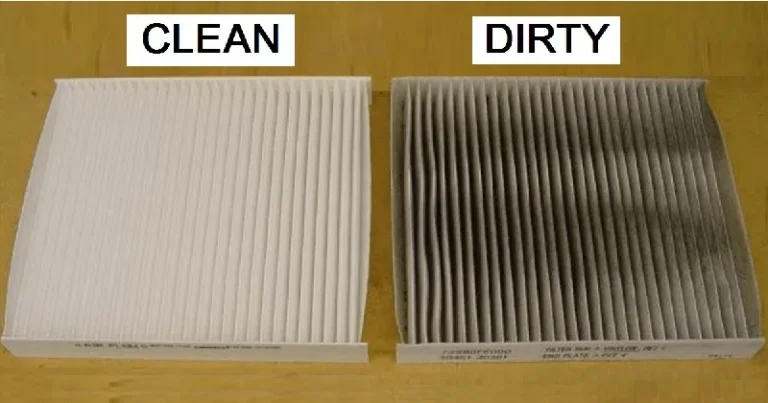
How Do I Clean an AC Filter?
Keeping your air conditioner running efficiently and your indoor air clean often comes down to one simple, overlooked task: cleaning or replacing your AC filter. If you've ever wondered how do I clean an AC filter, you're in the right place. This small piece of equipment plays a massive role in your home's comfort and health, and its maintenance is surprisingly straightforward.
Manufacturer specifications indicate that most residential AC filters should be inspected monthly, with replacement or cleaning needed every 1 to 3 months, depending on usage and your home environment. Failing to maintain your filter can lead to a cascade of problems, from increased energy bills to reduced air quality. Let's get your AC filter back in top shape.
Quick Answer
To clean an AC filter, first, turn off your AC. Then, remove the filter and rinse it with water. For stubborn dirt, use mild soap and a soft brush.
Ensure the filter is completely dry before reinstalling it. Disposable filters, however, must be replaced, not cleaned.
What Kind of AC Filter Do You Have? Figuring It Out
The most important first step to cleaning your AC filter is knowing what kind of filter you're dealing with. Trying to clean a disposable filter is like trying to wash a paper towel; it's just not designed for it and will likely ruin the filter, making it useless. Understanding your filter type dictates whether you’ll be cleaning it or tossing it.
There are generally three main types you’ll encounter in residential HVAC systems: washable filters, disposable filters, and electronic or electrostatic filters. Washable filters are built to be reused, usually made with a plastic or metal frame and a mesh or pleated synthetic material that can be rinsed. Disposable filters, on the other hand, are typically made with a cardboard frame and a fiberglass or pleated paper-like material that traps particles.
Electronic filters use static electricity and require a different cleaning process, often involving specialized solutions.
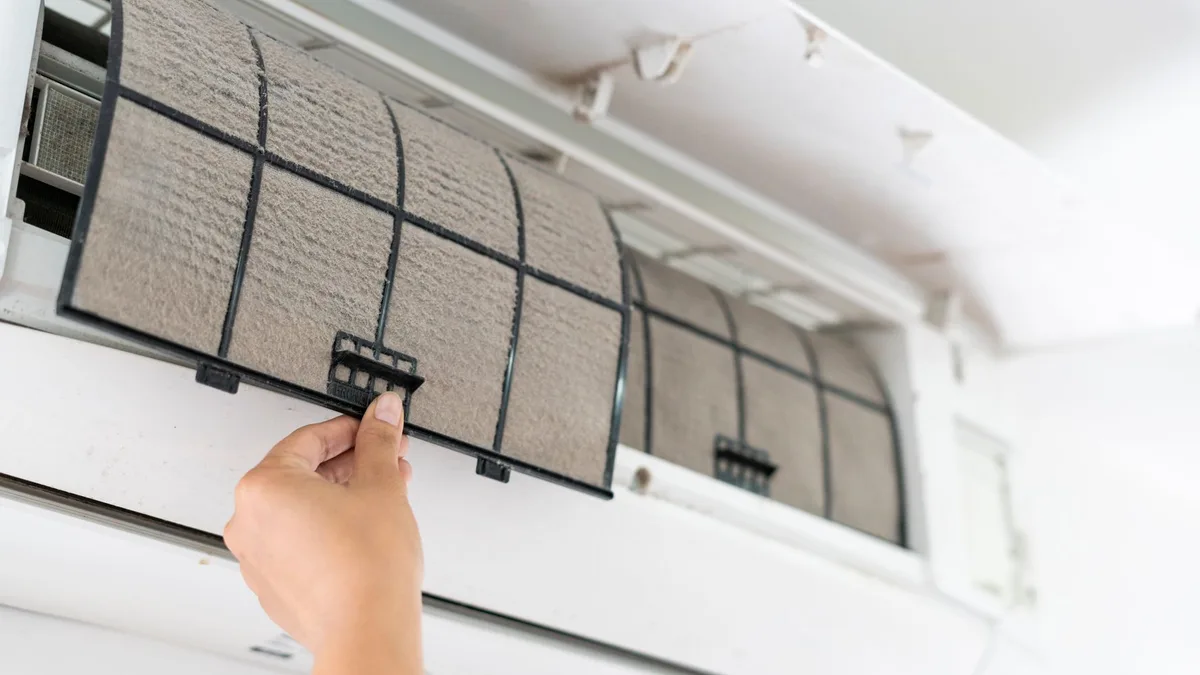
Image source: Web (Bing) / storables.com (Web image (fair-use with source credit))
How to Identify Your Filter Type
Your filter will often have markings or labels directly on its frame. Look for terms like "washable," "reusable," or a specific MERV (Minimum Efficiency Reporting Value) rating. For disposable filters, you'll usually see a cardboard edge and no indication that it's meant for washing.
If the markings are unclear, consult your AC unit's owner's manual or search for your specific HVAC system model number online. Many manuals will detail the type of filter it uses and its recommended maintenance schedule.
How to Clean Your Washable AC Filter: The Step-by-Step Process
If you've determined you have a washable AC filter, good news, you can save money and reduce waste by cleaning it instead of replacing it regularly. This process is straightforward but requires attention to a few key details to ensure you don't damage the filter or introduce new problems. Following these steps will get your filter clean and your system running smoothly again.
1. Turn Off Your AC Power
Before you do anything, safety is paramount. Locate your thermostat and switch your air conditioning system to the OFF position. For an extra layer of security, it’s a good practice to go to your home's electrical panel and flip the circuit breaker that controls your AC unit.
This prevents any accidental startup while you're working with the filter, safeguarding you from injury and protecting the unit from damage.
2. Locate and Remove the Filter
AC filters are typically found in one of two places: either in a slot on the return air grille, which is usually a large vent on a wall or ceiling in your home, or inside the air handler unit itself. Carefully slide the filter out of its housing. Be prepared for some dust and debris to fall, so having a trash bag or a drop cloth underneath can be helpful.
Note the direction the filter is facing as you remove it; there’s usually an arrow indicating airflow, which you’ll need for reinstallation.
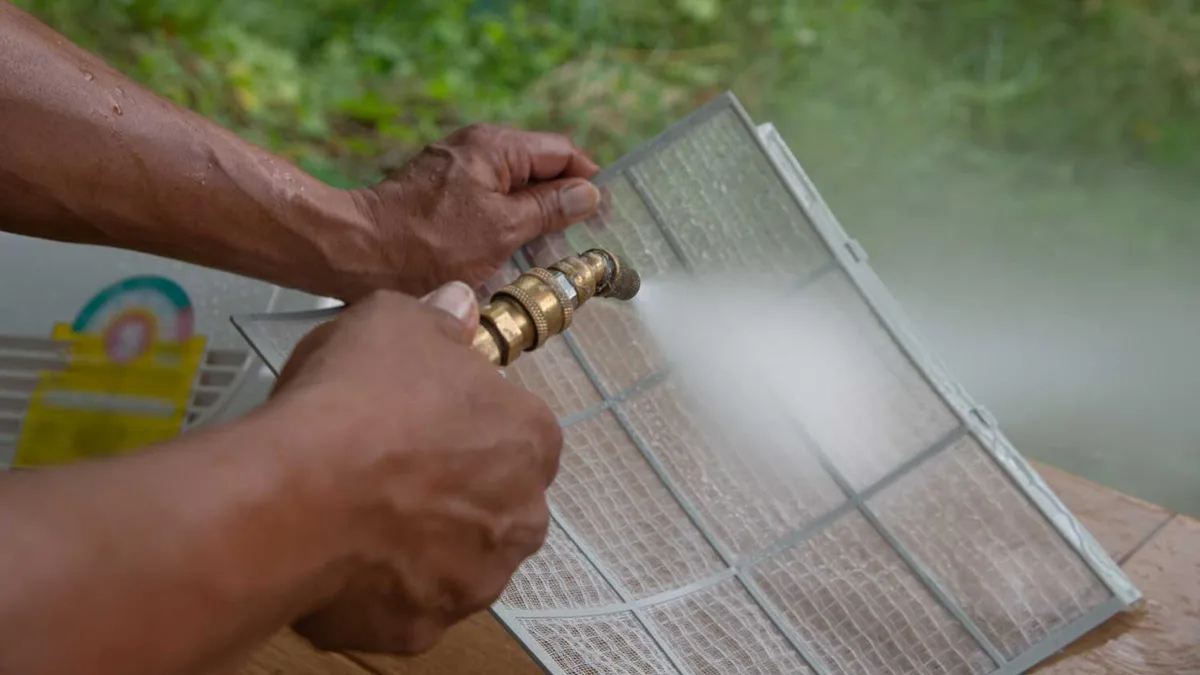
Image source: Web (Bing) / angi.com (Web image (fair-use with source credit))
3. Rinse and Wash
Take the filter outside or to a utility sink or large basin. Use a garden hose on a gentle setting to spray off loose dust and debris. Aim the water from the side that has the most visible dirt, working towards the cleaner side.
This pushes the contaminants away from the filter material rather than driving them deeper. If the filter is still dirty after rinsing, you can use a mild detergent mixed with water and a soft brush to gently scrub away remaining grime. Avoid abrasive brushes or harsh chemicals, as these can damage the filter’s integrity.
4. Dry It Completely
This step is non-negotiable for preventing mold and mildew growth within your HVAC system. You must let the filter air dry 100% before putting it back. Lean it against a wall or lay it on a clean towel in a well-ventilated area.
Using a fan can speed up the drying process, but never use heat, as it can warp or damage the filter material. This drying period can take several hours, so plan accordingly.
5. Reinstall and Power On
Once you're absolutely certain the filter is dry to the touch, slide it back into its slot. Make sure to orient it according to the airflow arrow you noted during removal. If you don't see an arrow, generally the clean side faces into the unit.
After the filter is securely in place, you can turn the circuit breaker back on and set your thermostat to your desired temperature.
When It's Time to Ditch the Filter: Disposable vs. Damaged
Not all AC filters are created equal, and certainly, not all are meant for cleaning. If you have a disposable AC filter, your only option is to replace it. These are designed for single use; attempting to wash them will only damage the filter media, reducing its ability to capture particles effectively and potentially allowing more contaminants into your air.
Beyond disposable types, even some washable filters reach a point where they need to be replaced. If you inspect your washable filter and find any tears, holes, warping, or significant degradation of the filter material, it's time for a new one. A damaged filter simply cannot perform its job of trapping dust, pollen, and other allergens, negating the benefits of your AC system and potentially leading to other issues.
As of 2026, the lifespan of a washable filter can vary greatly, but visible damage is always a clear sign for replacement.
Why Cleaning Your AC Filter Isn't Optional
Skipping AC filter maintenance is a common mistake, but it’s one that can have significant consequences for your home's health, comfort, and your finances. The most immediate consequence of a dirty filter is reduced airflow. When the filter becomes clogged with dust and debris, your HVAC system has to work harder to pull air through it.
This strain on the system can lead to premature wear and tear on the fan motor and other components.
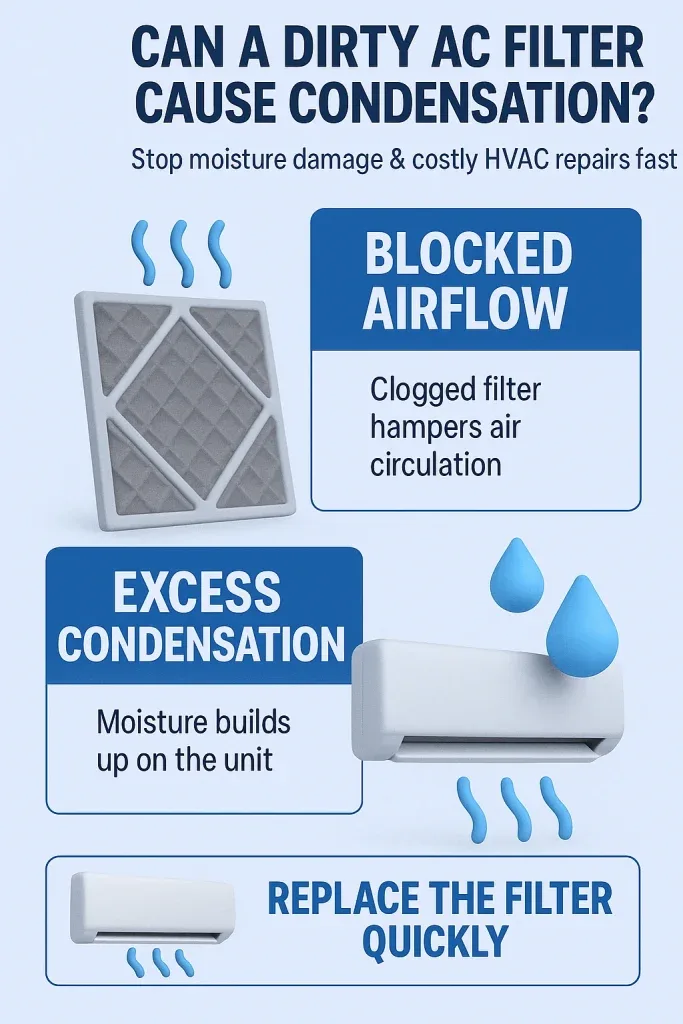
Image source: Bing (Web (fair-use with source credit))
The Downstream Effects of Neglect
Poor airflow directly impacts your home's climate control. Your AC will struggle to circulate conditioned air effectively, leading to uneven temperatures throughout your house and making it harder to reach your desired thermostat setting. This inefficiency also means your system runs longer to achieve the same result, directly increasing your energy consumption and, consequently, your electricity bills.
Manufacturer specifications often indicate that a severely clogged filter can increase energy usage by up to 15%.
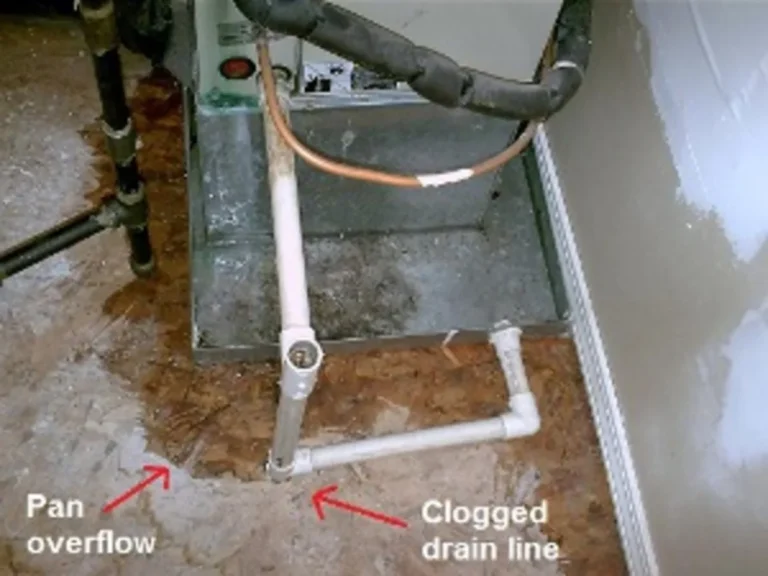
The problems don't stop at increased energy costs and uneven cooling. A heavily restricted airflow can cause the evaporator coils within your AC unit to freeze over. This happens because the cold refrigerant in the coils can't absorb enough heat from the air passing over them, leading to a drop in temperature that can result in ice formation.
A frozen evaporator coil is a serious issue that not only halts your AC’s cooling ability but can also lead to water damage as the ice melts and requires professional repair. Furthermore, a filter that is past its prime can start to shed trapped debris back into your ductwork or even allow smaller particles to bypass it, leading to poorer indoor air quality.
How Often Should You Clean or Replace Your AC Filter?
The frequency of AC filter maintenance isn't a one-size-fits-all answer. It depends on a variety of factors related to your home environment, the type of filter you use, and how much you operate your HVAC system. As a general rule of thumb, most manufacturers recommend that you at least check your filter every month.
This quick inspection will tell you if cleaning or replacement is needed.
Consider these factors that influence how often you'll need to perform maintenance:
- Home Occupants and Pets: Homes with multiple people, or those with pets that shed fur and dander, will see their filters clog up much faster. If you have shedding pets, you might need to check your filter every two weeks.
- Allergies and Respiratory Conditions: For households where residents suffer from allergies, asthma, or other respiratory sensitivities, more frequent filter changes are advisable to maintain the best possible indoor air quality.
- Environmental Factors: Living in a dusty area, near construction sites, or in a region with high pollen counts can accelerate filter contamination.
- HVAC System Usage: If you run your air conditioning or heating system frequently, especially during peak seasons, the filter will accumulate debris more rapidly than if the system is used sparingly.
For most standard pleated disposable filters, replacement every 1 to 3 months is common. Washable filters can often be cleaned every 1 to 3 months as well, but their lifespan is typically measured in years, provided they are properly cared for and not damaged. Always refer to your specific filter's packaging or your HVAC system's manual for manufacturer-recommended intervals.
Best For: Who Should Use What Filter Type
Choosing the right type of AC filter involves weighing convenience, cost, and environmental impact. Disposable filters are the simplest option for homeowners who prioritize ease of use and don't want to deal with cleaning. They offer a straightforward solution for maintaining air quality without requiring hands-on maintenance beyond replacement.
For those who live in areas with high pollen or dust, or have pets, replacing a disposable filter every 1-3 months ensures a consistently clean air supply.
Washable filters, on the other hand, are an excellent choice for budget-conscious individuals and those looking to reduce waste. While they require regular cleaning, typically every 1-3 months, their reusability means you avoid the recurring cost of buying new filters. This makes them a more sustainable option over the long term.
Electronic filters are generally for people with specific air quality concerns, such as severe allergies, as they offer higher filtration efficiency, though they come with a higher upfront cost and a more involved maintenance routine.
AC Filter Performance: Understanding MERV Ratings
When you're looking at AC filters, you'll often see a MERV rating. MERV stands for Minimum Efficiency Reporting Value, and it's a standard used to measure how effectively an air filter traps particles of different sizes. The scale ranges from 1 to 20, with higher numbers indicating better filtration.
For residential use, MERV ratings typically fall between 1 and 13.
A low MERV rating, like a MERV 1-4, captures larger particles such as lint, carpet fibers, and dust mites. These are the most basic filters and are usually found in older HVAC systems or as pre-filters. Mid-range MERV ratings, from about 5 to 8, are effective at capturing smaller particles like mold spores, hairspray, and fine dust.
Most standard pleated filters you find at home improvement stores fall into this category and offer a good balance between filtration and airflow for typical homes.
When to Choose a Higher MERV Rating
Higher MERV ratings, such as MERV 9-13, are designed to capture even finer particles like bacteria, smoke, and allergens. While these filters offer superior air cleaning, they also present a denser material that can restrict airflow more significantly. It's crucial that your HVAC system is designed to handle a higher MERV filter.
Installing a high-MERV filter in a system not equipped for it can starve the unit of air, leading to the problems mentioned earlier, such as coil freezing or motor strain. Always check your HVAC system's manual or consult a professional before upgrading to a significantly higher MERV-rated filter to ensure compatibility.
Frequently Asked Questions About AC Filters
How long does it take to clean an AC filter?
Cleaning a washable AC filter typically takes about 15-30 minutes for the washing and rinsing process itself. However, you must factor in several hours for the filter to air dry completely, which is crucial. So, while the active cleaning is quick, the entire process from removal to reinstallation can take half a day or longer depending on drying conditions.
Can I use a vacuum cleaner to clean my AC filter?
For washable filters, a gentle vacuuming can help remove surface dust before rinsing, but it won't be sufficient on its own for deep cleaning. For disposable filters, vacuuming can help extend their life slightly by removing some surface debris, but it does not restore their full filtration capacity, and they still need replacement eventually. It's best to avoid vacuuming delicate or damaged filter media.
What happens if I never clean my AC filter?
If you never clean or replace your AC filter, airflow will become severely restricted. This forces your AC’s fan motor to work much harder, leading to increased energy consumption and higher utility bills. It can also cause the AC unit itself to overheat or freeze up, leading to expensive repairs.
Furthermore, the air circulating in your home will contain more dust, allergens, and pollutants, negatively impacting indoor air quality.
Are all AC filters washable?
No, not all AC filters are washable. The most common types are disposable filters, which are designed to be thrown away and replaced once they become dirty. Washable filters are specifically made with materials and frames that can withstand rinsing and gentle washing.
Always check the filter itself for markings or consult your HVAC manual to determine if your filter is washable.
Should I buy a reusable or disposable filter?
Both reusable and disposable filters have pros and cons. Reusable (washable) filters can save you money over time and are more environmentally friendly as they reduce waste. However, they require regular cleaning and thorough drying.
Disposable filters are convenient and eliminate the need for cleaning, but they represent ongoing costs and create more landfill waste. The best choice depends on your budget, how often you're willing to perform maintenance, and your environmental considerations.