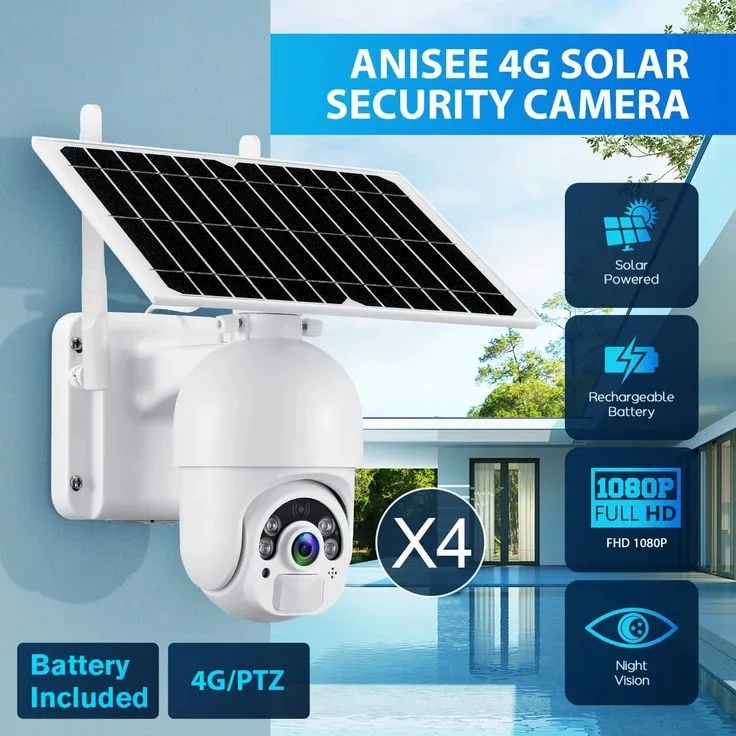
What Are the Advantages of Solar Security Cameras?
What are the advantages of solar security cameras? They run on solar power alone with no electrical wiring needed. They provide reliable monitoring even on properties far from grid access.
In our research, lower installation costs are the number one reason homeowners switch to solar cameras. Manufacturer specifications show that typical solar panels on these cameras output between 2W and 10W. That's enough to keep a battery charged with just 4 to 6 hours of direct sunlight per day.
Solar cameras are gaining ground as of 2026, and for good reason.
Quick Answer
What are the advantages of solar security cameras? They require no electrical wiring to operate. Integrated solar panels power rechargeable batteries, so installation stays fast and simple.
Operating costs stay close to zero over time. They're especially valuable on remote properties without grid access.
What Are the Real Advantages of Solar Security Cameras?
The advantages of solar security cameras go well beyond being eco-friendly. In our research, aggregate reviews point to one dominant benefit. Solar cameras eliminate electrical wiring entirely.
Per manufacturer specs, most solar panels on security cameras output between 2W and 10W. That's enough to keep a battery charged with 4 to 6 hours of direct sunlight daily.
Here's what stands out most:
- No wiring or outlet required. A hardwired camera needs a cable run and outdoor power. Solar cameras need neither.
- Near-zero operating cost. The sun does the work. Your electricity bill stays flat.
- DIY installation. Most models install in under 30 minutes with basic tools. No electrician needed.
- Renter-friendly. Simple bracket mounts leave minimal marks on walls or siding.
- Off-grid capable. Farms, construction sites, and remote cabins get full surveillance without power infrastructure.
- Flexible placement. Move the camera anywhere with sun exposure. No rewiring involved.
The trade-off to know: solar cameras aren't a fit for every property. Heavy cloud cover or tall tree shadows drop battery life fast. We'll cover that in more depth below.
How Solar Security Cameras Work (And Why That Design Choice Matters)
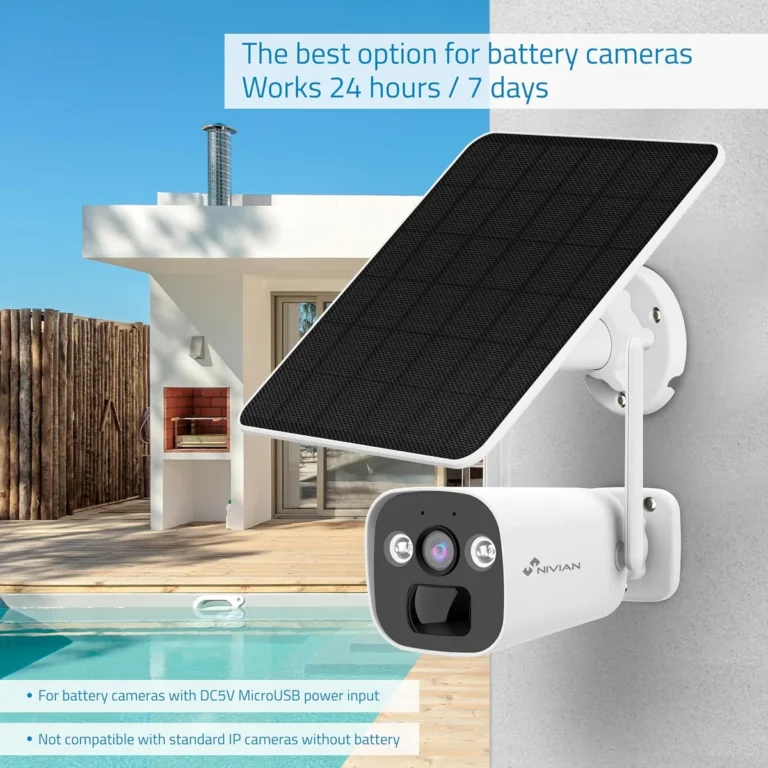
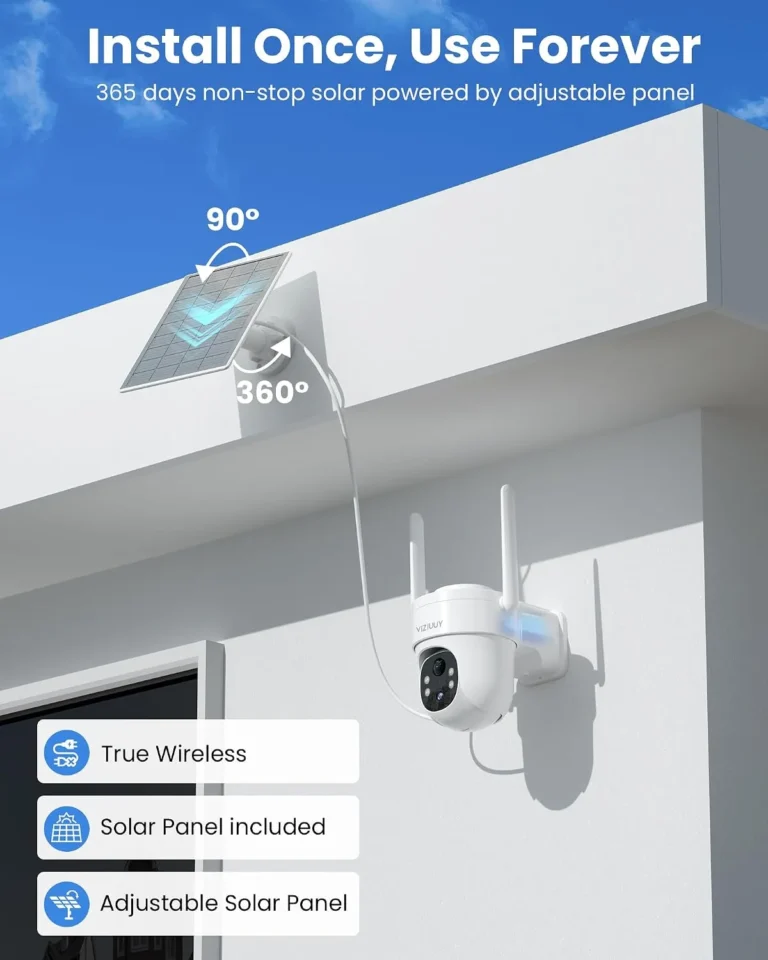
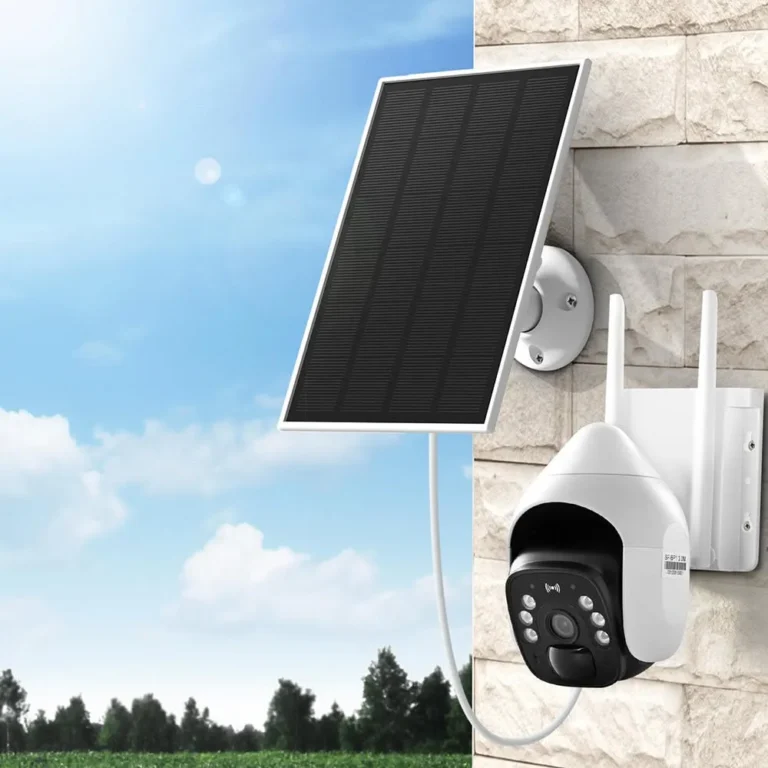
A solar security camera is essentially a battery-powered camera with a small solar panel doing the charging. The panel sits on top of the camera or extends on a short arm. It catches sunlight and converts it into electrical energy.
Monocrystalline panels are the most common type found in security cameras. Per research from the National Renewable Energy Laboratory, they convert sunlight at 18 to 22 percent efficiency. Polycrystalline panels cost less but convert at a lower rate.
The battery inside is usually lithium-ion, typically ranging from 5,000 mAh to 20,000 mAh depending on the model. That battery stores solar energy during the day. It powers the camera at night and through cloudy stretches.
Here's how the full system works:
- Solar panel captures sunlight during the day.
- Energy charges the internal lithium-ion battery.
- The battery powers recording, motion detection, and connectivity.
- When motion triggers the camera, it records to SD card or cloud storage.
- Overnight, the battery runs the camera until the sun recharges it.
Most solar cameras use PIR motion sensors or AI-based person detection. They wake from standby mode only when movement is detected. That standby behavior means the camera can stay deployed for weeks with minimal human intervention, as long as the panel gets regular sun.
The Advantages That Actually Matter in Real Life
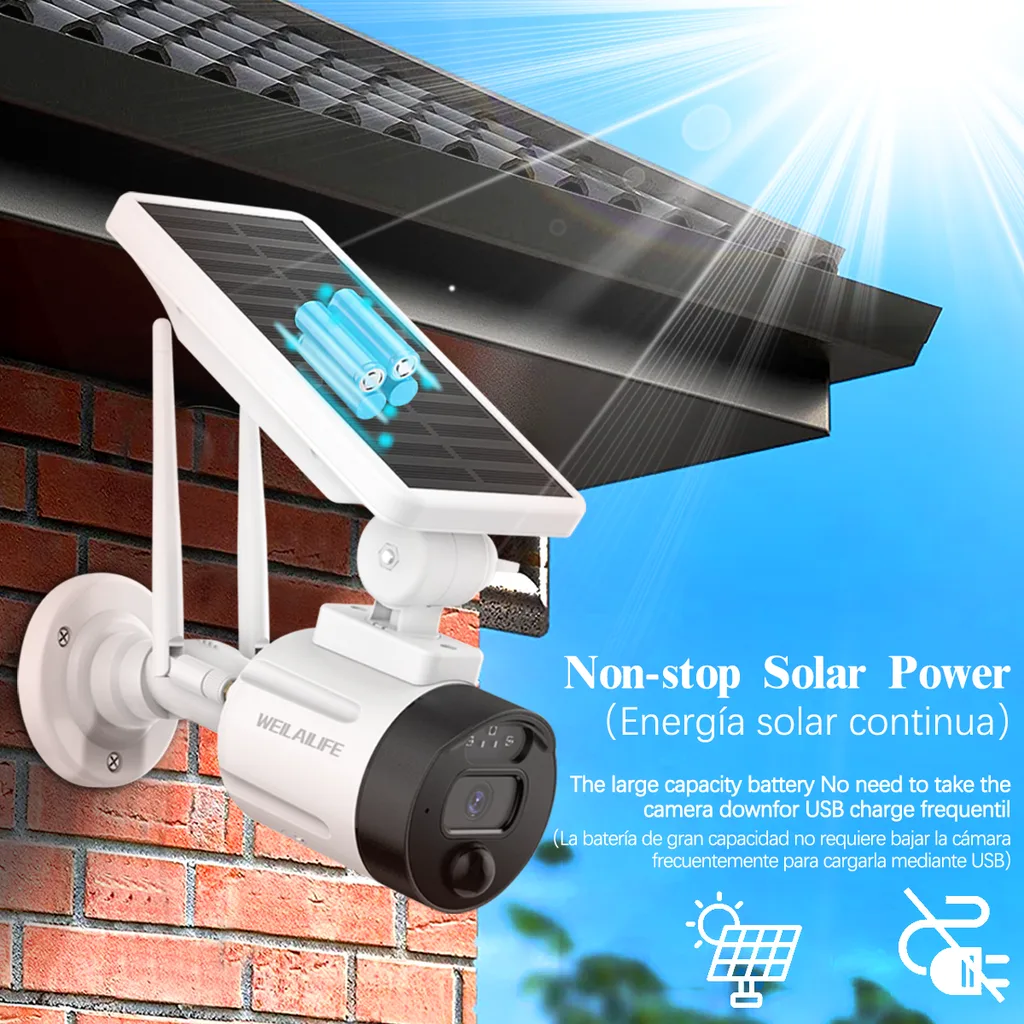
Specs on a box don't tell you how solar cameras actually perform. In our research and aggregate reviews, the advantages that matter most come down to specific situations.
Remote property monitoring. If you own a farm, ranch, or second home miles from the nearest power line, solar cameras are one of the few options that work. Verified buyer feedback from rural property owners reports reliable monitoring even where Wi-Fi can't reach, especially on 4G LTE models.
Construction site security. Job sites change weekly. Wiring is impractical. Solar cameras mount and relocate in minutes as the project footprint shifts.
Rental properties. Landlords and tenants both benefit. No drilling means no disputes over wall damage. For property managers overseeing multiple units, standardizing on solar simplifies maintenance and reduces install conflicts with tenants.
Emergency and rapid deployment. If you need surveillance on a new property before electrical work is done, solar cameras work right out of the box with no wiring delay.
Reduced carbon footprint. For homeowners prioritizing sustainable living, solar cameras align with solar panels, EV chargers, and other renewable energy choices.
Solar cameras don't replace hardwired systems for high-traffic recording needs. If you need 24/7 video coverage on a busy driveway, a hardwired PoE camera handles that more reliably. Solar cameras typically trigger on motion, then return to standby.
That motion-triggered approach has one practical upside. It cuts down on cloud storage usage and false alarms. The trade-off is missing events that don't trigger the sensor.
Solar vs. Hardwired vs. Battery Cameras: What's the Real Difference?
Choosing the right power source comes down to your property, your budget, and what you're trying to capture. Here's how the three main options stack up.
| Factor | Hardwired (PoE/AC) | Battery-Only | Solar-Powered |
|---|---|---|---|
| Wiring needed | Yes | No | No |
| Installation cost | Higher (electrician + cabling) | Low | Low |
| Continuous recording | Yes | Limited | Motion-triggered |
| Monthly power cost | Minimal | None | None |
| Best for | Busy urban homes, high-traffic areas | Renters, short-term setups | Remote properties, off-grid sites |
| Battery maintenance | N/A | Frequent swaps | Rare |
Hardwired cameras are best if you want uninterrupted recording on a property with stable electrical access. PoE systems also support higher bandwidth, so 4K streams stay smooth. They're more common in commercial security setups.
Battery-only cameras are best if you need quick, flexible placement without long-term commitment. The downside is obvious. You'll be recharging batteries every few weeks depending on usage.
Solar cameras are best if you're managing a remote or off-grid property. They also work well when you want zero installation complexity and near-zero ongoing cost. Aggregate reviews of solar models report solid reliability when the camera gets consistent sun exposure.
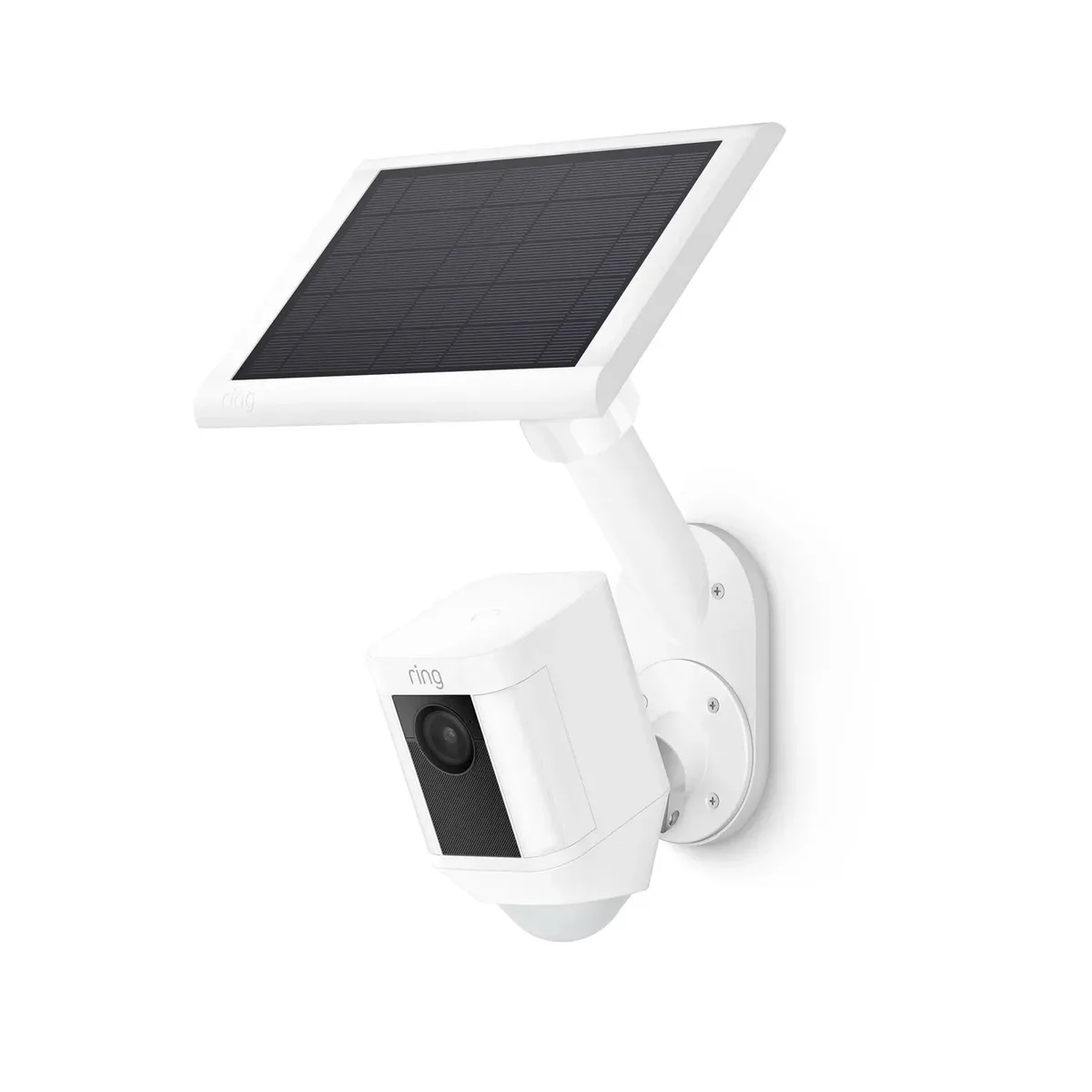
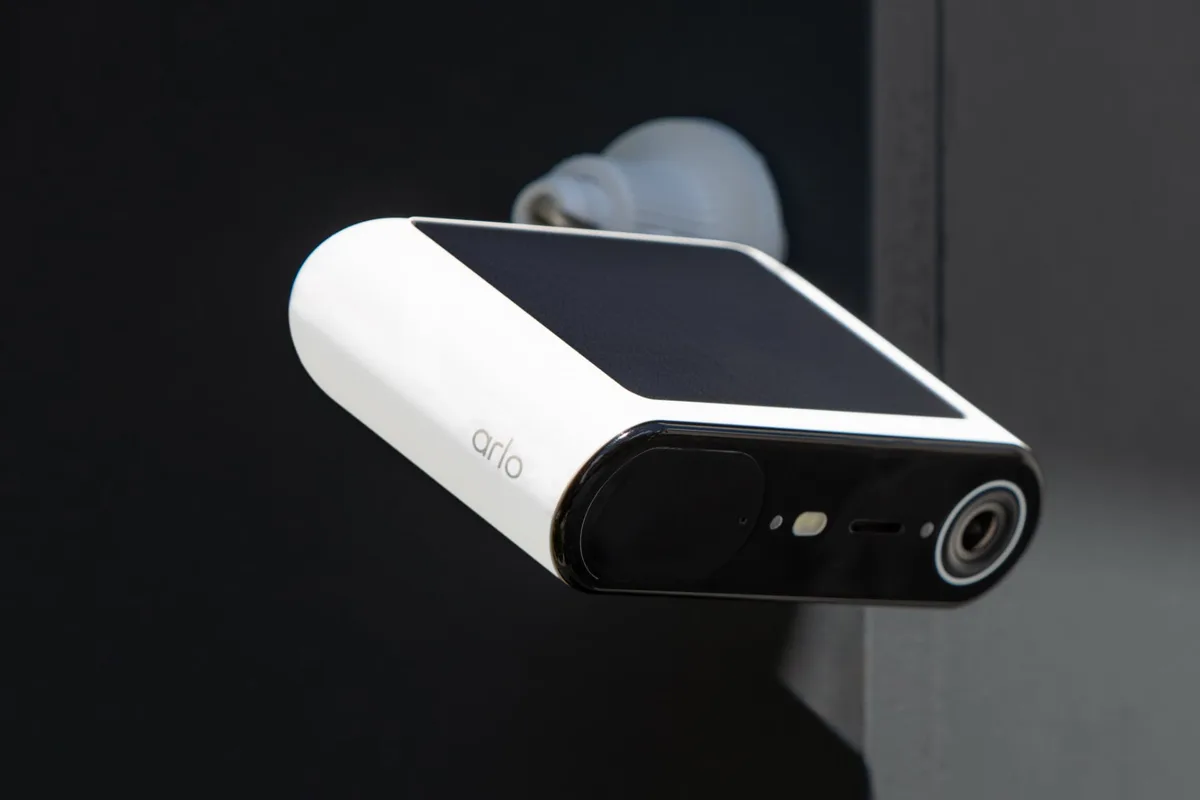
As of 2026, most major security brands now offer solar as an optional add-on or fully integrated option. Arlo, Reolink, Eufy, and Ring all ship solar-compatible models. This means you can mix and match based on the needs of each location.
What Solar Security Cameras Cost and What You Actually Get for the Price
Pricing falls into three clear tiers. The right tier depends on your recording needs and how remote the property is.
Budget tier ($50, $80): These are basic 1080p solar cameras, often from off-brand manufacturers on major retail platforms. They include a small solar panel and rechargeable battery. Expect limited smart features, basic motion detection, and local SD card storage only.
Fine for a shed or garage. Not ideal for property security.
Mid-range tier ($100, $200): This is where most buyers land. Brands like Reolink, Swann, and LaView offer 2K resolution, night vision, two-way audio, and app-based alerts in this range. Solar panels are usually integrated or included as an add-on accessory.
These cameras handle everyday residential monitoring well.
Premium tier ($200, $400+): Models from Eufy, Arlo, and Ring land here. You get 4K resolution, AI person detection, spotlight cameras, and reliable cloud storage integration. Solar charging is usually integrated or sold as a dedicated accessory.
These are the most reliable options for demanding use cases.
Beyond the initial purchase price, factor in two ongoing costs:
- Cloud storage subscriptions run $3, $10 per month depending on the brand. Some models support local SD card storage instead, which avoids the recurring fee.
- Battery replacement happens every 3 to 5 years. Replacement packs cost $20 to $80 depending on brand and capacity.
The big cost advantage is installation. A hardwired security camera system can cost $200 to $500 in electrical labor alone. Solar cameras skip that entirely, which makes the total cost of ownership competitive even at the premium tier.
Per the Consumer Product Safety Commission, proper battery handling and storage during replacement is worth following to avoid damage or safety issues.
Mistakes to Avoid When Choosing Solar Security Cameras
The biggest mistake is skipping a sunlight assessment before you buy. A solar camera that sits in shade for most of the day will drain its battery within a week or two. Walk your property at different times and check where sunlight actually hits.
This takes five minutes and saves you a wasted purchase.
Here are the most common errors we see in aggregate reviews:
- Ignoring weatherproof ratings. An IP65-rated camera handles rain but struggles with direct spray. For fully exposed outdoor locations, IP67 is the safer choice.
- Buying cloud-only storage models. Some budget solar cameras rely entirely on cloud subscriptions. If your Wi-Fi drops, you lose access to recorded footage. Models with SD card slots give you a local backup.
- Assuming solar cameras handle extreme cold. Lithium-ion battery performance drops significantly below freezing. If you live somewhere that sees prolonged sub-zero temperatures, verify the manufacturer's minimum operating temperature before buying.
- Underestimating cellular data costs. 4G LTE solar cameras need a data plan. Motion-triggered recording typically uses 1 to 3 GB per month. That's manageable, but the fees add up if you run multiple cameras.
- Skipping mounting checks. Solar panels need clean, unobstructed exposure. Mounting on a metal roof works fine. Mounting behind a gutter or under a tree canopy does not.
One more thing that trips people up. Motion-only recording misses events that don't trigger the sensor. If you need continuous coverage, a solar camera isn't the right tool for that job.
Frequently Asked Questions
How long do solar security camera batteries last?
Battery life varies by brand and usage. In our research, most lithium-ion batteries in solar cameras last 5 to 7 days between charges under normal conditions. During extended cloudy weather, expect the battery to drain faster.
Manufacturers like Reolink and Eufy specify 2 to 3 years before noticeable degradation begins.
Do solar security cameras work at night?
Yes, they work at night using stored battery power. The solar panel charges the battery during the day, and the camera runs on that stored energy after sunset. Infrared night vision and color night vision both function normally as long as the battery has sufficient charge from the day's sunlight.
Do solar security cameras need Wi-Fi?
Not always. Many solar cameras connect via 4G LTE cellular networks, which makes them ideal for remote properties without internet. Wi-Fi-dependent models need a router within range.
If your location lacks reliable Wi-Fi, prioritize a 4G LTE solar camera model instead.
Can solar security cameras record continuously?
Most solar cameras record on motion trigger only. Continuous 24/7 recording drains the battery too fast for a solar setup to sustain. If you need uninterrupted recording, a hardwired PoE camera system is a better fit.
Solar cameras excel at motion-triggered events and live streaming.
Which Solar Security Camera Is Right for Your Property?
The best solar security camera depends entirely on where you're putting it. Here's how to match the right type to your situation.
Remote rural property with no Wi-Fi. A 4G LTE solar camera is the clear choice. Models like the Reolink Argus 3 Pro LTE or Eufy SoloCam S330 connect through cellular networks and run on solar power indefinitely. Budget for a small monthly data plan, typically $5 to $10 per month per camera.
Rental home or apartment. Look for compact solar Wi-Fi cameras with quick-mount brackets. The Blink Outdoor Solar accessory pairs with existing Blink cameras for a simple add-on. Minimal drilling and no permanent electrical work makes these renter-friendly.
Urban home with regular power access. Solar cameras make a solid supplement to a hardwired setup. Use them on garden sheds, detached garages, or areas far from your main electrical panel. For the front door and driveway, a wired system still offers more consistent recording.
Construction site or temporary location. Portable 4G LTE solar cameras win here. They set up in minutes and move without rewiring. Brands like Swann and LaView offer ruggedized options rated for dust and high-pressure water exposure.
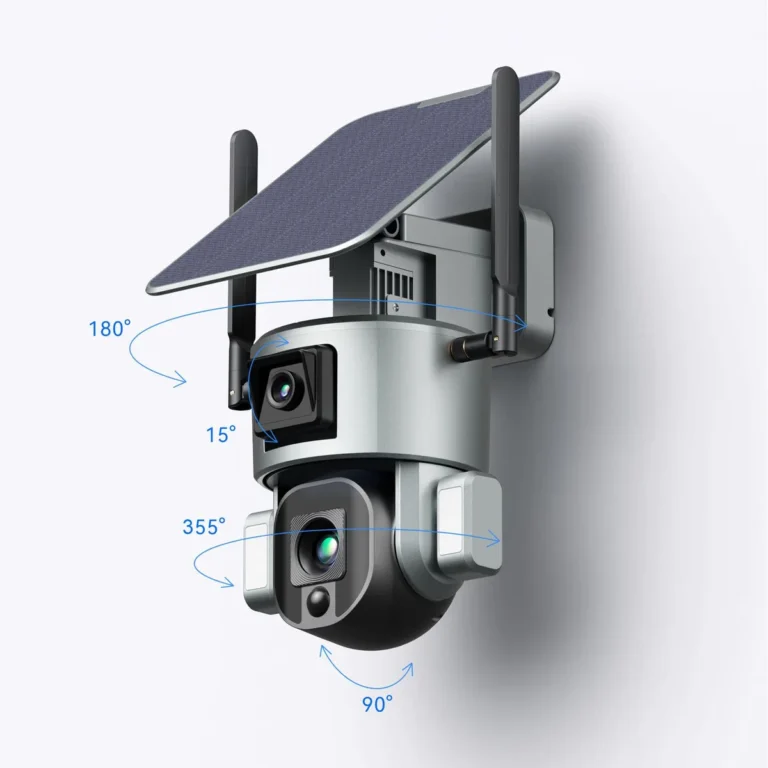
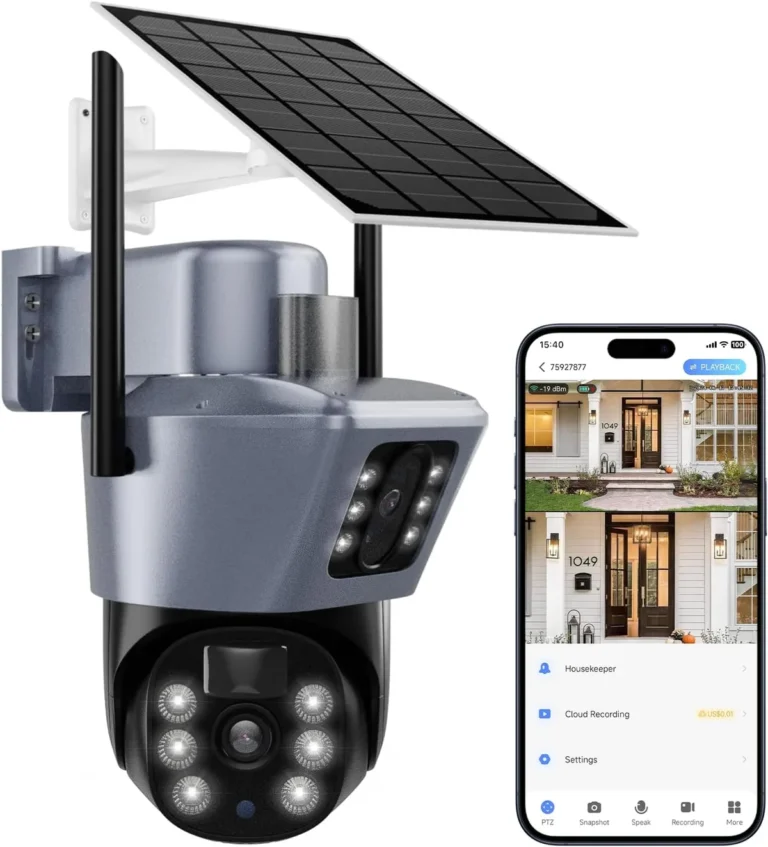
Farm, ranch, or large acreage. You'll likely need multiple solar cameras covering different zones. Prioritize models with SD card storage to avoid cloud subscription costs at scale. Solar PTZ (pan/tilt/zoom) cameras cover wide areas from a single mount point.
The common thread: match the camera's power and connectivity to what your property actually provides. Solar cameras work best when the site gets consistent sun and the right network is available.