Are Self-Propelled Lawn Mowers Worth It?
Are self-propelled lawn mowers worth it? For most homeowners, it comes down to one thing: how hard is it to push your mower every week? Self-propelled models use an internal drive system to pull the mower forward while you steer.
That sounds great on paper, but the real answer depends on your yard, your budget, and what you actually need.
Manufacturer specs show most residential self-propelled mowers weigh 90 to 120 pounds, compared to 60 to 80 for a push mower. As of 2026, quality self-propelled models range from about $250 to over $700 for premium all-wheel-drive battery models. Before you decide, it helps to know exactly when the extra investment pays off.
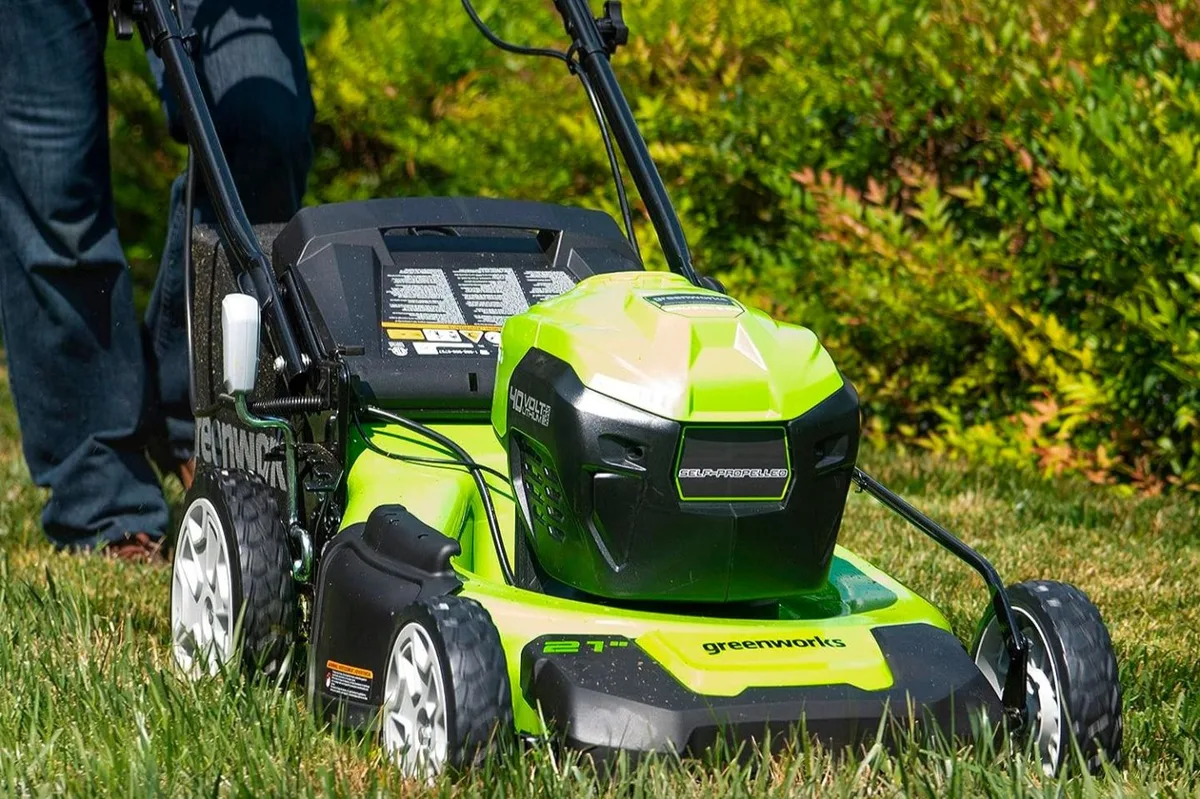
Image source: Bing (Web (fair-use with source credit))
Quick Answer: When Self-Propelled Mowers Earn Their Price Tag
Are self-propelled lawn mowers worth it? Yes, if your lawn is large, sloped, or physically demanding to mow. On flat yards under a quarter acre, a push mower works fine.
Self-propelled models save time and effort on hills and uneven terrain. The extra cost typically starts making sense above a quarter acre.
In our research across manufacturer specs and aggregate user reviews, self-propelled mowers show clear advantages in specific situations:
- Lawn size above a quarter acre. Push mowers get exhausting over large areas.
- Slopes above a 5 to 8 degree grade. Rear-wheel drive grips better on hills.
- Uneven, bumpy terrain. The drive system smooths out movement across rough ground.
- Physical limitations. Anyone with back, knee, or shoulder issues benefits from a self-propelled mower.
Think of it this way. If pushing a mower across your lawn leaves you tired before you're done, the drive system is doing work you'd otherwise have to do yourself. For small, flat yards, that tradeoff just isn't worth the higher price tag.
Why Push Mowers Hit a Wall on Real Lawns
Push mowers work fine on small, flat lots. Once your lawn grows or the terrain changes, problems show up fast.
The most common frustration is fatigue. Pushing a 60 to 80 pound mower across a bumpy lawn for an hour leaves your shoulders and lower back stiff. That's not about fitness.
It's about force applied at awkward angles for extended periods.
Slopes make it worse. University extension research confirms that mowing uphill on grades above 5 to 8 degrees significantly increases physical load on the operator. A push mower gives you nothing to lean on when the ground tilts against you.
Cut quality drops too. Push mowers slow down on hills because you spend energy controlling speed instead of keeping a steady pace. The result is uneven stripes, missed patches, and extra passes to finish the job.
The U.S. Consumer Product Safety Commission also reports that mower-related injuries spike when operators overexert themselves on steep terrain. That's a real safety concern beyond just comfort.
The difference shows up most in summer. When grass grows fast, you're mowing more frequently. Self-propelled models keep a consistent pace through long sessions, which means more predictable mowing times overall.
Self-Propelled vs. Push vs. Riding: How the Options Stack Up
The right mower depends on three things: lawn size, terrain type, and how much effort you want to put in each session. Here's how the main categories compare.
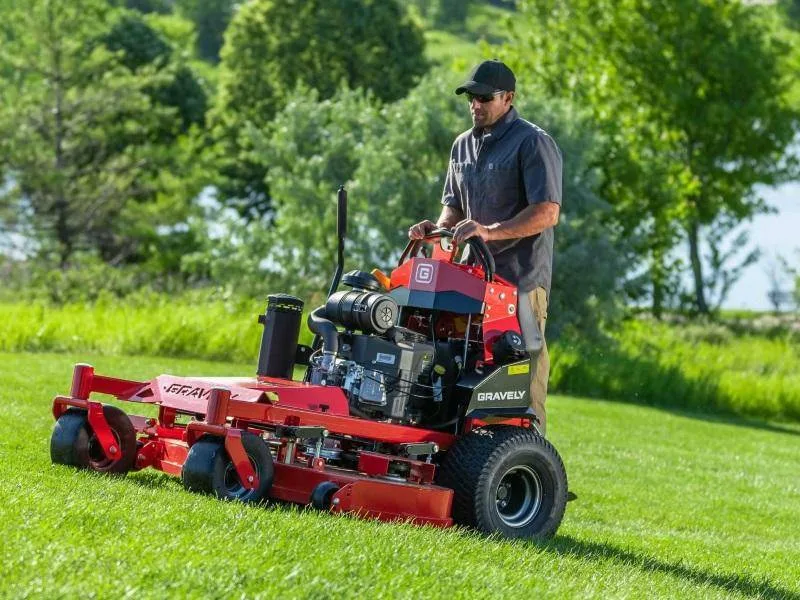
Image source: Bing (Web (fair-use with source credit))
| Feature | Push Mower | Self-Propelled | Riding Mower |
|---|---|---|---|
| Best for | Small flat lots under 1/4 acre | Medium lawns, slopes, uneven ground | Large lawns 1/2 acre and up |
| Typical weight | 60-80 lbs | 90-120 lbs | 350-600 lbs |
| Price range (2026) | $150-$300 | $250-$1,200+ | $1,200-$5,000+ |
| Effort level | High | Low | Very low |
| Storage footprint | Small | Medium | Large |
| Terrain tolerance | Flat only | Sloped and uneven | Flat to moderate slopes |
If your lawn is under a quarter acre and flat, a push mower saves money with no real tradeoffs. If you have slopes, obstacles, or a medium-to-large residential lot, a self-propelled model fills the sweet spot.
If you're torn between a self-propelled mower and a riding mower for a medium-sized yard, think about how often you mow. For lawns under half an acre, a self-propelled mower delivers most of the benefit at a fraction of the cost and garage footprint.
Drive Systems Explained: FWD, RWD, AWD, and What Actually Matters
The drive system is what separates a good self-propelled mower from a frustrating one. Here's the breakdown.
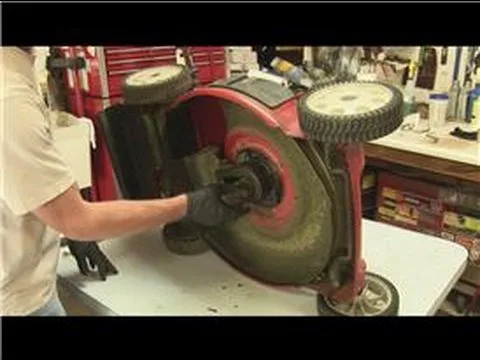
Image source: Web (Bing) / mowrs.com (Web image (fair-use with source credit))
Front-Wheel Drive
FWD mowers pull from the front. They work well on flat lawns and gentle slopes. They're the most common and least expensive option.
On wet grass or steep hills, front wheels can spin while the rear stays put.
Rear-Wheel Drive
RWD pushes from the back, giving better traction on slopes. The mower's weight presses down on the drive wheels, which grip better on hills. Aggregate reviews consistently report better hill performance with RWD models.
All-Wheel Drive
AWD powers all four wheels and handles steep grades, wet grass, and uneven ground best. As of 2026, AWD models start around $600 and can exceed $1,000. If your yard has serious hills, the upgrade is worth it.
Personal Pace vs. Single Speed
Most modern self-propelled mowers use variable speed controls that adjust to how fast you walk. Single-speed models work fine on flat ground but struggle on slopes.
Per EPA guidelines on small engine emissions, gas-powered mowers remain regulated under Phase 2 standards. Emissions rules vary by state, with California enforcing the strictest CARB requirements.
The Real Cost: Price, Weight, and What You'll Spend After You Buy
Sticker price is only the starting point. Here's the full picture.
| Cost Factor | Push Mower | Gas Self-Propelled | Battery Self-Propelled |
|---|---|---|---|
| Purchase price (2026) | $150-$300 | $250-$700 | $350-$900 |
| Annual maintenance | $20-$40 | $30-$80 | $0-$20 |
| Fuel/battery cost per year | $0 | $40-$80 | $15-$30 |
| Oil changes | N/A | 1-2 per season | N/A |
| Belt/drive system service | N/A | $40-$100 every 2-3 years | $30-$80 every 3-4 years |
| Blade sharpening | Every 25-50 hours | Every 25-50 hours | Every 25-50 hours |
A gas self-propelled mower costs roughly $100 to $180 more per year to maintain than a push mower. Battery models close that gap significantly. There's no oil, no spark plug, and no carburetor to service.
The weight difference matters too. At 90 to 120 pounds, self-propelled mowers are 30 to 40 percent heavier than push models. That extra weight makes them harder to lift over curbs or load into a truck.
It also means the drive system works harder, which is why drive belts wear out faster.
Manufacturer warranty data shows most residential self-propelled mowers carry 2 to 3 year coverage. Budget models may only offer 1 year. Always check what's covered: engines, drive systems, and decks often have separate warranty terms.
Who Should Buy Self-Propelled, and Who's Better Off Skipping It
The short answer: if your lawn is large, sloped, or physically demanding, a self-propelled mower is worth every dollar. If it's small, flat, and easy to push, you'll just be paying more for features you'll never use.
Here's a quick breakdown of who benefits most and who doesn't.
Buy a self-propelled mower if:
- Your lawn covers a quarter acre or more
- You have slopes above a 5 to 8 degree grade
- The terrain is uneven, bumpy, or full of obstacles
- You deal with back, knee, or shoulder issues
- You mow more than twice a week during peak growing season
Skip the self-propelled model if:
- Your lawn is under a quarter acre and flat
- You're comfortable pushing a mower without fatigue
- Storage space is tight
- Your budget is the main constraint
- You rarely mow during summer
Rear-wheel drive models suit hills best. Front-wheel drive works fine on flat lots but struggles on wet grass. All-wheel drive earns its premium only when steep grades or slippery conditions are a regular part of your mowing routine.
For medium-sized lawns with mixed terrain, a variable-speed rear-wheel drive model typically hits the sweet spot of performance and price.
Mistakes That Leave Buyers with the Wrong Mower
The biggest mistake buyers make is choosing a mower based on price alone. A cheaper self-propelled mower with a weak drive system can feel worse than a well-built push model.
Another common error is buying all-wheel drive when you don't need it. AWD adds weight, cost, and complexity. On flat lawns under half an acre, that extra drive system just burns energy without improving performance.
Buyers also tend to overlook weight. At 90 to 120 pounds, self-propelled mowers are harder to maneuver in tight spaces, lift over curbs, or load into vehicles. If you have narrow paths or lots of obstacles, that weight becomes a daily annoyance.
Gas vs. battery is a third trap. Gas models deliver consistent power but require ongoing maintenance. Battery models are quieter and easier to maintain, but battery runtime drops with age.
As of 2026, a 40V battery system typically lasts 30 to 45 minutes per charge when new.
Ignoring terrain is the fourth mistake. A front-wheel drive mower on a steep hill will spin its front wheels and push the operator backward. Match the drive system to your yard's actual terrain before committing.
Final Verdict: Are They Worth It for Your Yard
For most homeowners with medium to large lawns, self-propelled lawn mowers are absolutely worth the investment. The drive system removes the hardest part of mowing, which means less fatigue, better cut quality, and more time to finish the job before you run out of steam.
The math is straightforward. A push mower costs $150 to $300 but demands real physical effort every session. A self-propelled mower costs $250 to $700 and handles the pushing for you.
On a quarter-acre lot, that extra $150 to $400 pays for itself in saved time and reduced strain over just a few seasons.
If you're still on the fence, here's what to ask yourself:
- Does my lawn exceed a quarter acre? If yes, self-propelled is the better call.
- Do I have slopes above a 5 to 8 degree grade? If yes, rear-wheel or all-wheel drive will make a noticeable difference.
- Does pushing a mower leave me tired or sore? If yes, the drive system is worth the upgrade.
- Is my lawn flat and small? If yes, a push mower saves money without meaningful tradeoffs.
The bottom line: self-propelled mowers earn their place on real lawns with real terrain. On small, flat yards, they're a luxury you don't need. Match the mower to your yard, not to the marketing.
Frequently Asked Questions
How much more does a self-propelled mower cost than a push mower?
As of 2026, a basic push mower runs $150 to $300, while a quality self-propelled gas model costs $250 to $700. Battery-powered self-propelled mowers range from $350 to $900. The price difference reflects the drive system, heavier build, and variable speed controls that make the mower pull itself forward.
Are self-propelled mowers harder to maintain?
Yes, somewhat. The drive system adds a belt or gear component that wear out over time. Gas models also need regular oil changes and spark plug maintenance.
Battery models are simpler to maintain since there's no engine oil or carburetor to service. Budget an extra $30 to $80 per year for drive belt service on gas models.
What drive system is best for hills?
Rear-wheel drive is the best choice for most sloped lawns. The mower's weight presses down on the rear wheels, giving them more traction on hills. All-wheel drive works for steep grades above 10 degrees.
Front-wheel drive struggles on slopes because the drive wheels can't grip when the ground tilts away from them.
Are battery self-propelled mowers worth the extra cost?
They're worth it if you want less maintenance and quieter operation. A 40V battery system delivers 30 to 45 minutes of runtime per charge when new. They're also lighter than gas models, which helps on hills.
The tradeoff is that runtime drops as batteries age, so you'll eventually need a replacement battery costing $80 to $200.
Can you convert a push mower to self-propelled?
Converting a push mower to self-propelled is not practical. The drive system is built into the mower's chassis from the factory. Retrofitting one requires significant engineering and isn't cost-effective.
It's simpler and safer to buy a purpose-built self-propelled model if you decide you need the feature.