How Much Does a Lawn Mower Cost?
How Much Does a Lawn Mower Cost in 2025? Full Price Guide by Type
How much does a lawn mower cost? It depends on your yard size, cutting needs, and whether you prefer gas or battery power. A basic push mower starts around $80.
A zero-turn riding mower can exceed $12,000. Most homeowners spend between $200 and $3,000.
Our research across major retailers and manufacturer price lists as of 2026 shows walk-behind gas mowers averaging $250 to $800. Riding mowers typically run $1,500 to $4,000. Let's break down what you get at each price point.
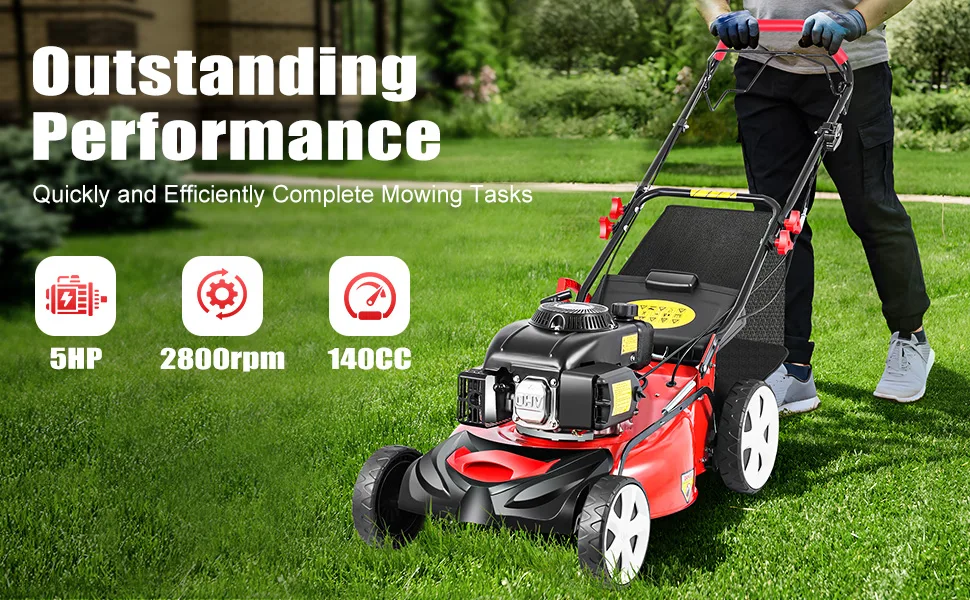
Image source: Bing (Web (fair-use with source credit))
Quick Answer
How much does a lawn mower cost? Prices range from $80 for a manual reel mower to $12,000+ for commercial zero-turn mowers. A gas push mower costs $250 to $800.
A riding mower runs $1,500 to $4,000. The right price depends on your yard size.
Why Lawn Mower Prices Range So Widely
Prices vary because manufacturers build machines for very different jobs. A $100 push mower handles a small flat yard fine. A $5,000 zero-turn mower is built for acres of open ground with fast cutting speed.
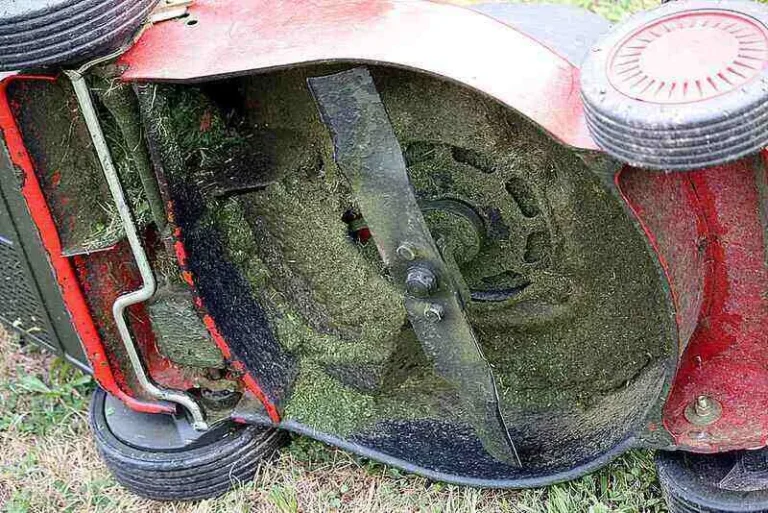
The biggest price drivers are engine power, deck width, build quality, and brand. Commercial mowers use fabricated steel decks and heavier engines, which adds cost but extends lifespan. As of 2026, EPA emissions standards for small off-road engines push gas mower prices up too.
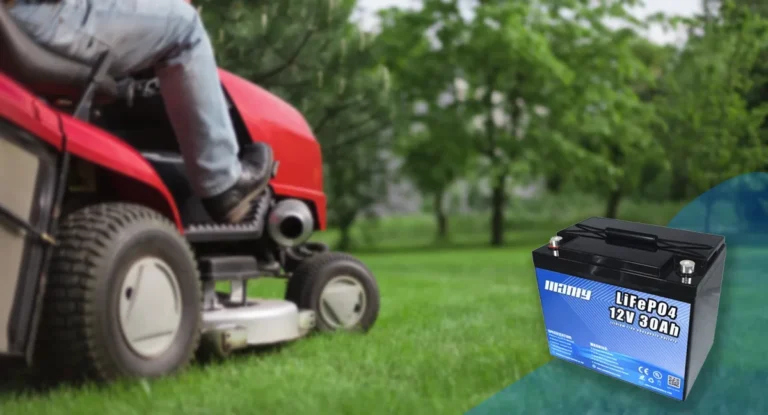
Electric mowers follow a different curve. Battery tech is the main cost variable. A 20V battery pack runs $60 to $120.
Premium brands like EGO and Milwaukee use 56V or 60V systems that cost more upfront but cut maintenance dramatically.
Brand matters more than people realize. John Deere and Husqvarna command premium riding mower prices. Budget brands like Troy-Bilt and Cub Cadet offer similar specs at 20 to 30 percent less.
Where you buy matters too. Big-box stores run seasonal discounts, and off-season purchases save 10 to 30 percent.
Lawn Mower Prices by Type: The Full Breakdown
Each mower type sits in its own price band, and the gaps between tiers are bigger than most people expect.
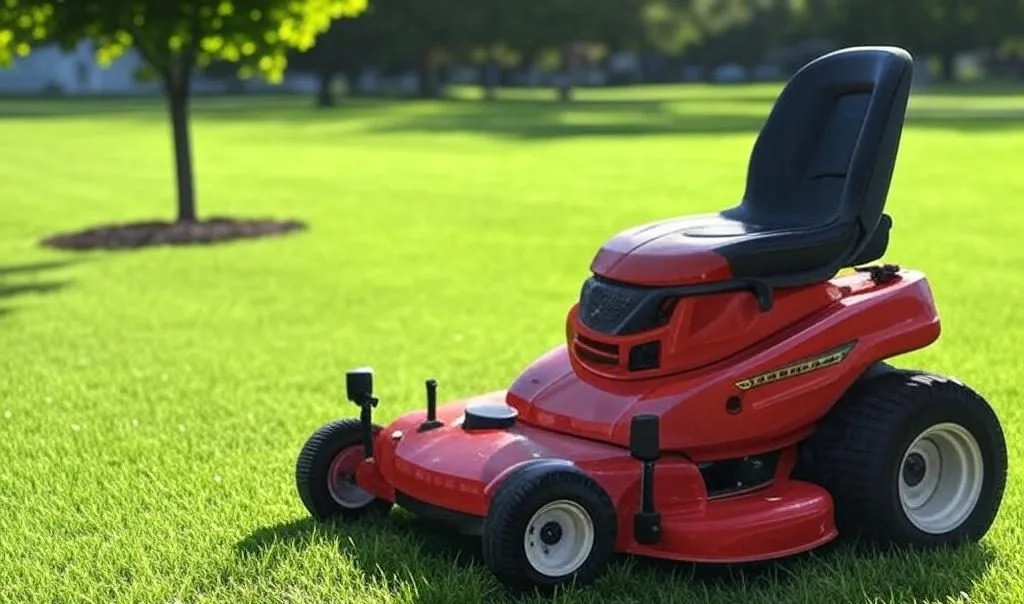
Image source: Bing (Web (fair-use with source credit))
| Mower Type | Price Range | Best For |
|---|---|---|
| Manual reel/push | $80-$300 | Tiny yards under 1/4 acre |
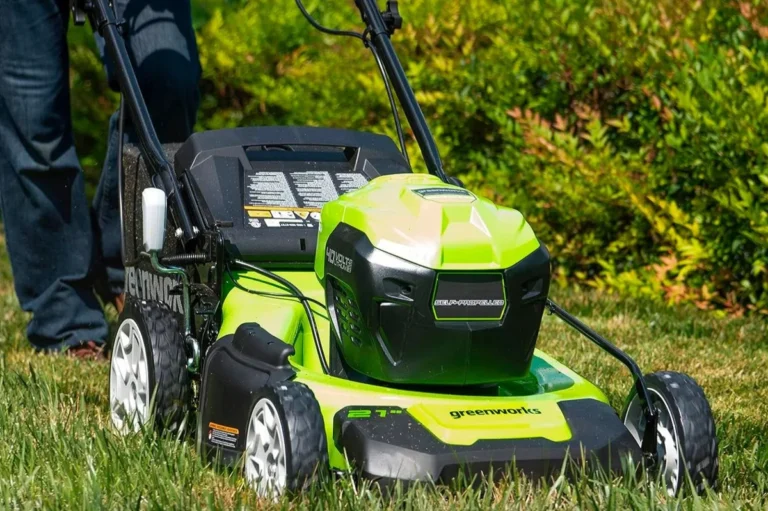
| Cordless electric push | $150-$600 | Small to medium yards |
| Self-propelled gas | $250-$800 | Medium yards, mild slopes |
| Premium self-propelled | $600-$1,200 | Larger yards, hilly terrain |
| Riding lawn mower | $1,500-$4,000 | 1 to 3 acres, flat ground |
| Lawn tractor | $1,800-$4,500 | 1 to 4 acres, mixed terrain |
| Zero-turn mower | $2,000-$12,000 | 2 to 5+ acres, fast cutting |
| Robotic mower | $500-$5,000 | Small to medium yards |
| Stand-on commercial | $5,000-$15,000 | Pro work, very large properties |
Budget mowers under $200 work fine for small yards mowed once a week. Mid-tier gas mowers in the $400 to $800 range offer the best balance of durability and features for most suburban homeowners. Riding mowers deliver solid value around $2,000 to $3,000.
Robotic mowers are the fastest-growing segment. Prices dropped significantly between 2023 and 2026 as more manufacturers entered the market. A basic robot mower for a quarter-acre yard now runs $500 to $800, down from $1,200 a few years ago.
Side-by-Side: What Each Price Tier Gets You
Spending more doesn't just buy a bigger machine. Real improvements show up in deck quality, drive systems, and durability.
| Feature | Budget ($80-$250) | Mid-Range ($250-$800) | Premium ($800+) |
|---|---|---|---|
| Deck material | Stamped steel | Stamped, better gauge | Fabricated/aluminum |
| Drive system | Push only | Self-propelled | Self-propelled, AWD |
| Engine/motor | 140cc-160cc or 20V | 160cc-190cc or 40V+ | 190cc+ or 56V+ |
| Cutting width | 20"-22" | 22"-28" | 26"-33" |
| Warranty | 2 years | 3-5 years | 5-7 years |
| Expected lifespan | 3-5 years | 5-8 years | 8-12+ years |
The jump from budget to mid-range buys real improvements. Wider decks, self-propelled drive, and better blades. That's where most homeowners get the best value without overpaying.
Premium mowers add upgraded motors, heavier decks, and longer warranties. They're worth it if you mow weekly for months or have thick, dense grass. If your yard is small and flat, spending past $600 doesn't buy much extra benefit.
For riding mowers, the sweet spot sits around $2,000 to $3,000 with a 42-inch deck and hydrostatic transmission. That combination gives you the features that actually matter day to day.
Total Cost of Ownership: What the Sticker Price Doesn't Tell You
The purchase price is only half the story. Running costs and maintenance add up fast over a mower's life.
For a gas push mower, annual maintenance runs $50 to $150. That covers oil changes, spark plugs, air filters, and blade sharpening. Riding mowers cost more to maintain because they have more moving parts.
Budget $100 to $300 yearly for upkeep.
Electric mowers flip this equation. No oil, no spark plugs, no carburetor. Your main recurring cost is the battery.
Replacement packs run $60 to $150 depending on voltage. Most need replacement every 3 to 5 years.
| Maintenance Item | Gas Mower | Electric Mower |
|---|---|---|
| Oil change | $15-$30/year | Not needed |
| Spark plug | $5-$15/year | Not needed |
| Air filter | $8-$20/year | Not needed |
| Blade sharpening | $10-$20/year | $10-$20/year |
| Battery replacement | N/A | $60-$150 every 3-5 years |
| Fuel costs | $50-$150/year | Near zero |
Over 7 years, total cost of ownership tells a clearer story than sticker price. A $300 gas mower might cost $1,200 to own. A $500 electric mower might cost $900 total.
Higher upfront cost often wins long term.
Depreciation matters too. A John Deere riding mower holds roughly 40 to 50 percent of value after 5 years. A budget model drops to 20 to 25 percent.
If you plan to sell, buying quality saves money on the back end.
Best Lawn Mower Type by Yard Size and Budget
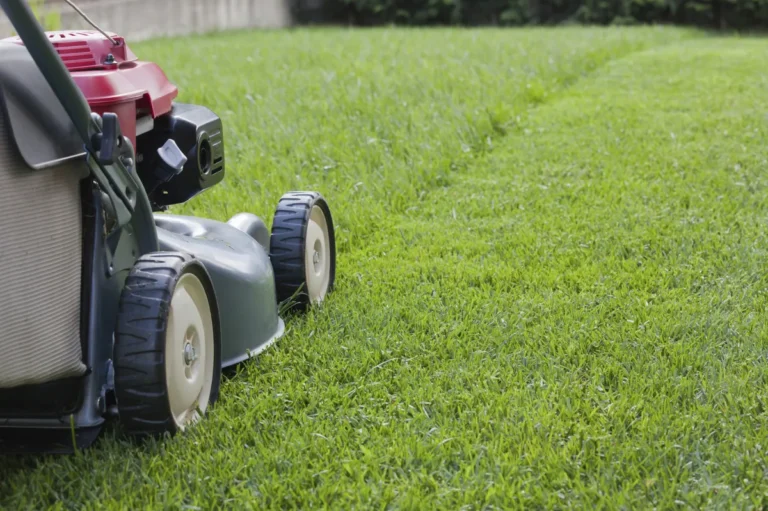
Your yard size is the single biggest factor in choosing the right mower. Match the machine to the space, and you won't waste money on something too big or too weak.
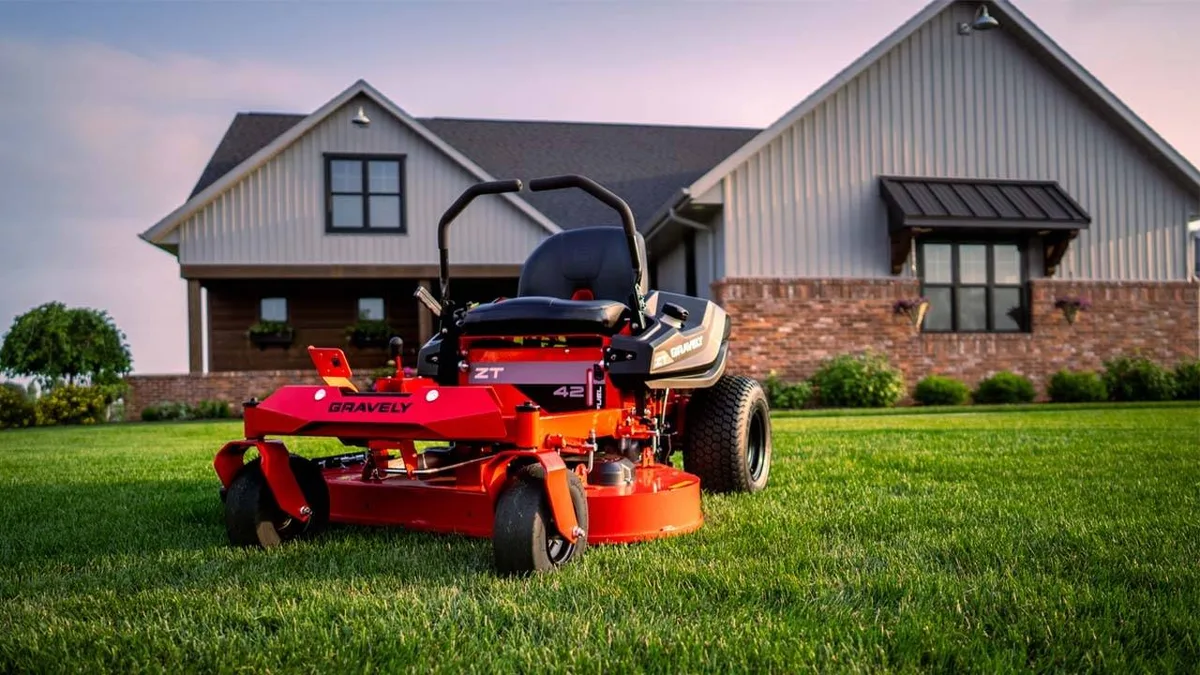
Image source: Bing (Web (fair-use with source credit))
Under 1/4 Acre
A manual reel mower or cordless push mower works well at $80 to $400. For weekly mowing in a 4-month season, a self-propelled model at $300 to $500 saves real time.
1/4 to 1 Acre
A self-propelled gas mower is the sweet spot at $250 to $800. You want a 22-inch to 28-inch deck with mulching. If your yard has hills, upgrade to rear-wheel drive at $500 or more.
1 to 3 Acres
A riding lawn mower or lawn tractor fits here at $1,500 to $4,000. Look for a 42-inch to 54-inch deck with at least 18 HP. For flat terrain, a zero-turn mower at $3,000 to $6,000 nearly halves mowing time.
3+ Acres
A zero-turn or stand-on commercial mower starting around $4,000 works for large properties. Larger decks (54 to 72 inches) and commercial-grade engines justify the higher price tag for acreage work.
Hands-Free Option
Robotic mowers work up to about 1/2 acre as of 2026. If you value convenience over control, a $600 to $1,200 robot mower could replace a traditional mower entirely.
Mistakes to Avoid When Buying a Lawn Mower
Buying the wrong mower is expensive and frustrating. Here are the most common mistakes people make when comparing prices and features.
Buying Too Much Mower
A $2,000 riding mower for a 4,000-square-foot yard is overkill. Match the machine to your space. Bigger decks are slower in tight areas and waste money on a mower you don't actually need.
Ignoring Total Cost of Ownership
Sticker price looks attractive until year three. A $150 budget mower that dies in one season costs more than a $400 mower that lasts five years. Factor in maintenance, fuel, battery replacements, and repair costs before deciding.
Shopping Only at Big-Box Stores
Retailer markup varies widely. Dealer networks sometimes offer better pricing on mid-range models, especially when they're clearing previous-year stock. Get quotes from at least two sources before committing.
Buying at Peak Season
Prices hit their highest point from April through July. Waiting for fall or buying during end-of-year clearance events can save 10 to 30 percent on the same model. If your mower fails in June, consider a refurbished or used unit until off-season pricing arrives.
Overlooking Deck Material
Stamped steel decks dent easily. Fabricated decks cost more upfront but handle rocks and uneven terrain without cracking. If your yard has bumps, roots, or hard ground, the upgrade pays for itself.
Ignoring Battery Platform Compatibility
If you own tools from a brand like Milwaukee, Ryobi, or DeWalt, buying a mower on the same battery platform saves significant money over time. Mixing platforms means buying extra chargers and spare batteries.
Frequently Asked Questions
How much does a riding lawn mower cost?
A residential riding lawn mower typically costs between $1,500 and $4,000 as of 2026. Budget models with 42-inch decks start around $1,500. Premium models with larger decks, better transmissions, and comfort seats run $3,000 to $4,000.
Commercial-grade riders go higher.
Are electric lawn mowers cheaper than gas mowers?
Electric mowers have a similar or slightly higher upfront cost than gas models, but they're cheaper to run long-term. No fuel, no oil changes, no spark plugs. Replacement batteries add cost every 3 to 5 years, but overall maintenance spending is 30 to 50 percent lower.
What's the best time to buy a lawn mower for the best price?
Late fall and early winter. Retailers clear inventory before spring, and discounts run 10 to 30 percent off. January through March offers the best selection of deals before peak season pricing kicks in.
How much does it cost to replace a lawn mower battery?
A replacement lithium-ion battery for a cordless mower costs between $60 and $150 depending on voltage. Higher-voltage packs (56V, 60V) cost more. Some premium brands bundle spare batteries with mowers at purchase to reduce this future expense.
Is it worth buying a used lawn mower?
A well-maintained used mower costs 40 to 60 percent less than new. Check for engine hours, blade condition, and deck rust before buying. A used mower in good shape saves real money.
An abused unit costs more in repairs than a new one.
How much does a robotic lawn mower cost?
Robotic mowers range from $500 for basic small-yard models to $5,000 for advanced models with larger coverage and GPS mapping. For yards under 1/2 acre, models in the $600 to $1,200 range handle the job well without expensive extras.
Final Recommendation: Right-Size Your Purchase
The best lawn mower is the one that fits your yard, your budget, and how often you actually mow. Spending more doesn't automatically buy a better experience if the machine is wrong for your space.
Start with your yard size. That narrows the mower type immediately. Then set a realistic budget that accounts for 7 to 10 years of ownership, not just today's purchase price.
For most suburban homeowners, a self-propelled mower between $300 and $600 delivers the best balance of price, performance, and durability. If you have more than an acre, a $2,000 to $3,000 riding mower earns its cost quickly by cutting mowing time in half.
Buy off-season when you can. Avoid the cheapest tier if you plan to use the mower regularly. Always check total cost of ownership before comparing sticker prices.