What Type of Lawn Mower Is Best?
What type of lawn mower is best? The honest answer is that there isn't one universal best mower. It depends on your yard size, terrain, budget, and how often you mow each week.
In our research of manufacturer specs and aggregate buyer feedback as of 2026, we found that deck width, power source, and transmission type are the specs that matter most. The right mower cuts your work in half. The wrong one becomes a garage ornament collecting dust.
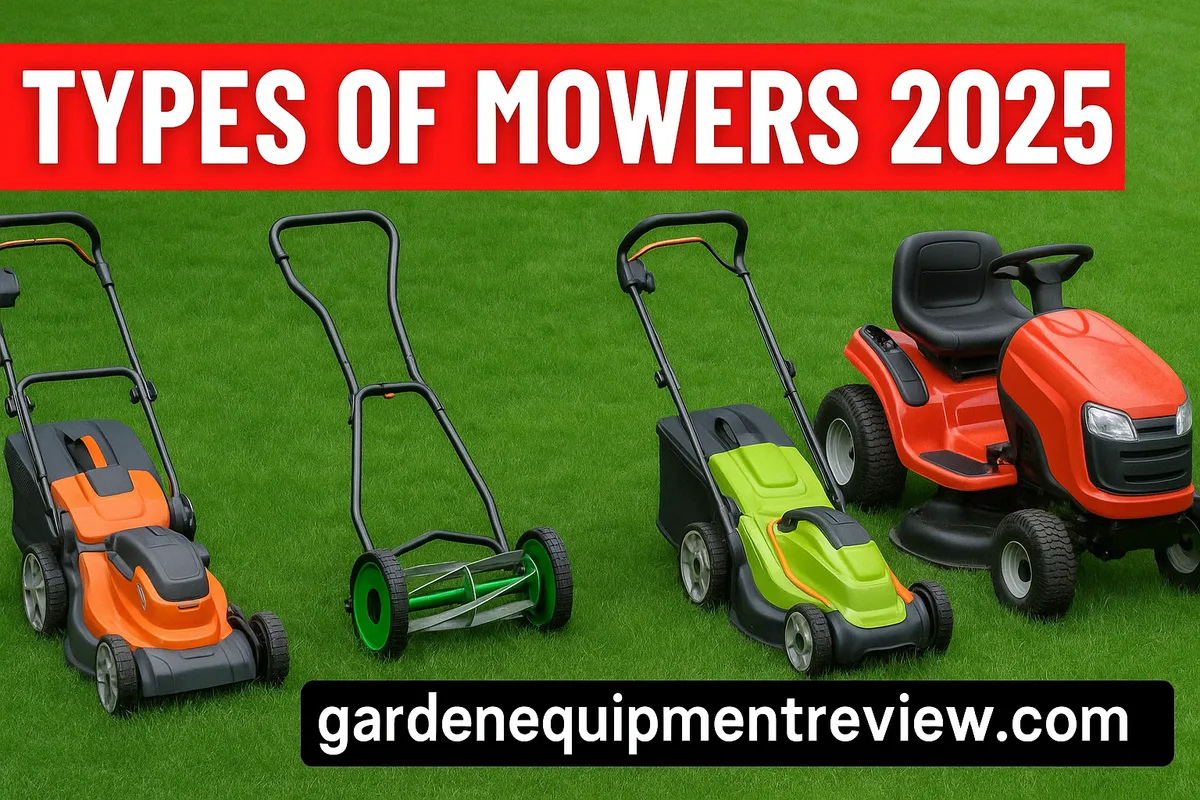
Image source: Web (Bing) / gardenequipmentreview.com (Web image (fair-use with source credit))
Quick Answer
The best lawn mower type depends on your yard size and terrain. A push or self-propelled mower suits small yards under 1/4 acre. A riding mower or zero-turn suits large properties over half an acre.
Electric cordless mowers are ideal for flat suburban lots under 1/4 acre. Gas-powered models still lead for heavy-duty, wide-area mowing.
Why There's No Single "Best" Lawn Mower
A homeowner with a 3,000-square-foot yard and a homeowner with three acres are asking the same question. They need completely different equipment. That's why "best" means very little without context.
Manufacturer specs confirm what any experienced mower owner already knows. A zero-turn mower is fast and precise on a large flat lot. On a steep, bumpy hill, it's dangerous.
A walk-behind mower works great in a small urban yard. On three acres of grass, it's pure misery.
The U.S. Consumer Product Safety Commission links many lawn mower injuries to equipment and terrain mismatch. Picking the wrong mower for your yard isn't just inconvenient.
It's a safety risk.
Instead of hunting for one universal "best," treat this like a matching problem. Match the mower type to your yard size, your terrain, and your budget. Most bad purchases come down to overlooking one of these three things.
| Your Situation | Mower Type That Fits |
|---|---|
| Flat lot under 1/4 acre | Push mower or cordless electric |
| Hilly half-acre yard | Self-propelled or lawn tractor |
| Large property over 1 acre | Riding mower or zero-turn |
| Very tight spaces and narrow gates | Walk-behind with narrow deck |
Once you've checked those three boxes, you'll know exactly which category of mower to shop in.
The Five Things That Decide Which Mower You Need
Five variables determine the right mower for you. Miss any one of them and you'll end up regretting the purchase.
Yard size. This is the biggest factor by far. A mower sized for a 2,000-square-foot lawn will leave you exhausted trying to maintain two acres. Measure your lawn before you shop.
Take the square footage and add 20% for obstacles like trees, flower beds, and walkways.
Terrain and slope. Flat lawns and hilly lawns call for completely different machines. Mowers rated for steep slopes need lower centers of gravity and hydrostatic transmissions. Most residential riding mowers handle grades up to 15 degrees safely.
Physical ability. If pushing a mower uphill is hard on your back, self-propelled is non-negotiable. If sitting comfortably matters most, a riding mower or lawn tractor with a suspension seat changes everything.
Budget. Lawn mowers range from $80 reel mowers to $10,000 zero-turns. Knowing your ceiling helps you avoid overspending on features you don't need.
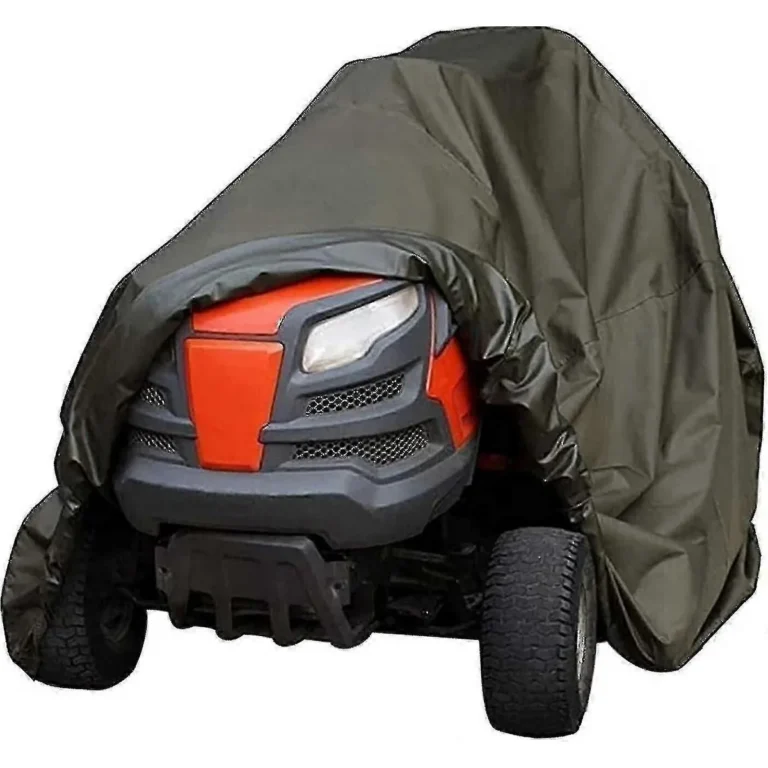
Storage space. A zero-turn mower needs a wide opening and a dedicated spot. A cordless electric mower fits in a small shed or garage corner.
| Factor | What to Consider |
|---|---|
| Yard size | Square footage including obstacles |
| Terrain | Flat, hilly, or bumpy |
| Physical ability | Pushing effort and comfort needs |
| Budget | Spending ceiling |
| Storage | Available space and access |
Match Your Yard to the Right Mower Type
Your yard size is the single biggest clue to which mower type you need. Here's how to match the two.
Small Yards Under 1/4 Acre
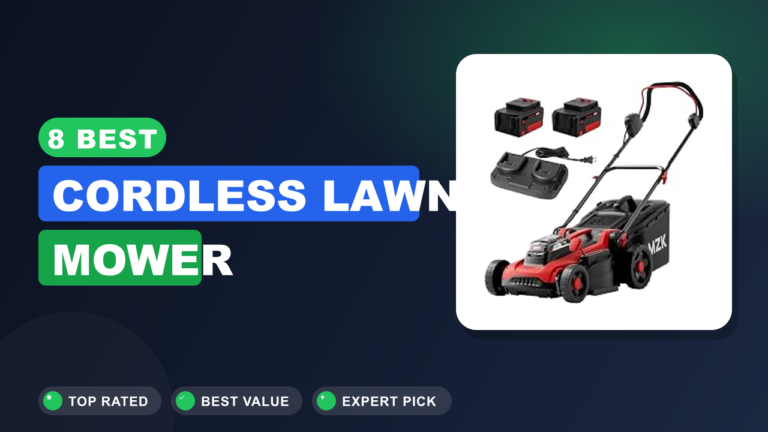
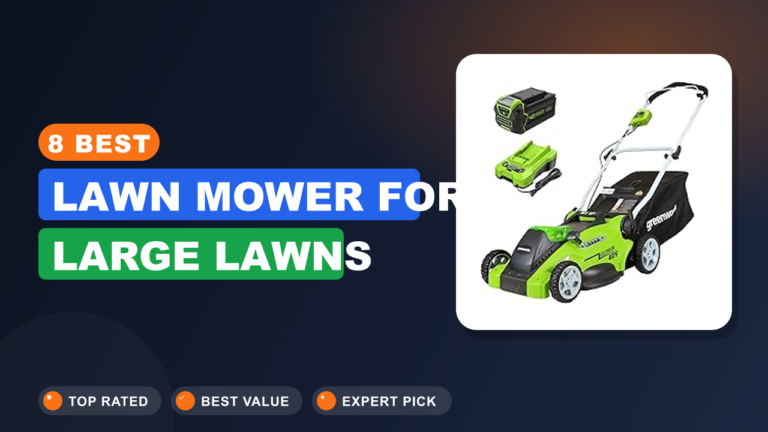
If your lawn is small and flat, a push mower or cordless electric mower is your best bet. These mowers are light, easy to store, and cost the least to maintain. Cordless electric models need no gas, no oil changes, and no pull-start frustration.
A 21-inch deck works fine for small yards. It cuts a wide enough swath without being hard to maneuver around obstacles. Self-propelled models are worth the upgrade if your yard has any kind of slope.
Mid-Size Yards 1/4 to 1/2 Acre
At this size, self-propelled walk-behind mowers start making real sense. A 22-inch to 28-inch deck cuts your mowing time significantly compared to a basic push mower.
If the yard is flat and open, a cordless electric mower with a 24-inch deck is a strong option. Battery runtime typically lasts 45 to 90 minutes, which handles most yards at this size in a single charge.
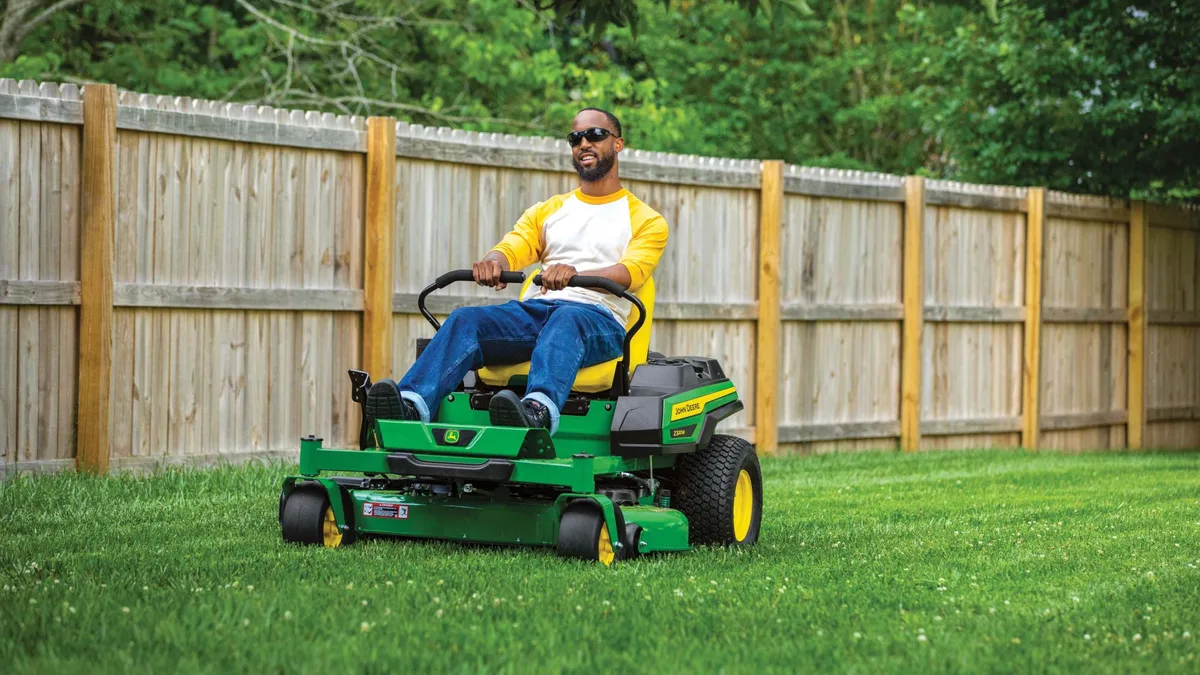
Image source: Web (Bing) / rdoequipment.com.au (Web image (fair-use with source credit))
Large Properties 1/2 Acre and Up
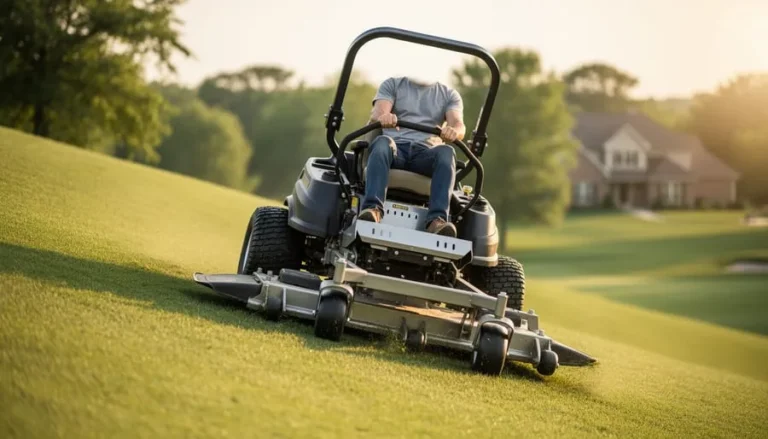
Once you cross half an acre, a riding mower or lawn tractor becomes the sensible choice. A 42-inch deck cuts large areas efficiently without wearing you out.
Zero-turn mowers are the premium option here. Their zero-turning radius lets you navigate tight spaces between trees and structures without three-point turns. They're faster and more precise on open lawns.
For properties over two acres, a zero-turn mower saves hours each season compared to a lawn tractor.
Gas, Electric, or Robotic: Choosing the Power Source
The power source changes everything about how your mower feels to use. Here's how the three main options compare.
Gas-powered mowers are the traditional choice. They deliver consistent power and unlimited runtime as long as you have fuel.
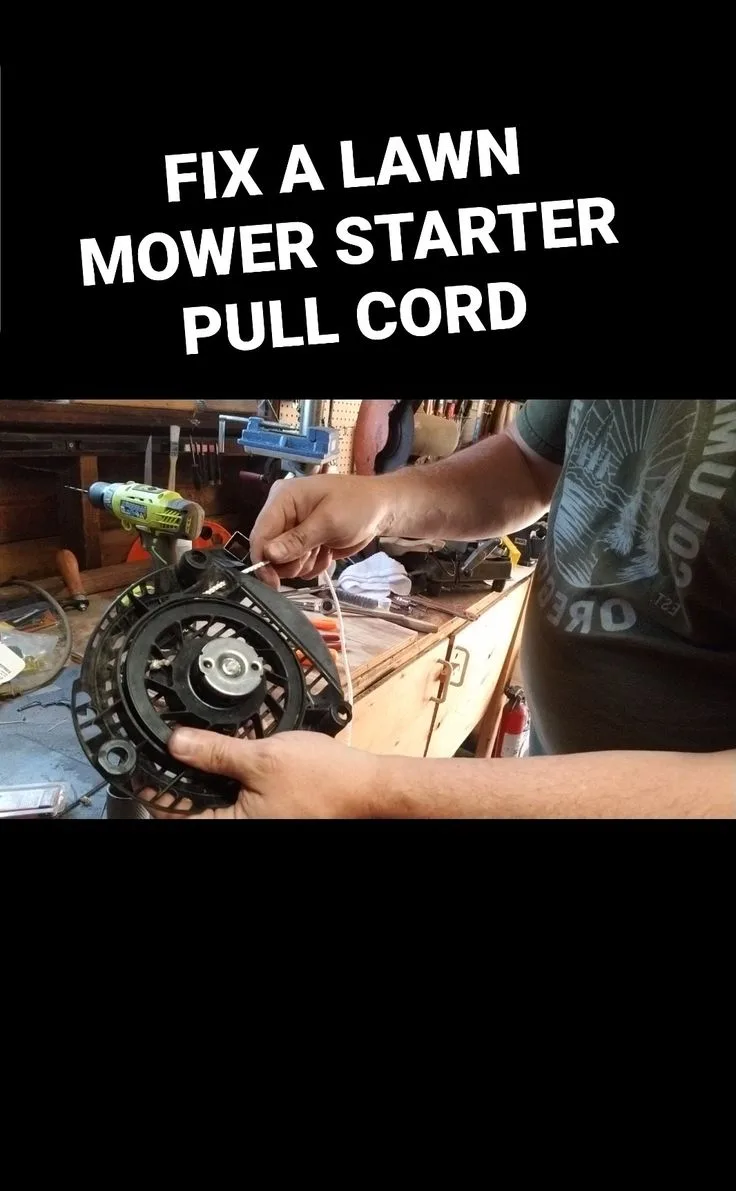
The trade-off is noise, emissions, and maintenance. Gas mowers need regular oil changes, air filter replacements, and blade sharpening. Starting them with a pull cord can be tough on older arms.
Cordless electric mowers run on lithium-ion batteries. They're quiet, lightweight, and almost zero-maintenance.
The U.S. Environmental Protection Agency has tightened small engine emissions standards in recent years. As of 2026, many states now encourage or require zero-emission mowers for residential use.
Robotic mowers take the work out of mowing entirely. They follow a boundary wire or GPS map and cut the lawn on a set schedule.
They're expensive upfront and limited to flat or gently sloped yards. For flat suburban lots, they're a legitimate time-saver.
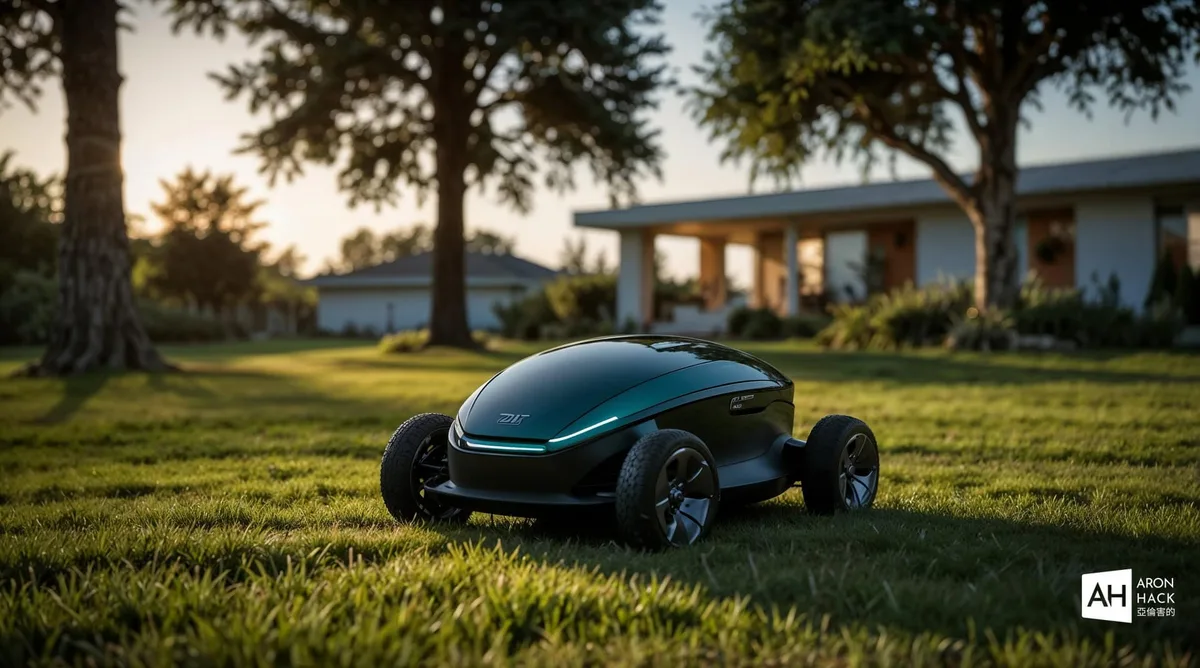
Image source: Web (Bing) / bank.goloca.de (Web image (fair-use with source credit))
| Power Source | Noise | Maintenance | Best For |
|---|---|---|---|
| Gas | High (85 to 100 dB) | High (oil, filters, plugs) | Large properties, heavy grass |
| Battery electric | Low (55 to 65 dB) | Very low | Small to medium yards |
| Robotic | Low | Very low | Flat suburban lots, automation fans |
If your yard is under 1/4 acre and you value quiet mornings, a cordless electric mower is the clear winner. If you're maintaining three acres of thick grass, gas or a powerful battery riding mower is still king.
Lawn Mower Prices: What You Should Expect to Spend
Lawn mower pricing spans a wide range. Here's what you'll realistically pay for each category.
| Mower Type | Price Range |
|---|---|
| Push reel mower | $50 to $120 |
| Gas push mower | $150 to $400 |
| Self-propelled gas mower | $250 to $600 |
| Cordless electric mower | $200 to $550 |
| Rear-engine riding mower | $1,200 to $3,000 |
| Lawn tractor | $1,500 to $4,000 |
| Zero-turn mower | $3,000 to $10,000+ |
| Robotic mower | $500 to $2,500 |
These are 2026 retail ranges based on major manufacturer pricing and aggregate retail listings.
The sweet spot for most homeowners is the $250 to $600 range. That covers self-propelled gas mowers and cordless electric models that handle small to medium yards well.
Under $200, you're looking at basic push mowers or entry-level electric models. They work, but they often lack self-propel, wider decks, or durable construction. If your yard is small and flat, they're perfectly fine.
Riding mowers under $1,500 exist but cut corners on seat comfort, transmission quality, and deck durability. Aggregate buyer reviews frequently flag these as the first models to break down.
Spend your budget where it matters most for your yard. An oversized mower for a small lawn is wasted money. A mower too small for your property means years of frustration.
Mistakes That Lead to the Wrong Mower Purchase
Buying the wrong lawn mower isn't rare. It's practically a rite of passage for homeowners. Here are the most common mistakes that end with buyers regretting their choice.
Buying based on deck width alone. A 52-inch deck looks impressive on the showroom floor. If your yard is only a quarter acre, you'll struggle to maneuver it around trees and obstacles. Bigger isn't better if your lawn can't accommodate it.
Skipping the slope check. Riding mowers aren't designed for steep hills. Tipping is a real risk on grades over 15 degrees. Walk-behind mowers with rear-wheel drive handle slopes more safely than push models with no power assist.
Overlooking battery runtime. Cordless electric mowers advertise impressive runtimes, but those numbers assume full charge and light grass. Aggregate buyer reviews show real-world runtime often drops 20 to 30 percent shorter in thick or tall grass.
Ignoring storage dimensions. A zero-turn mower needs clearance on all sides and a wide garage door. Measure your storage space before buying, not after it arrives.
Choosing gas without considering noise. Gas mowers can hit 90 to 100 dB. That's louder than a motorcycle. If you mow early mornings or evenings, neighbors will notice.
Noise ordinances in many municipalities limit mowing hours for exactly this reason.
Forgetting about maintenance time. Gas mowers need oil changes every 50 hours, air filter replacements, and spark plug checks. An electric model eliminates most of that work entirely. If you'd rather spend weekends doing anything else than maintaining equipment, factor that in.
| Common Mistake | What Happens | Better Move |
|---|---|---|
| Oversized deck for small yard | Hard to maneuver, wasted money | Match deck to yard size |
| No slope assessment | Safety risk, poor performance | Check terrain before buying |
| Ignoring battery runtime | Constant recharging, frustration | Overestimate your grass thickness |
| Gas mower in small urban lot | Noise complaints, emissions | Choose electric under 1/4 acre |
| No storage planning | Doesn't fit in garage | Measure before you buy |
The single most expensive mistake in our research? Buying a riding mower for a yard under 1/4 acre. Those models cost 5 to 10 times more than a good push mower and don't fit through most side gates.
Quick Decision Guide: Best Mower by Situation
Here's the fastest way to narrow down your choice. Find your situation in the table below.
| Your Situation | Best Mower Type | Why |
|---|---|---|
| Small flat yard, under 1/4 acre | Cordless electric, 21-inch deck | Quiet, low maintenance, easy storage |
| Small yard with mild slope | Self-propelled cordless | Power assist without gas hassle |
| Medium yard, 1/4 to 1/2 acre | Self-propelled gas or electric, 22 to 28-inch deck | Balanced power and runtime |
| Large yard, 1/2 acre to 1 acre | Lawn tractor, 42-inch deck | Comfort and coverage for big areas |
| Large property, 1 acre plus | Zero-turn mower, 48-inch deck or larger | Speed and maneuverability on open ground |
| Hilly terrain over 15 degrees | Rear-wheel drive walk-behind | Safety on slopes, better traction |
| Thick or tall grass | Gas-powered, 21 to 28-inch deck | Sustained power without battery drain |
| Tight spaces and narrow gates | Walk-behind with 21-inch deck | Fits where riding mowers can't |
| Very low maintenance desired | Robotic mower or cordless electric | Minimal ongoing effort |
| Budget under $200 | Push mower or basic electric | Functional without overspending |
If your situation falls between two categories, lean toward the smaller option. A slightly smaller mower costs less upfront and handles most situations adequately. A mower too large for your yard is the harder problem to fix.
For the first mower you buy, err on the side of simplicity. Get the basics right before spending money on premium features you may not need.
Frequently Asked Questions
What is the best lawn mower for a 1/4 acre yard?
A cordless electric mower with a 21-inch deck is the best fit for a 1/4 acre yard. It's quiet, easy to store, and needs almost no maintenance. If your yard has any slope, choose a self-propelled model for easier handling.
Is it better to buy a riding mower or a zero-turn mower?
A riding mower is better for properties with slopes and uneven terrain. A zero-turn mower is faster and more precise on large flat lawns with trees and structures to navigate around. For yards over 1 acre on flat ground, a zero-turn saves significant time.
Are electric lawn mowers good enough to replace gas models?
For most suburban yards under 1/2 acre, electric mowers are fully capable. Battery runtime typically runs 45 to 90 minutes per charge. For large properties with thick grass, gas models still deliver more consistent power without recharging breaks.
How often should I sharpen my mower blades?
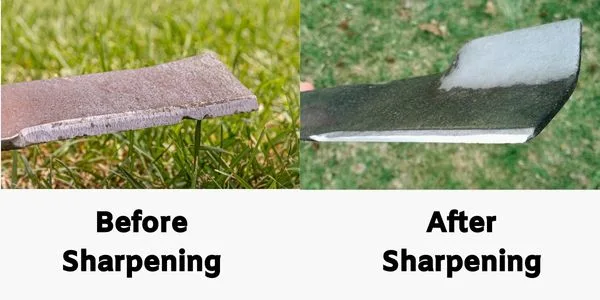
Sharpen lawn mower blades every 25 to 50 hours of use, or about once per mowing season for average homeowners. Dull blades tear grass instead of cutting it cleanly. Torn grass turns brown faster and invites disease.
What size lawn mower do I need for 1 acre?
For 1 acre of flat lawn, a riding mower with a 42-inch deck handles the job efficiently. Larger properties benefit from a zero-turn mower with a 48-inch or wider deck. Hilly one-acre properties need a lawn tractor with proper traction and a hydrostatic transmission.
Can I use a cordless mower on tall or thick grass?
Cordless electric mowers handle medium grass thickness well, but thick, tall, or wet grass drains batteries faster. Aggregate reviews report runtime drops of 20 to 30 percent in heavy growth. For consistently thick lawns, gas-powered models remain the stronger choice.