Why Won’t My Lawn Mower Start?
Why won't my lawn mower start? If your mower won't fire up after winter storage, you're in familiar company. The problem almost always traces back to one of three things: stale fuel, a dead battery, or a fouled spark plug.
Understanding which one is the culprit saves you from spending money on parts you don't need.
Most no-start issues come from fuel that sat too long in the tank. Gasoline degrades in roughly 30 days without stabilizer, forming varnish that clogs carburetor jets. We'll walk through each symptom, the fix behind it, and the order to check things in so you're not guessing.
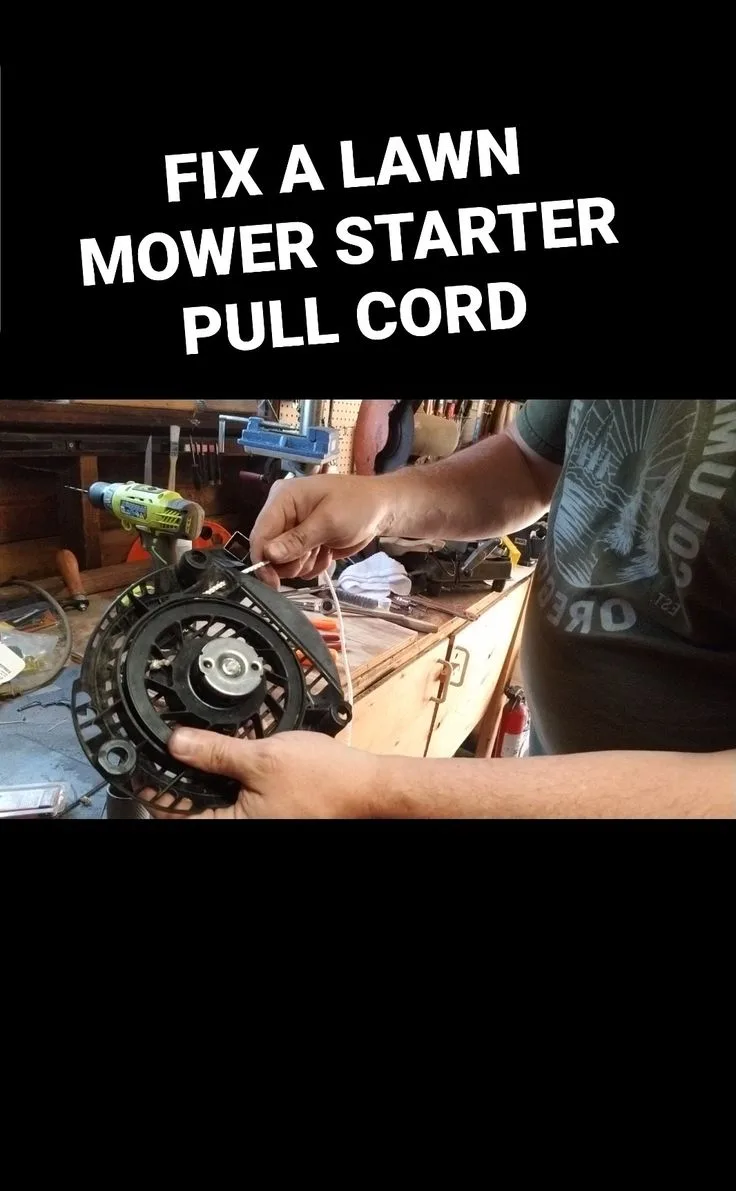
Image source: Bing (Web (fair-use with source credit))
Quick Answer
Stale fuel is the most common reason a lawn mower won't start. Dead batteries and fouled spark plugs are close behind. Check your fuel first.
It should be less than 30 days old. If the spark plug looks oily or cracked, replace it.
Start Here: The 5-Minute Checks Before You Assume the Worst
Before you tear anything apart, run through these four checks. They take about five minutes combined and solve the majority of no-start situations on their own.
Check the Fuel Level and Fuel Age
Open the fuel cap and look inside. If the tank is empty, that's your answer right there. If there's fuel in the tank, pour a small amount into a clear jar.
Old gasoline often smells sharp and looks yellowish instead of clear. Fuel sitting more than 30 days without stabilizer has almost certainly degraded past reliable combustion.
Check the Oil Level
Pull the dipstick and read it. If the oil is below the minimum line, the engine may have triggered a low-oil shutdown. This is especially common on riding mowers.
Top off with the correct viscosity before trying again. SAE 30 works well in warm weather. For colder conditions, use 10W-30.
Check your owner's manual for the exact specification.
Look at the Spark Plug
Remove the spark plug wire and pull the plug out with a socket. A healthy plug has a light tan or gray electrode color. Black, oily, or wet deposits mean it's fouled.
Cracked porcelain or a gap wider than 0.035 inches means replacement is due. A new plug costs about 3 to 8 dollars. It's the cheapest fix in your entire diagnostic routine.
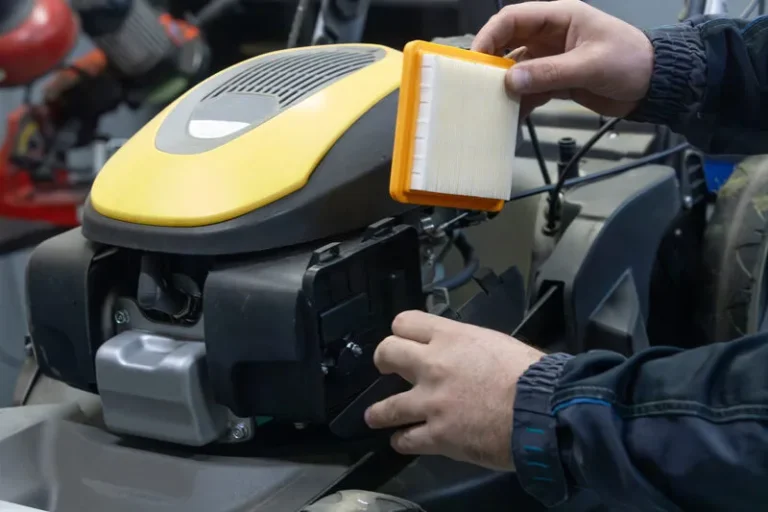
Check the Air Filter
Pop the air filter cover and pull the element out. Hold it up to a light source. If you can barely see through it, it's clogged enough to choke the engine.
Foam filters can sometimes be washed and re-oiled. Paper filters need replacing outright. Both take less than a minute to swap.
Identify Your Exact Symptom: Dead, Clicking, Cranking, or Sputtering
The symptom you hear tells you which system to check first. Different sounds point to different failures. Match what you're experiencing to one of these four categories below.
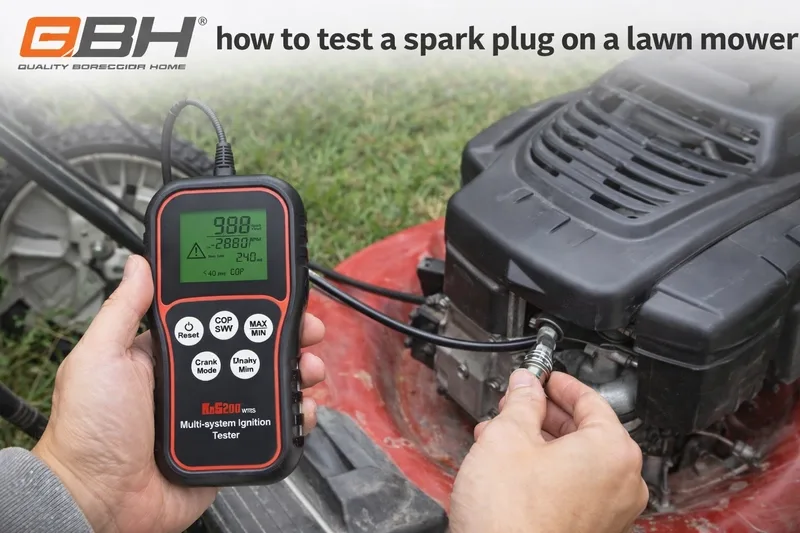
Image source: Bing (Web (fair-use with source credit))
Completely Dead: No Sound at All
If nothing happens when you press the start button or pull the rope, start with electrical. On electric-start mowers, test the battery first. It should read 12.4 volts or higher at rest.
On push mowers, a completely dead pull suggests a broken recoil spring or snapped starter rope. Open the recoil housing and inspect the spring for tension.
Clicking But Not Cranking
A rapid click usually means the starter solenoid is engaging but the starter motor isn't turning. On riding mowers, this points to a weak battery, corroded terminals, or a failed solenoid. Clean the battery terminals first.
Corrosion builds up fast on lead-acid batteries exposed to moisture. A wire brush and a baking soda solution will take care of it.
Cranking but Not Firing
The engine turns over but never catches. This is a fuel or spark problem. Pull the spark plug and look at the electrode.
Wet and black means flooded. Dry and fouled means something else is wrong.
Test for spark by grounding the plug against the engine block while someone cranks it. A bright blue spark means the ignition system is working. No spark points to a failed ignition coil or pickup.
Sputtering or Dying Shortly After Starting
The mower fires up, runs for 10 to 30 seconds, then quits. This points to a clogged fuel filter or gummed-up carburetor. Fuel reaches the carburetor bowl but can't flow through the jets in sufficient quantity.
Clean or replace the fuel filter first, then move to the carburetor if the problem persists.
Symptom-to-Cause Quick Reference
| Symptom | Most Likely Cause | First Fix |
|---|---|---|
| No crank at all | Dead battery or broken recoil | Test or charge battery, check recoil spring |
| Clicking but not cranking | Weak battery or bad solenoid | Clean terminals, test battery voltage |
| Cranks but won't fire | Fouled spark plug or no fuel flow | Check spark plug, check fuel filter |
| Starts then dies | Clogged fuel filter or gummed carburetor | Replace fuel filter, clean carburetor |
Decision Tree: Why Your Lawn Mower Won't Start (Branch-by-Branch Fixes)
Now that you've identified your symptom, follow the branch that matches. These are the most common scenarios and the most efficient fix for each.
Branch 1: Battery Won't Hold a Charge
If the battery tests below 12.4V at rest and won't take a charge, it's done. Lead-acid batteries for riding mowers typically last 3 to 5 years. If yours is older, replacement is the answer.
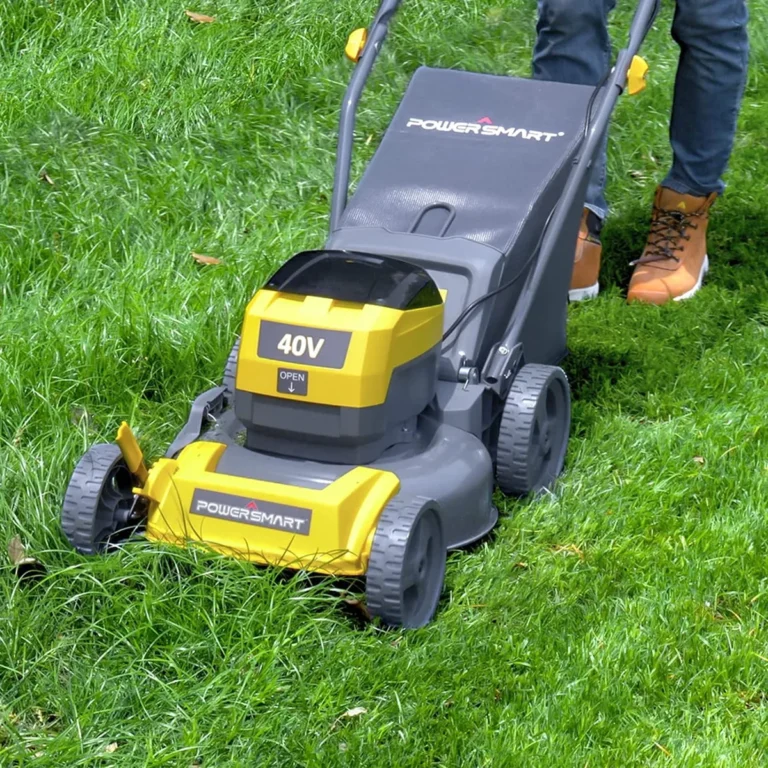
Lithium-ion battery packs on electric mowers should be stored at about 50 percent charge over winter. A pack reading below minimum voltage may need a slow trickle charge from a compatible charger.
Branch 2: Fuel System Is the Problem
If the fuel smells sharp, looks yellow, or has been sitting longer than 30 days, drain it completely. Pour in fresh gasoline with fuel stabilizer and try again.
If the mower still won't start after fresh fuel, the problem has moved to the carburetor. Remove the float bowl and look for varnish deposits. Clean the jets with carburetor cleaner and a small wire.
Replace the fuel filter while you're in there.
Branch 3: Spark Plug or Ignition Failure
If the spark test shows no spark, the problem is in the ignition system. Check the ignition coil resistance against manufacturer specs. Most residential 4-stroke mower engines should read between 3,000 and 7,000 ohms on the primary winding.
If the coil is out of range, replace it. Ignition coils cost about 10 to 25 dollars for standard residential models. A new coil usually restores spark in one swap.
Branch 4: Safety Interlock Is Engaged
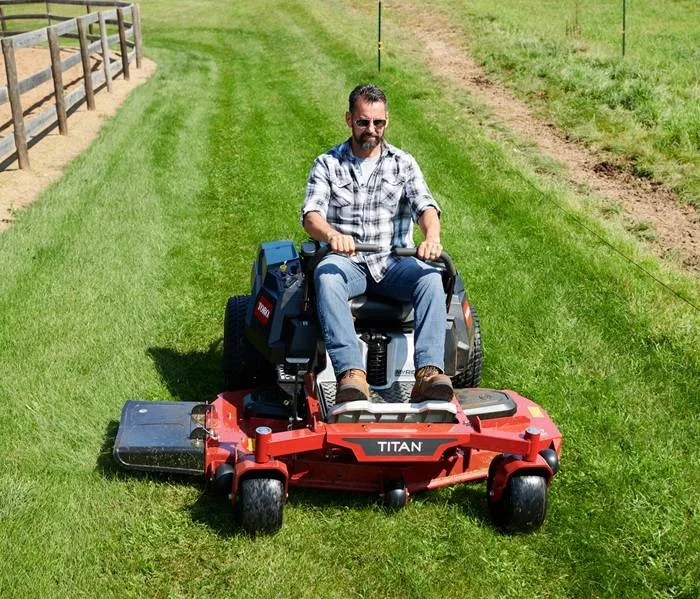
On riding mowers, the seat switch, blade engagement switch, and neutral safety switch all must be in the correct position before the starter will engage. Sit in the seat, press the blade engagement lever, and make sure the parking brake is fully released.
If one of the switches has failed, the starter won't engage no matter how good the battery is. Some owners bypass these switches as a shortcut. Don't.
These switches prevent accidental blade engagement and have prevented real injuries.
Mistakes That Make "Won't Start" Problems Worse
These are the errors we see most often in small-engine repair. Avoiding them saves time and money.
Over-Priming and Flooding the Engine
Pulling the primer bulb more than three times floods the cylinder with raw fuel. The spark plug can't ignite the mixture when the air-to-fuel ratio is off.
To clear a flooded engine, remove the spark plug, set the choke to off, hold the throttle open, and crank the engine several times. Fuel will spray out of the spark plug hole. Let it settle for a few minutes, reinstall the plug, and try again.
Using the Wrong Oil
Pouring automotive motor oil like 5W-20 or 10W-40 synthetic into a small engine can cause starting problems and long-term damage. Small engines need specific viscosity ratings such as SAE 30, 10W-30, or 5W-30 depending on temperature.
Check your owner's manual for the exact specification before topping off. Getting this wrong can gum up the valve train and kill compression over time.
Bypassing Safety Switches
Riding mower owners sometimes wire around the seat switch or blade engagement interlock to make starting easier. This removes a safety feature designed to prevent the engine from running when you're not in the seat. It also voids most manufacturer warranties.
If a switch has failed, replace it. Switches are inexpensive and take only a few minutes to install.
Ignoring the Fuel Cap Breather
A mower that starts fine in the garage but dies after a few minutes outside may have a clogged fuel cap breather. The vacuum that forms inside a sealed tank starves the carburetor of fuel.
Clean the vent hole with a pin or replace the cap. Per the University of Minnesota Extension, checking these small components during seasonal equipment prep prevents most first-start frustrations.
Repair Cost vs. Replace: When a Lawn Mower Is Done For
Not every mower is worth fixing. Here's how to make the call.
The 50 Percent Rule
As of 2026, a basic residential push mower runs 250 to 500 dollars new. If a single repair exceeds half that price and the mower is more than five years old, replacement is usually the smarter investment.
The same math applies to riding mowers, where a new zero-turn machine runs 3,000 to 6,000 dollars. In that case, a repair under 1,500 to 2,500 dollars may still be worthwhile.
Repair Cost Reference
| Component | DIY Parts Cost | Pro Repair (Parts + Labor) |
|---|---|---|
| Spark plug | $3 to $8 | $40 to $75 |
| Carburetor replacement | $30 to $100 | $100 to $250 |
| Starter solenoid | $15 to $40 | $75 to $150 |
| Battery (lead-acid, riding mower) | $60 to $120 | $100 to $200 |
| Ignition coil | $10 to $25 | $75 to $150 |
| Fuel filter | $5 to $15 | $40 to $75 |
Multiple Failures Signal End of Life
When two or more major systems are failing at once, the mower is approaching the end of its useful life. Carburetor plus ignition plus battery problems rarely all appear at once unless the machine is genuinely worn out.
Engine replacement alone often costs 200 to 500 dollars for a standard residential model. At that point, buying new with a warranty makes more sense than stacking repairs on aging equipment.
Preventive Maintenance to Avoid Next Season's No-Start Surprise
Most no-start problems are preventable. A few simple habits before you put the mower away for winter will save you an hour of troubleshooting next spring.
Drain or Stabilize the Fuel
You have two solid options here. Run the mower until the tank is empty and the engine stalls on its own. Or, fill the tank full and add fuel stabilizer to prevent oxidation and varnish.
If you go the stabilizer route, run the engine for five to ten minutes after adding it. This moves treated fuel through the carburetor bowl, where it can sit over winter without gumming up.
Change the Oil While the Engine Is Warm
Warm oil drains more completely. Pull the drain plug and let it flow until it slows to a drip. Replace the drain plug snugly and refill to the marked level on the dipstick.
This is also the perfect time to pull the spark plug and inspect the electrode. A fresh plug for the season costs a few dollars and eliminates one variable entirely.
Clean and Store Properly
Wash the mower deck to remove grass buildup. This prevents corrosion from trapped moisture over winter. Disconnect or fully charge the battery, depending on the type.
Store the mower in a dry, temperature-stable area if possible. Extreme cold can crack fuel lines and batteries. Extreme heat speeds up what's left of the fuel degradation in the tank.
Frequently Asked Questions
How long can gas sit in a lawn mower?
Gasoline stays reliable for about 30 days without fuel stabilizer. Ethanol-blended fuels (E10) degrade even faster because ethanol absorbs moisture from the air. With fuel stabilizer added, fuel can hold up for 6 to 12 months if the tank is full and the cap is sealed.
Why does my mower start when it's warm but not cold?
Cold weather thickens oil and makes it harder for the fuel to vaporize properly. Use a lighter viscosity oil like 5W-30 for cold starts and 10W-30 for warmer weather. Fresh fuel and a properly gapped spark plug also make a big difference at lower temperatures.
Can I bypass the seat safety switch on my riding mower?
No. The seat switch prevents the engine from running when the operator leaves the seat, which is a real safety hazard, especially around children and pets. If the switch is faulty, replace it.
Most switches cost under 30 dollars and take minutes to install.
How do I un-flood a lawn mower engine?
Remove the spark plug. Set the choke to off and hold the throttle wide open. Crank the engine several times to clear excess fuel from the cylinder.
Reinstall the plug, wait a minute, then try starting again with the choke on for the first pull.
What voltage should a riding mower battery read?
A fully charged lead-acid battery reads 12.6 volts at rest. Below 12.4 volts means the battery is weak and may not crank the engine reliably. A battery that won't hold a charge after 3 to 5 years of use is likely past its useful life.
Final Decision Guide: Which Path Is Right for Your Mower
If your mower won't start, don't rush to replace it. Follow this simple decision path based on what you've found.
| Your Situation | Recommended Action |
|---|---|
| Fuel has been sitting over 30 days | Drain and refill with fresh gas + stabilizer |
| Spark plug looks fouled or cracked | Replace the plug, then retest |
| Battery reads below 12.4V at rest | Charge or replace the battery |
| Carburetor has visible varnish | Clean jets or replace the carburetor |
| Multiple components failing at once | Evaluate replacement vs. cumulative repair cost |
| Mower is under 5 years old, minor fix | Repair it, the machine has life left |
| Mower is over 8 years old, major repair | Compare repair cost to 50% of a new mower |
Most homeowners get their mower running again with a fresh tank of gas, a new spark plug, and 20 minutes of diagnostics. If you've worked through this guide and still hear nothing when you try to start, take it to a certified small-engine technician. The repair will be worth it when you see how much a mower shop can typically resolve in a single visit.