How Long Does a Battery Lawn Mower Run?
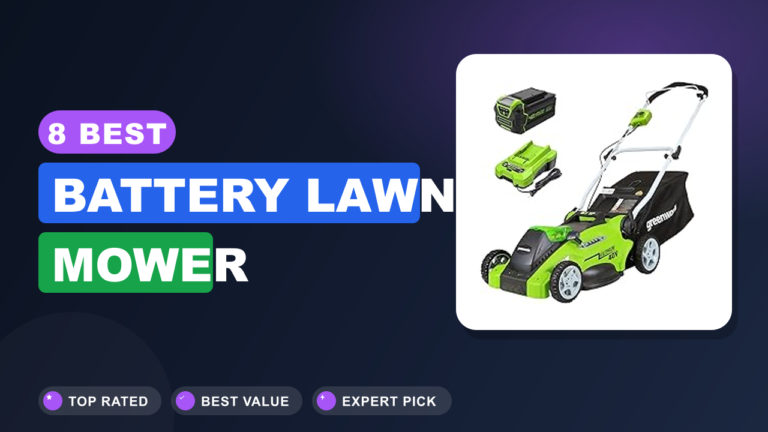
A battery lawn mower typically runs 25 to 60 minutes on a single charge. The exact number depends on your battery voltage, yard size, grass thickness, and weather conditions. Manufacturer specs might advertise 45 to 60 minutes of runtime, but real-world results often come in lower.
So how long does a battery lawn mower run for you? It depends on your setup.
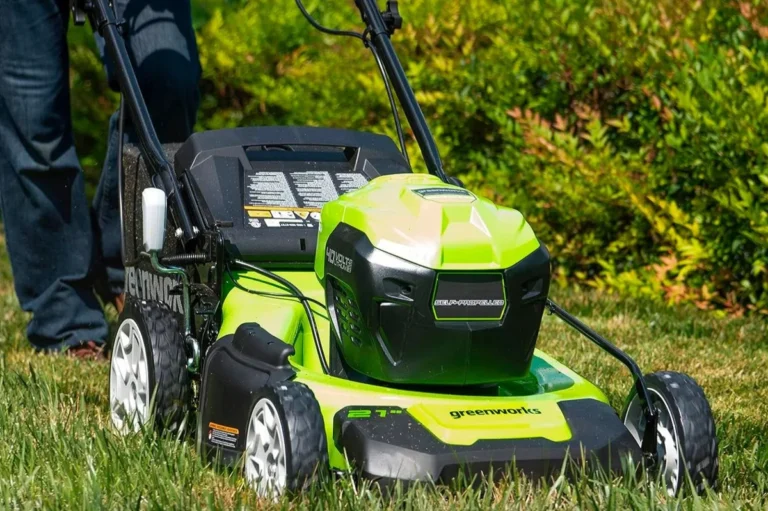
Per manufacturer specifications, a 40V battery mower with a 5.0Ah pack can deliver 45 to 60 minutes on a well-maintained lawn. A 20V entry-level push mower, though, might only run 25 to 30 minutes. Understanding the specs behind these numbers is where things get clear.
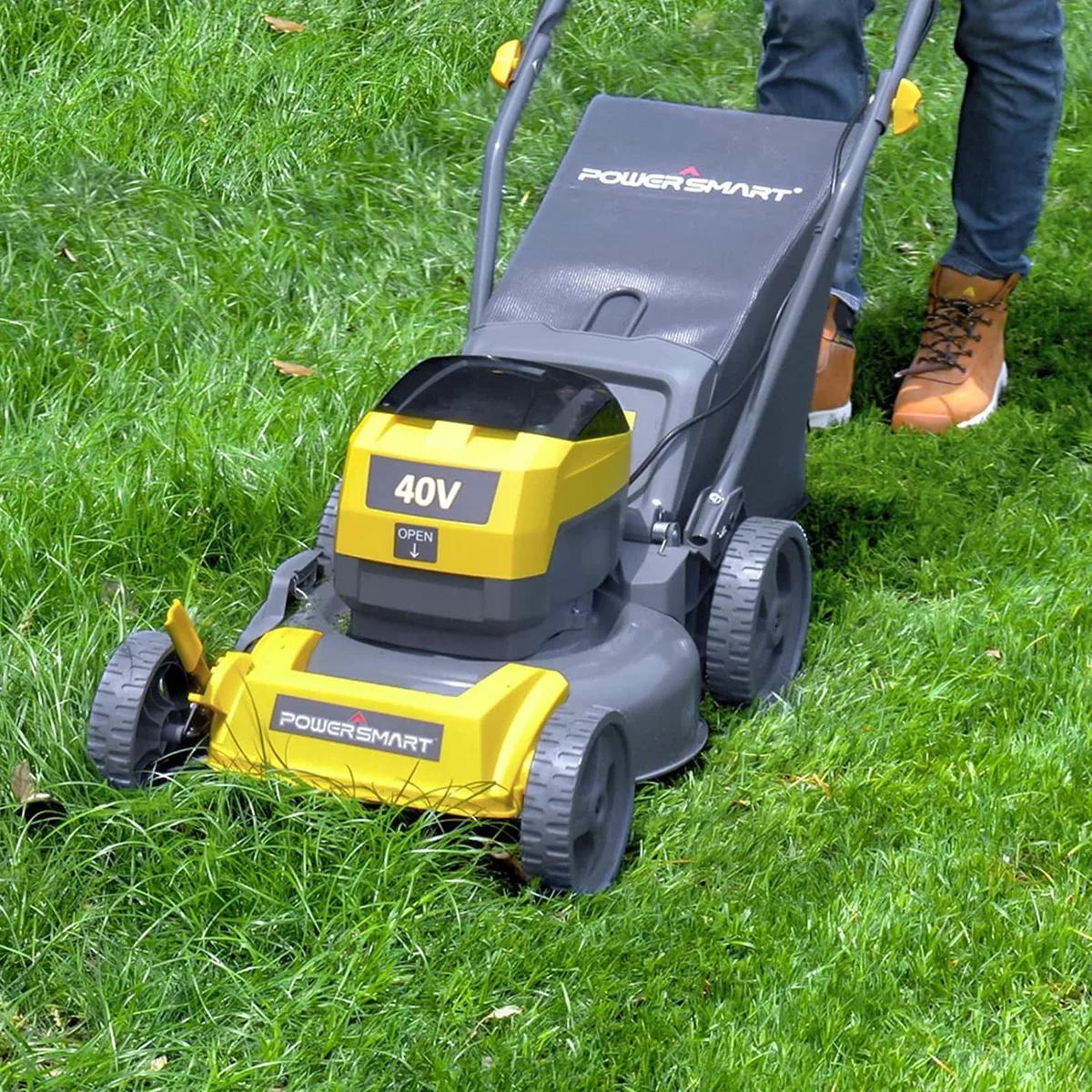
Image source: Bing (Web (fair-use with source credit))
Quick Answer
How long does a battery lawn mower run? Most consumer models deliver 25 to 60 minutes per charge. A 20V push mower typically runs 25 to 30 minutes.
A 40V to 56V self-propelled mower averages 45 to 70 minutes. Cold weather and thick grass can cut runtime by 20 to 40 percent.
The Mid-Mow Problem: Why Your Battery Dies Before You're Done
Nothing kills your mowing momentum like a mower that shuts down halfway through the job. You've got the lawn half done, the battery indicator is flashing red, and now you're staring at a full charge wait of 1 to 3 hours. This is the single biggest complaint we see in aggregate user reviews of battery lawn mowers.
Here's the frustrating part. Advertised runtime rarely matches real-world performance. Manufacturers test under ideal conditions: flat ground, freshly cut grass, moderate temperature.
The runtime printed on the box might turn into half that number on your actual yard.
| Mower Class | Advertised Runtime | Typical Real-World Runtime |
|---|---|---|
| 20V push mower | 30 min | 20 to 25 min |
| 40V to 48V self-propelled | 60 min | 35 to 50 min |
| 56V self-propelled | 60 to 75 min | 45 to 65 min |
| 80V commercial grade | 60 to 90 min | 45 to 70 min |
Several factors account for the gap. Thick grass demands more motor power. Self-propelled drives use extra battery continuously.
Slopes draw significantly more energy than flat ground. Heat can reduce lithium-ion output on long summer afternoons.
The Environmental Protection Agency has been tightening emissions standards for gas-powered lawn equipment, which has pushed more homeowners toward battery alternatives. But buyers coming from gas mowers aren't always prepared for how battery mowers demand their energy differently. Understanding this gap is the first step to picking a mower that actually finishes the job.
Voltage, Amp-Hours, Watt-Hours: The Three Specs Behind Every Runtime
Three numbers determine how long your battery lawn mower runs: voltage (V), amp-hours (Ah), and watt-hours (Wh). Most buyers focus on voltage alone, but that tells only part of the story. Understanding all three helps you predict runtime before you ever start mowing.
Voltage is the "push" of electricity that drives the motor. Higher voltage means more power delivered to the blades. A 20V mower has less cutting power than a 56V mower.
This directly affects how fast the battery drains during use.
Amp-hours measure energy capacity. Think of it like the size of a fuel tank. A 5.0Ah battery stores twice the energy of a 2.5Ah battery at the same voltage.
More amp-hours means longer runtime, but also a heavier battery to carry around.
Watt-hours combine both values: volts multiplied by amp-hours. This is the most accurate way to compare batteries across different voltage classes. A 40V 5.0Ah battery equals 200Wh.
A 56V 3.0Ah battery equals 168Wh. The 40V pack actually holds more total energy.
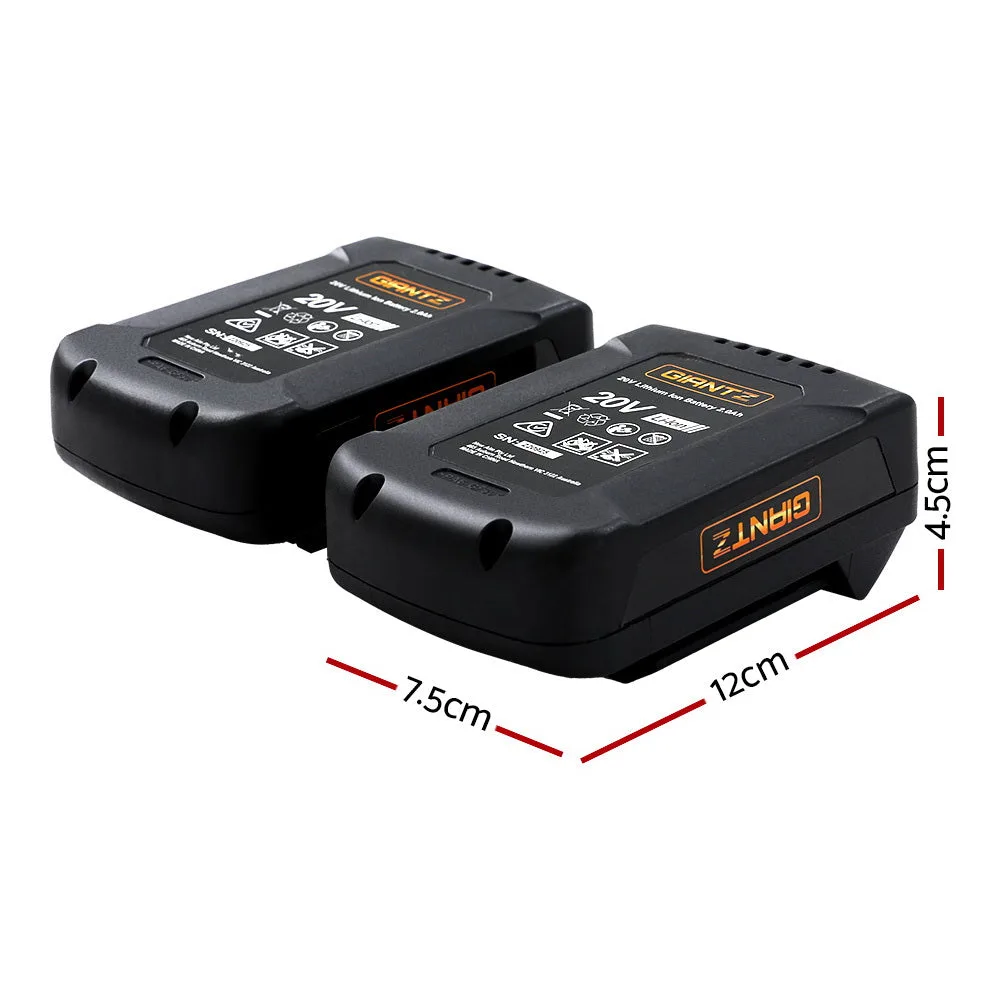
Image source: Bing (Web (fair-use with source credit))
| Spec | What It Means | Effect on Runtime |
|---|---|---|
| Voltage (V) | Power delivery to motor | Higher means more cutting power |
| Amp-hours (Ah) | Energy storage capacity | Higher means longer runtime |
| Watt-hours (Wh) | Total energy (V x Ah) | Most accurate capacity measure |
As of 2026, most major battery mower platforms offer batteries in the 20V to 80V range. The sweet spot for most homeowners is 40V to 56V, which balances runtime, cutting power, and battery weight. Manufacturer specs from leading brands confirm that watt-hours provide the most reliable runtime prediction across platforms.
So if you're comparing two mowers side by side, the watt-hour figure tells you which one will actually run longer.
What Actually Changes Your Runtime: Yard Size, Grass, Slope, and Weather
Battery specs give you a baseline. But your actual runtime depends on conditions that change every time you mow. Here's what matters most.
Yard Size vs. Battery Capacity
A quarter-acre lawn might take 20 to 30 minutes with a standard 40V mower. A half-acre could take 40 to 55 minutes. A full acre often requires more than one battery charge.
The U.S. Department of Energy notes that electric outdoor equipment typically delivers 30 to 60 minutes of runtime per charge for consumer models.
Grass Height and Thickness
Tall, thick grass is the biggest runtime killer. Cutting wet grass pulls even more power. Manufacturers test on regularly maintained lawns with grass at 3 to 4 inches.
If you're letting it grow to 6 inches or more, expect runtime to drop by 30 to 50 percent compared to ideal conditions.
Slope and Terrain
Every uphill section drains the battery faster. Self-propelled models consume more power than push mowers because the drive system adds continuous energy draw. A lawn with significant slopes can reduce runtime by 15 to 25 percent compared to flat ground.
Cutting Mode and Blade Condition
Most battery mowers offer multiple cutting modes. Mulching mode is typically the most efficient. Bagging and side-discharge modes create more motor resistance and draw more battery power.
ECO or power-saving mode can extend runtime by 10 to 20 percent when grass conditions allow.
A dull blade doesn't just cut poorly. It forces the motor to work harder, which drains the battery faster. Sharpening your blade once per season can recover 5 to 10 minutes of runtime per charge.
Clean blades cut cleanly, and clean cuts mean less motor load.
Runtime Decision Tree: What You'll Get Based on Your Setup
Your yard size and battery specs determine what runtime you can realistically expect. Use this decision framework to figure out where you stand.
Image source: Bing (Web (fair-use with source credit))
Small Yard (Under Quarter Acre)
If your lawn is under quarter-acre, you're in luck. A 20V or 36V push mower with a 2.0Ah to 5.0Ah battery typically runs long enough to finish in one charge. Expected runtime: 20 to 35 minutes.
Medium Yard (Quarter to Half Acre)
For quarter to half-acre lawns, a 40V to 48V mower with a 5.0Ah battery is the starting point. With self-propelled drive, expect 35 to 50 minutes. You might need a second battery if the grass is thick or the ground slopes.
Large Yard (Half Acre to One Acre)
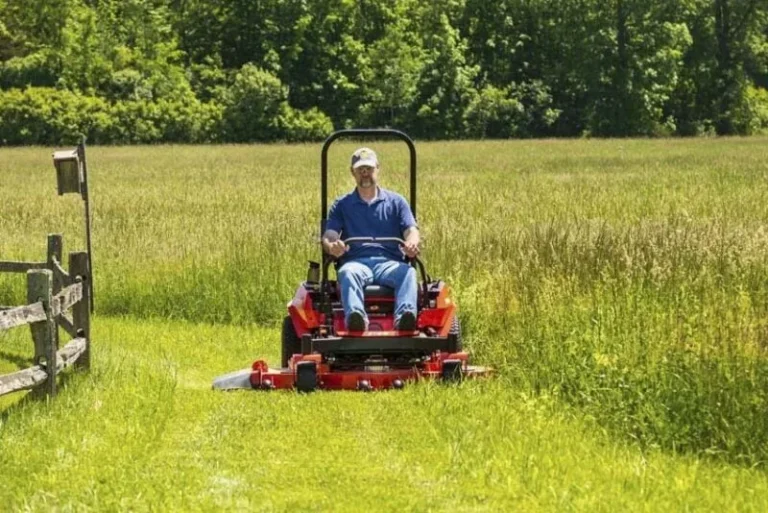
Half-acre to one-acre lawns need serious battery capacity. A 56V mower with dual 5.0Ah batteries or a single 10.0Ah pack works best. Self-propelled models in this range deliver 45 to 70 minutes total runtime.
Multiple Battery Strategy
For yards over an acre, the smartest approach is a dual battery system. While one battery powers the mower, the other charges. Some manufacturers now offer batteries with 30-minute fast charge capability, which makes continuous mowing practical.
| Yard Size | Recommended Voltage | Battery Capacity | Expected Runtime |
|---|---|---|---|
| Under quarter-acre | 20V to 36V | 2.0 to 5.0Ah | 20 to 35 min |
| Quarter to half-acre | 40V to 48V | 5.0Ah | 35 to 50 min |
| Half-acre to one acre | 56V | Dual 5.0Ah | 45 to 70 min |
| Over one acre | 56V to 80V | Dual or high-Ah | 60 to 90+ min |
These estimates assume regularly maintained grass, moderate temperatures, and flat to gently rolling terrain. Real-world results vary based on the conditions covered above.
Mistakes That Kill Your Battery Lawn Mower Runtime (And How to Avoid Them)
Plenty of runtime complaints trace back to user habits rather than battery limitations. Here are the mistakes we see most often, and what to do instead.
Ignoring the ECO Mode
Most battery mowers offer a power-saving mode that reduces motor output when cutting demands are low. If you're cutting grass that's been maintained at a reasonable height, ECO mode can extend runtime by 10 to 20 percent. Use it whenever the grass conditions allow.
Mowing Wet or Overgrown Grass
This is the number one runtime killer. Wet grass clumps together, clogs the deck, and forces the motor to work overtime. The same goes for letting grass grow too tall between mowings.
Both conditions can cut runtime by 30 to 50 percent compared to ideal cutting conditions.
Overcharging or Undercharging
Leaving lithium-ion batteries on the charger past 100 percent degrades their capacity over time. Storing them fully drained for extended periods is just as bad. The best practice is to charge to 100 percent for use, then store at 40 to 60 percent charge if you're not using the mower for several days.
Skipping Blade Maintenance
Dull blades force the motor to work harder to cut grass cleanly. Sharpening your mower blade at least once per mowing season can noticeably improve runtime. Regular maintenance keeps the motor from overworking and drains the battery slower overall.
Ignoring Battery Compatibility
Not all batteries are interchangeable, even within the same brand. Using an incompatible battery can damage the mower, void the warranty, or deliver inconsistent power. Always check voltage and connector compatibility before switching batteries between tools.
Storing Batteries in Freezing Temperatures
Lithium-ion batteries can lose capacity permanently if stored below 32 degrees Fahrenheit for extended periods. Keep spare batteries indoors during winter months. Cold storage is one of the most overlooked factors in reduced runtime over time.
How to Extend Battery Mower Runtime: Pro Strategies That Work
You can't change your mower's battery capacity, but you can squeeze more runtime out of what you've got. These strategies come straight from manufacturer maintenance guidance and aggregate user feedback.
Cut More Often, Cut at the Right Height
The single best thing you can do is mow more frequently. When grass stays under 4 inches, the motor works dramatically less per pass. Set your deck height between 3 and 4 inches depending on grass type.
Cool-season grasses do best at 3.5 inches. Warm-season grasses at 2 to 2.5 inches.
Keep the Blade Sharp
A sharp blade slices grass cleanly and reduces motor load. Sharpen it once per season, or more often if you mow frequently. Clean the deck after each use.
Grass buildup adds drag and weight to the cutting system.
Mow in the Cool
Cutting grass during the heat of the day reduces battery performance. Early morning or late afternoon sessions give lithium-ion batteries better output. Cooler air also keeps the motor running more efficiently.
Plan Your Route
Mow in alternating patterns week to week. This helps grass grow more evenly and reduces clumping. Overlapping passes waste battery.
Cutting in clean, straight rows uses less energy per square foot.
Rotate Batteries
If you own multiple batteries, don't keep using the same one. Alternating between packs distributes wear evenly and ensures you always have a charged backup. Store extra batteries at 40 to 60 percent charge, not full or empty.
Frequently Asked Questions
How long does a battery lawn mower battery last before it needs replacing?
Most lithium-ion mower batteries deliver 500 to 2,000 charge cycles before noticeable capacity loss. At that point, you might see 70 to 80 percent of original runtime. For average homeowners mowing weekly, that translates to roughly 3 to 7 years per battery.
Can you run a battery lawn mower in the rain?
No. Water and electricity don't mix safely. Running a battery mower in rain increases the risk of motor damage and electrical hazards.
Wait until grass is dry. Mowing wet grass also drains the battery much faster than cutting dry grass.
Does voltage affect how long a battery lawn mower runs?
Voltage determines how much power the motor can draw, but it doesn't directly equal runtime. Watt-hours (voltage x amp-hours) is the better measure. A higher-voltage mower with a small battery might run shorter than a lower-voltage mower with a larger capacity pack.
How many batteries do you need for a large yard?
For lawns over half an acre, plan on two batteries. Use one while the other charges. This setup keeps the mower running continuously without waiting for a full recharge.
Some 56V and 80V models support fast charging that gets a battery back to 50 percent in 20 to 30 minutes.
How do you store a battery lawn mower for winter?
Charge batteries to 40 to 60 percent before storing. Keep them indoors at temperatures above 32 degrees Fahrenheit. Don't leave them in a cold garage for months.
Fully drained or fully charged batteries stored in freezing conditions lose capacity faster.
Is a battery lawn mower worth it over a gas mower?
For most homeowners with lawns under half an acre, yes. Battery mowers need zero engine maintenance, start instantly, and operate at 60 to 75 decibels compared to 90 plus decibels for gas mowers. The trade-off is runtime, which you can plan for with the right battery capacity and mowing habits.
Decision Guide: Matching Your Yard to the Right Battery Lawn Mower
The answer to "How long does a battery lawn mower run?" depends entirely on your yard and your mower specs. Here's how to make the final call.
If your yard is small (under quarter-acre) and you want a simple, low-maintenance mowing experience, a 36V push mower with a single 5.0Ah battery is all you need. You'll finish most lawns in a single charge with 20 to 30 minutes to spare.
For medium lawns (quarter to half-acre), step up to 40V or 48V with a 5.0Ah battery and self-propelled drive. This setup handles most residential yards reliably. Budget for a second battery if your grass grows thick or your property has slopes.
Large yards (half-acre and up) demand the 56V class with dual batteries or high-capacity packs. The upfront cost is higher, but the runtime matches the job. Fast-charging batteries make this approach practical for weekly maintenance.
Regardless of your yard size, keep the grass short, the blade sharp, and the deck clean. Those three habits alone can extend your runtime by 10 to 20 minutes per charge, which often makes the difference between finishing in one pass or charging halfway through.