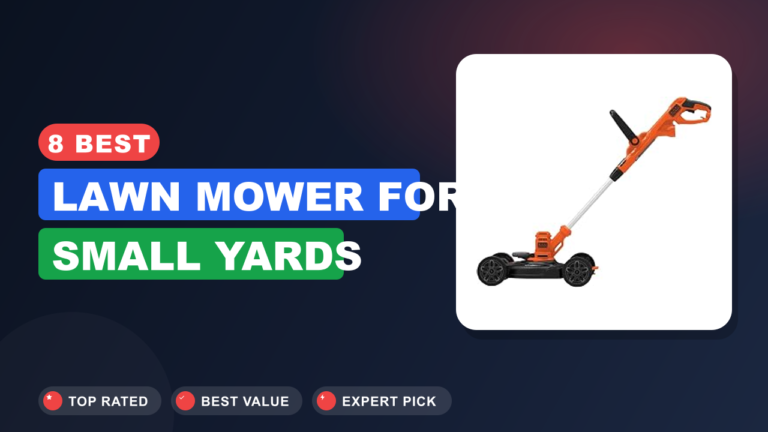
What Size Lawn Mower Do I Need?
What size lawn mower do I need? It's the question that stops a lot of buyers cold at the dealer or online store. The answer depends on your yard's acreage, the terrain, and how much time you're willing to spend mowing.
Deck width is the single most important spec. A 21-inch walk-behind mower handles yards under 1/4 acre, while a 38-inch riding mower covers up to 1 acre. Beyond that, you're in zero-turn mower or lawn tractor territory.
Getting this right saves you time, money, and frustration.
Quick Answer
What size lawn mower do I need? It depends on your yard's size and terrain. Under 1/4 acre, a 21-inch self-propelled mower is ideal.
For 1/2 acre to 1 acre, use a 38-to-42-inch riding mower. For 1 acre or more, a zero-turn mower or lawn tractor is best.
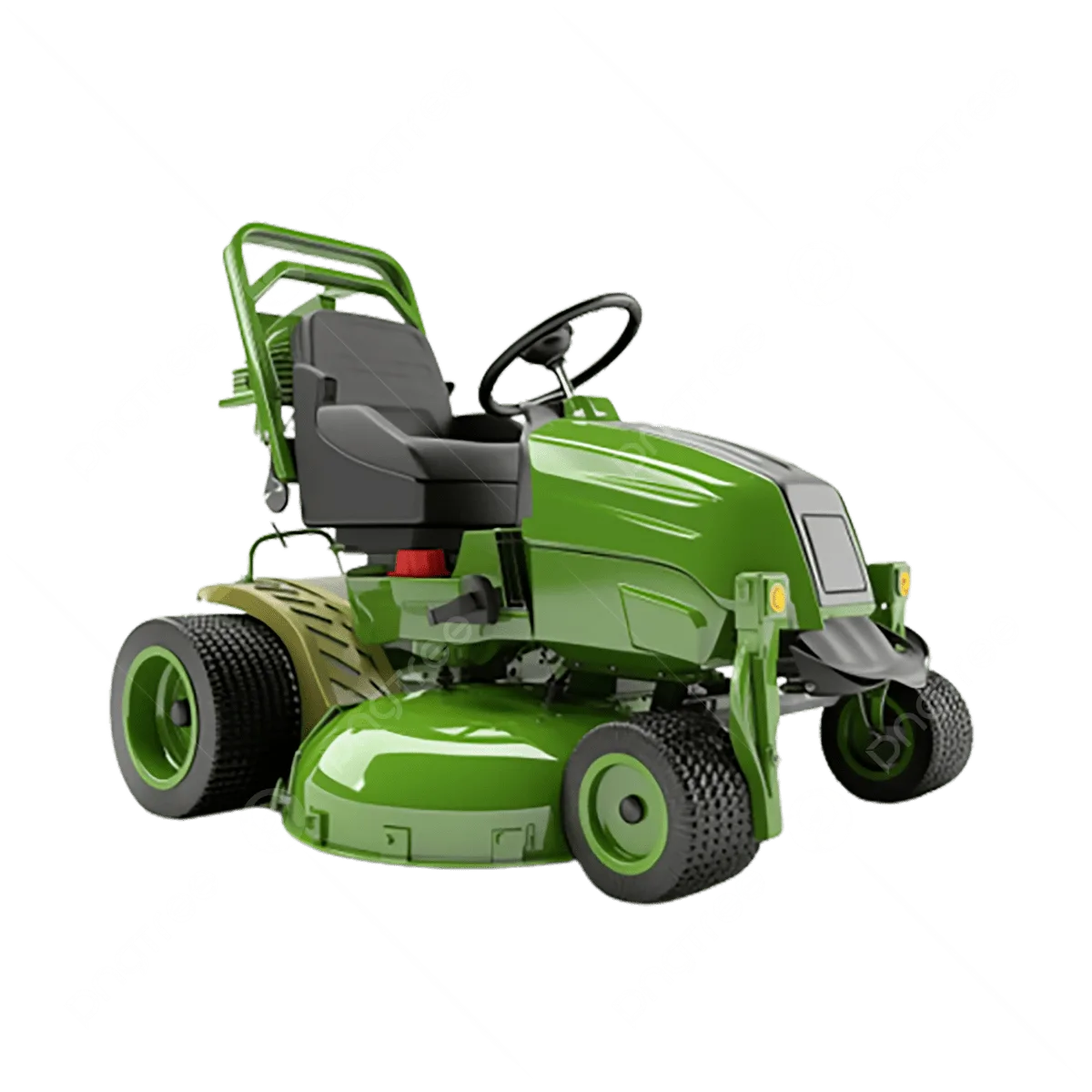
Image source: Web (Bing) / ar.inspiredpencil.com (Web image (fair-use with source credit))
Why Lawn Mower Size Matters More Than Most People Realize
A mower that's too small turns a quick job into a long chore. One that's too large is a pain to maneuver around trees and garden beds. Both choices waste your time, and both are avoidable with a little planning.
In our research, each additional inch of deck width cuts mowing time by 5 to 8 percent on open terrain. Over a 5,000-square-foot yard, that difference adds up fast. A 21-inch mower handles that size in about 40 minutes.
A 42-inch riding mower covers the same area in roughly 20.
Wrong-sized mowers can damage your lawn too. Heavy riding mowers on small lots compact soil and leave ruts, especially when the ground is wet. Smaller mowers on large lots require overlapping passes, which stress grass and waste fuel.
Terrain adds another layer of complexity. A flat half-acre lot is straightforward to mow with almost any riding mower. A half-acre lot with a 15-degree slope needs a mower built for stability and traction.
The deck width number on the box doesn't tell that story.
As of 2026, riding mower deck widths range from 38 to 60 inches across major brands like Husqvarna, John Deere, and Toro. The simplest planning tool is dividing your yard's square footage by the mower's cutting width in inches to estimate mowing time.
One thing people overlook is maintenance load. A riding mower needs regular blade sharpening, belt inspections, and oil changes. A push mower requires almost nothing beyond annual blade sharpening.
Matching the mower to your maintenance comfort level matters just as much as matching it to your yard size.
Understanding the Main Mower Types: Deck Sizes and Capabilities
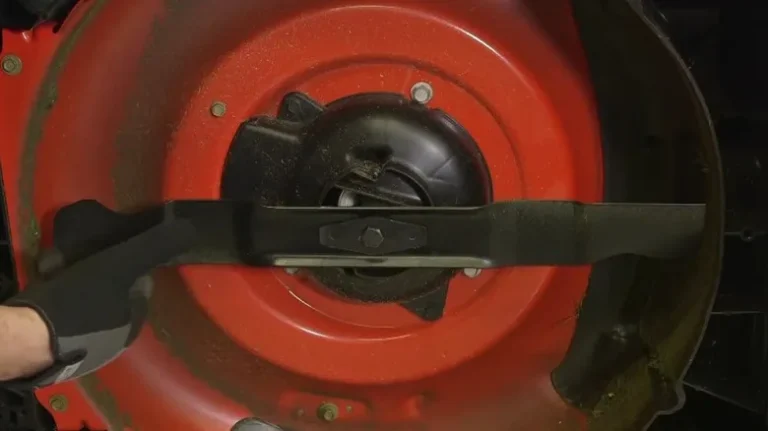
Deck width, measured in inches, is the distance across the mower's cutting blade. It determines how wide a swath of grass you can cut in a single pass. Every mower category has a deck width range, and knowing that range helps you narrow your search fast.
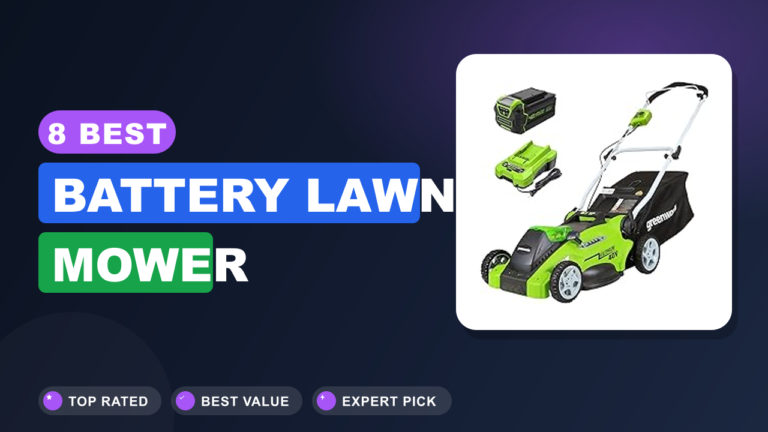
Push mowers are the simplest option. They're hand-operated, lightweight, and ideal for small, flat yards. Deck widths typically range from 18 to 22 inches.
You'll push them at walking speed, from 1 to 3 mph. They work best for yards under 1/4 acre.
Self-propelled mowers add a drive system to the push mower design. Deck widths range from 21 to 33 inches. They handle slopes better than push mowers and cut fatigue significantly.
Per EPA emissions standards, self-propelled mowers use slightly larger engines than their push counterparts.
Riding mowers are sit-on-top machines built for medium to large yards. Standard riding mowers have deck widths of 38 to 54 inches with engines between 15 and 25 HP. They handle hills up to about 15 degrees and cover 1/2 acre to 1 acre comfortably.
Zero-turn mowers offer the fastest cutting speed in the residential category. Deck widths range from 42 to 72 inches, with engines from 20 to 40+ HP. They turn on a dime, which makes them ideal for yards with many obstacles.
Lawn tractors occupy a middle ground between riding mowers and zero-turns. They have a front-engine design, deck widths of 38 to 54 inches, and often feature heavier-duty transmissions. Many lawn tractors double as utility machines, pulling trailers, aerators, and spreaders.
Garden tractors sit at the top of the power range. Deck widths go from 48 to 74 inches, with 20 to 30+ HP engines. They're built for properties over 2 acres and for anyone who needs a mower that doubles as a utility vehicle.
Lawn Mower Size Chart: Matching Deck Width to Your Yard
Here's the most useful reference for the whole decision process. The chart below matches deck widths to yard sizes at a glance so you can start with a clear direction before heading to the store.
| Yard Size | Recommended Mower Type | Deck Width | Estimated Mowing Time |
|---|---|---|---|
| Under 1/4 acre (up to 11,000 sq ft) | Push or self-propelled | 18–22 inches | 20–45 minutes |
| 1/4 to 1/2 acre | Self-propelled or small riding | 21–38 inches | 30–60 minutes |
| 1/2 acre to 1 acre | Riding mower or lawn tractor | 38–46 inches | 30–50 minutes |
| 1 acre to 2 acres | Riding mower or zero-turn | 42–54 inches | 25–40 minutes |
| 2 to 3 acres | Zero-turn mower or lawn tractor | 48–60 inches | 20–35 minutes |
| 3 acres or more | Zero-turn mower or garden tractor | 54–74 inches | 15–25 minutes |
A few notes on how these estimates work. Mowing time assumes typical residential terrain with light obstacles. Hilly properties, thick grass, or frequent turns will push every estimate upward.
Manufacturer specifications from brands like John Deere and Toro follow these general ranges closely.
How do you measure your yard before using the chart? Divide your property into rectangles, multiply length by width for each section, and add the totals together. For irregular shapes, estimate the area using a rough geometric approximation.
Online mapping tools can also give you a close acreage figure if you know your property lines.
If your yard falls between two categories, go up one size. A mower that's slightly too wide is still faster. A mower that's too small will frustrate you every time you mow.
Riding Mowers vs. Zero-Turn Mowers vs. Lawn Tractors by Acreage
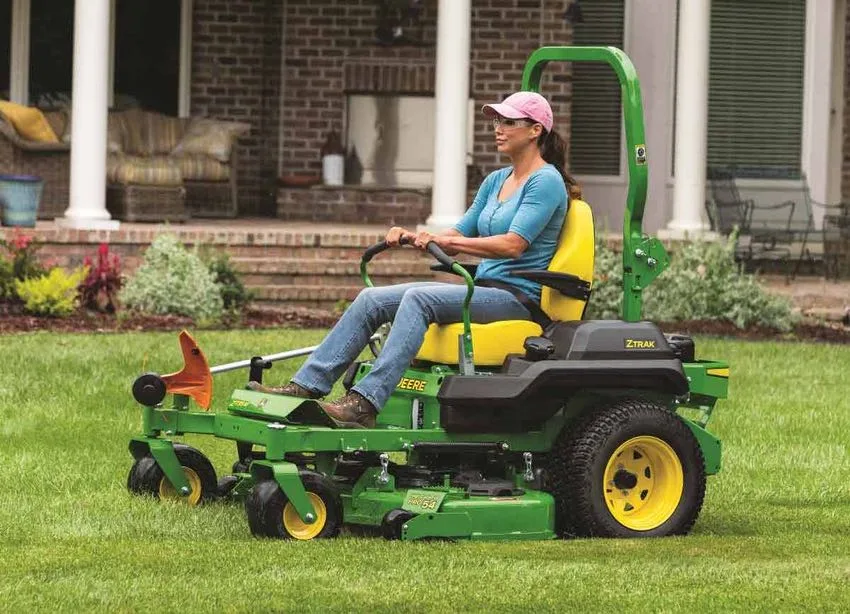
Image source: Web (Bing) / animalia-life.club (Web image (fair-use with source credit))
These three options cover most homeowner needs above half an acre. Each one has a sweet spot in terms of acreage, terrain, and budget.
| Factor | Riding Mower | Zero-Turn Mower | Lawn Tractor |
|---|---|---|---|
| Best acreage | 1/2 to 1 acre | 1 to 3 acres | 1/2 to 2 acres |
| Deck width | 38–54 inches | 42–72 inches | 38–54 inches |
| Engine power | 15–25 HP | 20–40+ HP | 20–30 HP |
| Top speed | 5–7 mph | 6–12 mph | 5–7 mph |
| Turning radius | Standard | Near-zero | Standard |
| Best for | Hilly lots, general use | Flat to rolling, many obstacles | Utility tasks, towing |
| Price range | $1,500–$3,500 | $2,000–$6,000 | $1,800–$4,000 |
Riding mowers are the most versatile option for the average homeowner. They handle slopes up to 15 degrees and have good traction on wet ground. If your yard is flat to gently rolling and under an acre, this is your best starting point.
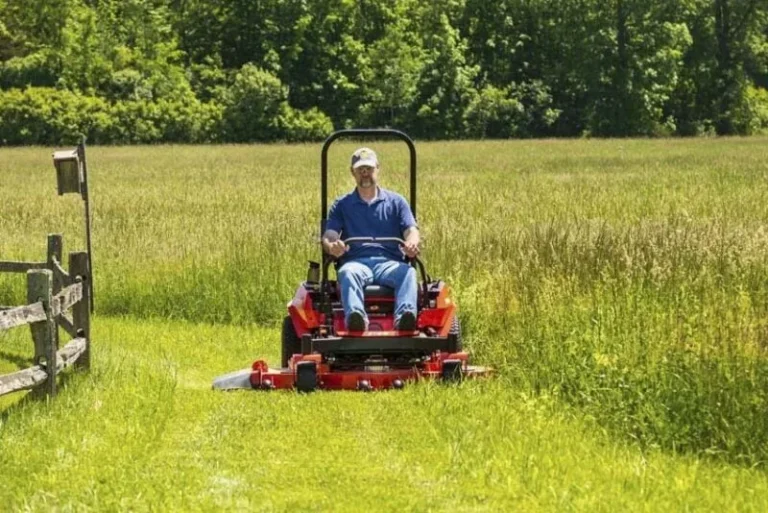
Zero-turn mowers shine when you have a large property with trees, flower beds, and tight corners. Their zero turning radius lets you cut right up to obstacles without stopping and reversing. The tradeoff is learning the controls and handling them on steep hills, where they can be tricky for beginners.
Lawn tractors make the most sense when your mower needs to do double duty. Pull a trailer to haul mulch. Drag an aerator in the fall.
Mount a snow blader in winter. For homeowners who value utility over pure mowing speed, a lawn tractor delivers more long-term value.
Which option is best for each acreage range? Under 1 acre, start with a riding mower. From 1 to 2 acres, a zero-turn saves the most time.
Above 2 acres, you're choosing between a zero-turn for speed or a lawn tractor for versatility.
The cost difference between these categories ranges from a few hundred dollars to several thousand. As of 2026, entry-level zero-turn mowers typically start around $2,000 from major brands like Cub Cadet and Ariens. Riding mowers start closer to $1,500.
The price gap narrows once you factor in attachments and accessories.
Best Mower Size for Each Yard Type and Terrain
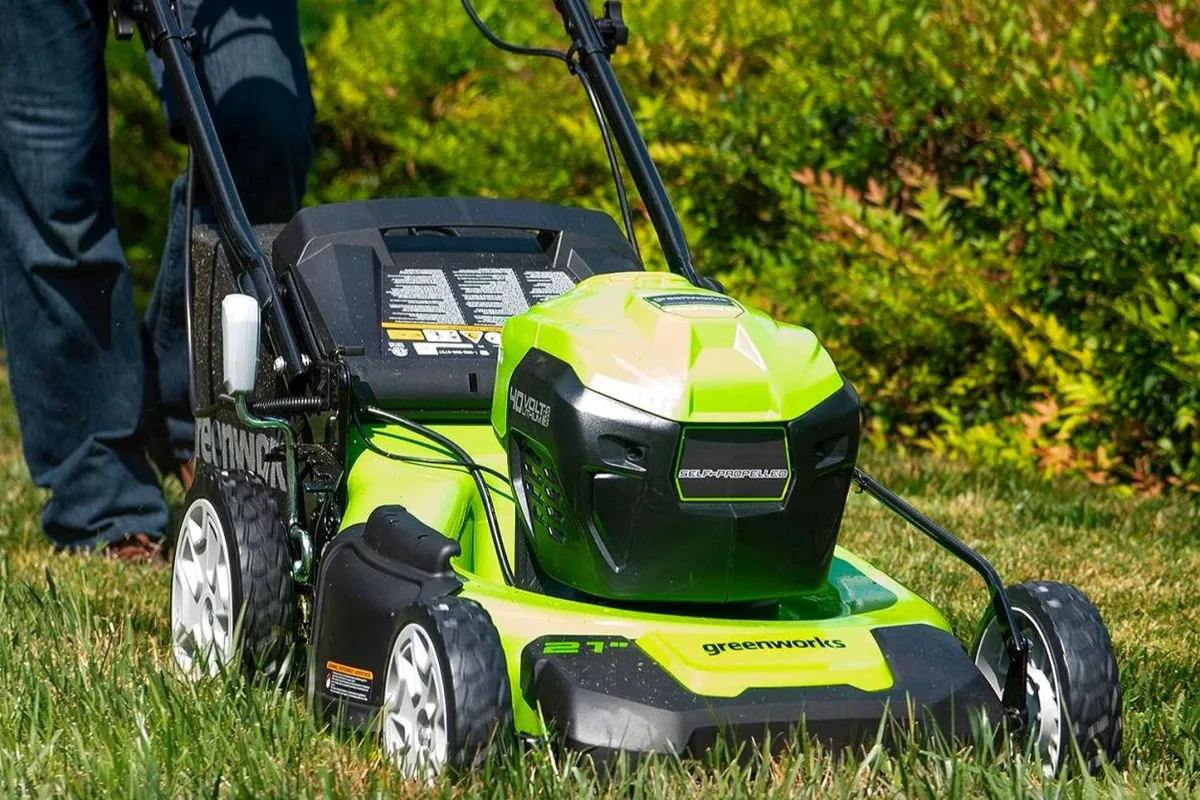
Image source: Web (Bing) / storage.googleapis.com (Web image (fair-use with source credit))
Your yard's physical layout matters just as much as its square footage. A 1/2-acre lot with 20 mature trees and a steep slope is a very different mowing challenge than a 1/2-acre flat, open field. The right mower for one is wrong for the other.
Flat Open Lots
Flat yards with few obstacles are the easiest terrain for any mower. This is where deck width and speed are the deciding factors. A 54-inch riding mower handles a flat 1-acre lot in about 30 minutes.
A zero-turn cuts that time roughly in half.
If your yard is flat and open, prioritize deck width and engine power over maneuverability features. You won't need a zero turning radius when you've got a long, straight stretch of grass to cut.
Hilly and Sloped Properties
Slopes change everything. Hydrostatic transmissions give you fine speed control, which is critical on hills. Front-wheel-drive self-propelled mowers handle moderate slopes better than standard push mowers.
Riding mowers with a low center of gravity perform best on uneven ground.
Always mow across the slope, never up and down. This prevents the mower from tipping and reduces the chance of the operator losing control. If your property has slopes over 15 degrees, a self-propelled mower with good traction tires is the safer choice.
Yards with Trees, Obstacles, and Tight Spaces
If you've got gardens, fences, sheds, and trees scattered across the property, maneuverability beats raw power. A zero-turn mower navigates around obstacles faster than a standard riding mower. On smaller lots with many obstacles, a self-propelled mower with a 21 to 33-inch deck often works better than a riding mower that can't turn tight enough.
For yards under 1/4 acre with heavy obstacles, a compact push mower with good maneuverability handles the job without the hassle of a large machine in a tight space.
Small Yards Under 1/4 Acre
Under 1/4 acre, the question shifts from "how fast can I mow" to "what's the least hassle to handle." A 21-inch self-propelled mower covers most of these yards in 20 to 30 minutes. A push mower works too, but expect extra effort on any grade.
The mistake people make on small lots is buying a riding mower for the comfort factor. It seems like a good idea until you're trying to navigate a narrow strip between a fence and a flower bed. For lots this size, smaller is almost always better.
Large Properties Over 2 Acres
Properties over 2 acres are where the economics shift toward dedicated riding equipment. A 60-inch zero-turn mower covers 2 acres in about 45 minutes. That same acreage on a 42-inch mower takes nearly 90 minutes.
The time savings justify the higher purchase price within two to three seasons.
For very large properties, consider total cost of ownership, not just the sticker price. Fuel consumption, blade replacement, and transmission maintenance all scale with mower size and use. A bigger mower costs more to run, but it saves hours each week.
Common Mistakes When Choosing a Lawn Mower Size
The most common mistake is buying based on price alone instead of yard size. A cheap mower that's too small for your property will cost you more in time and fuel than the few hundred dollars you saved upfront. Start with your yard measurements, then work backward to a budget.
Not measuring your yard before shopping is the second big error. People guess, and they usually guess wrong. Most homeowners underestimate their lot size by 10 to 20 percent.
Measure your property's square footage before you make any purchase decision.
Buying too big is just as problematic as buying too small. An oversized riding mower on a small, obstacle-heavy lot becomes a storage burden and a handling frustration. You'll spend more time turning around than mowing.
Match the mower to your yard's actual dimensions and layout.
Ignoring terrain is another common trap. A 1-acre flat lot and a 1-acre hillside property need different equipment entirely. Slope angle, ground softness, and surface type all affect which mower will perform best.
Walk your property and note every slope, dip, and obstacle before deciding.
Finally, don't buy a mower you won't maintain. A riding mower with a large deck needs blade sharpening every 20 to 25 hours of use. If you're not prepared for that schedule, a simpler self-propelled mower may serve you better.
Lawn Mower Sizing FAQ
What size lawn mower do I need for 1/2 acre?
For a 1/2-acre property, a riding mower with a 38 to 42-inch deck is ideal. It covers the area in roughly 30 to 40 minutes. A self-propelled mower can work too, but expect mowing times closer to an hour per session on hilly terrain.
What size riding mower do I need for 1 acre?
A 42 to 46-inch deck riding mower handles a 1-acre property well. It completes the job in about 30 to 45 minutes. If your acre is flat and open, a zero-turn mower with a 48-inch deck cuts that time to 20 minutes or less.
Can I use a push mower on a large yard?
You can, but it's not practical for anything over 1/4 acre. Push mowers require constant physical effort and take significantly longer per acre. For yards between 1/4 and 1/2 acre, a self-propelled mower is the practical upgrade that saves time without going full riding mower.
What is the difference between a riding mower and a zero-turn mower?
A riding mower uses a steering wheel and standard transmission, making it intuitive to operate on slopes. A zero-turn mower uses levers for steering and offers near-zero turning radius, which is faster on flat terrain with many obstacles. Both handle 1 to 2 acres comfortably.
How long does it take to mow an acre with a riding mower?
A riding mower with a 42-inch deck covers 1 acre in roughly 30 to 45 minutes under typical conditions. A zero-turn with a wider deck can do it in 15 to 25 minutes. Thick grass, slopes, and obstacles all extend these times significantly.
What size mower do I need for a hilly property?
Prioritize traction and low center of gravity over deck width for hilly properties. A self-propelled mower handles moderate slopes under 15 degrees well. For steeper terrain, a riding mower with hydrostatic transmission gives you the fine speed control you need.
The Right Lawn Mower Size for Your Property: A Decision Guide
Here's a simple framework to lock in your choice:
Step 1. Measure your yard's total square footage. Divide it by 43,560 to get acreage.
Step 2. Note your terrain. Flat, hilly, or mixed? Count the major obstacles like trees, beds, and structures.
Step 3. Match your yard size to the chart above. If you're between categories, go up one size.
Step 4. Adjust for terrain. Sloped lots need better traction and lower speeds. Obstacle-heavy lots need tighter turning.
Step 5. Set your budget range based on the mower type you need, not the other way around.
The right lawn mower size for your property comes down to three numbers: your yard's square footage, your terrain slope, and your available budget. Get those three right, and every other decision falls into place. Measure first, then buy.
That simple habit saves most people from the expensive mistake of buying the wrong mower.