How Does AC Cool a Room?
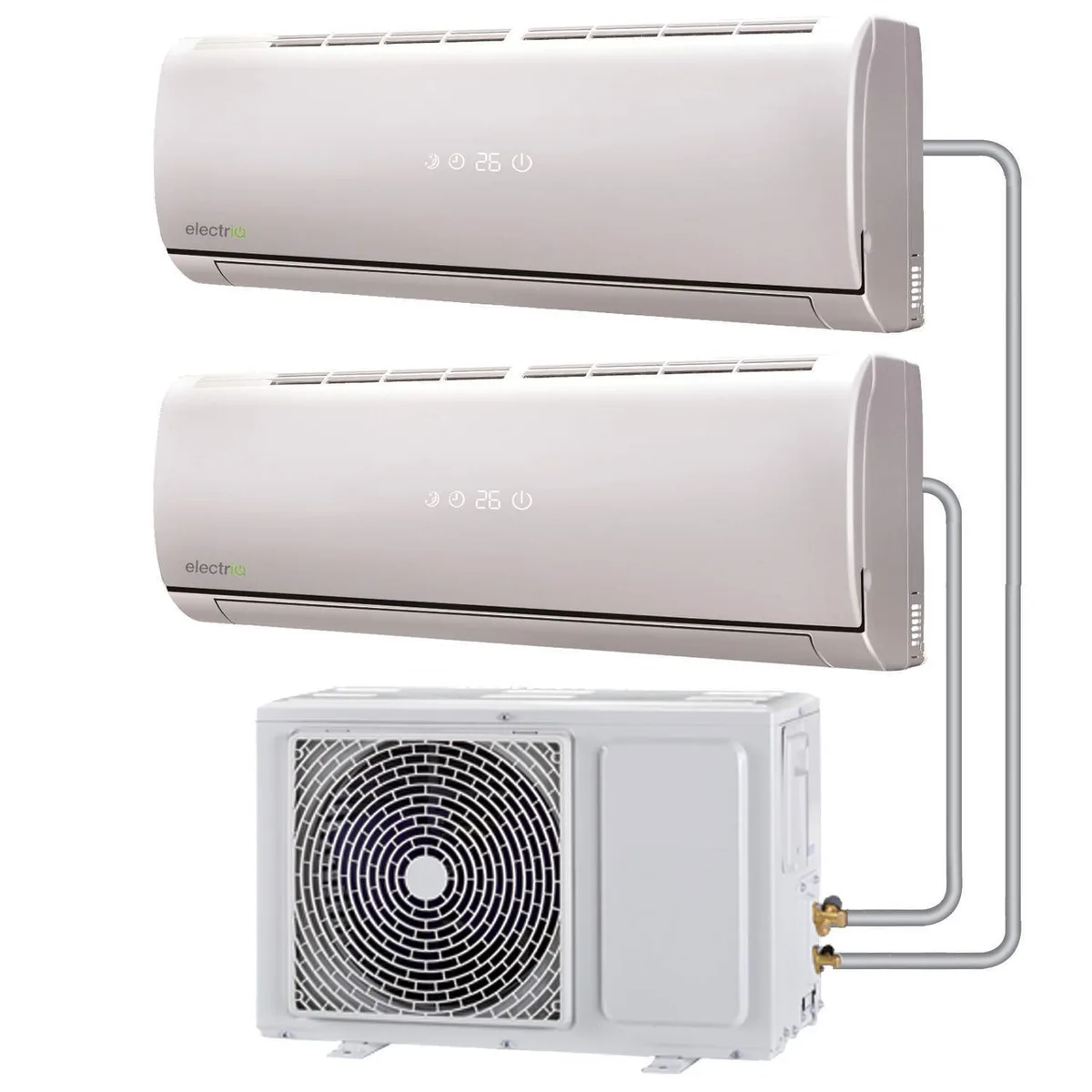
Image source: Web (Bing) / aircondirect.co.uk (Web image (fair-use with source credit))
How Your Air Conditioner Creates That Cool Breeze
You’re probably wondering how that magic box in your home actually makes the air feel cooler, especially when the temperatures outside are soaring. It’s a process that involves a bit of clever science, transforming hot indoor air into the refreshing breeze you crave. Understanding this core mechanism can help you appreciate your AC system more and even troubleshoot minor issues.
This cooling process relies on a cyclical transfer of heat, leveraging the properties of a special fluid called refrigerant. By moving heat from inside your home to the outside, your air conditioner effectively lowers the indoor temperature. This system is designed to be highly efficient; for instance, ENERGY STAR certified units typically offer at least 10% better energy performance than standard models, according to the U.S.
Environmental Protection Agency. Let's break down how this sophisticated system works.
Quick Answer
Your air conditioner cools a room by using a refrigerant cycle to move heat from inside your home to the outside. The refrigerant absorbs heat from the indoor air on the evaporator coil, then travels to the outdoor unit where it releases that heat on the condenser coil. This continuous process, managed by components like the compressor and thermostat, lowers your indoor temperature.
The Magic Inside: Understanding the Refrigerant Cycle
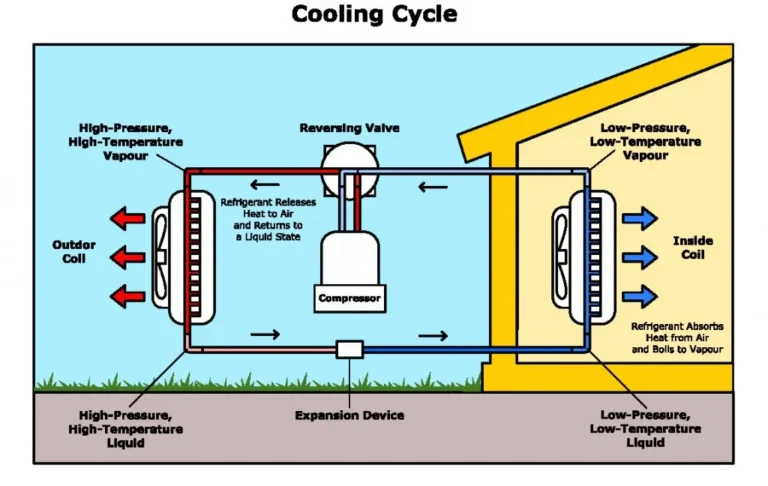
At the heart of your air conditioner's cooling power is the refrigerant cycle. Think of it as a closed loop where a special fluid, the refrigerant, changes states between liquid and gas. This change is what allows it to pick up heat from one place and drop it off in another.
It’s a fundamental principle in thermodynamics, and in your AC, it’s what makes the difference between sweltering heat and comfortable coolness.
The cycle itself has four main stages: compression, condensation, expansion, and evaporation. Each stage plays a crucial role in moving heat. This system is designed to be self-contained, meaning the refrigerant ideally never leaves the sealed system.
Manufacturer specifications for many common refrigerants, such as R-410A, indicate they operate within specific pressure and temperature ranges to achieve efficient cooling.
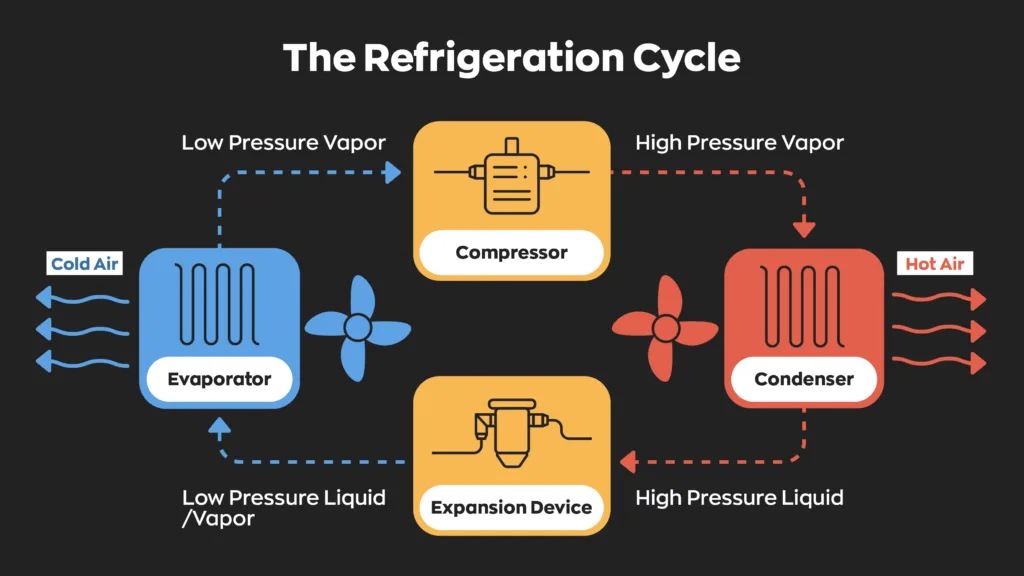
Image source: Bing (Web (fair-use with source credit))
How the Compressor Works Its Wonder
The compressor is essentially the "heart" of the AC system. Located in the outdoor unit, its main job is to pressurize the refrigerant vapor. When the refrigerant vapor enters the compressor, it’s at a low pressure and temperature.
The compressor squeezes this vapor, significantly increasing its pressure and, as a result, its temperature. This superheated, high-pressure vapor is then pushed out to the next stage.
Think of it like squeezing a sponge. The harder you squeeze, the more heat (or in the sponge's case, water) is pushed out. This compression step is critical because it raises the refrigerant's temperature above the outdoor air temperature, allowing it to effectively release heat later.
Without this, the refrigerant wouldn't be hot enough to transfer its heat to the outside environment.
The Evaporator Coil: Absorbing the Heat
This is where the cooling magic happens inside your home. The evaporator coil is typically located inside your air handler or furnace, often behind a panel. As warm, humid air from your house is drawn across the evaporator coil by the fan, the magic fluid (refrigerant) inside the coil is much colder than the air.
Because of this temperature difference, heat energy transfers from the air to the refrigerant.
As the refrigerant absorbs this heat, it warms up and changes from a liquid to a low-pressure gas. This process also removes moisture from the air, which condenses on the cold surface of the evaporator coil and drips into a condensate drain pan, helping to dehumidify your home. The air that's left behind, now cooler and less humid, is then pushed back into your rooms.
The Condenser Coil: Releasing the Heat
Once the refrigerant has absorbed heat from your indoor air and has been compressed into a hot, high-pressure vapor, it travels to the condenser coil. This coil is located in your outdoor AC unit. Here, a fan blows outdoor air across the coil.
Because the refrigerant inside the condenser coil is now hotter than the outdoor air, heat transfers from the refrigerant to the outside air.
As the refrigerant releases its heat, it cools down and condenses back into a high-pressure liquid. This is why your outdoor AC unit blows warm air, it's expelling the heat that was taken from inside your home. This stage is essential for preparing the refrigerant to start the cycle all over again.
The Role of the Expansion Valve
The expansion valve (or sometimes a capillary tube in smaller units) acts as a sort of gatekeeper between the condenser coil and the evaporator coil. After the refrigerant has condensed into a high-pressure liquid and is ready to go back inside, it passes through this valve. The valve restricts the flow of the liquid refrigerant, causing a sudden drop in its pressure.
This pressure drop is crucial. As the liquid refrigerant passes through the expansion valve, its temperature plummets dramatically. It becomes very cold and is now ready to absorb heat once again as it enters the evaporator coil.
This controlled release of pressure and temperature is what sets up the evaporator coil to be cold enough to cool your indoor air effectively.
Key Components That Make AC Tick
Beyond the refrigerant cycle itself, a few other key components work together to ensure your air conditioner runs smoothly and keeps you comfortable. These parts are the brain and the muscles of the system, orchestrating the cooling process and delivering the conditioned air where you need it.
The Thermostat: Your Control Center
The thermostat is your interface with the AC system. It’s the device on your wall that you use to set the desired temperature. Internally, it contains a sensor that measures the current room temperature and compares it to your set point.
When the room temperature rises above your setting, the thermostat signals the air conditioner to turn on and start cooling. When the temperature reaches your desired level, it signals the AC to shut off, saving energy. Modern thermostats, often called smart thermostats, can even learn your habits and adjust automatically, and many meet ENERGY STAR requirements for efficiency.
Image source: Bing (Web / artofit.org (Web image (fair-use with source credit)))
The Air Handler and Fan: Moving the Air
The air handler is the component that contains the fan and the evaporator coil, usually found inside your home, often as part of your central heating system. The fan's job is to pull warm air from your living spaces across the cold evaporator coil. After the air is cooled and dehumidified, the fan then pushes this conditioned air back into your rooms, often through a network of ducts in a central system, or directly into the room for units like those found in window or portable ACs.
The fan speed can often be adjusted to control the airflow and how quickly the room cools.
Why You Need AC: Comfort and Beyond
While the primary reason most people turn on their air conditioners is to escape the heat, the benefits extend beyond just temperature control. Modern AC systems offer several advantages that contribute to a more comfortable and healthy indoor environment. Understanding these can help you appreciate the full value of your system, especially during peak seasons.
Battling the Heat: Core Benefit
The most obvious benefit of an air conditioner is its ability to combat high outdoor temperatures and maintain a comfortable indoor climate. When external conditions make it unbearable to be inside, the AC works tirelessly to extract heat from your home. This allows you to relax, sleep, and carry out daily activities without being affected by oppressive heat.
The capacity of an AC unit, measured in British Thermal Units (BTU), indicates how much heat it can remove per hour, with larger BTUs typically suited for larger spaces.
Beyond Cooling: Dehumidification and Air Quality
Your air conditioner doesn't just cool the air; it also dehumidifies it. As warm indoor air passes over the cold evaporator coil, moisture in the air condenses onto the coil's surface. This water is then collected and drained away, significantly reducing indoor humidity levels.
Lower humidity makes the air feel cooler and more comfortable, even at the same temperature, and also helps prevent mold and mildew growth. Additionally, most AC units have air filters that capture dust, pollen, and other airborne particles, contributing to cleaner indoor air.
Seeing is Believing: Visualizing the AC Process
To truly grasp how an air conditioner works, visualizing the movement of heat and refrigerant is incredibly helpful. While the internal workings are complex, seeing where and how these processes happen makes the abstract science concrete. This is where diagrams and illustrations really shine, showing the path of the refrigerant and the interaction with air.
Where the Heat Exchange Happens
The crucial heat exchange points are the evaporator coil inside your home and the condenser coil outside. Imagine the evaporator coil as a heat sponge, soaking up warmth from your indoor air. Then, picture the condenser coil as a radiator, expelling that collected heat into the outdoor air.
These two coils are the primary battlegrounds where the temperature inside and outside your home are manipulated.
Airflow Paths Explained
Visuals can clearly show how air moves through the system. Warm indoor air is drawn into the air handler, passes over the cold evaporator coil, and then is pushed back out as cool air. Simultaneously, in the outdoor unit, a fan pulls ambient air across the hot condenser coil, aiding in the release of heat from the refrigerant.
Understanding these airflow paths helps explain why having unobstructed space around your indoor and outdoor units is so important for efficiency.
Common AC Hiccups and What They Mean
Even with regular maintenance, air conditioners can sometimes develop issues. Recognizing the signs of trouble early can prevent minor problems from becoming expensive repairs. These symptoms often point directly to what might be going wrong within the complex system.
When Cooling Isn't Enough
If your AC is running but not cooling your home effectively, it could be a sign of several issues. The refrigerant level might be low due to a leak, meaning there isn't enough of the cooling fluid to do the job. Another possibility is that the evaporator coil is frozen over, which can happen if airflow is restricted by a dirty filter or a malfunctioning fan.
Also, if the system's cooling capacity (measured in BTUs) is too low for the size of your room, it will struggle to keep up on hot days.
Signs of Trouble: Noises and Leaks
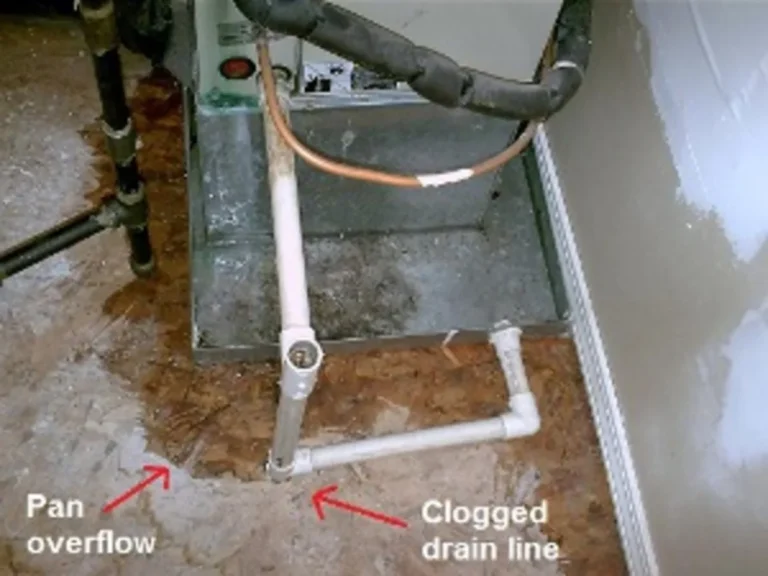
Strange noises from your AC unit, like grinding, buzzing, or hissing, often indicate a mechanical problem. A grinding noise might point to a worn-out compressor or fan motor bearing, while a hissing sound could signal a refrigerant leak. Water leaks are also a common concern.
This typically happens when the condensate drain line is clogged, preventing the moisture removed from the air from draining away properly, leading to overflow.
Keeping Your AC in Top Shape
Regular maintenance is key to ensuring your air conditioner runs efficiently and lasts longer. Neglecting basic upkeep can lead to a decline in cooling performance, higher energy bills, and premature system failure. Think of it like changing the oil in your car; it's a small task that prevents bigger problems down the road.
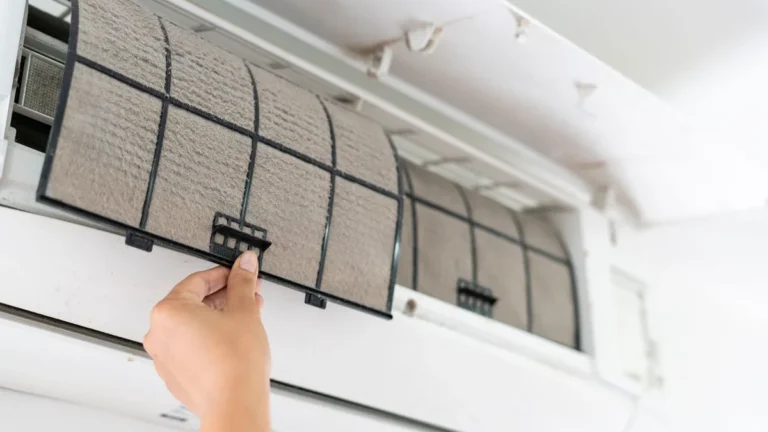
The most impactful maintenance task you can perform yourself is changing or cleaning the air filter. A clogged filter restricts airflow, making the AC work harder and reducing its ability to cool. Manufacturer guidelines often recommend checking filters monthly and replacing them every 1-3 months, depending on usage and environmental factors like dust or pet dander.
Routine Maintenance Essentials
Beyond filter changes, several other routine tasks are essential for AC health. Cleaning the condenser coils on your outdoor unit is vital. These coils can become covered in dirt, leaves, and debris, hindering their ability to release heat.
Our research indicates that dirty condenser coils can reduce cooling efficiency by up to 50%. Many homeowners can clean these coils themselves with a hose and a coil cleaner, following manufacturer instructions.
Another important check involves ensuring the condensate drain line is clear. This line carries away the moisture removed from your indoor air. If it becomes clogged with algae or debris, water can back up, potentially causing water damage or system shutdown.
Professional technicians also recommend annual inspections to check refrigerant levels, electrical connections, and overall system performance.
Simple Troubleshooting Steps
If your AC isn't cooling properly, a few simple troubleshooting steps can sometimes resolve the issue. First, check your thermostat to ensure it's set to "Cool" mode and that the temperature is set lower than the current room temperature. Next, inspect the air filter; if it’s dirty, replace it.
Then, check the circuit breaker for your AC unit, it might have tripped.
If your outdoor unit fan isn't spinning, turn off the power to the unit immediately and call a professional. This could indicate a problem with the fan motor or capacitor. Similarly, if you hear unusual noises or notice refrigerant leaks (often indicated by a hissing sound and oily residue), do not attempt to fix it yourself.
These situations require the expertise of a certified HVAC technician.
Why AC Efficiency Matters
Understanding how efficiently your air conditioner operates can have a significant impact on your utility bills and the environmental footprint of your home. Efficiency ratings help you compare different models and understand how much energy they consume for the amount of cooling they provide. This is where metrics like SEER come into play.
Decoding Energy Efficiency Ratings
The Seasonal Energy Efficiency Ratio (SEER) is the most common standard for rating central air conditioners. It measures cooling efficiency over an entire cooling season. A higher SEER rating indicates a more energy-efficient unit.
For example, as of 2026, federal minimum SEER ratings are typically 13 or 14, depending on the region, but many units offer SEER ratings of 16, 18, or even higher. Choosing a higher SEER unit can lead to substantial energy savings over its lifespan, though these units often have a higher upfront cost.
Making Smart Choices for Savings
When selecting a new air conditioner or evaluating your current one, consider its SEER rating. While a higher SEER unit may cost more initially, the energy savings over time can offset this difference. For instance, upgrading from a 10 SEER unit to a 16 SEER unit can reduce cooling energy consumption by about 37.5%.
It’s also worth noting that ENERGY STAR certified ACs meet strict energy efficiency guidelines set by the U.S. Environmental Protection Agency, offering a reliable way to identify energy-saving models.
Comparing AC Systems: Central vs. Window Units
Not all air conditioners are created equal, and the type you choose will significantly impact how it cools your room or home. The two most common categories are central air conditioning systems and window (or portable) air conditioning units. Each has its own strengths, weaknesses, and ideal use cases.
Central Air Conditioning Explained
A central AC system cools an entire house or building through a network of ducts. It consists of an outdoor unit (containing the compressor and condenser coil) and an indoor unit (containing the evaporator coil and air handler/fan). This system offers whole-home cooling, consistent temperatures, and often integrates with your heating system.
Its main drawback is the higher installation cost and complexity.
Window and Portable Units
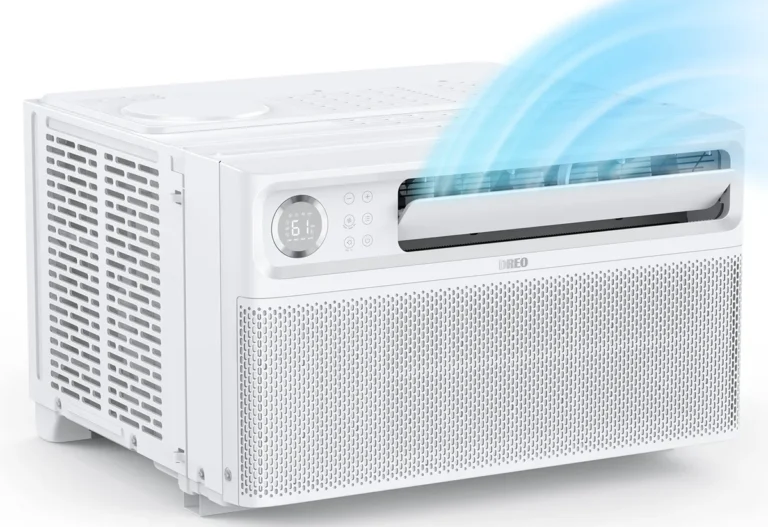
Window AC units are self-contained systems designed to cool a single room. They are installed in a window or wall opening, with the hot components facing outside and the cool air blowing into the room. Portable ACs are similar but sit on the floor and use a hose to vent hot air out a window.
These are generally less expensive and easier to install than central systems but are less efficient and only cool specific areas.
Central AC:
- Best for: Cooling entire homes or larger spaces.
- Pros: Consistent cooling, energy-efficient for whole-home coverage, integrates with heating.
- Cons: High initial cost, complex installation, requires ductwork.
Window/Portable AC:
- Best for: Cooling single rooms or smaller apartments.
- Pros: Lower upfront cost, easy to install, good for targeted cooling.
- Cons: Less energy-efficient per BTU, can be noisy, obstructs window views (window units).
Real Scenarios: Cooling a Specific Room
Let's look at how different AC solutions fit specific cooling needs. The "right" AC isn't just about its technical specifications, but how well it meets your practical requirements.
Cooling a Studio Apartment
For a studio apartment, a single window AC unit or a powerful portable AC unit is often the most practical and cost-effective solution. These units can be placed to efficiently cool the main living/sleeping area. Look for units with a cooling capacity (BTU) appropriate for the square footage of the apartment.
For instance, a studio around 300-400 square feet might need a 6,000-8,000 BTU unit.
Cooling a Larger House
A larger house, especially one with multiple floors or distinct zones, typically requires a central air conditioning system. This ensures consistent and efficient cooling throughout the entire dwelling. If a full central system isn't feasible, a "mini-split" ductless system, which has an outdoor unit connected to individual indoor air handlers, can be an option for zoning specific areas or rooms without existing ductwork.
Frequently Asked Questions About AC Cooling
How long does it take for an AC to cool a room?
It typically takes an AC unit anywhere from 15 to 60 minutes to significantly cool a room, depending on its size, the unit's BTU capacity, the starting temperature, and humidity levels. A properly sized unit should achieve your set temperature within an hour.
Can AC units remove humidity?
Yes, AC units are very effective at removing humidity from the air. As the system cools the air over the evaporator coil, moisture condenses onto the coil and is drained away, thus dehumidifying the room.
What happens if my AC runs constantly?
If your AC runs constantly without reaching the set temperature, it indicates a problem. This could be a low refrigerant charge, a dirty filter or coil restricting airflow, an oversized or undersized unit for the space, or an issue with the thermostat. You should investigate or call a technician.