Can an AC Reduce Humidity?
Let's talk about that sticky, muggy feeling that makes the air feel thick. You know, the one that makes your hair frizz up and your skin feel clammy, even when the thermometer isn't screaming hot. A big part of that discomfort is actually humidity, and you might be wondering if your air conditioner can do anything about it.
The short answer is yes, absolutely! But it's not quite as simple as flipping a switch and expecting perfect dryness. Think of your AC as having two main jobs: cooling the air and, as a byproduct of that cooling, removing moisture.
In our research, we've found that understanding the interplay between cooling and dehumidification is key.
Quick Answer
Yes, an air conditioner can reduce humidity. Its cooling process naturally condenses moisture from the air. However, its effectiveness depends on factors like unit size and operation cycles.
For optimal humidity control, proper unit sizing and thermostat settings are crucial.
How Your AC Tackles Moisture: The Science Bit
Your air conditioner's main mission is to cool your home, but it does a pretty good job of drying the air out while it's at it. This happens because of how it works internally. The entire process is driven by circulating refrigerant and managing heat transfer.
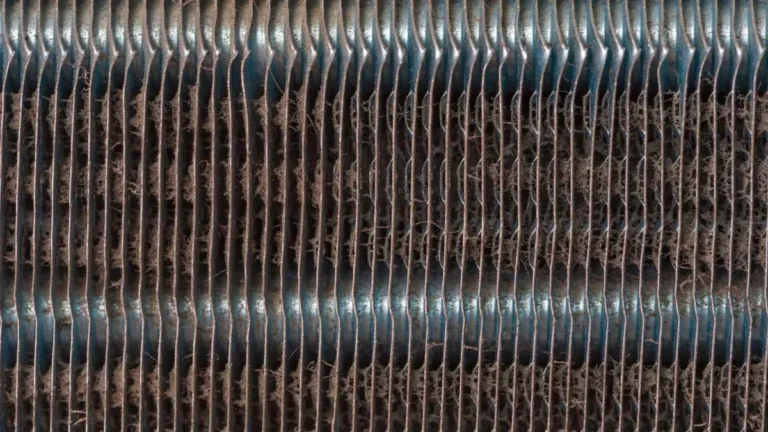
At the heart of this moisture-removal process are the cooling coils. These are essentially metal tubes, usually made of copper or aluminum, that get extremely cold when your air conditioner is running its cooling cycle. They're a critical component in creating that comfortable, drier air you enjoy.
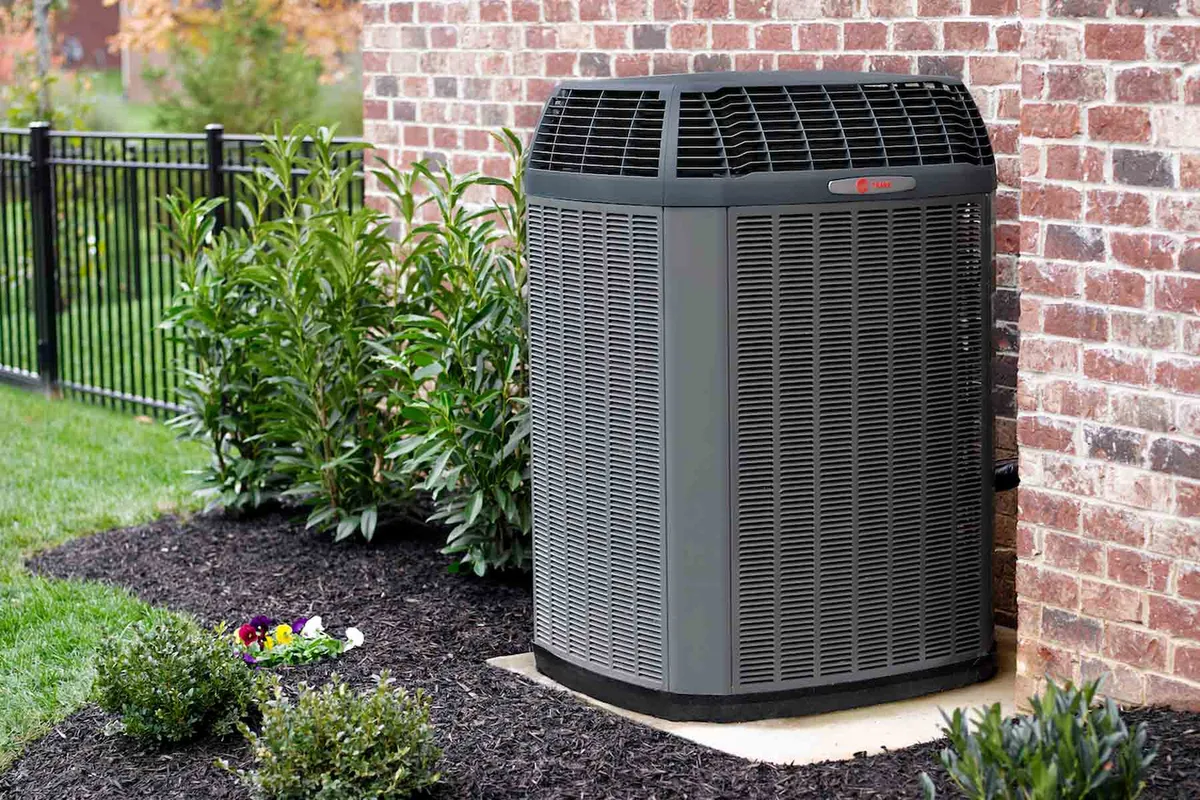
Image source: Web (Bing) / homeguide.com (Web image (fair-use with source credit))
Condensation and Drainage Explained
When warm, humid air from inside your house is drawn into the air conditioner, it passes over these super-cold cooling coils. As the air makes contact with the frigid surfaces, its temperature drops significantly. This rapid cooling causes the invisible water vapor suspended in the air to change state from a gas back into liquid water.
This process is called condensation, and it's exactly what happens on the outside of a cold glass of iced tea on a warm day. The water droplets that form on the cooling coils then collect in a specially designed drain pan. From there, it flows out of your home through a drain line, effectively removing the moisture from your indoor environment.
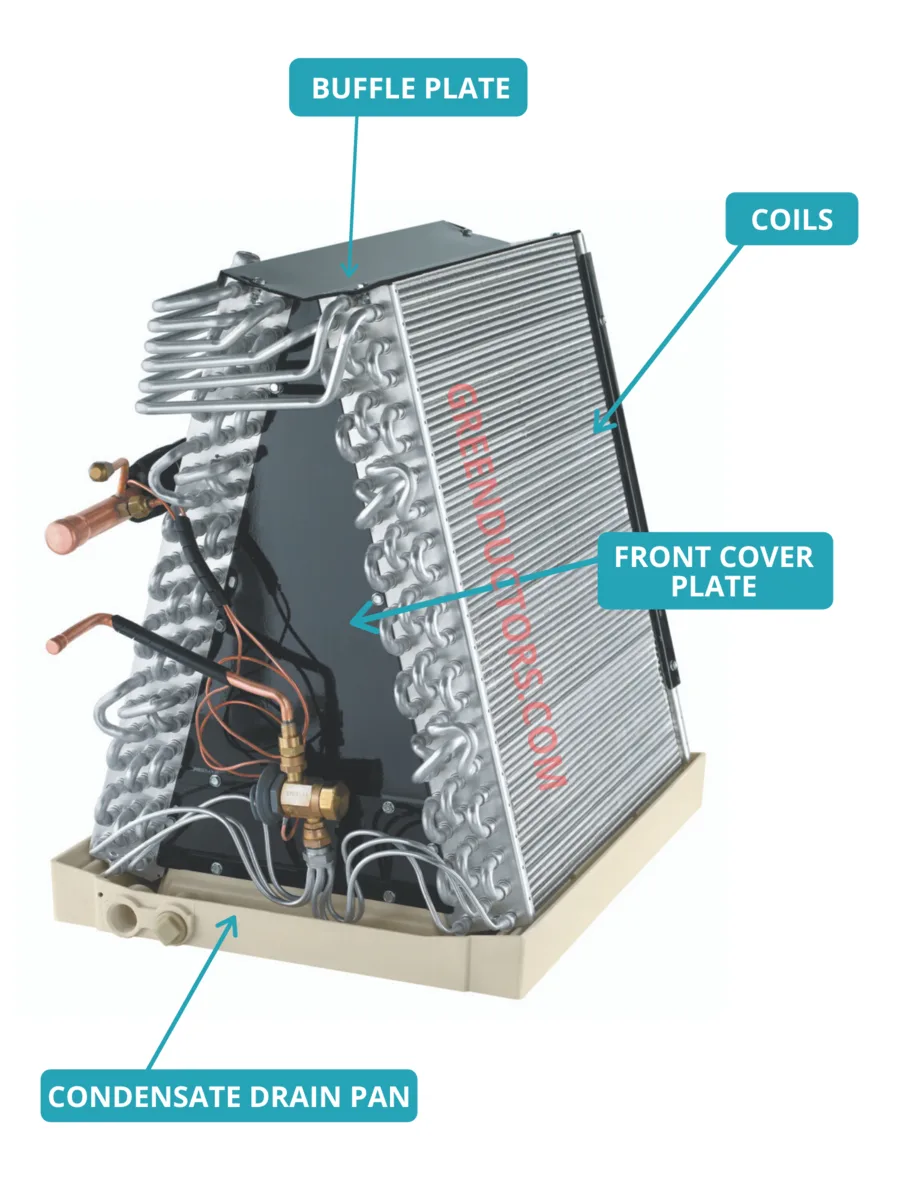
Image source: Bing (Web (fair-use with source credit))
When Your AC Isn't the Best Humidity Helper: Common Pitfalls
While your AC is a powerful tool for comfort, it's not a magic bullet for humidity. Sometimes, the way it operates can actually work against your goal of drier air. Several common issues can prevent your AC from effectively dehumidifying your home, leaving you feeling just as sticky as before.
One of the biggest culprits is improper unit sizing. If your air conditioner is too large for the space it's supposed to cool, it can create a different set of problems. This is a frequent mistake homeowners make when selecting a system.
AC Unit Size Matters: The Oversized Problem
An oversized air conditioner is a major reason why some homes can feel cool but still remain uncomfortably humid. Here's the deal: AC units are rated by their cooling capacity, typically in British Thermal Units (BTUs). When a unit is too large, it cools the air in a room very quickly.
This rapid cooling means the AC reaches your desired thermostat setting and shuts off much sooner than it should. The problem is, it hasn't run long enough to effectively complete the condensation and drainage cycle. Manufacturer specifications from organizations like the Air Conditioning Contractors of America (ACCA) recommend specific load calculations to ensure proper sizing for both cooling and dehumidification.
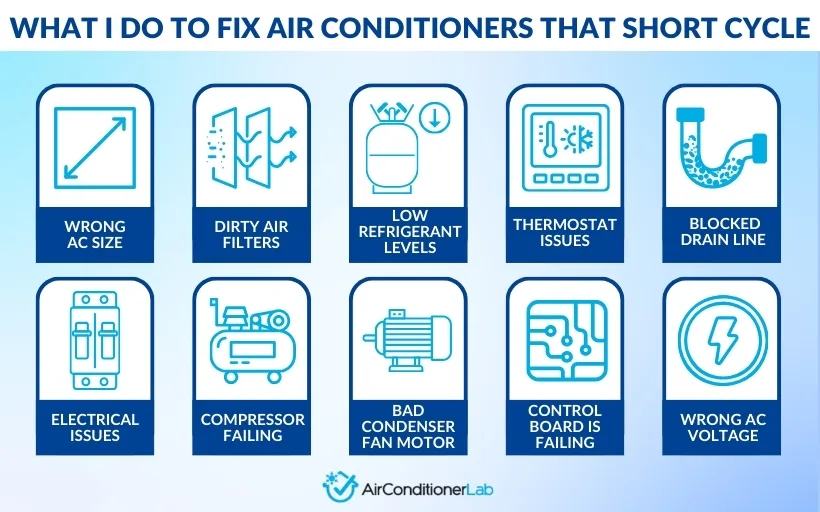
Image source: Bing (Web (fair-use with source credit))
Because it cycles on and off so frequently, it doesn't achieve the sustained run times needed to pull out a significant amount of moisture. You get a cool house, but the humidity lingers, making it feel less comfortable than it should. This phenomenon is often referred to as "short cycling."
Thermostat Settings and Fan Modes: What to Watch For
How you set your thermostat and fan can really impact your AC's ability to manage humidity. Most modern thermostats have a "cool" mode and a "fan" mode. In "cool" mode, the AC will automatically turn on its cooling system when the temperature rises above your set point and turn off when it reaches it.
The fan setting usually has two options: "auto" and "on." When the fan is set to "auto," it only runs when the air conditioner is actively cooling. This is generally the preferred setting for dehumidification because it ensures the air is always passing over the cold coils during the cooling cycle, maximizing moisture removal. If your fan is constantly running on "on," even when the AC isn't cooling, it's just circulating room air without removing any extra moisture.
Boosting Your AC's Dehumidifying Power
So, if your AC is sized correctly and you're using the "auto" fan setting, what else can you do to maximize its humidity-fighting capabilities? One key is to understand that your AC's primary job is cooling. If you're constantly adjusting the thermostat to achieve a lower temperature, you might be hindering its dehumidifying potential.
For instance, setting your thermostat too low on a very hot and humid day can cause the AC to run almost non-stop, but it might not achieve the ideal balance of cooling and drying. Our research indicates that sometimes, setting the thermostat a degree or two higher and letting the unit run for slightly longer cycles can result in better overall humidity control. This allows the cooling coils more time to work their magic.
It's also worth noting that some advanced AC systems and thermostats offer specific "dehumidify" modes. These modes might adjust the fan speed or compressor operation to prioritize moisture removal over aggressive cooling. If your system has such a feature, experimenting with it during periods of high humidity can be beneficial, especially when the outdoor temperature isn't extremely high.
When to Consider a Dedicated Dehumidifier: The Alternative
If you've tried optimizing your AC settings and are still struggling with persistent humidity, it might be time to look at a different solution: a dedicated dehumidifier. While your air conditioner does remove moisture as a secondary benefit, a dehumidifier is built with one sole purpose: to pull water from the air.
These standalone units are particularly effective in milder temperatures when the AC might not be running much. For example, on a cool, damp morning or a moderately warm, rainy afternoon, your AC might not kick on to cool, leaving humidity levels unchecked. A dehumidifier, however, will operate independently, actively drawing moisture out of the air regardless of the temperature.
For climates with consistently high humidity or in homes that experience moisture issues like basement dampness, a dedicated dehumidifier can offer superior results compared to relying solely on an air conditioner. They can often remove much more water per day than a standard AC unit. For instance, a typical 50-pint dehumidifier can remove up to 50 pints of water per day, a capability often exceeding that of a residential AC unit solely focused on cooling.
FAQ: Your Humidity & AC Questions Answered
Can my AC's "fan only" mode reduce humidity?
No, running your AC's fan on "auto" or "on" without engaging the cooling cycle will not reduce humidity. The cooling coils, which are responsible for condensing moisture, are only active when the air conditioner is actively cooling your home.
How much humidity can an AC actually remove?
The amount of humidity an AC can remove varies greatly depending on the unit's size, its efficiency rating (like SEER, Seasonal Energy Efficiency Ratio), and the specific environmental conditions (temperature and existing humidity levels). Manufacturer specifications often provide estimated moisture removal capacities under standard test conditions, but real-world performance can differ.
Is it better to set my AC thermostat lower for humidity or higher?
Generally, setting your thermostat slightly higher and allowing the AC to run for longer, more consistent cycles is better for dehumidification. Rapid on-and-off cycles from a very low setting can short-circuit the moisture removal process, leaving the air feeling cool but still damp.