Can an AC Cool Multiple Rooms?
So, you're wondering if your air conditioner can effectively cool more than just one room. It's a common question, especially as the weather heats up and you look for ways to make your whole home comfortable without breaking the bank. The short answer is: it depends, and the setup matters a lot.
Many factors play a role, from the size and type of your AC unit to the actual layout and insulation of your house. For instance, a system designed for a single zone might struggle to reach temperatures of 21 degrees Celsius (70 degrees Fahrenheit) in a distant bedroom if its capacity, measured in BTUs, is insufficient. Let's break down what you need to know.
Quick Answer
Yes, an AC can cool multiple rooms, but not always efficiently with a single unit. Central air conditioners are designed for whole-house cooling, while ductless mini-splits offer flexibility. Window or portable units typically struggle to cool more than one space effectively.
Proper sizing and home layout are crucial for successful multi-room cooling.
Cooling Multiple Rooms: What's Really Possible?
Not all air conditioners are created equal when it comes to spreading cool air around. Some are built for the job, while others are decidedly not. Your home's central air conditioner, if you have one, is your most likely candidate for cooling multiple rooms.
It uses a network of ducts to distribute conditioned air throughout the house. However, even central systems can face challenges if they're undersized or if ductwork is compromised.
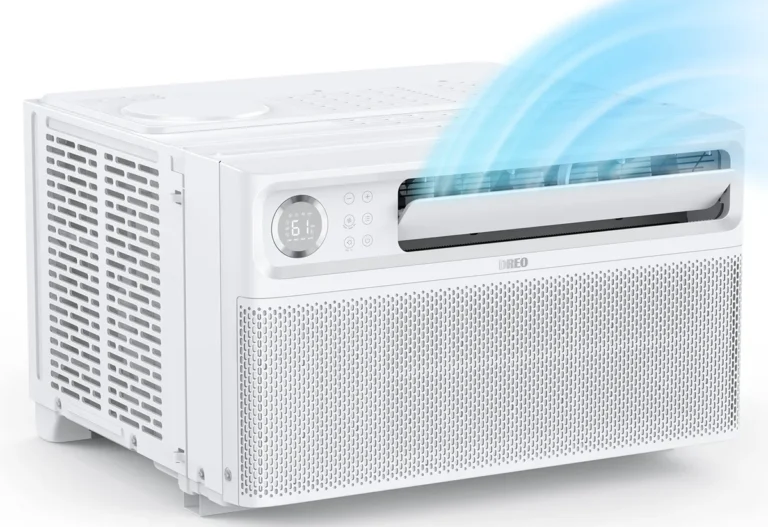
On the other hand, if you're relying on a window unit or a portable AC, you're generally looking at cooling a single, enclosed space. While you might feel a slight breeze from an adjacent room, achieving consistent comfort across multiple distinct areas with these units is usually unrealistic. We’ll look at how each type performs and what makes the difference.
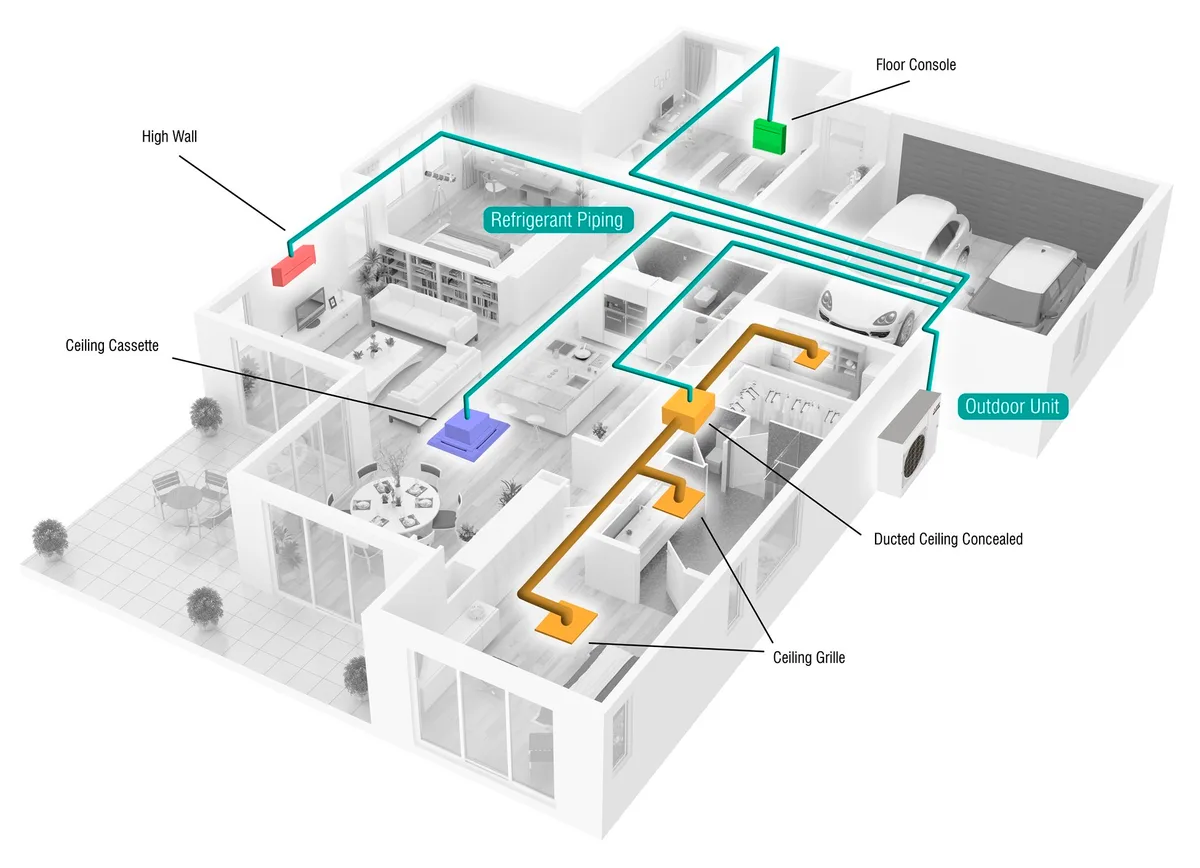
Image source: Bing (Web (fair-use with source credit))
The Key Factors: What Makes Multi-Room Cooling Work (or Not)
Several critical elements determine whether your AC can keep multiple rooms at a comfortable temperature. Ignoring these can lead to uneven cooling, wasted energy, and a system that’s constantly struggling. Getting these right, however, means a much more pleasant and efficient home environment.
Sizing Up Your AC: BTUs, Square Footage, and Your Home Layout
The most fundamental factor is your AC unit's capacity, measured in British Thermal Units (BTUs). A higher BTU rating means more cooling power. The U.S.
Department of Energy suggests general guidelines, like 5,000 BTUs for a 150-square-foot room, but this is just a starting point.
- Single Room: A window or portable AC might be rated for 8,000 to 12,000 BTUs, sufficient for a bedroom or small living area.
- Multiple Rooms: To cool multiple rooms with a single central AC, its total BTU output must be sufficient for the combined square footage of all the spaces you want to condition. The ASHRAE (American Society of Heating, Refrigerating and Air-Conditioning Engineers) standard for load calculation, known as Manual J, is what professionals use to accurately size central systems. It takes into account insulation levels, window types, climate, and even the number of occupants.
An undersized unit will run constantly without ever reaching the desired temperature, leading to premature wear and higher energy bills. Conversely, an oversized unit can short-cycle, meaning it turns on and off too frequently, which is inefficient and doesn't dehumidify the air properly.
Ductwork: The Unsung Hero (or Villain) of Multi-Room Cooling
For central air conditioning, the ductwork system is your invisible network for delivering cool air. If your ducts are leaky, poorly insulated, or improperly designed, cool air can escape into attics, crawlspaces, or walls before it ever reaches the rooms you want to cool.
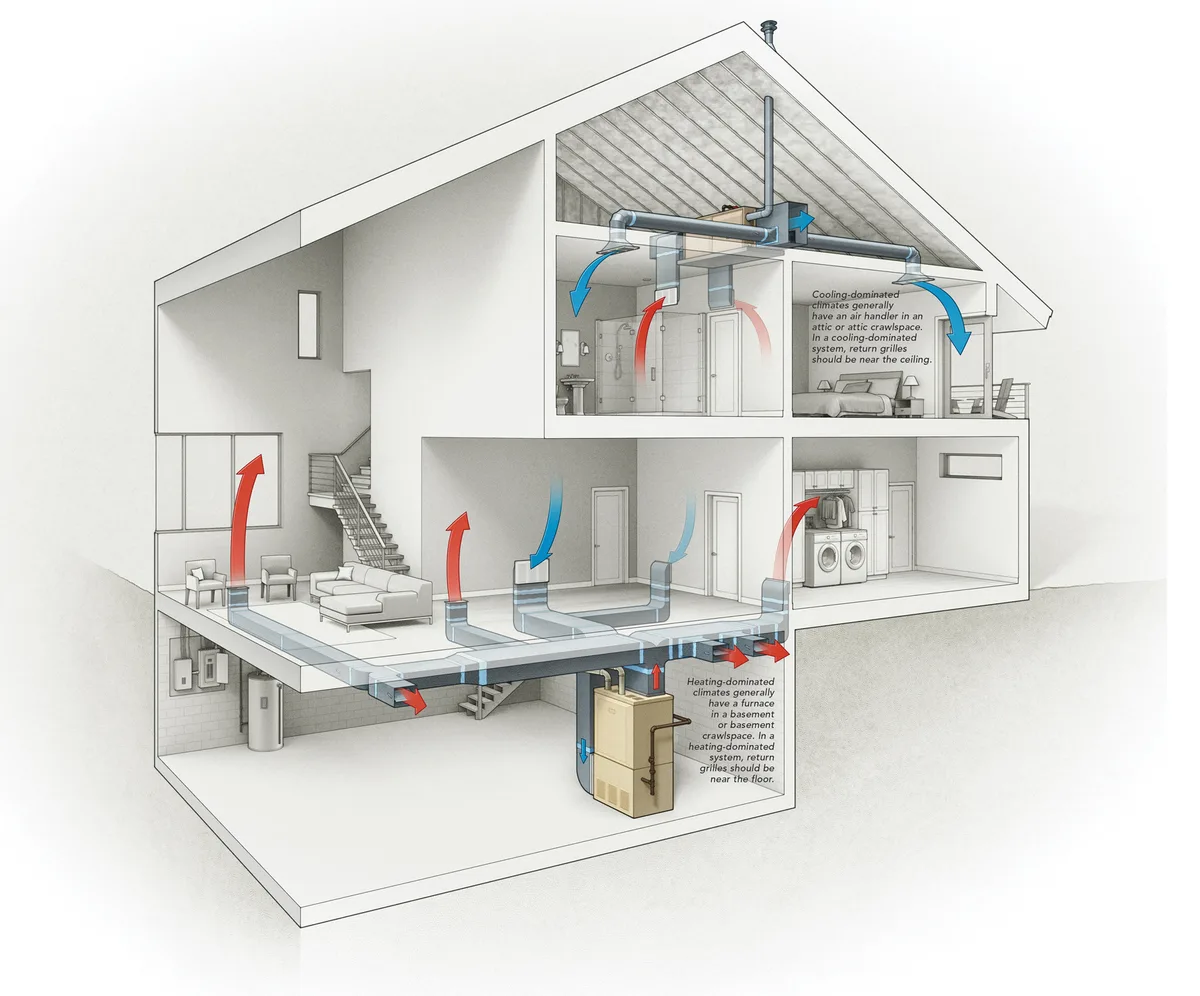
Image source: Web (Bing) / health.andalucia-heilbronn.de (Web image (fair-use with source credit))
- Leaky Ducts: Per the U.S. Department of Energy, duct leakage can account for up to 30% of your total cooling energy consumption. Sealing these leaks is critical for efficiency and ensuring air reaches its intended destination.
- Poor Design: If ducts are too narrow, too long, or have too many sharp bends, airflow can be restricted, leading to some rooms getting little to no cool air while others are over-cooled.
- Insulation: Ducts running through unconditioned spaces, like attics or garages, need to be well-insulated to prevent the cool air from picking up heat before it gets to your living areas.
Regular inspection and maintenance of your ductwork are as important as servicing the AC unit itself for effective multi-room cooling.
Zoning Systems: Taking Control of Your Cool
A zoning system is essentially dividing your home into different "zones" and giving you the ability to control the temperature in each zone independently, often using multiple thermostats. This is a game-changer for multi-room cooling, especially with central AC.
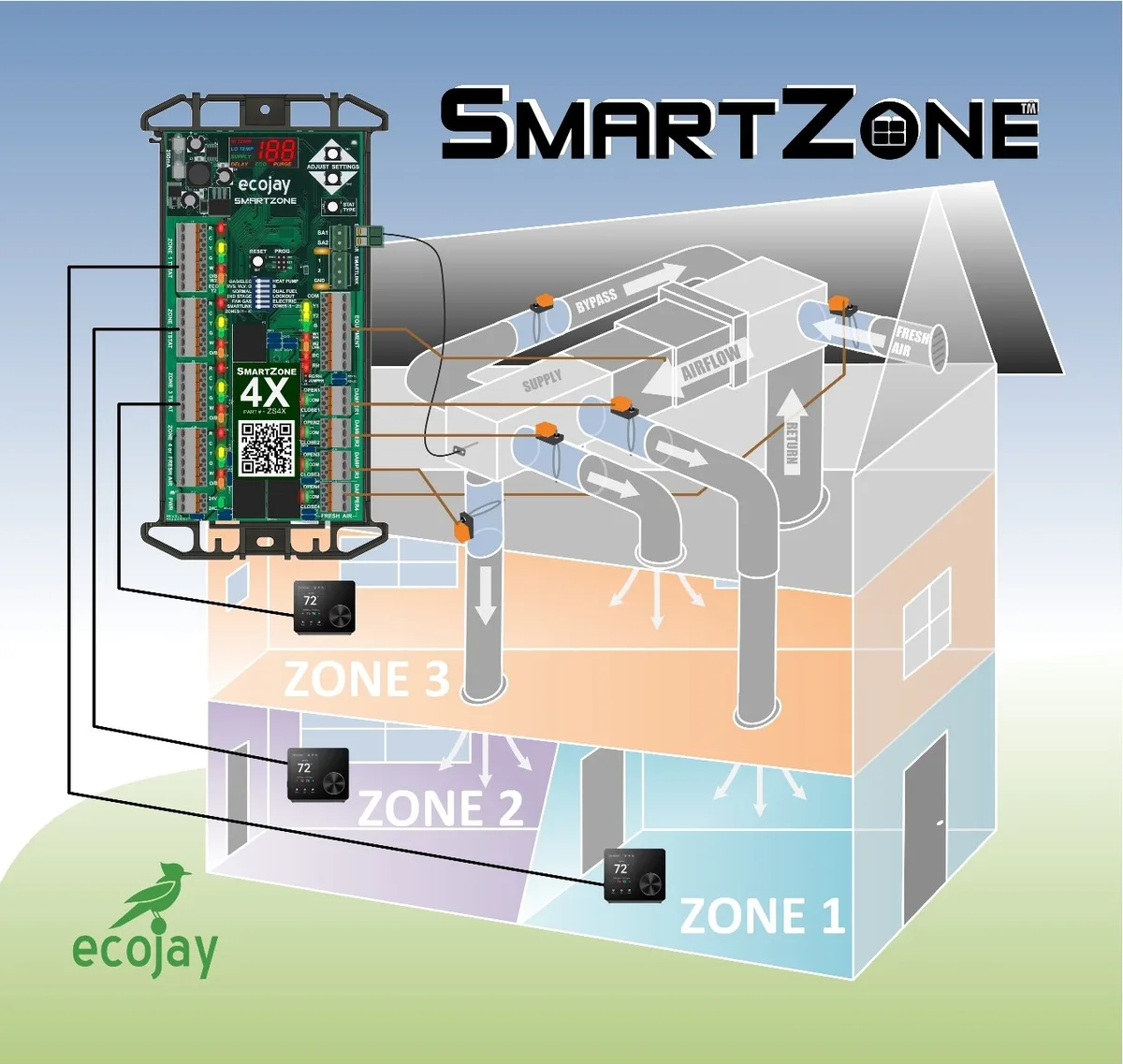
Image source: Web (Bing) / bestgearreviews.org (Web image (fair-use with source credit))
- How it Works: Dampers are installed within the ductwork. These dampers can open or close to allow or restrict airflow to specific zones. A smart thermostat for each zone then signals the dampers and the AC system accordingly.
- Benefits:
- Targeted Comfort: Cool only the rooms you're using, saving energy.
- Temperature Preferences: Accommodate different comfort levels for different family members.
- Efficiency: Reduces the strain on your AC unit by not forcing it to cool unused spaces.
- Reduced Hot Spots: Helps balance temperatures across larger homes.
Installing a zoning system can be a significant upfront investment but often pays for itself in energy savings and improved comfort over time. It's a sophisticated way to manage whole-house cooling.
When One AC Can Cool Multiple Rooms
For many homes, especially those with a well-designed central air system, cooling multiple rooms is the standard operation. If your home was built with central AC in mind, it’s likely equipped to handle this.
Central Air Systems: The Standard Approach
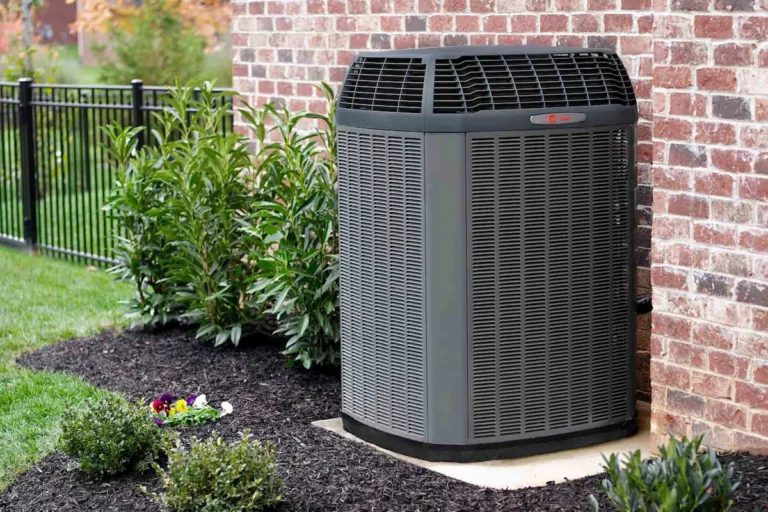
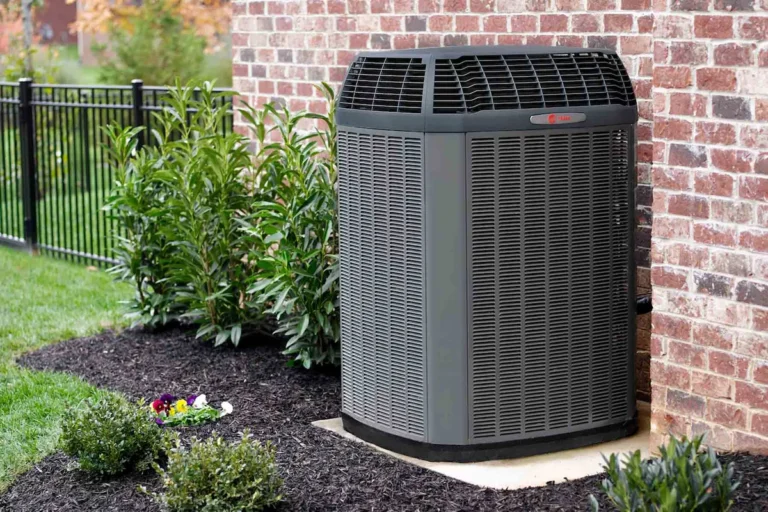
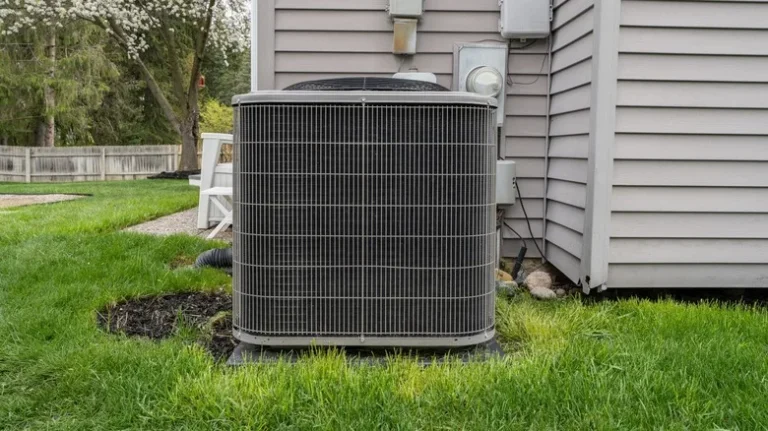
A central air conditioner is the most common and often most effective solution for cooling multiple rooms. It consists of an outdoor unit (the condenser and compressor) and an indoor unit (the evaporator coil, usually paired with your furnace).
- How it Works: The indoor unit chills the air, and a blower fan pushes this cooled air through a system of supply ducts to various rooms via vents. Return ducts pull warmer air back to the indoor unit to be cooled again, completing the cycle.
- Effectiveness: When properly sized for your home's total square footage and with a well-maintained duct system, central AC can maintain consistent temperatures across many rooms. The ENERGY STAR program offers guidelines on selecting energy-efficient central air conditioners, which can help manage cooling costs.
If you have existing ductwork, this is often the most straightforward path to multi-room cooling. However, the condition and design of that ductwork are paramount.
Ductless Mini-Split Systems: A Flexible Solution
Ductless mini-split systems offer a fantastic alternative, especially for homes without existing ductwork or for targeted cooling of specific zones or additions. They provide a highly efficient way to cool multiple rooms.
- Components: These systems have an outdoor compressor/condenser unit connected to one or more indoor air-handling units (evaporators) mounted on walls or ceilings in different rooms. The connection is made via a conduit that carries refrigerant lines, power, and condensate drain.
- Multi-Room Capability: You can install multiple indoor units, each serving a different room or zone, all connected to a single outdoor unit. Each indoor unit has its own thermostat and remote control, allowing for independent temperature management in each space.
- Efficiency: Mini-splits are known for their high energy efficiency and quiet operation. They avoid the energy losses associated with leaky or uninsulated ductwork, making them a great choice for precise multi-room cooling.
This system is ideal for homes with challenging layouts, older homes where adding ducts is difficult, or when you want the flexibility to cool only specific areas.
When One AC Can't Cool Multiple Rooms Effectively
Sometimes, the dream of one AC unit cooling your whole house just isn't realistic. This often happens when you're relying on smaller, less powerful units not designed for whole-home coverage or when specific room conditions work against air circulation. Understanding these limitations is key to avoiding frustration and wasted energy.
Overwhelmed Window Units
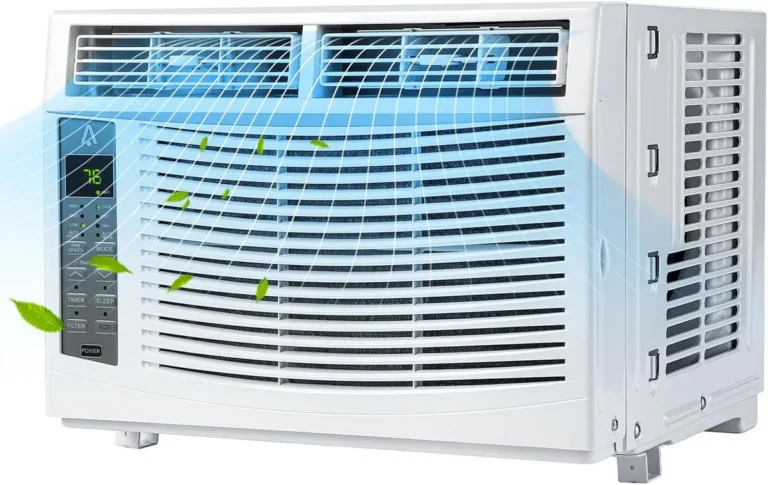
Window air conditioners are built to tackle a single, enclosed space. Their cooling capacity is measured in BTUs, and once that capacity is exceeded, the unit struggles. Trying to cool multiple rooms with a single window unit is generally ineffective.
- Limited Airflow: These units push air out from one side. The further that air has to travel to reach another room, the less cool it will be. Doors need to be open, which defeats the purpose of independent room control and can lead to warm air infiltrating from other parts of the house.
- Efficiency Drop: When a unit is constantly running at its maximum, trying to cool too large an area, its efficiency plummets. This means higher electricity bills for less comfort. Manufacturer specifications typically list a recommended square footage range for each BTU rating.
If you have multiple rooms that need cooling, it's usually best to use separate, appropriately sized window units for each, or consider a more robust system.
Portable AC Limitations
Similar to window units, portable air conditioners are designed for single-room cooling. They sit on the floor and exhaust hot air through a hose that typically runs out a window. While they offer flexibility in placement, they are not suited for multi-room cooling.
- Design for Single Spaces: Their BTU ratings are meant for the volume of air within one room. Attempting to cool adjacent rooms means opening doors, which compromises the unit's effectiveness and creates an inefficient exchange of hot and cold air.
- Air Exchange: The exhaust hose system can also create a slight negative pressure, potentially drawing warm, humid air into the house from other areas if not perfectly sealed. This works directly against the goal of cooling multiple rooms.
While convenient for a specific bedroom or office, a portable AC is not a solution for conditioning an entire floor or house. You'd need one unit per room for any meaningful multi-room effect, which quickly becomes impractical and expensive.
Common Mistakes When Cooling Multiple Rooms
When people try to cool multiple rooms with a single AC unit, or even with multiple units, several common mistakes can derail their efforts. Avoiding these pitfalls is crucial for achieving comfort and efficiency.
- Undersizing the Unit: The most frequent error is using an AC unit with insufficient BTU capacity for the total square footage and heat load of all the rooms it's supposed to cool. This leads to the unit running constantly without ever reaching the desired temperature.
- Ignoring Airflow Obstructions: Closed doors, furniture blocking vents, or poorly designed ductwork can severely limit how far cool air can travel. Cool air needs a clear path to circulate effectively.
- Poor Insulation: If rooms are poorly insulated, or if ductwork runs through hot attics or unconditioned spaces without proper insulation, the cool air will lose its chill before it reaches its destination. This forces the AC to work harder and longer.
- Not Using Zoning: For central AC systems, failing to implement zoning when necessary means you're often cooling unused rooms, which is a waste of energy. Conversely, trying to force a single zone to cover too much area leads to inconsistent temperatures.
Understanding these mistakes helps you assess your current system or plan for a new one more effectively.
Maximizing Your Multi-Room Cooling: Expert Tips
Achieving consistent comfort across multiple rooms with your AC system is possible with a few smart strategies. These tips focus on optimizing what you have and understanding how to get the most out of your cooling efforts.
- Regular Maintenance: Schedule annual check-ups for your central AC system. A professional can ensure it's running efficiently, clean coils, and check refrigerant levels. For any AC, changing air filters every 1-3 months is essential for airflow and efficiency. Dirty filters are a major cause of reduced cooling.
- Seal Your Ducts: If you have central AC, inspect your ductwork for leaks. You can often use mastic sealant or special metal tape to seal joints and connections. The U.S. Department of Energy provides guidance on DIY duct sealing.
- Improve Insulation: Check insulation levels in your attic and walls. Proper insulation is critical for retaining cool air. If ductwork runs through unconditioned spaces, ensure it's well-insulated.
- Use Fans: Ceiling fans or oscillating fans can help circulate the cool air from your AC throughout rooms, making them feel cooler and allowing you to set your thermostat a few degrees higher without sacrificing comfort. This can lead to significant energy savings.
- Manage Sunlight: Use blinds, curtains, or solar film on windows, especially those facing south and west, to block direct sunlight and reduce the heat entering your home.
When to Consider a Whole-House Solution
If your current setup consistently fails to cool multiple rooms effectively, or if you're dealing with significant temperature imbalances, it’s time to look at more robust solutions. This is where investing in a system designed for multi-room cooling becomes a necessity for long-term comfort and efficiency.
- Central Air Upgrade: If your home has ductwork, upgrading or replacing an undersized or aging central AC unit can make a world of difference. Ensuring the system is correctly sized using a Manual J calculation by a qualified HVAC professional is paramount.
- Ductless Mini-Split Installation: For homes without ductwork, or for specific zones that are hard to cool, installing a multi-zone mini-split system is an excellent, energy-efficient option. You can add multiple indoor heads to cover several rooms from a single outdoor unit.
- Zoning for Central AC: If you have central air but struggle with hot and cold spots, a zoning system can be retrofitted into your existing ductwork. This allows for precise temperature control in different areas of your home, making your central system much more effective.
Making the move to a whole-house solution often involves a significant investment, but it typically pays dividends in consistent comfort, improved energy efficiency, and better overall home air quality.
Frequently Asked Questions
How do I know if my AC is powerful enough for multiple rooms?
Your AC is likely powerful enough if it's a central air system with properly sized ductwork, or a multi-zone mini-split system. For window or portable units, if they are struggling to cool one room, they certainly won't cool multiple rooms.
Can I use one portable AC to cool two rooms?
No, portable ACs are designed for single-room cooling. Trying to cool two rooms means opening doors, which significantly reduces efficiency and comfort. You'd need a unit per room or a central system.
What's the biggest mistake people make when trying to cool multiple rooms?
The biggest mistake is undersizing the AC unit for the total square footage and heat load of all the rooms. This leads to constant running, poor performance, and wasted energy.