What Is BTU in an Air Conditioner?
Ever squint at an air conditioner's box or specs sheet and wonder what all those numbers mean? You're definitely not alone. Understanding terms like BTU is key to actually getting the cooling you need without wasting money or ending up with a clammy room.
It's about more than just having a unit; it's about having the right unit for your space.
Our research shows that a common pitfall for homeowners is either buying an AC that's too small and runs constantly, or one that's too big and short-cycles. According to the Energy Star Program, selecting the correct size is crucial for both comfort and energy efficiency. This guide will break down BTU so you can make a smart choice.
Quick Answer: BTU Means Cooling Power
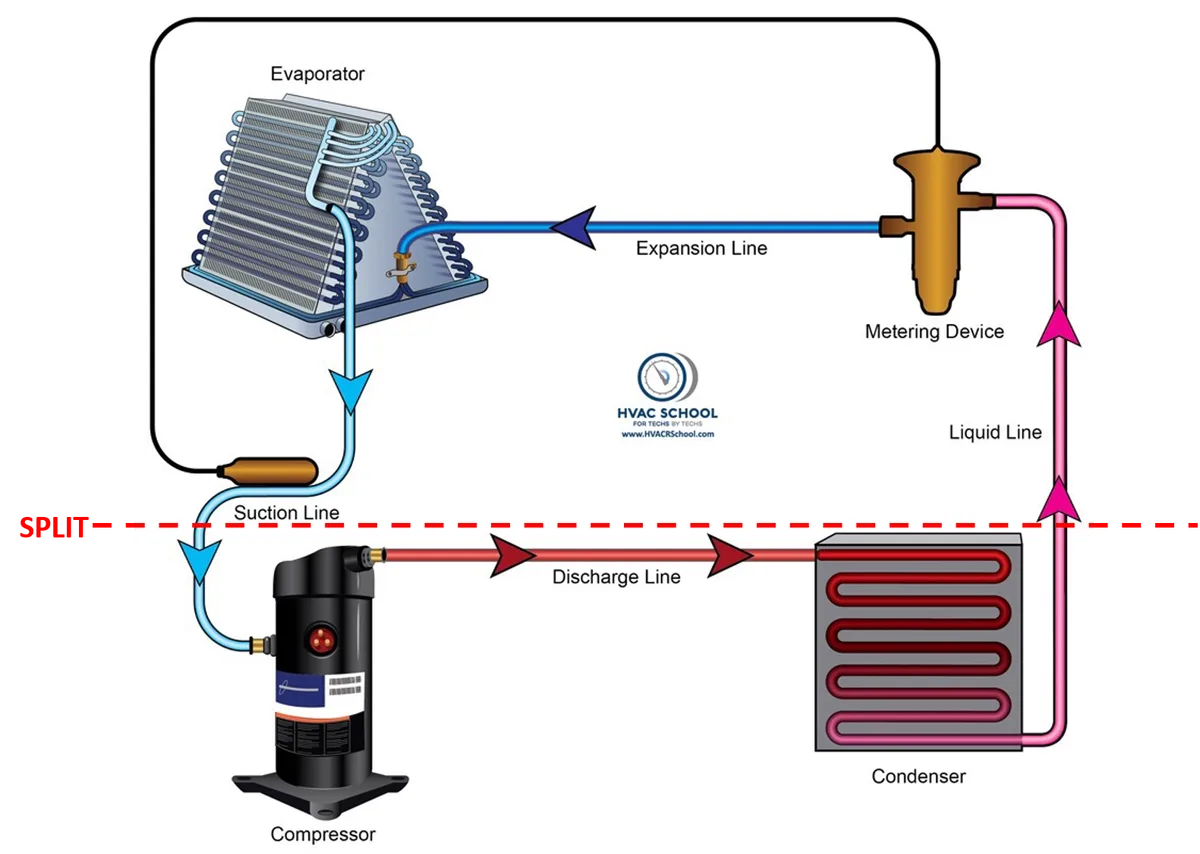
BTU stands for British Thermal Unit. It's a measurement indicating how much heat an air conditioner can remove from a room in one hour. A higher BTU rating means more cooling capacity.
For instance, a 5,000 BTU unit cools a smaller space than a 12,000 BTU unit. Properly matching BTU to room size prevents issues like constant running or insufficient cooling.
Core Explanation: What a BTU Actually Is
At its heart, BTU is just a standard unit of energy. When we talk about air conditioners, though, the "British Thermal Unit" specifically refers to the capacity of the unit to remove heat. Think of it as a score for how hard the air conditioner can work to make your room colder.
One BTU is the amount of heat needed to raise the temperature of one pound of water by one degree Fahrenheit. So, an air conditioner rated at, say, 10,000 BTU can take out 10,000 of those heat units from your room every single hour it's running. This measurement is foundational for understanding if a unit is appropriately sized for a given space.
Why BTU Matters: The Sweet Spot for Cooling
Choosing the right BTU rating for your air conditioner isn't just a suggestion; it's fundamental to effective cooling and energy efficiency. If your unit's BTU is too low for the space it's trying to cool, it'll run non-stop. It'll struggle to lower the temperature, constantly cycling on and off without ever reaching your desired comfort level.
This constant running not only fails to cool properly but also leads to higher electricity bills because it's always working overtime.
On the flip side, an air conditioner with too high a BTU rating can be just as problematic. These powerful units cool a room down incredibly fast. However, a key part of air conditioning is dehumidification, which happens as the air passes over the cold coils and condensation forms.
An oversized AC cools the space so quickly that it shuts off before it has a chance to remove enough moisture. This leaves the room feeling cold but still clammy and humid, which is uncomfortable and can even contribute to mold growth. Finding that "sweet spot" means the AC runs long enough to cool and dehumidify effectively, leading to optimal comfort and energy savings.
Choosing the Right BTU: A Step-by-Step Guide
So, how do you nail down the perfect BTU for your space? It boils down to a few key factors, with room size being the most critical.
Here's a general guideline to get you started:
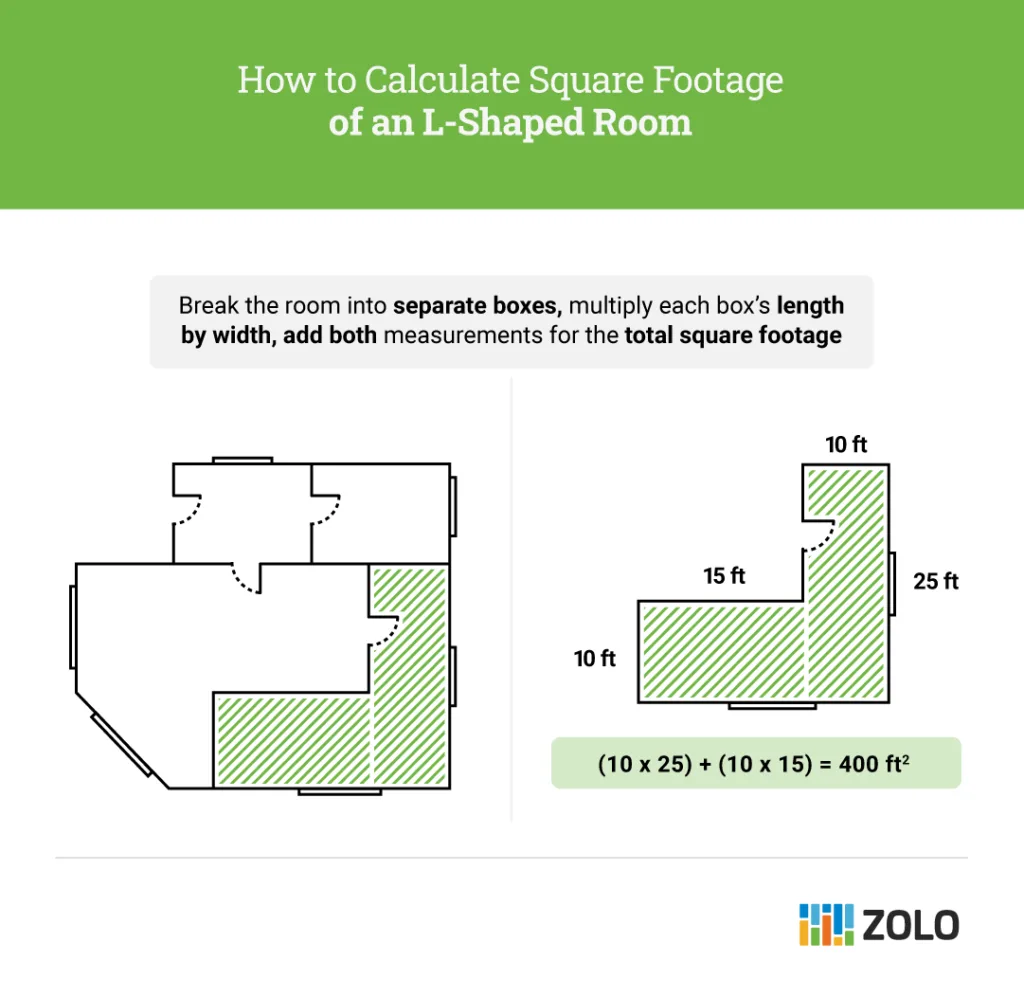
- Measure your room: Get the square footage of the area you want to cool. You can do this by multiplying the length of the room by its width.
- Consult a BTU chart: Use a reliable chart to find a starting BTU recommendation based on your square footage.
| Room Size (Square Feet) | Recommended BTU Range |
|---|---|
| 100 to 150 | 5,000 BTU |
| 150 to 250 | 6,000 BTU |
| 250 to 300 | 7,000 BTU |
| 300 to 350 | 8,000 BTU |
| 350 to 400 | 9,000 BTU |
| 400 to 450 | 10,000 BTU |
| 450 to 550 | 12,000 BTU |
| 550 to 700 | 14,000 BTU |
Adjusting for Extra Factors:
Once you have your baseline BTU, consider these:
- Sunny Rooms: If the room gets a lot of direct sunlight, especially during the hottest parts of the day, you might need to increase the BTU by about 10%.
- Occupancy: For areas that are often crowded, add roughly 600 BTU for every two people who will regularly be in the room beyond the first two.
- Kitchens: The heat generated by ovens, stoves, and refrigerators means kitchens usually need an extra 4,000 BTU.
- Ceiling Height: If you have unusually high ceilings (over 8 feet), you'll have more air volume to cool, so you may need to step up the BTU.
By taking these factors into account, you can refine your estimate and choose an AC unit that’s appropriately sized for optimal performance.
Factors That Affect Your BTU Needs
While square footage is your primary guide, several other environmental factors can significantly influence how much cooling power you actually need. Ignoring these can lead you back to the problems of an improperly sized unit. Aggregate user feedback and manufacturer specifications often highlight these critical adjustments.
Here’s a breakdown of what else to consider:
- Sun Exposure: A room that faces south or west and receives direct sunlight for many hours a day will heat up much faster than a shaded room. For very sunny spaces, our research suggests increasing the recommended BTU by up to 10%.
- Occupancy: Think about how many people typically use the space. Each person generates body heat. If a room frequently holds more than two people, you'll need to account for that extra heat load. A common guideline is to add about 600 BTU for each additional person beyond the first two.
- Kitchens: This is a big one. Ovens, stovetops, and even refrigerators all put out heat. For this reason, kitchens often require a higher BTU rating than a similarly sized living space. A general rule of thumb is to add around 4,000 BTU to the calculation for a kitchen.
- Insulation and Windows: The quality of your home's insulation and the type of windows you have play a role. Older homes with less insulation or drafty single-pane windows will lose cool air more easily and gain heat faster, potentially requiring a slightly higher BTU unit than a similarly sized, well-insulated modern home.
Factoring in these elements helps you move from a general recommendation to a more precise BTU requirement, ensuring your air conditioner works efficiently for your specific situation.
Common BTU Sizing Mistakes to Avoid
When picking out an air conditioner, getting the BTU rating right is crucial, and a few common mistakes can throw your choice off course. These errors usually stem from either overestimating or underestimating the cooling needs of a space. Avoiding them means your AC will perform better and last longer.
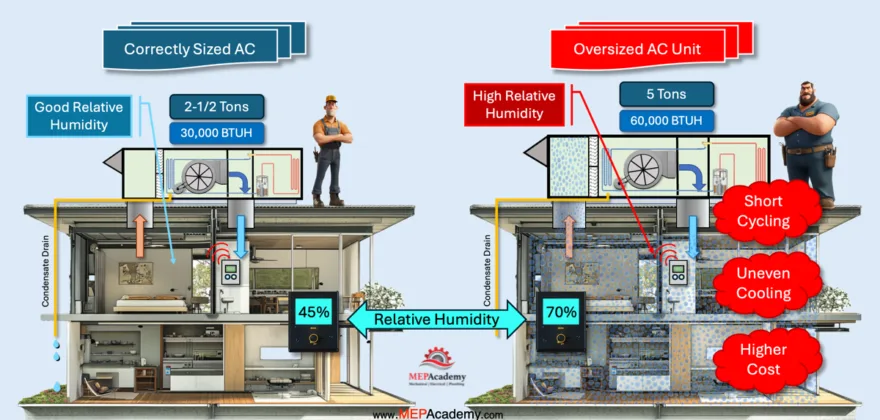
One of the biggest missteps is assuming "bigger is always better." Many people think a higher BTU unit will cool their space faster and more effectively, so they opt for the most powerful option available. However, as we've discussed, an oversized unit cools too rapidly and shuts off before it can properly dehumidify the air. This results in a room that feels cold but still damp and uncomfortable, and the frequent on-off cycling (short-cycling) can also put unnecessary strain on the unit's components, potentially reducing its lifespan.
Another frequent error is not accounting for additional heat sources or factors. People might stick to the basic square footage calculation without considering if the room is unusually sunny, frequently occupied by multiple people, or includes heat-generating appliances like those in a kitchen. Forgetting to add those extra BTUs for these conditions means you’re likely selecting an undersized unit.
This will cause the AC to run constantly, struggling to meet the demand, leading to poor cooling and wasted energy. Always remember to adjust your BTU calculation based on these real-world variables.
Comparing AC Units: What Else to Look For
Beyond just the BTU rating, several other factors significantly impact an air conditioner's performance and your overall satisfaction. While BTU dictates cooling capacity, these attributes determine how efficiently and effectively that cooling is delivered, and how long the unit will last. Manufacturer specifications often provide detailed data on these points, which can be crucial for making an informed purchase.
Energy Efficiency: Beyond Just BTU
An AC unit’s energy efficiency is often measured by its Energy Efficiency Ratio (EER) or Seasonal Energy Efficiency Ratio (SEER). Higher EER and SEER ratings mean the unit uses less electricity to produce the same amount of cooling. For example, a unit with a SEER rating of 15 is more efficient than one with a SEER of 10.
Choosing a higher-rated unit can lead to substantial savings on your electricity bills over the lifespan of the appliance, especially in hotter climates where the AC runs frequently. It's a worthwhile investment, even if the upfront cost is slightly higher.
Noise Levels and Features
Consider how much noise the air conditioner makes. Window units and portable ACs can sometimes be quite loud, which might be disruptive in bedrooms or living areas. Manufacturers often provide decibel (dB) ratings for their units, and lower numbers indicate quieter operation.
Look for features like programmable timers, multiple fan speeds, and remote controls, which add convenience and allow for better control over your comfort and energy usage. Some units also offer special modes, such as a "sleep mode" that gradually increases the temperature throughout the night to save energy and ensure a more comfortable rest.
Unit Type and Installation
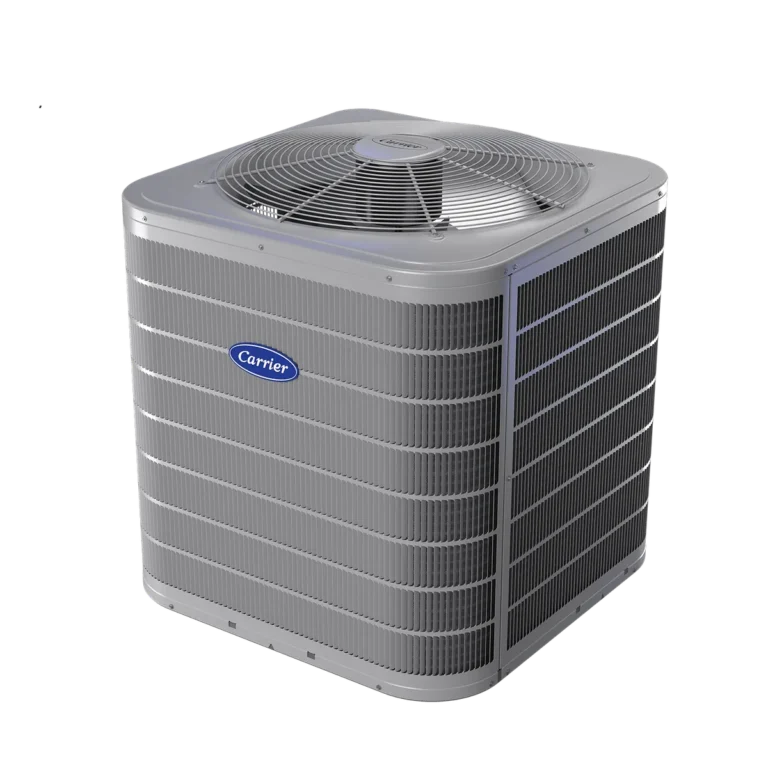
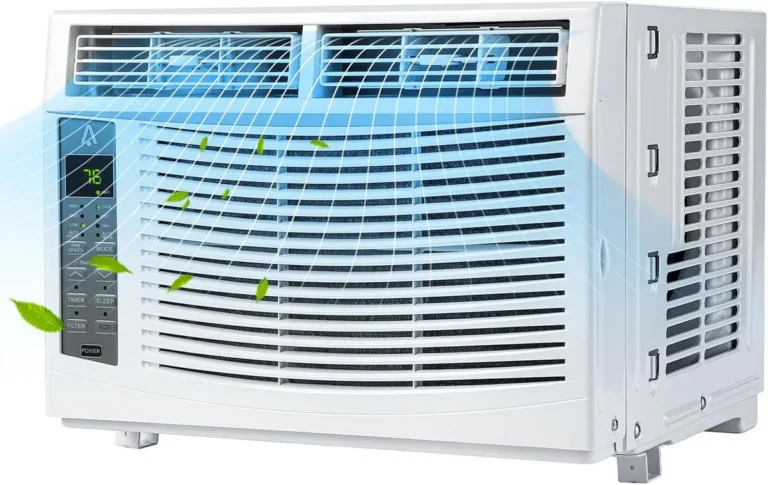
The type of air conditioner also plays a role. Window units are common for single rooms but can obstruct window views. Portable units offer flexibility but may be less efficient and often require venting through a window.
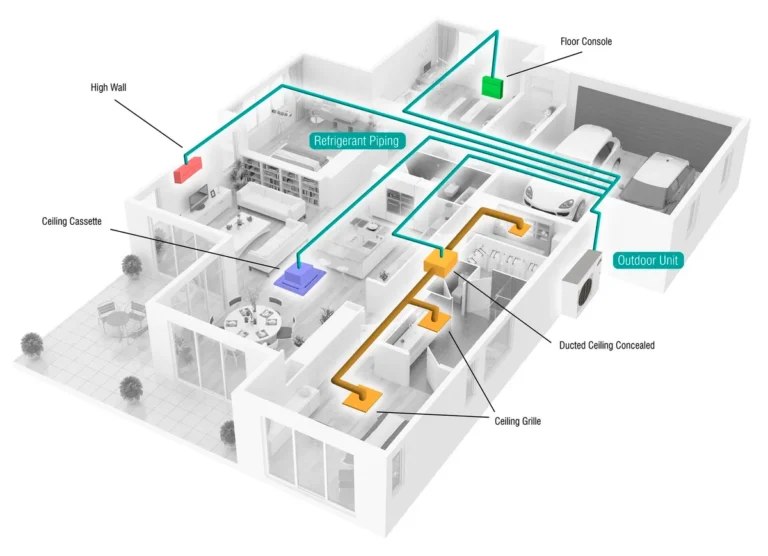
Ductless mini-split systems are highly efficient and quiet but typically require professional installation, which adds to the cost. Ensure the unit type you choose fits your space's requirements, ventilation options, and budget for installation.
FAQs: Your Top BTU Questions Answered
How long does it take for an air conditioner to cool a room?
The time it takes depends on the BTU rating, the room's size and insulation, and the starting temperature. A properly sized unit might cool a room effectively within 15-30 minutes. An undersized unit might struggle to cool it at all, while an oversized one might cool it too quickly and shut off before full comfort is achieved.
Can I use a portable air conditioner for a large space?
Portable air conditioners generally have lower BTU ratings compared to window units of the same price point. While they are convenient, they are typically best suited for smaller rooms or to supplement central air. For larger spaces, you'd likely need a unit with a significantly higher BTU rating, or multiple units, which might not be cost-effective.
Does the height of my ceiling affect the BTU I need?
Yes, ceiling height is a factor because it increases the total volume of air that needs to be cooled. Standard BTU charts are usually based on 8-foot ceilings. If your ceilings are considerably higher, you'll have more air volume to condition, and you should consider increasing the BTU rating of your air conditioner to compensate.
What happens if I ignore the BTU rating and just buy the cheapest AC?
If you buy the cheapest AC without considering the BTU rating, you risk ending up with a unit that's either too small or too large for your needs. An undersized unit will run constantly without adequately cooling, wasting energy and not providing comfort. An oversized unit will cool too quickly, failing to dehumidify properly, leaving the air feeling damp and clammy, and potentially causing premature wear on the appliance.