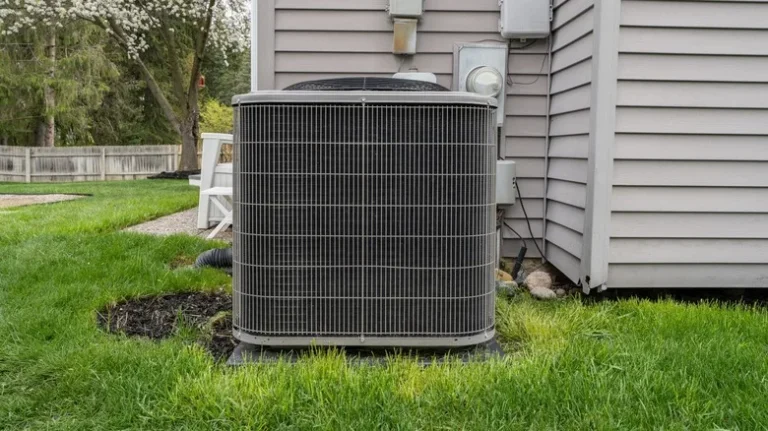
Why Does My AC Keep Turning on and Off?
Your air conditioner is cycling on and off more than usual, and it's making your home uncomfortable. This isn't just annoying; it can signal an underlying problem that might be costing you money or even damaging your system. Understanding why this happens is the first step to getting your AC running smoothly again.
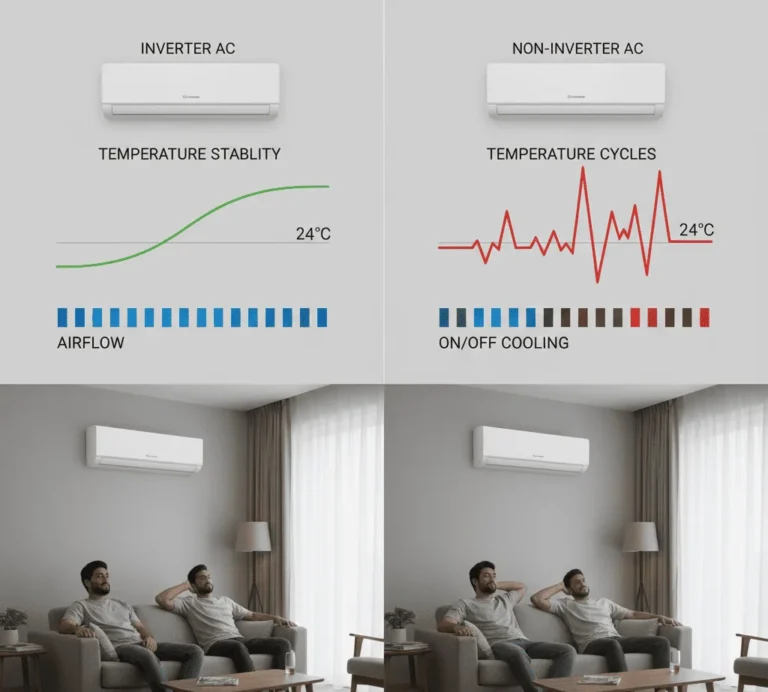
When your air conditioner works properly, it typically runs for a period of 10 to 15 minutes to cool your home down to the temperature set on the thermostat. After reaching that setpoint, it shuts off to save energy. Then, as the indoor temperature begins to rise again, it kicks back on to cool things down.
This normal on-and-off pattern is called the "cycle."
Quick Answer
Your AC keeps turning on and off frequently because of issues like a dirty air filter, low refrigerant, or thermostat malfunctions. These problems cause the system to overheat or lose cooling capacity rapidly. An oversized unit can also cycle too fast.
What's Happening: The AC Cycling Problem Explained
However, when your AC starts "short cycling," it means these cycles are much shorter than they should be, sometimes only running for a few minutes before shutting off, only to turn back on again shortly after. This constant starting and stopping puts a lot of stress on the system's components, especially the compressor, which is the heart of your AC. It also leads to uneven cooling and can significantly increase your energy bills because starting up uses more power than running.
Manufacturer specifications often outline ideal run times for efficiency and component longevity, and short cycling falls far outside these norms.
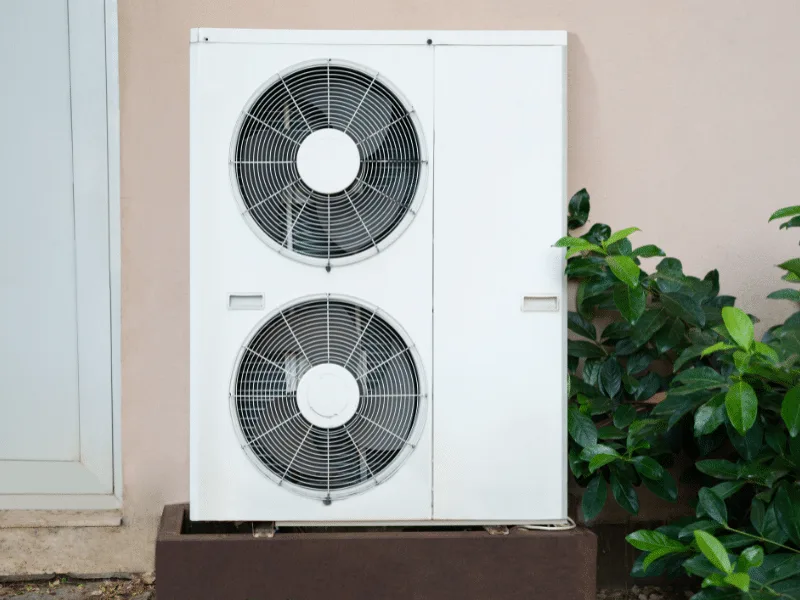
Image source: Web (Bing) / storage.googleapis.com (Web image (fair-use with source credit))
Common Causes for AC Short Cycling: A Diagnostic Checklist
Figuring out why your AC is acting this way involves looking at a few key areas. Many common issues are related to airflow, refrigerant, and the thermostat itself. Identifying the culprit can help you decide whether it's a DIY fix or time to call a professional.
Dirty Air Filter & Blocked Airflow
This is one of the most common and easiest-to-fix reasons for AC problems, including short cycling. Your air filter's job is to catch dust, pollen, and other airborne particles before they reach your evaporator coil and clog up your system. When the filter gets clogged, it restricts the amount of air that can pass through it and into your home.
This reduced airflow means your AC has to work much harder.
When airflow is severely restricted, the evaporator coil inside your home can get too cold, leading to ice formation. This ice further blocks airflow, and the system might shut down to protect itself or because it can no longer effectively cool.
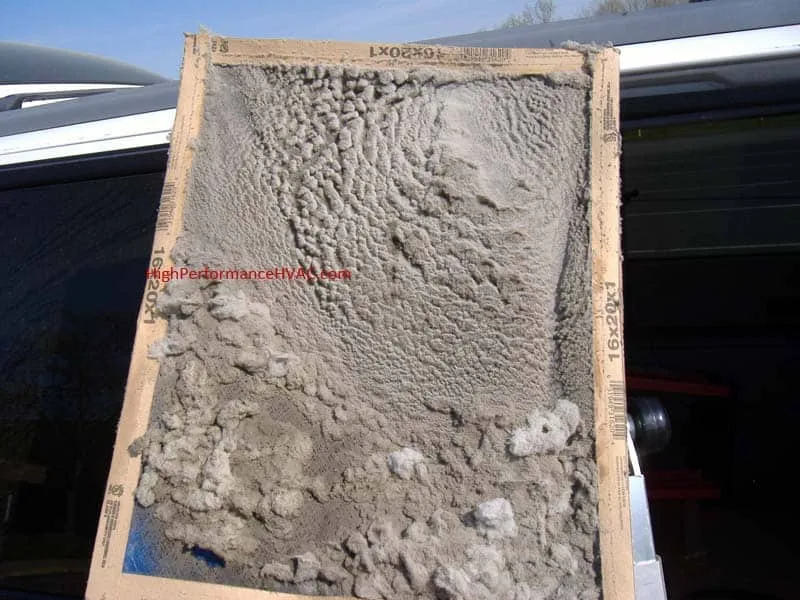
Image source: Web (Bing) / highperformancehvac.com (Web image (fair-use with source credit))
This can also happen if return air grilles are blocked by furniture or if supply vents are closed off. The system isn't getting enough air to circulate properly, causing it to overheat or freeze up. Manufacturers recommend checking and replacing your air filter every 1 to 3 months, depending on the filter type and household conditions.
Low Refrigerant Levels
Refrigerant is the vital substance that absorbs heat from your indoor air and releases it outside. If your AC system has a refrigerant leak, the amount of refrigerant will drop. This means the system can't absorb heat as efficiently.
When the refrigerant level is too low, the AC system struggles to cool your home. The compressor might overheat because it’s not getting the necessary cooling from the refrigerant flow. To prevent permanent damage, the system's safety mechanisms might cause it to shut down.
You might also notice the AC isn't cooling as well as it used to, or you might see frost forming on the refrigerant lines or the evaporator coil. The U.S. Environmental Protection Agency (EPA) regulates refrigerant handling and requires certified technicians for service.
Dirty Condenser or Evaporator Coils
Your AC has two main coils: the evaporator coil (inside) and the condenser coil (outside). Both need to be clean to do their job effectively.
- Evaporator Coil: This coil is responsible for absorbing heat from the air inside your home. If it gets covered in dirt and grime, it can't absorb heat efficiently. As mentioned earlier, this can lead to restricted airflow and freezing.
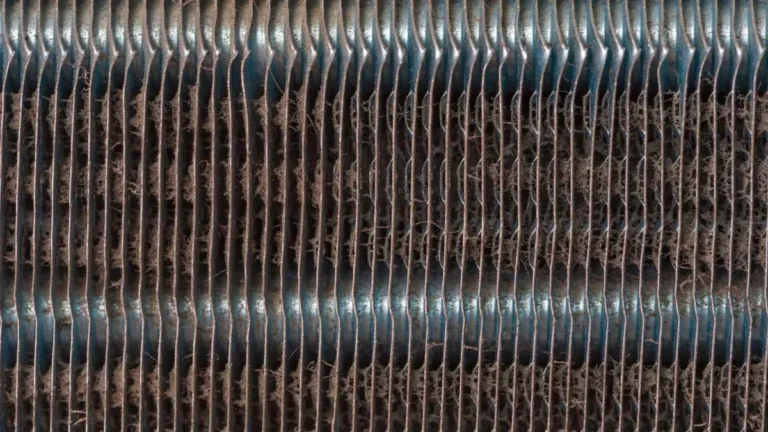
- Condenser Coil: Located in your outdoor unit, this coil releases the heat absorbed from inside your home into the outside air. If the fins of the condenser coil are blocked by dirt, leaves, grass clippings, or other debris, the heat can't dissipate properly. This causes the system's pressure and temperature to rise, forcing the unit to shut down to protect itself. Regularly cleaning these coils can improve efficiency by up to 15%, according to some energy-saving guidelines.
Thermostat Issues
The thermostat is the brain of your AC system, telling it when to turn on and off. If it's not working correctly, it can send faulty signals, leading to short cycling.
Common thermostat problems include:
- Dead Batteries: Many digital thermostats rely on batteries. If they're low or dead, the thermostat might not be able to maintain accurate settings or communicate properly with the AC unit.
- Incorrect Settings: It’s easy to accidentally bump a setting. Ensure your thermostat is set to "Cool" and the desired temperature is set below the current room temperature. If it’s set to "Auto" for the fan, it might turn the fan off while the cooling cycles, affecting airflow perception.
- Location: If the thermostat is in direct sunlight or too close to a heat source (like a lamp or television), it can sense a higher temperature than actually exists in the room. This will cause it to signal the AC to run more often, and potentially cycle on and off too quickly as it tries to reach a falsely high setpoint.
- Malfunction: Like any electronic device, thermostats can fail. A damaged sensor or internal circuitry can lead to erratic behavior.
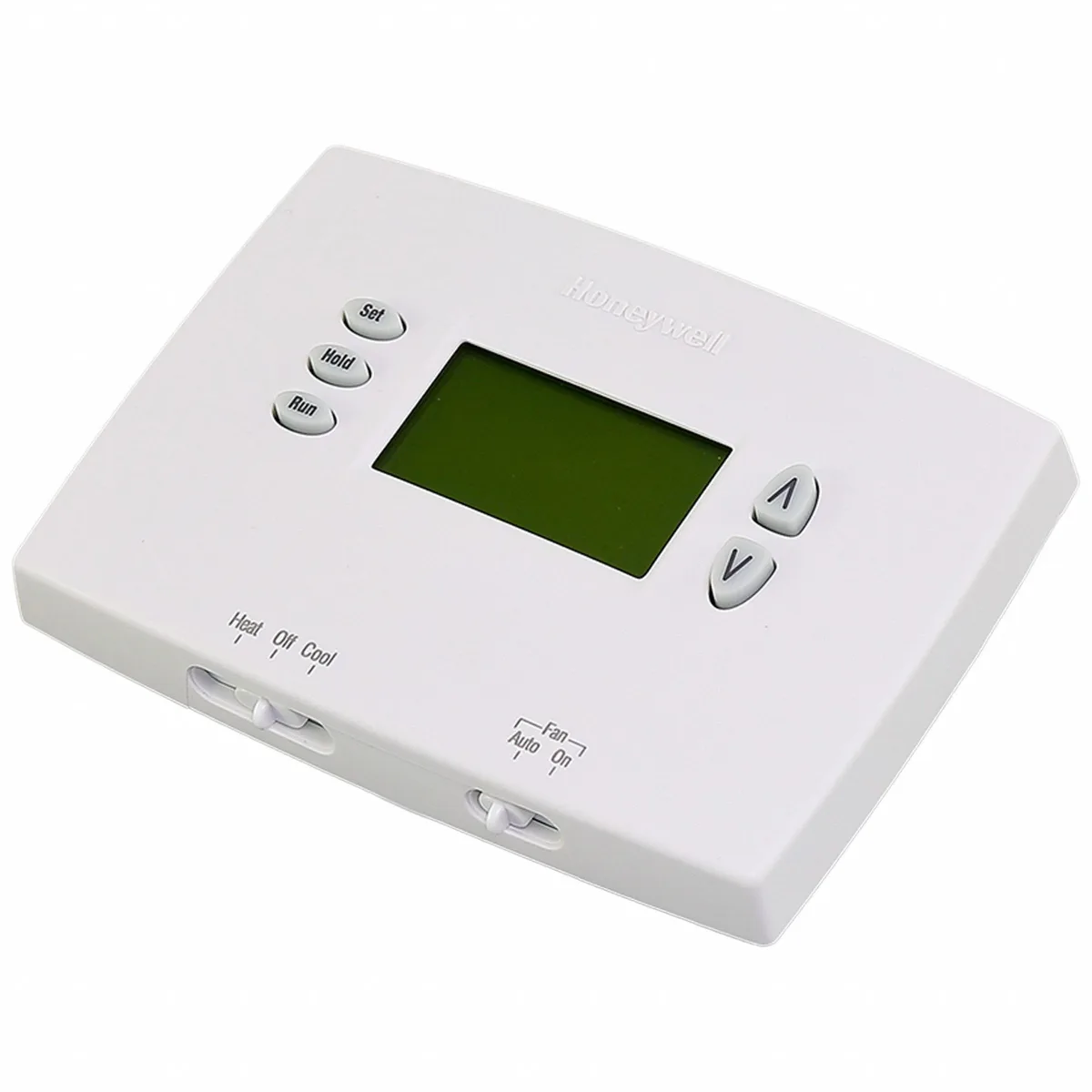
Image source: Web (Bing) / fity.club (Web image (fair-use with source credit))
Electrical Component Failures
The various electrical components within your AC system are crucial for its operation. If one of these parts starts to fail, it can cause the unit to cycle improperly.
- Capacitor: Capacitors help start the motors for the compressor and fan. If a capacitor is weak or failing, the motor might struggle to start or run, leading to the unit shutting off prematurely.
- Contactor: This is essentially a heavy-duty relay that sends power to the compressor and fan motors. If the contactor is worn or dirty, it might not make a consistent connection, causing the AC to turn on and off erratically.
- Circuit Breaker: Your AC unit has a dedicated circuit breaker in your home's electrical panel. If this breaker is faulty or undersized for the unit, it might "nuisance trip", shutting off the power to the AC before it's supposed to, even if there isn't a major electrical fault. Our research indicates that persistent breaker tripping often points to a system that's drawing too much amperage, possibly due to a failing component or a system issue that's overloading it.
How to Check Your AC's Basic Health (DIY Steps)
Before you even think about calling a technician, there are a few simple checks you can perform yourself. These aren't meant to replace professional diagnostics but can often reveal the cause of the problem and save you a service call fee if it's something straightforward.
Inspecting the Air Filter
This is the easiest and most important first step. Locate your AC system's air filter, it's usually near the return air duct or inside the air handler unit. Pull it out and hold it up to a light source.
If you can't see light through it, or if it looks visibly clogged with dust and debris, it needs to be replaced.
Checking Thermostat Settings and Batteries
Double-check your thermostat to ensure it’s set correctly for cooling. Make sure the mode is set to "Cool" and the temperature is set lower than the current room temperature. If your thermostat uses batteries, remove them and test them, or replace them with fresh ones.
Many digital thermostats have a low-battery indicator, but it’s not always reliable.
Listening for Unusual Noises
Pay attention to the sounds your AC unit makes. Is it making a buzzing, humming, clicking, or grinding noise? Are there hissing sounds, which could indicate a refrigerant leak?
Unusual noises often point to mechanical or electrical problems that need professional attention.
Visual Check of Outdoor Unit
Walk out to your outdoor condenser unit. Ensure it's clear of debris like leaves, grass clippings, or shrubbery that might be blocking airflow to the coils. You can gently hose down the exterior fins of the condenser unit to remove surface dirt, but be careful not to spray water directly into electrical components.
If you see ice on the refrigerant lines or the unit itself, that's a significant sign of a problem, likely related to airflow or refrigerant levels.
When to Call a Pro: Recognizing Serious Issues
While some AC issues are simple fixes, others require the expertise and specialized tools of a qualified HVAC technician. If you notice any of the following, it's best to stop troubleshooting yourself and schedule a professional service call. Attempting complex repairs without the right knowledge can be dangerous and may cause further damage.
Signs of Refrigerant Leaks
Refrigerant is a substance that your AC system uses to cool your home by absorbing heat. If you suspect a refrigerant leak, you'll often notice several key signs. One is that your AC simply isn't cooling as effectively as it should, even if it's running continuously.
You might also see ice forming on the evaporator coil (inside) or the refrigerant lines. A faint hissing sound coming from the unit could also indicate a leak. Because refrigerants can be harmful and their release is regulated, handling them requires specific certifications.
Electrical Component Concerns
Many AC problems stem from electrical issues, such as a failing capacitor or a worn-out contactor. These parts are critical for powering the system's motors. If you hear clicking sounds or the unit tries to start but then immediately shuts off, it might be related to these components.
Additionally, if the circuit breaker for your AC unit keeps tripping, it can signal an overload or a short circuit within the system. Diagnosing and replacing these parts involves working with live electricity and requires specialized knowledge and tools.
System Freezing Up
If you notice frost or ice buildup on any part of your AC system, especially the indoor evaporator coil or the refrigerant lines, it's a serious warning sign. Ice buildup typically occurs due to one of two main issues: either restricted airflow (like a dirty filter or blocked vents) or a low refrigerant charge. In either case, the system is not operating as intended and can be damaged if run in this state.
A frozen coil can lead to the compressor overheating and failing.
When you encounter these situations, it’s time to prioritize safety and system integrity by calling a professional HVAC technician. They have the diagnostic equipment, training, and certifications needed to safely identify the problem and perform the necessary repairs.
Common Mistakes When Your AC Cycles Too Much
When your air conditioner starts short cycling, it's tempting to try quick fixes or ignore it hoping it resolves itself. However, some common mistakes can actually make the problem worse or lead to more costly repairs down the line. Understanding these pitfalls can save you time, money, and frustration.
- Ignoring the Air Filter: This is the most frequent error. People often forget to check or replace their air filter regularly. A clogged filter is a primary cause of restricted airflow, which can lead to freezing and short cycling. Don't wait until the filter is completely opaque; check it monthly and replace it as needed, typically every 1-3 months depending on the filter type and your home environment.
- Blaming the Thermostat Incorrectly: While thermostat issues are common, people sometimes assume the thermostat is faulty without checking simpler things first. Ensure the batteries are fresh and the settings are correct. A thermostat placed in direct sunlight or near a heat vent can also cause incorrect readings, leading the AC to cycle improperly.
- Tampering with Refrigerant Levels: If you suspect low refrigerant, do not attempt to add more yourself. Refrigerant is a potent chemical that requires specific handling procedures and tools, and improper charging can damage your system or create safety hazards. Low refrigerant is usually a symptom of a leak, which needs professional detection and repair.
- Overlooking the Outdoor Unit: The condenser unit outside needs clear airflow. If it’s surrounded by overgrown plants or blocked by debris, it can't effectively release heat. Don't let plants grow too close; maintain at least 2 feet of clearance. Also, avoid running the AC when the outdoor temperature is below 60°F (15.5°C), as this can stress the system.
- Assuming it's "Normal": While ACs cycle, frequent, rapid on-and-off switching (short cycling) is not normal operation. It's a sign the system is working harder than it should, potentially leading to premature wear and tear on critical components like the compressor. Ignoring it can turn a minor issue into a major, expensive repair.
FAQs: Addressing Your AC Cycling Questions
How often should an AC cycle?
Typically, a properly functioning air conditioner should cycle on and off roughly every 10 to 15 minutes to maintain your desired temperature, and run for periods of 10-15 minutes at a time. Short cycling, where it runs for only a few minutes before shutting off, is not normal.
Can an oversized AC cause short cycling?
Yes, an AC unit that is too large for your home's square footage can cause short cycling. It cools the space too quickly and reaches the thermostat's set point before it has had adequate time to dehumidify the air. This leads to a feeling of clamminess and the system shutting off prematurely, then restarting soon after.
Is it dangerous if my AC keeps turning on and off?
While not an immediate safety hazard for most homeowners, persistent short cycling puts excessive strain on your AC's components, particularly the compressor. This can lead to premature wear and tear, reduced efficiency, and eventually costly repairs or premature system failure.
How much does it cost to fix AC short cycling?
The cost can vary widely depending on the cause. Replacing a dirty air filter might cost $5-$30. A thermostat replacement could range from $100-$300.
Refrigerant recharge and leak repair typically costs $300-$1000 or more, depending on the extent of the leak and refrigerant type. Electrical component replacement could also be in the $300-$800 range. If the unit is oversized, the solution might be partial system replacement, which is a significant investment.