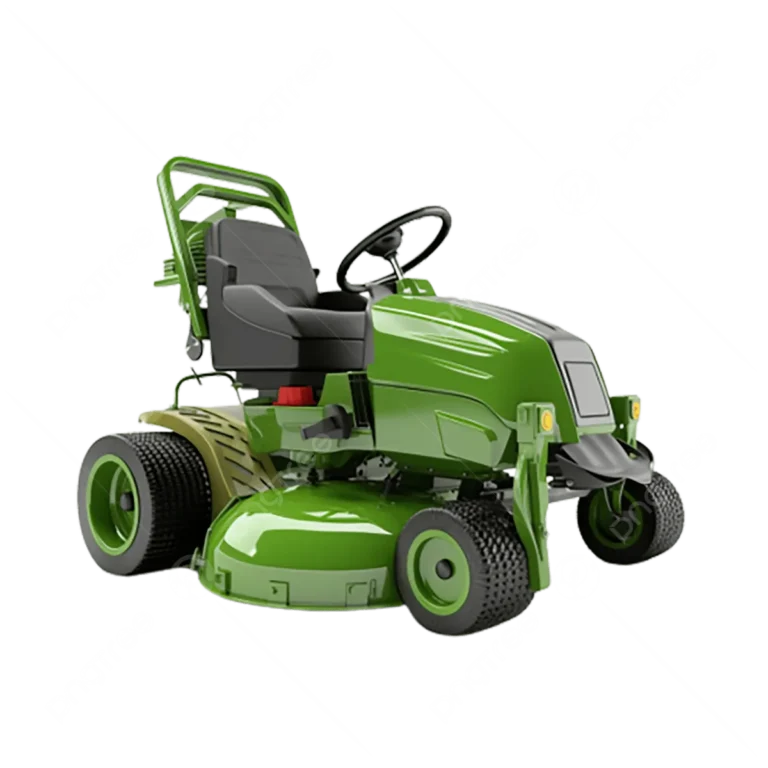
Why Does My Lawn Mower Clog With Grass?
Your lawn mower clogs with grass when the deck fills up faster than the airflow can push clippings out. If you've ever wondered why does my lawn mower clog with grass mid-mow, you're not alone. It's one of the most common lawn care frustrations.
Most of the time, a few causes pile on each other.
As of 2026, research shows that fresh grass clippings can hold up to 80 percent moisture by weight. A deck packed with wet grass loses suction almost instantly. University extension programs across the U.S. consistently recommend cutting no more than one-third of the grass blade length per pass.
The University of Minnesota Extension and others like it publish detailed turf care guidelines based on field research. Here's how the whole system works.
Quick Answer
Why does my lawn mower clog with grass? The deck fills with clippings too fast. Wet grass, tall grass, and dull blades cause most clogs.
Clean the deck, raise the cutting height, and sharpen the blade. These steps fix most clogs in under two minutes.
Why Does My Lawn Mower Clog with Grass? What's Really Happening
The short answer is airflow, moisture, and blade condition. When your lawn mower clogs with grass, it's almost never one single problem. It's usually two or three stacking on top of each other.

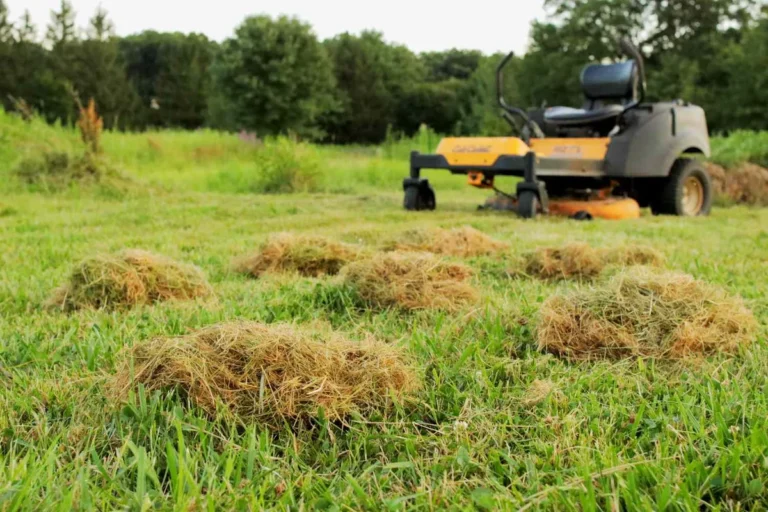
Image source: Bing (Web (fair-use with source credit))
Here are the most common causes, ranked by how often they show up:
- Wet grass. Clippings hold onto each other when moisture is high. They clump, pack down, and choke the deck.
- Tall grass. When you skip mowing for two weeks, you're asking the mower to handle double the volume. Most residential mowers aren't built for that.
- Dull blade. A sharp blade cuts cleanly. A dull one rips and tears, which creates longer, stringier clippings that tangle instead of flowing through the deck.
- Low cutting height. Setting the deck too low forces the mower to lift more grass material at once. That overwhelms the airflow.
- Dirty deck. Old, dried grass stuck to the underside reduces the space clippings have to move around. Every new clump sticks faster than the last.
Most homeowners hit at least two of these at the same time. If you mow after rain with a dull blade at height 1, you're going to clog. Every time.
How Mower Deck Airflow Works (and Why It Breaks Down)
A rotary lawn mower doesn't just spin a blade and hope for the best. The blade is designed to create lift. As it spins, the angled tips of a mulching or high-lift blade pull air up from the grass and push it toward the discharge chute or bag.
Think of it like a fan with a cutting edge.
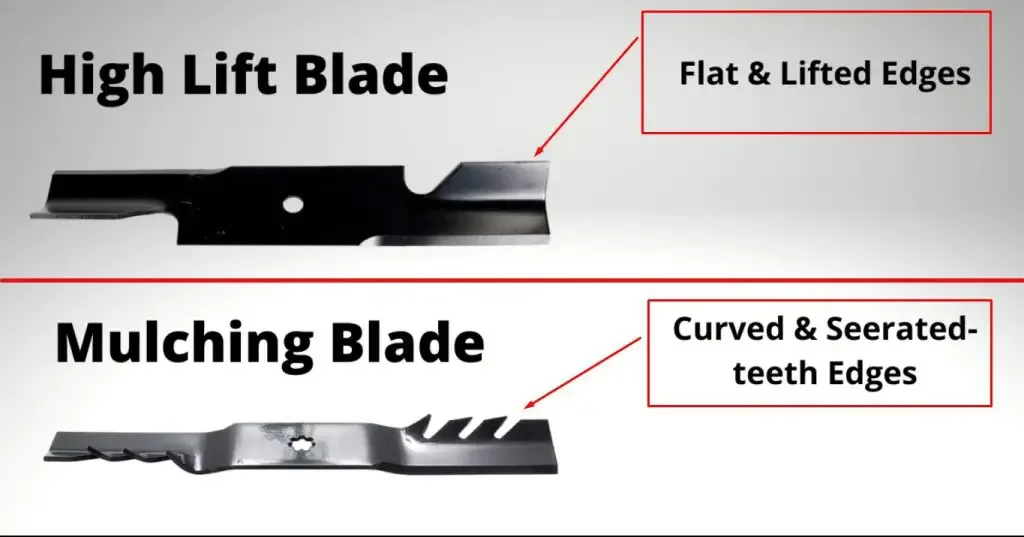
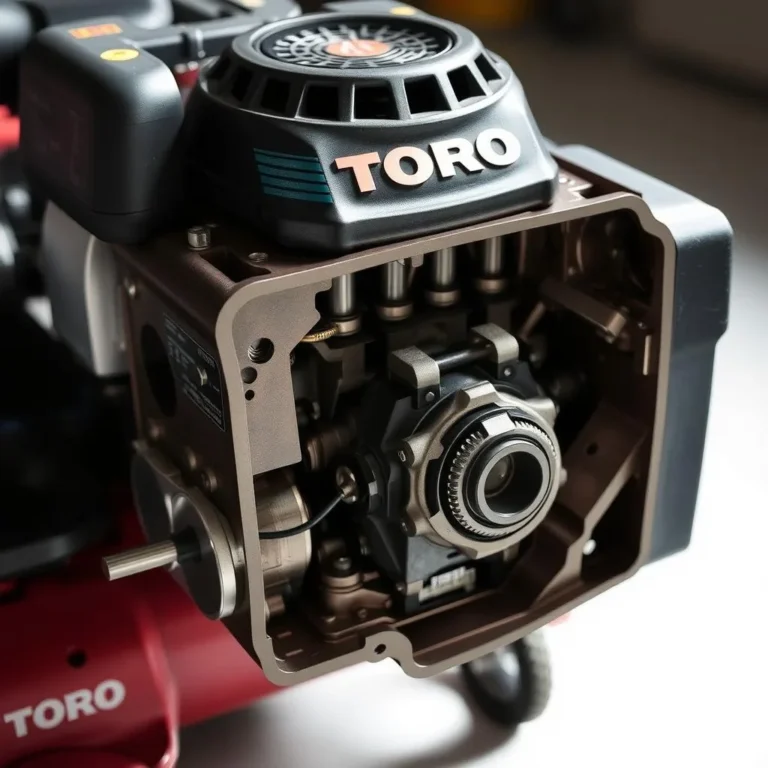
Image source: Bing (Web (fair-use with source credit))
That airflow does three jobs:
- Lifts the grass blades up so the cutting edge hits them cleanly.
- Carries clippings through the deck toward the exit.
- Keeps the deck cavity from filling with loose material.
When any of those three break down, clogs start. If the deck is packed with old debris, there's less room for airflow to work. If the blade is dull, it doesn't create the right pressure differential.
If the grass is wet, clippings are heavier and stick to surfaces instead of flowing.
Here's a quick reference for how blade type affects airflow:
| Blade Type | Lift Strength | Best For | Clog Risk |
|---|---|---|---|
| High-lift | High | Tall grass, bagging | Low |
| Gator blade | Medium-High | Mulching, fine clippings | Low |
| Mulching blade | Medium | Recycled clippings | Medium |
| Standard | Low-Medium | Short, dry grass | Medium-High |
As of 2026, most OEM mulching blades push air in a tighter pattern than a high-lift blade. That's great for mulching. It's not ideal for heavy bagging or tall grass.
Diagnose Your Clog: Match the Symptom to the Cause
Before you grab a wrench, figure out where and how the clog is happening. Different symptoms point to different fixes. This saves you time and stops you from chasing the wrong problem.

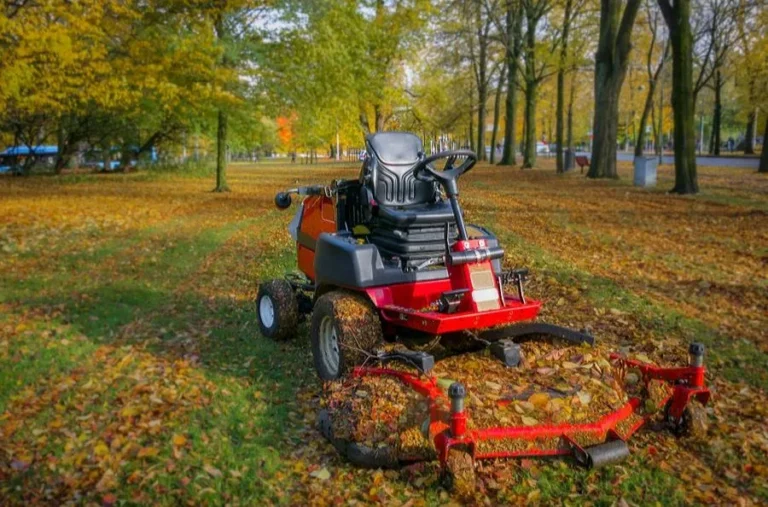
Image source: Bing (Web (fair-use with source credit))
| Symptom | Most Likely Cause | Quick Fix |
|---|---|---|
| Clippings spilling back onto the lawn | Discharge chute blocked, dull blade | Clear chute, sharpen blade |
| Mower bogs down or stalls mid-cut | Grass too tall or too wet | Raise deck, wait for grass to dry |
| Grass bag fills but deck keeps clogging | Blade type wrong for bagging | Switch to a high-lift blade |
| Clog under the deck, hard buildup | Dirty deck, low cutting height | Scrape deck, raise height |
| Clumps left on the lawn | Wet grass, mower too fast | Slow down, mow when dry |
| Mulching blade leaves uncut clippings | Blade worn down or too low | Check blade height and sharpness |
If your clog happens on a first mow of the season, it's almost always dead grass and debris that's been sitting on the deck all winter. If it happens on a wet morning mow, dew is the culprit. If it happens after rain, you're dealing with both moisture and compaction.
How to Fix Every Type of Lawn Mower Grass Clog
Once you've matched the symptom, the fix is usually straightforward. Start with the deck itself.
Step 1: Clear the deck.
Turn off the mower. Disconnect the spark plug wire on gas models or remove the battery on electric mowers. Tilt the mower onto its side (spark plug facing up on gas models) and scrape the underside with a deck scraper or putty knife.
Dry grass buildup packs down hard, so don't skip this step.
Step 2: Sharpen the blade.
Take the blade off and check the cutting edge. Hold a straightedge along it. If the edge is uneven or nicked, sharpen it or replace it.
Most homeowners should sharpen every 25 to 30 hours of use. That works out to roughly once per season for a typical residential yard, or more often for larger properties.
Step 3: Adjust the cutting height.
For a first pass on tall grass, set the deck to its highest setting. Cut, then lower it to your target height on a second pass. The one-third rule applies here: never remove more than one-third of the grass blade in a single mow.
A two-pass approach cuts that problem in half.
Step 4: Clean the chute and bag.
After you mow, clear the discharge chute with a hose or brush. Shake out the grass bag thoroughly and rinse it if it's caked with wet clippings. A bag with blocked vents kills airflow and makes clogging worse.
Step 5: Try an anti-stick spray.
Some homeowners spray the deck underside with a silicone-based or vegetable-based lubricant before mowing. It reduces grass buildup between passes. Manufacturer specs vary, so check your owner's manual for approved products first.
Mistakes That Make Lawn Mower Clogging Worse
A lot of clog frustration comes from habits that seem harmless but compound the problem. Here's what to avoid.
- Mowing wet grass. It feels like a small time-saver, but wet clippings pack like mud. Most experts, including guidance from OSHA for commercial mowing safety, recommend waiting until the grass surface is dry to lightly moist.
- Mowing only when you feel like it. Letting the grass grow for two weeks then trying to cut it all at once guarantees a clog. Weekly mowing keeps the volume manageable.
- Setting the deck too low. A low deck looks like a cleaner cut, but it loads the mower with maximum grass material every pass.
- Ignoring blade condition. A dull blade doesn't just clog the mower. It damages the grass, promotes disease, and leaves an uneven cut that makes the lawn look patchy.
- Forgetting the bag vents. A lawn mower bag needs airflow to receive grass efficiently. If the vents are packed with old clippings, the bag acts like a wall instead of a receptacle.
The good news? Every single one of these is fixable with a habit change, not a new mower. Start with blade sharpening and deck cleanup.
Those two steps alone eliminate most clog complaints we see in user reviews across mower forums and manufacturer feedback channels.
Pro Tips and Maintenance to Prevent Grass Clogs
Preventing a clog is far easier than digging one out mid-mow. A few habits keep the deck clear and the blade working at full capacity all season.
Blade maintenance schedule. Sharpen the blade every 25 to 30 hours of mowing. That works out to roughly once a month for a typical 1/4-acre residential yard. Balance the blade after sharpening.
An unbalanced blade causes vibration, which loosens bolts and accelerates wear on the spindle assembly.
Deck cleaning routine. After every mow, scrape the underside while any fresh grass is still soft. Dry grass left in the deck overnight hardens into a cement-like layer that takes real effort to remove. A quick scrape takes two minutes.
A full-season cleanup takes twenty.
Air filter care. A clogged engine air filter doesn't directly cause grass clogs, but it starves the engine of power. Less power means less blade speed, which means weaker airflow through the deck. Check the air filter every 25 hours and replace it once per season on gas mowers.
Mulching plug management. If you run a mulching plug, pull it out and clear clippings from the plug area at least once per mow. Compacted clippings around the plug reduce the recirculation zone and lead to the same clog you'd get in a discharge chute.
Tire and traction check. On self-propelled and riding mowers, worn or smooth tires slip on grass, especially when wet. Slipping means the mower stalls out and forces you to restart. Traction loss also loads the drive belt harder, which shortens its service life.
Aggregate buyer reviews across major mower brands consistently flag traction issues on early-morning mows after heavy dew.
Deck washout port use. Many modern mowers include a washout port on the deck. Attach a garden hose, run the mower at full throttle for 30 to 60 seconds, and grass debris flushes out. This works best immediately after mowing when clippings are still soft and mobile.
Here's a simple season-long maintenance rhythm:
| Task | Frequency | Time Required |
|---|---|---|
| Scrape deck underside | After every mow | 2 minutes |
| Check blade sharpness | Every 25 hours | 5 minutes |
| Deep clean deck | Once per month | 15 minutes |
| Replace air filter | Once per season | 5 minutes |
| Replace blade | Annually or when worn | 20 minutes |
A mower that gets this basic upkeep runs smoother, cuts cleaner, and clogs far less than one that's only cleaned when something goes wrong.
Frequently Asked Questions
Why does my lawn mower clog with grass on wet mornings?
Grass is heaviest when wet. Dew and moisture make clippings stick together and pack down inside the deck. Wait until the grass surface feels dry to the touch, or mow in the afternoon when dew has burned off.
Most residential mowers handle dry-to-damp grass far better than saturated clippings.
How often should I sharpen my lawn mower blade?
Sharpen your blade every 25 to 30 hours of mowing. For a typical residential yard mowed weekly, that works out to roughly once a month during the growing season. A sharp blade cuts cleanly, creates smaller clippings, and maintains the airflow the deck needs to avoid clogs.
Can I mow wet grass if I'm in a hurry?
You can, but expect clogs, clumping, and a messier cut. Wet clippings weigh more and stick to the deck instead of flowing through. If you must mow wet, raise the cutting height to its highest setting and mow in a single direction to reduce stress on the mower.
What blade type is best for thick or tall grass?
A high-lift blade is the strongest choice for thick or tall grass. It creates the most upward airflow, which pulls clippings through the deck and into the discharge chute or bag. Mulching blades work for shorter, thinner grass but struggle with heavy volume.
Does a dirty deck cause clogging even with a new blade?
Yes. A deck packed with old, dried grass reduces airflow space every time you mow. Even a brand-new sharp blade can't compensate for a deck that's half-filled with debris.
Clean the deck underside before each mow for the best results.
Why does my riding mower clog more than my push mower?
Riding mowers often cover wider decks with less consistent airflow management. They also tend to travel faster than a person pushing a walk-behind mower, which gives the deck less time to process clippings. Slowing your pace on a riding mower helps the airflow keep up with the volume.
Decision Guide: The Fastest Path to a Clog-Free Mow
If you're reading this because your mower clogged again this weekend, you don't need to rebuild the whole lawn care routine. Work through this quick decision path instead.
If the clog happens on every mow regardless of weather or grass height, your blade is the first suspect. Pull it, inspect the cutting edge, and sharpen or replace it. This single fix resolves clog problems for a large share of homeowners.
If the clog only happens after rain or heavy dew, you're dealing with moisture. Wait for the grass to dry, raise the deck to its highest setting, and mow in one direction. Don't cut twice in the same week when conditions are wet.
If the clog happens when the grass is dry and the blade is sharp, the deck is the problem. Scrape it out completely and check that the discharge chute isn't blocked by packed clippings. Rebuild the airflow from a clean baseline.
If you're mulching and clogging regularly, switch to a high-lift blade temporarily. Mulching blades have lower airflow. They work great for small yards and short grass.
They struggle when volume gets heavy.
If your bag clogs constantly, check the bag vents. Block vents kill airflow into the bag and cause the same back-up effect as a clogged chute. Clean the vents, shake the bag out after every use, and switch to a high-lift blade if you're still struggling.
| Situation | First Fix | Expected Improvement |
|---|---|---|
| Clogs on every mow | Sharpen or replace the blade | Most clogs resolve within 1-2 mows |
| Clogs only when wet | Mow when dry, raise deck height | Near-total elimination |
| Dry grass, sharp blade, still clogging | Deep clean the deck underside | Major improvement after 1 pass |
| Mulching mode clogs often | Switch to a high-lift blade | Immediate airflow improvement |
| Grass bag keeps backing up | Clean vents, use high-lift blade | Smoother bagging flow |
Most lawn mower clog problems aren't mechanical failures. They're maintenance gaps. Stay on top of blade sharpness, deck cleanliness, and cutting height, and clogging becomes a rare event instead of a regular frustration.