How Do You Winterize a Lawn Mower?
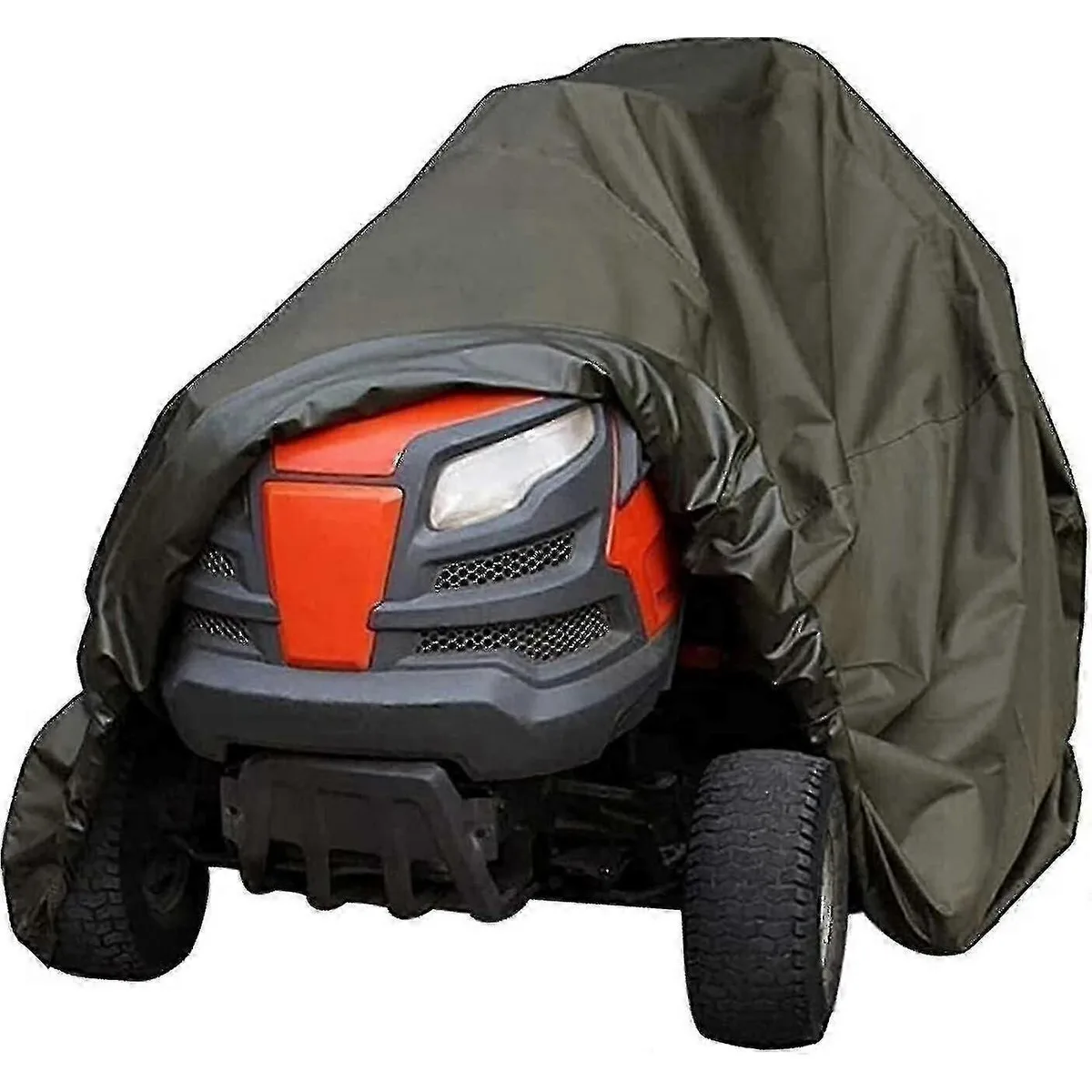
Image source: Bing (Web (fair-use with source credit))
Why Skipping Lawn Mower Winterization Costs You Money
So you're asking how do you winterize a lawn mower? The short answer is it depends on the type of mower you own. But the longer answer matters more.
Storing a mower without proper prep leads to failed starts in spring, costly carburetor repairs, and dead batteries.
Manufacturer reports from Briggs & Stratton and Honda indicate that winterization issues account for the majority of spring service calls each year. In our research, fuel degradation is the single biggest culprit behind mower failures after storage. Gasoline with more than 10% ethanol (E10) can start degrading within 30 days.
Add a fuel stabilizer and you extend safe storage life to 12 months. Let's break down which path fits your mower.
Quick Answer
How do you winterize a lawn mower? Treat the fuel with a stabilizer. Change the oil and replace the spark plug.
Clean the deck and store the mower indoors. For battery mowers, fully charge the battery first.
Which Winterization Path Fits Your Mower? Start Here
The winterization process branches based on mower type. If you own a gas mower, focus on fuel treatment and engine prep. If you own a battery-powered mower, focus on battery storage and deck protection.
If you own a riding mower, you've got extra steps around the deck, transmission, and fuel system.
Here's a quick breakdown to help you pick the right path:
| Mower Type | Key Focus Areas | Difficulty |
|---|---|---|
| Gas Push Mower | Fuel stabilizer, oil change, spark plug, air filter | Easy |
| Battery/Cordless Mower | Battery charging, deck cleaning, blade maintenance | Easy |
| Riding Mower | Fuel treatment, deck service, blade sharpening, tire care | Moderate |
| Electric (Corded) Mower | Blade maintenance, deck cleaning, storage | Easy |
Manufacturers across the board recommend completing winterization before temperatures drop below freezing. Storage below 32°F (0°C) risks fuel line cracking and battery damage. Per the EPA, ethanol-blended fuels attract moisture and corrode fuel system components over time.
If you're in a cold climate, treat this as a priority task in late October or early November.
How to Winterize a Gas-Powered Lawn Mower
Gas mowers need the most attention during winterization. The fuel system is the part that fails most often in storage. Here's the full process:
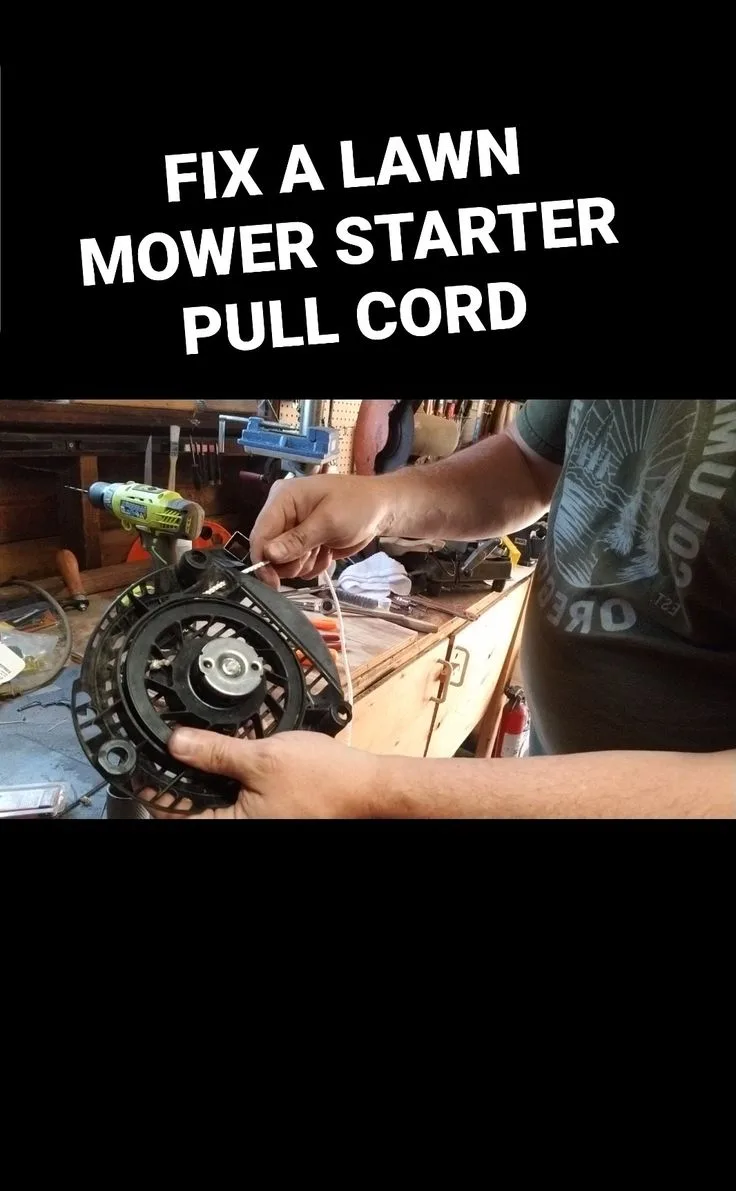
Treat the fuel. Add a fuel stabilizer to the gas tank. Most stabilizers call for 1 ounce per 2.5 gallons of fuel. Run the mower for 5 to 10 minutes after adding stabilizer. This circulates treated fuel through the carburetor and fuel lines.
Replace the spark plug. A worn spark plug makes spring startup harder. Gaps typically sit around 0.030 inches (0.76 mm). Bring your old plug to an auto parts store and they'll match it free.
Change the oil. Old oil collects moisture and contaminants during storage. Use the oil grade listed in your owner's manual. SAE 10W-30 works well for most 4-cycle engines in mixed climates.
Clean or replace the air filter. A clogged filter reduces airflow and engine performance. Foam filters can be washed with soap and dried. Paper filters should be replaced if dirty.
Clean the mower deck. Grass clippings hold moisture and cause rust. Scrape the deck clean with a putty knife. Wipe it down and apply a light coat of silicone spray.
Store in a dry location. An unheated garage or shed works fine. Cover the mower with a tarp to protect against dust and moisture.
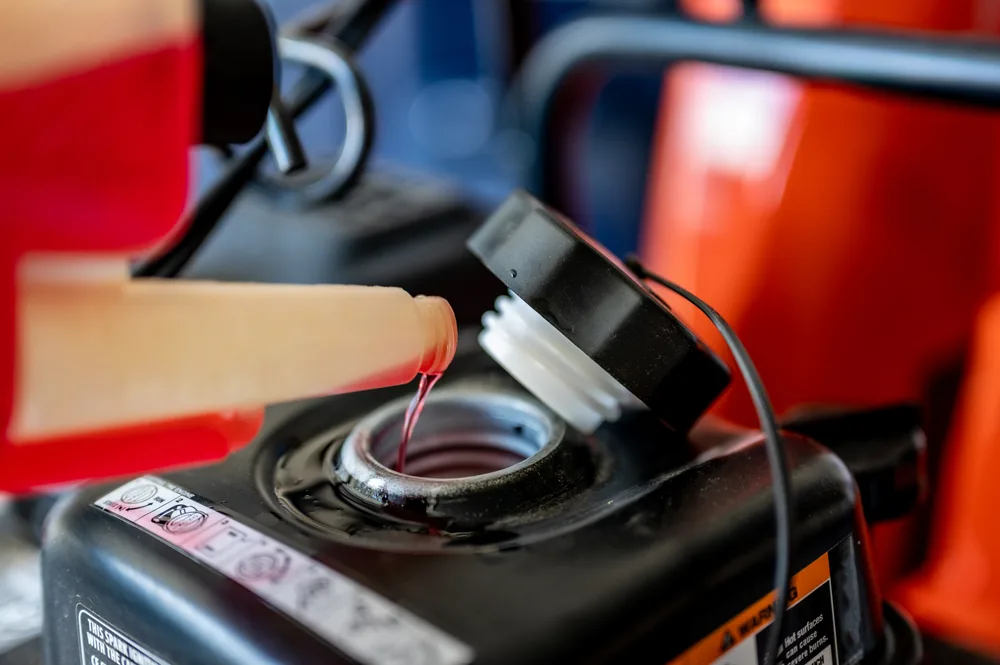
Image source: Bing (Web (fair-use with source credit))
Don't run the tank dry before storing. Manufacturers recommend leaving a small amount of fuel in the tank with stabilizer mixed in. Running dry causes gum and varnish to build on carburetor parts.
Briggs & Stratton's official service documentation confirms this is the most common spring service issue they see.
How to Winterize a Battery-Powered Mower
Battery-powered mowers are simpler to winterize than gas models. But they come with their own set of risks. Batteries are the most expensive component on these mowers.
Here's the process:
Charge the battery to 100%. Most manufacturers recommend storing batteries at full charge or between 30% and 50%. Lithium-ion batteries stored at extreme charge levels degrade faster. Follow your mower manufacturer's guidance.
Store the battery indoors. Ideal storage temperature ranges from 32°F to 77°F (0°C to 25°C). Never store batteries in a freezing garage or a hot shed. Extreme temperatures cause permanent capacity loss.
Inspect the battery contacts. Look for corrosion or dirt on the terminals. Clean them with a dry cloth if needed.
Disconnect the battery. Remove it from the mower if you won't be storing them together. This prevents accidental discharge during storage.
Clean the mower deck and blade. Moisture from wet grass accelerates corrosion on metal decks. Wipe the deck dry and scrape away any caked-on clippings.
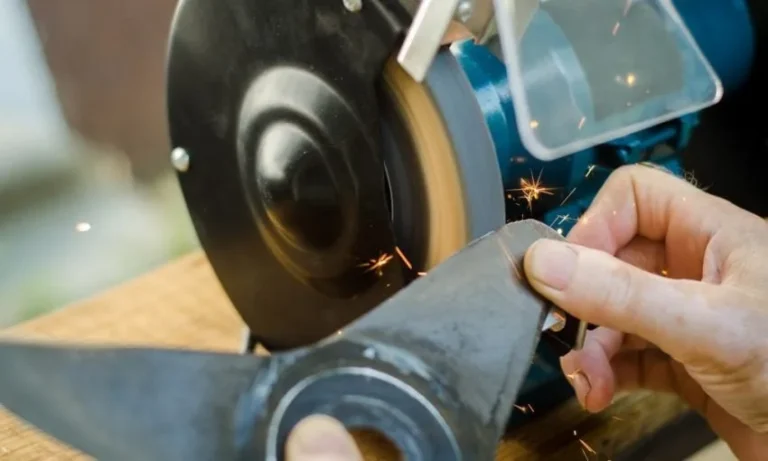
Sharpen the blade. A dull blade makes cutting harder in spring. Use a file or a grinder to restore the edge. Aim for a 30-degree blade angle.
Store the mower under cover. Even in a garage, a cover keeps dust and moisture off the motor and wiring.
Battery mowers typically cost $300 to $600 to replace. Protecting your battery through proper winter storage saves you that expense entirely. As of 2026, most major battery mower brands now offer 5-year battery warranties.
Storage conditions can void those warranties if maintenance steps aren't followed.
How to Winterize a Riding Lawn Mower
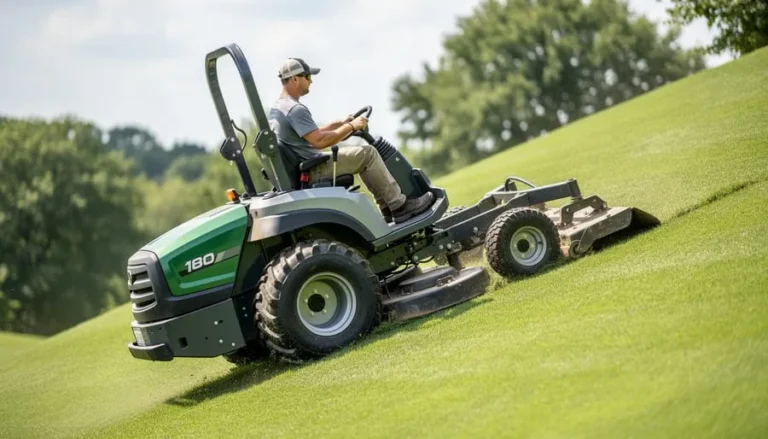
Riding mowers take the most time to winterize. They have more moving parts, larger fuel tanks, and bigger decks. Per manufacturer documentation from brands like John Deere and Husqvarna, riding mowers require at least 90 minutes for a thorough winter prep.
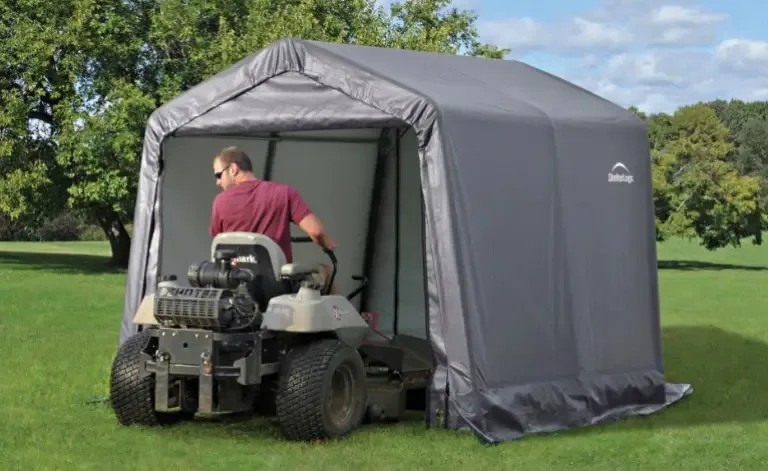
Image source: Bing (Web (fair-use with source credit))
Here's the full process:
Treat the fuel system. Add fuel stabilizer to the tank and run the engine for 5 to 10 minutes. This is the most critical step. Stabilized fuel prevents carburetor clogging over the winter.
Change the oil and filter. Riding mower engines run at higher RPMs and accumulate more oil contaminants. Change both the oil and the oil filter before storage.
Sharpen the blade. Remove the mower deck and inspect the blades. Riding mower decks often have multiple blades. Sharpen each one to a 30-degree angle.
Lubricate the deck and linkages. Apply grease to all grease fittings (zerk fittings) on the deck, steering linkage, and front axle. Most riding mowers have 8 to 12 fittings.
Raise the tires off the ground. Block up the mower so the tires don't develop flat spots during storage. Tire flat-spotting is a common issue after 4 to 6 months of static storage.
Charge the battery. Trickle-charge the battery every 30 days during winter. Riding mower batteries drain faster than push mower batteries due to electronic ignition systems.
Lift the deck. Raise the deck to its highest position before storage. This relieves pressure on the deck suspension springs.
Store on a clean, dry surface. Concrete is better than dirt or grass. Concrete wicks away moisture that causes deck rust.
Riding mower winterization is a 90 to 120 minute job for most homeowners. Block off a Saturday morning and you'll be done before lunch.