Can Solar Security Cameras Work Without Sunlight?
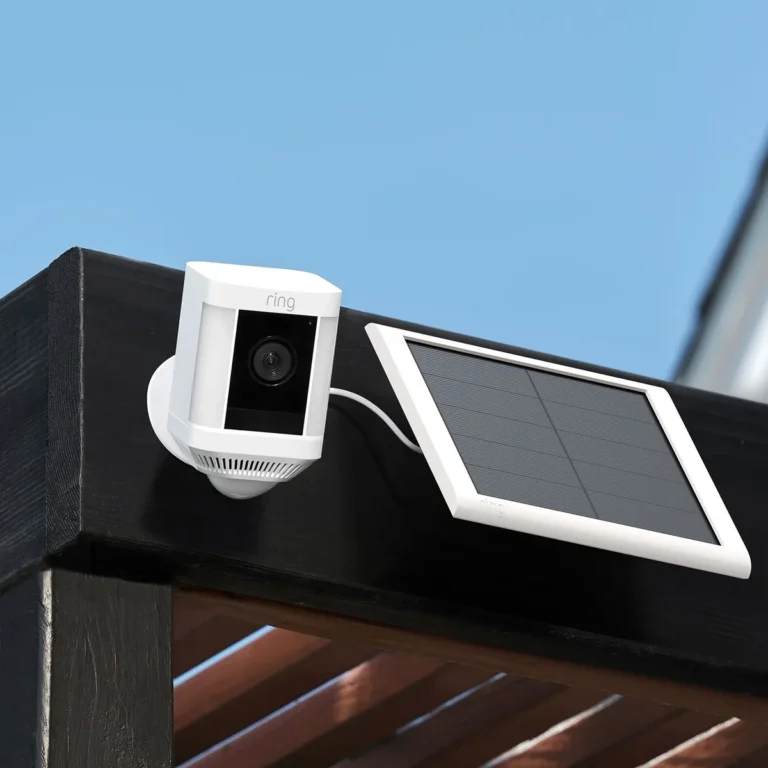
Can solar security cameras work without sunlight? That is the question every homeowner asks before buying a solar-powered security system, and the answer is not a simple yes or no. Solar security cameras are outdoor surveillance units powered by a small photovoltaic panel and an internal lithium-ion battery, designed to keep running when the grid goes down.
In our research, manufacturer specifications indicate most solar cameras hold 24 to 48 hours of charge without any new sunlight. Per IEC 60529 testing standards for outdoor-rated electronics, the housing is built to handle weather. The real question is what happens after that initial battery buffer runs out, and that is exactly what we break down here.
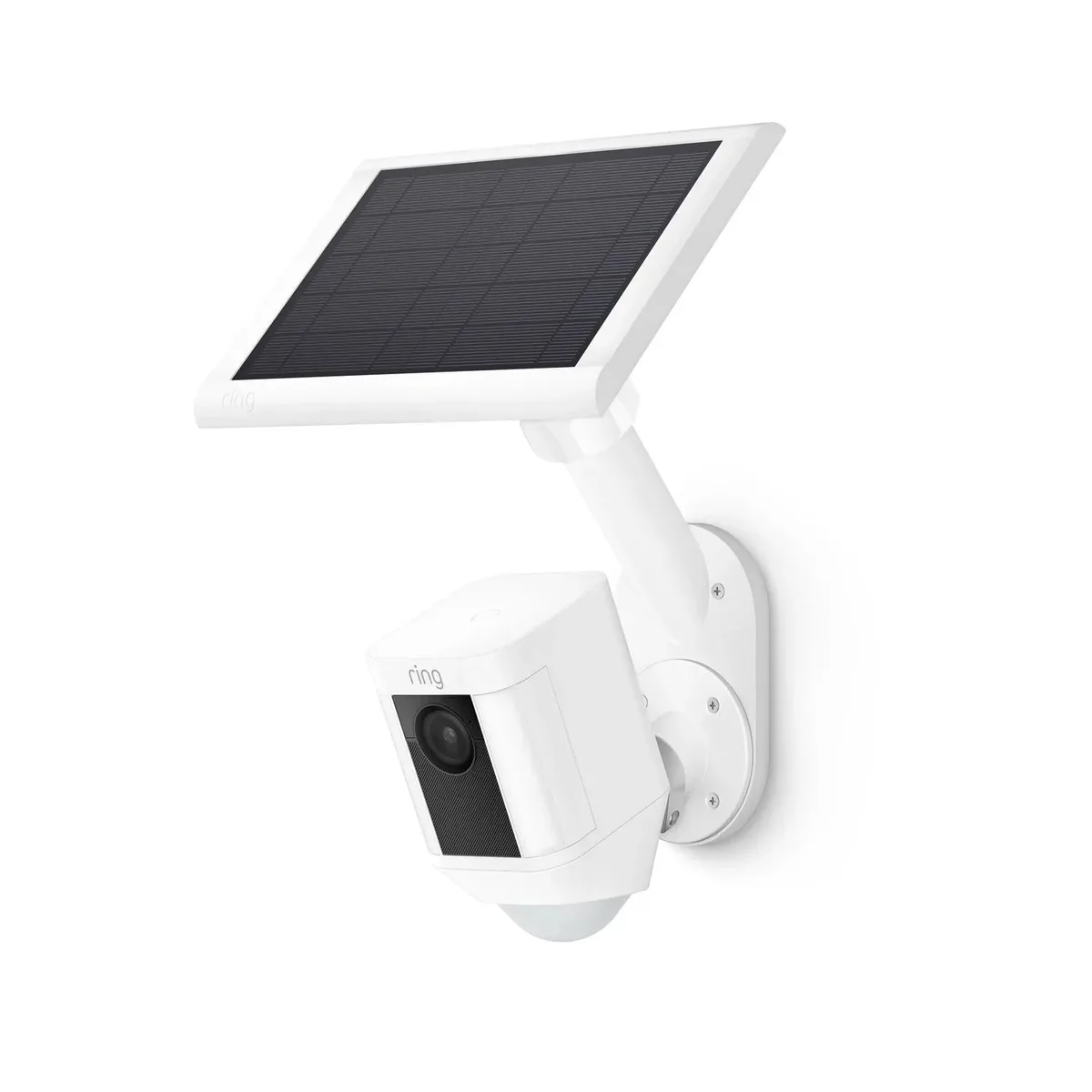
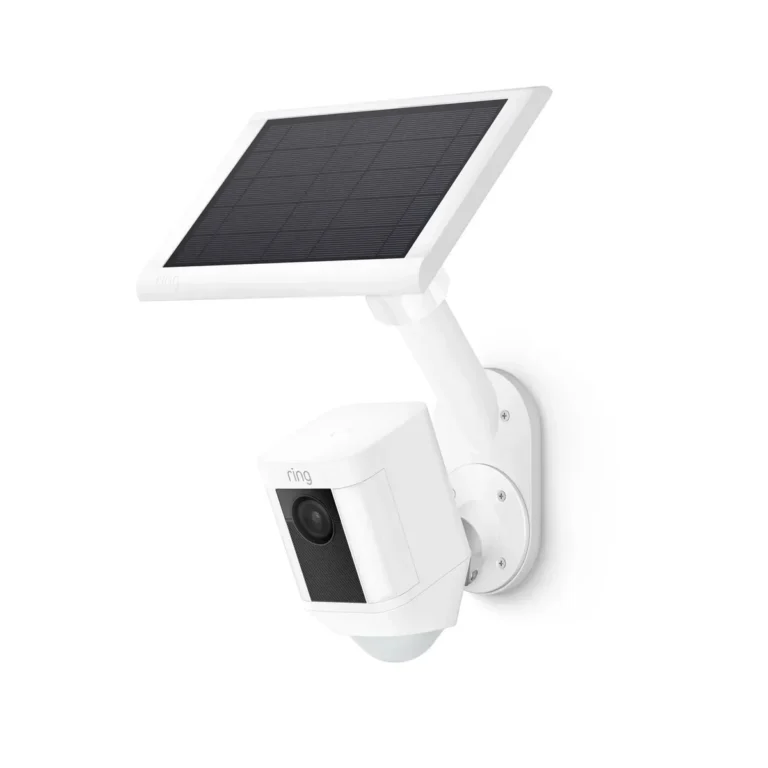
Image source: Web (Bing) / ring.com (Web image (fair-use with source credit))
Quick Answer
Yes, solar security cameras can work without sunlight for a limited time. They rely on a built-in battery that stores solar energy when the panel charges. Most models run 24 to 48 hours on stored power alone.
Extended cloud cover beyond that window can drain the battery completely. Proper battery capacity and panel size determine how long they last without sun.
How Solar Cameras Actually Store and Use Power
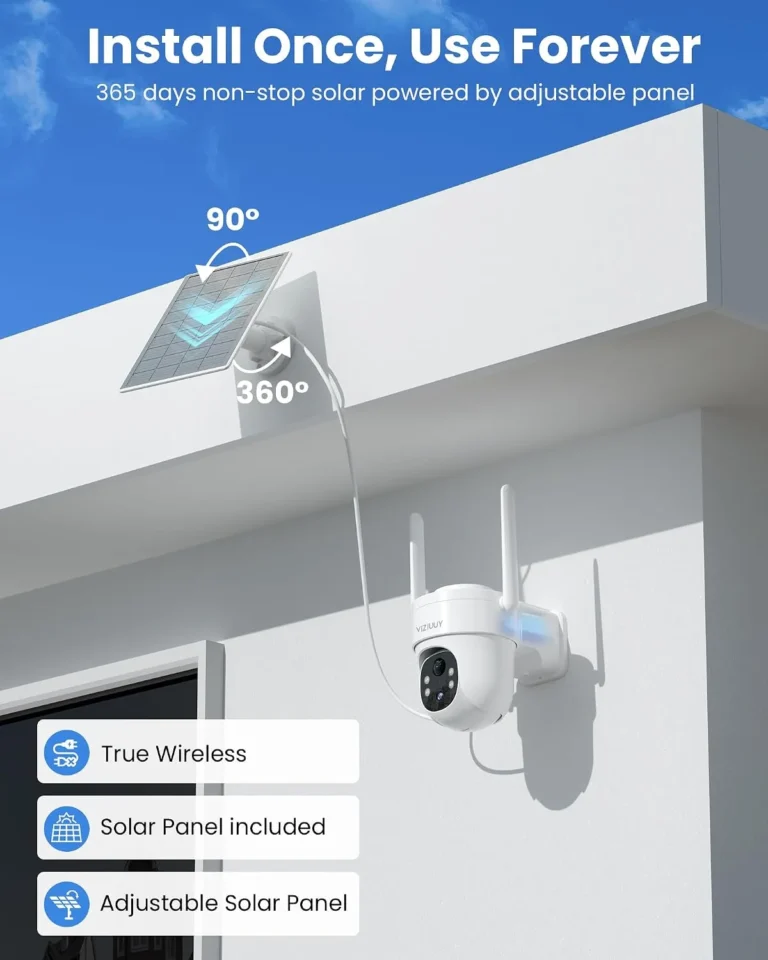
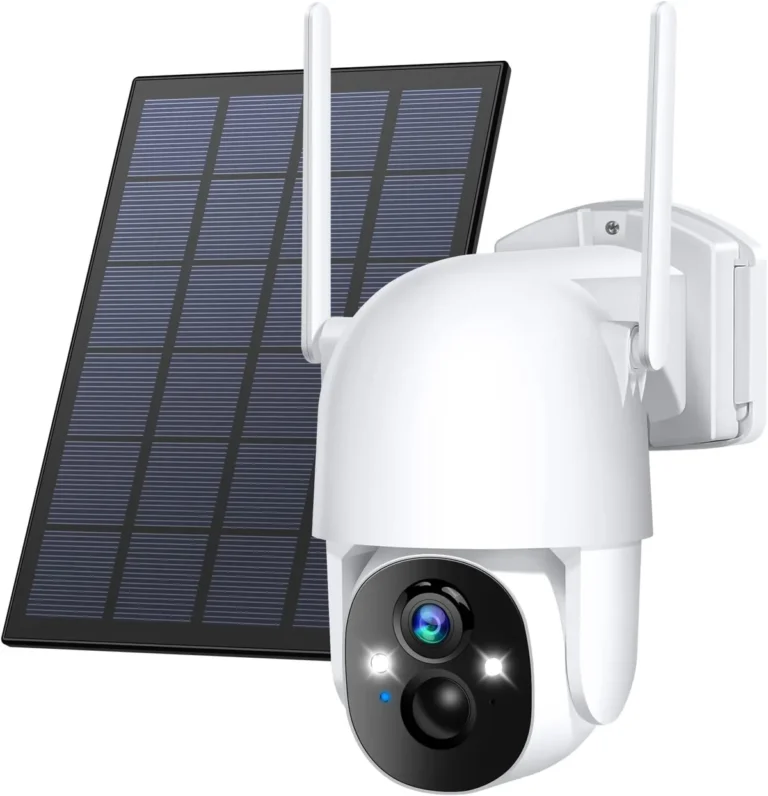
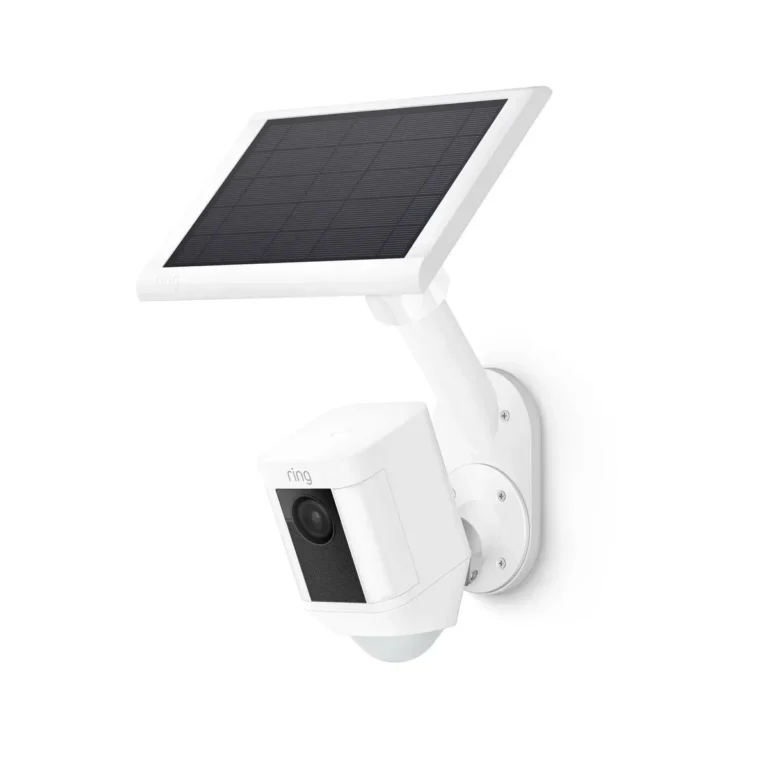
A solar security camera has three main components that work together: the camera module, a solar panel, and a lithium-ion battery. The solar panel converts sunlight into electrical energy using photovoltaic cells. That energy charges the battery during daylight hours.
The battery then powers the camera continuously, including at night when the panel produces nothing. This is the whole reason a solar camera can work without sunlight. It is not running off the panel directly.
It is running off what the panel already charged.
Most mid-range models use a 5,000 to 10,000 mAh battery. Higher-end units carry 15,000 mAh or more. The larger the battery, the longer the camera survives without fresh solar input.
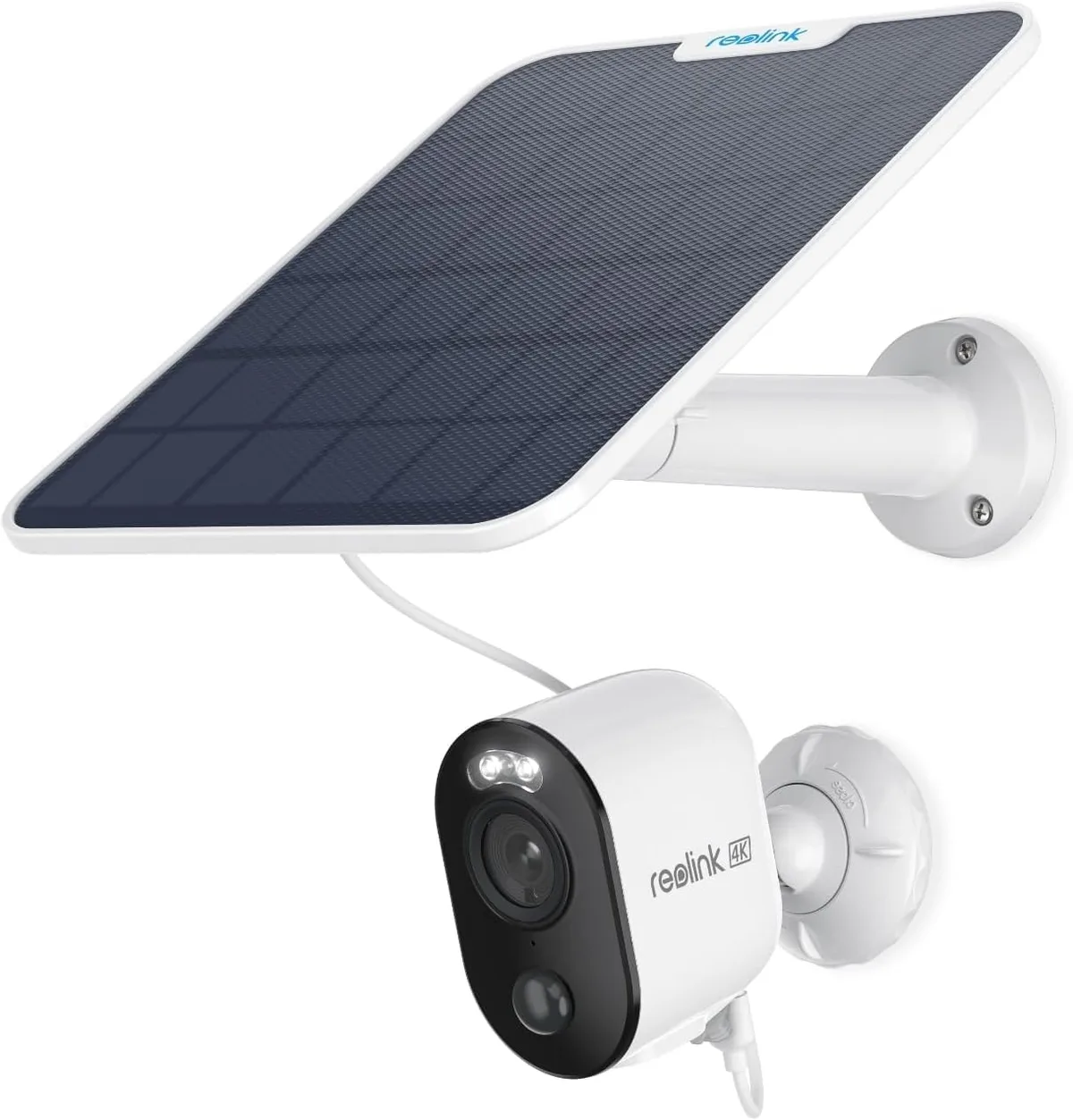
Image source: Web (Bing) / manuals.plus (Web image (fair-use with source credit))
| Component | Typical Spec | What It Controls |
|---|---|---|
| Solar panel wattage | 1W to 15W+ | Daily recharge speed |
| Battery capacity | 5,000 to 15,000+ mAh | Runtime without sunlight |
| IP rating | IP65, IP66, IP67 | Weather resistance |
Power management software inside the camera controls how aggressively it uses that stored energy. Some models drop into standby mode when motion is not detected, stretching battery life further.
5 Factors That Determine If Your Camera Survives Without Sun
Not every solar camera handles a cloudy stretch the same way. Here is what makes the difference.
1. Solar panel wattage. A 1W panel recharges much slower than a 15W panel. As of 2026, most consumer-grade solar security cameras use panels between 1W and 8W.
If your panel is under 5W and you live somewhere with heavy cloud cover, you will run into problems.
2. Battery capacity. This is the single biggest factor. A 15,000 mAh battery will outlast a 5,000 mAh battery by days in low-light conditions.
Always compare the mAh rating before you buy.
3. Camera resolution and activity. A 4K camera recording continuously uses far more power than a 1080p model that only records on motion triggers. Higher resolution equals faster battery drain.
4. Ambient temperature. Lithium-ion batteries lose performance in extreme cold. Below 0°C, you might see a 20 to 30% drop in usable capacity.
That can be the difference between working and shutting off.
5. Firmware and motion detection settings. Aggressive motion detection causes frequent wake cycles. Each cycle uses power.
Turning down sensitivity or using scheduled recording windows helps.
Key takeaway: If your property averages under 4 daily sunlight hours, prioritize battery capacity over panel wattage when choosing a camera.
Sunny Climates vs. Overcast Seasons: What Actually Happens to Battery Life
The climate you live in completely changes the answer to this question.
In sunny regions like the Southwestern United States, parts of Australia, or the Middle East, solar security cameras rarely struggle with battery life. The National Renewable Energy Laboratory (NREL) Global Solar Irradiance Database reports 5 to 7 average daily sunlight hours across these regions. Your camera recharges fast, and a single clear day can build a battery reserve that lasts through the next day.
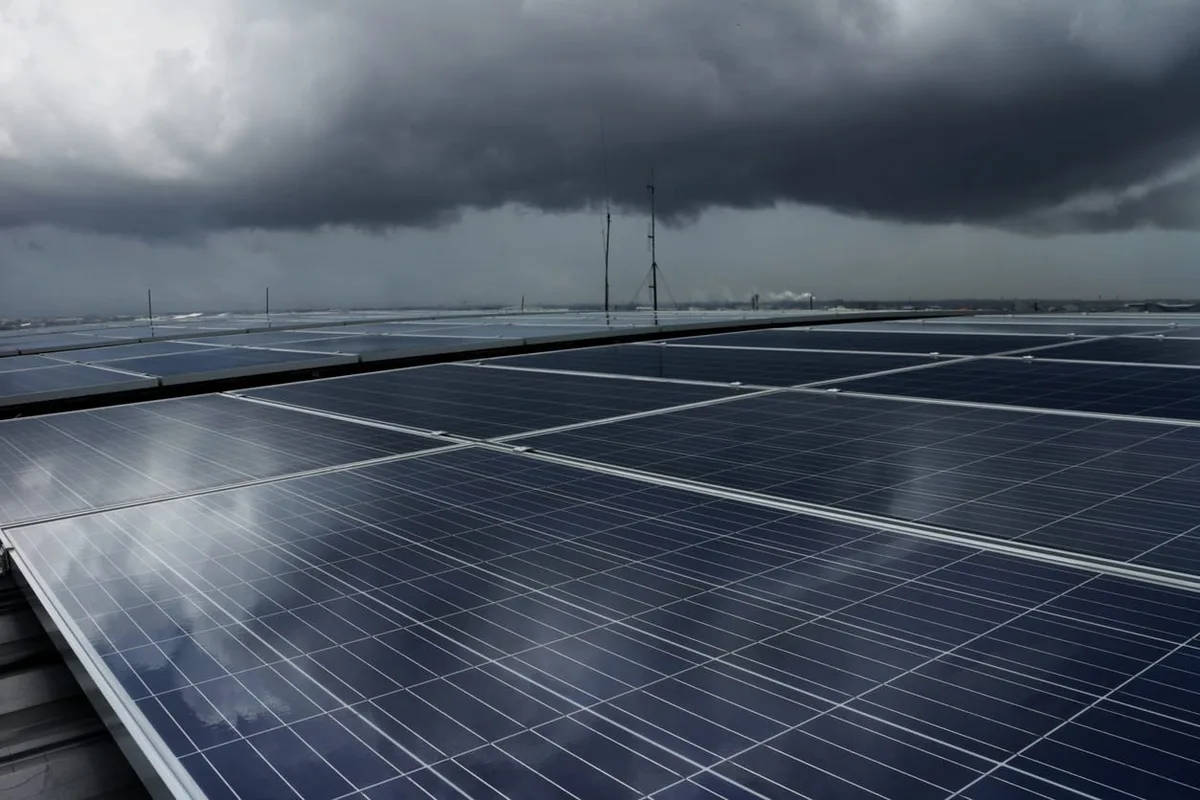
Image source: Web (Bing) / cedarcreekenergy.com (Web image (fair-use with source credit))
In overcast climates, things change quickly. Places like the Pacific Northwest, the UK, or Northern Europe see as few as 1 to 2 usable sunlight hours per day in winter. Your panel barely keeps pace with the camera's power consumption.
| Climate Type | Avg. Daily Sunlight | Solar Camera Battery Performance |
|---|---|---|
| Sunny / arid | 5 to 7 hours | Excellent. Battery stays near full charge |
| Temperate / mixed | 3 to 5 hours | Adequate. Occasional dips on cloudy weeks |
| Overcast / rainy | 1 to 2 hours | Poor. Frequent battery drops and shutdowns |
This is where location matters more than the camera you pick. A top-of-the-line unit in a gray climate will still underperform a budget model in Phoenix.
The fix is straightforward. In cloudy regions, choose a camera with a battery rated above 10,000 mAh and consider a larger separate panel rather than relying on the built-in one.
Why Solar Security Cameras Fail in Winter and How to Prevent It
Winter is where most solar security cameras hit their breaking point, and it is not just about less daylight.
Cold temperatures directly reduce lithium-ion battery efficiency. Below freezing, internal resistance in the cells rises. That means the battery holds less usable charge and recharges slower from the panel.
Combined with shorter daylight hours and snow covering the panel, winter stacks every disadvantage at once.
Here is what typically goes wrong:
- Snow and ice block the solar panel, and even a thin layer cuts output significantly
- Shorter days mean less recharge time, with winter in the UK having under 8 hours of daylight total
- Frost forms on the camera lens and housing, making IR night vision foggy
- Batteries degrade faster when repeatedly exposed to cold, especially cheaper units
How to prevent winter shutdowns:
- Position your panel with a slight downward tilt so snow slides off instead of accumulating
- Check the panel monthly and brush off snow, ice, and frost after storms
- Upgrade to a higher-capacity battery model before winter starts
- Use scheduled recording instead of continuous motion-triggered recording
- Add a small wind shelter if your installation area sees frequent freezing rain
Manufacturer specifications from leading outdoor camera brands confirm that models rated for operation down to −20°C hold their charge significantly better in cold than consumer models rated only to 0°C. Check the temperature range before you buy.
Solar vs. Hardwired vs. Battery-Only Cameras: Which Setup Fits Your Situation?
The right security camera depends on your location, your budget, and how much installation work you want to take on.
| Feature | Solar-Powered | Hardwired (PoE) | Battery-Only |
|---|---|---|---|
| Wiring required | None | Cat5e/Cat6 cable | None |
| Sunlight dependency | High | None | None |
| Battery runtime without sun | 24 to 48 hours | Always powered | 3 to 7 months typical |
| Monthly cost | None | Electricity | None |
| Best for | Remote / off-grid spots | Fixed installations with reliable grid | Low-traffic areas |
If your location gets strong, consistent sunlight, a solar camera is the easiest setup you can install. No drilling for power cables, no electrician bill, no monthly fees.
If your location is cloudy, shaded, or heavily forested, hardwired PoE cameras are more reliable. They need a cable run, but you never worry about battery drain or solar output.
If you only need a camera in a low-traffic area like a side gate or garden path, a battery-only camera works fine. Just plan to recharge it every few months.
A hybrid approach also works. Use solar cameras in open, sunny spots and hardwired units in shaded or critical areas.
Your Decision Guide: Matching a Solar Camera to Your Location and Needs
Once you know the variables, the decision gets simple. Use this quick guide to match your situation to the right camera type.
If you live in a sunny climate with 5+ daily sunlight hours:
A standard solar camera with a 5,000 to 8,000 mAh battery handles the job easily. Any IP65-rated outdoor housing will do. Solar output stays healthy year-round with minimal maintenance.
If you live in a temperate area with 3 to 5 daily sunlight hours:
Choose a camera with at least 10,000 mAh battery capacity. Consider a separate 10W+ panel instead of relying on the built-in one. Clean the panel monthly to keep output steady.
If you live in a cloudy, rainy, or heavily shaded area with under 3 daily sunlight hours:
Solar cameras alone are not reliable enough for critical coverage. Hardwired PoE cameras are the better long-term investment. Use battery-only cameras as secondary backups.
If you are off-grid or in a rural area with unpredictable weather:
Pick a high-capacity solar model plus a separate 15W panel. Use scheduled recording to reduce battery strain. Keep one battery-powered backup on your most important angle.
Bottom line: Match the camera to your climate, not the price tag. A cheaper solar unit in the right environment will always outperform a premium one in the wrong one.
Frequently Asked Questions
How long can a solar security camera run without sunlight?
Most solar security cameras operate for 24 to 48 hours on stored battery power alone. Budget models with smaller batteries may only last 12 to 18 hours. Higher-end units with 15,000 mAh batteries can stretch to 3 days in some cases.
Motion-triggered recording significantly extends runtime compared to continuous recording.
Can solar security cameras work during winter?
Yes, but performance drops. Cold temperatures reduce lithium-ion battery efficiency by 20 to 30% below freezing. Shorter daylight hours also slow down panel recharging.
Choose a model rated for operation down to −20°C and keep the panel free of snow. Upgrading to a higher-capacity battery before winter is the simplest fix.
Do solar security cameras work on cloudy days?
They work, but at reduced capacity. On heavily overcast days, a solar panel produces very little electricity. The camera runs primarily on stored battery power from previous sunny days.
If cloudy conditions persist beyond 2 to 3 days, battery levels can fall low enough to trigger a shutdown on weaker models.
What is the minimum sunlight a solar camera needs per day?
Most solar security cameras need about 3 to 5 hours of direct sunlight per day to stay fully charged. Below that threshold, battery levels decline over time until the camera shuts off. Per NREL irradiance data, regions averaging under 2.5 daily sunlight hours will struggle with solar-only camera setups.
Can I add a larger solar panel to a small solar camera?
Yes. Most solar security cameras use a standard DC input that accepts a larger external panel. Check your camera's voltage compatibility first.
A 10W or 15W panel with the correct voltage rating can recharge the battery much faster than a stock 1W or 3W panel, making the setup more reliable in low-light climates.
What happens if a solar security camera battery dies completely?
When the battery drains fully, the camera powers off and stops recording. It will reboot and resume once enough sunlight recharges the battery, usually within a few hours on a clear day. In extended cloudy conditions, you might lose recording for days.
Keeping a wired backup camera on critical areas prevents this gap.