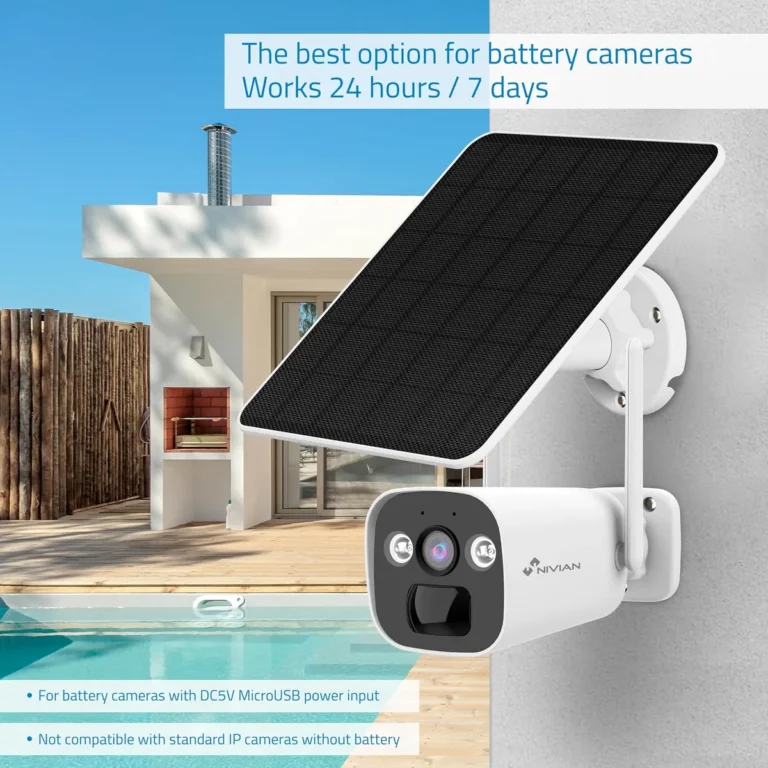
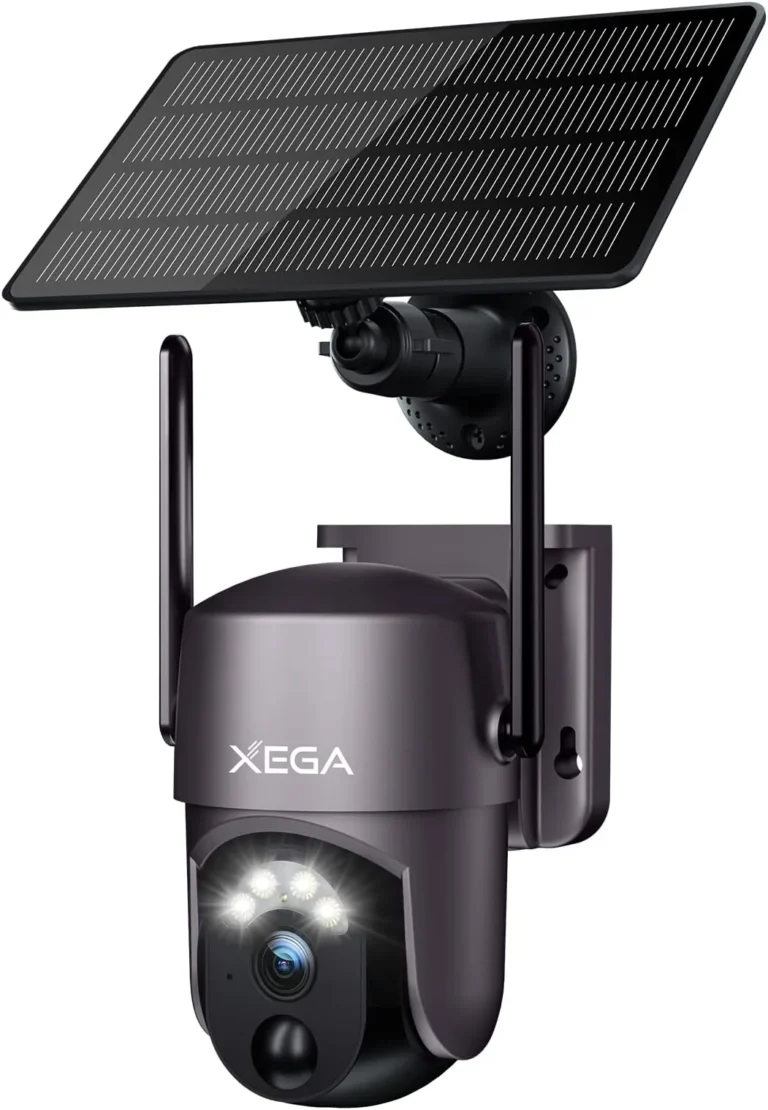
Do Solar Security Cameras Work at Night?
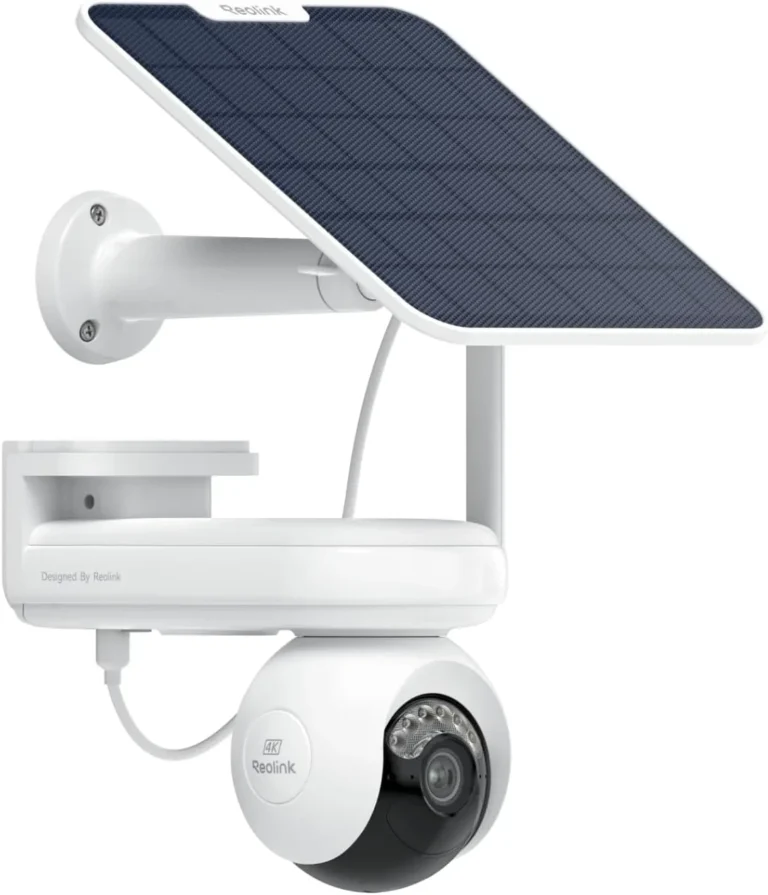
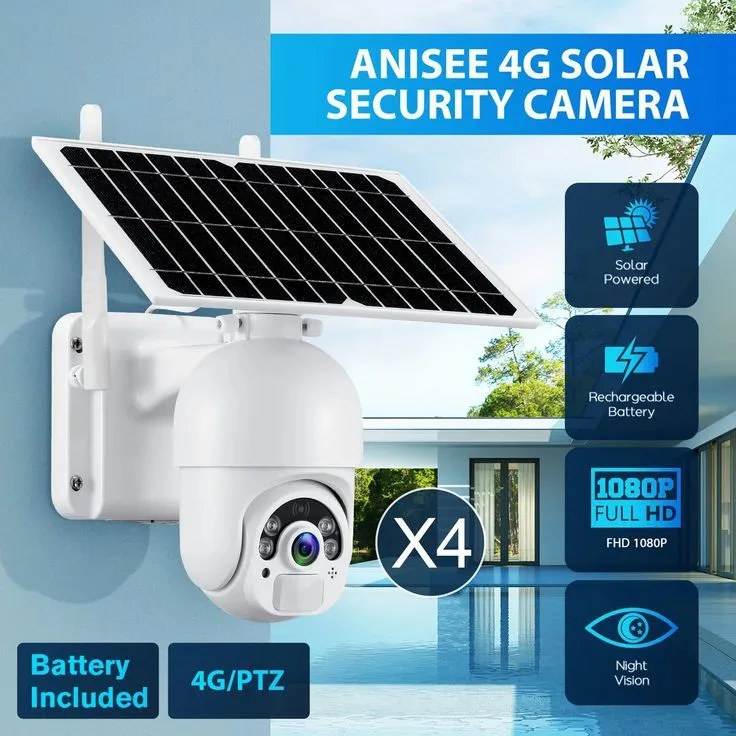
Do solar security cameras work at night? The honest answer is yes, but with real conditions attached. Solar security cameras store energy from the sun during the day, then use that stored power after dark for night vision, motion detection, and recording.
Whether they perform well at night comes down to your climate, your battery size, and how well your solar panel charges things up.
Our research shows most solar camera kits use batteries between 4,000 and 8,000 mAh, paired with panels from 5W to 10W. These numbers support motion-triggered night recording in sunny climates. They often fall short for continuous 24/7 coverage in overcast regions.
As of 2026, the technology keeps improving, but the core physics haven't changed. Let's look at how solar camera night performance actually works.
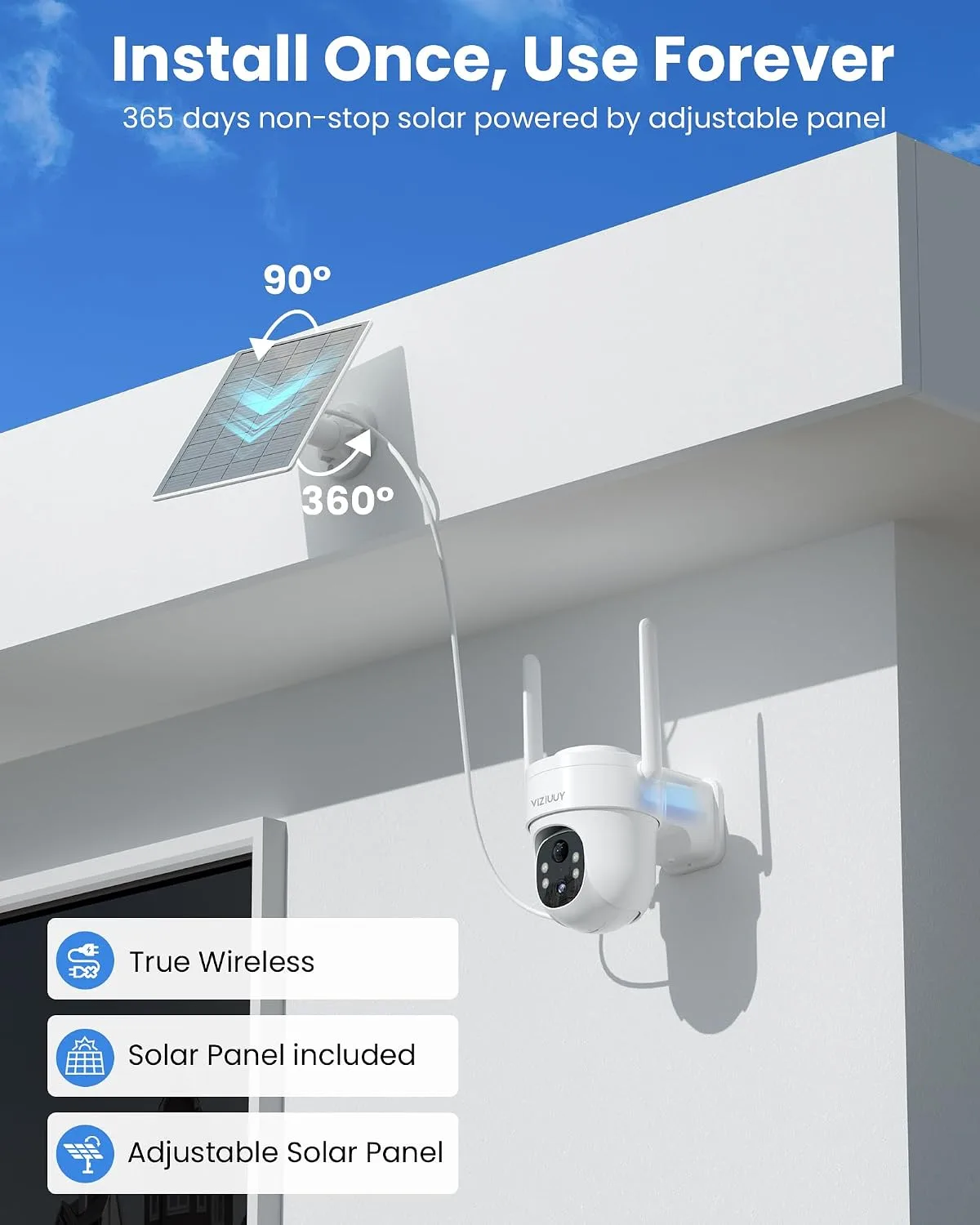
Image source: Bing (Web (fair-use with source credit))
Quick Answer
Yes, solar security cameras work at night in most situations. They use energy stored during daylight hours to power night vision and recording. Performance depends on battery capacity, panel wattage, and local weather.
Sunny climates deliver reliable night recording year-round. Cloudy regions often need bigger panels or backup batteries.
Why Solar Cameras Struggle at Night (and What the Short Answer Really Is)
The core problem is simple. Solar panels generate power when the sun is shining. Night is exactly when your camera needs power to record.
Every solar security camera owner faces this built-in challenge.
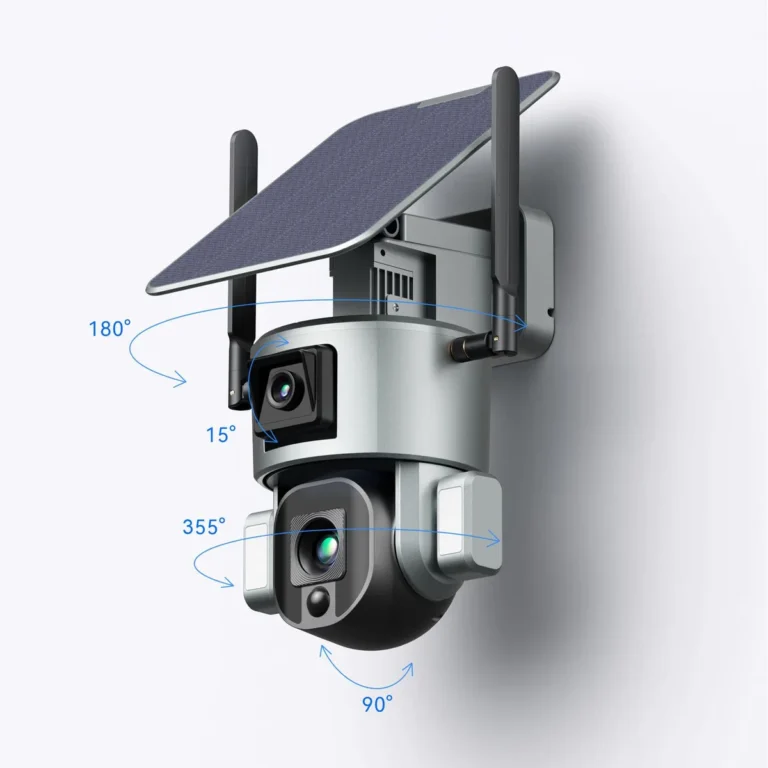
Most solar cameras use PIR (passive infrared) motion detection to wake up and record events. PIR sensors detect body heat, which saves battery compared to continuous recording. But it means the camera only captures footage when something triggers it.
Climate becomes the deciding factor. In sunny regions like the southwestern US or Australia, solar panels charge batteries fully every day. Night recording works reliably.
In cloudy climates like the Pacific Northwest or the UK, battery levels can drop dangerously low within days of overcast weather.
Result? Camera goes dead. Missed recordings.
Exactly when you needed them most.
Winter makes things harder. Shorter days mean less charging time. Lower sun angles reduce panel output.
Even in sunny climates, December battery performance drops 20 to 30 percent compared to June. If you're in a high-latitude region, that gap widens further.
How Solar Camera Night Performance Actually Works
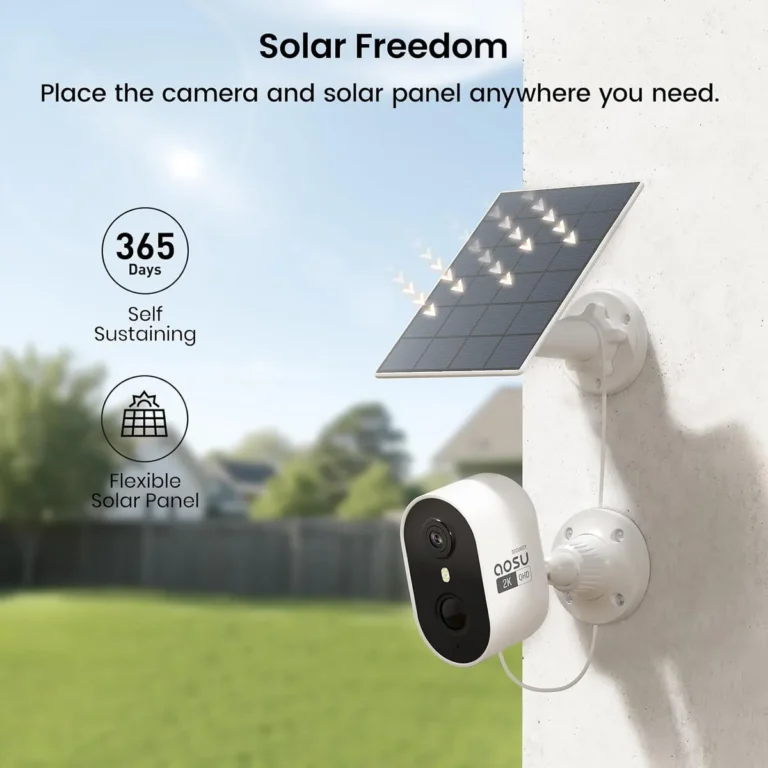
Solar security cameras operate on a simple energy chain. The solar panel charges a built-in lithium battery during daylight hours. At night, that stored energy powers the camera, the night vision system, and the motion detection sensor.
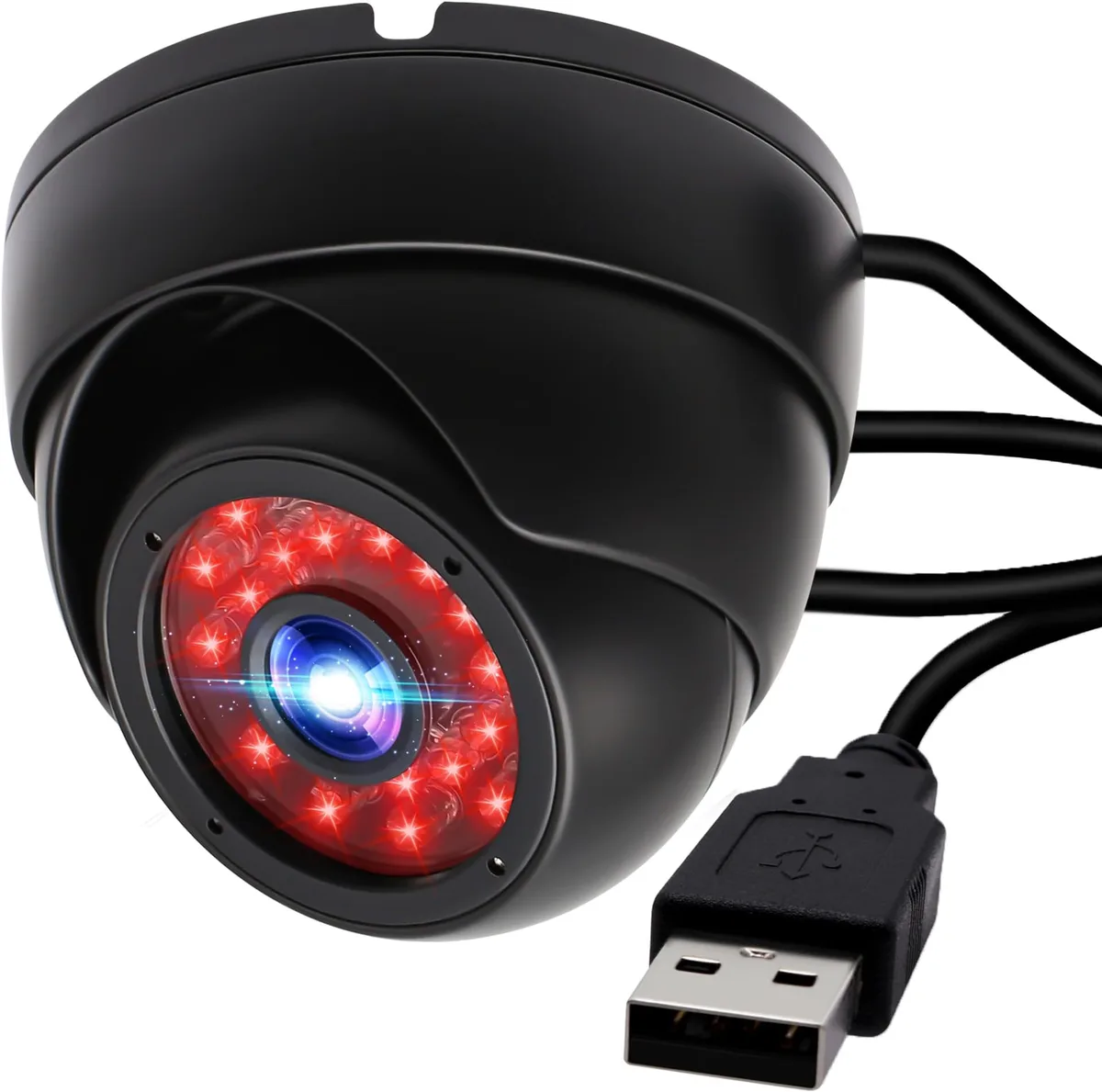
Image source: Bing (Web (fair-use with source credit))
Night vision works in two main ways. Infrared (IR) night vision uses LED emitters that flood the scene with IR light the camera sensor can see but human eyes can't. This produces black and white footage in total darkness.
Starlight sensors use advanced CMOS technology to capture color images in very low light.
The charging side matters just as much. MPPT (Maximum Power Point Tracking) charge controllers are more efficient than PWM (Pulse Width Modulation) controllers. Per NREL research, MPPT delivers 20 to 30 percent more energy from the same panel under varying light conditions.
The U.S. Department of Energy also publishes solar performance data you can use to estimate output for your specific location.
Battery capacity determines your night performance ceiling. A camera with a 4,000 mAh battery handles 20 to 30 motion events per night. Push it to 8,000 mAh and you double that headroom.
Most consumer solar cameras use event-triggered recording rather than continuous capture, specifically to keep battery draw manageable.
The Decision Tree: Do Solar Cameras Work at Night in Your Situation?
Solar cameras don't work the same way for everyone. Your climate, recording mode, and location change the outcome significantly.
| Your Situation | Night Performance | What to Do |
|---|---|---|
| Sunny climate, event-triggered recording | Reliable | Standard kit (5W to 10W panel) works well |
| Cloudy climate, event-triggered recording | Variable | Upgrade to a 15W+ panel, add a backup battery |
| Sunny climate, 24/7 recording | Marginal | Oversize panel and battery significantly |
| Cloudy climate, 24/7 recording | Unreliable | Wired system is the better choice |
| High-latitude winter | Poor in December to March | Add a second panel or use manual charging |
Three variables drive the result. First, how much sun your location gets daily. Second, whether the camera records continuously or only on motion triggers.
Third, how large your battery and panel are relative to each other.
If you live somewhere with strong year-round sun, like Texas or Arizona, a standard kit handles event-triggered night recording without issues. Manufacturers confirm that 4,000 to 6,000 mAh of battery capacity covers 30 to 50 motion events per night in good conditions.
If you're in a cloudy region, oversize your setup. A 15W panel paired with a 6,000 mAh battery gives you a better buffer during overcast stretches. Without that extra capacity, the camera sleeps through events within a few cloudy days.
The one condition where solar cameras struggle most is 24/7 continuous recording combined with a cloudy climate. Continuous recording draws power faster than the panel can recharge it. Wired or PoE systems become the better choice in that scenario.
Solar vs. Wired vs. Battery-Only Cameras for Night Time Coverage
Each option handles nighttime differently. Here's how they stack up when the sun goes down.
| Feature | Solar-Powered | Hardwired | Battery-Only |
|---|---|---|---|
| Night reliability | Depends on sun exposure | Consistent | Limited by capacity |
| Installation | No electrician needed | Requires wiring | Simple mount and go |
| Recording mode | Event-triggered preferred | Supports 24/7 | Usually event-triggered |
| Best for | Rural, remote locations | Permanent suburban installs | Renters, small properties |
| Operating cost | Low | Low after install | Battery replacement costs |
| 24/7 recording | Challenging without oversizing | Built for it | Not practical |
Hardwired cameras win outright on night performance. They have unlimited power from mains electricity, so they record continuously without any concern about battery drain. If you need 24/7 coverage and you're willing to run cables, wired is the clear choice.
Solar cameras are the best option for flexibility and remote locations. They don't need permanent power infrastructure. You can mount them on a shed, a barn, or a detached garage without calling an electrician.
For most homeowners, that convenience is the real selling point.
Battery-only cameras sit in the middle. They're easy to install and flexible to place. But you have to remember to recharge them.
A battery-only camera that misses its charge window stops recording entirely. Solar solves that problem by keeping the battery topped off automatically.
For most residential users, solar cameras with event-triggered recording work well at night. You get the coverage you need without the cost of running wire. Just make sure your climate supports it.
Common Mistakes That Kill Solar Camera Night Performance
Most solar camera night failures aren't hardware problems. They're setup mistakes.
Wrong panel placement. If your solar panel points north instead of south (in the Northern Hemisphere), it gets a fraction of the daily sun. Tilt it at an angle equal to your latitude.
Ignoring battery draw. Many people assume a solar camera runs on its own without checking power usage. Motion events, video recording, IR night vision, and Wi-Fi transmission all drain the battery. If vehicles constantly pass on a nearby road, battery drain doubles or triples.
Choosing 24/7 recording on a solar setup. Continuous recording consumes far more power than motion-triggered clips. Solar cameras are built for event-triggered use. Trying to run 24/7 recording without an oversized panel and battery is a recipe for a dead camera.
Cheap panels with low conversion efficiency. Polycrystalline panels convert roughly 15 to 18 percent of sunlight into power. Monocrystalline panels hit 20 to 23 percent. ETFE coating on premium panels further reduces dust buildup.
Forgetting to clean the panel. Dust, leaves, pollen, and snow all block sunlight and reduce charging. A dirty panel can cut output by 15 to 30 percent.
Wi-Fi too weak at the mount location. A solar camera only saves footage if it can reach your router. Weak signal means delayed or dropped recordings. Test Wi-Fi strength before you finalize the mount position.
How to Optimize Your Solar Camera Setup for Reliable Night Recording
Getting reliable night performance isn't about spending more money. It's about configuring the right things the first time.
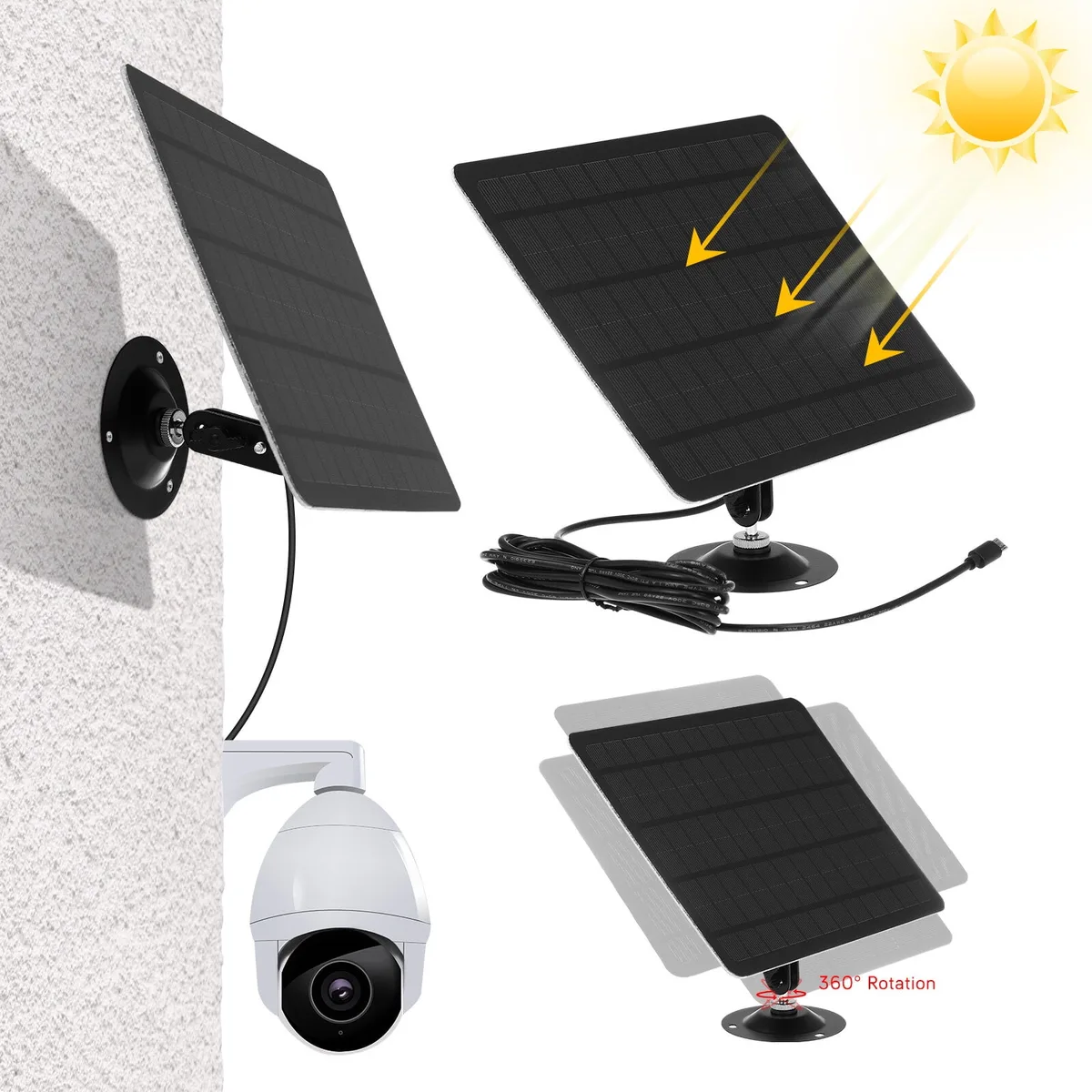
Image source: Bing (Web (fair-use with source credit))
Calculate Your Daily Power Budget
Check the camera's battery capacity in mAh. Then estimate how many motion events trigger per night. Most solar cameras draw between 50 and 200 mAh per event.
Multiply that by your expected events. The result tells you what the panel needs to replace in one sunny day.
| Battery Capacity | Events per Night | Panel Recommendation |
|---|---|---|
| 4,000 mAh | 20 to 30 | 5W to 8W |
| 6,000 mAh | 40 to 60 | 8W to 12W |
| 8,000 mAh | 60 to 80+ | 12W to 15W |
Angle the Panel to Your Latitude
Tilt your solar panel to match your local latitude for maximum exposure. A panel set at 40 degrees works well around Denver or northern Spain. Raise it steeper in winter.
Flatten it in summer. This small adjustment alone boosts charging output by 15 to 25 percent across the year.
Fine-Tune Motion Detection
Every false trigger drains battery. Narrow the detection zone to cover only high-risk areas. Lower sensitivity to ignore swaying branches and passing headlights.
Fewer false alerts means more stored energy when real events happen after dark.
Clean the Panel and Check Battery Health
Wipe the panel surface every few weeks. Remove dust, leaves, and bird droppings that block sunlight. Brush off snow in winter.
If your camera worked last season but fails at night now, the lithium battery has likely degraded. Replacement costs far less than buying a new system.
Frequently Asked Questions
Do solar security cameras work without internet?
Yes, most solar cameras record motion-triggered clips to a local SD card even without Wi-Fi. You won't get live streaming or cloud notifications without a connection. But the footage is there waiting when you reconnect to review it.
How long does night vision last on a full solar charge?
This depends on battery size and event frequency. A 6,000 mAh battery handles roughly 40 to 60 motion-triggered events per night. On a full charge with moderate activity, expect 8 to 12 hours of usable night coverage.
Do solar security cameras work in cloudy weather?
They work, but performance drops during overcast stretches. You'll need to oversize your panel by 50 to 100 percent compared to a sunny region. A 15W panel with a 6,000 mAh battery gives you enough buffer for most cloudy climates.
What is the difference between IR night vision and starlight night vision?
IR night vision uses infrared LEDs to illuminate the scene. It produces black and white footage in complete darkness. Starlight night vision uses advanced sensors to capture color images in very low light without LEDs.
Starlight wins in areas with some ambient lighting.
How often should I replace the solar panel battery?
Most lithium-ion batteries in solar security cameras last 2 to 4 years. Capacity degrades gradually. You'll notice shorter night performance before the battery fails completely.
If daytime recording works fine but nights suffer, battery replacement is the likely fix.
Can solar security cameras handle 24/7 continuous recording?
Not without serious oversizing. Continuous recording draws power faster than most solar panels can recharge. For 24/7 coverage, you'd need a 20W+ panel paired with a 10,000 mAh or larger battery.
Event-triggered recording is the practical choice for most solar setups.
When Solar Cameras Make Sense at Night (and When They Don't)
Solar security cameras deliver solid night performance when your conditions align. Sunny climate plus event-triggered recording plus a properly sized panel equals reliable coverage year-round.
They're ideal for properties where running electrical wire is expensive or impractical. Rural farm perimeters, detached outbuildings, temporary construction sites, and parking lots far from power all benefit from solar placement flexibility. No trenching.
No electrician bills. Mount it, angle the panel, and the system manages itself.
But solar cameras have clear limits. If your priority is uninterrupted 24/7 recording, hardwired or PoE systems remain the better choice. Cloudy climates need significantly larger panels.
Cold winters with short days reduce output in northern latitudes. High-motion environments drain batteries faster than panels can recharge them.
Match your expectations to your actual conditions before you buy. If your property gets decent sun, you don't need constant recording, and you want low installation cost, solar security cameras work at night exactly as advertised. For everything else, there are stronger alternatives.