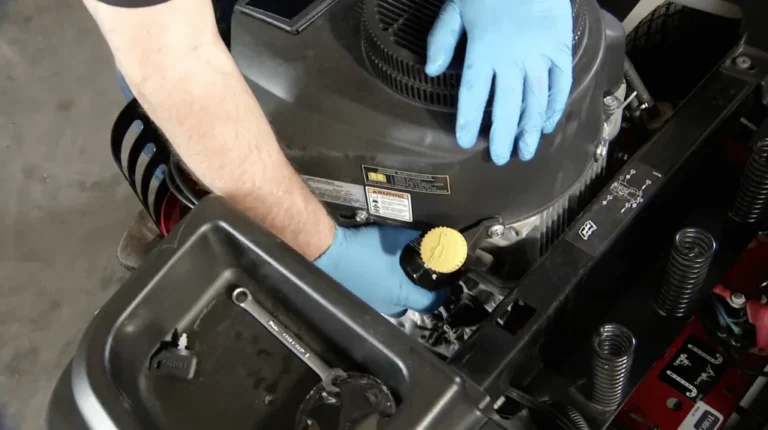
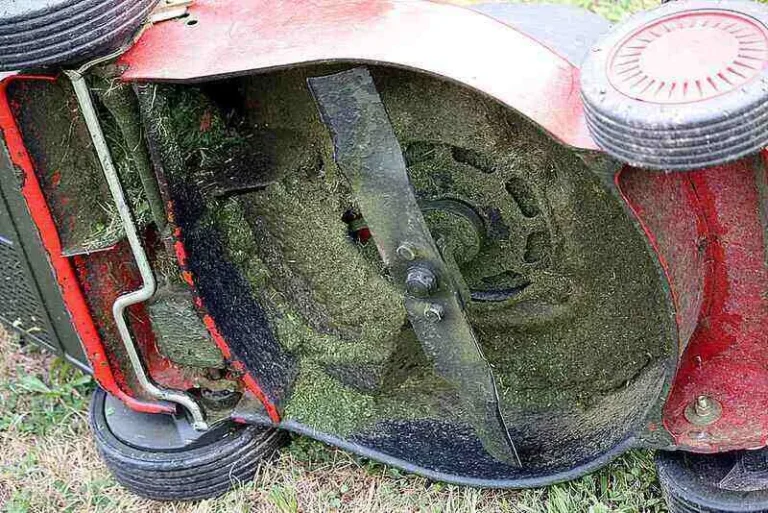
How Do You Maintain a Lawn Mower?
How do you maintain a lawn mower? The right answer depends on what kind of mower you own and how often you mow. Most homeowners skip basic upkeep and wonder why their engine starts rough by year three.
A little consistent maintenance goes a long way toward keeping your mower running strong.
Manufacturer specifications indicate that regular blade sharpening every 25 hours of mowing and an annual oil change can double the useful life of a small gas engine. Briggs & Stratton, Honda, and Husqvarna all recommend following a structured service schedule tied to mowing hours, not just calendar dates. Here's how to build the right maintenance plan for your mower.
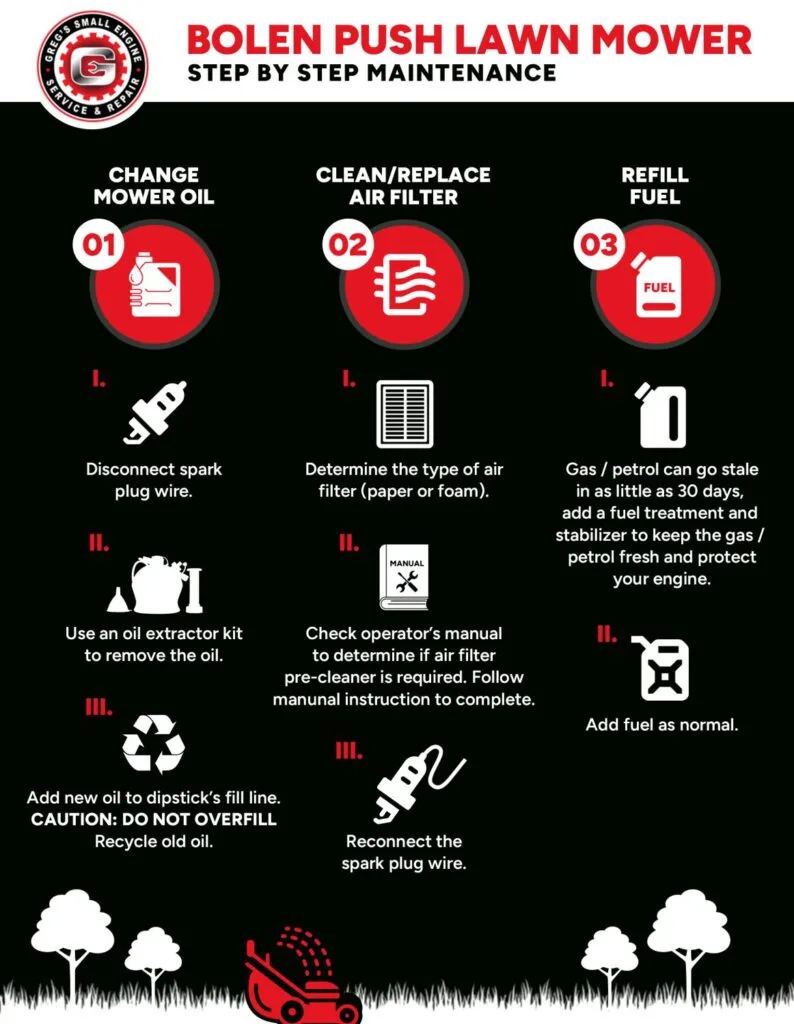
Quick Answer
How do you maintain a lawn mower? Keep the blade sharp, change the oil regularly, and clean the air filter. Check the spark plug and fuel system each season.
Store the mower properly before winter. Follow the manufacturer's maintenance schedule for your specific model.
Why Most Lawn Mower Maintenance Fails (and How to Fix Yours)
The biggest reason lawn mowers die early is neglect, not defect. Most homeowners mow all season and never touch the blade, oil, or air filter. Then the engine starts struggling, the cut quality drops, and they're shopping for a new mower.
If your mower cuts poorly, check the blade first. If it hard-starts, check the spark plug and air filter. If it overheats or loses power, the engine oil likely needs changing.
These three checks solve the majority of problems.
The fix is straightforward. Follow a maintenance schedule based on mowing hours, not just the calendar. Most manufacturers recommend service every 25 to 50 hours of use.
Do that consistently, and your mower lasts years longer.
The EPA's small engine emissions standards also mean that maintaining your engine isn't just good practice. Proper servicing helps keep your mower compliant with federal regulations, which matters especially for commercial operators. Per EPA guidelines, small engine emissions standards apply to outdoor power equipment used across the United States.
The Maintenance Decision Tree: What Your Mower Type Actually Needs
The right maintenance plan depends on three variables: mower type, how often you mow, and your climate. If you own a gas mower, focus on fuel system care, oil changes, and spark plug maintenance. If you own a battery-powered mower, focus on battery health, blade care, and deck cleaning.
Here's a quick decision guide:
| Mower Type | Primary Focus | Service Frequency |
|---|---|---|
| Gas push mower | Oil, spark plug, air filter, blade | Every 50 hours or annually |
| Battery electric mower | Blade, battery terminals, deck cleaning | Every 25 hours or seasonally |
| Riding mower | Drive belt, tire pressure, deck leveling, oil | Every 50 hours or annually |
If you mow less than once a week, annual maintenance is usually enough. If you mow daily or commercially, service every 25 hours to prevent premature wear.
As of 2026, most major manufacturers like John Deere and Toro publish free service schedules online that specify exact intervals for your specific model. Take the time to look yours up. The differences between a 21-inch push mower and a 42-inch riding mower are significant, and the wrong maintenance schedule can do more harm than good.
Step-by-Step Lawn Mower Maintenance Workflow
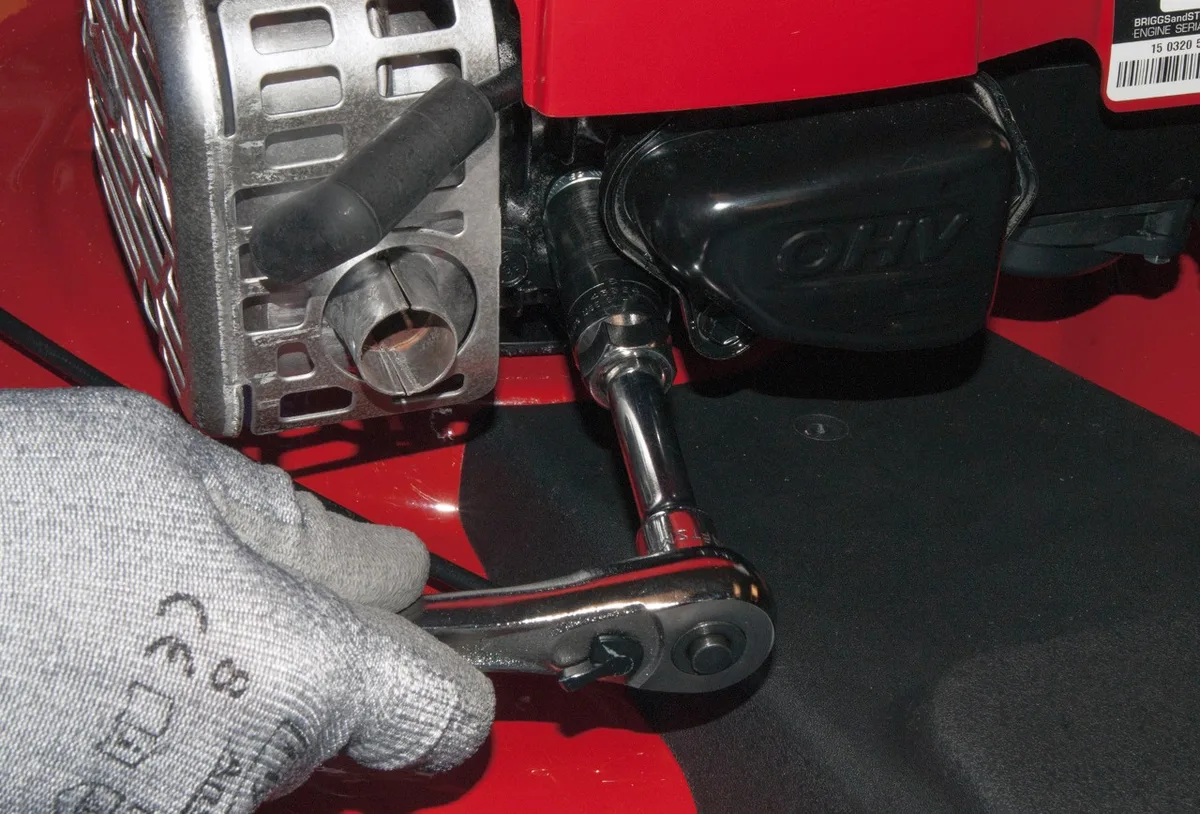
Follow these steps in order for a complete tune-up:
- Disconnect the spark plug wire. This prevents accidental starts while you work.
- Remove and sharpen the blade. A dull blade tears grass and strains the engine. Sharpen to a 20 to 30 degree edge, then balance the blade.
- Clean the mower deck. Scrape off grass buildup, then hose down the underside.
- Check the air filter. Replace it if it's clogged or damaged.
- Change the engine oil. Drain the old oil, clean the plug, and fill with the recommended viscosity (usually SAE 10W-30 for 4-cycle engines).
- Inspect the spark plug. Clean or replace it. Gap it to manufacturer specification if needed.
- Check fuel lines and filter. Replace any cracked or stiff fuel lines, especially if you've used ethanol-blended gasoline.
- Level the deck. Uneven decks cause uneven cutting. Adjust per manufacturer spec.
- Reconnect the spark plug wire and test the mower. Run it for a few minutes to confirm everything works.
Briggs & Stratton recommends performing blade sharpening and oil changes every 25 to 50 hours of mowing. If you're unsure where your mower stands, check the hour meter on newer models or estimate based on how often you mow.
Gas vs. Electric vs. Riding Mower: Maintenance Differences That Matter

Gas mowers require the most maintenance. You'll deal with fuel systems, oil changes, spark plugs, air filters, and carburetor cleaning. Battery electric mowers simplify things significantly.
There's no oil change, no spark plug, and no fuel system to worry about. You still need to sharpen blades and keep the deck clean.
Riding mowers sit somewhere in between. The engine care mirrors gas push mowers, but you also have drive belts, tire pressure, deck leveling, and electrical systems to check. If you mow uneven terrain, belt replacement becomes a more frequent task.
Here's how the core maintenance tasks compare:
| Task | Gas Push | Electric (Battery) | Riding |
|---|---|---|---|
| Oil change | Every 50 hours | Not applicable | Every 50 hours |
| Spark plug | Every 100 hours | Not applicable | Every 100 hours |
| Blade sharpening | Every 25 hours | Every 25 hours | Every 25 hours |
| Air filter | Every 25 hours | Not applicable | Every 25 hours |
| Drive belt check | Rarely needed | Rarely needed | Every season |
If maintenance simplicity is your priority, electric mowers win. If you need raw power for large yards, gas and riding mowers are worth the extra upkeep.
Lawn Mower Maintenance Mistakes That Shorten Your Mower's Life
Even well-meaning homeowners make maintenance errors that cause real damage. The most common ones are avoidable once you know what to watch for.
- Using stale fuel. Gasoline degrades in about 30 days. If you left fuel in the tank over winter, drain it or add a fuel stabilizer before starting the mower.
- Ignoring blade sharpness. A dull blade doesn't just cut poorly. It stresses the engine, increases fuel use, and invites lawn diseases.
- Skipping the air filter. A clogged filter reduces airflow and causes the engine to run rich, which fouls the spark plug.
- Using the wrong oil viscosity. Check your owner's manual. SAE 10W-30 is standard for most 4-cycle engines, but some models need SAE 30 in warm weather.
- Storing the mower with fuel in the tank. Ethanol-blended gas absorbs moisture and corrodes carburetor components. Drain the tank before storage.
- Not disconnecting the spark plug wire before servicing. This is a safety must. An accidental start while you're near the blade can cause serious injury.
Per OSHA safety guidelines, always disconnect the spark plug wire before performing any blade maintenance or undercarriage work. It takes two seconds and eliminates the most common source of mower-related injuries.
Maintenance Costs, Key Intervals, and Safety Basics
Lawn mower maintenance doesn't have to be expensive. Most routine costs are surprisingly low when you do the work yourself. A set of spark plugs runs about $5 to $10.
A new air filter costs $5 to $15. Engine oil for a typical residential mower runs $3 to $6 per quart.
If you prefer professional servicing, aggregate cost estimates report a basic residential tune-up at $80 to $200 depending on the service provider and mower type. DIY servicing brings the annual parts cost down to roughly $50 to $150 for most homeowners.
| Maintenance Task | DIY Cost (Parts) | Professional Cost |
|---|---|---|
| Engine oil change | $3–$6 | $30–$60 |
| Spark plug replacement | $5–$10 | $25–$50 |
| Air filter replacement | $5–$15 | $25–$50 |
| Blade sharpening | $10–$20 (file or stone) | $20–$40 per blade |
| Full seasonal tune-up | $50–$150 | $80–$200 |
On the safety side, two things matter more than anything else. First, always disconnect the spark plug wire before servicing the blade or deck. Second, tip the mower with the carburetor side up to prevent oil from leaking into the air filter.
Dispose of used oil and stale fuel at an approved collection site. Never pour them down a storm drain or onto the ground.
Frequently Asked Questions
How often should you sharpen a lawn mower blade?
Sharpen your lawn mower blade every 25 hours of mowing or at least once per season. If you mow weekly, that works out to roughly twice a year in a typical growing season. Dull blades tear grass and weaken it over time, so keep that edge clean and balanced.
How often should you change the oil in a lawn mower?
Change the engine oil every 50 hours of mowing or once per season, whichever comes first. Most residential homeowners only need one oil change per year. Check the dipstick each month during the mowing season for signs of dark, dirty oil.
Can you use a lawn mower with a dull blade?
You can, but you shouldn't. A dull blade doesn't cut grass cleanly. It shreds the blades, which opens the lawn up to disease and increases engine strain.
Sharpen it before the next mowing session to protect both your lawn and your mower.
How do you winterize a lawn mower?
Drain or stabilize the fuel, change the oil, remove and sharpen the blade, and clean the deck. Store the mower in a dry, covered area and disconnect the spark plug wire. Battery owners should fully charge the battery and store it indoors at moderate temperatures.
Is it safe to tip a lawn mower on its side?
It's safe if you tip it with the air filter and carburetor side facing up. This prevents oil from leaking into the carburetor or air filter. Never tip it with the air filter down, and always disconnect the spark plug wire before tipping.
How long do lawn mower blades last?
Most mower blades last 2 to 3 years with regular sharpening. Blades that get hit on rocks or concrete can crack or chip and need replacing sooner. Inspect yours each time you sharpen it for signs of warping or deep nicks.
Final Recommendation: The Right Maintenance Plan for Your Mower
The best maintenance plan is the one you'll actually follow. Start with a simple routine tied to your mowing hours, not the calendar. Sharpen the blade every 25 hours, change the oil every 50 hours, and service the air filter and spark plug each season.
That covers the vast majority of what keeps a mower running.
If you own a gas mower, budget for fuel system care and oil changes as part of the plan. If you run a battery electric mower, focus on blade sharpness and battery health. Riding mower owners should add drive belt inspections and tire pressure checks to the routine.
Match your maintenance to your mower type, your mowing frequency, and your climate. The mower that gets consistent basic care will outlast a neglected one by years, and the cost of that care is far cheaper than a replacement.