Why Is My Lawn Mower Smoking?
Why is my lawn mower smoking? That's the question every homeowner asks when blue, black, or white smoke curls out of the muffler on a mowing morning. Smoke isn't random.
Each color points to a specific engine problem, and the fix changes depending on which color you're seeing.
Most residential gas mowers run a 4-stroke engine with oil capacities between 18 and 56 ounces. Manufacturer diagnostic guides from Briggs & Stratton and Honda both tie smoke color directly to engine faults. If you're trying to figure out why your mower smokes, the color tells you everything.
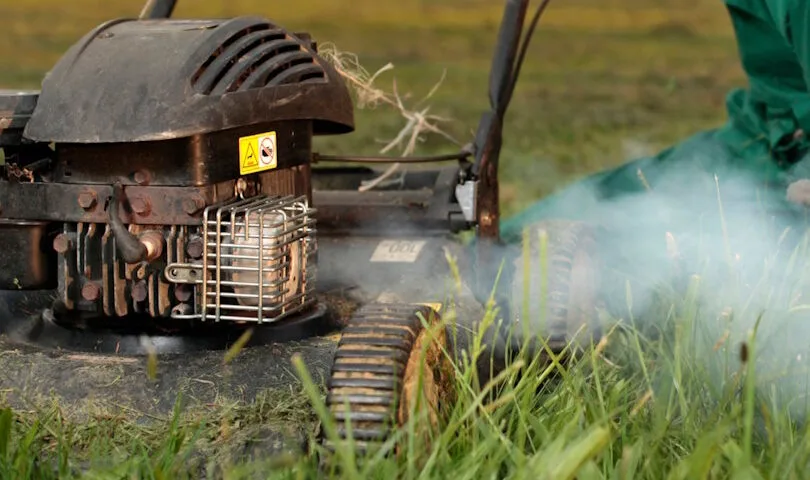
Image source: Bing (Web (fair-use with source credit))
Quick Answer
Why is my lawn mower smoking? Blue smoke means oil is burning inside the engine. Black smoke means a clogged air filter is choking airflow.
White smoke usually means a coolant leak or head gasket failure. Check your oil level first, then follow the guide below.
Blue, Black, or White Smoke: What Each Color Tells You About Your Mower
Smoke color is your fastest diagnostic clue. Each color points to a different failure mode inside the engine.
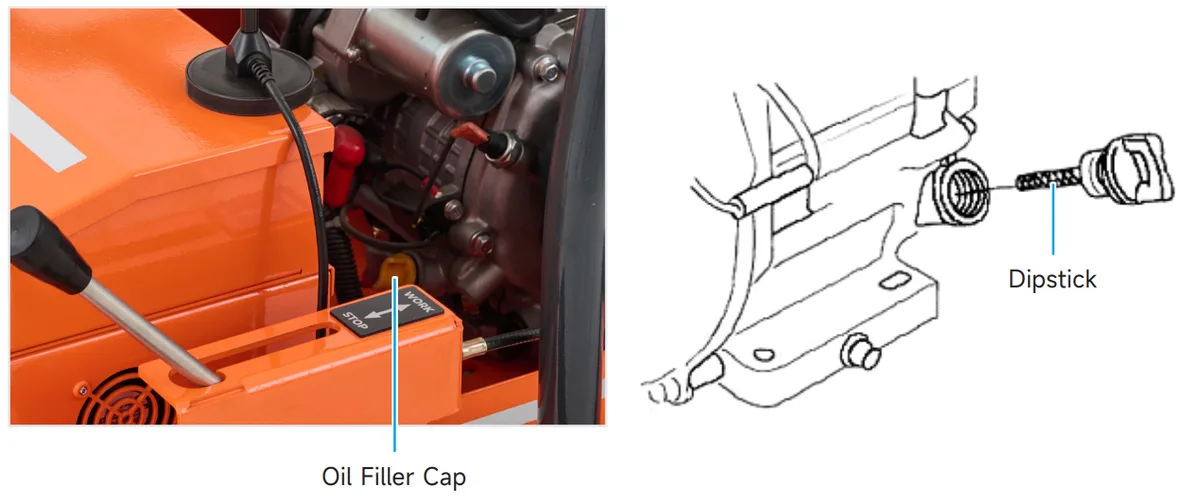
Image source: Bing (Web (fair-use with source credit))
Blue Smoke: Your Engine Is Burning Oil
Blue smoke means oil is getting into the combustion chamber. The most common causes are an overfilled crankcase, a mower that was recently tipped on its side, or worn piston rings on an older engine.
If the oil level is above the max fill line, that's your answer. Drain the excess and let the mower sit upright for 24 hours. If the oil level is correct and blue smoke continues, the piston rings or valve seals have worn out.
That's a job for a small engine mechanic.
| Blue Smoke Cause | Likely Fix |
|---|---|
| Overfilled engine oil | Drain to the fill line |
| Tilted mower | Let it sit upright 24 hours |
| Worn piston rings | Professional engine rebuild |
| Failing valve seal | Valve guide replacement at shop |
Black Smoke: Your Mower Is Running Too Rich
Black smoke means too much fuel and not enough air. A dirty air filter is the number one culprit. The carburetor compensates for reduced airflow by dumping in extra fuel.
Stale fuel and a stuck choke lever can cause the same rich running condition. If the mower sat all winter without a fuel stabilizer, the carburetor jets are probably gummed up. Replace the air filter first.
If black smoke continues, drain the old fuel and clean the carburetor.
| Black Smoke Cause | Likely Fix |
|---|---|
| Clogged air filter | Replace or clean foam filter |
| Stuck choke mechanism | Free or replace choke assembly |
| Gummed carburetor jets | Rebuild carburetor ($20 to $40 kit) |
| Stale or contaminated fuel | Drain tank and refill with fresh gas |
White Smoke: Coolant Leak or Condensation
White smoke on a gas mower is rare. If it clears within a minute or two on startup after winter storage, it's probably condensation burning off. No action needed.
If the white smoke is thick and steady, you're likely dealing with a head gasket failure. A blown head gasket allows coolant or oil to leak into the combustion chamber. This is one of the most expensive small engine repairs.
Have the gasket inspected by a qualified mechanic before continuing to run the mower.
Step-by-Step: How to Diagnose and Fix a Smoking Lawn Mower
This is where the diagnostic logic becomes a repeatable process. Work through the steps in order. Most smoke problems are fixed in the first two.
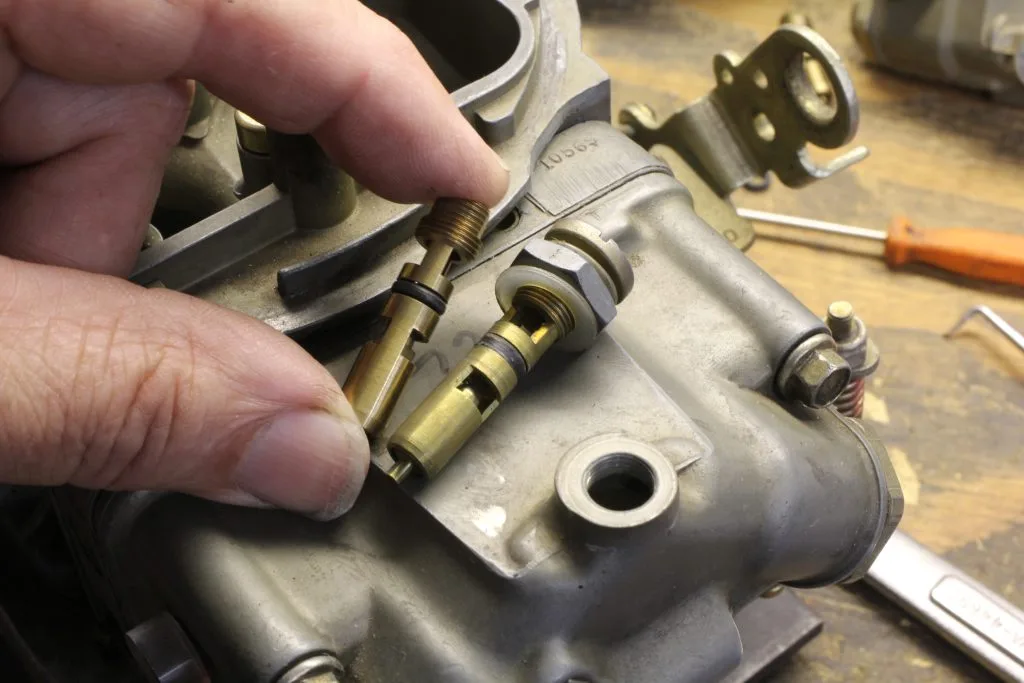
Image source: Bing (Web (fair-use with source credit))
Start With the Easy Checks
Step 1: Check the oil level. Pull the dipstick. If it's above the max fill mark, drain oil until it reads correctly. If the oil is milky or smells burnt, change it completely.
Step 2: Let the mower sit upright for 24 hours. If it was recently tipped or stored on its side, oil may have leaked past the piston rings. This one step alone fixes more smoke complaints than anything else.
Step 3: Inspect the air filter. Pull it out. If it's black, greasy, or clogged, replace it. A fresh air filter costs $5 to $15 and solves most black smoke issues instantly.
Step 4: Smell the exhaust. If it smells like raw gasoline, the fuel system is flooding. Drain the old fuel and refill with fresh gas. Add a fuel stabilizer if the mower will sit unused for more than 30 days.
Move to the Carburetor and Fuel System
If smoke continues after the easy checks, the carburetor needs attention. Remove it and inspect the jets for gummed-up residue. Carburetor cleaner spray ($6 to $10) can free most stuck jets.
If the carburetor is cracked or the float is damaged, rebuild it with a $20 to $40 kit.
Also check the spark plug. A fouled plug with black, oily deposits points to the same fuel or oil problem. Replace it with the correct heat range specified in your owner's manual.
When Smoke Means Internal Engine Damage
If blue smoke persists after the easy fixes, the engine has worn piston rings. If white smoke doesn't clear after startup, the head gasket has failed. Both require disassembly and professional repair.
As of 2026, a piston ring job on a residential mower typically runs $200 to $400 in parts and labor.
Per U.S. EPA guidance, properly maintained small engines emit fewer pollutants. Fixing a smoking mower isn't just about engine health.
It's good environmental practice too.
Common Lawn Mower Smoke Mistakes That Make the Problem Worse
These are the errors we see most often from homeowners trying to fix smoke problems on their own.
Tipping the mower to clean the deck without draining the oil first. This is the number one cause of blue smoke on a mower that was fine before. Oil flows past the piston rings and sits in the cylinder. It needs to burn off before smoke stops.
Using the wrong oil type. Not all small engine oils are the same. A 4-stroke mower needs SAE 10W-30 or SAE 5W-30. Pouring 2-stroke oil into a 4-stroke engine causes white smoke and rapid carbon buildup.
Check your owner's manual before you buy.
Adding oil to the fuel tank. If someone used a 2-stroke oil mix in a 4-stroke mower, drain the fuel tank immediately and run fresh fuel through it. The engine will need several start-up cycles to burn off the contamination.
Running the mower with the choke stuck closed. If the choke lever is jammed or the cable is stretched, the engine runs rich on every start. Black smoke and rough running follow. Free the choke or replace the cable.
Ignoring the breather tube. The crankcase ventilation system vents excess pressure from the engine. If it's blocked, oil mist gets pushed into the intake, causing blue smoke. Inspect and clean the breather tube during every tune-up.
Repair Costs: What Fixing a Smoking Lawn Mower Actually Costs
Understanding the cost range helps you decide whether to fix the mower or replace it. A good rule of thumb: if the repair costs more than 50% of a new mower's price, replacement makes more sense.
| Repair | Typical Cost (Parts + Labor) |
|---|---|
| Air filter replacement | $5 to $15 (DIY) |
| Carburetor rebuild | $20 to $40 (DIY) / $75 to $150 (shop) |
| Oil change | $10 to $20 (DIY) |
| Spark plug replacement | $5 to $12 (DIY) |
| Head gasket replacement | $150 to $400 |
| Piston ring job | $200 to $400 |
| Full engine rebuild | $400 to $800+ |
| New residential push mower | $300 to $700 |
DIY fixes (air filter, oil change, spark plug, carburetor rebuild) cover the vast majority of smoke problems homeowners report. Only ring jobs, head gasket failures, and full engine rebuilds require a shop visit.
If your mower is more than 8 years old and has significant rust or deck damage, spending $400+ on an engine rebuild rarely makes financial sense. In that case, replacement is the better call.
Fuel stabilizer runs about $5 to $15 per bottle and prevents the stale fuel problems that cause most smoke complaints in the first place. It's cheap insurance for any mower that sits unused for more than a month.
Preventing Lawn Mower Smoke: Maintenance That Keeps Your Engine Clean
Most smoke problems are preventable with a consistent maintenance routine. Here's what keeps engines clean and smoke-free over the long haul.
Change the oil on schedule. Most small engine manufacturers recommend an oil change every 50 engine hours or once per season, whichever comes first. Dirty oil thickens, sludges up the piston rings, and eventually causes blue smoke.
Replace the air filter every season. A clean air filter is the single most effective defense against black smoke. Paper filters are disposable. Foam filters can be washed with warm soapy water and re-oiled with foam filter oil.
Use fresh fuel and a stabilizer. Gasoline starts going stale in about 30 days. If you're not mowing weekly, add a fuel stabilizer before storage. During the off-season, either treat the fuel or drain the tank completely.
Store the mower properly. Keep it in a dry, sheltered area. Tilt it on its side with the carburetor facing up (not down) to prevent oil from running into the combustion chamber. Most manufacturers publish storage guidelines specific to their models.
Run the mower for a few minutes after each use. A short post-mow run (3 to 5 minutes) burns off residual fuel and moisture in the carburetor. This prevents corrosion and gumming during storage.
Per Briggs & Stratton maintenance guidelines, following these simple habits extends small engine life significantly and keeps smoke from becoming a recurring problem.
Frequently Asked Questions
How long does it take for mower smoke to go away after tipping the mower?
White or light smoke typically clears within 5 to 10 minutes of normal operation once the mower has been sitting upright. Oil that leaked past the piston rings burns off gradually over several mowing sessions. If smoke persists after 30 minutes of running, move on to the next diagnostic step.
Can a dirty air filter really cause black smoke?
Yes, a clogged air filter is the leading cause of black smoke on gas-powered mowers. Without adequate airflow, the carburetor supplies excess fuel to maintain the air-to-fuel ratio. Replacing the air filter ($5 to $15) solves black smoke in most cases immediately.
What does white smoke mean on a riding mower?
White smoke on a riding mower points to either condensation burning off after cold storage or a coolant leak. Most residential riding mowers are air-cooled and don't use liquid coolant, so persistent white smoke on these machines suggests a blown head gasket instead.
Is it safe to keep running a mower that smokes?
You can run a mower with mild blue smoke briefly to burn off residual oil, but persistent smoke signals real engine damage. Running the engine further risks complete failure. Stop and diagnose the cause if smoke hasn't cleared after 10 to 15 minutes.
When should I take my smoking mower to a professional?
Take it to a small engine shop when DIY fixes don't work. Blue smoke that continues after correcting the oil level indicates worn piston rings. Thick, steady white smoke points to head gasket failure.
Both need mechanical repair you can't complete with basic tools.
How much does it cost to fix a smoking lawn mower?
DIY fixes like air filters, oil changes, and carburetor rebuilds cost $5 to $40. Professional repairs range from $75 to $400 depending on the problem. Head gasket and piston ring jobs run $150 to $400.
If repair exceeds 50% of a new mower's price, replacement is usually smarter.