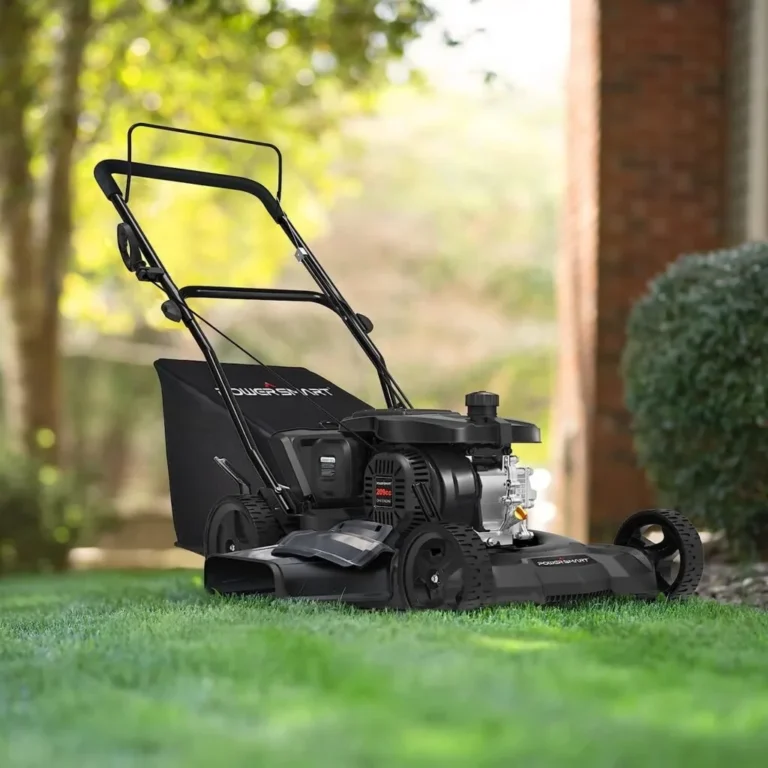
Should You Drain Gas From a Lawn Mower?
Should you drain gas from a lawn mower? That question comes up every year as fall approaches, and the answer isn't as simple as a yes or no. Whether draining the fuel tank is the right move depends on how long you're storing the mower, what type of gasoline you used, and what kind of climate you're dealing with.
Per manufacturer guidance from Briggs & Stratton and Honda, gasoline in small engines starts degrading noticeably in just two to four weeks. The fuel standard most of us pump, E10, contains up to 10% ethanol, which speeds that breakdown considerably. Let's get into exactly when draining matters, when it doesn't, and how to make the right call for your mower.
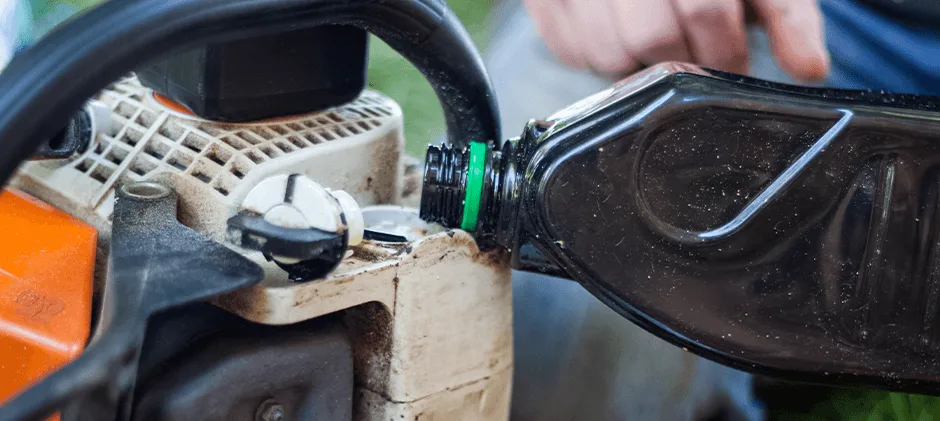
Quick Answer
Should you drain gas from a lawn mower? If you're storing it for more than 30 days, draining the tank is the safest approach. If you're mowing within a week or two, leaving gas in is fine.
For storage periods between one and three months, a fuel stabilizer additive works well. Always drain the carburetor bowl to prevent gumming.
Why Draining Gas From Your Lawn Mower Actually Matters
The biggest reason anyone questions whether to drain gas from a lawn mower is that dreaded spring morning when the key turns and nothing happens. Stale gasoline is the number one culprit behind small engine starting failures, and it's almost entirely preventable.
When fuel sits in the tank over winter, it oxidizes. Varnish and gum form in the carburetor jets, fuel lines harden, and water condensation builds up inside the tank. Briggs & Stratton and Honda both report that improper fuel storage is a leading cause of warranty claims on new equipment.
The repair costs make the case for prevention. A carburetor cleaning at a small engine shop runs $75 to $150 as of 2026. A full carburetor replacement pushes costs to $150 to $350 depending on the mower model.
Preventive draining takes five minutes and costs nothing but a little time.
| Repair Type | Typical Cost |
|---|---|
| Carburetor cleaning | $75 to $150 |
| Carburetor replacement | $150 to $350 |
| Fuel line replacement | $40 to $100 |
| Fuel filter replacement | $25 to $50 |
The Short Answer: It Depends on Four Key Variables
There's no universal answer to whether you should drain gas from a lawn mower. Four variables determine the right call, and each one shifts the recommendation.
Storage duration is the biggest factor. If the mower will sit unused for 30 days or longer, draining the fuel or treating it with a stabilizer is the right move. Two weeks or less?
Leave the gas in and don't worry about it.
Climate matters more than most people realize. If winter temperatures drop below freezing where you live, condensation in the fuel tank accelerates water absorption into ethanol-blended gasoline. That moisture causes phase separation, where fuel and water literally split into layers.
Your carburetor then draws that water first.
The type of gasoline you use shifts the timeline too. Ethanol-free gasoline holds up significantly better than E10, the standard fuel available at nearly every gas station. And if you mow frequently, your fuel cycle is fast enough that degradation rarely becomes an issue.
| Variable | Draining Recommended If… |
|---|---|
| Storage duration | Mower sits 30+ days unused |
| Climate | Winter temps drop below freezing |
| Fuel type | Using E10 ethanol-blended gasoline |
| Mowing frequency | You mow fewer than twice per month |
What Actually Happens When Gasoline Sits Too Long
Gasoline isn't stable. It starts breaking down the moment it leaves the pump, and the clock runs faster in a small engine than most people realize.
Fresh gasoline holds up roughly three to six months in an ideal sealed environment. Once it sits in a fuel tank exposed to temperature swings and air, that timeline shrinks to two to four weeks before quality drops noticeably.
Ethanol-blended fuel makes the problem worse. E10 gasoline is hygroscopic, meaning it pulls moisture from the air. When water accumulates, it sinks to the bottom of the tank and causes phase separation.
University extension research from the University of Minnesota confirms this is one of the most common causes of small engine failures in cold climates.
The real damage happens in the carburetor. Fuel evaporates and leaves behind varnish and gum deposits that clog the tiny jets and passages. Manufacturer data from Kohler Engines shows that untreated E10 fuel sitting in a carburetor during extended storage can require full disassembly and cleaning.
Even a small amount of residue is enough to disrupt the fuel-to-air mixture and prevent ignition.
Condensation compounds the problem. Temperature fluctuations inside a partially full fuel tank cause the air space to breathe, pulling in humid air that condenses on the tank walls. Over weeks, this adds water to the fuel system and worsens the degradation cycle.
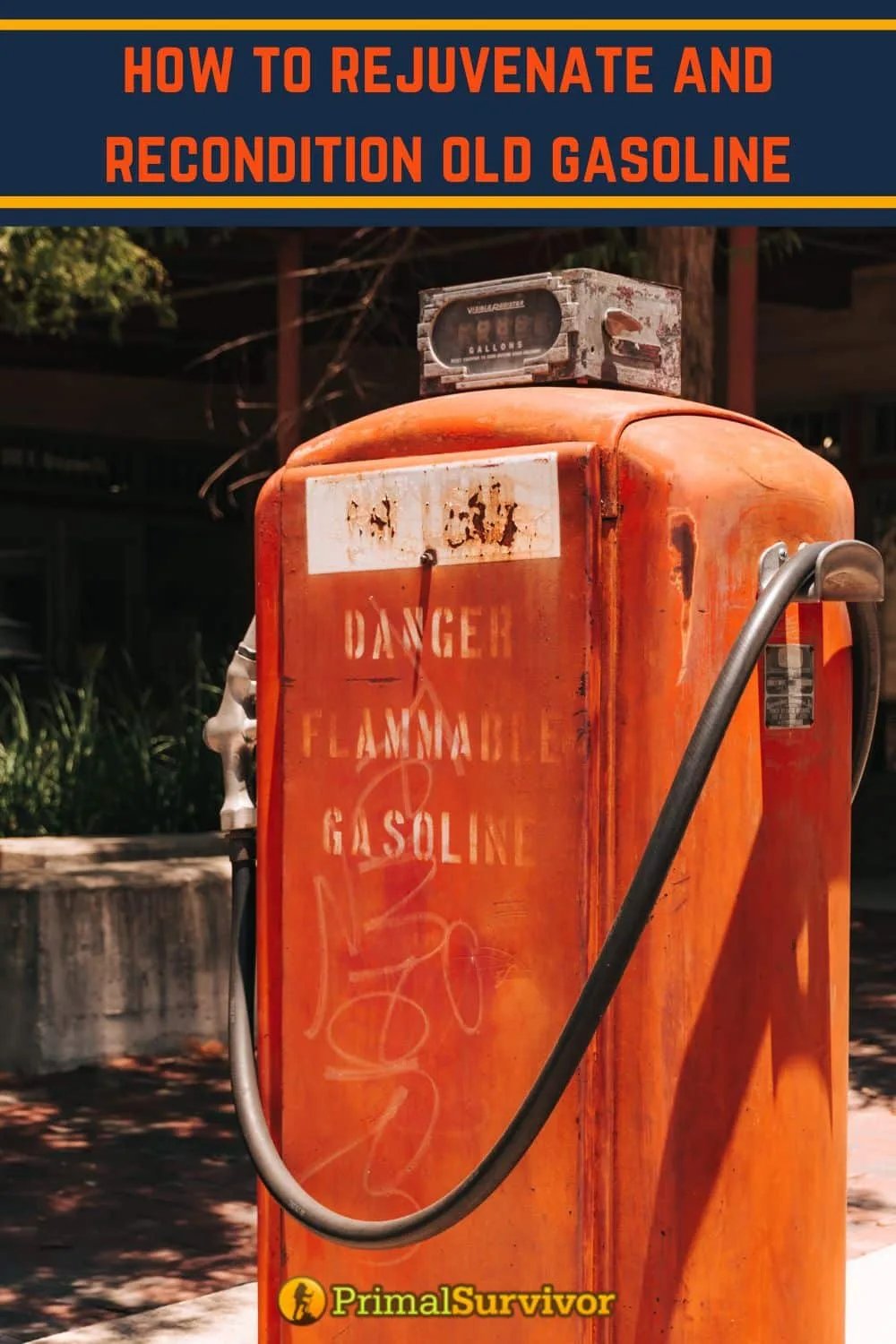
Decision Tree: Drain, Stabilize, or Leave the Gas In?
The right choice depends on your situation. Here's the decision logic.
When you should drain the gas completely
Drain the fuel tank if the mower will sit unused for 30 days or longer. Also drain it if temperatures will drop below freezing during the storage period. If your tank holds E10 gasoline and you can't find ethanol-free fuel nearby, draining is the safest bet.
This eliminates the risk of phase separation and carburetor gumming entirely.
When fuel stabilizer is the better move
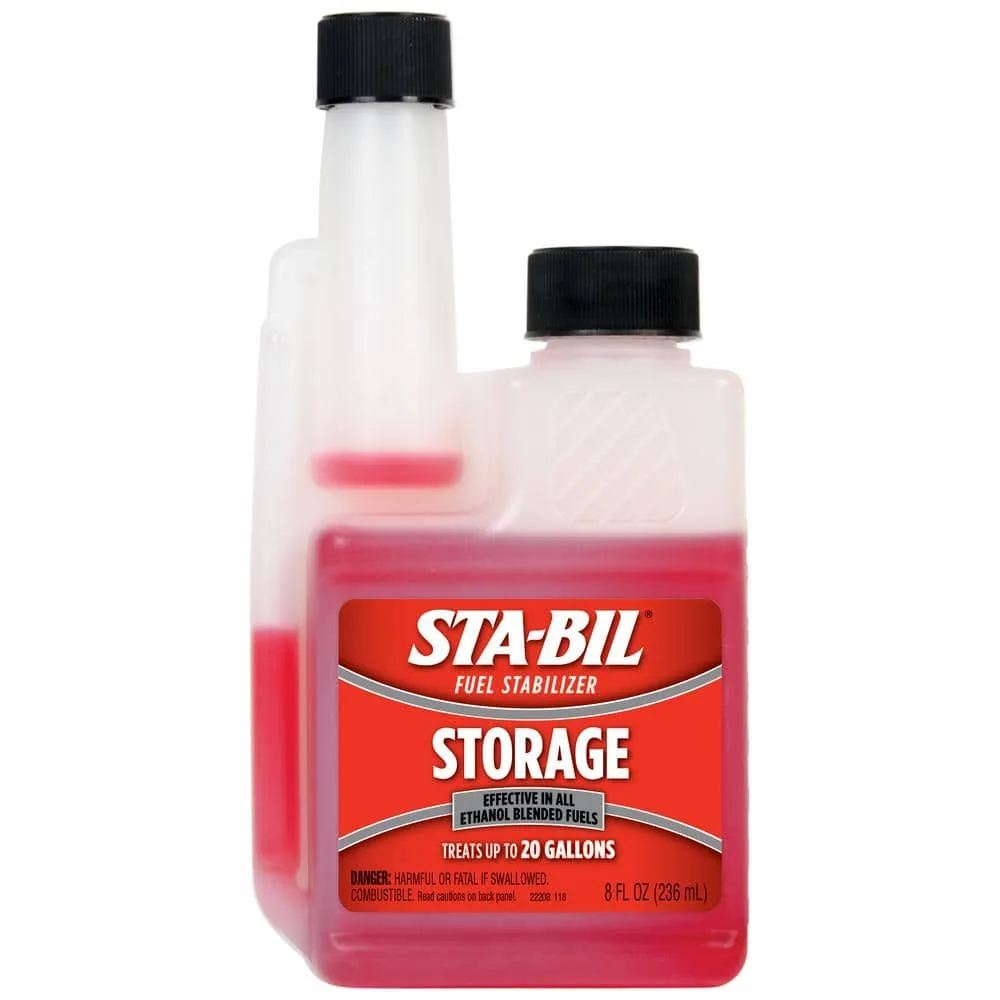
Fuel stabilizer is your best option when storage lasts between one and three months. Add the stabilizer at the label's recommended dose, then run the engine for three to five minutes. This pushes treated fuel through the carburetor and fuel lines.
After that, shut the fuel valve to the carburetor if your mower has one. This protects the critical fuel passages while keeping the fuel supply usable for a smooth restart later.
When leaving gas in the tank is fine
You can leave gas in the tank if you'll be mowing within two weeks. The fuel won't degrade enough to cause starting issues. It's also fine if you're using ethanol-free gasoline and mowing within 30 days, since that fuel type degrades far more slowly than E10 blends.
Just make sure the gas cap is secure to minimize moisture exposure.
How to Drain Gas From a Lawn Mower (and When to Stabilize Instead)
Whether you decide to drain, stabilize, or do both, here's the process for each.
Draining the fuel tank step by step
Work outdoors, away from ignition sources. Let the engine cool completely first. Remove the gas cap.
Siphon the fuel out using a manual fuel transfer pump. Alternatively, run the engine until the tank runs dry and the engine stalls on its own. Never siphon fuel by mouth, as this poses a serious chemical exposure risk.
Draining the carburetor bowl
Locate the drain screw on the carburetor bowl. Place a shallow container underneath. Loosen the screw and let the fuel drain completely.
Tighten the screw once empty. This step is critical, because residual fuel in the carburetor causes gumming regardless of what's in the tank.
Adding fuel stabilizer for long-term storage
If you're not draining the tank, add fuel stabilizer at the label's recommended dose. Most products call for 1 ounce per 5 gallons. Run the engine for three to five minutes to push treated fuel through the entire system.
Then shut the fuel valve if your mower has one.
Safe fuel disposal options
Never pour old gasoline down a drain, into a storm sewer, or onto the ground. The EPA prohibits improper fuel disposal because gasoline contaminates waterways and soil. Take it to a local household hazardous waste collection facility or an approved drop-off site.
Many hardware stores accept old fuel for proper recycling as well.
Common Mistakes That Cost Lawn Mower Owners Money
The fuel storage decision is straightforward when you know what to look for. What trips people up is the shortcuts they take along the way.
Running the mower dry and calling it done. Letting the tank run empty doesn't remove fuel from the carburetor bowl. Residual gasoline stays in the jets and passages, and it gums up just as badly as fuel sitting in the tank. If you're draining, always pop that carburetor bowl drain screw too.
Ignoring the carburetor bowl. This is the single most skipped step. The carburetor holds a small pool of fuel even when the tank is empty. Over weeks of storage, that fuel degrades in place and causes exactly the starting problems draining was supposed to prevent.
Using the wrong fuel type. Many mower owners don't realize that E10 gasoline starts degrading within weeks. If ethanol-free gasoline is available where you live, it's worth the extra cost for storage. Otherwise, add a quality fuel stabilizer at the recommended dose.
Disposing of old gas the wrong way. Pouring gasoline down a drain or into a gutter contaminates waterways. The EPA prohibits it outright. Old fuel needs to go to a household hazardous waste facility or an approved collection point.
Check with your local municipality for drop-off schedules.
Skipping the oil change at the same time. Seasonal storage is the perfect moment to change oil. Small engine oil breaks down over time, and draining old oil alongside old fuel completes the winterization in one session. Briggs & Stratton recommends oil changes at least once per season, or every 50 hours of use.
| Mistake | What It Costs You |
|---|---|
| Running engine dry without draining carburetor bowl | Carburetor cleaning ($75 to $150) |
| Storing with old E10 fuel in the tank | Full carburetor replacement ($150 to $350) |
| Skipping stabilizer for 1-month+ storage | Failed spring start, tow to repair shop |
| Pouring gas down a drain | Environmental violation, potential fines |
| Neglecting oil change during storage | Internal engine wear, reduced lifespan |
Frequently Asked Questions
How long can gas sit in a lawn mower before it goes bad?
Most gasoline stays usable for two to four weeks in a lawn mower's fuel system. E10 ethanol-blended fuel degrades faster because it absorbs moisture from the air. After 30 days without treatment, you're gambling on whether the engine will start.
Adding a fuel stabilizer extends the usable life to six months or more.
Is it better to run the lawn mower dry or drain the gas?
Running the mower dry doesn't fully protect the carburetor. Fuel remains in the carburetor bowl, fuel lines, and pump mechanisms. Draining the tank by siphoning plus opening the carburetor bowl drain screw is the more complete approach.
It removes fuel from all the places it can cause damage during storage.
Can I use old gas in a new lawn mower?
No. Old gasoline, especially anything older than 30 days, can clog fuel lines and carburetor jets in a brand-new engine. The varnish and gum deposits don't care whether the engine is old or new.
Pour fresh gasoline into the mower after storage to protect your investment.
What is the best fuel stabilizer for lawn mower storage?
Look for a stabilizer specifically labeled for small engine fuel. The key active ingredients are PEA-based detergents and corrosion inhibitors. Follow the label's dosing instructions, which typically call for 1 ounce per 5 gallons of gasoline.
Run the engine for three to five minutes after adding it so treated fuel reaches every part of the system.
Should I drain gas before winter or after winter?
Before winter. Drain or treat the fuel while you can still run the mower to move stabilizer through the system. Draining after winter storage means you're dealing with potentially degraded fuel and a carburetor that may already be gummed up.
Prevention before storage is always easier than repair afterward.
Can a lawn mower run on E85 or flex-fuel?
No. Standard small engines are calibrated for E10 or lower ethanol content. E85 contains up to 85% ethanol and can damage carburetors, fuel lines, and fuel injectors in engines not built for it.
Stick with the fuel type specified in your owner's manual, and use ethanol-free gasoline when available for storage.
Decision Guide: The Right Fuel Storage Approach for Your Situation
Everything in this article points back to one question: how long will your mower sit before you use it again? Match your situation to the right approach.
| Your Situation | What to Do | Tools Needed |
|---|---|---|
| Mowing within 2 weeks | Leave gas in tank, run mower regularly | Nothing |
| Storage for 1 to 3 months | Add fuel stabilizer, run engine 5 minutes | Fuel stabilizer, manual fuel pump |
| Storage for 3+ months, mild climate | Add stabilizer, shut fuel valve, drain carburetor bowl | Fuel stabilizer, shallow drain pan |
| Storage for 3+ months, freezing climate | Drain tank completely, drain carburetor bowl | Manual fuel pump, shallow drain pan |
| Using ethanol-free gas year-round | Storage up to 30 days is fine without treatment | Nothing |
| Mower won't start after sitting | Drain all fuel, clean carburetor, start fresh | Fuel stabilizer, carburetor cleaner |
A few extra things to handle during the same session. Check the spark plug and replace it if the electrodes look worn. Change the oil while you're already working on the mower.
Inspect the fuel lines for cracking or swelling, which ethanol-blended fuel causes over time. Clean the air filter, since a clogged filter makes the carburetor work harder.
For cold-climate owners, the full drain approach takes about 15 minutes and gives you the best chance of a smooth spring restart. For mild-climate owners who mow a few times a month, the stabilizer approach keeps things simple without risking the fuel system. Either way, the ten minutes you spend now saves you from the frustration of a mower that won't start when the grass starts growing again.