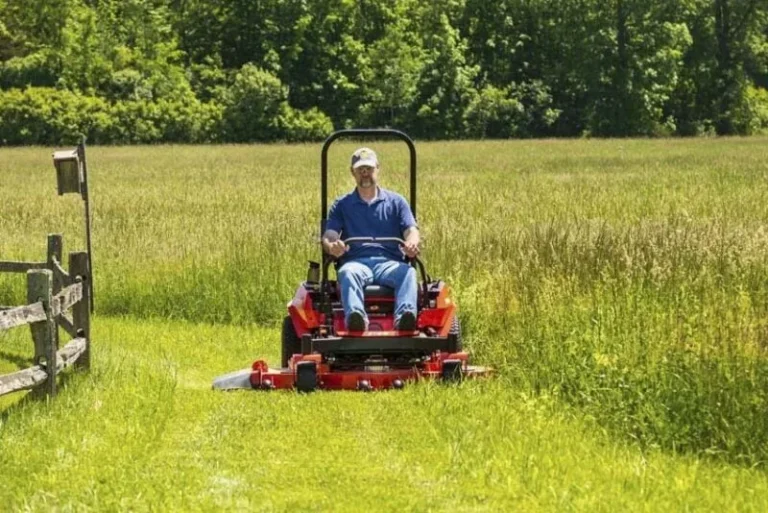
Why Is My Lawn Mower Leaking Oil?
Why is my lawn mower leaking oil? That puddle under the mower isn't just annoying. It means something specific is going wrong, and the fix is usually cheaper than people think.
The leak location will tell you exactly what's failing.
Most walk-behind mower engines hold between 15 and 20 ounces of oil. Riding mowers take 1.5 to 2 quarts. As of 2026, a small engine shop diagnostic runs $50 to $75 before they even touch the engine.
Knowing where to look yourself saves real money right away.
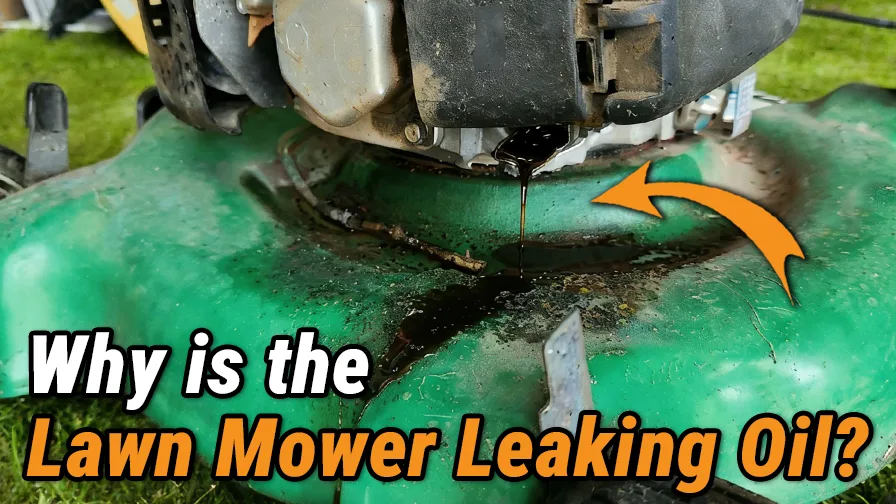
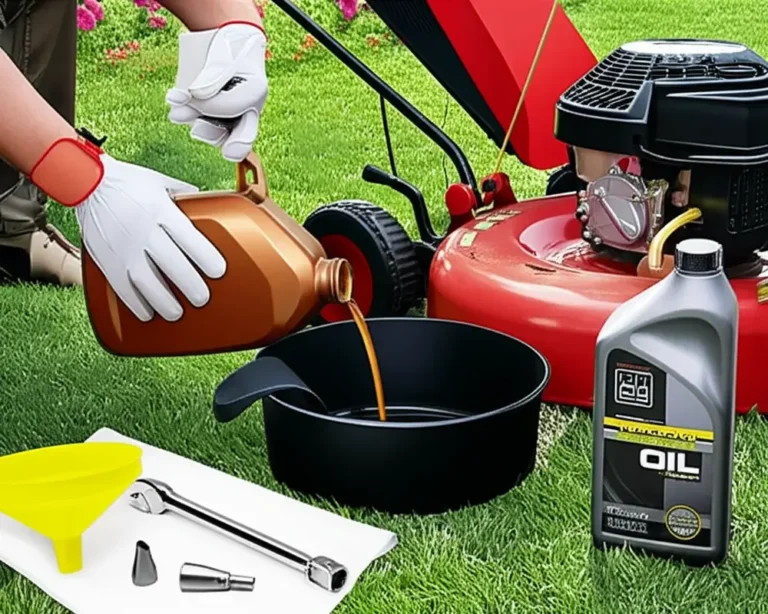
Image source: Bing (Web (fair-use with source credit))
Quick Answer
Why is my lawn mower leaking oil? Common causes include overfilled oil, a worn crankshaft seal, or a failed gasket. The leak location tells you exactly what has failed.
Clean the engine and inspect each area before replacing any parts. Fix the specific cause, and the leak stops.
Where the Oil Is Leaking From: A Step-by-Step Diagnostic Triage
The leak location tells you almost everything. Before you replace a single part, pinpoint exactly where the oil is coming from. Here's how to work through it step by step.

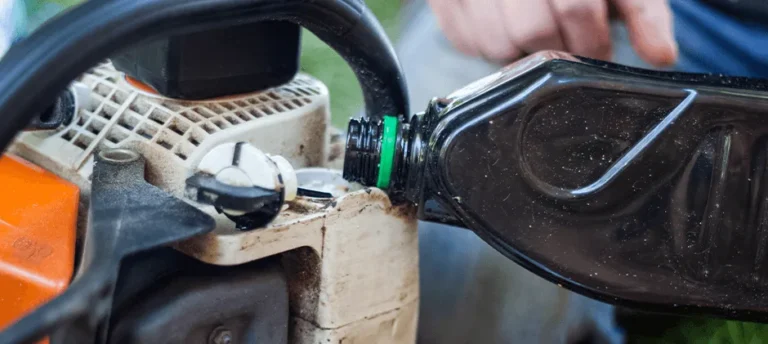
Image source: Web (Bing) / kids.frontiersin.org (Web image (fair-use with source credit))
Run the Engine on a Clean Surface
Start by mowing over a piece of cardboard or clean concrete for five minutes. Shut the engine off and inspect the area underneath. Where the oil sits tells you what's failing.
Here's a quick triage table to guide your inspection:
| Oil Location | Likely Cause | What to Check |
|---|---|---|
| Under the engine block | Crankshaft seal or gasket failure | Seal area at front or rear of engine |
| Around the oil fill cap | Overfilled oil or cracked cap seal | Dipstick level and fill cap condition |
| Near the air filter housing | Breather system passing oil | Crankcase breather tube and reed valve |
| Trailing behind after hillside mowing | Breather tube seepage | Breather tube integrity and internal valve |
Check the Oil Level Against the Dipstick
Pull the dipstick. If the oil sits above the "Full" mark, you've overfilled it. Overfilling is the most common cause of oil leaks after a DIY oil change.
Crankcase pressure builds up and forces oil past seals that aren't designed to hold it.
Inspect the Drain Plug and Fill Cap
If the leak is near the drain plug, check the crush washer. These washers are designed to be replaced every time you change the oil. A reused washer won't seal properly, and oil will seep out over time.
Look at the Crankshaft Seal Area
If the leak is at the front or rear of the engine where the crankshaft exits the block, you're likely dealing with a worn crankshaft seal. This part wears out with age and high run time. Most small engines need seal replacement after 500 to 1,000 hours of use.
Check the Breather Tube
The crankcase breather tube manages internal engine pressure. If oil is coming from the breather outlet, the tube or its internal reed valve has failed. This is common on mowers stored on their side or leaned heavily during mowing.
How to Fix the Most Common Lawn Mower Oil Leaks
Once you've identified the leak source, the fix depends on what's failing. Most of these repairs take 30 minutes to an hour with basic hand tools.
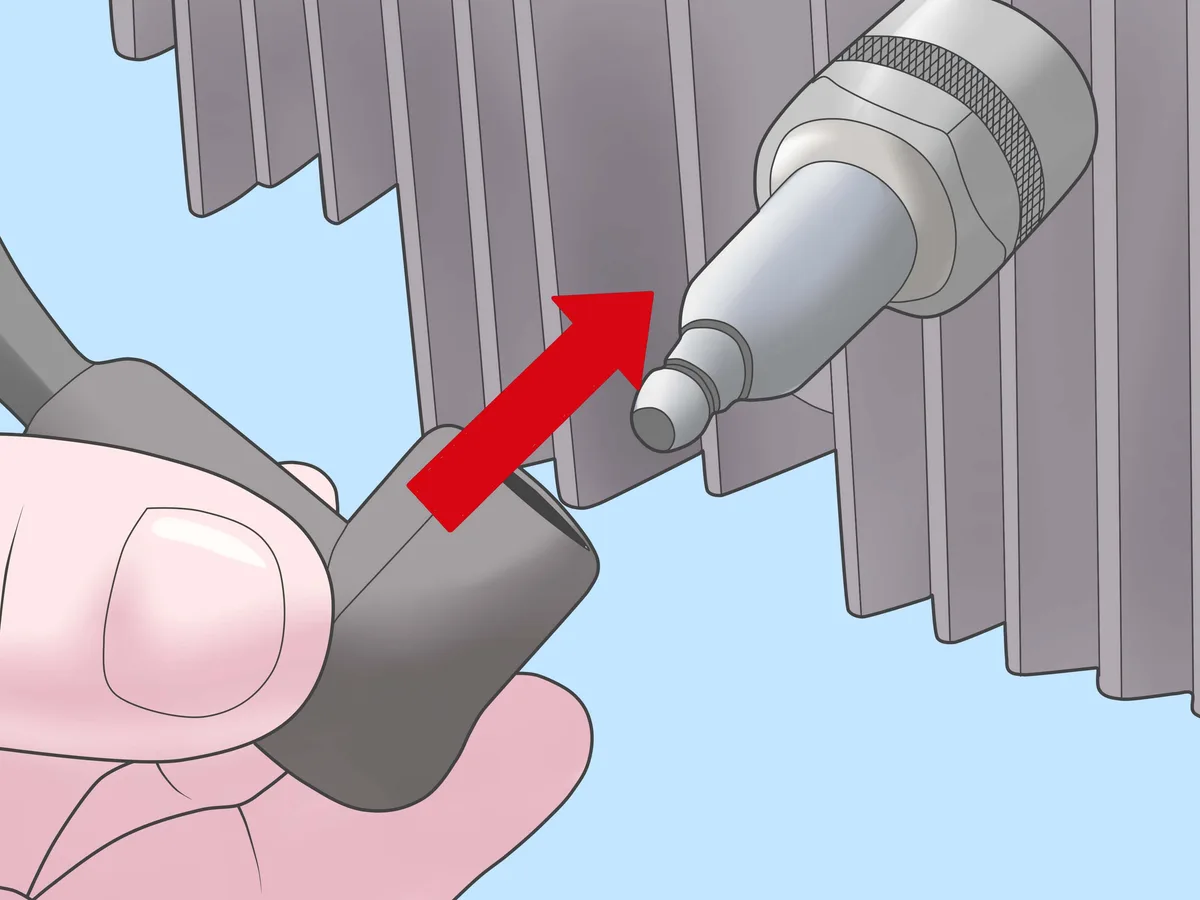
Image source: Bing (Web (fair-use with source credit))
Overfilled Oil
If the dipstick shows oil above the "Full" mark, drain the excess. Remove the oil drain plug and drain until the level sits between the marks on the dipstick. This alone fixes the leak in most cases.
Failed Oil Drain Plug Gasket
Replace the crush washer every time you change the oil. A new one costs under $2. Torque the drain plug to the manufacturer's spec, typically 10 to 25 ft-lbs depending on the engine.
Briggs & Stratton publishes specific torque values for each engine model on their official site. Overtightening damages the gasket and causes a new leak.
Worn Crankshaft Seal
Crankshaft seal kits run $15 to $60 depending on the engine brand. The seal sits where the crankshaft exits the crankcase. Replacing it requires removing the engine from the mower deck, which adds labor time but keeps parts costs low.
Failed Valve Cover Gasket
If oil is seeping from the top of the engine, the valve cover gasket has likely dried out from heat cycles. A gasket kit costs $10 to $35. Clean both surfaces with a gasket scraper before installing the new gasket.
Torque bolts in a cross pattern to avoid warping the cover.
Breather Tube or Reed Valve Failure
A failed breather tube means internal crankcase pressure is pushing oil out the vent. Replace the breather tube and check that the internal reed valve moves freely. Parts cost $10 to $25.
Here's what each repair typically costs:
| Repair | Parts Cost | Shop Labor Cost | DIY Time |
|---|---|---|---|
| Drain plug gasket | Under $2 | $50 to $75 | 5 to 10 minutes |
| Valve cover gasket | $10 to $35 | $80 to $120 | 30 to 45 minutes |
| Crankshaft seal | $15 to $60 | $150 to $250 | 1 to 2 hours |
| Breather tube | $10 to $25 | $75 to $100 | 20 to 30 minutes |
| Oil level correction | Free | $50 to $75 | 5 to 10 minutes |
Mistakes That Make Lawn Mower Oil Leaks Worse
Some of the worst oil leaks happen because of what people do before they realize they have one. Here are the mistakes that turn a small problem into an expensive repair.
- Leaning the mower to clean the deck. Most 4-cycle mowers can't be tilted without oil seeping past the breather tube and into the air filter. Tip the mower with the carburetor side up, or drain the oil first.
- Reusing a drain plug crush washer. The washer crushes to form a seal the first time. A second use won't hold pressure, and oil will drip slowly over weeks.
- Overtightening bolts and gasket bolts. Snugging a bolt tighter doesn't make it seal better. It warps the gasket surface, and that guarantees a new leak later.
- Refilling oil without checking the dipstick first. Pouring in a fixed amount instead of measuring creates an overfill. Most small engines need precise oil levels, not ballpark guesses.
- Ignoring a slow leak for weeks. A drip that seems harmless loses oil faster than you think. An engine running even 20 percent low on oil can overheat and seize.
- Using the wrong oil viscosity. SAE 30 works fine for summer use. But running it in cold weather causes startup problems and can affect seal performance. Check your owner's manual for the correct grade.
- Storing the mower on its side all winter. If you store a mower tipped on its side, oil migrates to the breather side. The first spring startup then dumps oil into the air filter and combustion chamber.
When to Repair vs. When to Replace Your Lawn Mower
The general rule is simple. If the repair costs more than half the price of a new mower, replacement makes more sense. But there are exceptions worth thinking through.
When Repairing Makes Sense
- The leak is from a gasket, seal, or drain plug. Parts cost under $60.
- The engine has fewer than 500 hours on it.
- The mower deck, wheels, and transmission are still in good condition.
- The engine runs strong aside from the leak.
- You're comfortable doing the work yourself.
When Replacement Makes Sense
- The engine block itself is cracked. A cracked crankcase means the engine is done.
- The repair quote exceeds $300 and the mower is more than 7 years old.
- The mower deck is rusted through and needs replacement on its own.
- The engine has been run low on oil and shows signs of internal damage. Look for excessive smoke, knocking sounds, or loss of compression.
- The total repair history already exceeds the mower's current value.
The Cost Picture
Here's what you're comparing as of 2026:
| Mower Type | Average Replacement Cost | Typical Oil Leak Repair | Best Move |
|---|---|---|---|
| Walk-behind push mower | $200 to $400 | $50 to $200 | Repair |
| Self-propelled walk-behind | $300 to $600 | $80 to $250 | Depends on age |
| Riding mower / lawn tractor | $1,500 to $4,000 | $100 to $500 | Repair |
| Zero-turn mower | $2,500 to $6,000+ | $100 to $400 | Repair |
For riding mowers, the math almost always favors repair. For budget walk-behind mowers under $200, replacement can make sense if multiple parts are failing at once.
Safety Reminders When Working on a Leaking Engine
Small engine work has real risks. Oil leaks add fire and slip hazards to the mix, so these precautions matter more than most people realize.
- Disconnect the spark plug wire first. This prevents the engine from accidentally starting while you're working on it. It's the single most important safety step.
- Let the engine cool for 15 to 20 minutes. Engine oil can reach 250°F or higher during operation. Touching hot parts or draining oil from a hot engine causes burns.
- Use jack stands or blocks if you're working under the mower. Never rely on a hydraulic jack alone to hold a mower up.
- Wear safety glasses. Oil under pressure sprays in unexpected directions. A single drop in the eye causes serious irritation.
- Dispose of used oil properly. The EPA requires used motor oil to be recycled, not dumped in trash, soil, or storm drains. Most auto parts stores accept used oil free of charge. Check the EPA used oil recycling page for drop-off locations near you.
- Wash oil off surfaces promptly. Oil on concrete creates a permanent stain and a slip hazard. A concrete degreaser and a stiff brush will lift most fresh spills.
- Check for fire risk. Oil accumulation near the muffler or exhaust is a fire hazard. Wipe down the engine housing after any leak is fixed.
- Wear gloves when handling used oil. Old oil contains contaminants and combustion byproducts. Nitrile gloves protect your skin and make cleanup easier.
Per ANSI/ASABE S502, the standard for lawn mower safety in the United States, equipment should never be operated or maintained without the manufacturer's recommended safety precautions. The spark plug disconnect step comes first every time.